Artwork
Christ Giving the Keys to Saint Peter
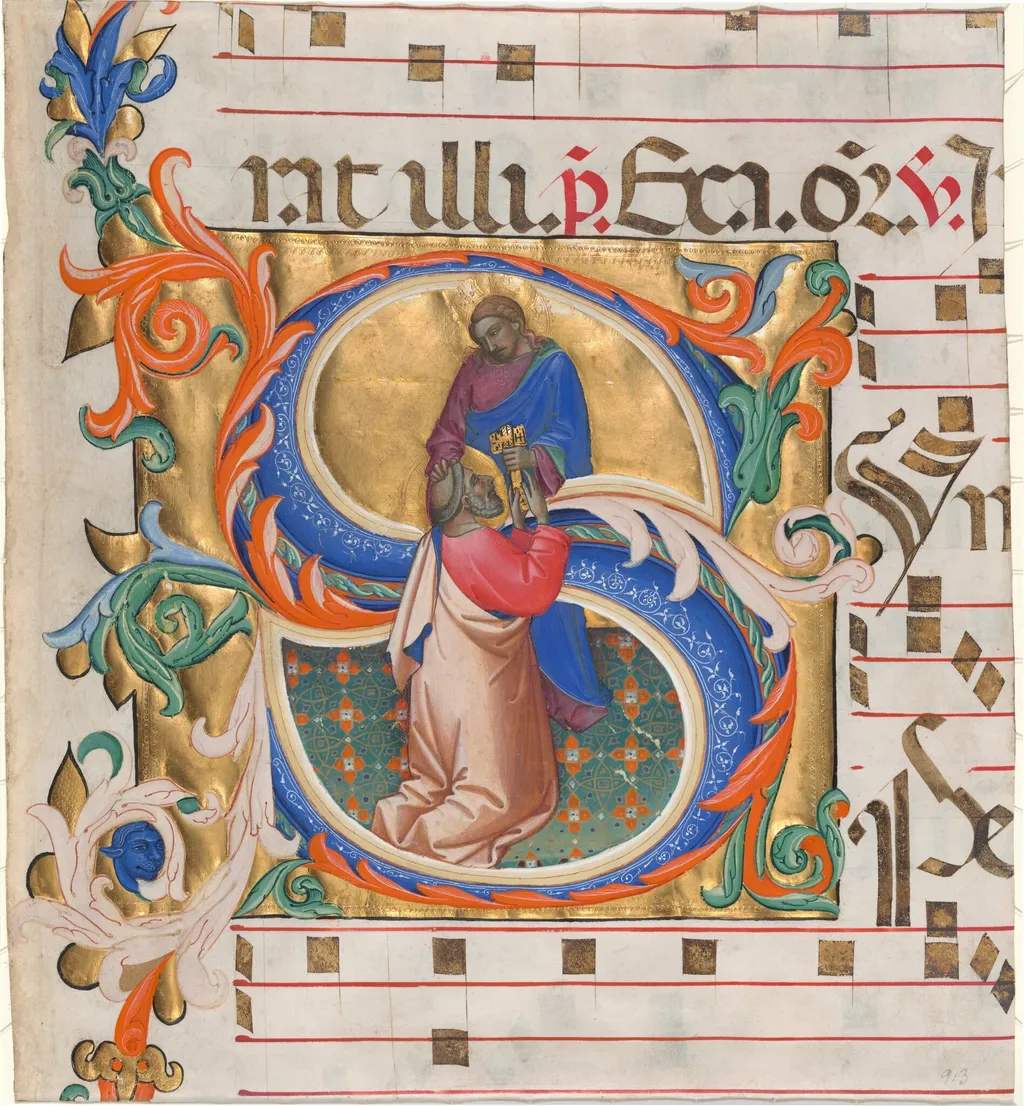
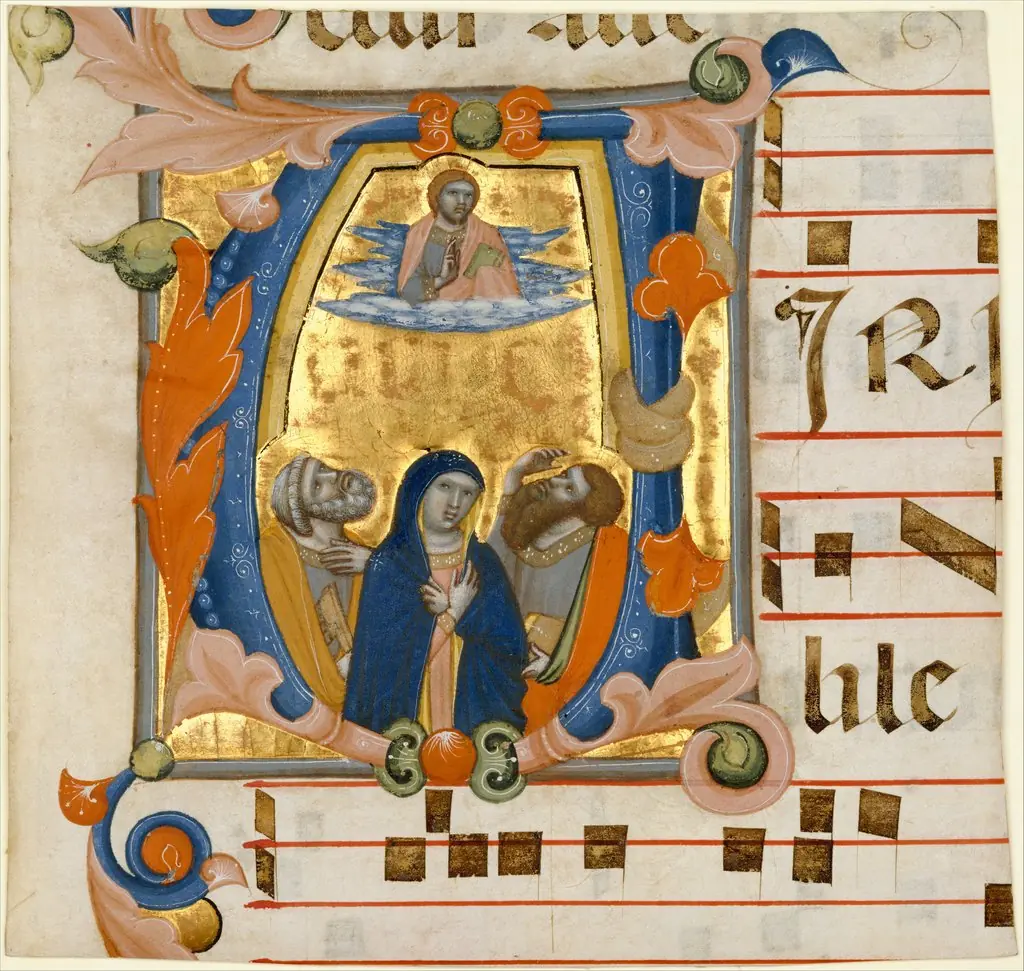
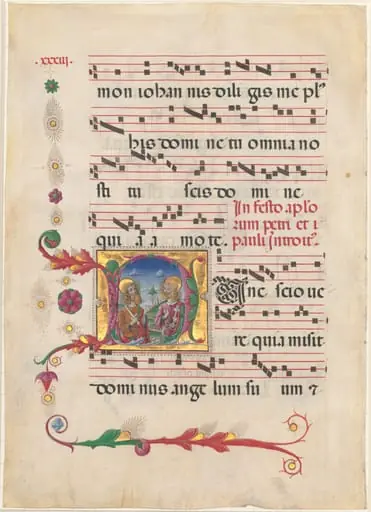
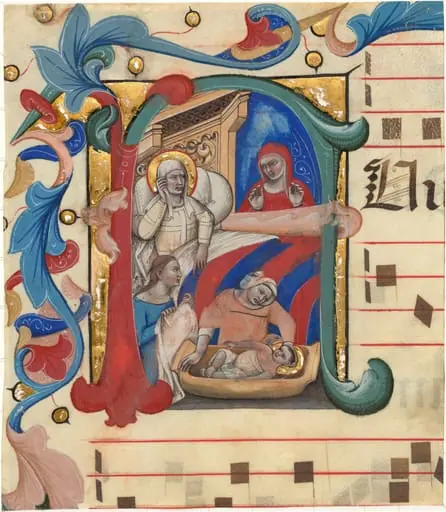
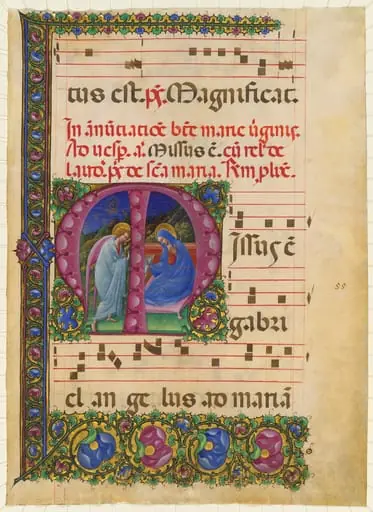
Christ Giving the Keys to Saint Peter is a tempera drawing by Lorenzo Monaco. It dates from 1398 and is held in the collection of the National Gallery of Art. Created around 1398, this work is a small devotional panel painted in tempera and adorned with gold leaf on vellum.
About this work
Overview
It depicts a pivotal moment from Christian tradition: Christ entrusting Saint Peter with the keys to the Kingdom of Heaven.
Created around 1398, this work is a small devotional panel painted in tempera and adorned with gold leaf on vellum. It depicts a pivotal moment from Christian tradition: Christ entrusting Saint Peter with the keys to the Kingdom of Heaven. The composition is contained within a richly decorated border, typical of late medieval manuscript illumination, emphasizing its function as a sacred object rather than a large-scale altarpiece.
Subject & Meaning
The scene illustrates Matthew 16:19, where Christ grants Saint Peter authority over the Church. Christ, identified by his halo and gesture, passes the keys to Peter, who kneels in reverence. The exchange symbolizes the transfer of spiritual leadership. The figures are rendered with solemn dignity, their postures and gestures conveying divine mandate rather than narrative drama, aligning with the contemplative tone of monastic devotion.
Technique & Style
Lorenzo Monaco employed tempera paint with meticulous brushwork, layering pigments to achieve subtle tonal shifts in the robes. Gold leaf, applied to the background and border, reflects light to suggest divine radiance. The ornate frame, filled with interlacing patterns in red, blue, and green, echoes contemporary manuscript decoration. Figures are elongated and stylized, characteristic of the International Gothic style, prioritizing elegance and spiritual symbolism over naturalism.
History & Provenance
The work likely originated in a monastic context, possibly as part of a choir book or devotional codex. It is attributed to Lorenzo Monaco, a Camaldolese monk and painter active in Florence. Its survival in relatively intact condition suggests it was carefully preserved, possibly within a religious institution. No definitive early ownership records exist, but its materials and style point to a Florentine workshop of the late 14th century.
Context
In late 14th-century Tuscany, religious imagery in illuminated manuscripts served both liturgical and instructional roles. Monastic communities valued such works for private meditation and ritual use. Lorenzo Monaco’s style reflects the lingering influence of Byzantine iconography and the refined elegance favored by Florentine patrons. This piece aligns with a broader trend of devotional art that emphasized sacred presence over earthly realism.
Legacy
Though not widely exhibited, this work exemplifies the quiet intensity of late Gothic devotional art. It preserves the aesthetic values of monastic painting at a time when Renaissance naturalism was emerging. Its survival offers insight into the spiritual culture of Florentine religious orders and the enduring role of illuminated objects in personal piety before the dominance of panel painting.
Artist & collection

Artist
Lorenzo Monaco was a Sienese painter and miniaturist of the late Gothic to early Renaissance age, active principally in Florence.