Artwork
The Annunciation to the Virgin
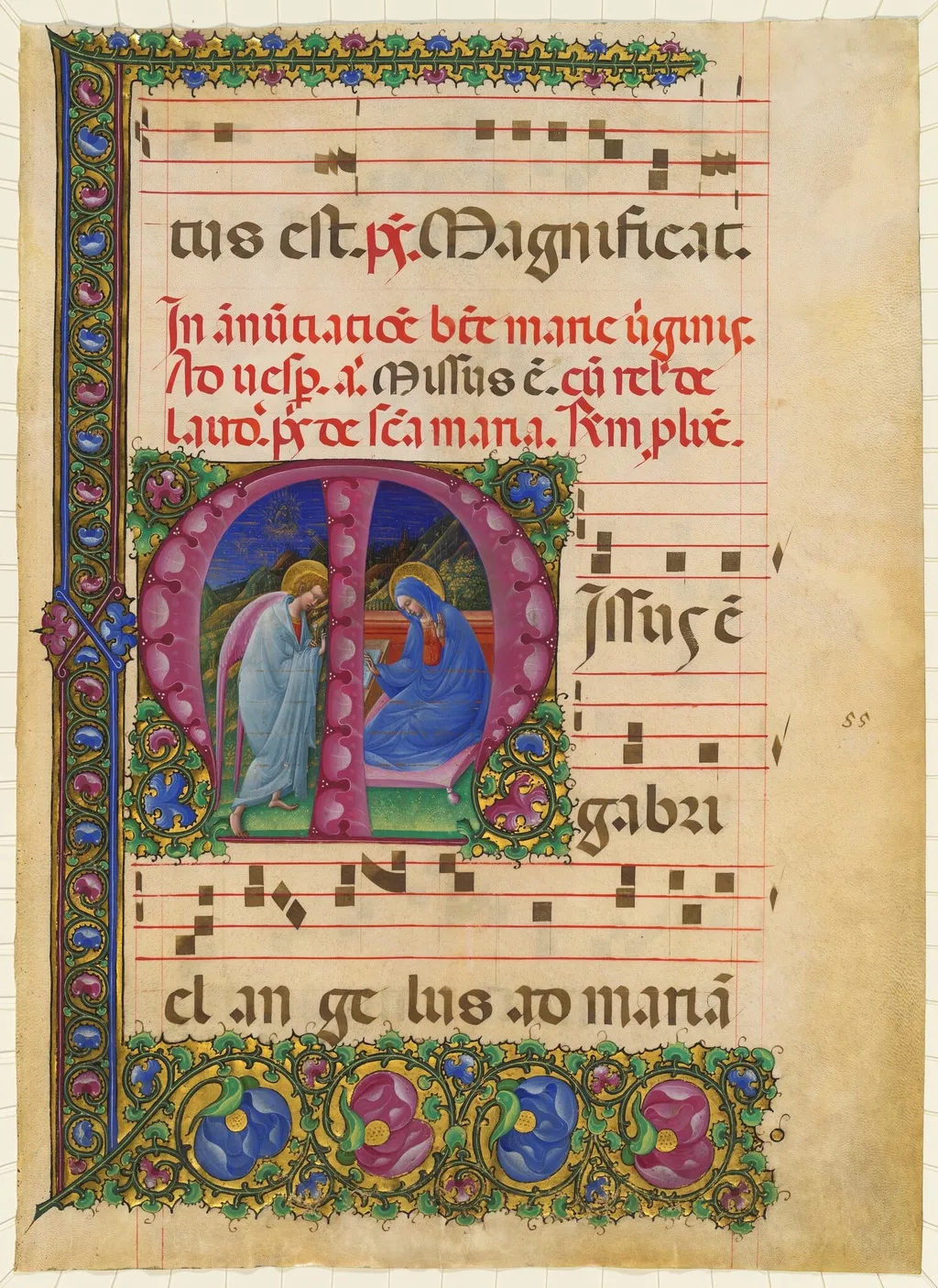
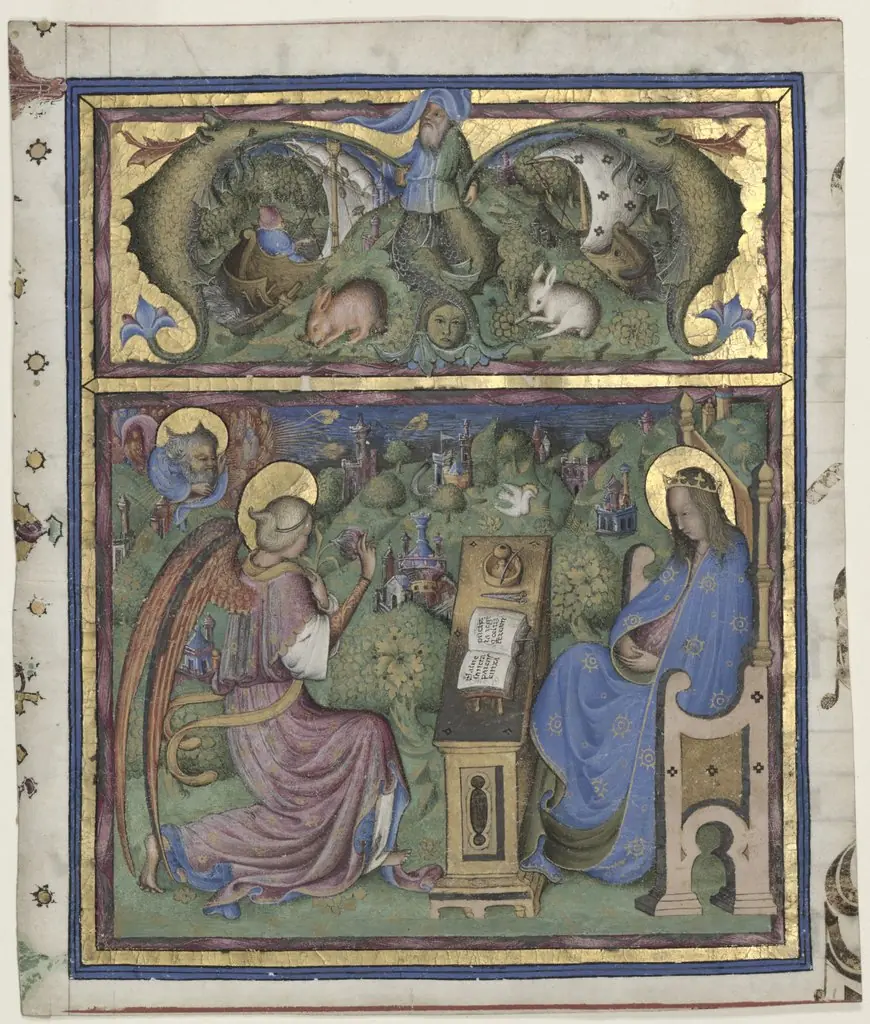
The Annunciation to the Virgin is a tempera drawing by the Renaissance artist Belbello da Pavia. It dates from 1455 and is held in the collection of the National Gallery of Art.
About this work
Overview
The Annunciation to the Virgin is a tempera work on vellum, embellished with gold leaf, executed by the Italian artist Belbello da Pavia around 1455. Though modest in size, the piece reflects the devotional practices of its time, presenting a pivotal moment from the New Testament in a format that bridges drawing and illuminated manuscript traditions.
Subject & Meaning
The composition depicts the biblical scene in which the Archangel Gabriel announces to Mary that she will conceive the Son of God. The narrative is rendered with a focus on the intimate exchange, emphasizing Mary's humility and the divine message that initiates the Christian story of salvation.
Technique & Style
Belbello employed tempera pigments mixed with egg yolk, applied to a vellum support, a material commonly used for illuminated pages. Gold leaf accents highlight the heavenly nature of the encounter, while the fine linear drawing recalls the precision of manuscript illumination, combining delicate shading with a clear, narrative clarity.
History & Provenance
Created in the mid-fifteenth century, the drawing likely served a private devotional context or as a preparatory study for a larger altarpiece. Its survival on vellum suggests careful preservation, and it has been catalogued among Belbello’s surviving works, illustrating the artist’s role in the transition from manuscript art to panel painting in Northern Italy.
Artist & collection


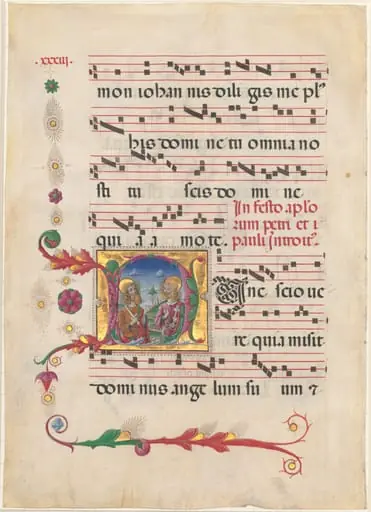 Saints Peter and Paul
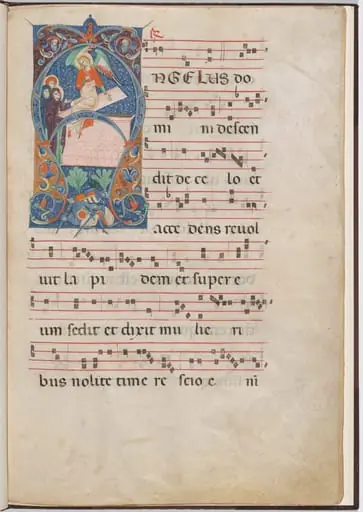 The Three Maries at the Tomb with the Angel of the Resurrection
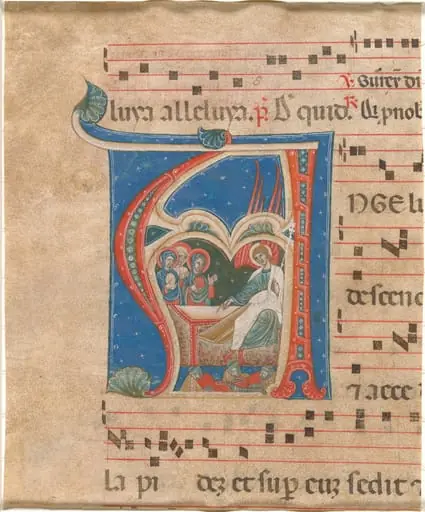 The Three Holy Women at the Tomb
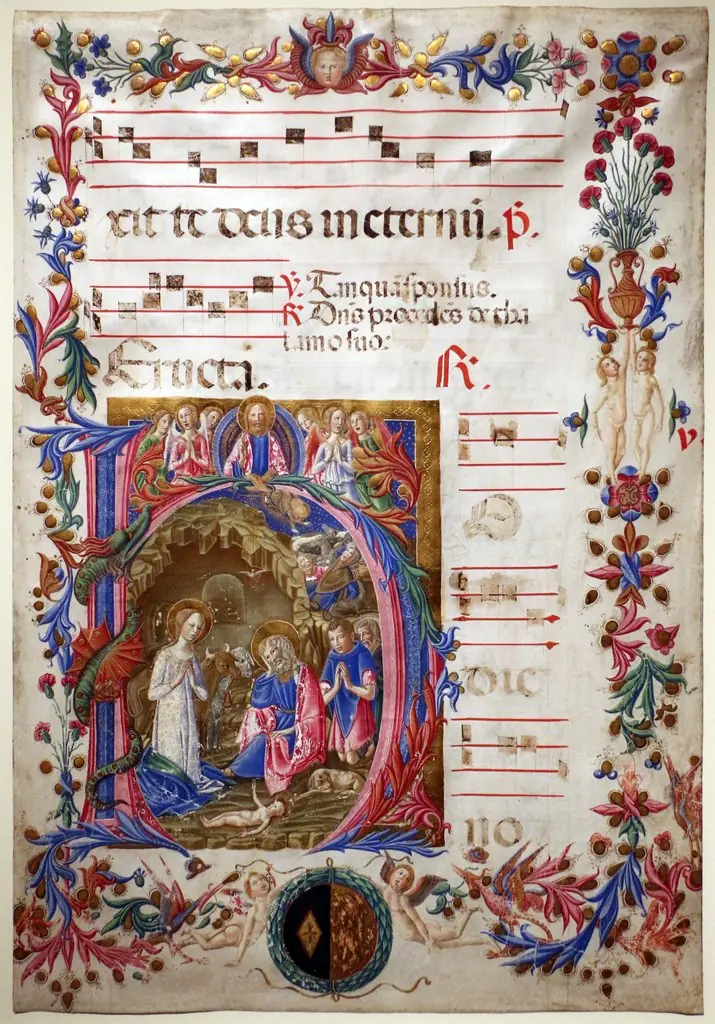 pagina di antifonario con iniziale H e la natività
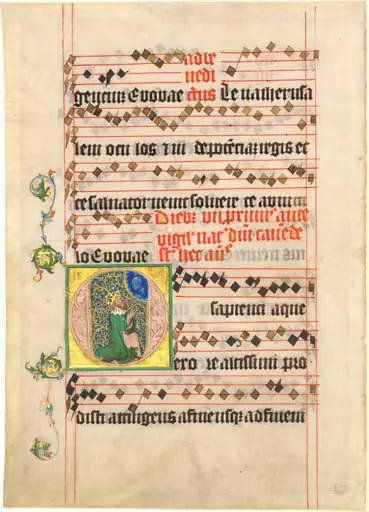 David in Prayer
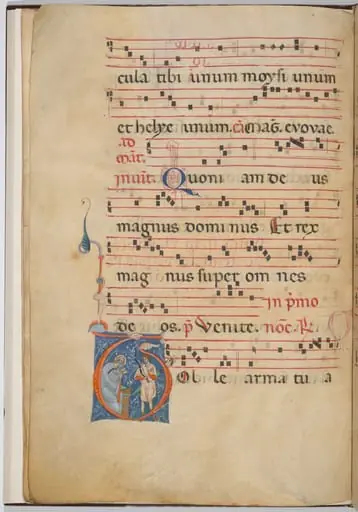 Isaac Sending Esau Out to Hunt
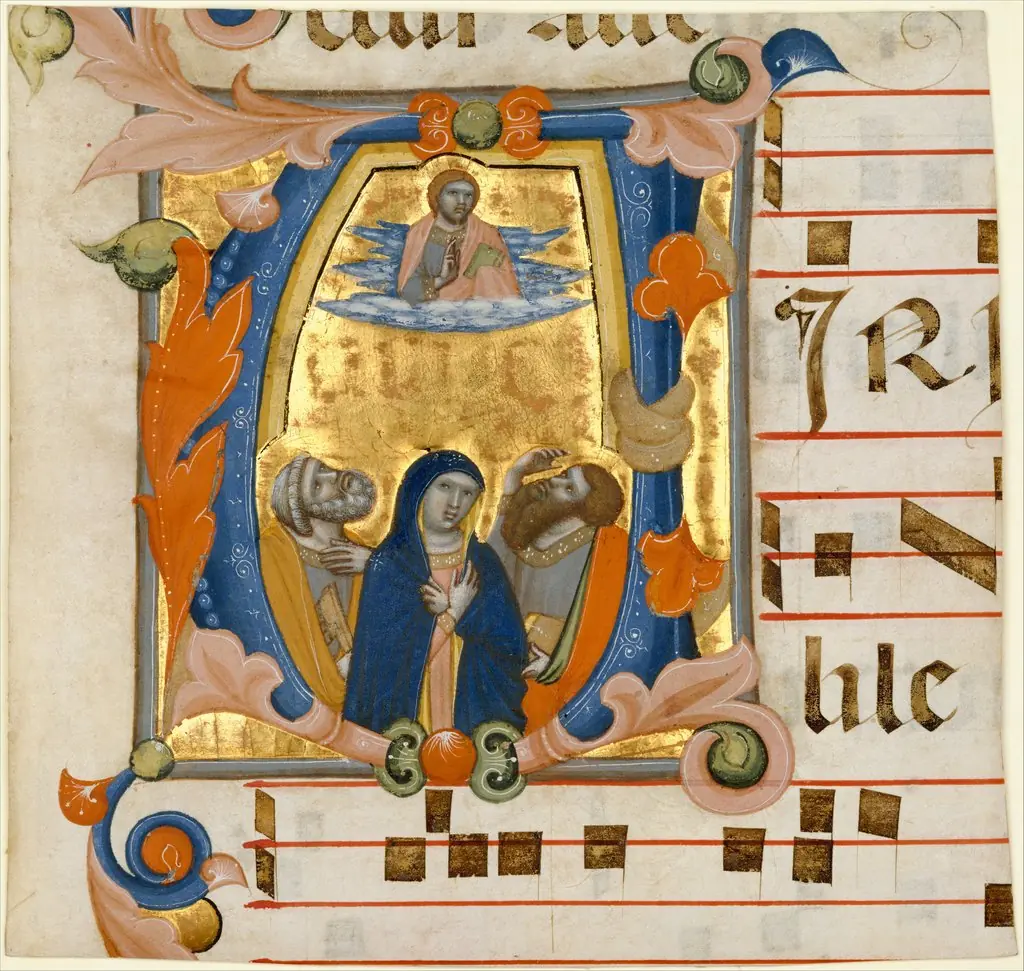 Ascension in an Initial V
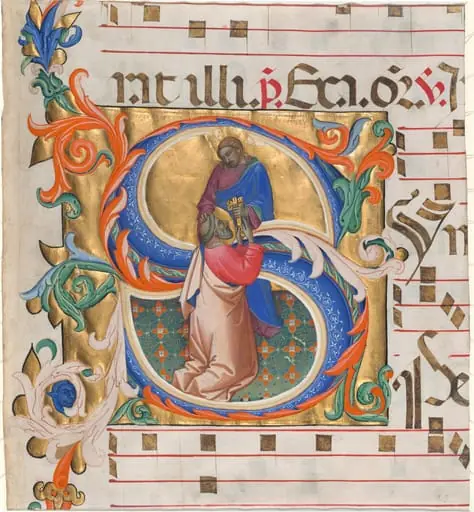 Christ Giving the Keys to Saint Peter
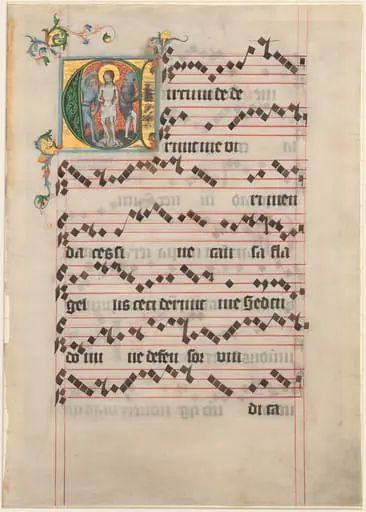 The Flagellation
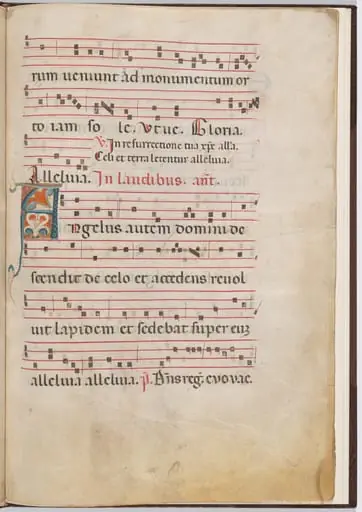 Leaf 3 from an antiphonal fragment
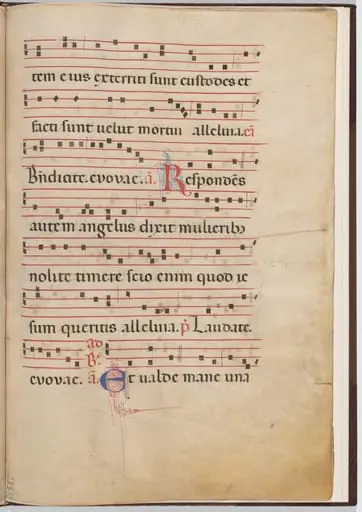 Leaf 4 from an antiphonal fragment