Artwork
Study for the Sibyl of the Casa Budrioli
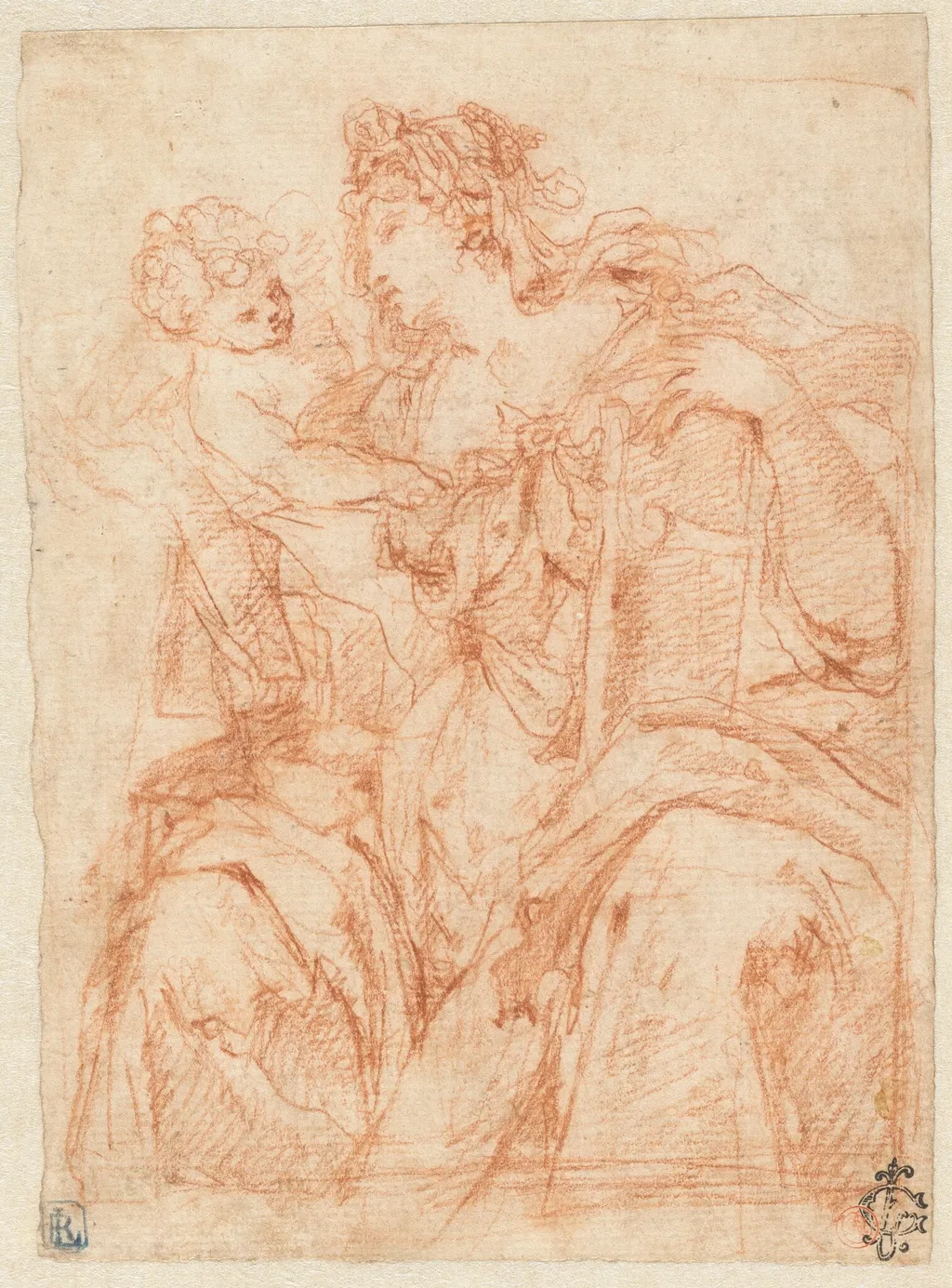
Study for the Sibyl of the Casa Budrioli is a chalk drawing by the Baroque artist Lorenzo Pasinelli. It dates from 1678 and is held in the collection of the National Gallery of Art.
About this work
Overview
Created in 1678 by Lorenzo Pasinelli, this red chalk drawing serves as a preparatory study for a larger decorative project. Executed on laid paper, it captures a seated female figure with refined simplicity. The work is part of the National Gallery of Art’s collection in Washington, D.C., and reflects the artist’s engagement with classical themes through intimate, observational drawing.
Subject & Meaning
The draped garment and serene posture convey dignity rather than theatricality, aligning with Baroque-era ideals of restrained elegance in allegorical figures.
The figure is likely a sibyl, a prophetic woman from ancient tradition, depicted in a moment of quiet contemplation. Her turned head and floral-adorned hair suggest a blend of naturalism and symbolic reference, evoking antiquity without overt narrative. The draped garment and serene posture convey dignity rather than theatricality, aligning with Baroque-era ideals of restrained elegance in allegorical figures.
Technique & Style
Pasinelli employed red chalk with subtle gradations to model form and suggest volume. Delicate, fluid lines define the contours of the robe and hair, while soft shading enhances the tactile quality of the fabric. A faint rectangular outline hints at the intended framing of the final composition, and a small monogram in the lower right may indicate the artist’s mark or workshop notation.
History & Provenance
The drawing was produced during Pasinelli’s active years in Bologna, where he contributed to fresco cycles in private residences. It was likely made as a study for a ceiling or wall decoration in the Casa Budrioli, a Bolognese palace. The work entered the National Gallery of Art’s collection through established acquisition channels, preserving its connection to 17th-century Italian decorative practice.
Context
In late 17th-century Bologna, artists often produced detailed chalk studies for large-scale decorative programs. Pasinelli’s work reflects the city’s tradition of combining academic discipline with expressive draftsmanship. This drawing aligns with contemporaneous practices in which preparatory sketches were valued both as functional tools and as autonomous works of art.
Legacy
Though not widely exhibited, this study exemplifies the quiet precision of Bolognese draftsmanship in the Baroque period. It contributes to the understanding of how artists translated monumental themes into intimate, tactile forms. Its preservation underscores the importance of preparatory drawings in the artistic process of the time.
Artist & collection
Artist
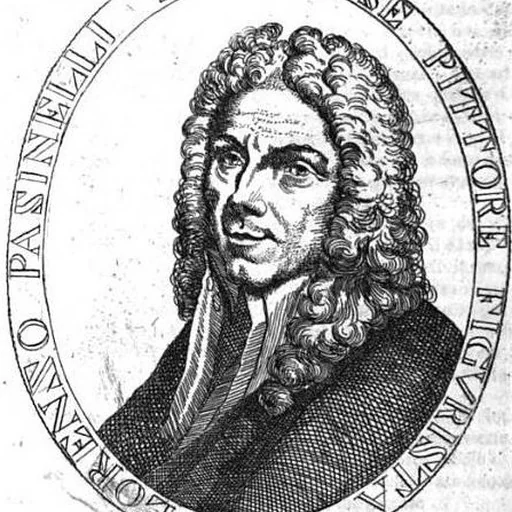
Lorenzo Pasinelli (September 4, 1629 – March 4, 1700) was an Italian painter active mainly in Bologna during the late Baroque period.

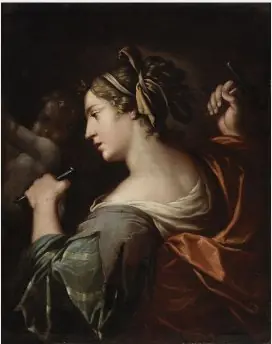
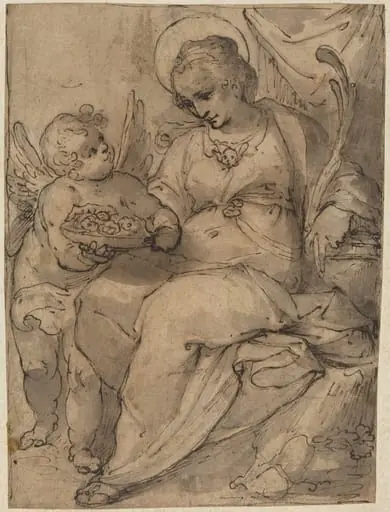 Martyr with an Angel
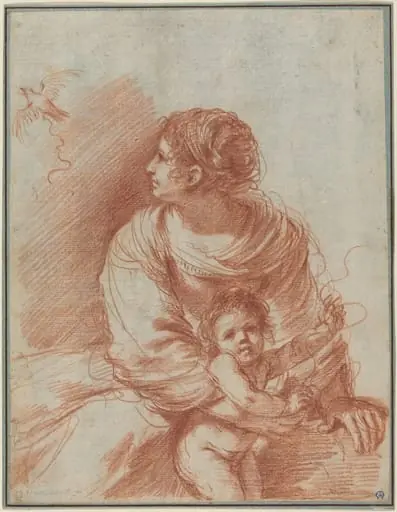 The Madonna and Child with an Escaped Goldfinch
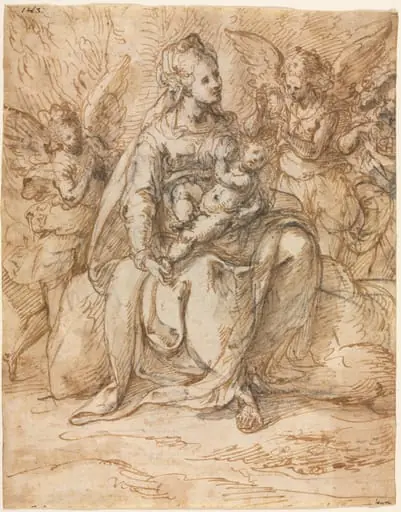 Madonna and Child with Angels
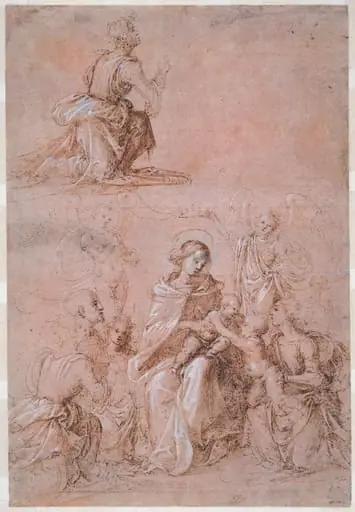 The Virgin and Child Surrounded by Saints and Angels
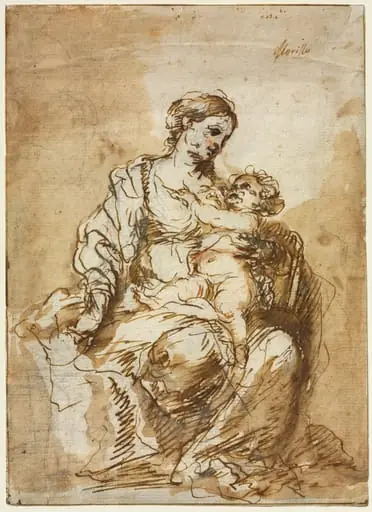 Madonna Nursing the Christ Child
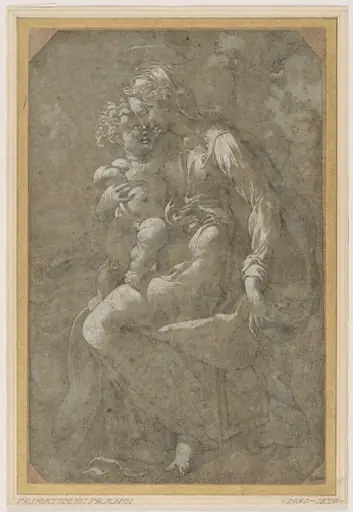 Madonna and Child
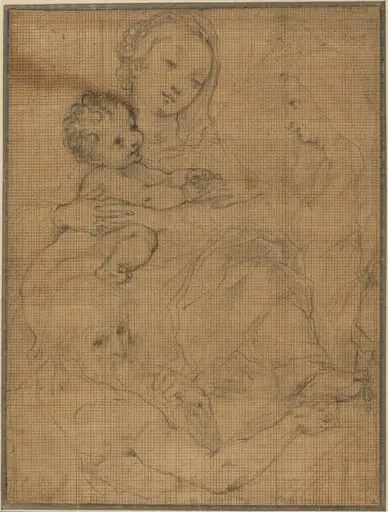 Mystic Marriage of Saint Catherine with Saint Jerome
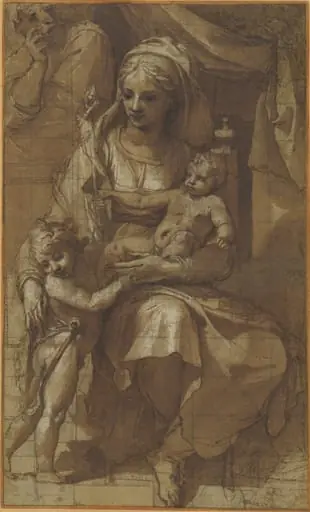 The Holy Family with the Infant John the Baptist
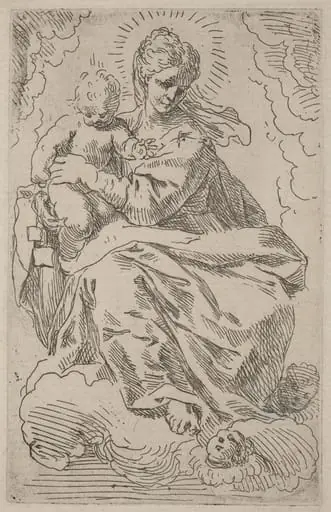 The Virgin and Child
![Madonna and Child with Saints John and Joseph [recto], by Italian 17th Century](https://artifactworldgallery.com/img/italian-17th-century--madonna-and-child-with-saints-john-and-joseph-recto--9af1da01f3814a36-w320.webp) Madonna and Child with Saints John and Joseph [recto]
Madonna and Child with Saints John and Joseph [recto]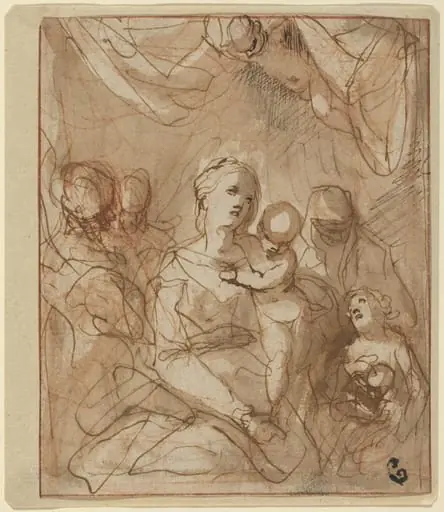 The Virgin and Infant Jesus with Saints
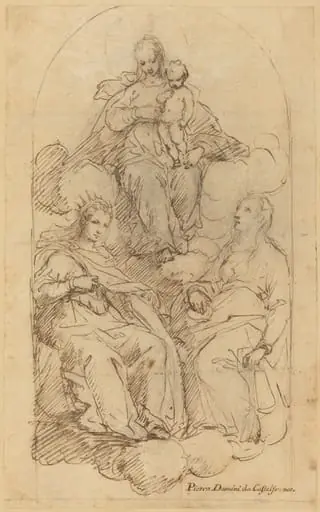 The Virgin and Child Adored by Saint Catherine and Another Female Saint