Artwork
The Roman Forum (Le Campo Vaccino)
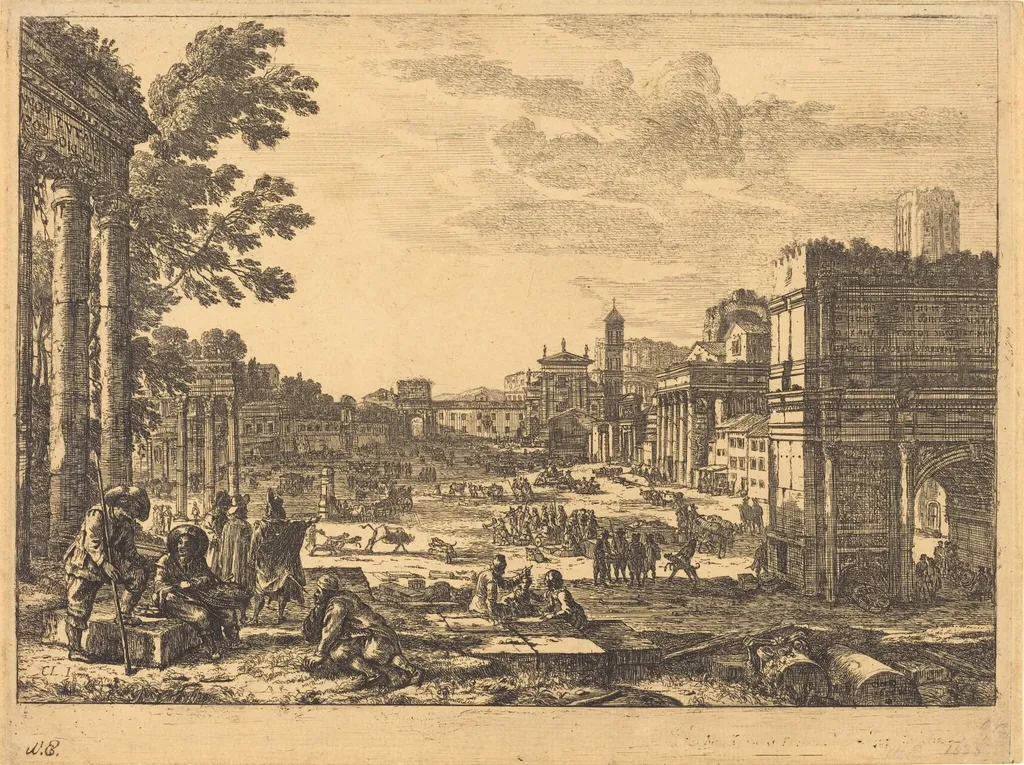
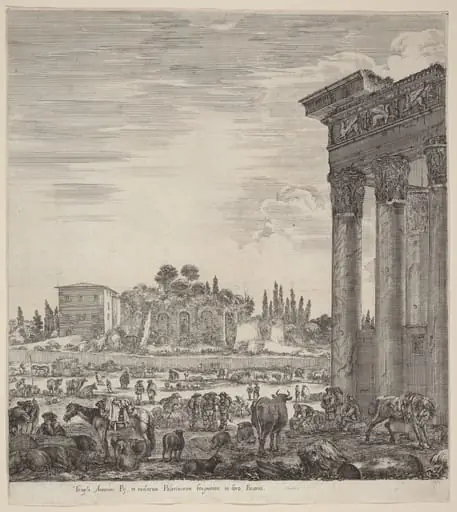
The Roman Forum (Le Campo Vaccino) is an ink print by the Baroque artist Claude Lorrain. It dates from 1636 and is held in the collection of the National Gallery of Art.
About this work
Overview
Lorrain’s skill in etching allowed him to render architectural detail and atmospheric depth with precision, establishing a model for later topographical prints.
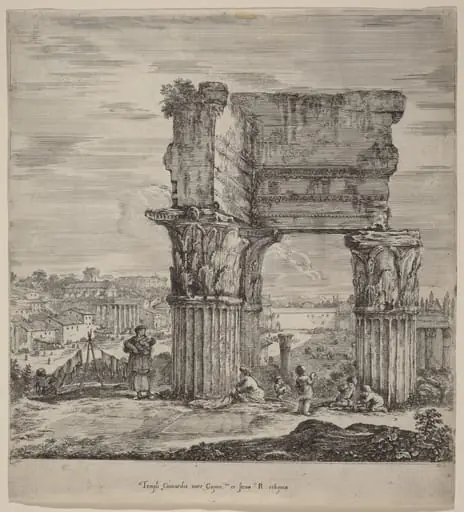
Created in 1636, *The Roman Forum (Le Campo Vaccino)* is an etching by Claude Lorrain, a French artist who settled in Italy and became central to the development of landscape printmaking. The work captures the ruins of ancient Rome’s civic center as a living, inhabited space rather than a relic. Lorrain’s skill in etching allowed him to render architectural detail and atmospheric depth with precision, establishing a model for later topographical prints.
Subject & Meaning
The scene portrays the Forum not as a monument to imperial grandeur, but as a quiet, everyday environment where human activity unfolds among crumbling structures. Figures tend to livestock, rest by the river, and move along worn paths, suggesting continuity between antiquity and contemporary rural life. The blending of decay and vitality reflects a Renaissance fascination with time’s passage, where ruins become part of an enduring natural order.
Technique & Style
Lorrain employed fine, controlled lines to define architecture and subtle tonal gradations to suggest light and shadow. The river’s reflective surface is rendered with delicate hatching, enhancing the sense of realism. The composition balances dense foreground activity with receding architectural planes, using atmospheric perspective to create spatial depth. His etching technique prioritizes nuance over dramatic contrast, favoring quiet observation over theatrical effect.
History & Provenance
The print was made during Lorrain’s mature period in Rome, where he produced numerous etchings of Roman landscapes for collectors and artists. While the original plate’s early ownership is undocumented, the work circulated widely among European connoisseurs by the late 17th century. Surviving impressions are held in major print collections, including those of the British Museum and the Louvre, attesting to its enduring scholarly interest.
Context
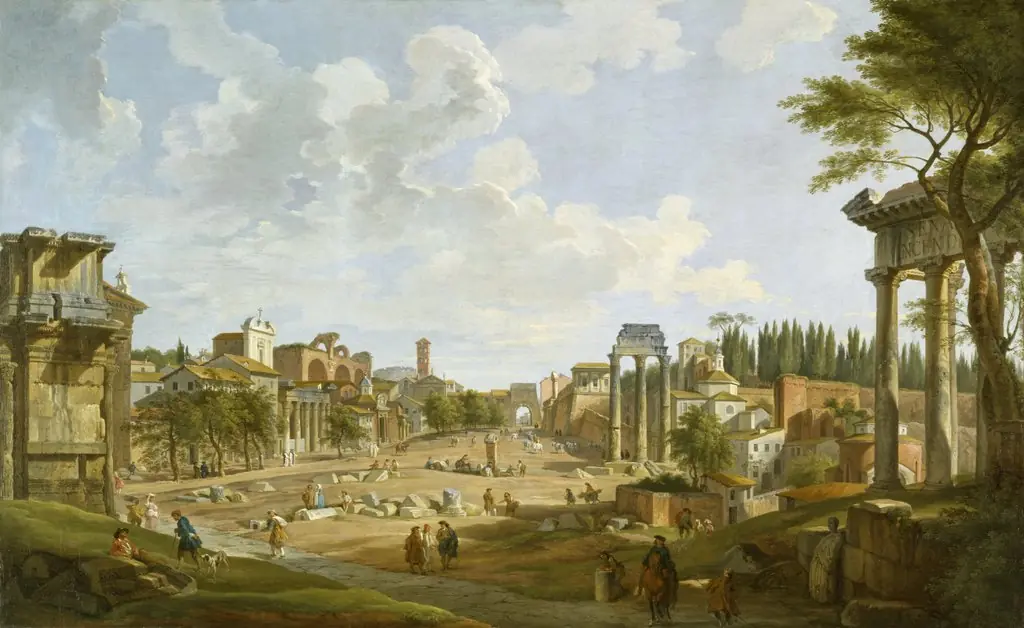
In 17th-century Rome, antiquity was not merely studied but lived among. The Campo Vaccino—once the Forum’s heart—was a pasture, its stones repurposed or left to weather. Lorrain’s etching reflects this reality, countering idealized classical depictions with a grounded view of ruins integrated into daily life. His work aligned with a growing interest in topographical accuracy and the poetic potential of decay.
Legacy
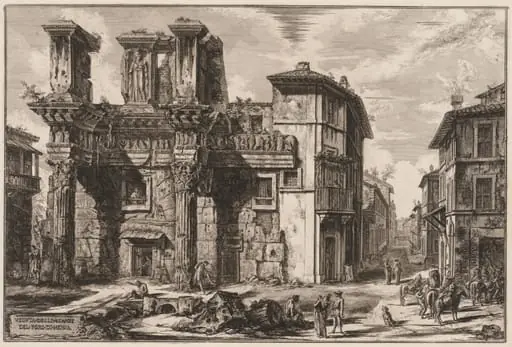
Lorrain’s etching influenced generations of landscape artists and printmakers who sought to capture place with both precision and mood. His approach to combining architectural detail with naturalistic light became a reference point for 18th-century vedute painters and Romantic-era draftsmen. Though not widely reproduced in his lifetime, the work’s quiet realism secured its place in the evolution of topographical art.
Own this work as a print
Artist & collection
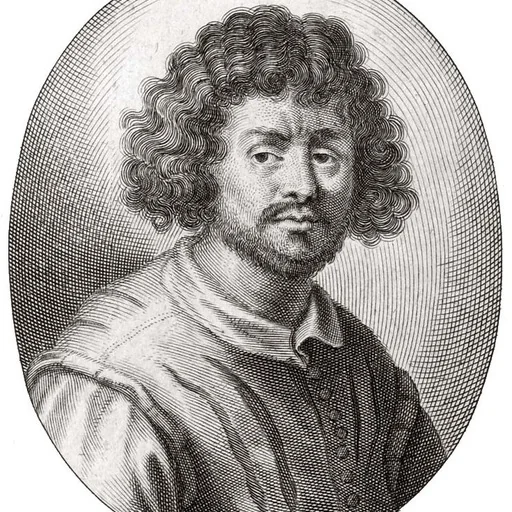
Artist
Claude Lorrain (French: ; born Claude Gellée , called le Lorrain in French; traditionally just Claude in English; c.