Artwork
Fishing Boats, Normandy (Environ de Caen)
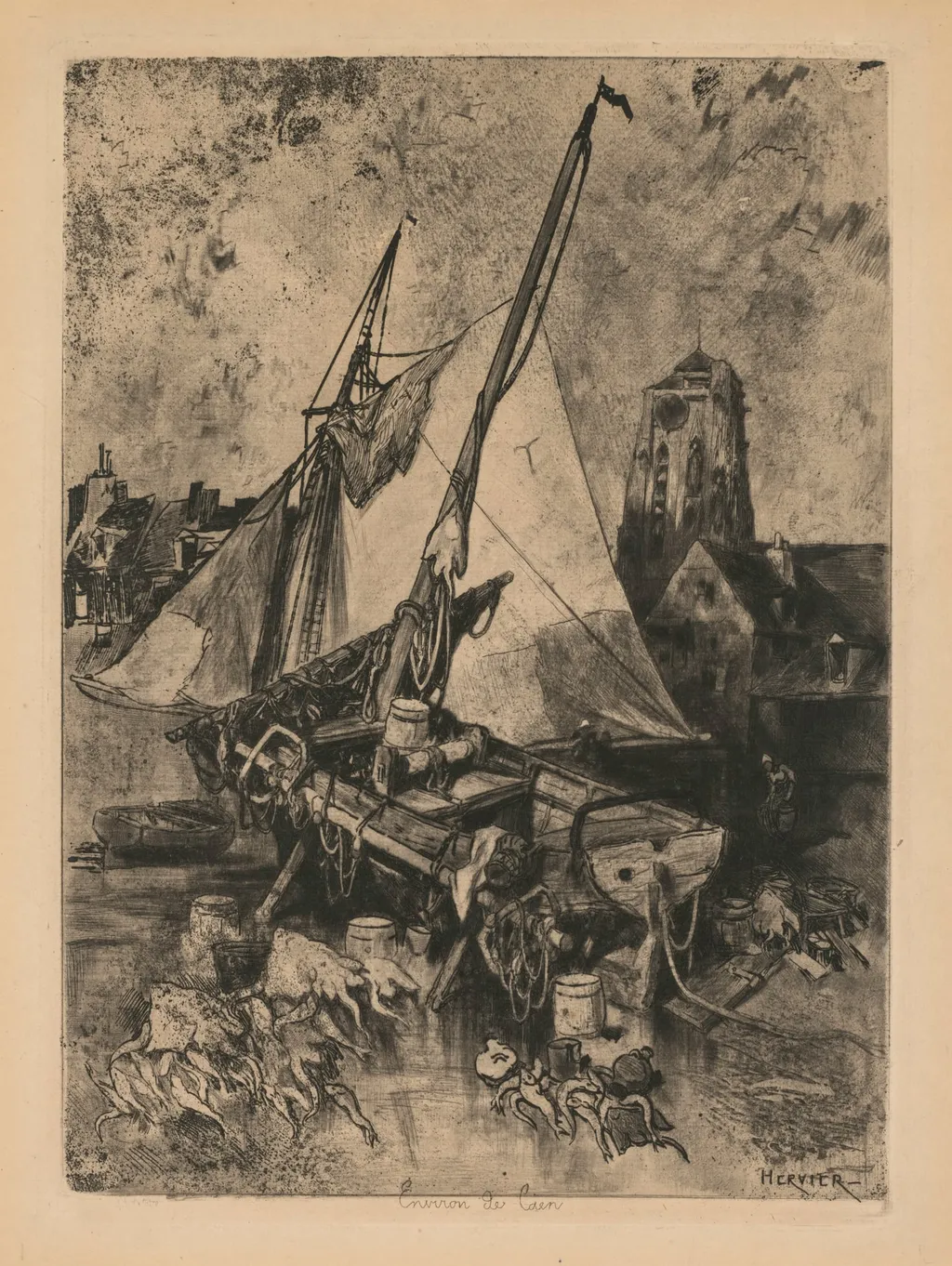
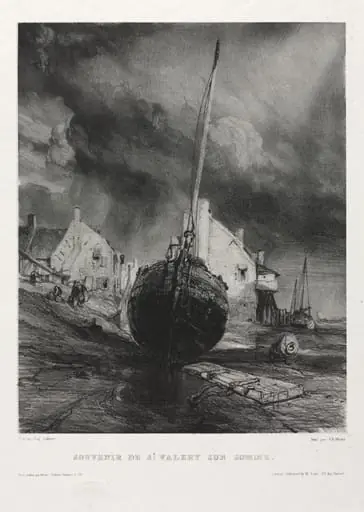
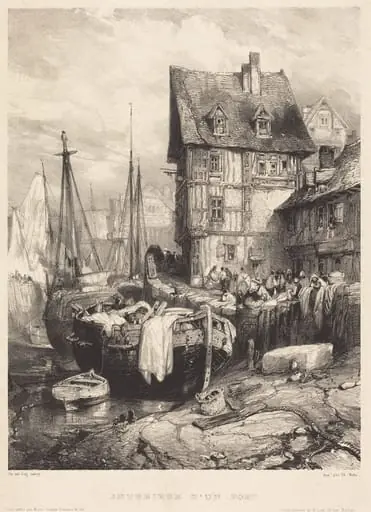
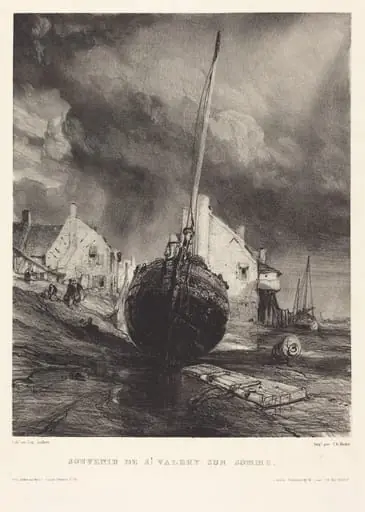
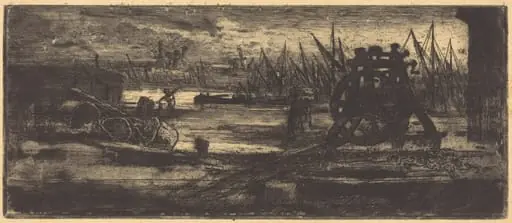
Fishing Boats, Normandy (Environ de Caen) is a print by the Impressionist artist Adolphe Hervier. It dates from 1863 and is held in the collection of the Cleveland Museum of Art.
About this work
Overview
Created around 1863 by French artist Louis Adolphe Hervier, this print captures a scene of decayed fishing equipment along the Normandy coast near Caen.
Created around 1863 by French artist Louis Adolphe Hervier, this print captures a scene of decayed fishing equipment along the Normandy coast near Caen. Executed in a loose, expressive manner, it reflects Hervier’s shift from Romantic idealism toward a more direct observation of rural labor. The work is part of the Cleveland Museum of Art’s collection and exemplifies his interest in the unvarnished realities of coastal life.
Subject & Meaning
The scene portrays the aftermath of fishing activity: broken hulls, discarded barrels, and tangled nets litter the shore. No figures are present, yet the debris suggests the physical toll and impermanence of maritime work. Hervier avoids romanticizing the setting, instead emphasizing the worn, functional nature of the boats and gear, aligning the image with Realist concerns for everyday hardship over aesthetic polish.
Technique & Style
Hervier employed rapid, gestural lines and dense shading to convey texture and disorder. The drawing’s smudged contours and uneven ink application create a sense of immediacy, as if sketched on-site. This approach departs from polished academic conventions, favoring spontaneity and tactile presence. The roughness of the medium mirrors the chaotic environment it depicts, reinforcing the work’s documentary quality.
History & Provenance
The print was produced during Hervier’s mature period, when he increasingly focused on coastal Normandy’s working landscapes. It entered the Cleveland Museum of Art’s collection through documented acquisition, though its earlier ownership history remains largely unrecorded. Its preservation reflects late 19th-century interest in regional genre subjects, particularly those capturing rural labor outside urban centers.
Context
In the 1860s, French artists began turning from historical and mythological themes toward scenes of ordinary life. Hervier’s work aligns with this Realist movement, which valued authenticity over idealization. Coastal communities like those near Caen offered rich subject matter—unpolished, transient, and tied to seasonal cycles—making them compelling alternatives to the romanticized countryside favored by earlier generations.
Legacy
Though Hervier is not widely known today, this print contributes to a broader understanding of how 19th-century printmakers documented labor and landscape with quiet precision. His focus on decay and utility influenced later artists interested in the aesthetics of the mundane. The work remains a quiet testament to the overlooked rhythms of coastal existence in pre-industrial France.
Artist & collection
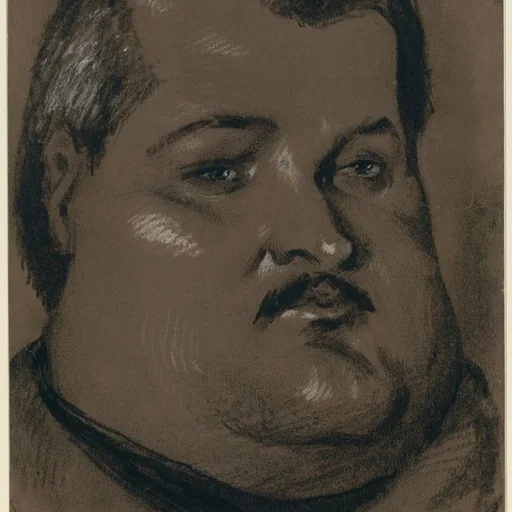
Artist
Adolphe Hervier, in full: Louis-Henri-Victor-Jules-François-Adolphe Hervier (1818, Paris - 18 January 1879, Paris) was a French painter and engraver, known for his rural genre scenes.