Artwork
Village Scene, Barbizon
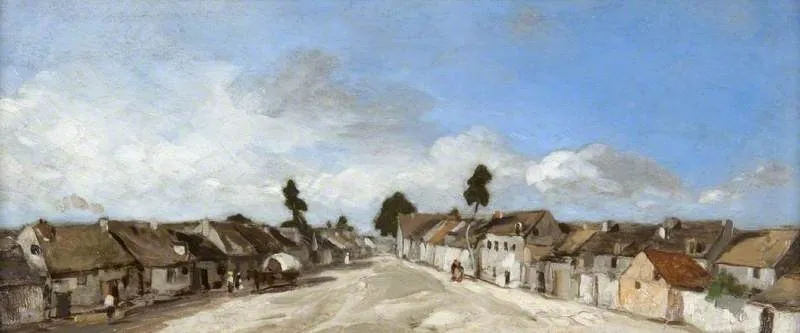
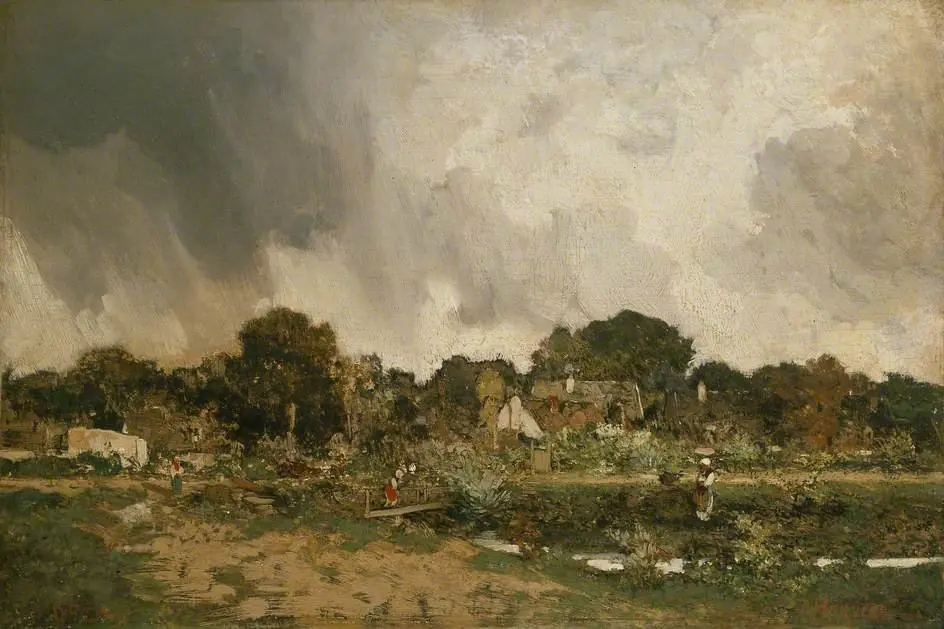
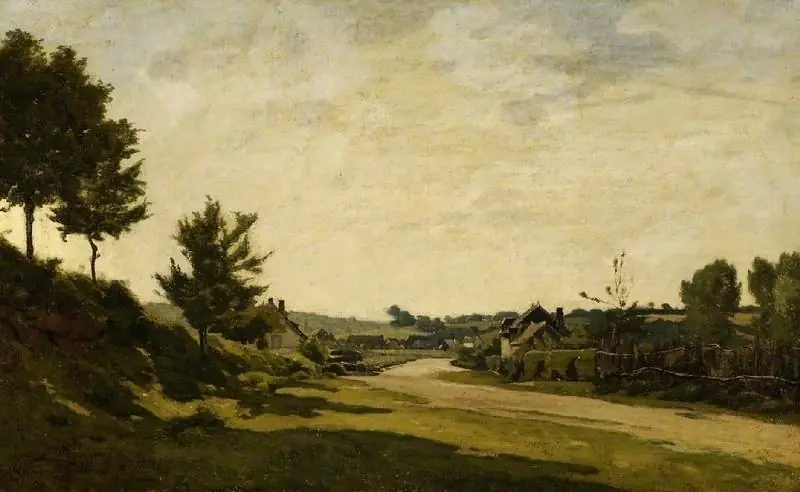
Village Scene, Barbizon is an oil painting by the Barbizon school artist Adolphe Hervier. It dates from 1855 and is held in the collection of the Kelvingrove Art Gallery and Museum.
About this work
Overview
A French artist associated with the Barbizon School, he focused on quiet rural life rather than grand historical narratives.
Adolphe Hervier painted *Village Scene, Barbizon* in 1855 using oil on canvas. A French artist associated with the Barbizon School, he focused on quiet rural life rather than grand historical narratives. This work reflects his shift away from Romantic idealism toward more naturalistic observation, aligning with a broader movement that valued direct engagement with the landscape and everyday rural existence.
Subject & Meaning
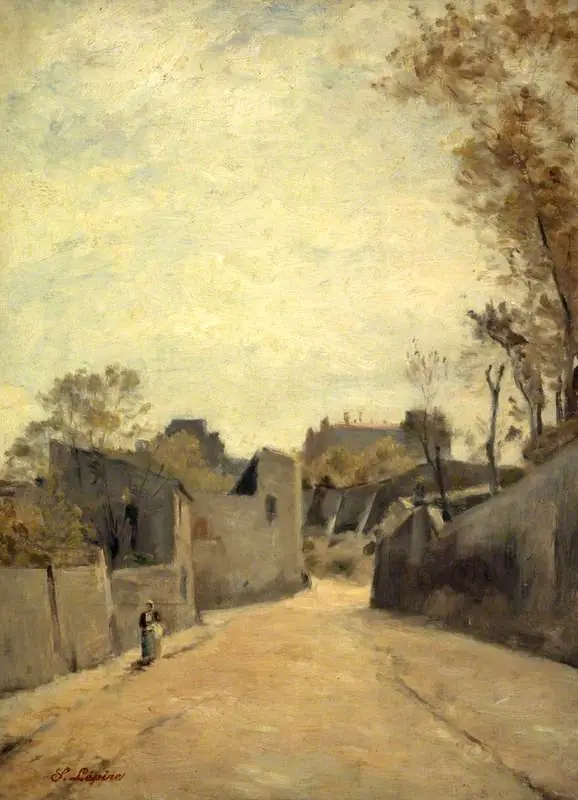
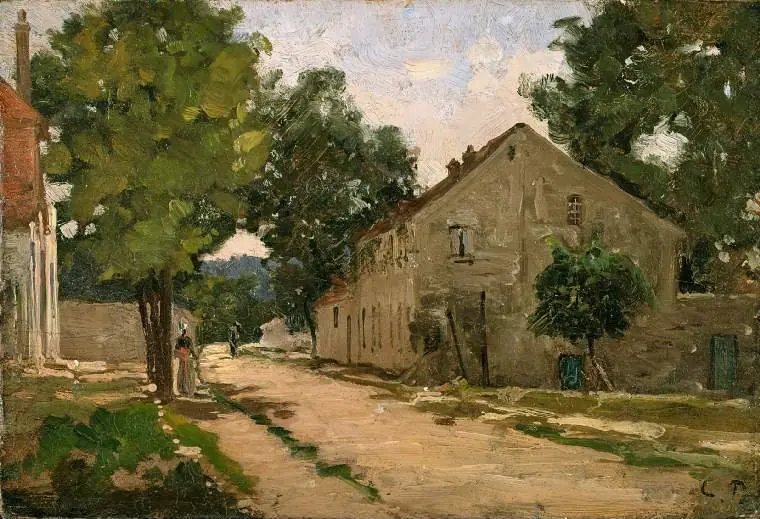
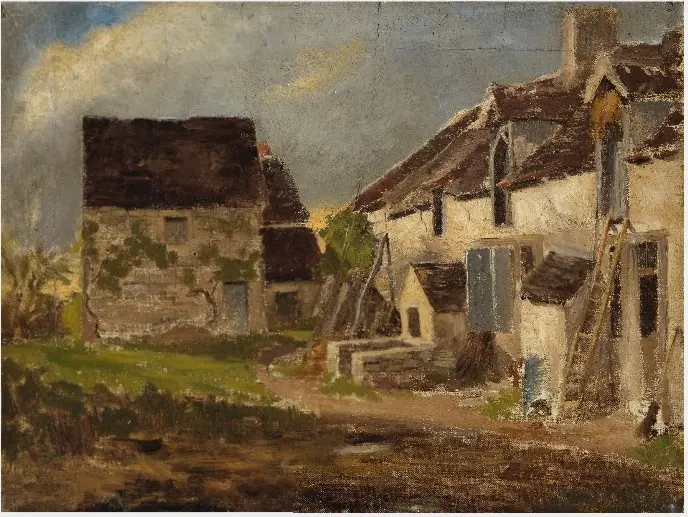
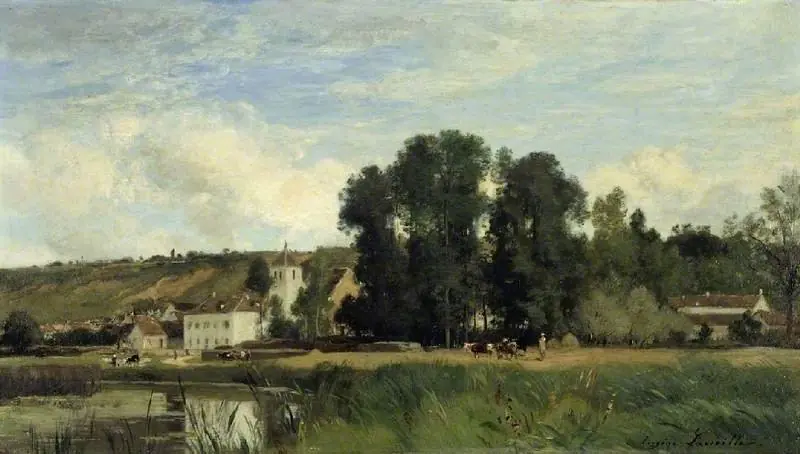
The painting portrays a modest village in Barbizon, with stone and brick dwellings clustered along a dirt path. Figures move quietly through the scene—villagers engaged in routine activities without theatrical emphasis. The absence of dramatic action or idealized forms suggests an appreciation for the dignity of ordinary life, grounding the work in the real rhythms of peasant existence rather than sentimentalized nostalgia.
Technique & Style
Hervier employed muted earth tones and soft transitions of light to evoke a tranquil atmosphere. Brushwork is restrained, avoiding the bold strokes of later Impressionism but hinting at its sensitivity to natural light. Subtle chiaroscuro defines the volumes of buildings and figures without harsh contrast, reinforcing the painting’s calm, unembellished mood and its roots in observed reality.
History & Provenance
Created in 1855, the painting entered the collection of Kelvingrove Art Gallery and Museum in Glasgow, where it remains today. While Hervier was not as widely recognized as some of his Barbizon contemporaries, his works were exhibited in Parisian salons during the mid-nineteenth century. This piece reflects the growing interest in regional French rural life among collectors and institutions outside the capital.
Context
In the 1850s, artists in Barbizon began rejecting academic conventions by painting outdoors and focusing on unidealized landscapes and peasant life. Hervier’s work aligns with this shift, occurring alongside the early efforts of Corot and Millet. The movement laid groundwork for later plein air practices, emphasizing direct observation over studio fabrication and contributing to the evolution of modern landscape painting.
Legacy
Though Hervier’s name is less prominent today, his paintings contribute to the broader narrative of 19th-century French realism. *Village Scene, Barbizon* exemplifies the quiet, observational approach that helped redefine artistic subject matter. Its presence in Kelvingrove underscores the international reach of the Barbizon School’s influence beyond France’s borders.
Artist & collection
Artist
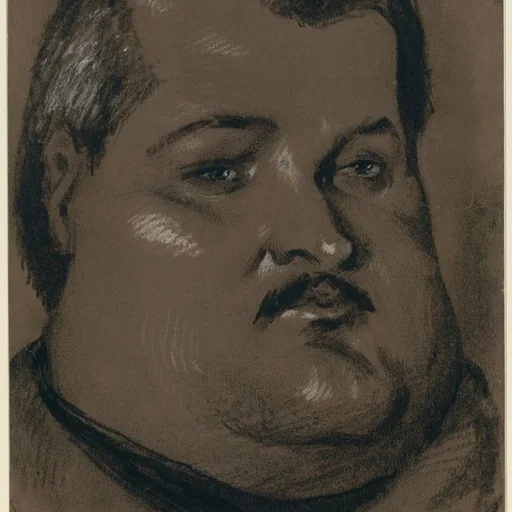
Adolphe Hervier, in full: Louis-Henri-Victor-Jules-François-Adolphe Hervier (1818, Paris - 18 January 1879, Paris) was a French painter and engraver, known for his rural genre scenes.