Artwork
Portrait of Empress Anna Ioannovna
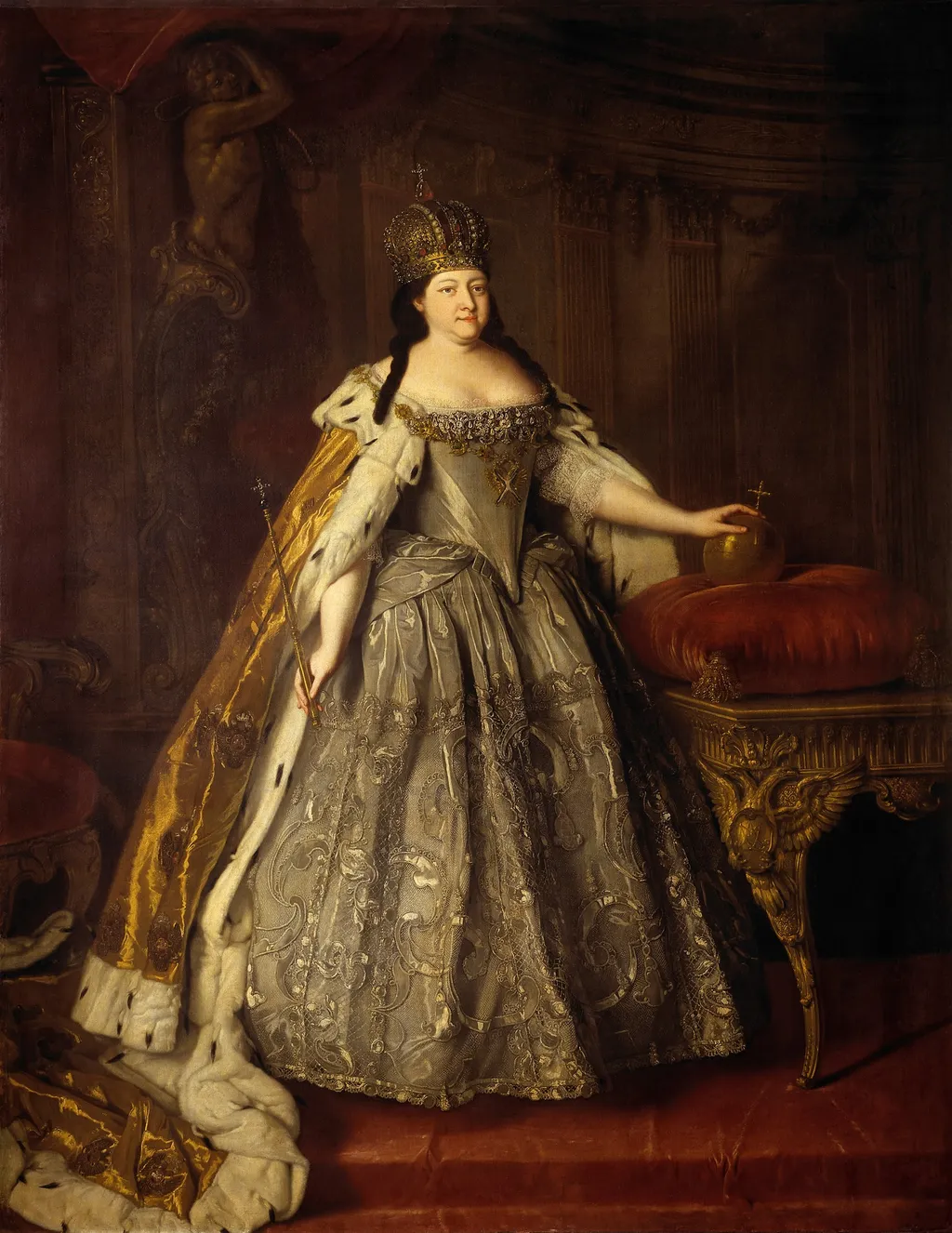
Portrait of Empress Anna Ioannovna is an oil painting by the Rococo painting artist Louis Caravaque. It dates from 1730 and is held in the collection of the Tretyakov Gallery.
About this work
Overview
Painted in 1730 by French artist Louis Caravaque, this oil portrait captures Empress Anna Ioannovna of Russia during her reign.
Painted in 1730 by French artist Louis Caravaque, this oil portrait captures Empress Anna Ioannovna of Russia during her reign. Caravaque, who spent much of his career in St. Petersburg, was commissioned by the Russian court to produce formal likenesses of the imperial family. The painting remains in the collection of the Tretyakov Gallery in Moscow, where it serves as a documented example of early 18th-century Russian imperial portraiture.
Subject & Meaning
Empress Anna Ioannovna is depicted in full regalia, emphasizing her authority as ruler. The scepter and orb, both topped with crosses, symbolize her divine right to rule and her role as protector of the Orthodox faith. The elaborate dress and jeweled crown reflect the ceremonial trappings of imperial power, while the nude statue behind her alludes to classical ideals of sovereignty and permanence, reinforcing the legitimacy of her reign.
Technique & Style
Caravaque employed a refined, detailed approach typical of late Baroque portraiture with emerging Rococo sensibilities. The textures of silk, fur, and metal are rendered with precision, highlighting the luxury of imperial attire. Soft modeling of the face contrasts with the sharp definition of ornaments, directing attention to the empress’s status. The composition is formal and symmetrical, with rich red drapery anchoring the figure against a muted background.
History & Provenance
Commissioned during Anna’s reign (1730–1740), the portrait was likely created to affirm her authority both domestically and abroad. Caravaque, already established in Russia, was among the foreign artists employed by the court to elevate its cultural prestige. The painting entered the Tretyakov Gallery’s collection in the 19th century, following the consolidation of imperial art holdings after the revolution, and has remained there since.
Context
In early 18th-century Russia, portraiture served political ends as much as aesthetic ones. Foreign artists like Caravaque were brought in to align Russian imperial imagery with Western European norms. The inclusion of classical sculpture and Christian symbols in this portrait reflects a deliberate fusion of Byzantine, Western, and Enlightenment ideals to legitimize autocratic rule during a period of modernization under the Romanovs.
Legacy
Caravaque’s portrait of Anna Ioannovna stands as one of the most recognizable images of her reign. It influenced subsequent court portraiture in Russia, setting a template for depicting female rulers with regal symbolism and meticulous detail. While not widely exhibited outside Russia, it remains a key reference in studies of imperial iconography and the role of art in consolidating political power.
Own this work as a print
Artist & collection
Artist
Louis Caravaque (French pronunciation: ; 1684–1754) was a French portrait painter. He worked and labored in areas like Russia.

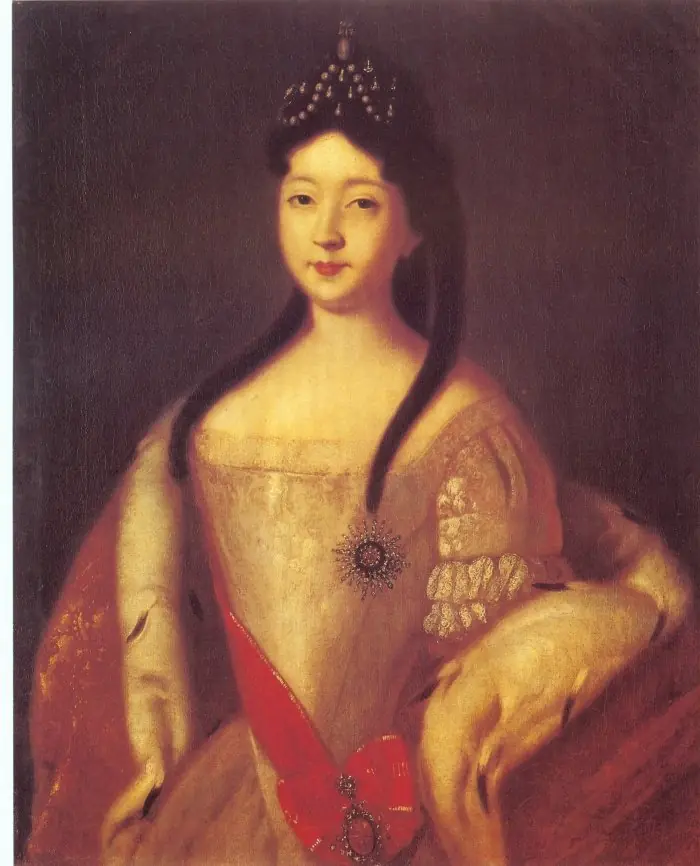
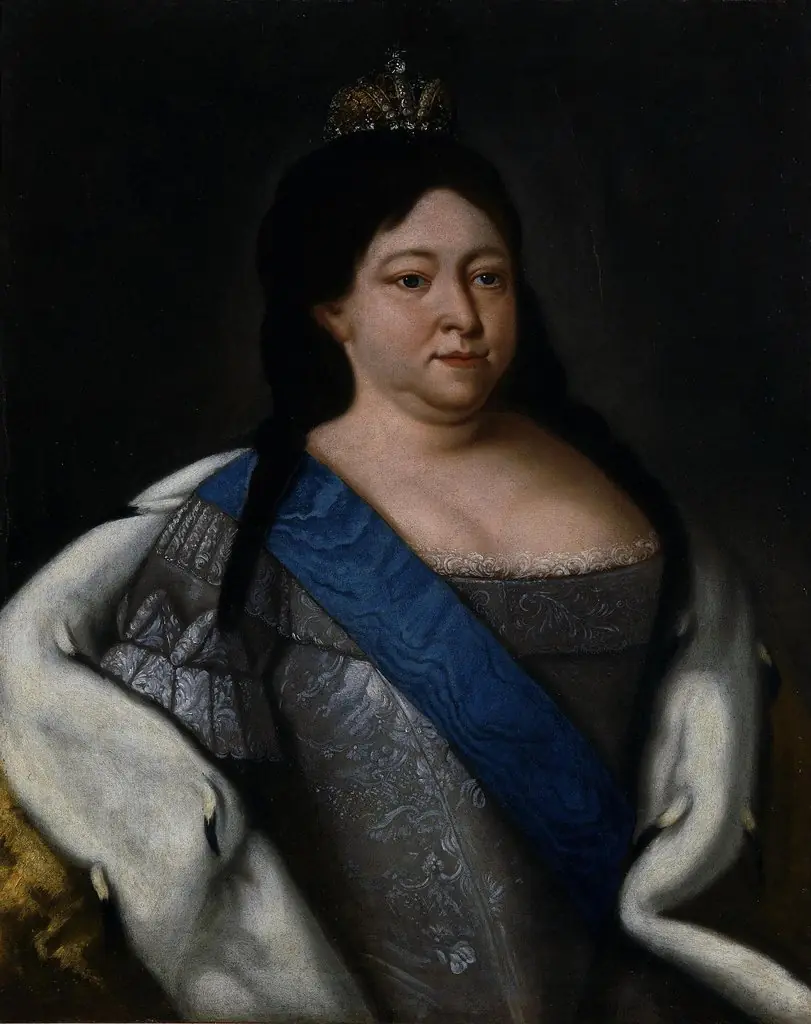 Portrait of Empress Anna Ioannovna
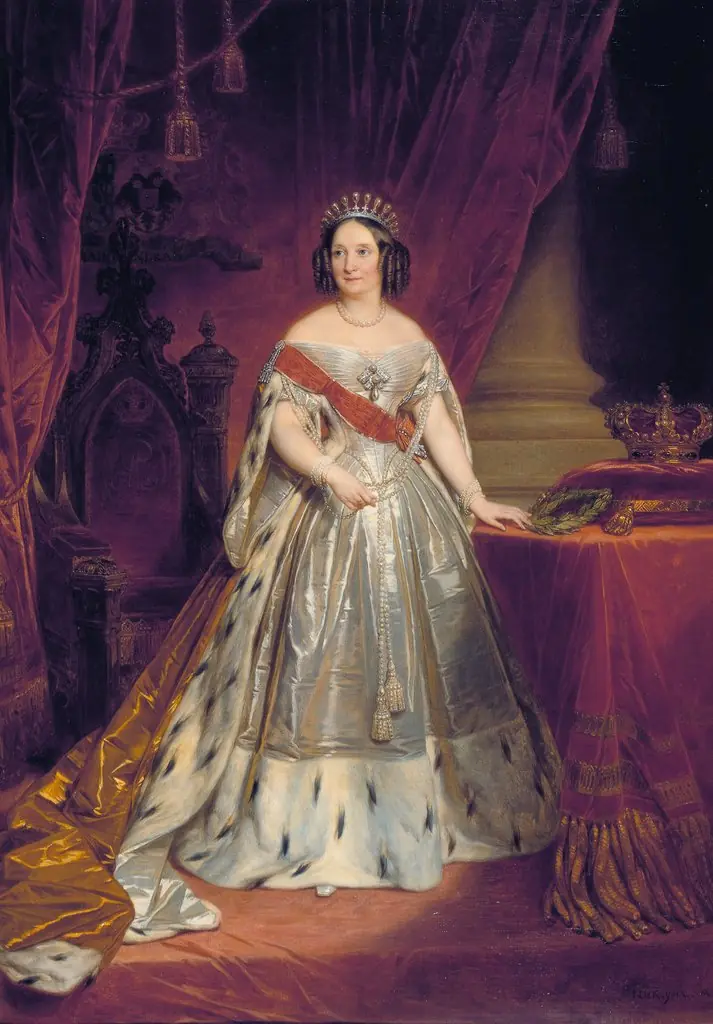 Portrait of Grand Princess Anna Pavlovna
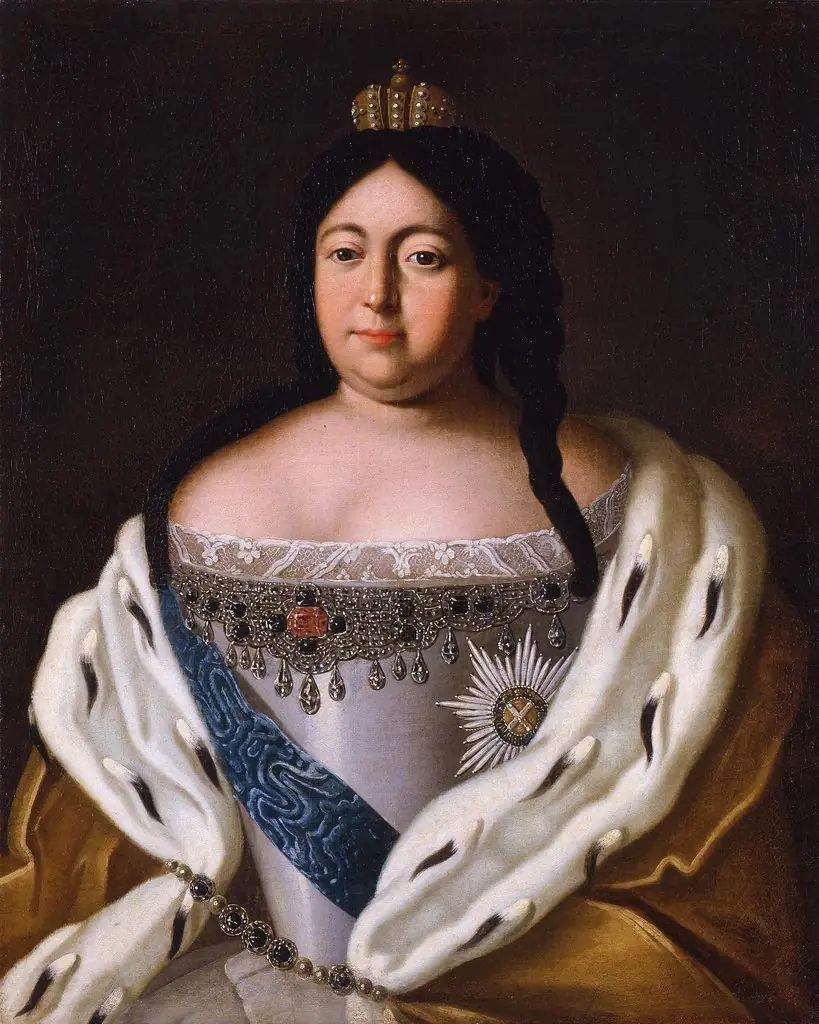 Portrait of Anna Ioannovna
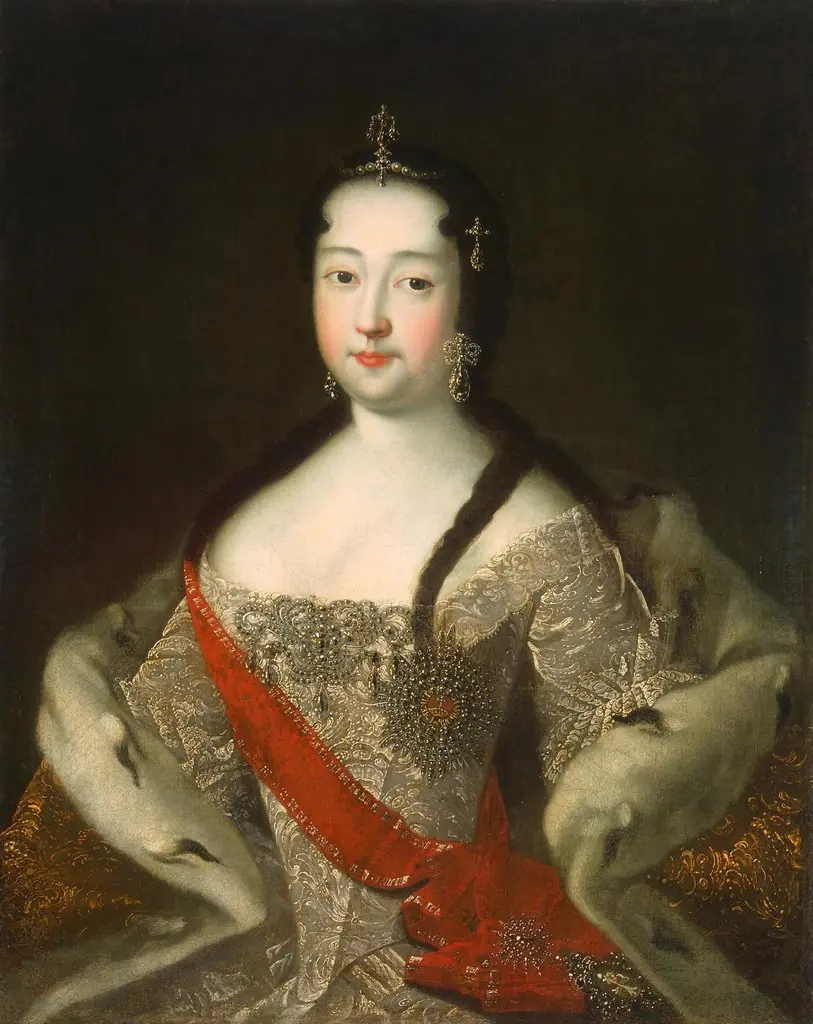 Portrait of Tsarevna Anna Petrovna
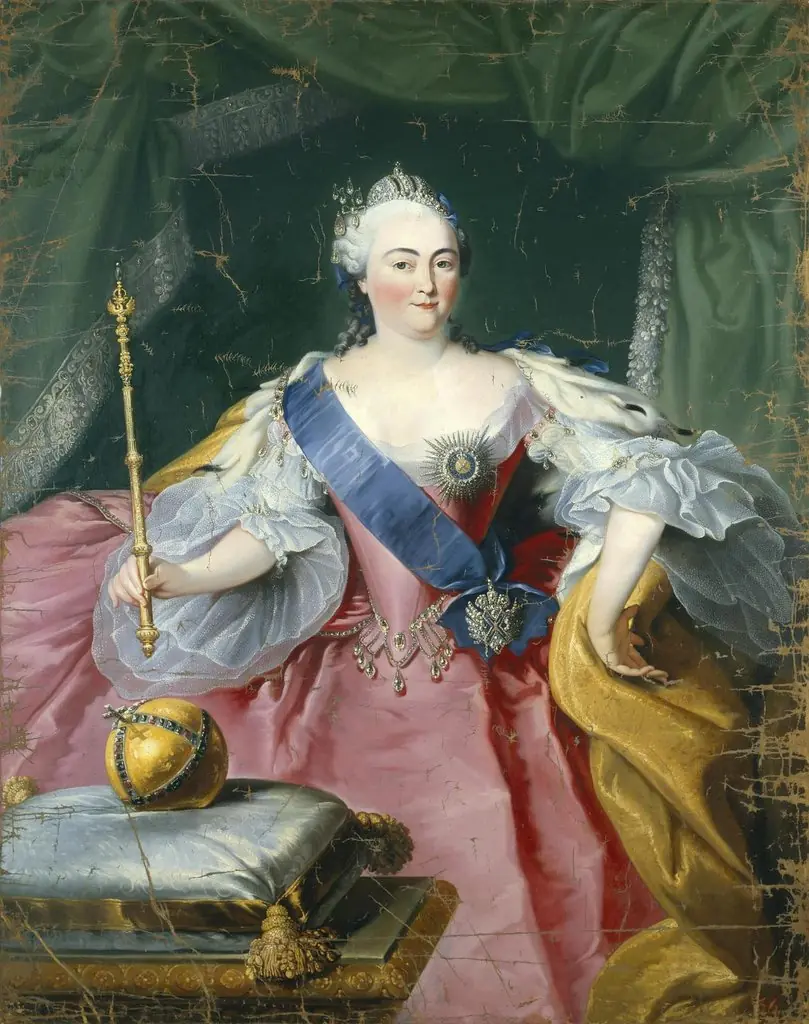 Portrait of Empress Elizabeth Petrovna
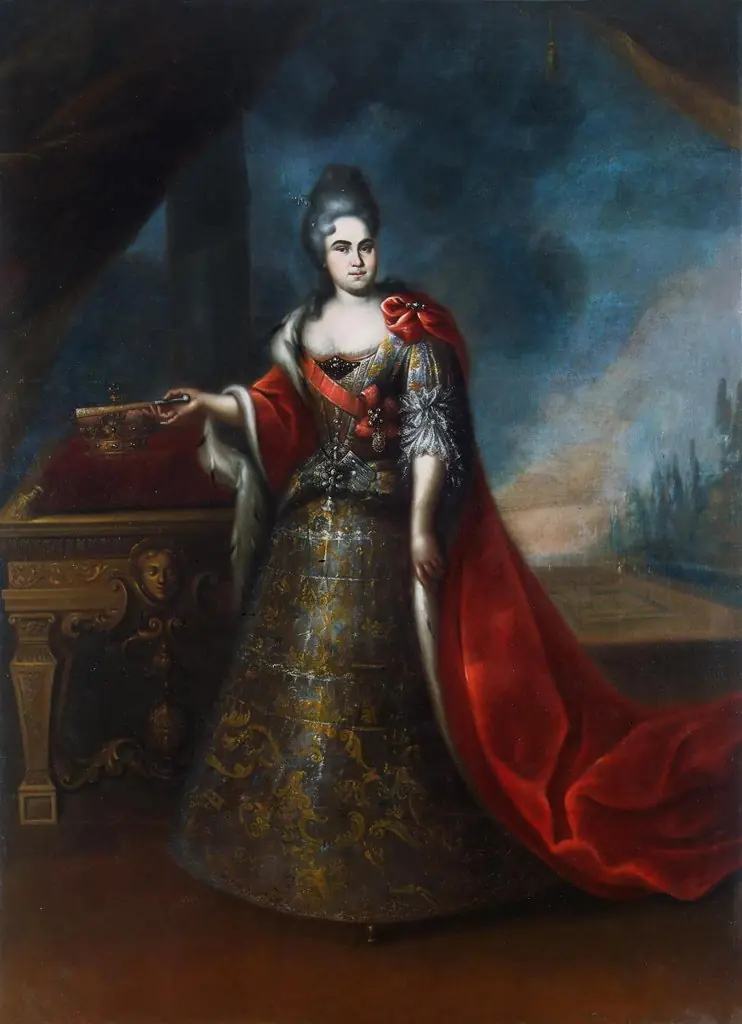 Portrait of Empress Catherine I
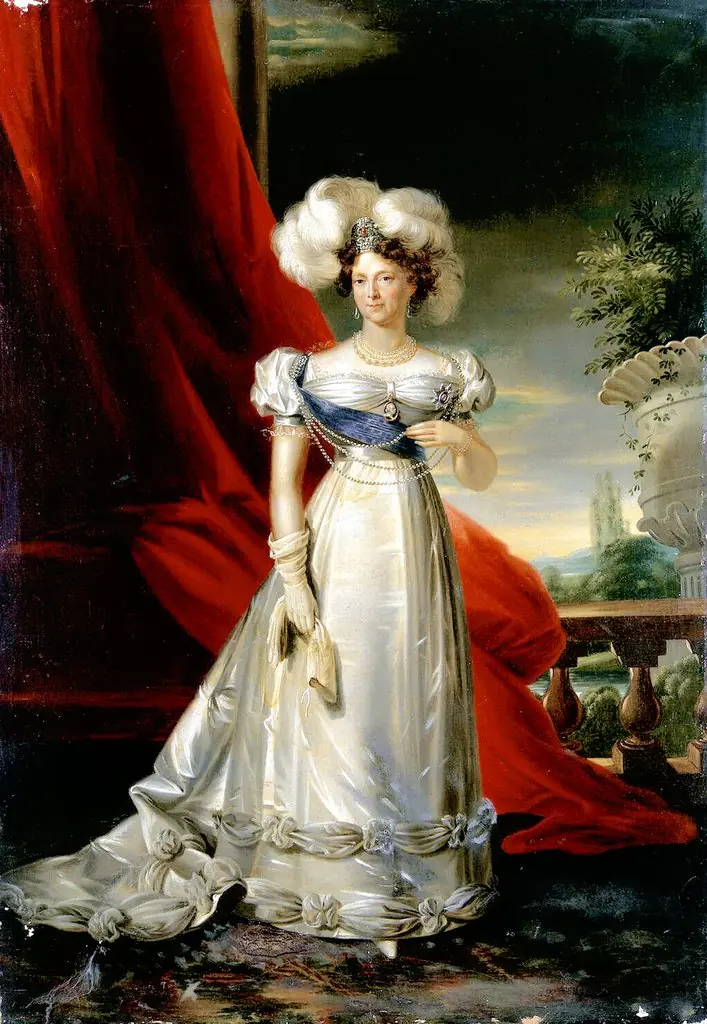 Portrait of the Empress Dowager Maria Feodorovna
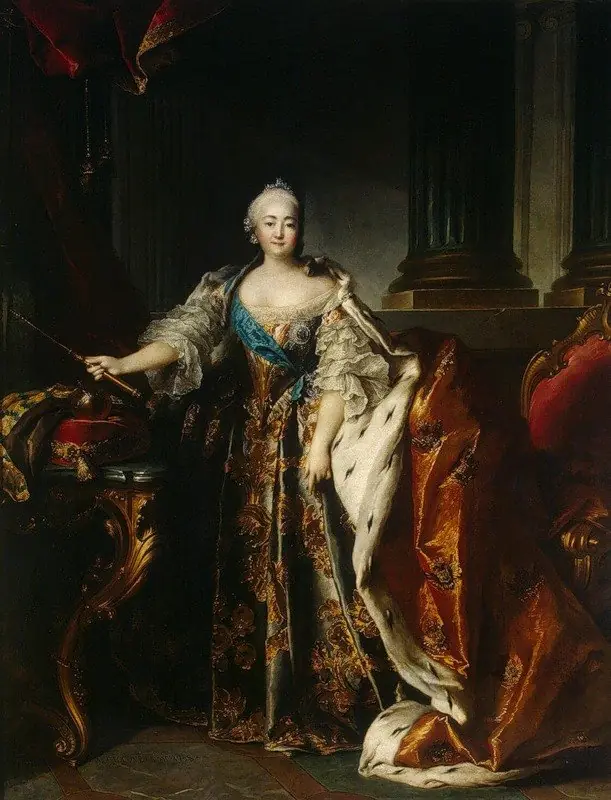 Portrait of Empress Elizabeth Petrovna
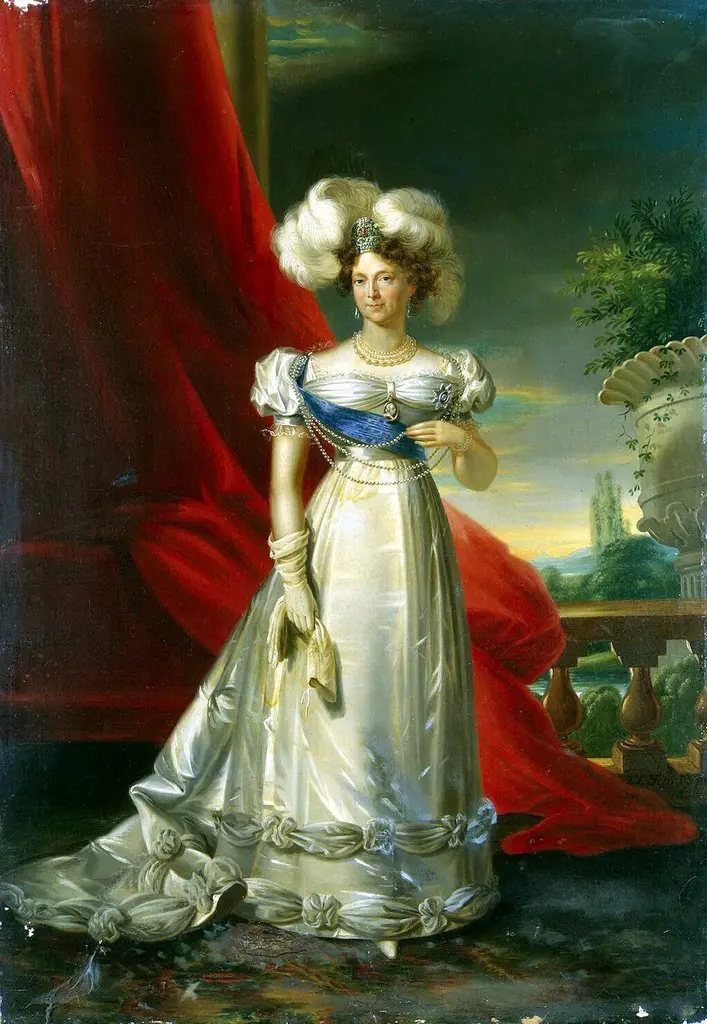 Portrait of Empress Maria Fiodorovna