Artwork
The Annunciation
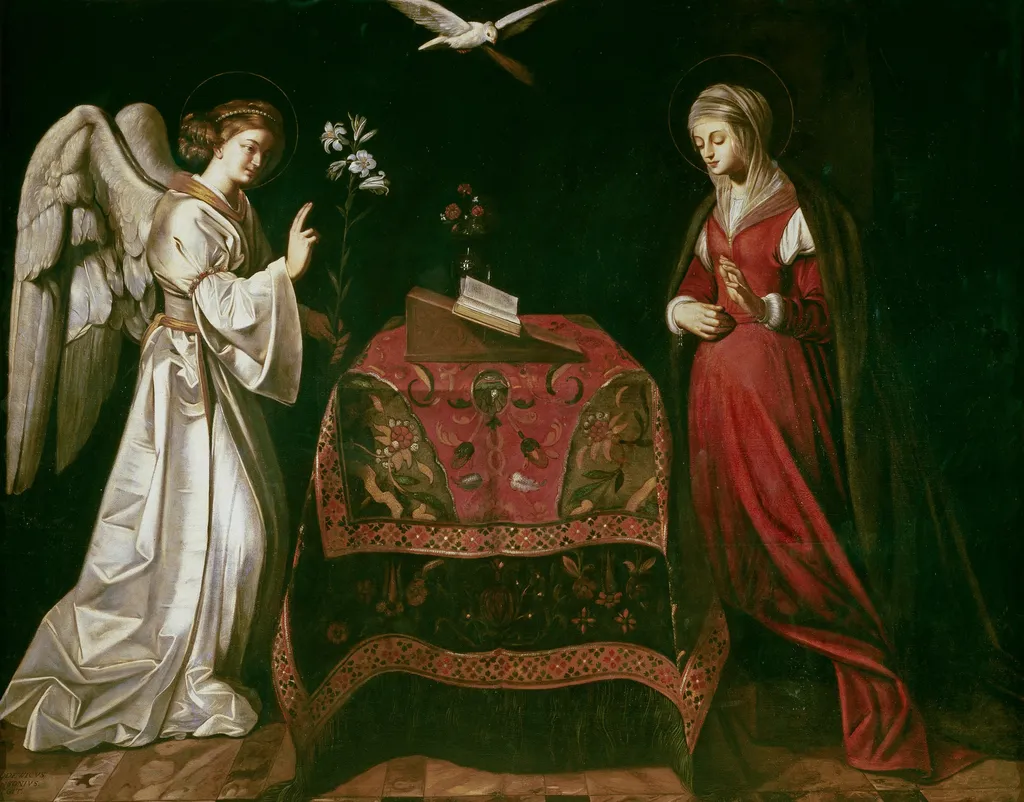
The Annunciation is an oil painting by the Early Baroque Italian artist Louis Finson. It dates from 1601 and is held in the collection of the Museo del Prado.
About this work
Overview
The Annunciation is a 1601 oil painting by Louis Finson, a Flemish artist influenced by the early Baroque style during his time in Italy. The work is now part of the Museo del Prado collection.
Subject & Meaning
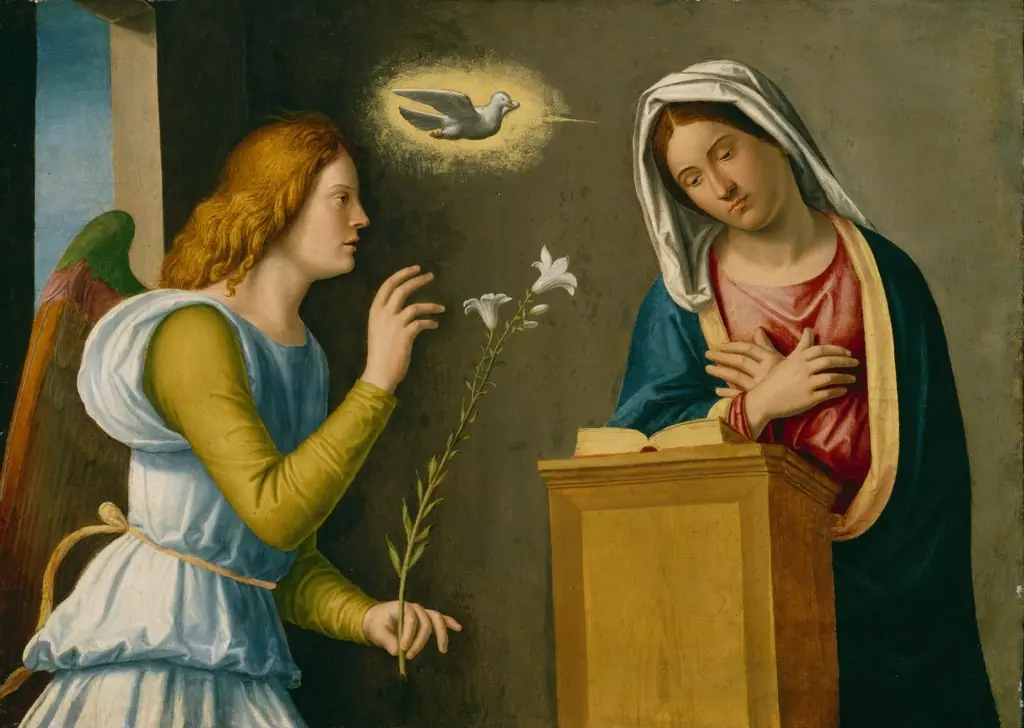
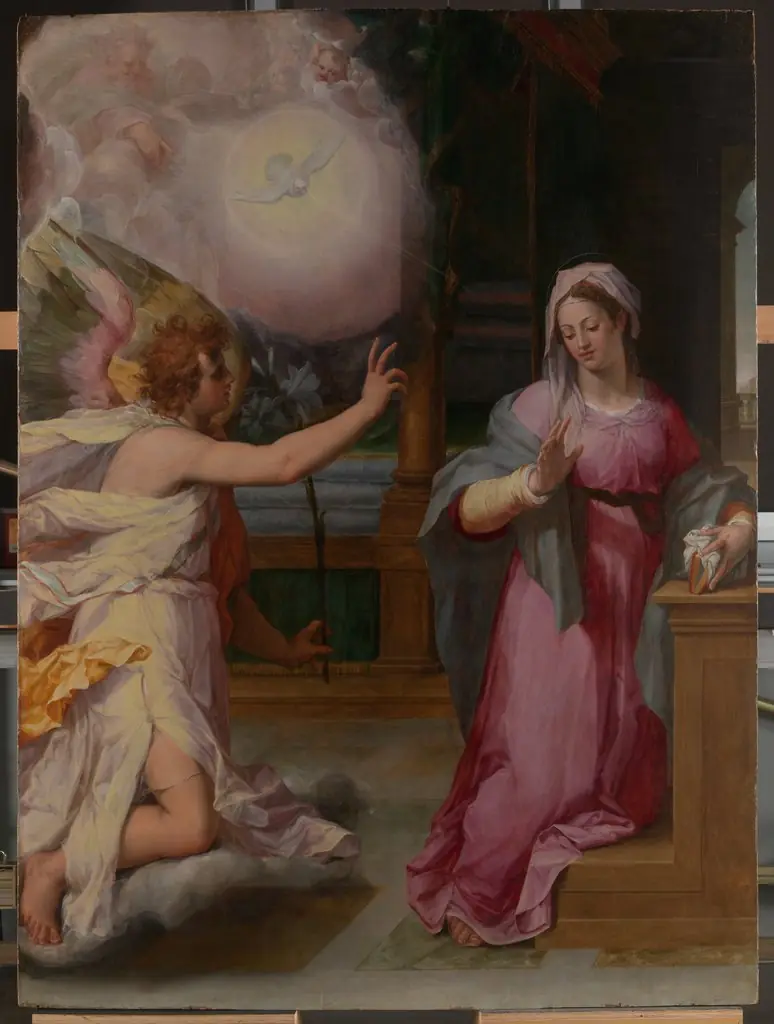
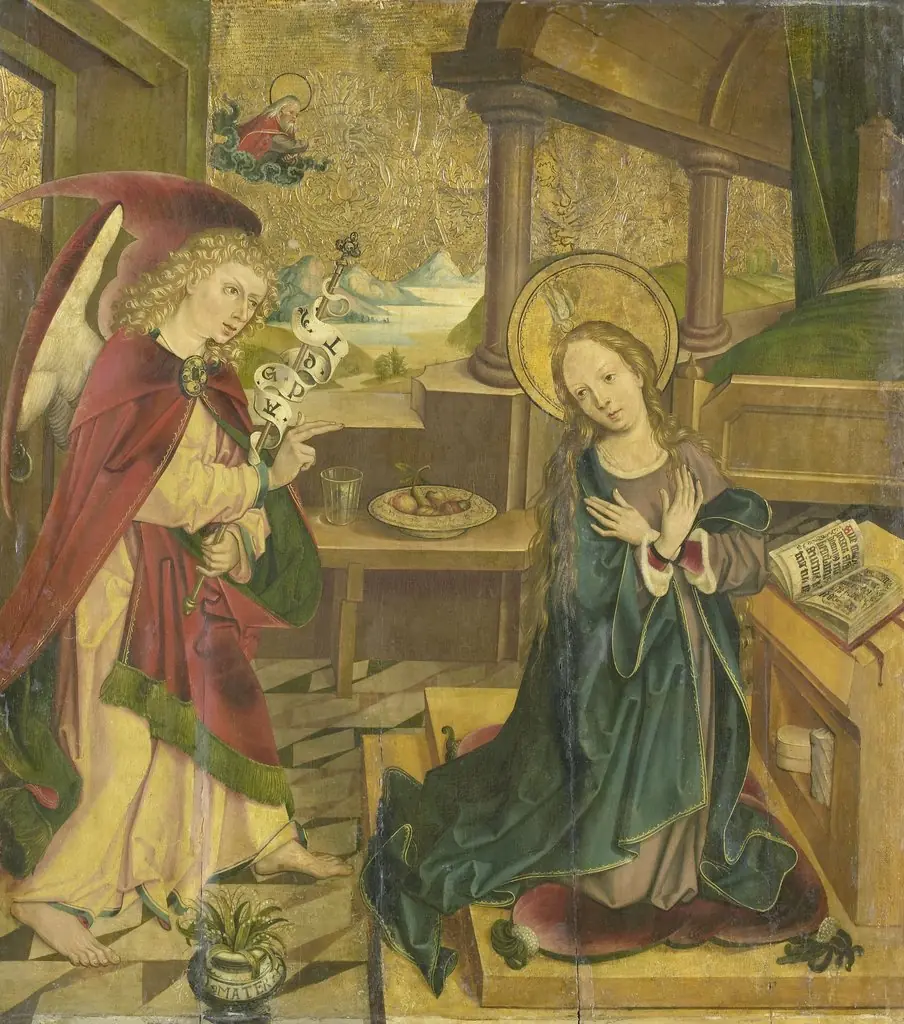
The painting depicts the biblical Annunciation, where the angel Gabriel announces to the Virgin Mary the impending birth of Jesus. Symbolic elements include the angel's white flower, the dove (representing the Holy Spirit), and the richly adorned altar, emphasizing the scene's sanctity and divine significance.
Technique & Style
Finson employed the early Baroque Italian style, characterized by dramatic lighting and deep, glowing colors achieved through techniques like glazing. The dimly lit setting contrasts with the illuminated figures, drawing attention to the central moment of divine revelation.
History & Provenance
Created in 1601 while Finson was in Italy, the painting later became part of the Museo del Prado's collection. Finson's career spanned Italy, France, and involvement in art dealing and copying, notably after Caravaggio, before his death in 1617.
Context
As an early follower of Caravaggio, Finson's work reflects the emerging Baroque tendencies in Italy at the turn of the 17th century, blending religious themes with innovative lighting and composition techniques.
Legacy
The Annunciation represents Finson's contribution to the early Baroque movement, illustrating the spread of Caravaggisti influences across Europe through artists like Finson, who bridged Italian and Northern European artistic traditions.
Own this work as a print
Artist & collection
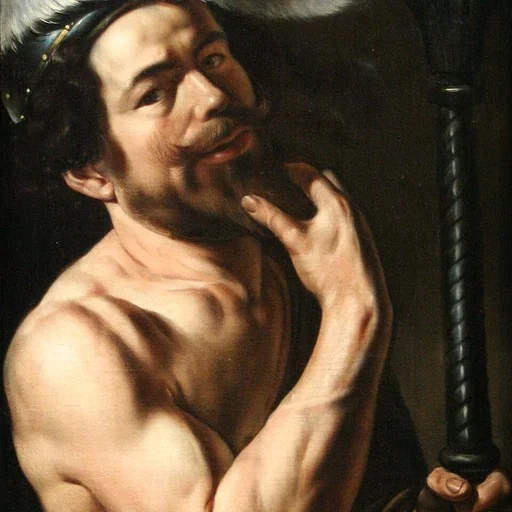
Artist
Louis Finson, Lodewijk Finson or Ludovicus Finsonius (between 1574 and 1580 – 1617) was a Flemish painter, draughtsman, copyist and art dealer.