Artwork
Portrait of Claude Tolozan (1728-1798)
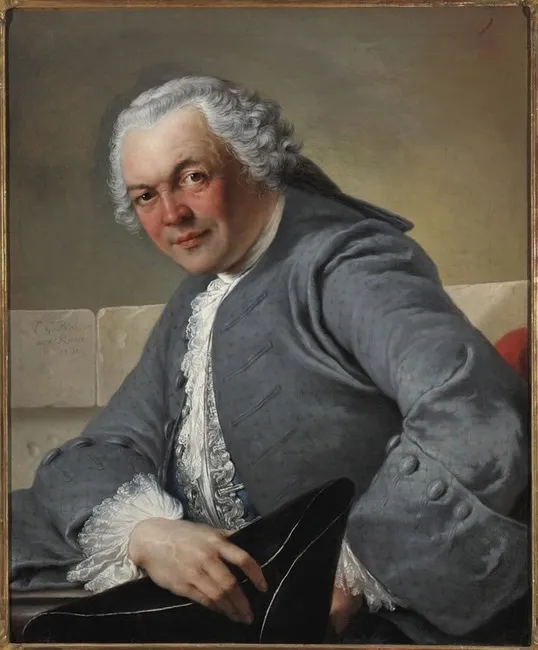
Portrait of Claude Tolozan (1728-1798) is an oil painting by the Rococo painting artist Louis Gabriel Blanchet. It dates from 1756 and is held in the collection of the Museum of Fine Arts of Lyon.
About this work
If you're interested in learning more about the artist behind this portrait, you might want to explore the works of Louis Gabriel Blanchet.
This portrait depicts a man with white hair, wearing a gray jacket with white lace trim and a white shirt underneath. He is seated, holding a black hat in his lap.
The man's attire and hairstyle suggest he is from the 18th century. The background of the painting is a muted color, which helps to focus attention on the subject.
If you're interested in learning more about the artist behind this portrait, you might want to explore the works of Louis Gabriel Blanchet.
Overview
Louis Gabriel Blanchet’s oil portrait, executed in 1756, presents Claude Tolozan (1728–1798). The work is part of the collection of the Musée des Beaux‑Arts de Lyon, where it remains on display as a representative example of mid‑eighteenth‑century French portraiture.
Subject & Meaning
The sitter, Claude Tolozan, is shown seated, his white‑capped hair and composed demeanor reflecting the dignified bearing expected of a gentleman of his era. Holding his black hat on his lap, he appears poised and contemplative, a visual affirmation of his social standing and personal identity.
Technique & Style
Blanchet employed a restrained palette, using muted background tones to draw focus to the figure. The rendering of the gray jacket with white lace trim and the crisp white shirt demonstrates careful attention to texture and fabric, while the smooth brushwork of the face conveys a realistic yet refined likeness.
History & Provenance
Created in 1756, the portrait entered the Musée des Beaux‑Arts de Lyon’s holdings during the museum’s early acquisitions of French 18th‑century works. Documentation traces its provenance directly to the artist’s studio, with no recorded intermediate owners before its accession by the institution.
Context
The painting exemplifies the conventions of French aristocratic portraiture in the decades preceding the Revolution, when attire, posture, and subdued settings were used to signal rank and virtue. Blanchet’s approach aligns with contemporary portraitists who emphasized clarity of character over elaborate allegorical settings.
Artist & collection

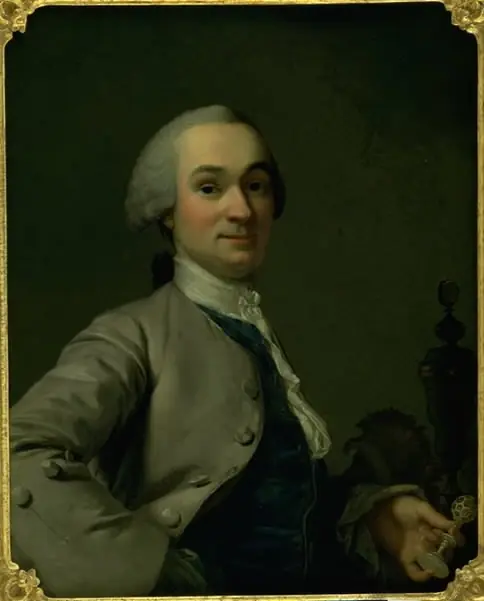 Portrait of Lorenz Spengler, Ivory Turner and Curator of the Royal Danish Kunstkammer
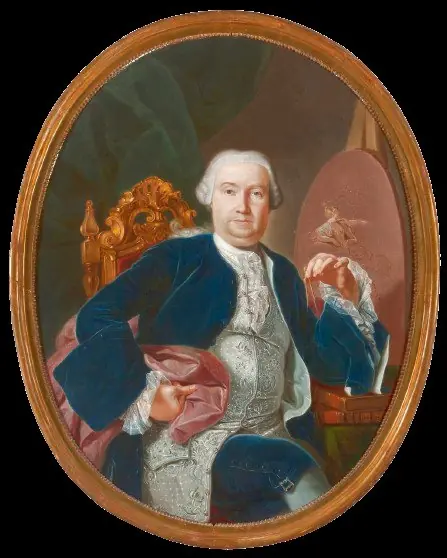 Portrait of the architect Luigi Vanvitelli (1700-1773)
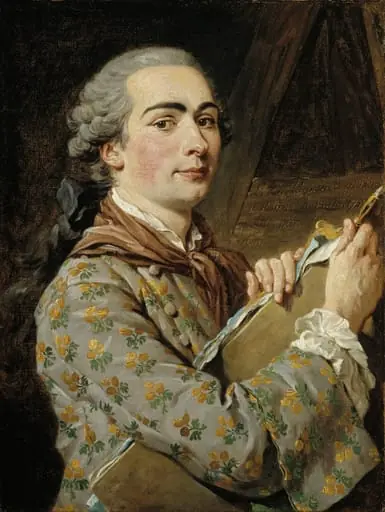 Omakuva
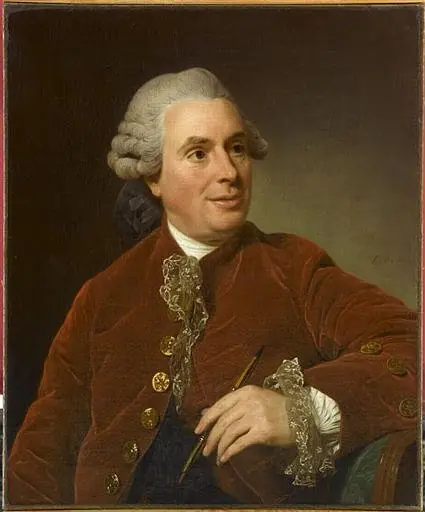 Charles-Nicolas Cochin (1715-1790)
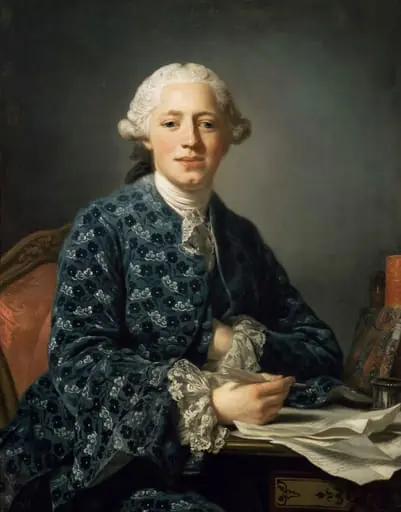 Vapaaherra Thure Leonard Klinckowström
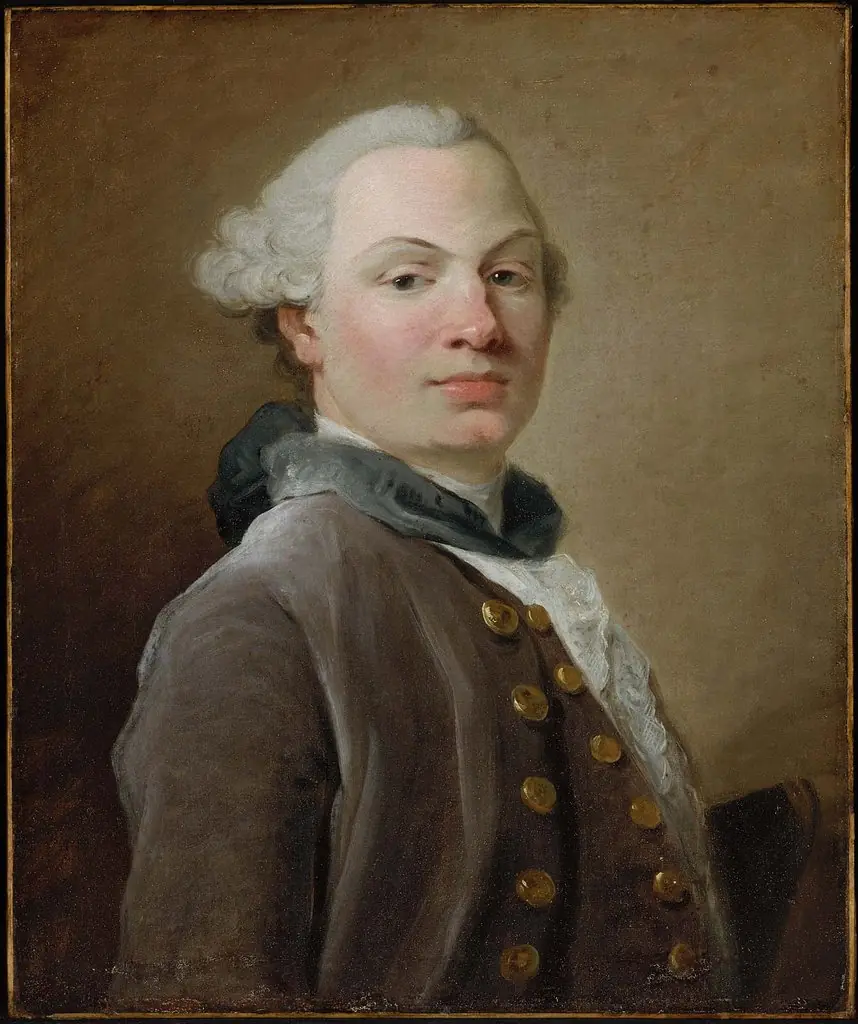 Portrait of a Man
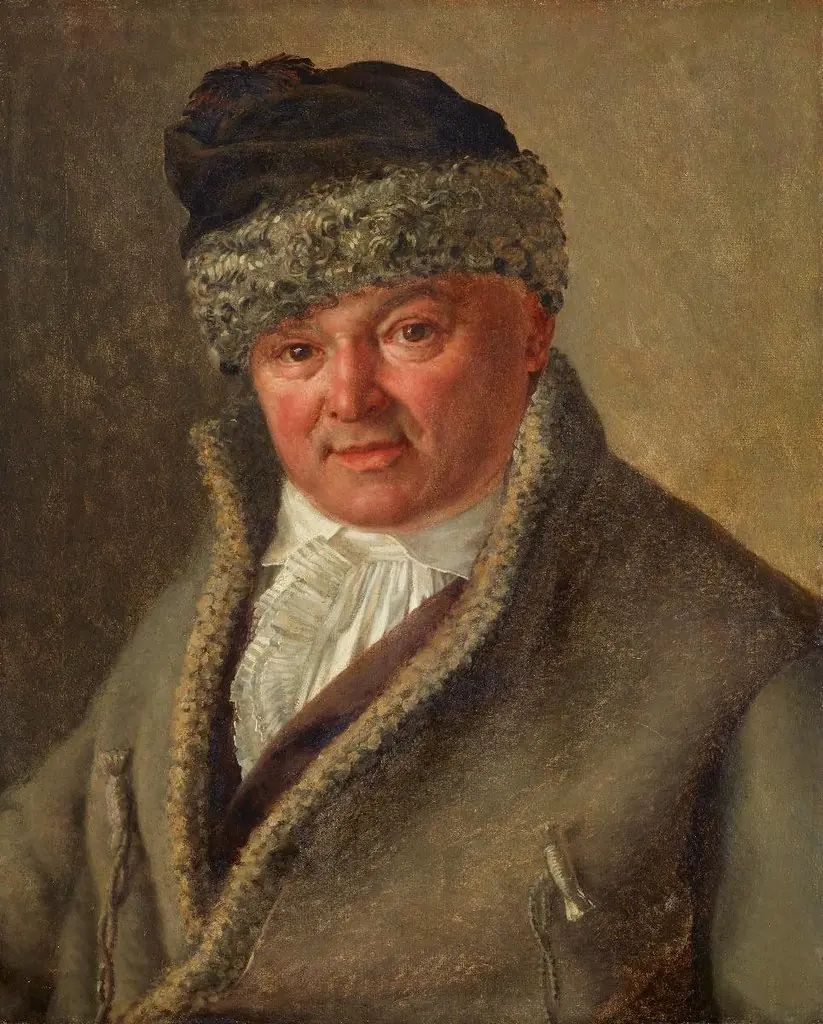 Bildnis des Landschaftsmalers Johann Heinrich Wüest
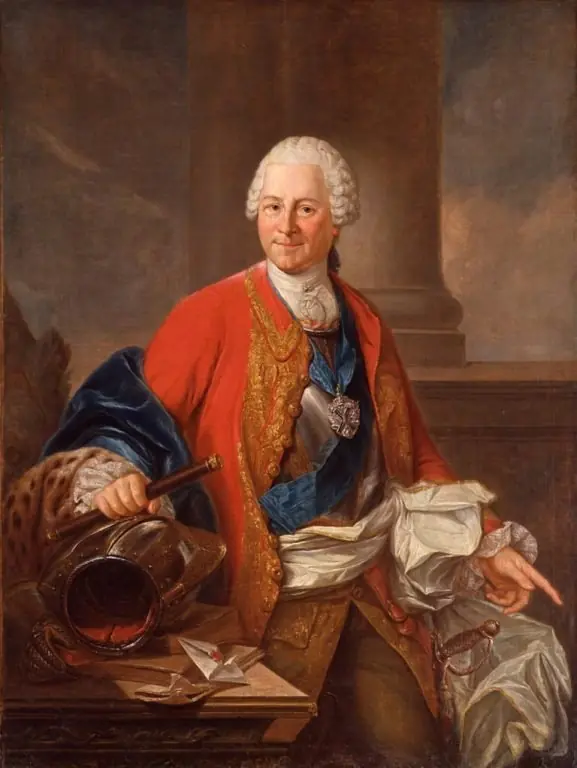 Portrait of Heinrich von Brühl
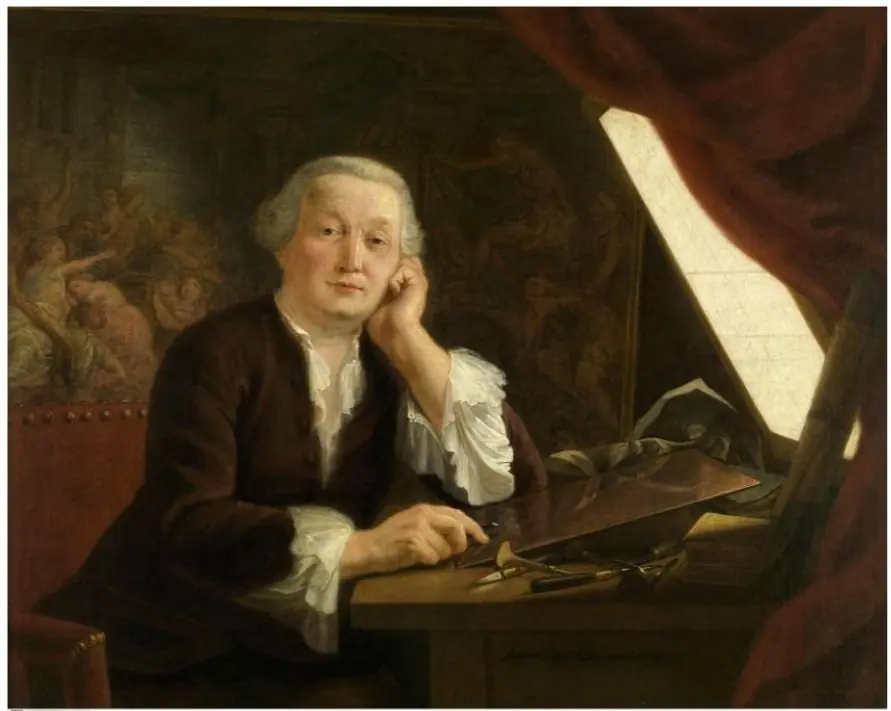 The Engraver Pieter Franciscus Martenasie
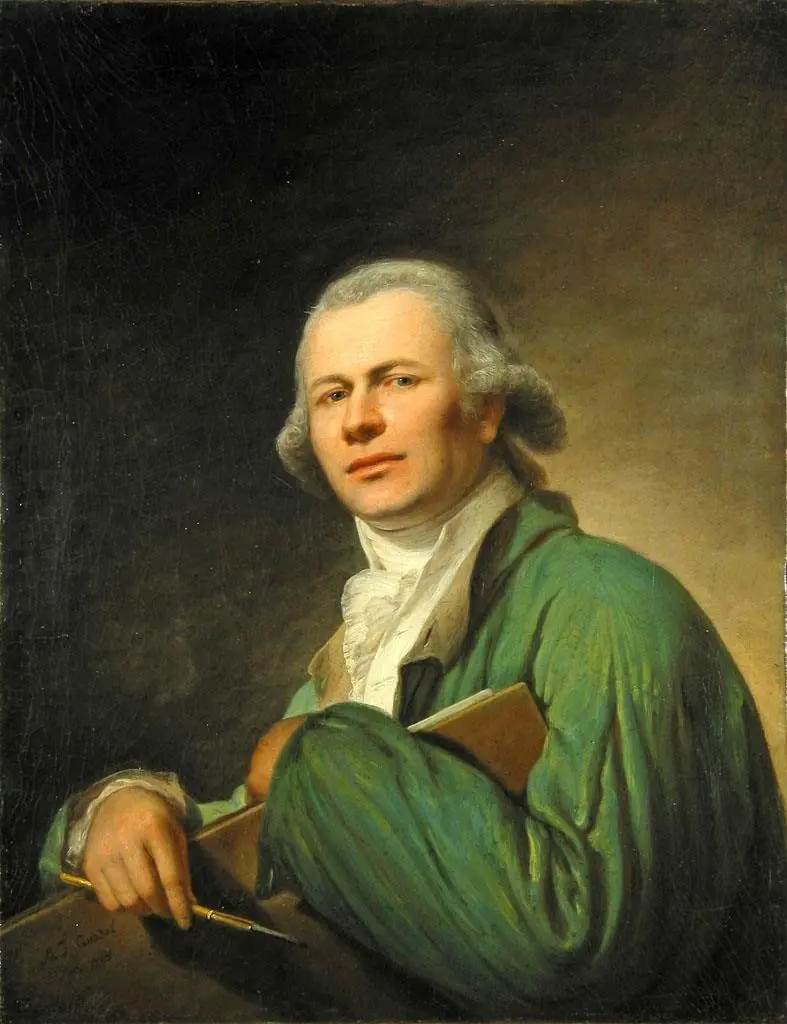 Self Portrait