Artwork
Portrait of Heinrich von Brühl
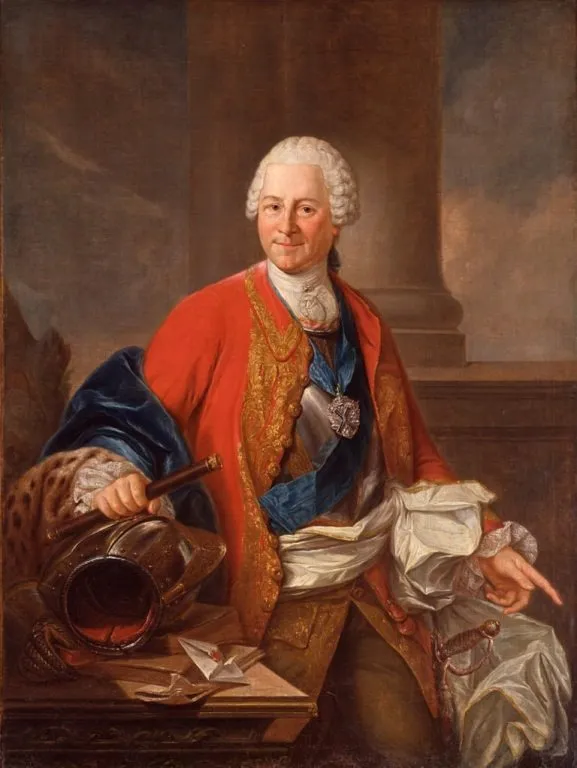
Portrait of Heinrich von Brühl is an oil painting by the Rococo painting artist Marcello Bacciarelli. It dates from 1753 and is held in the collection of the Gemäldegalerie Alte Meister.
About this work
Overview
The painting is part of the Gemäldegalerie Alte Meister’s collection in Dresden, reflecting its historical significance within Central European court culture.
Painted in 1753 by Marcello Bacciarelli, this oil portrait captures Heinrich von Brühl, a prominent Saxon statesman and courtier. Bacciarelli, an Italian artist working primarily in Poland, executed the work in the ornate Rococo idiom, blending decorative elegance with psychological presence. The painting is part of the Gemäldegalerie Alte Meister’s collection in Dresden, reflecting its historical significance within Central European court culture.
Subject & Meaning
Heinrich von Brühl is portrayed as a man of influence, his posture and gestures conveying authority without overt grandeur. He holds a dark object—likely a seal or document—and directs attention to a sheet of paper, suggesting administrative engagement. His attire, including a red coat with gold embroidery and a blue sash, signals his high rank. The objects on the table, such as a helmet and correspondence, imply a life shaped by both military and bureaucratic duties.
Technique & Style
Bacciarelli employs soft modeling and refined brushwork to render textures: the sheen of silk, the gleam of gold embroidery, the matte surface of leather. The composition is carefully balanced, with the subject’s face and hands illuminated against a muted background. Warm tones in the coat contrast with cooler blues and grays, guiding the viewer’s focus to von Brühl’s expression and gestures, characteristic of Rococo portraiture’s emphasis on elegance and subtle narrative.
History & Provenance
Commissioned during von Brühl’s tenure as Prime Minister of Saxony, the portrait was likely intended to affirm his status at the Dresden court. Bacciarelli, appointed court painter in Warsaw, maintained connections with Saxon elites. The painting entered the Gemäldegalerie Alte Meister’s holdings in the 19th century, where it remains as part of a broader collection documenting the artistic patronage of the Wettin dynasty.
Context
In mid-18th-century Saxony, portraiture served political and social functions, reinforcing the power of court officials. Bacciarelli’s style, rooted in Italian Baroque traditions yet adapted to Rococo tastes, mirrored the cosmopolitan nature of the Saxon court. The inclusion of objects like the helmet and letter reflects a trend toward depicting subjects within their professional environments, blending personal identity with institutional role.
Legacy
The portrait stands as a representative example of courtly portraiture in Central Europe during the transition from Baroque to Neoclassical aesthetics. Bacciarelli’s ability to merge decorative refinement with psychological nuance influenced later artists in the region. Though von Brühl’s political legacy is contested, this image endures as a carefully constructed record of aristocratic presence in an era of shifting cultural norms.
Artist & collection
Artist
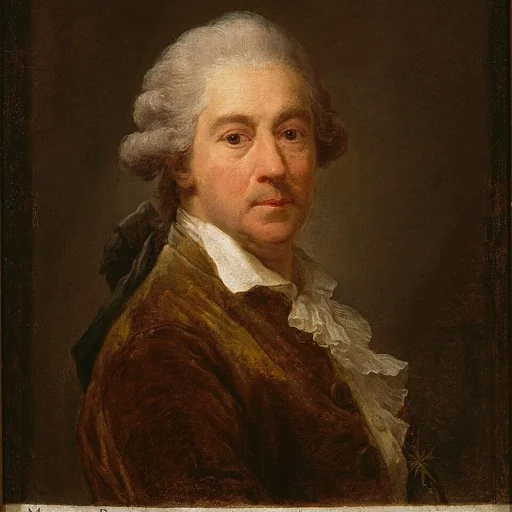
Marcello Bacciarelli (Italian pronunciation: ; 16 February 1731 – 5 January 1818) was an Italian-born painter of the late-baroque and Neoclassic periods active in Poland and the Polish–Lithuanian Commonwealth.

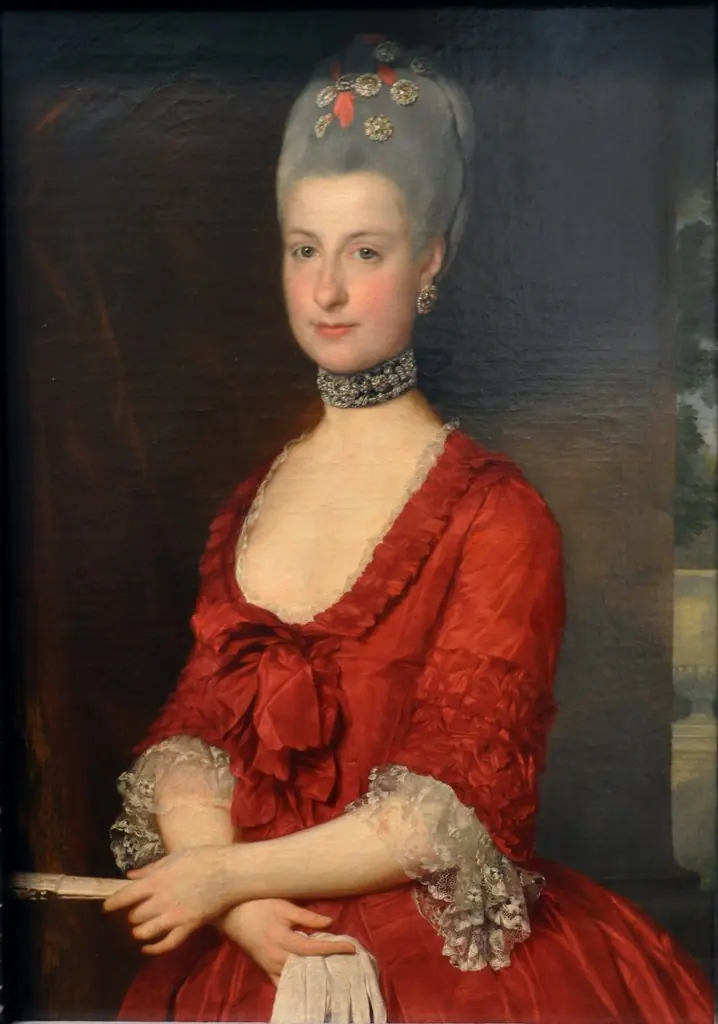 Portrait of Archduchess Maria Christina (1742-1798), Duchess of Teschen
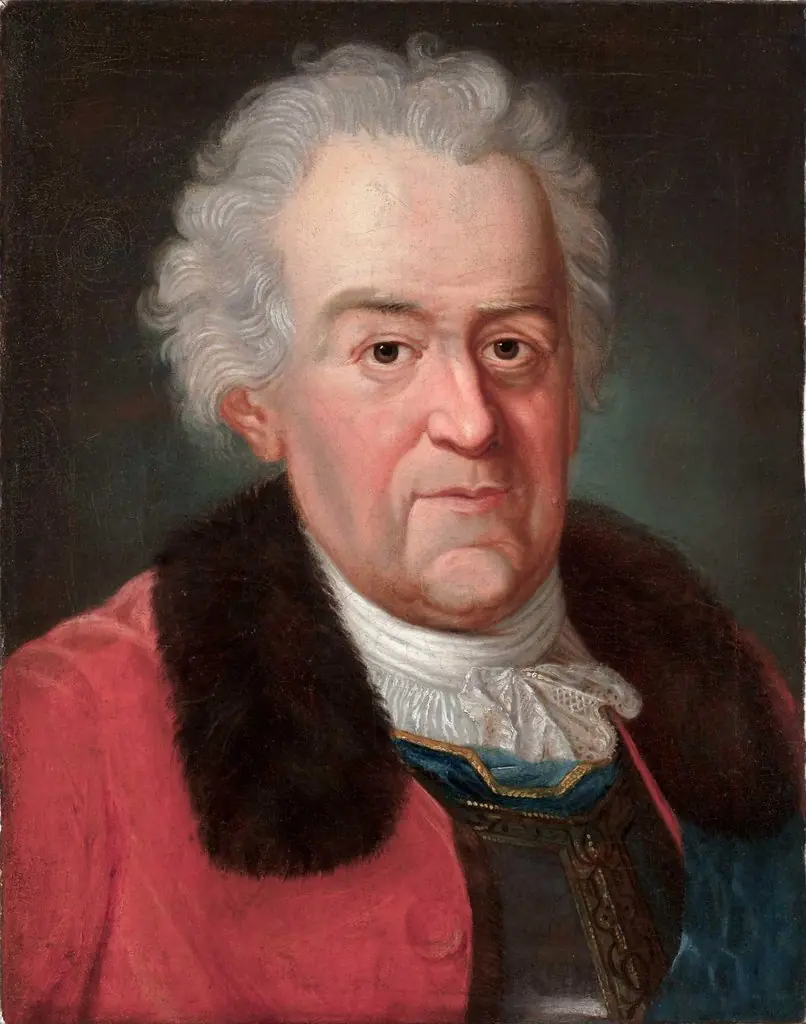 Portrait of Stanisław Poniatowski (1676–1762), king’s father
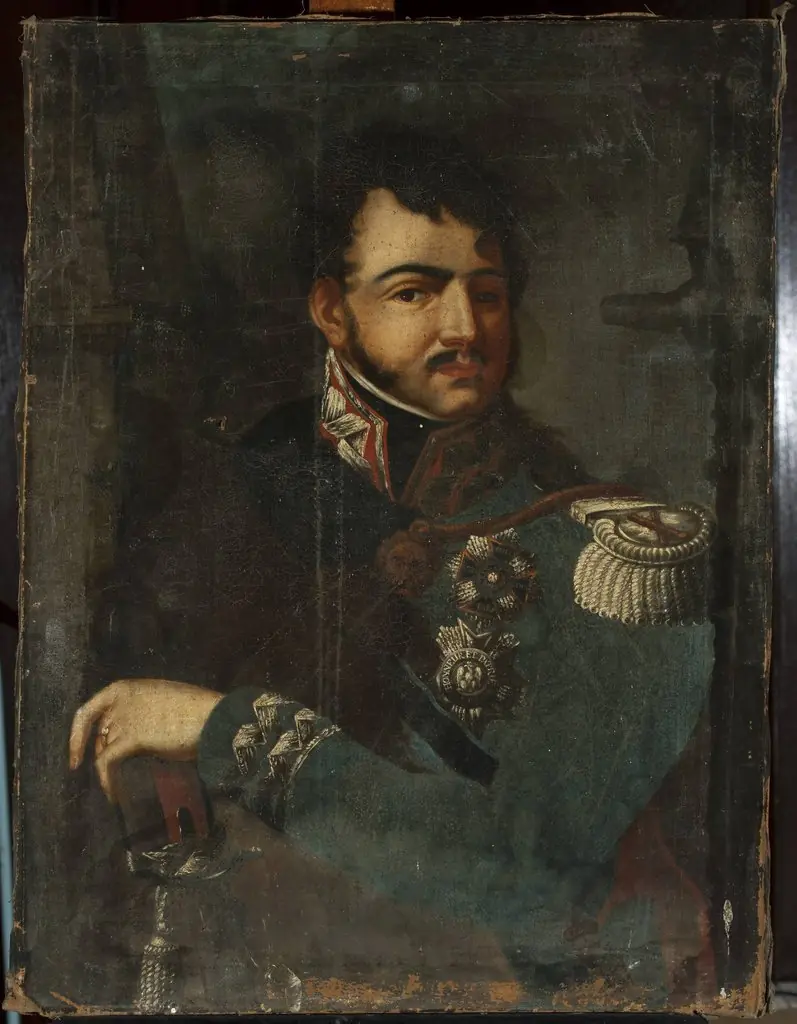 Portrait of Prince Józef Poniatowski
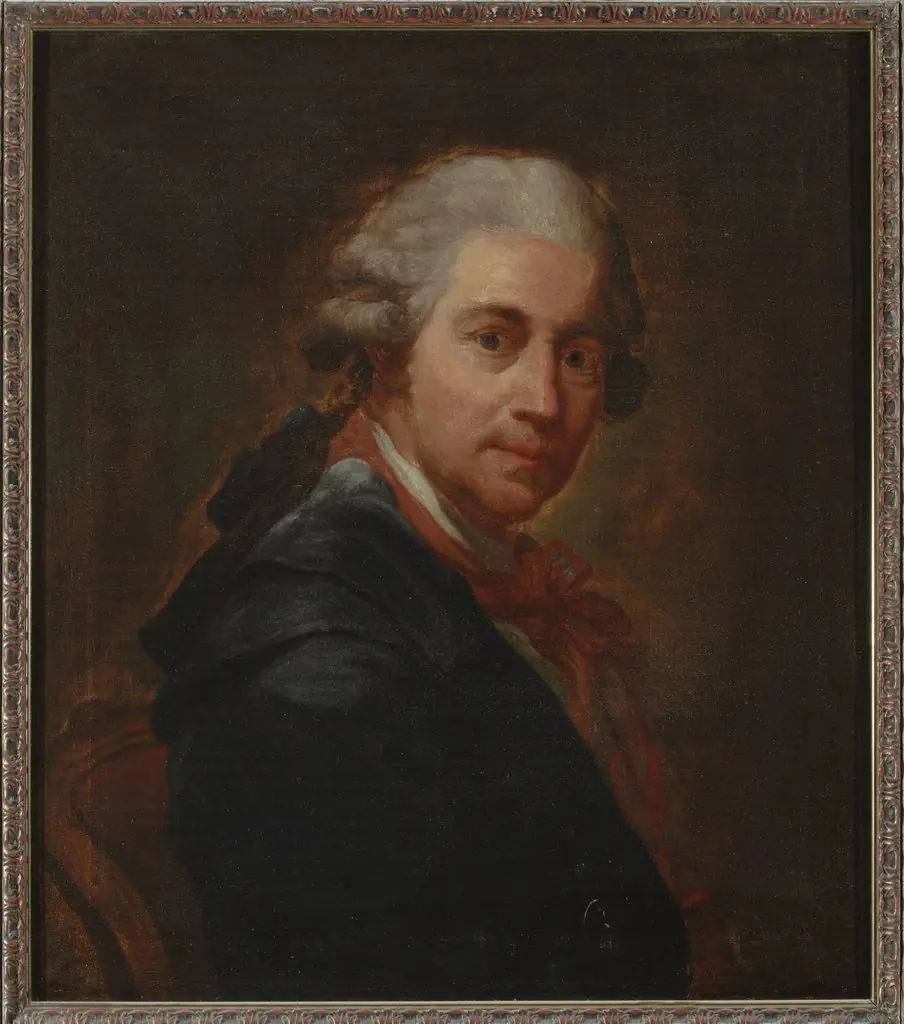 Self-portrait of Bacciarelli in a redingote
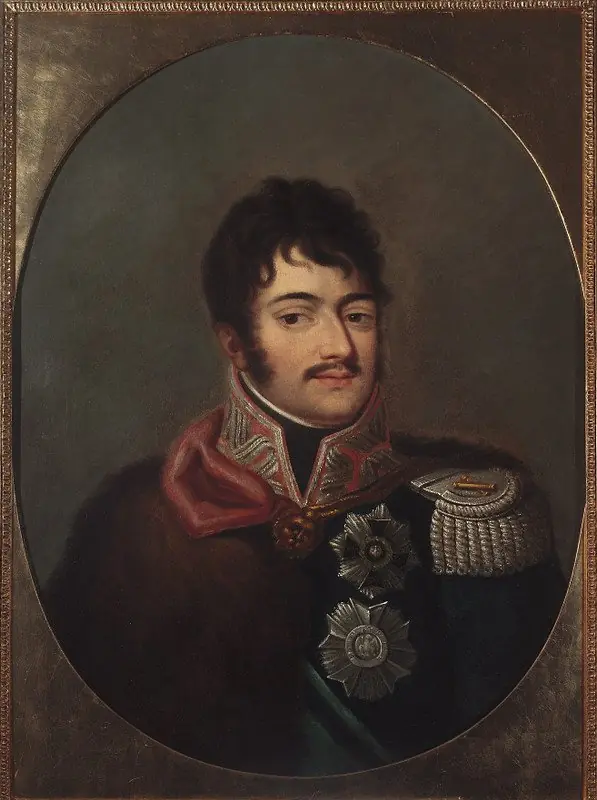 Portrait of Prince Józef Poniatowski
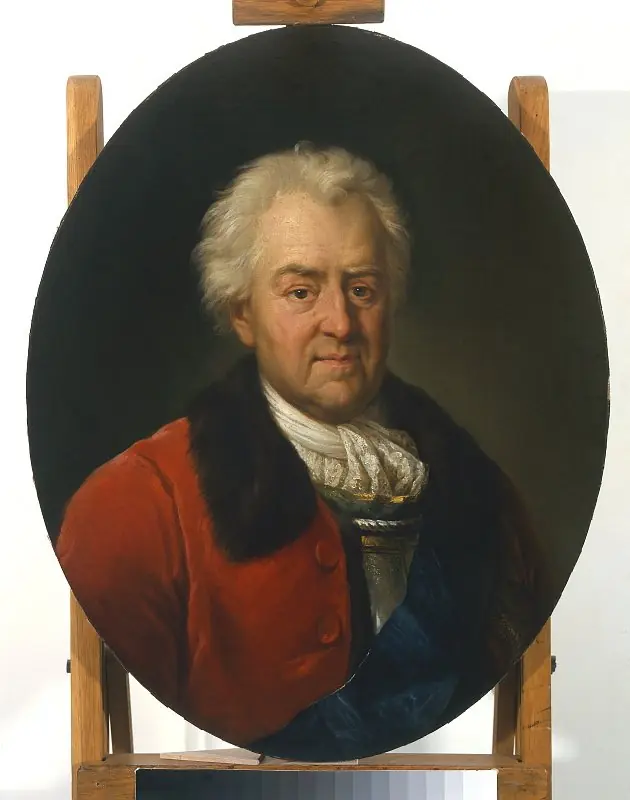 Portrait of Stanisław Poniatowski (1676–1762), king’s father
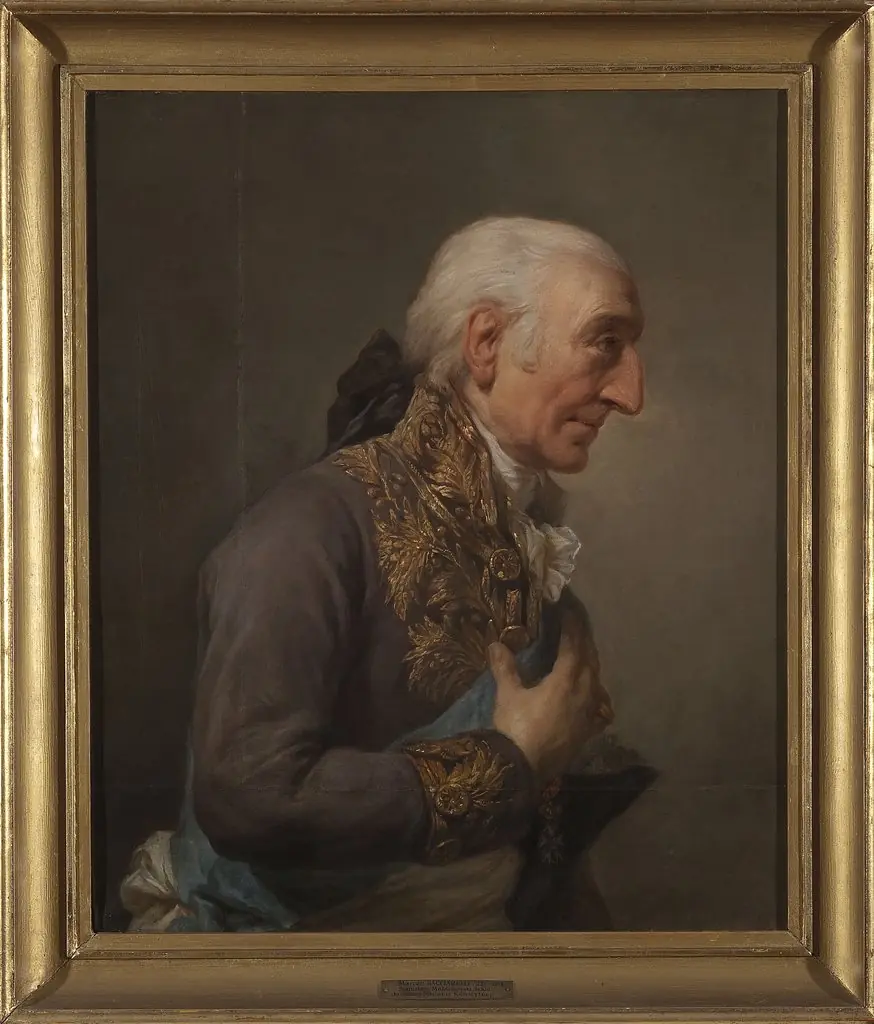 Portrait of Stanisław Małachowski (1736–1809), Marshal of the Seym
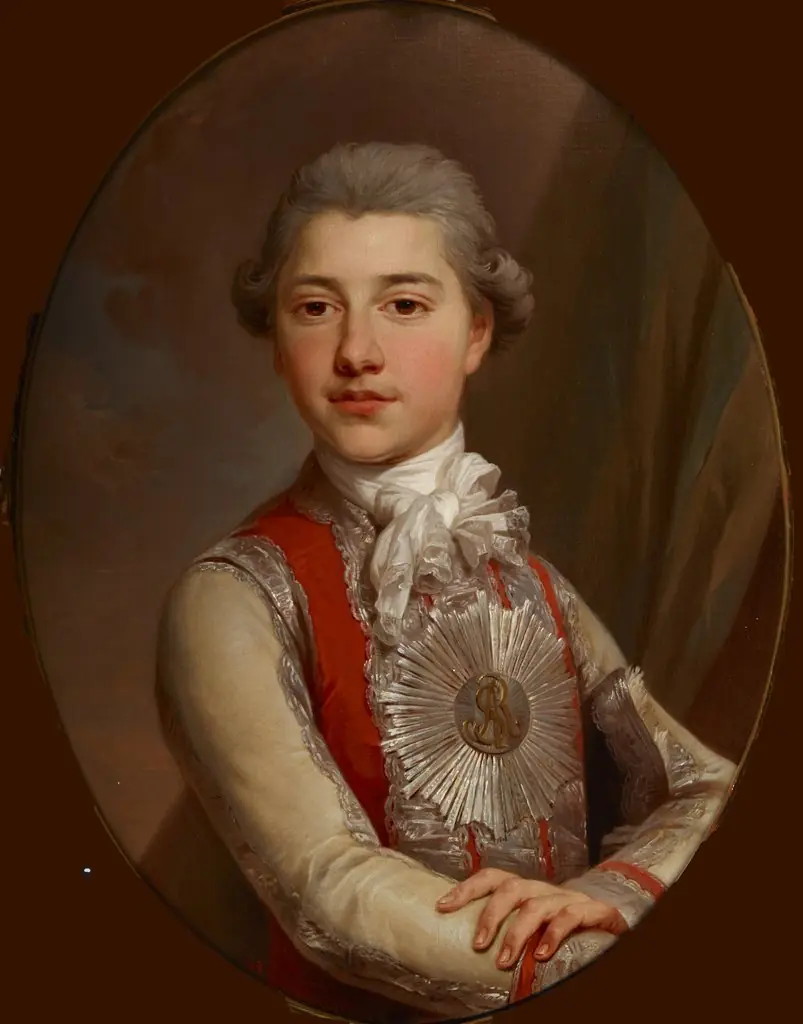 Portrait of Prince Józef Poniatowski as a Youth
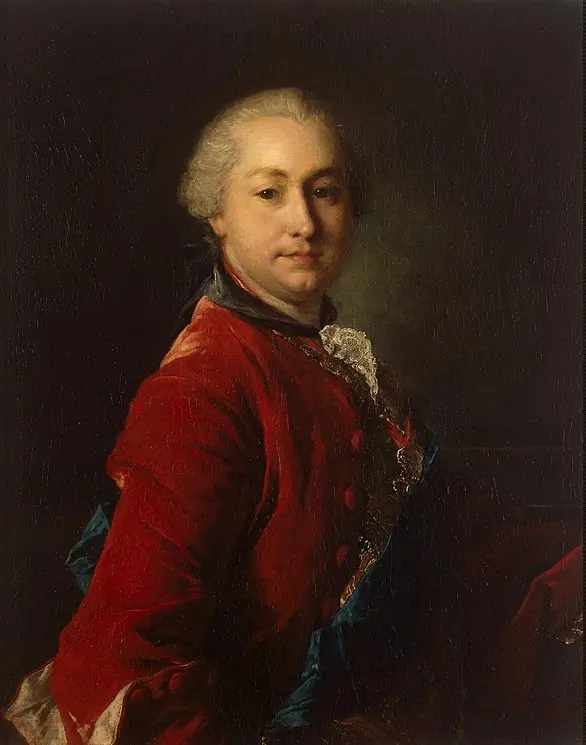 Portrait of Ivan Shuvalov
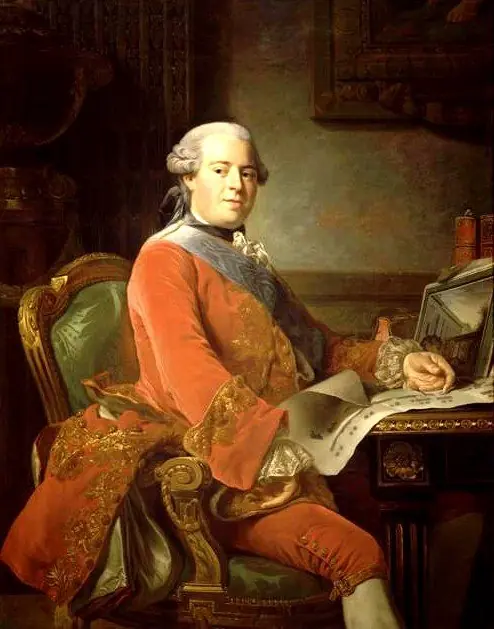 Portrait of Abel-François Poisson, marquis de Marigny
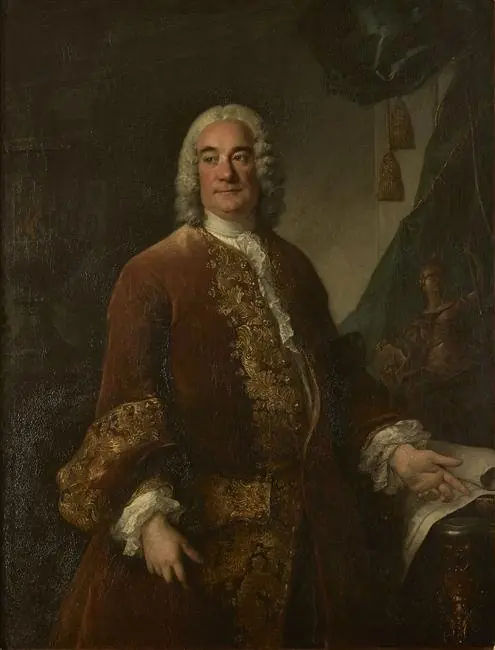 Portrait of Charles François Paul Le Normant de Tournehem (1684-1751)
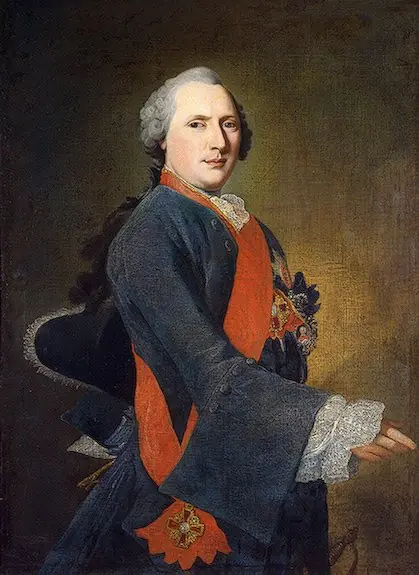 Portrait of Marshal of the Count Karl Sievers
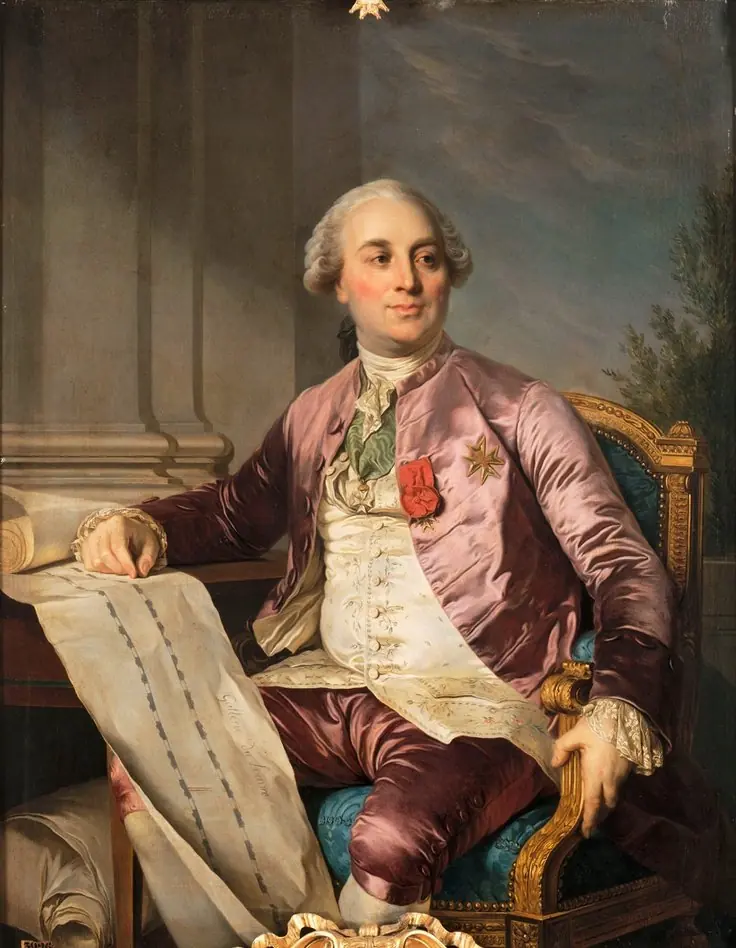 Charles-Claude Flahaut de la Billaderie
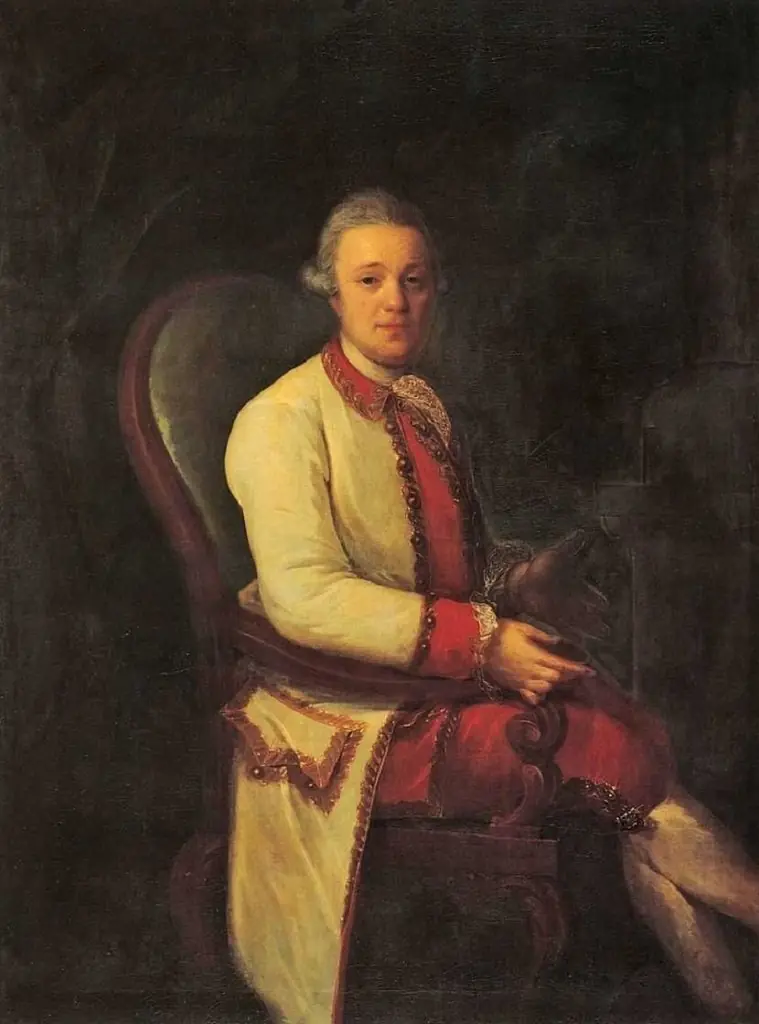 Portrait of Ivan N. Tutchev
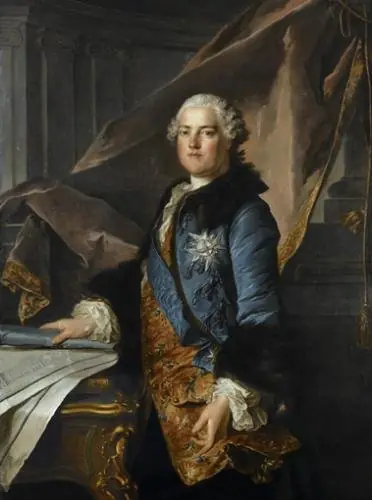 portrait of Marquês de Marigny (1728-1781)
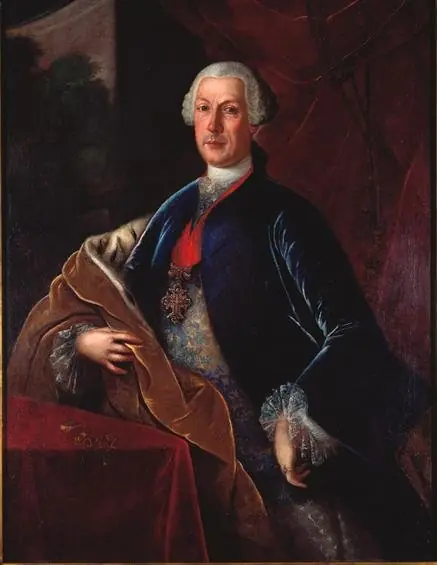 Portrait of Infante António Francisco of Portugal (1695-1757)
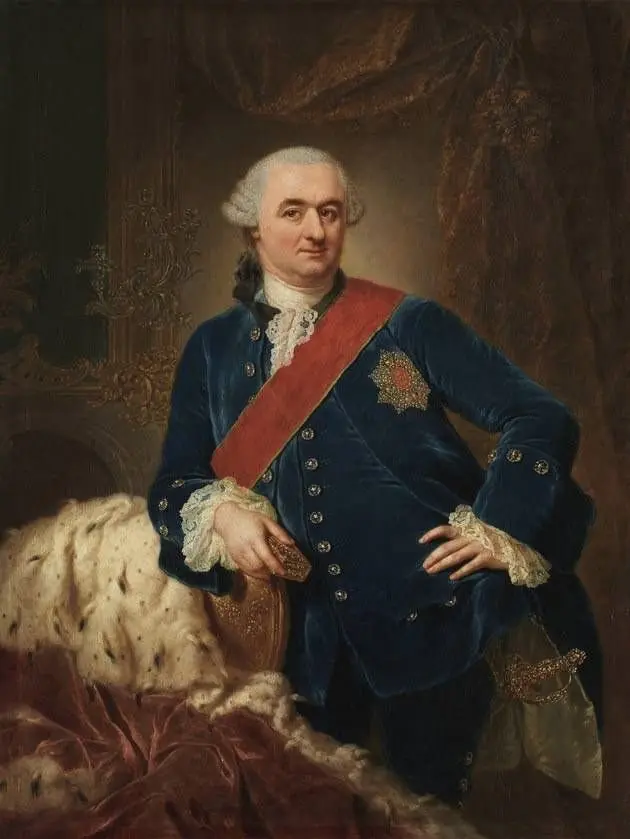 Bildnis des Kurfürsten Karl Theodor von der Pfalz und Bayern (1724-1799) im blauen Samtanzug
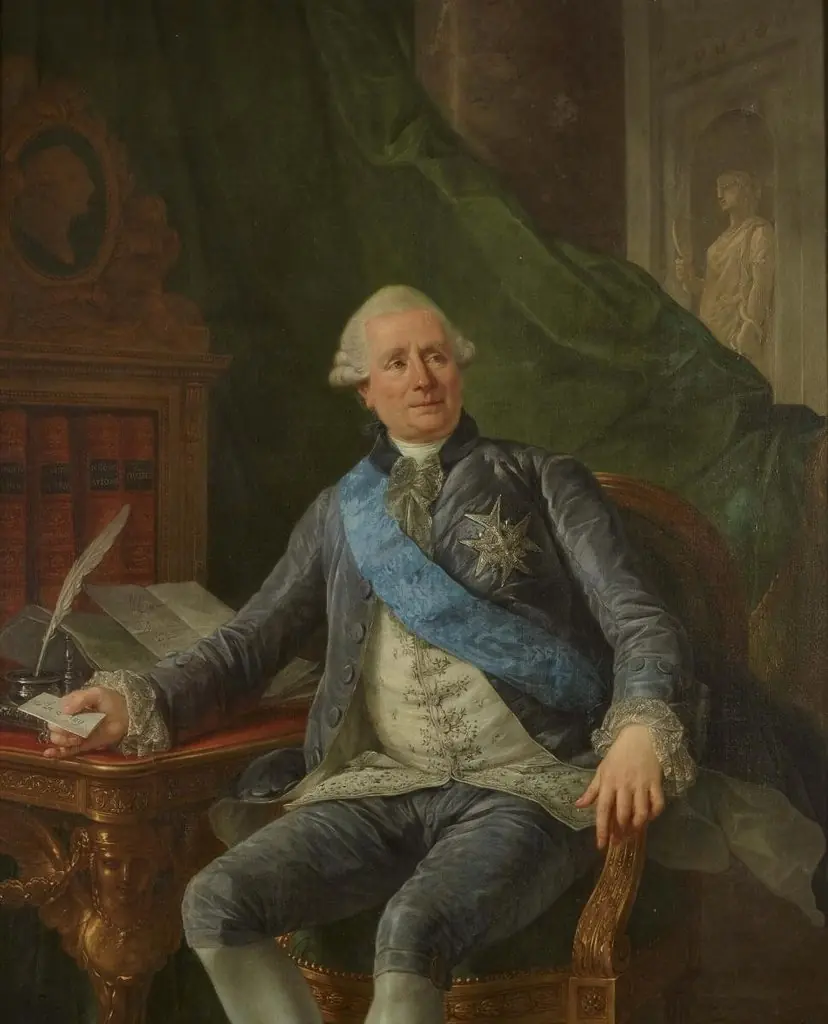 Portrait of the Comte de Vergennes
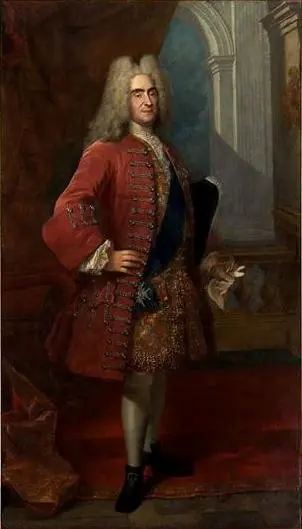 Portrait of Augustus II of Poland (1670-1733)
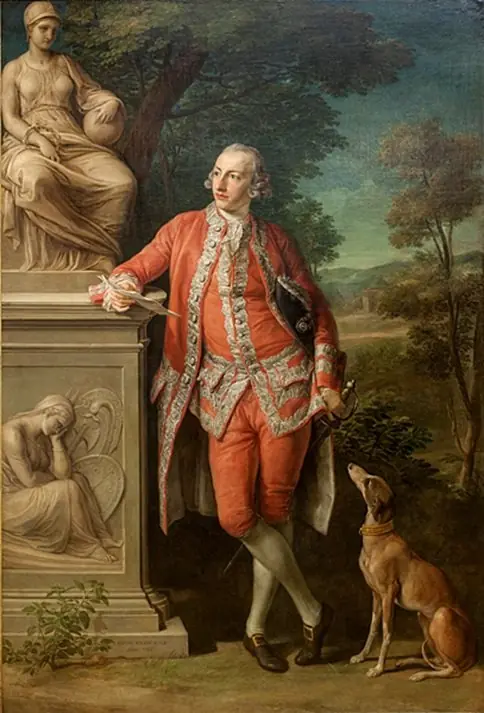 Peter Beckford (1740-1811), godsejer, Dorset.