Artwork
Marina Piccola, Capri
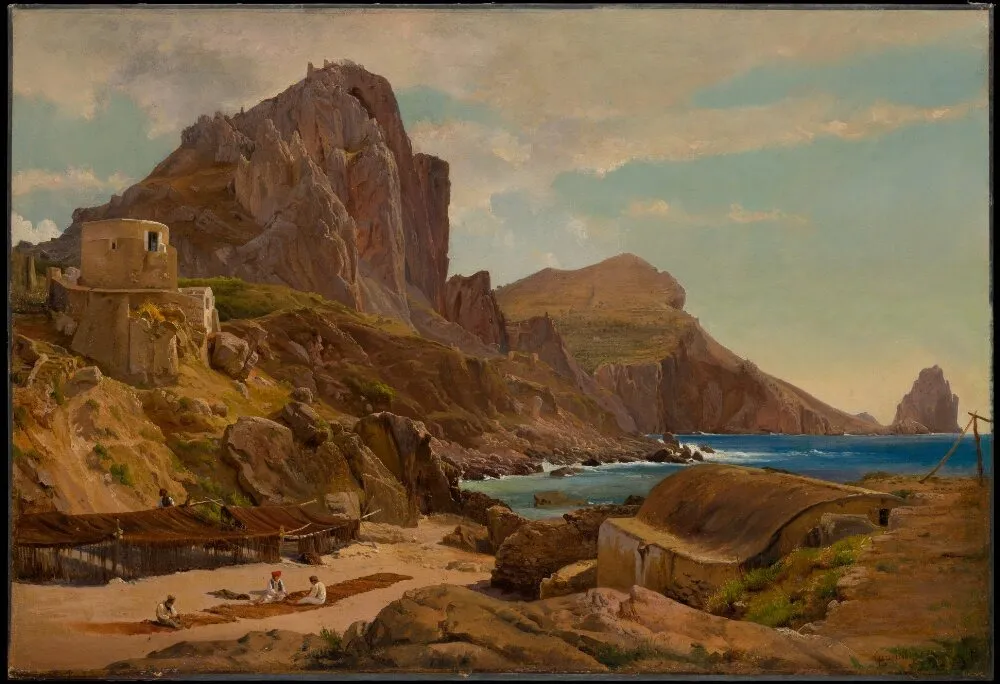
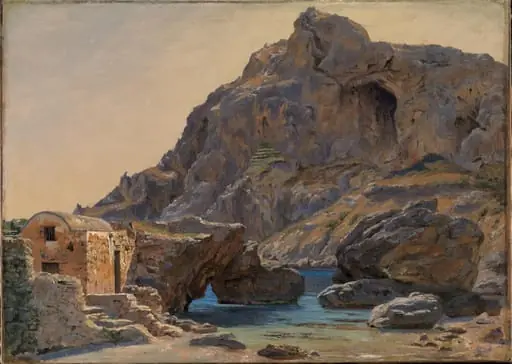
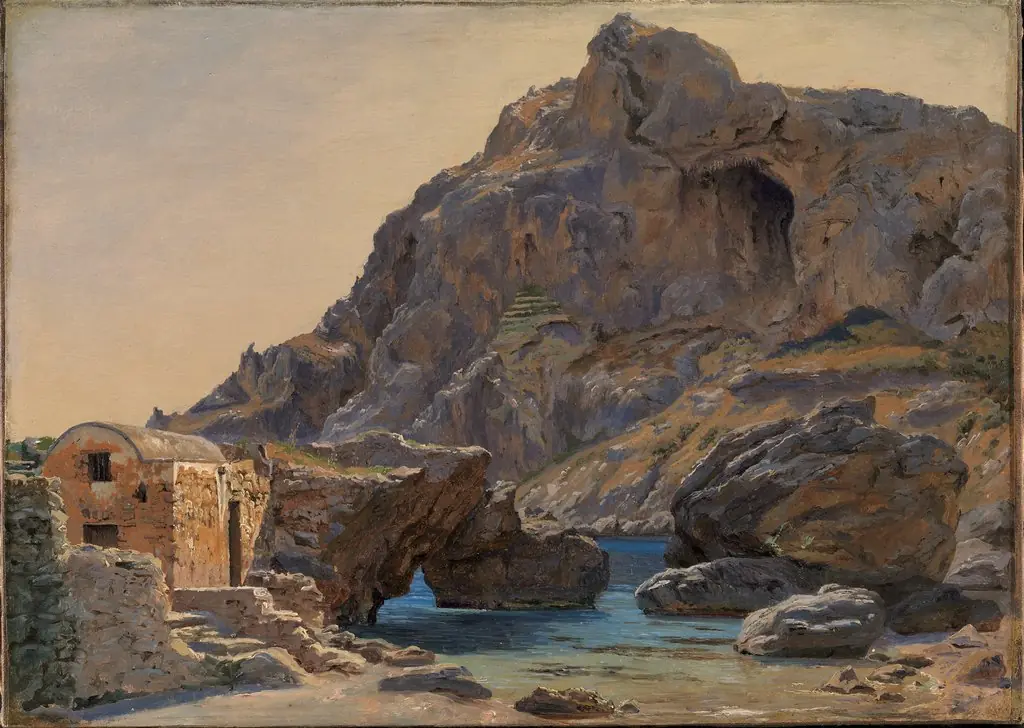
Marina Piccola, Capri is an unspecified painting by Louis Gurlitt. It dates from 1844 and is held in the collection of the Nationalmuseum.
About this work
Overview
The work is part of the Nationalmuseum’s collection and exemplifies his commitment to recording natural environments with precision and calm observation.
Louis Gurlitt’s 1844 painting *Marina Piccola, Capri* depicts a quiet coastal scene on the Italian island of Capri. As a Danish-German artist known for his topographical landscapes, Gurlitt captured this harbor during one of his European travels. The work is part of the Nationalmuseum’s collection and exemplifies his commitment to recording natural environments with precision and calm observation.
Subject & Meaning
The painting presents Marina Piccola, a modest harbor framed by steep limestone cliffs. Small dwellings cluster near the shore, and figures sit quietly on the ground, suggesting daily life rather than theatrical narrative. The absence of dramatic action and the subdued palette emphasize stillness, reflecting a quiet reverence for place rather than a symbolic or emotional statement.
Technique & Style
Gurlitt rendered the scene with a restrained realism, focusing on the tactile qualities of rock surfaces, weathered architecture, and textile folds in clothing. The sky, lightly clouded and pale blue, balances the solidity of the cliff. Brushwork is precise but unobtrusive, avoiding romantic exaggeration in favor of a measured, observational approach characteristic of mid-19th-century landscape study.
History & Provenance
Painted during Gurlitt’s travels in southern Italy, the work entered the Nationalmuseum’s collection in Sweden, likely through acquisition or donation in the late 19th or early 20th century. Its preservation reflects institutional interest in Nordic artists who engaged with Mediterranean subjects, though Gurlitt’s broader oeuvre remains less widely studied outside specialized circles.
Context
In the 1840s, European artists increasingly sought inspiration beyond urban centers, turning to rural and coastal locales for authentic visual experience. Gurlitt’s work aligns with this trend, sharing affinities with German and Scandinavian plein air practices. Unlike the dramatic sublime of Romanticism, his approach favored quiet documentation, anticipating later realist and impressionist tendencies.
Legacy
While not widely celebrated in mainstream art history, Gurlitt’s landscapes contribute to a broader understanding of 19th-century travel painting. *Marina Piccola, Capri* stands as a quiet example of how artists outside major centers recorded regional environments with diligence. Its presence in a national museum underscores its role as a historical record of place and practice.
Artist & collection
Artist
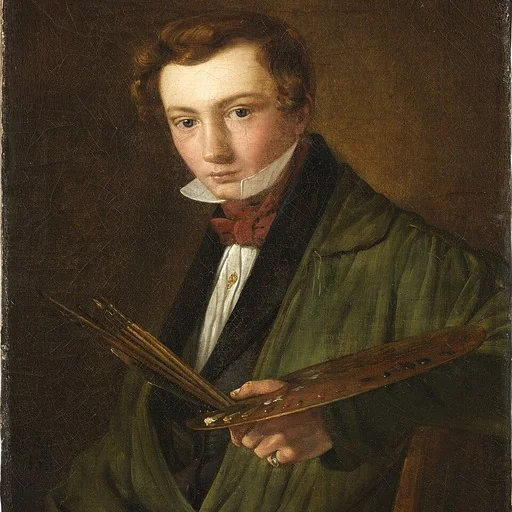
Heinrich Louis Theodor Gurlitt (8 March 1812 – 19 September 1897), also called Louis Gurlitt, was a Danish-German painter of landscapes.

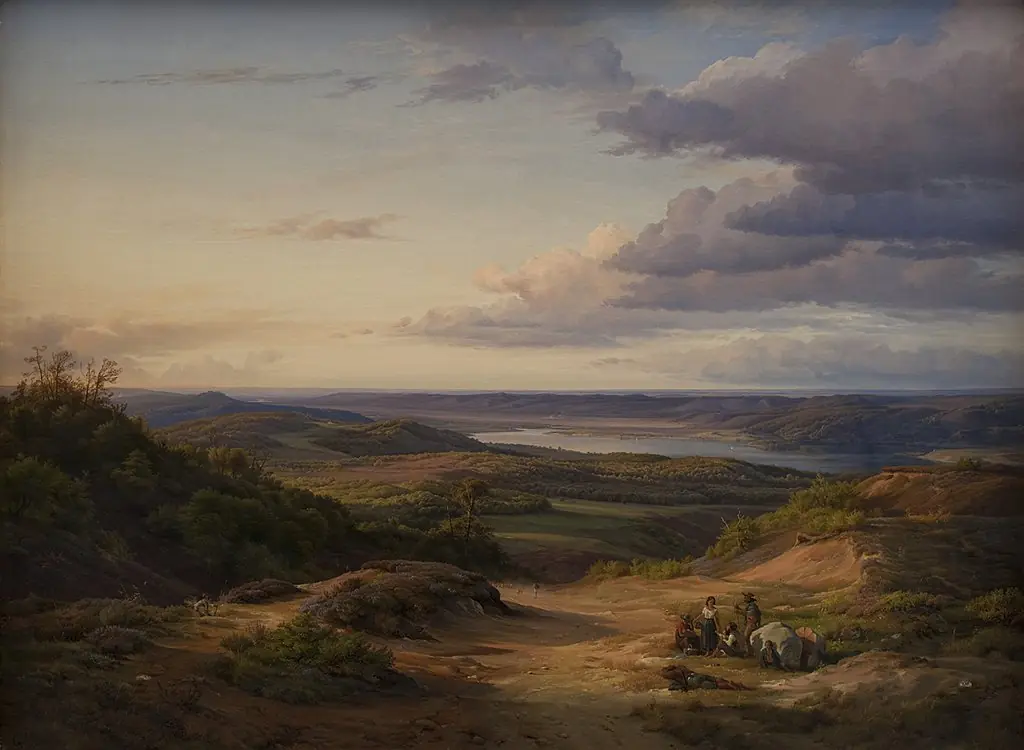 A Landscape near Himmelbjerget, Jutland. In the Foreground a Gypsy Family
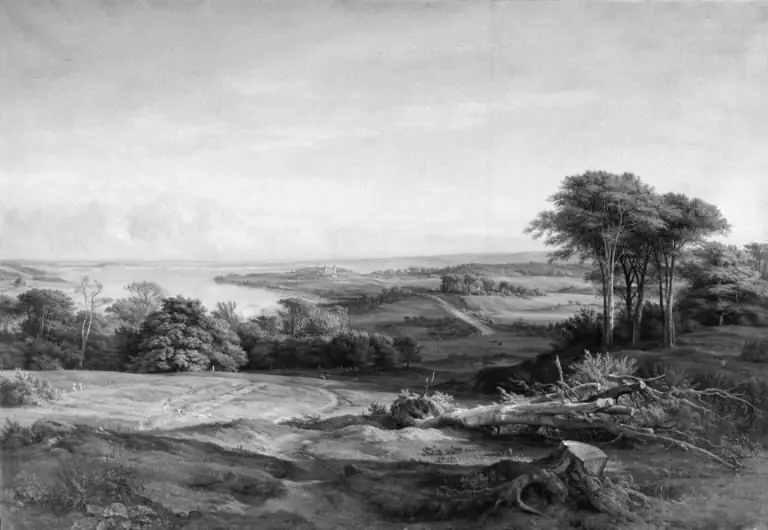 Udsigt over Skanderborg fra Edelsborgmark
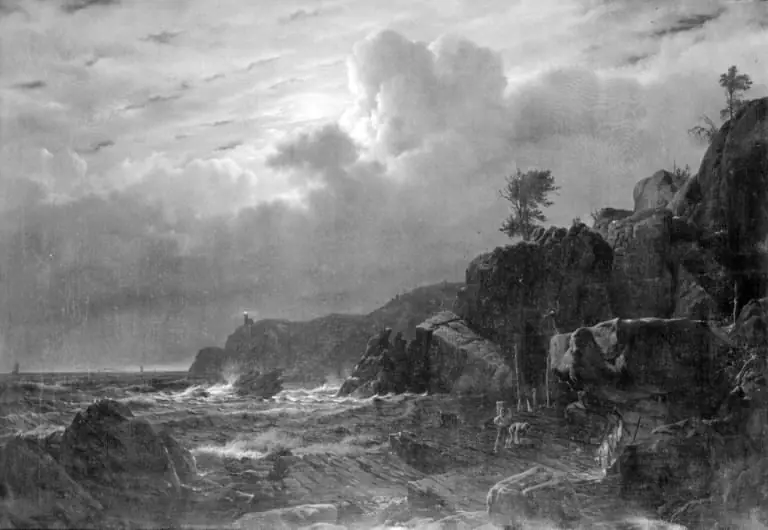 View of Kullen in Sweden. Smugglers Hiding their Goods among the Rocks. Moonlight
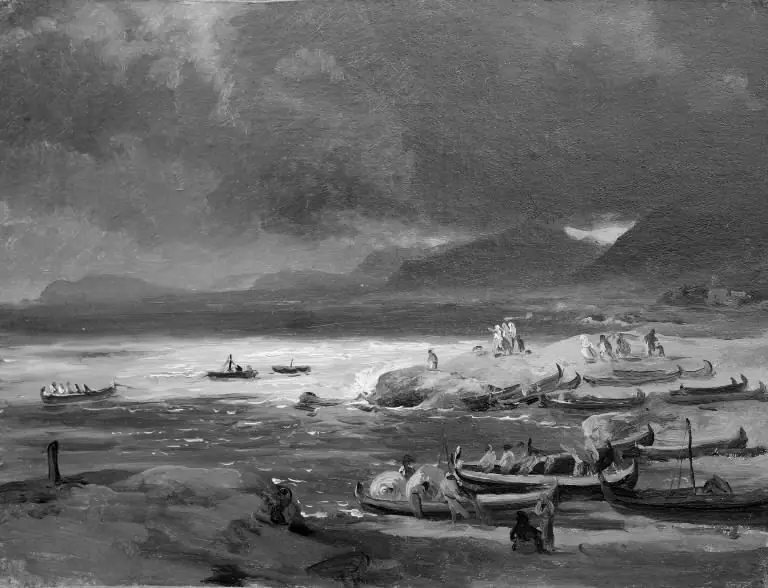 Coast with Boats on the Beach, a Storm Brewing. Dalmatia
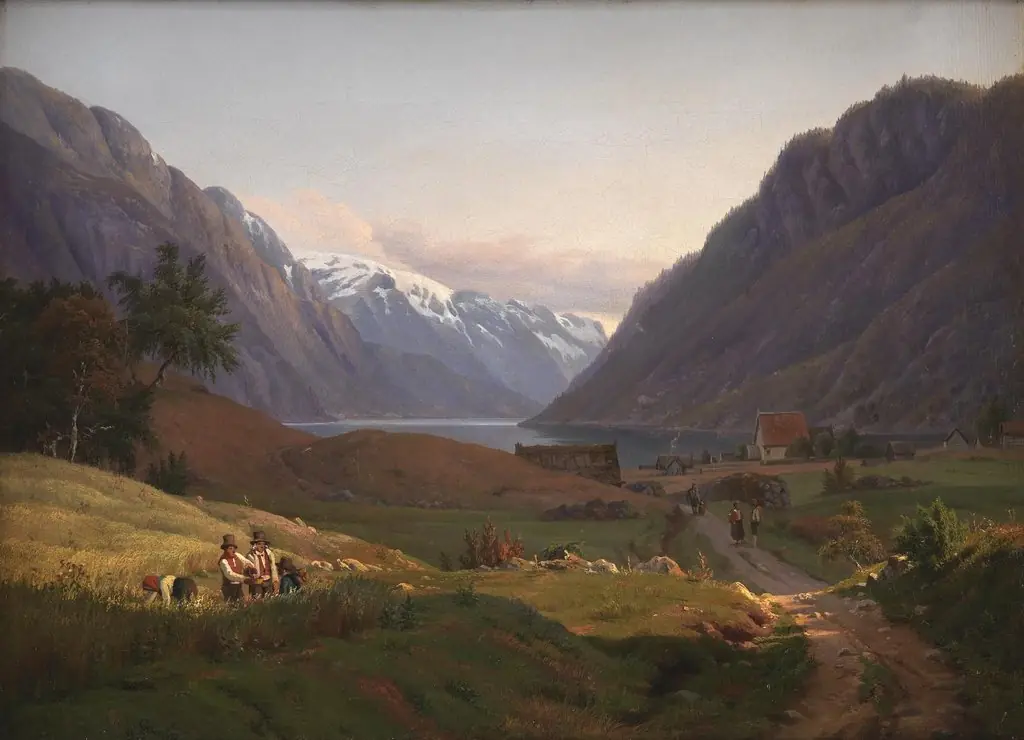 View of Odda at the Sør Fjord in Hardanger, Norway. Morning Light
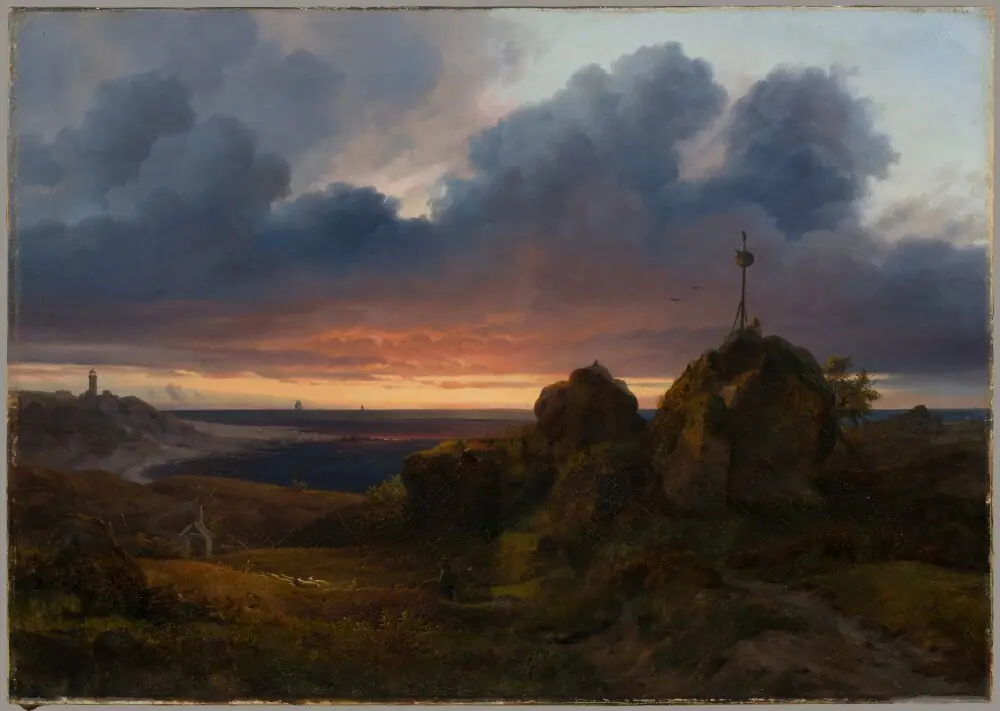 View From Kullen, Skåne
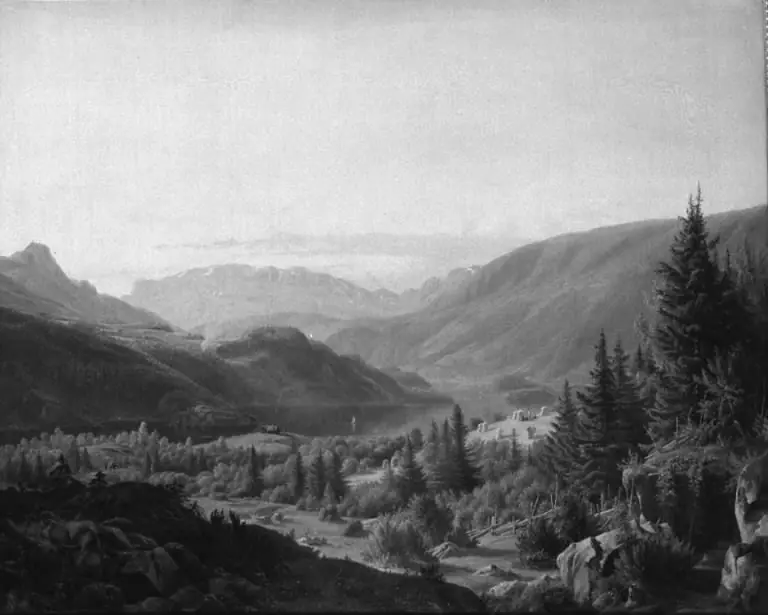 Parti i Valders i Norge. Aften
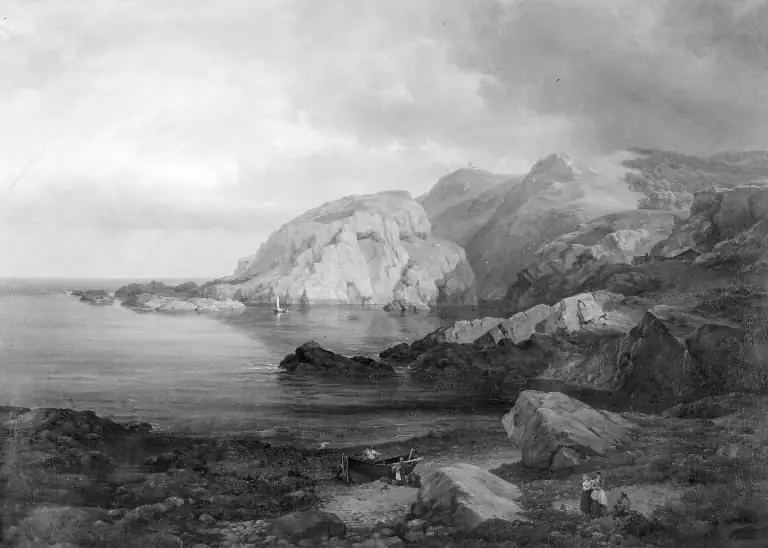 Klippekyst, Kullen