Artwork
Egypt and Nubia: Volume I - No. 12, Hadjar Silsilis
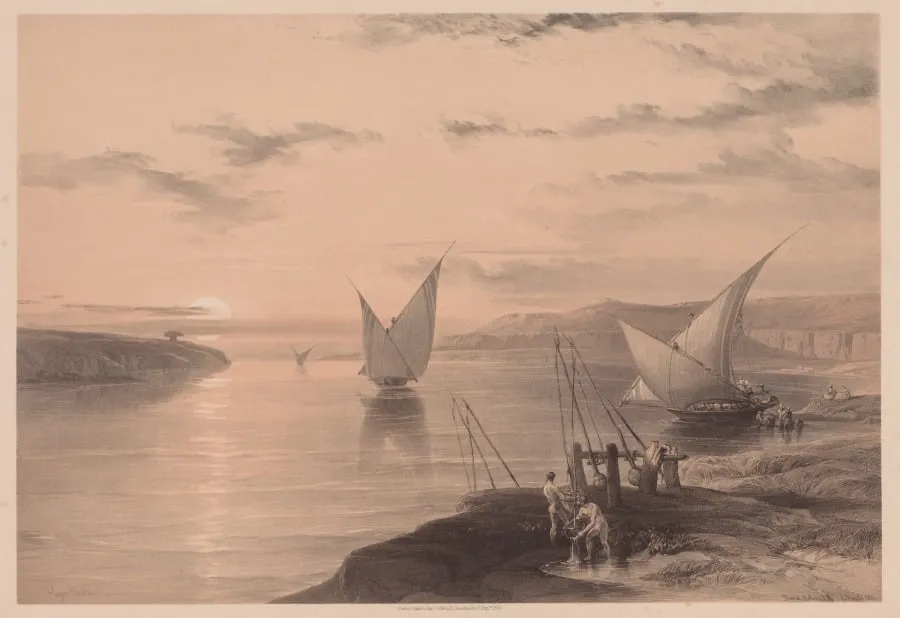
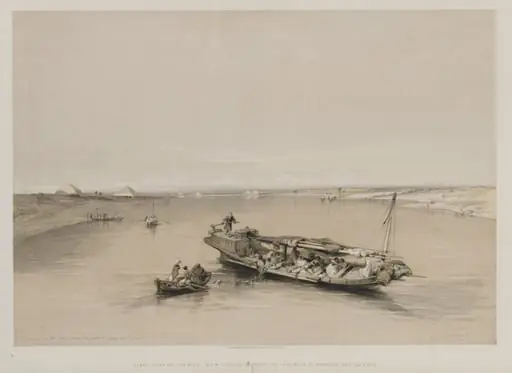
Egypt and Nubia: Volume I - No. 12, Hadjar Silsilis is a print by the Romanticist artist Louis Haghe. It dates from 1838 and is held in the collection of the Cleveland Museum of Art.
About this work
Overview
Produced in collaboration with illustrator David Roberts, it captures a quiet stretch of the Nile near Hadjar Silsilis, a site known for ancient stone quarries.
Created in 1838 by Belgian-born lithographer Louis Haghe, this print is part of the first volume of a series documenting Egypt and Nubia. Produced in collaboration with illustrator David Roberts, it captures a quiet stretch of the Nile near Hadjar Silsilis, a site known for ancient stone quarries. Haghe’s lithographic skill translated Roberts’ field sketches into a refined, widely distributed image, contributing to European visual records of the region during the early 19th century.
Subject & Meaning
The scene portrays the Nile at Hadjar Silsilis, a location historically used for quarrying stone in antiquity. Rather than emphasizing ruins, the image focuses on the river’s tranquility and human presence: three sailboats drift gently, while three figures rest along the bank. The absence of overt monumentality shifts attention to daily life and the enduring rhythm of the landscape, suggesting a quiet reverence for place over grandeur.
Technique & Style
Haghe employed lithography to achieve fine tonal gradations and delicate detail, capturing the softness of distant hills and the sheen of water. Light is carefully modulated to enhance spatial depth, with shadows anchoring the figures and boats against the bright river. The composition avoids dramatic contrast, favoring a subdued palette and even illumination that reinforces the scene’s stillness and observational precision.
History & Provenance
The print originated from a collaborative expedition led by David Roberts, who traveled through Egypt and Nubia between 1838 and 1839. Haghe, working with the London firm Day & Haghe, translated Roberts’ sketches into lithographs for publication. This volume was among the first systematic visual records of the region, distributed to European audiences eager for ethnographic and topographical documentation during the period of increasing archaeological interest.
Context
Produced during a wave of European exploration in the Nile Valley, the image reflects growing scholarly and public fascination with ancient Egypt. Unlike earlier romanticized depictions, this print favors quiet observation over spectacle. Its emphasis on landscape and everyday activity aligns with emerging trends in topographical art, where accuracy and atmosphere took precedence over theatrical narrative.
Legacy
Haghe’s lithograph helped establish a visual archive of Egypt’s riverine landscapes that influenced later archaeological illustration and travel publishing. Its restrained aesthetic set a precedent for documenting sites with minimal intervention, prioritizing fidelity to place. Though not widely known today, the print remains a key example of how lithography shaped 19th-century perceptions of the ancient world through measured, contemplative imagery.
Artist & collection
Artist
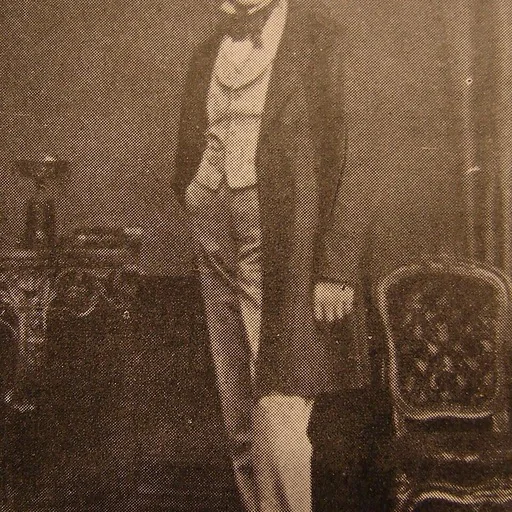
Louis Haghe (17 March 1806 – 9 March 1885) was a lithographer and watercolourist from the Netherlands and then the United Kingdom.

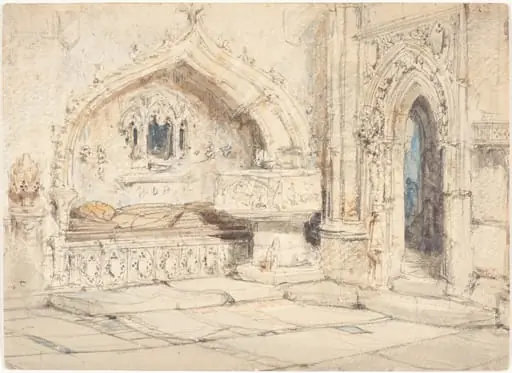 Interior of a Church with a Wall Tomb and Medieval Font
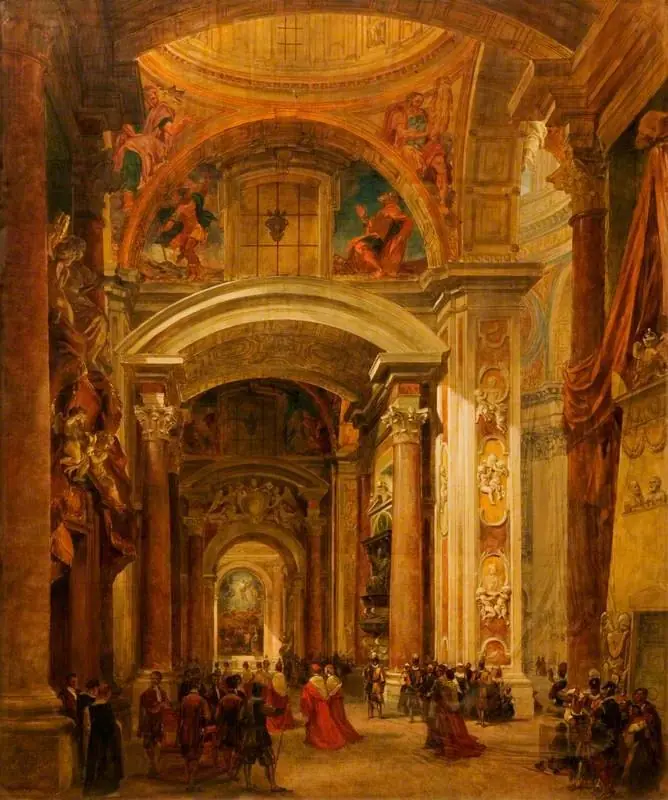 Interior of St Peter's, Rome
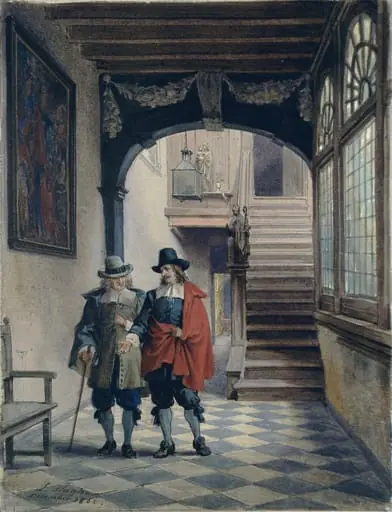 The Corridor, Brewer's Hall, Antwerp
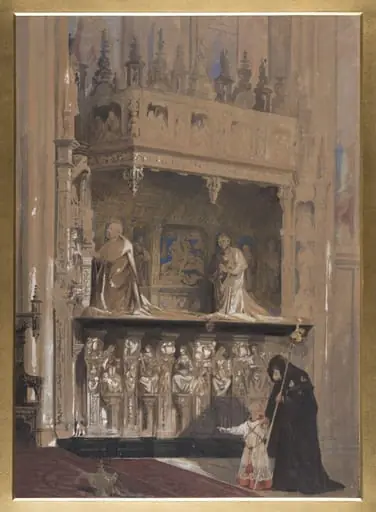 Monument of the Cardinald D'Amboise in Rouen Cathedral
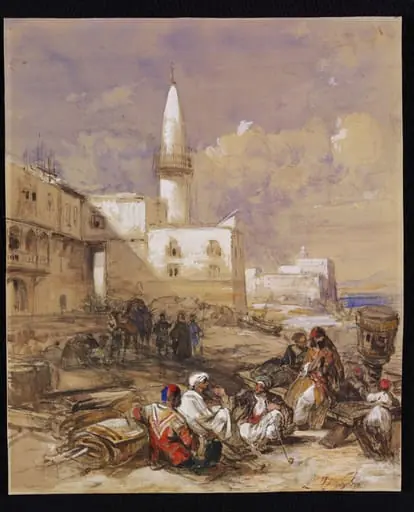 The Quay at Suez
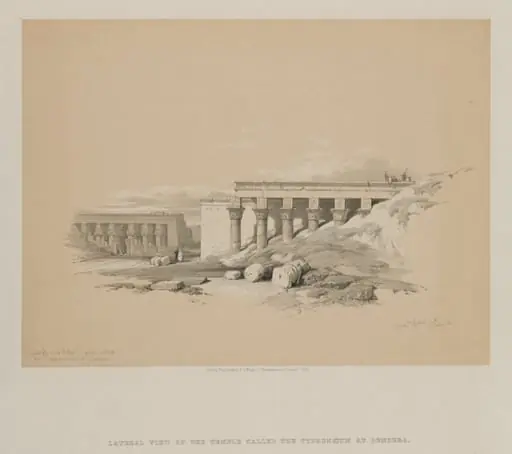 Egypt and Nubia, Volume II: Lateral View of the Temple called The Typhonoeum at Dendera
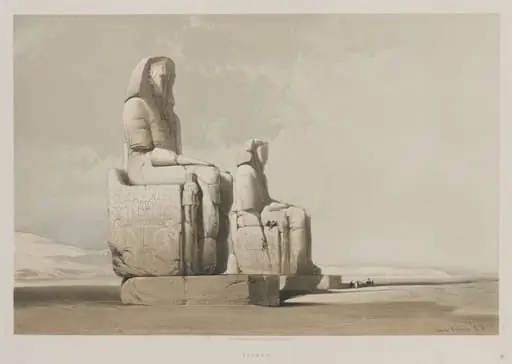 Egypt and Nubia, Volume I: Thebes
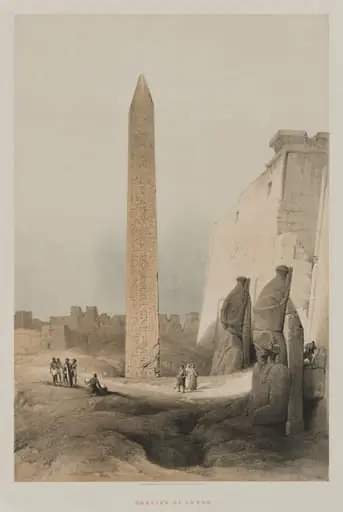 Egypt and Nubia, Volume I: Luxor
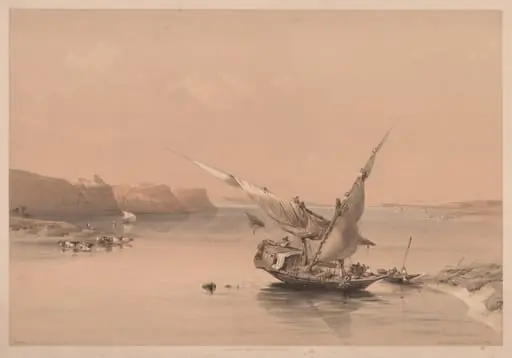 Egypt and Nubia: Volume II - No. 6, Approach to the Fortress of Ibrim, Nubia
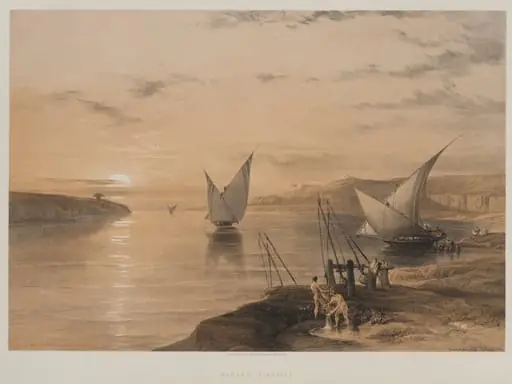 Egypt and Nubia, Volume II: Hagar Setsilis
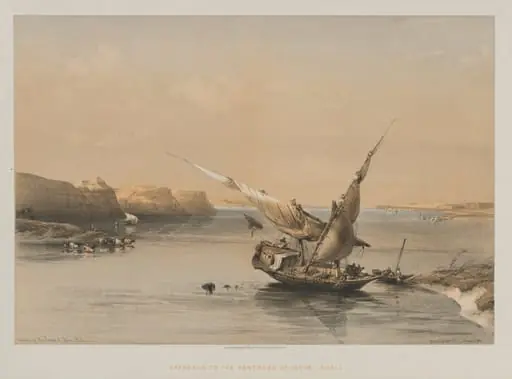 Egypt and Nubia, Volume II: Approach to the Fortress of Ibrim, Nubia
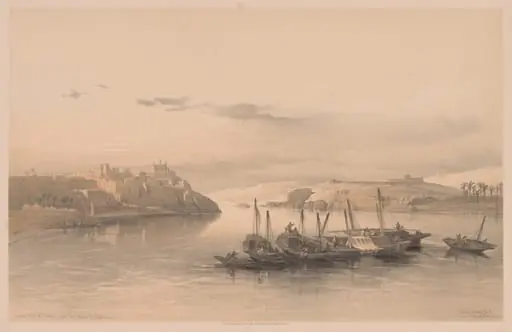 Egypt and Nubia: Volume II - No. 28, General View of Asouan and the Island of Elephantine
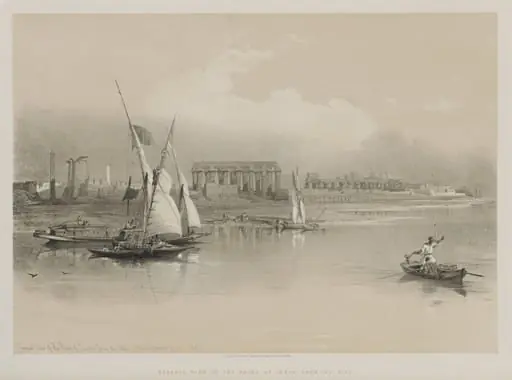 Egypt and Nubia, Volume I: General View of the Ruins of Luxor, From the Nile
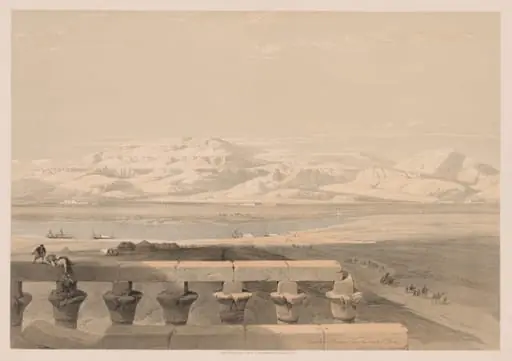 Egypt and Nubia: Volume I - No. 30, Lybian Chain of Mountains from the Temple of Luxor
 Egypt and Nubia, Volume I: View on the Nile Looking Towards the Pyramids of Dashour and Saccara