Artwork
Portrait of Willem II van Oranje- Nassau (1792-1849)
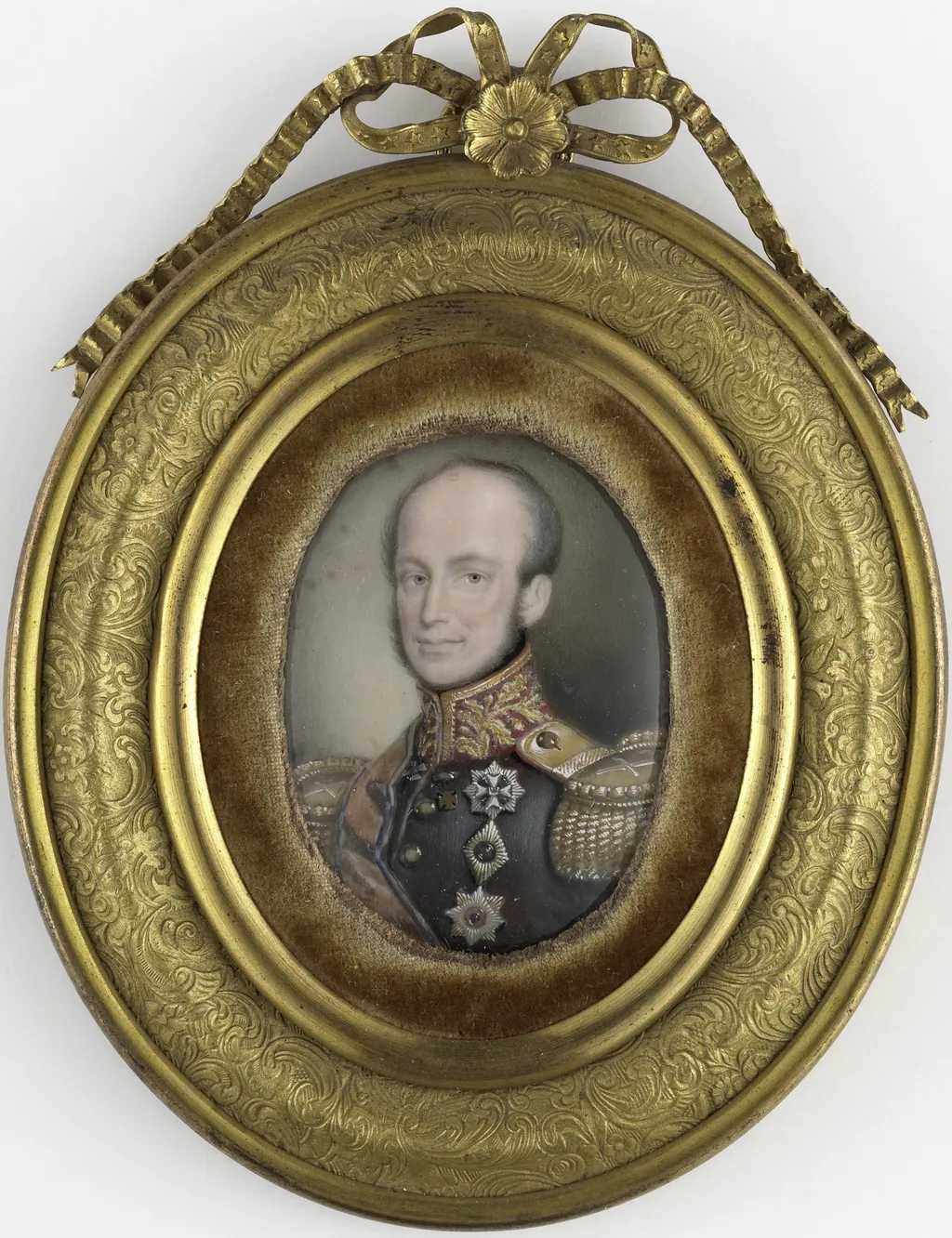
Portrait of Willem II van Oranje- Nassau (1792-1849) is an ivory painting by Louis Henri de Fontenay. It dates from 1840 and is held in the collection of the Rijksmuseum.
About this work
Overview
Louis Henri de Fontenay, a Dutch artist active in the early‑mid‑19th century, produced a portrait of King William II of the Netherlands in 1840. Executed on a sheet of ivory, the work is held in the Rijksmuseum’s collection and presents the monarch in full military regalia.
Subject & Meaning
The sitter is shown in a formal army uniform, its collar and shoulder straps richly embroidered in gold. Medals and a sash cross his chest, underscoring his royal and military status, while his sober expression conveys the dignified bearing expected of a reigning sovereign.
Technique & Style
Working on ivory allows the artist to achieve a luminous surface and delicate modeling of flesh and fabric. Fine brushwork renders the intricate embroidery and the subtle tonal shifts of the background, creating a sense of depth that isolates the figure against a muted backdrop.
History & Provenance
Created in 1840, the portrait entered the Rijksmuseum’s holdings as part of its Dutch royal portrait series. Its attribution to de Fontenay rests on stylistic analysis and contemporary documentation linking the artist to court commissions during that period.
Context
The portrait reflects the broader 19th‑century Dutch practice of commemorating monarchs through intimate, highly finished miniatures. Ivory as a support was favored for its durability and the refined finish it afforded, aligning with the era’s emphasis on personal, portable representations of power.
Artist & collection
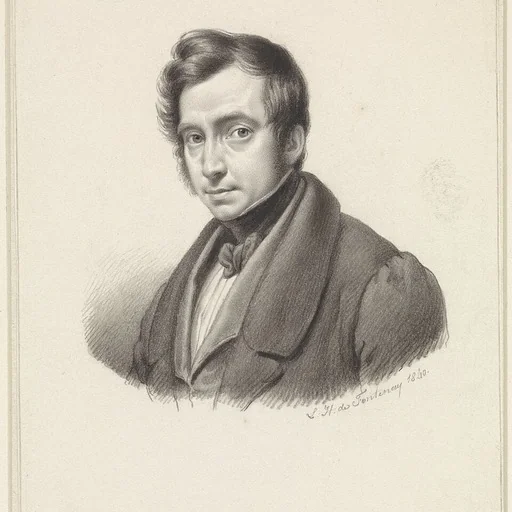
Artist
Louis Henri de Fontenay, also known as Ludovicus Henricus de Fontenaij, (15 May 1800, Amsterdam - after 1852, Paris?) was a Dutch painter, draftsman, and lithographer.

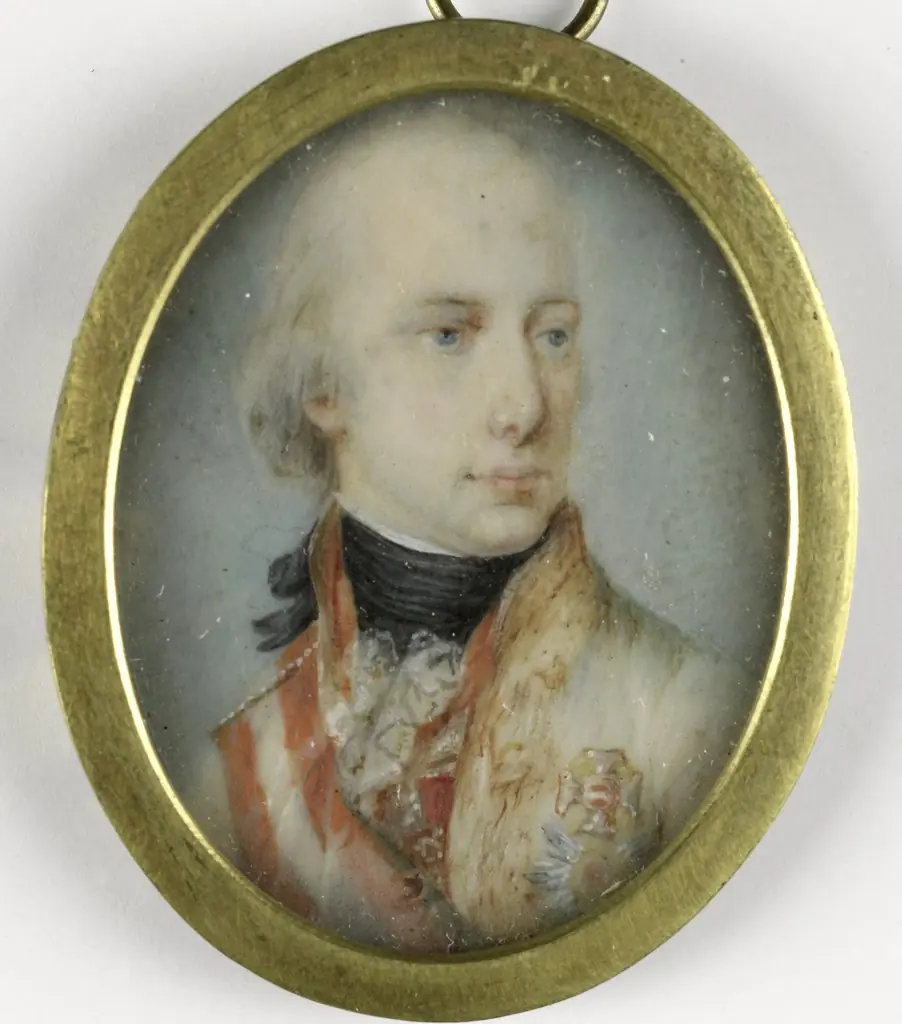 Portrait of Frans I van Habsburg (1768-1835), emperor of Austria
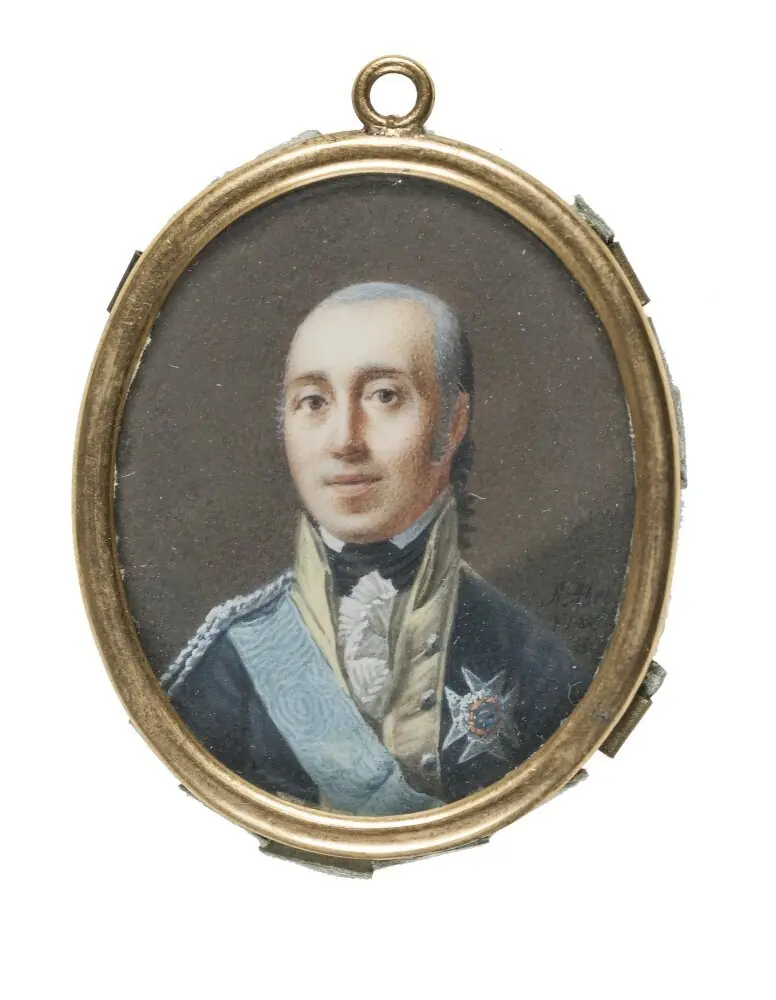 Friedrich Franz, Duke of Mecklenburg-Schwerin
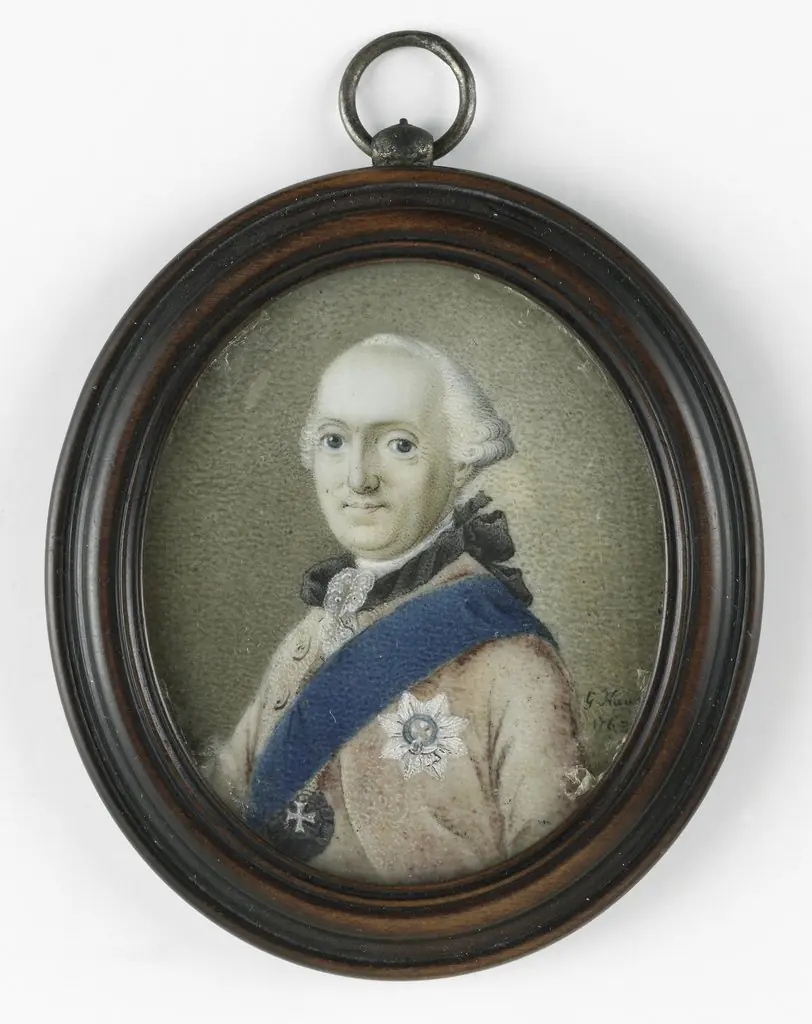 Karl Wilhelm Ferdinand (1735-1806), Duke of Brunswick-Luneburg
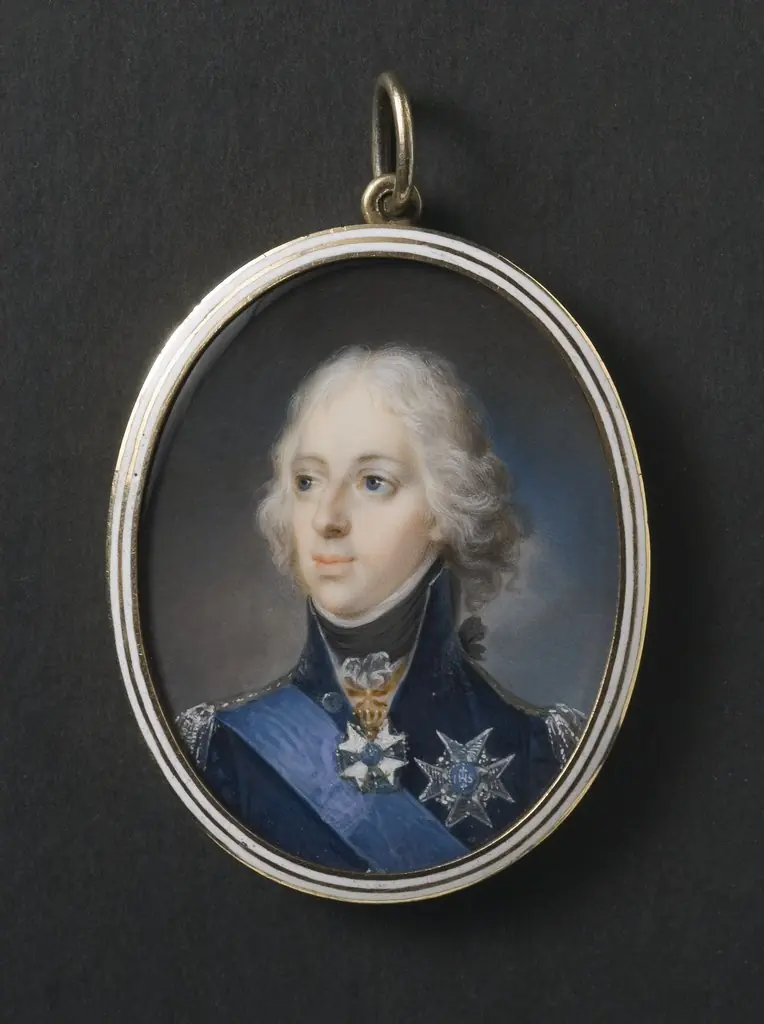 Gustav IV Adolf (1778-1837)
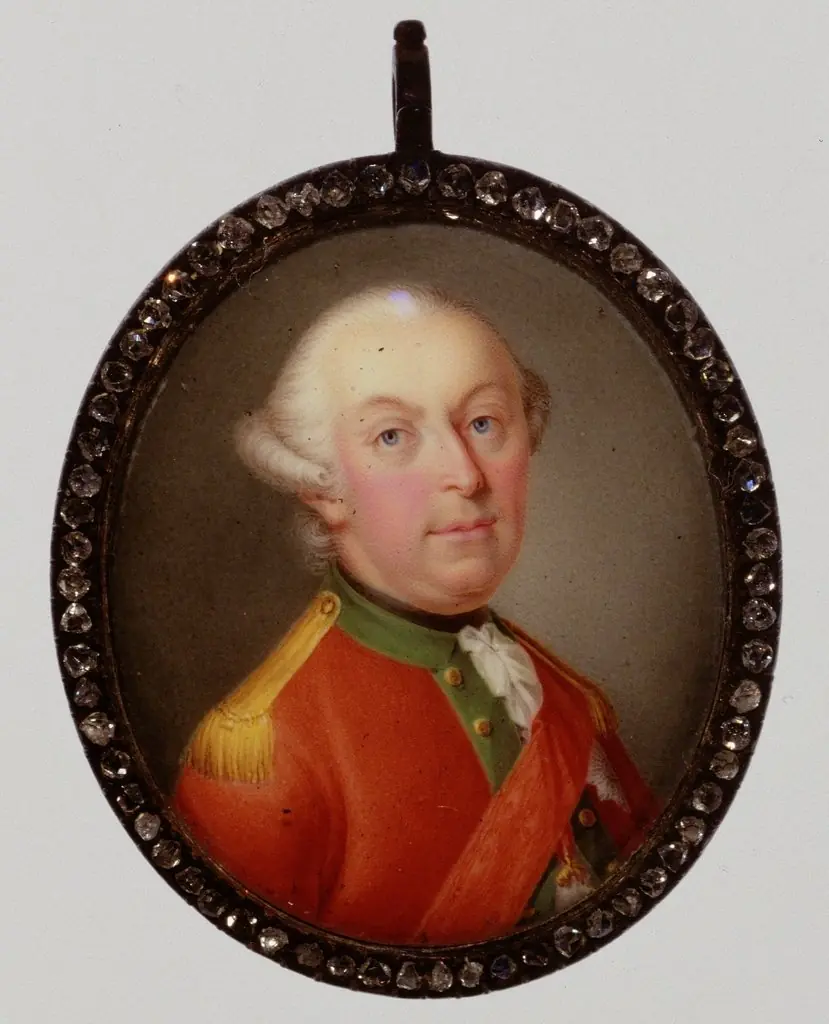 Joseph II (1741–1790), Emperor of Austria
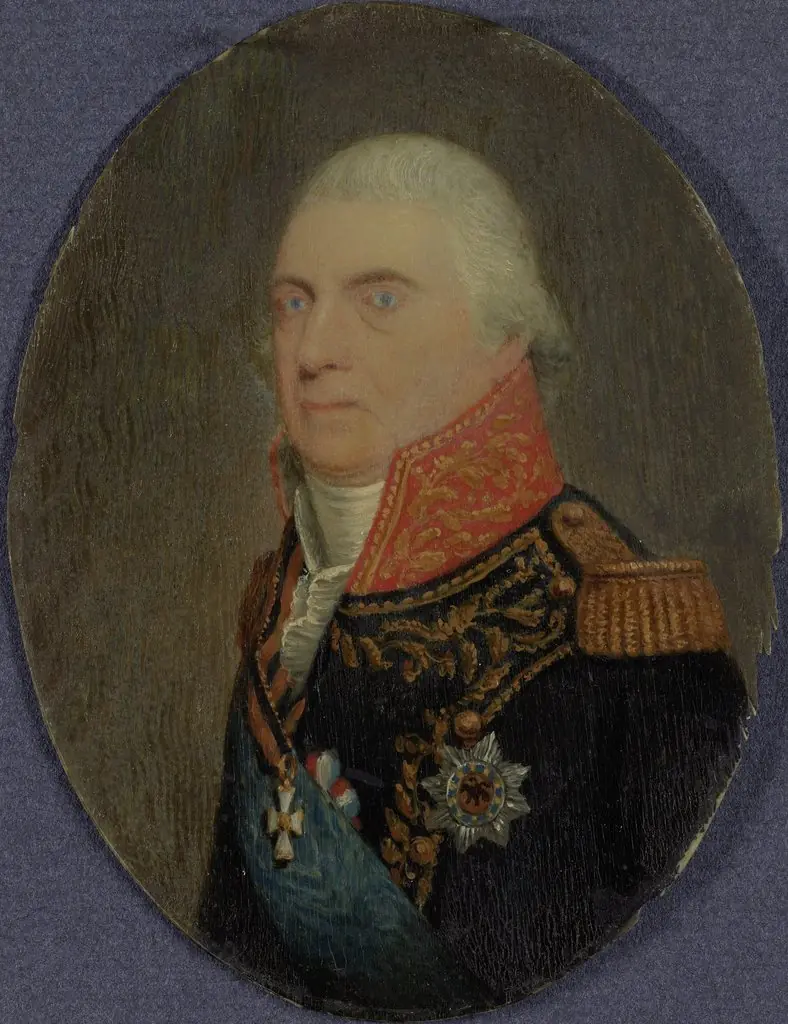 Jan Hendrik van Kinsbergen (1735-1819). Vice-admiraal, buitengewoon maarschalk der Hollandse zeemacht
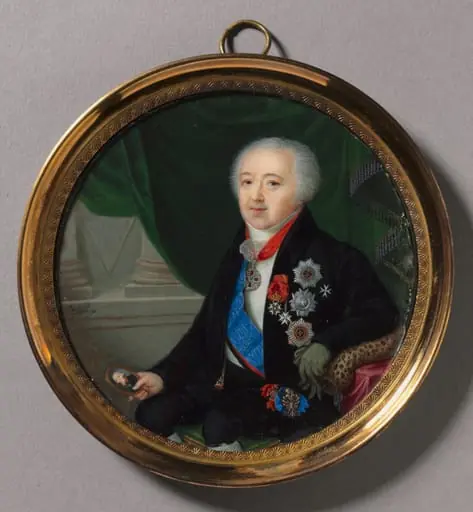 Portrait of Prince Alexander Bezborodko
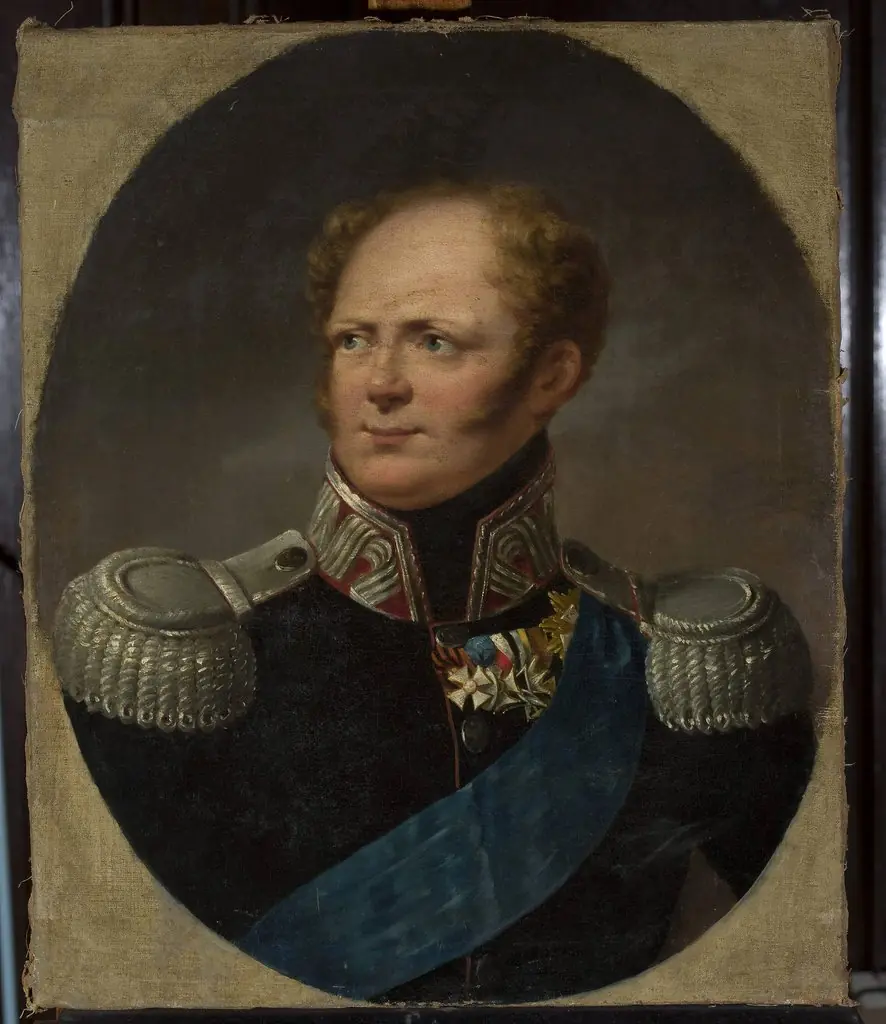 Portrait of Tsar Alexander I
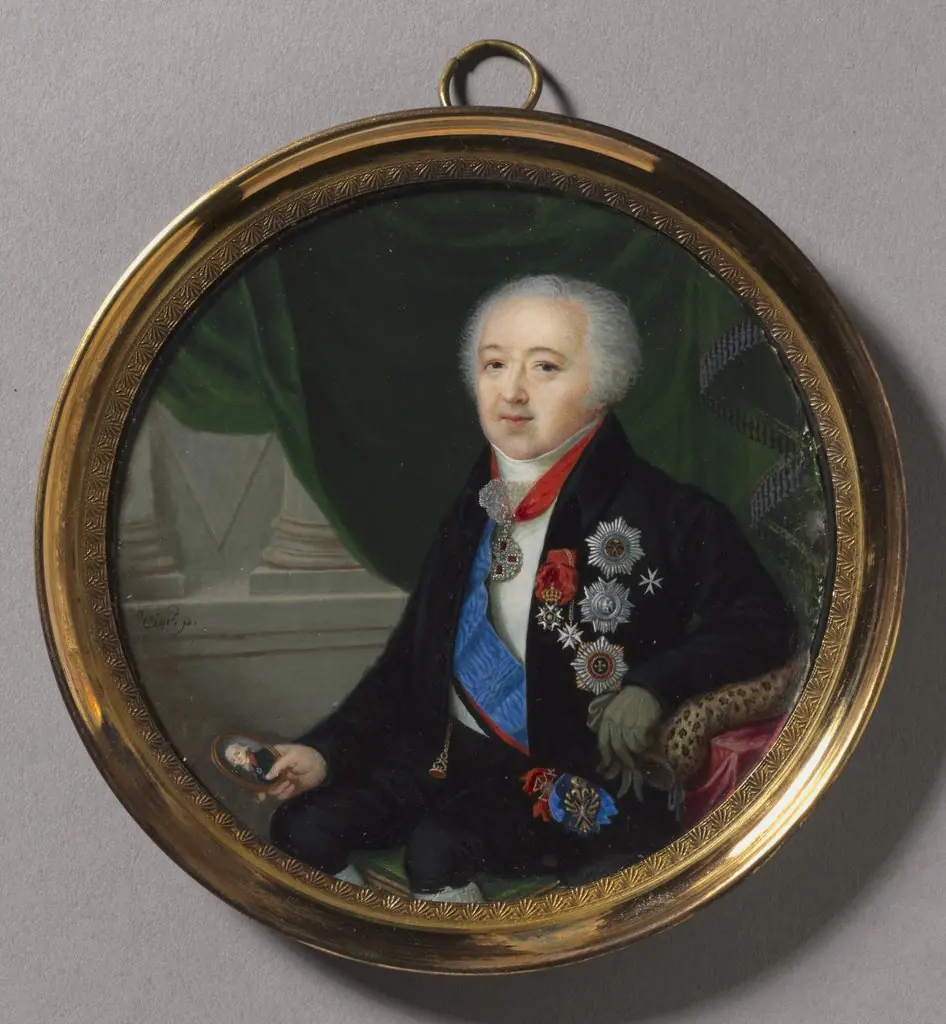 Portrait of Prince Alexander Bezborodko
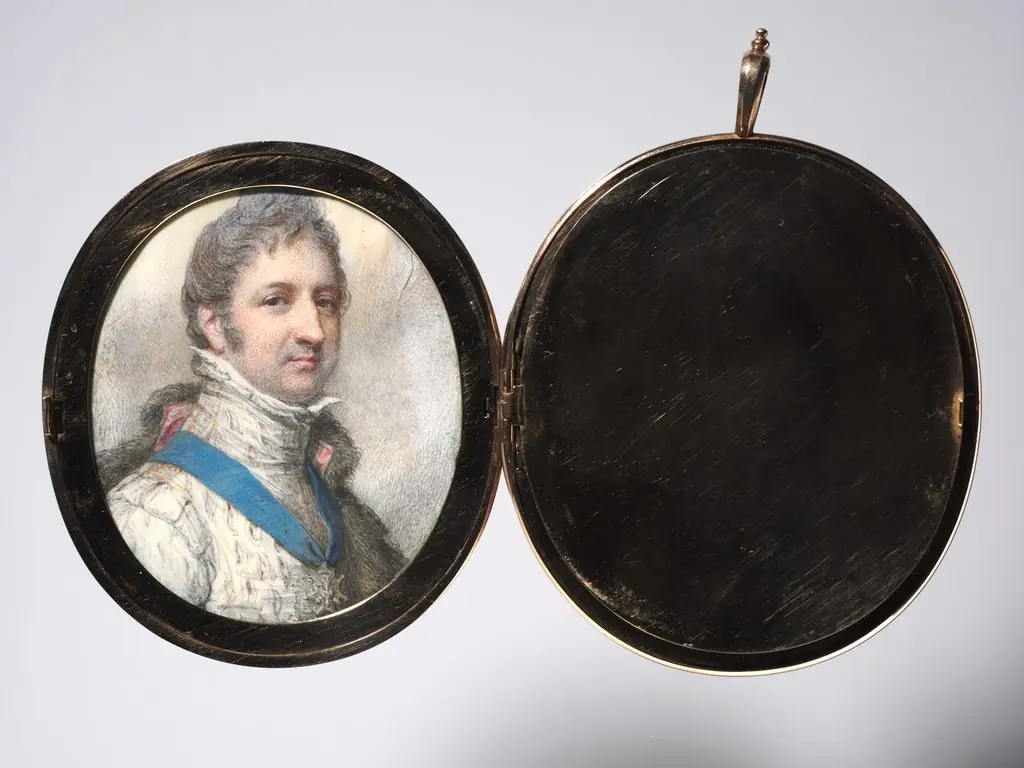 Portrait of Louis-Philippe, Duke of Orléans, later King of the French