Artwork
Friedrich Franz, Duke of Mecklenburg-Schwerin
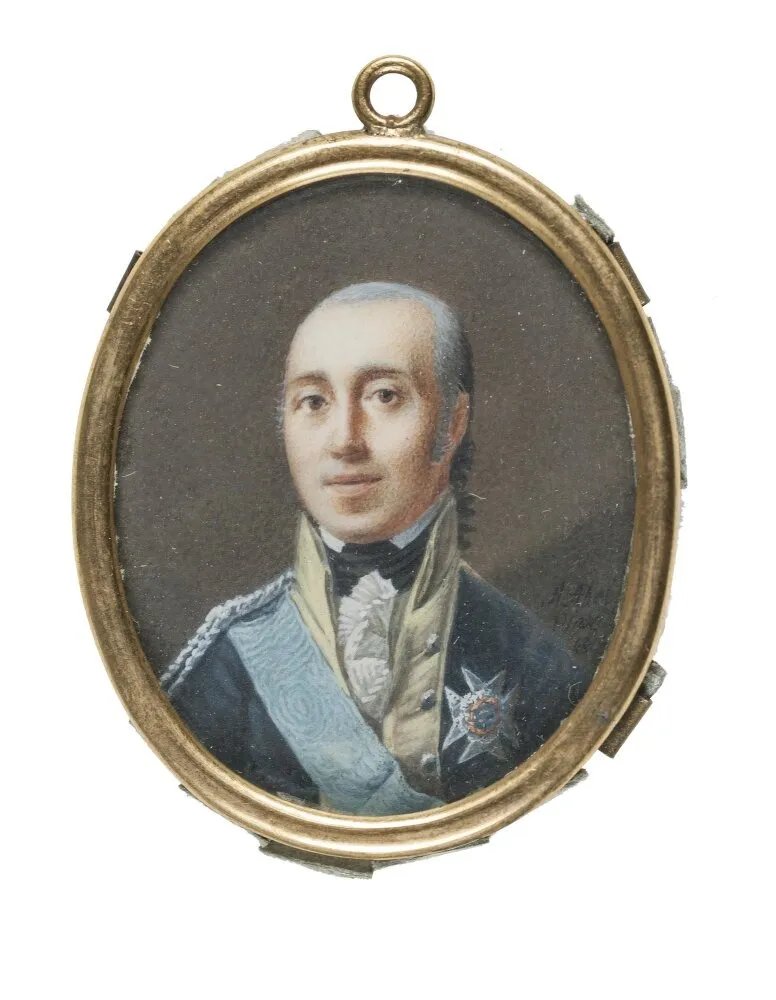
Friedrich Franz, Duke of Mecklenburg-Schwerin is an unspecified painting by the Biedermeier artist Wilhelm August Christian Abel. It dates from 1803 and is held in the collection of the Nationalmuseum.
About this work
Overview
This portrait painting, created in 1803 by Wilhelm August Christian Abel, captures the likeness of Friedrich Franz I, Grand Duke of Mecklenburg-Schwerin. Currently, it is part of the collection at the Nationalmuseum.
Subject & Meaning
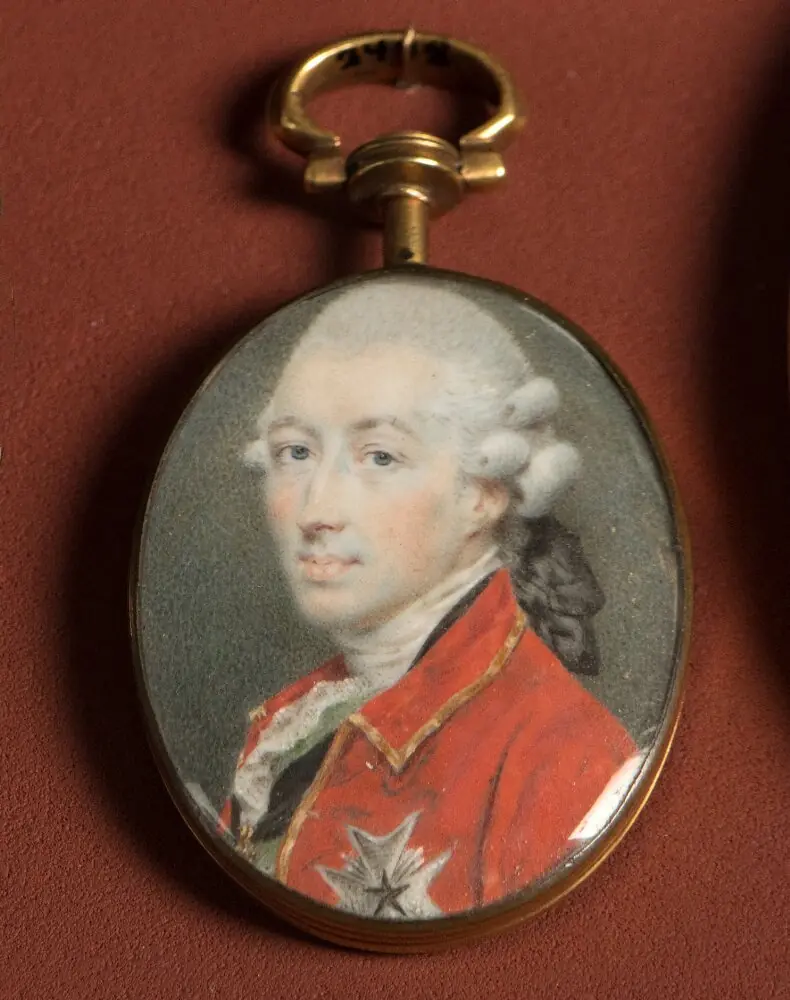
The subject, Friedrich Franz I, is portrayed in formal military attire, conveying dignity and respectability. The subtle smile on his serious face adds a touch of personality to the otherwise formal demeanor.
Technique & Style
Abel's technique emphasizes simplicity and formality, using a somber dark background to focus attention on the subject. The meticulous depiction of textures, from the dark blue jacket and light blue sash to the gray, neatly styled hair, highlights the artist's attention to detail.
History & Provenance
Commissioned in 1803, the painting's history prior to its current residence at the Nationalmuseum is not detailed here, though its creation coincides with the late 18th to early 19th-century European portraiture trends.
Context
Created during a time of significant European political upheaval, the portrait reflects the enduring tradition of formal military portraiture among nobility, emphasizing stability and heritage.
Legacy
While not widely discussed in broad art historical narratives, this portrait remains significant as a representation of late 18th-century European nobility and Abel's contribution to the tradition of formal portraiture.
Artist & collection
Artist
Wilhelm August Christian Abel (1748–1804) was an artist, born in Zerbst.

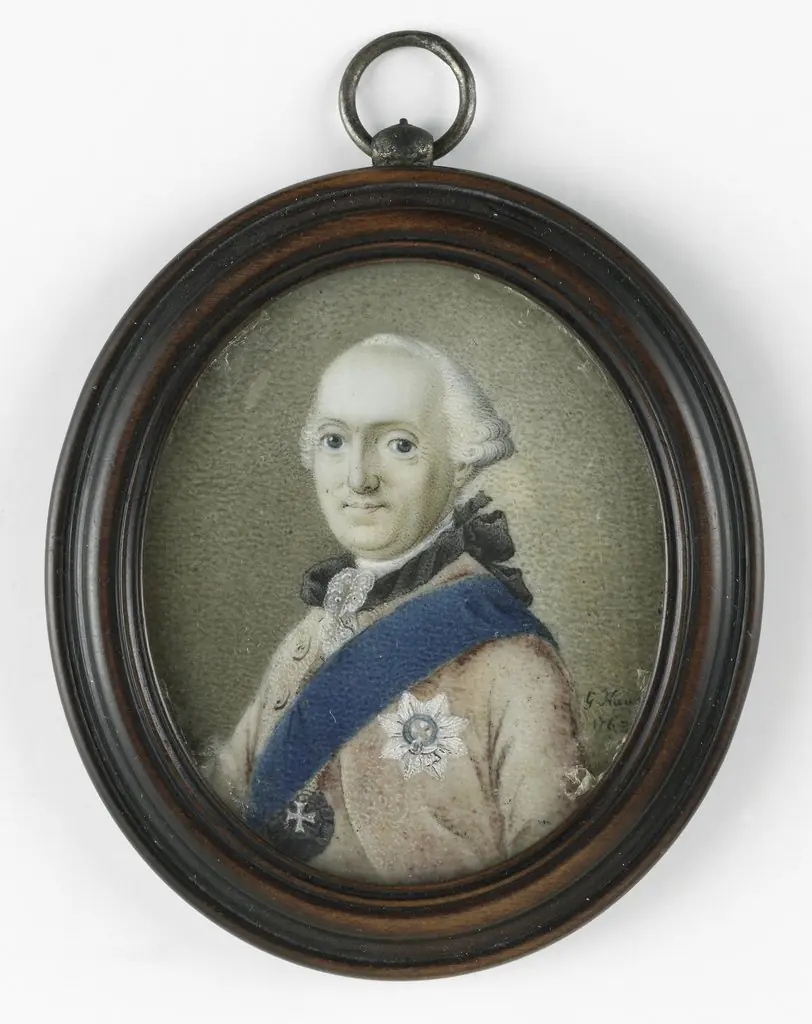 Karl Wilhelm Ferdinand (1735-1806), Duke of Brunswick-Luneburg
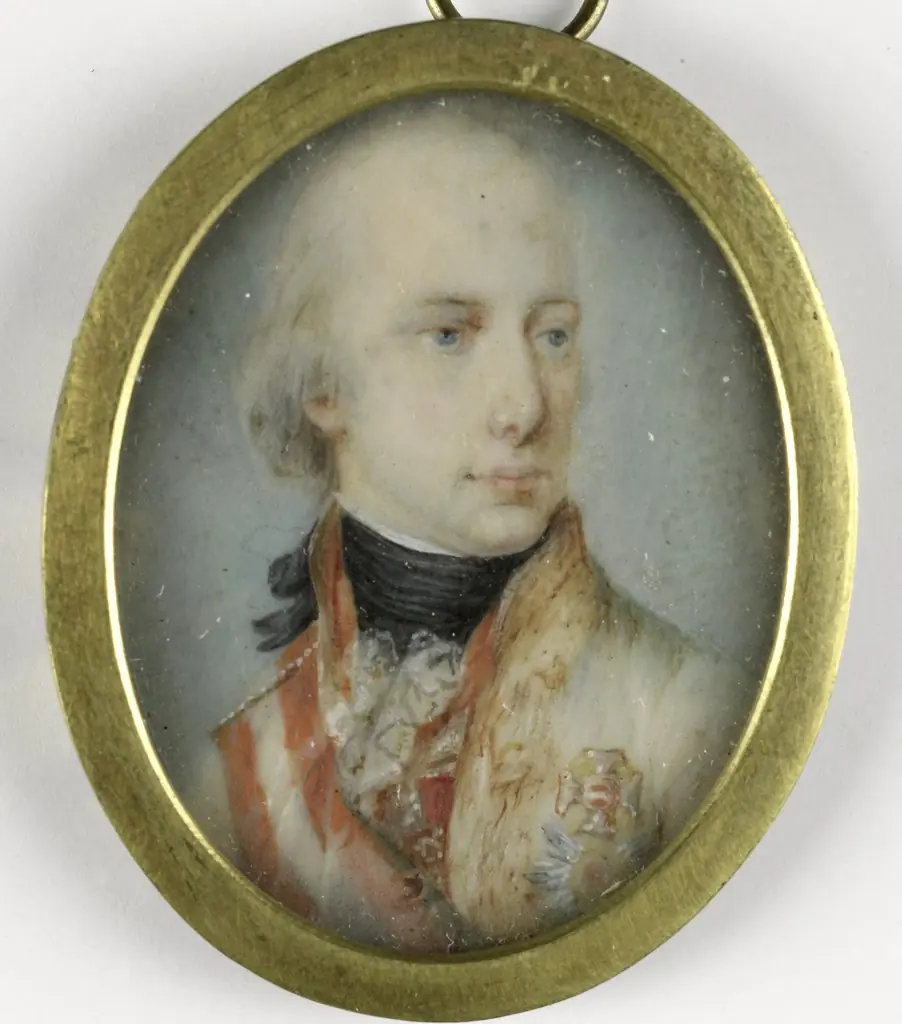 Portrait of Frans I van Habsburg (1768-1835), emperor of Austria
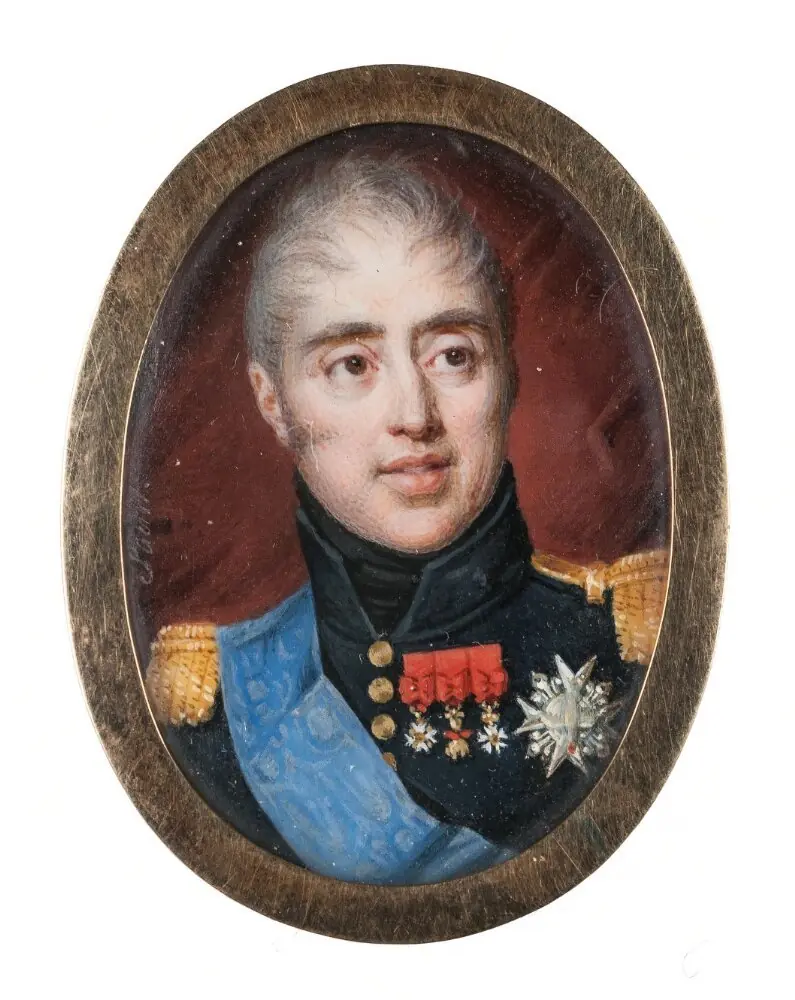 Charles X, King of France and Navarre
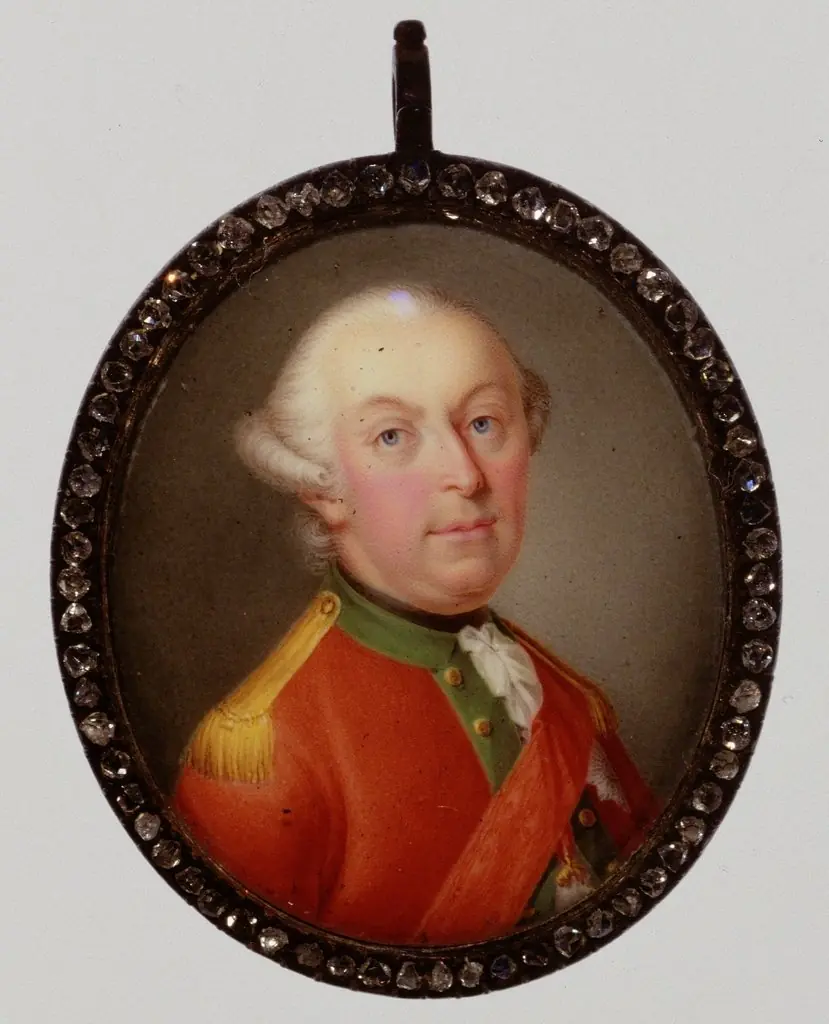 Joseph II (1741–1790), Emperor of Austria
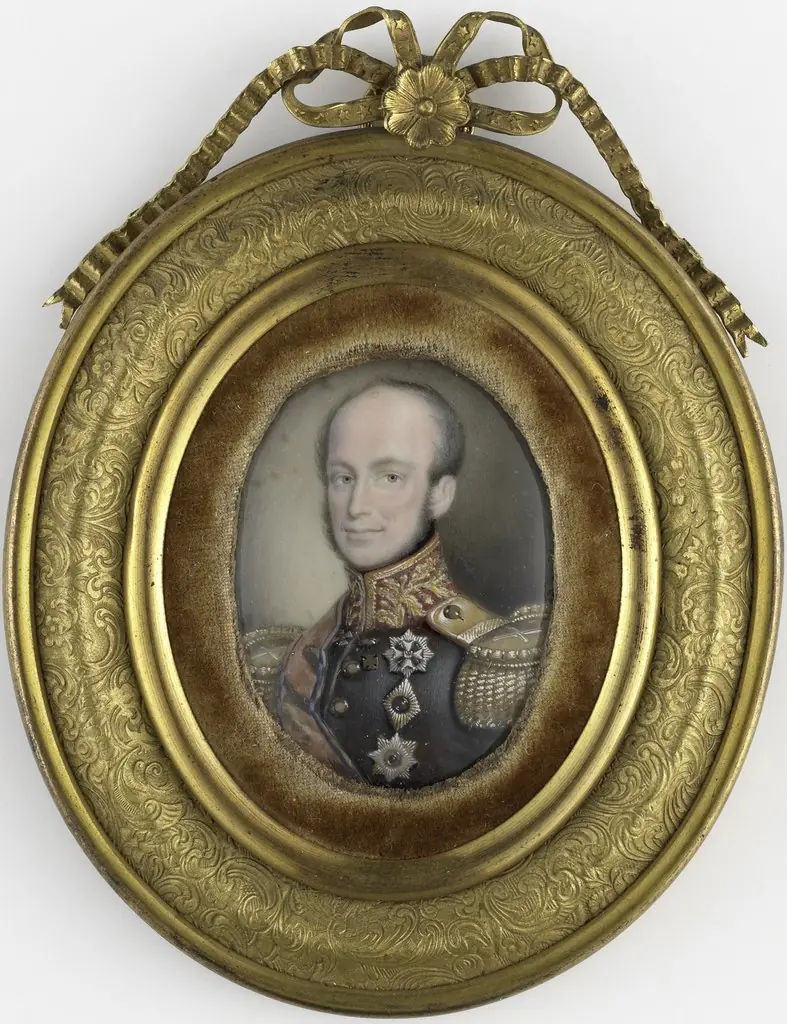 Portrait of Willem II van Oranje- Nassau (1792-1849)
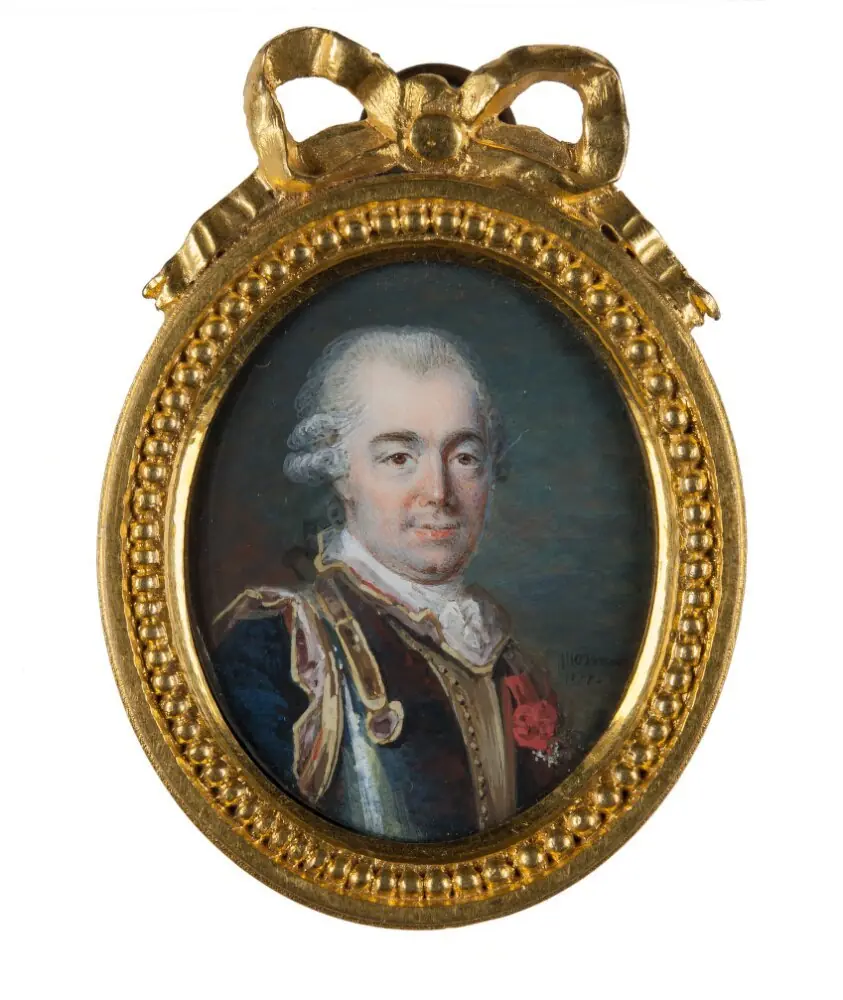 An Unknown French Officer
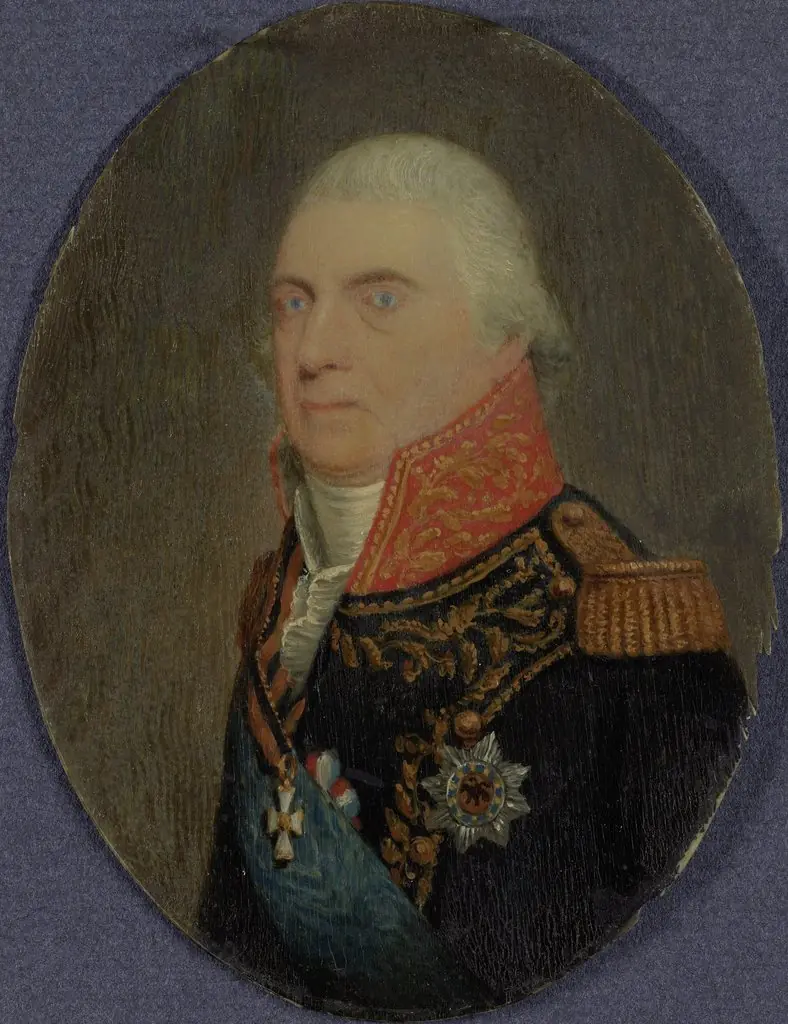 Jan Hendrik van Kinsbergen (1735-1819). Vice-admiraal, buitengewoon maarschalk der Hollandse zeemacht
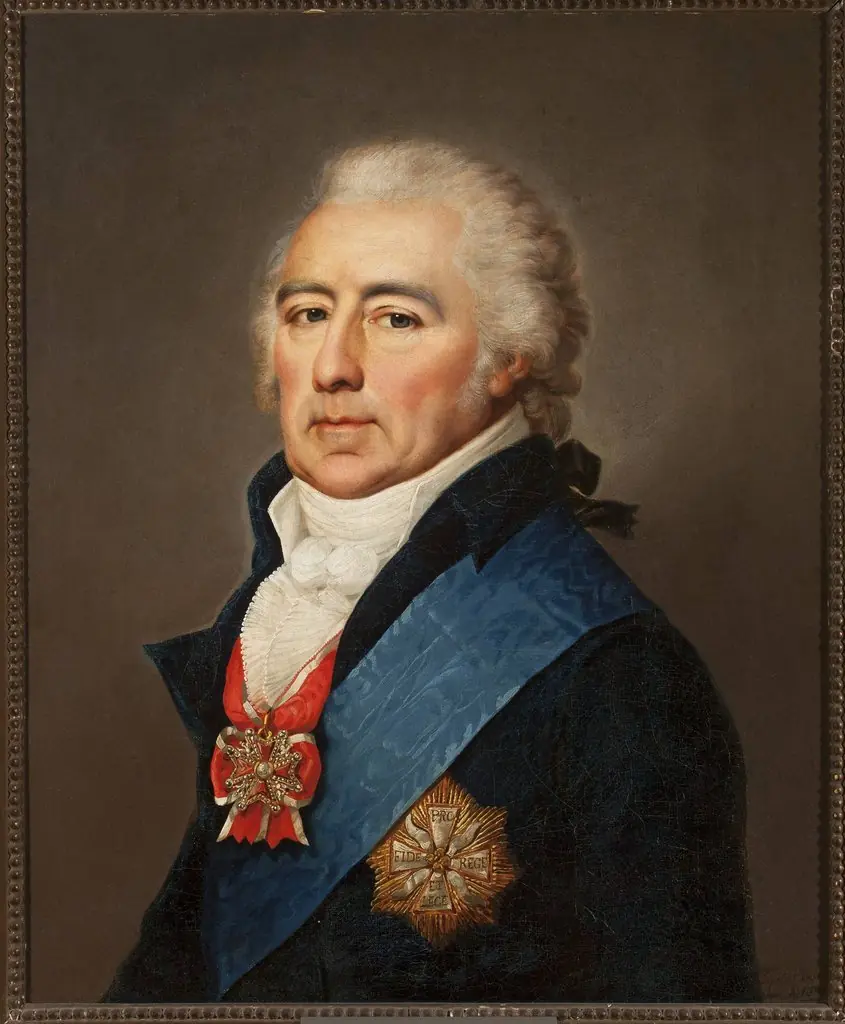 Portrait of a dignitary
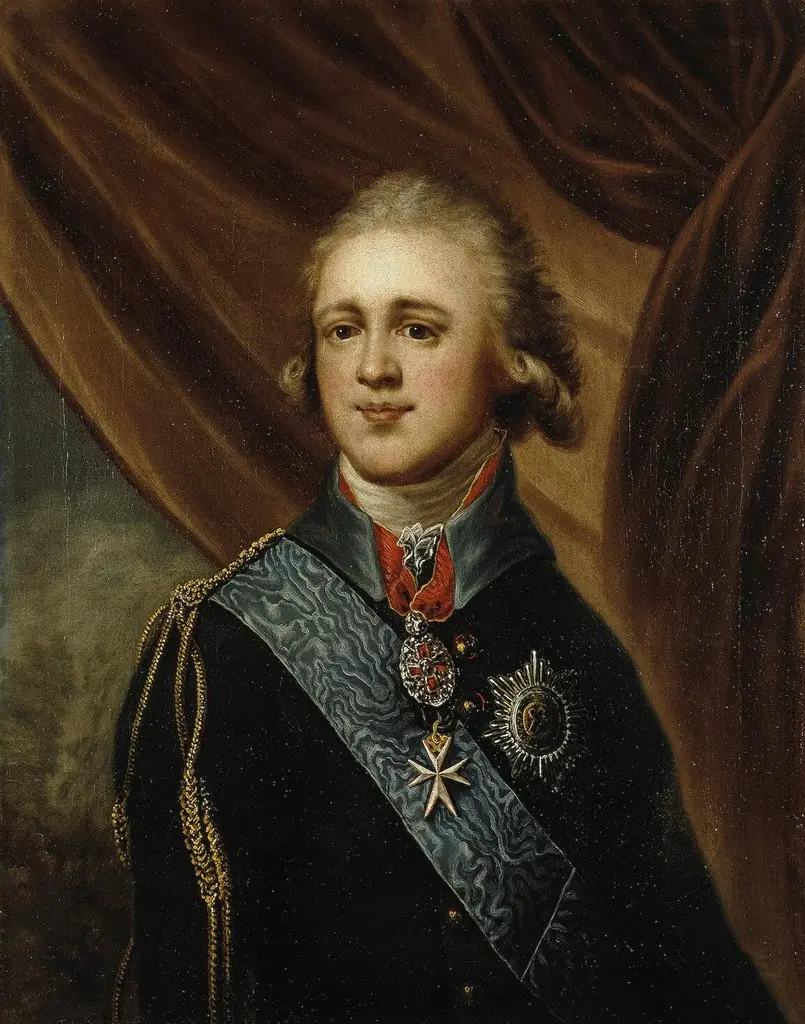 Portrait of Grand Duke Alexander Pavlovich
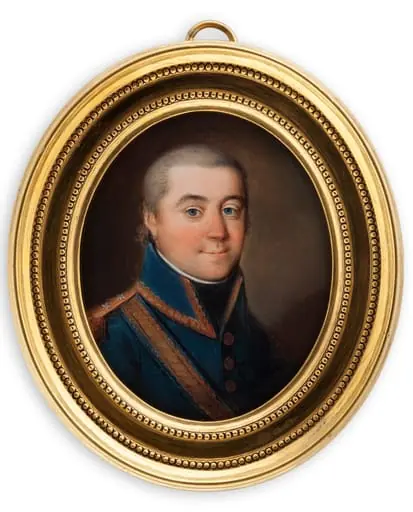 Luutnantti Malmborg
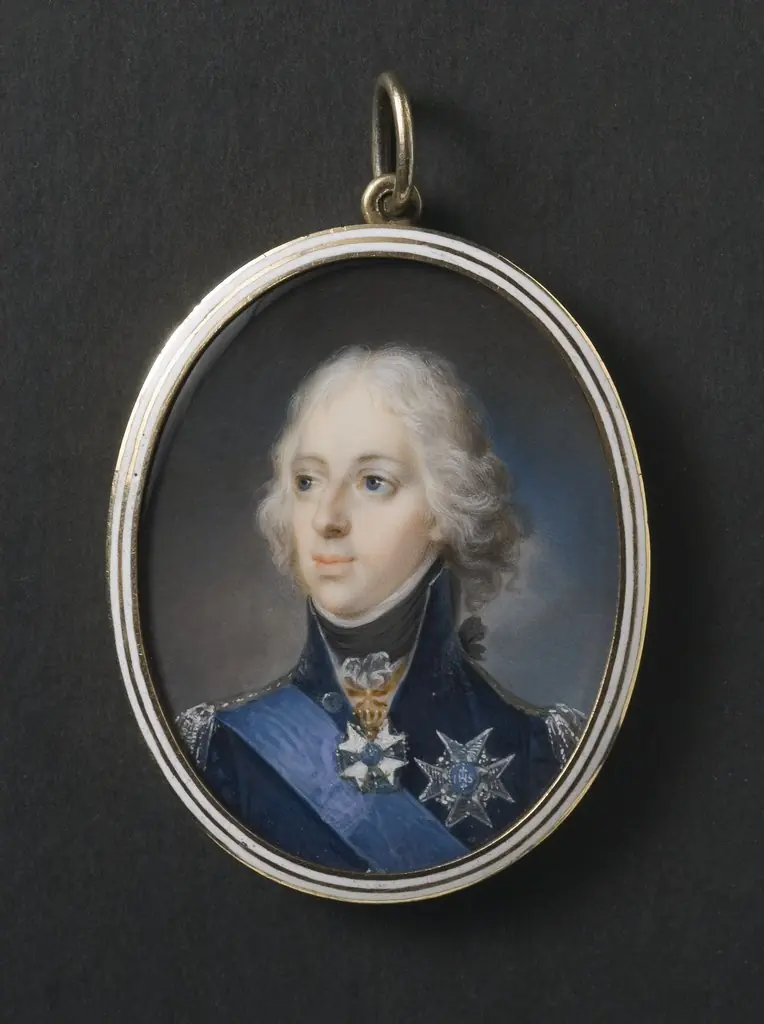 Gustav IV Adolf (1778-1837)
 Baron Gustaf Adam von Nolcken