Artwork
Grimod de La Reynière
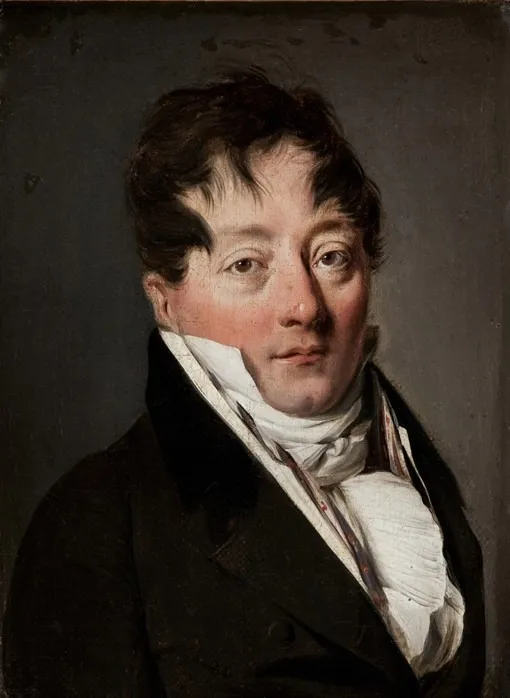
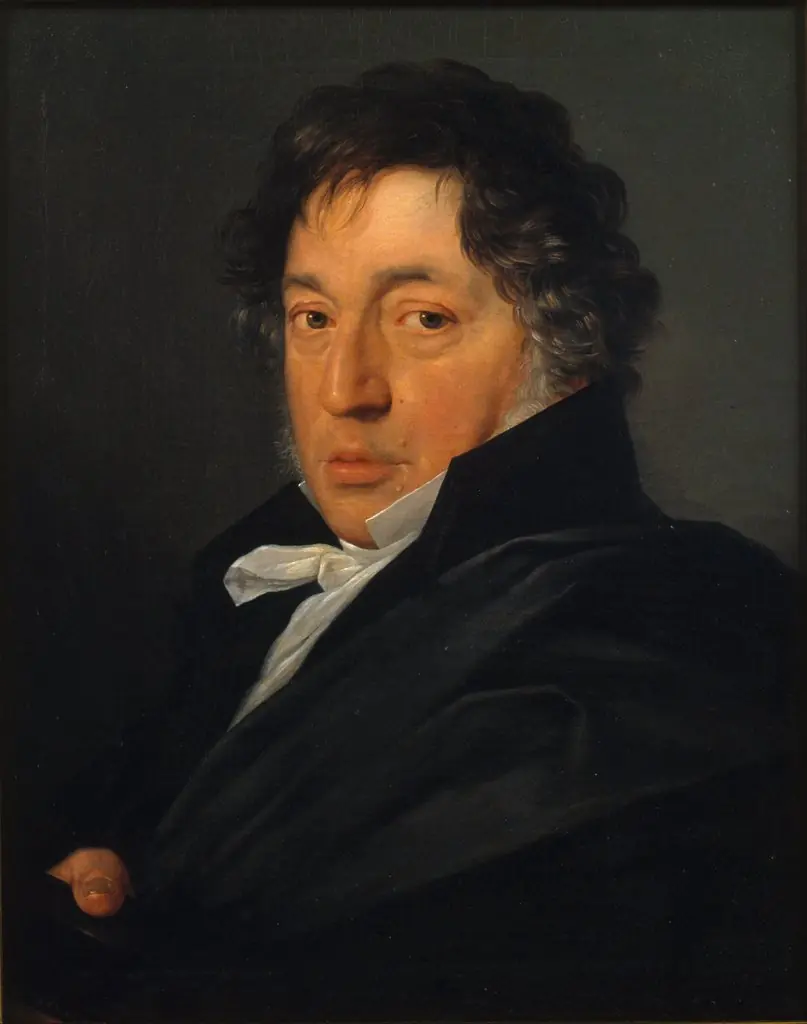
Grimod de La Reynière is an oil painting by Louis-Léopold Boilly. It is held in the collection of the Musée Marmottan Monet.
About this work
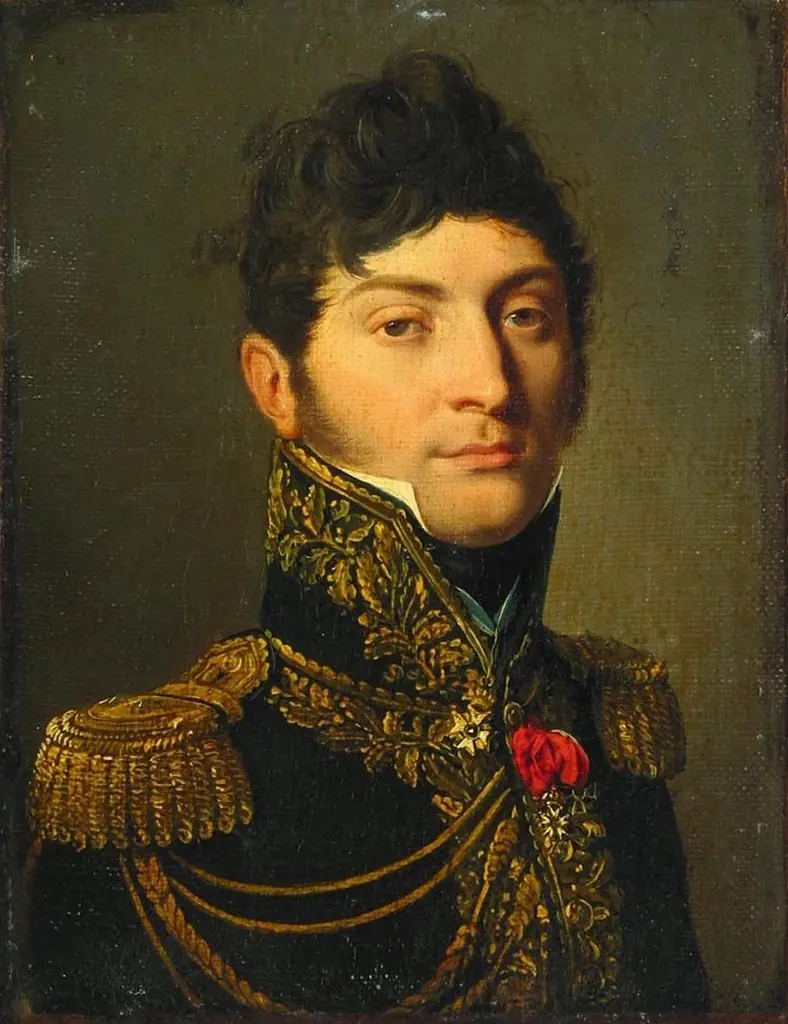
He wears a black jacket over a white shirt, and his gaze is directed slightly to the right of the viewer.
This portrait painting features a man with dark, curly hair and a white cravat. He wears a black jacket over a white shirt, and his gaze is directed slightly to the right of the viewer.
The subject's attire and hairstyle suggest a style from the early 19th century. The artist's use of oil paint creates a sense of depth and texture in the image.
To learn more about the artist who created this portrait, explore the works of Louis-Léopold Boilly.
Overview
This oil portrait depicts Alexandre Balthazar Laurent Grimod de La Reynière, a noted French gastronome and writer, painted by Louis-Léopold Boilly around 1850. The work is part of the collection at the Musée Marmottan Monet in Paris. Boilly’s precise handling of oil paint captures the subject’s refined demeanor and the subtle textures of his clothing, reflecting the artist’s skill in rendering bourgeois portraiture of the era.
Subject & Meaning
Grimod de La Reynière was a pioneering figure in French culinary culture, known for his influential gastronomic writings and salons. The portrait presents him with quiet authority: his dark curls, crisp white cravat, and tailored black jacket convey the dignity of a man who shaped Parisian dining habits. His gaze, turned slightly away, suggests introspection rather than direct engagement, aligning with the reserved elegance of his social circle.
Technique & Style
Boilly employed oil paint with controlled brushwork to define the folds of fabric and the sheen of the cravat, creating a tactile realism. The palette is restrained—dominated by blacks, whites, and muted tones—emphasizing form over ornament. Light falls gently across the face and collar, modeling the features without theatricality. The composition is tightly framed, focusing attention on the subject’s upper body and expression.
History & Provenance
Painted circa 1850, the portrait was likely commissioned by the subject’s family or associates after Grimod’s death in 1837, serving as a posthumous tribute. It entered the Musée Marmottan Monet’s collection through the museum’s broader acquisition of 19th-century French portraits, though its specific provenance prior to the museum’s ownership remains undocumented in public records.
Context
In the mid-19th century, portraiture remained a key medium for affirming social status, particularly among the Parisian elite. Boilly, known for his keen observations of daily life, often depicted figures from cultural and intellectual circles. Grimod’s image reflects this trend: a man celebrated not for nobility but for his influence in shaping culinary taste during a period of growing bourgeois identity.
Legacy
The portrait endures as a visual record of a man who helped define modern French gastronomy. While Boilly’s reputation rests largely on genre scenes, this work illustrates his ability to convey character through understated detail. Grimod’s image continues to accompany scholarly discussions on food culture, anchoring his historical presence in the visual record of his time.
Artist & collection
Artist
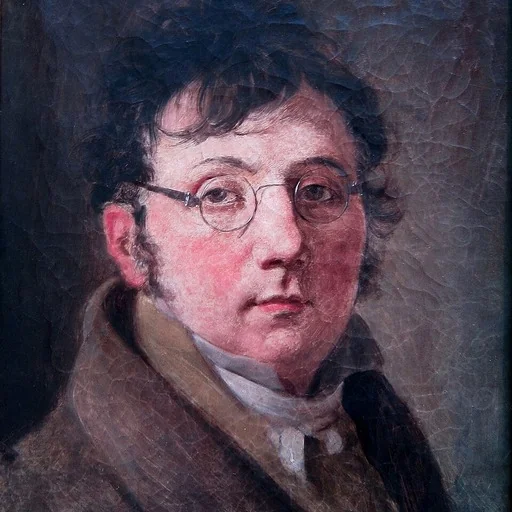
Louis-Léopold Boilly was a French painter and draftsman. A creator of popular portrait paintings, he also produced a vast number of genre paintings documenting French middle-class social life. His life and work spanned…

 Coupin de La Couperie
 Bust portrait of Charles-Louis Cadet de Gassicourt (1769-1821), pharmacist to Napoleon I
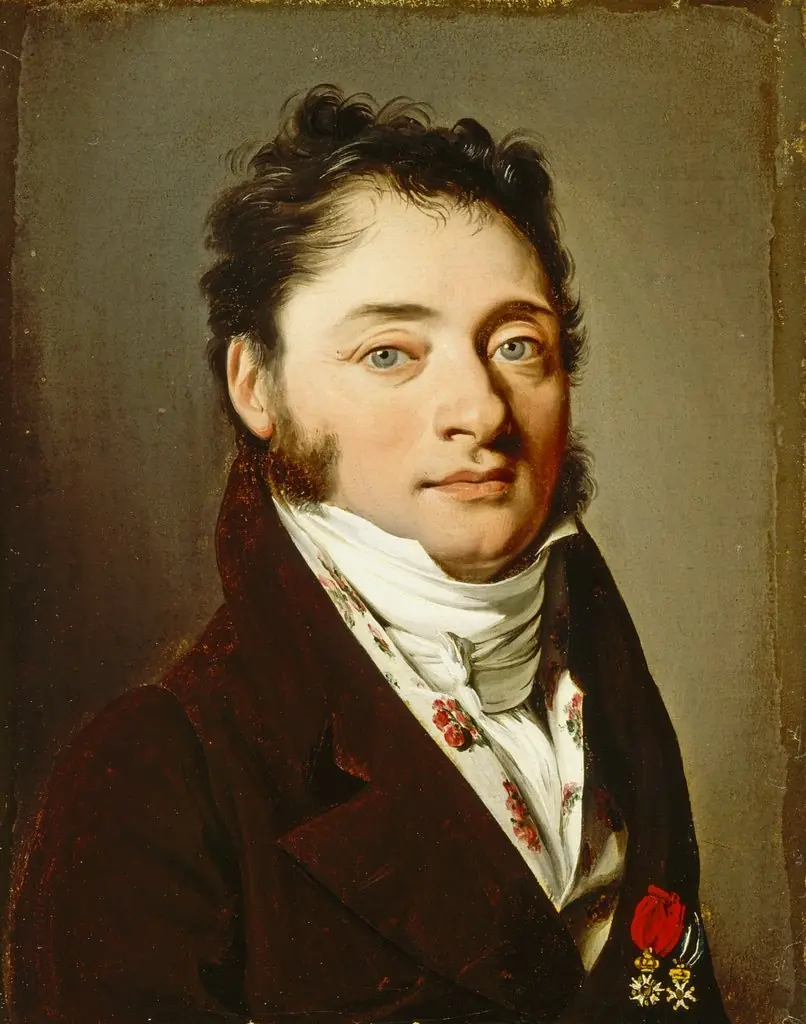 Portrait of a Gentleman
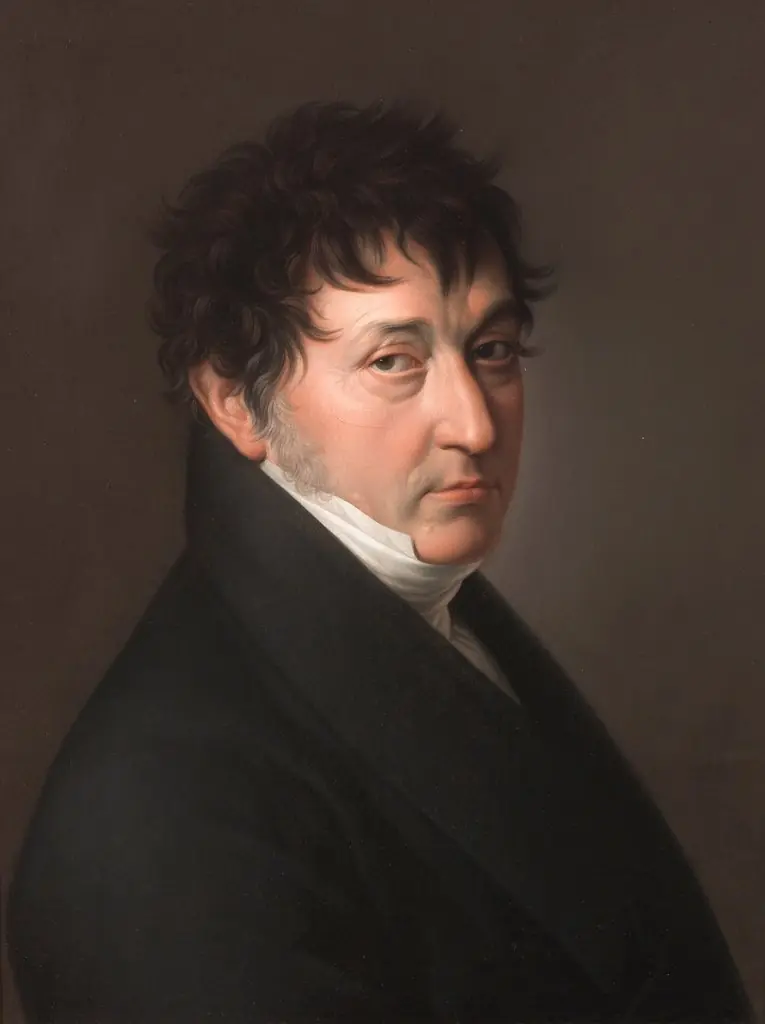 Self-portrait
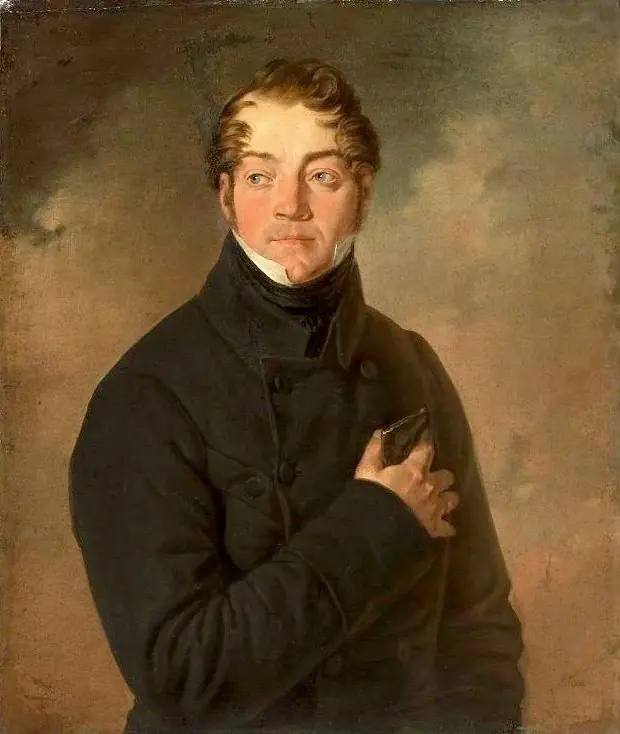 Portrait of Jeremi Korybut Woroniecki
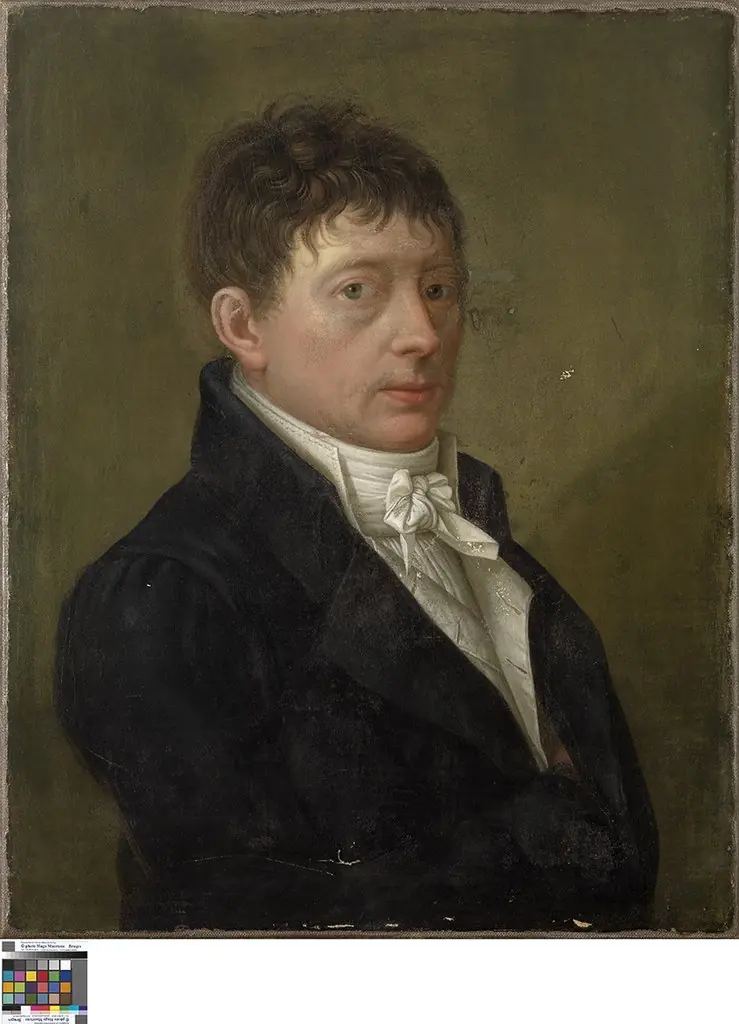 Portret van een man
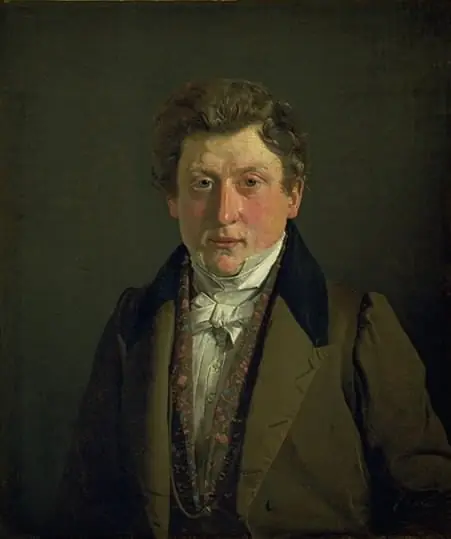 Portrait of the Artist´s Cousin and Brother-in-Law, the Grocer Christian Petersen
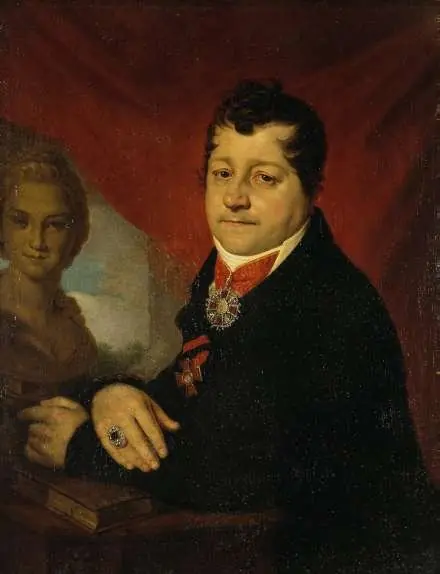 Portrait of Sergei Yakovlev
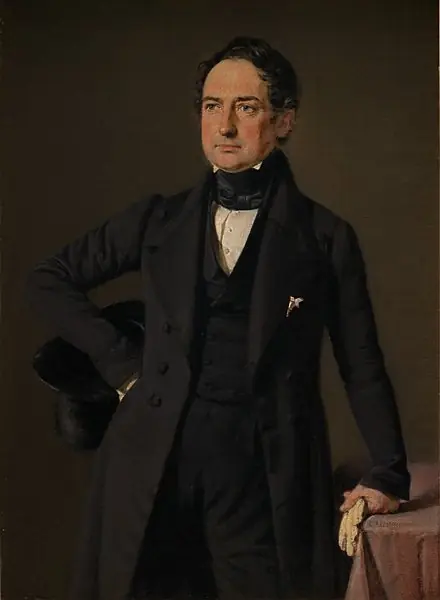 Fabriksdirektør Ole Jørgen Rawert
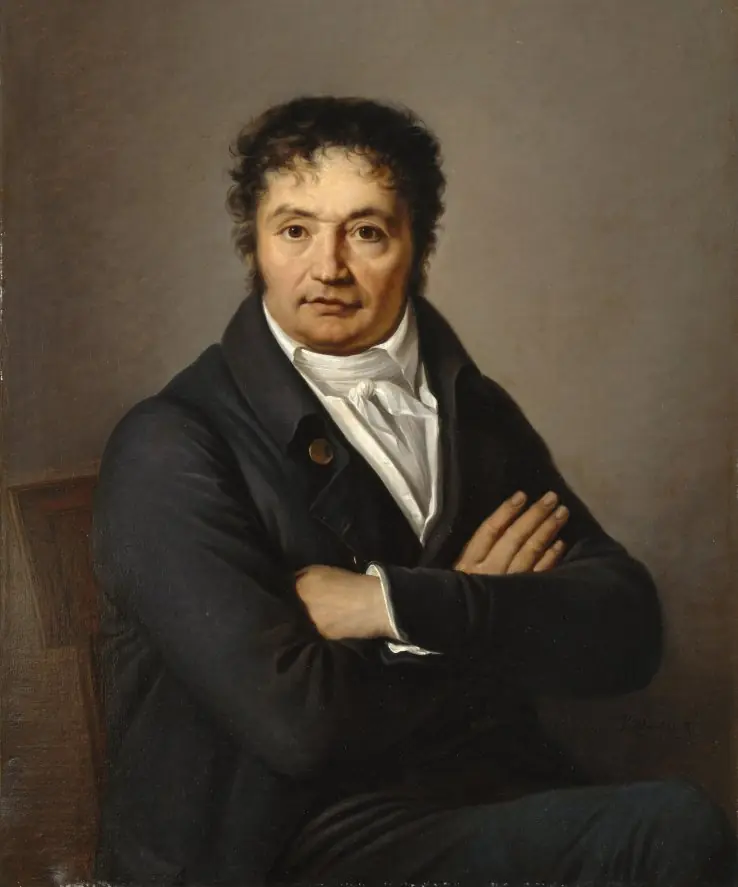 Portrait of Guillaume-Jean Constantin
 Portrait of the Painter Zacarías González Velázquez
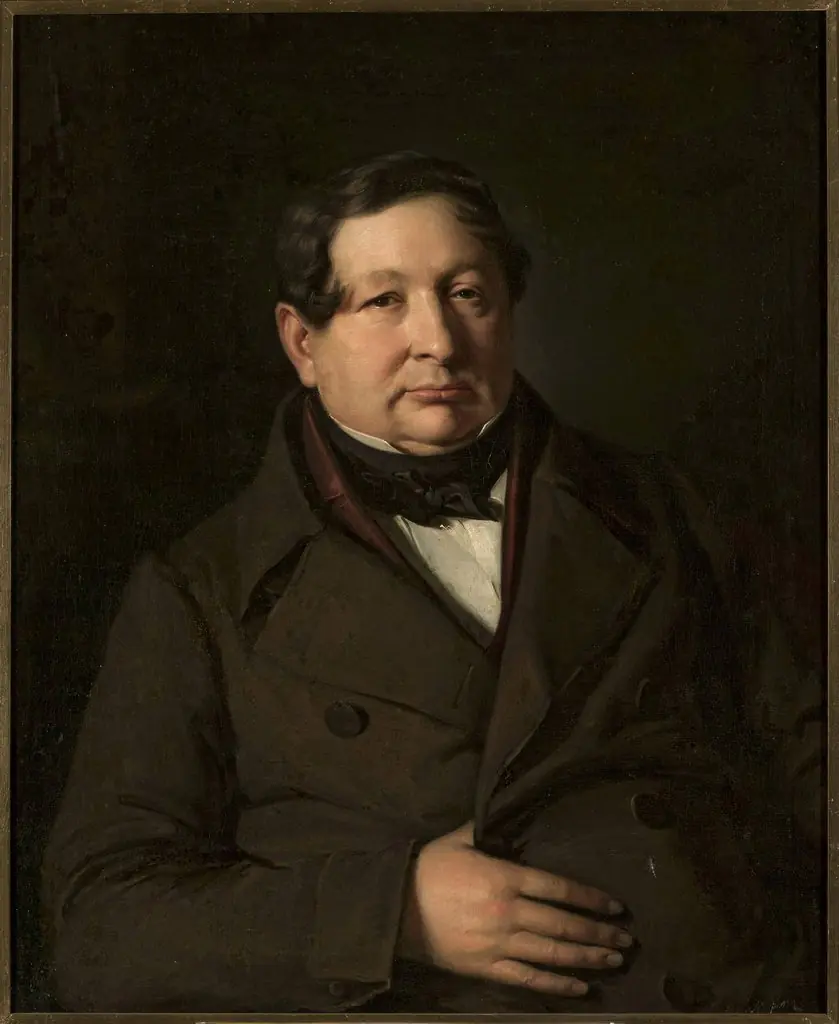 Portrait of Jakub Simmler, artist’s father