Artwork
Coupin de La Couperie
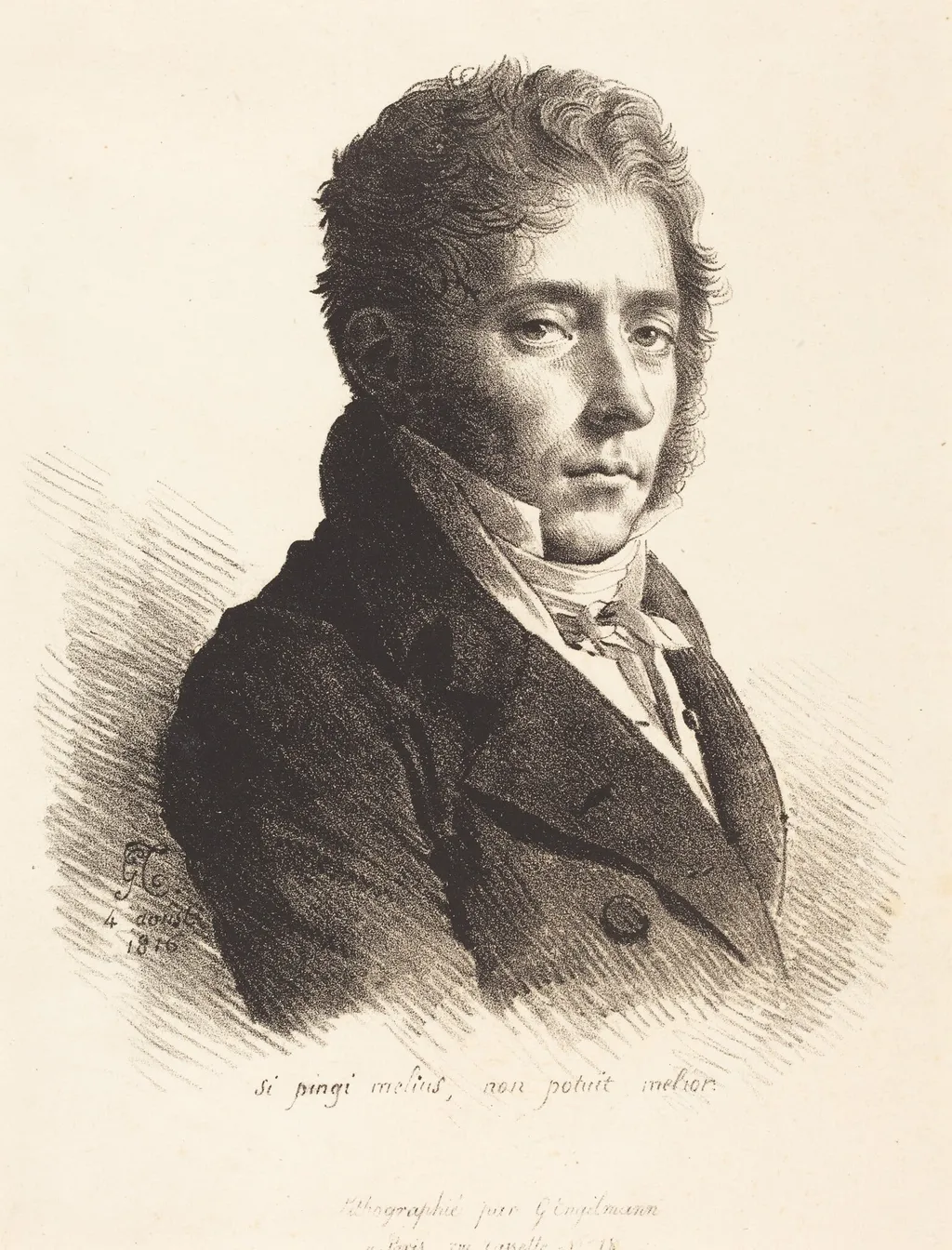
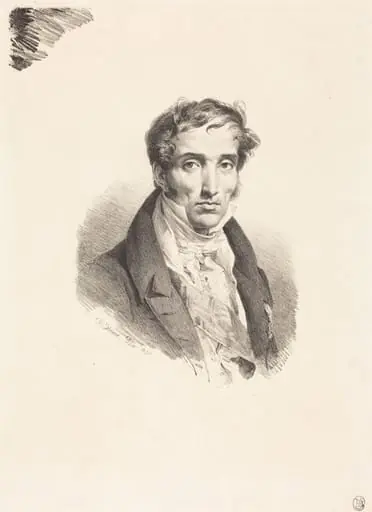
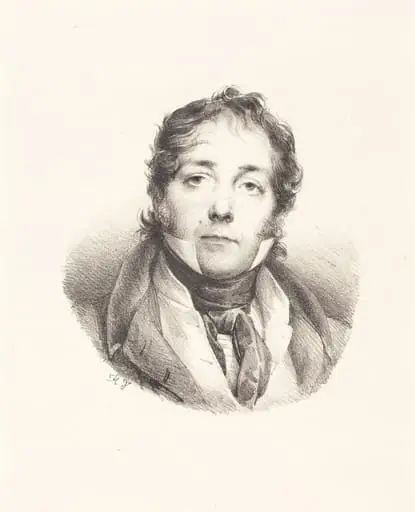
Coupin de La Couperie is an ink print by the Romanticist artist Anne-Louis Girodet de Roussy-Trioson. It dates from 1816 and is held in the collection of the National Gallery of Art.
About this work
The artist made this lithograph in 1816, which is a pretty old technique - it involves drawing on stone to create a print.
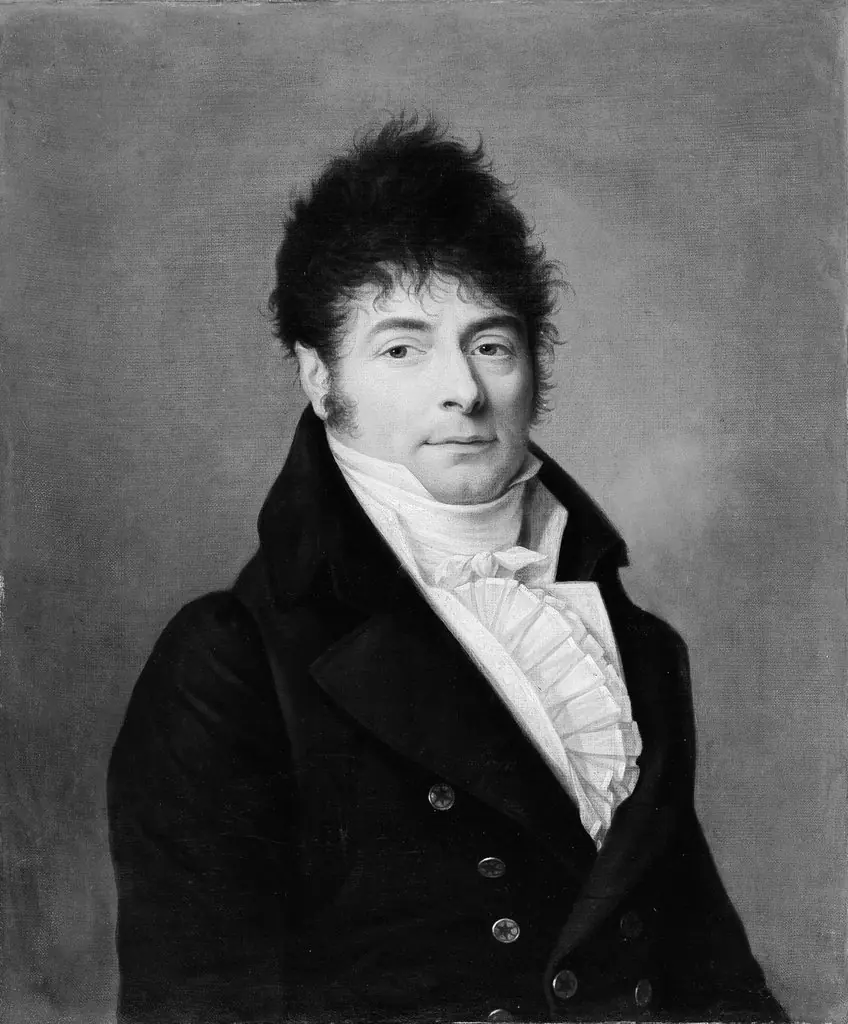
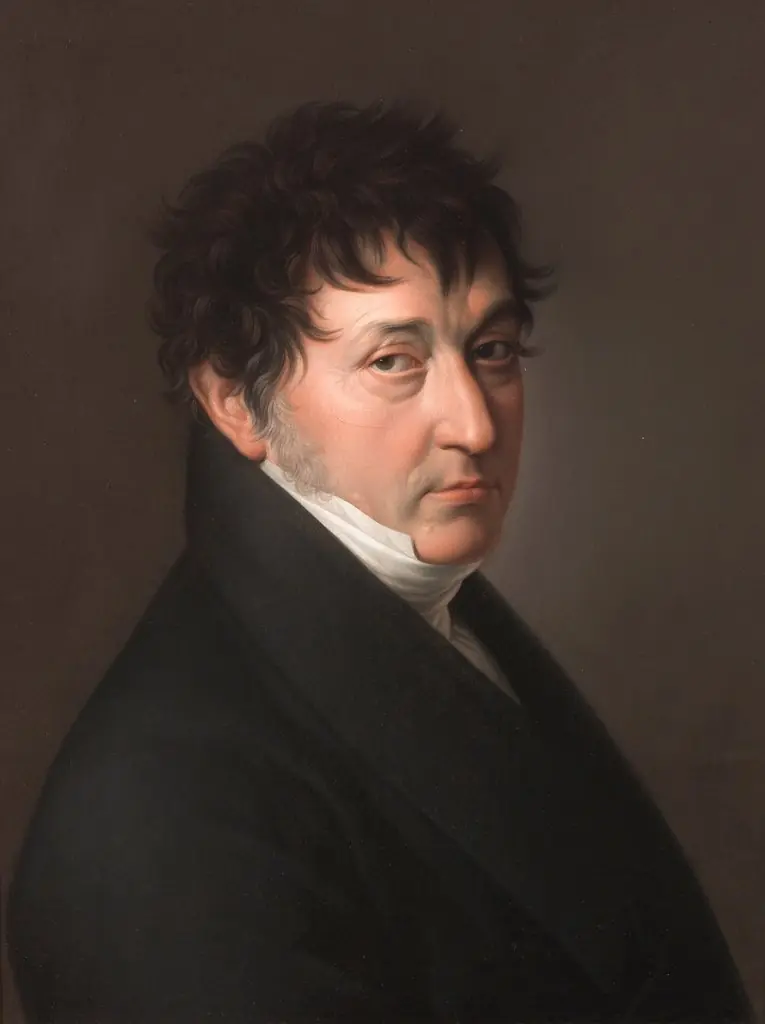
This painting shows a man with a serious expression.
He's dressed in old-fashioned clothes.
The artist made this lithograph in 1816, which is a pretty old technique - it involves drawing on stone to create a print.
The subject of the painting is Marie-Philippe Coupin de La Couperie, and I'm not sure what he did, but he looks important.
You can learn more about how this was made by looking into the technique: lithography.
Overview
Anne-Louis Girodet de Roussy‑Trioson produced a lithographic portrait in 1816 titled *Coupin de La Couperie*. Executed on stone, the print presents a solemn male figure rendered in the crisp lines characteristic of early nineteenth‑century lithography. The work exemplifies the period’s interest in reproducible portraiture while retaining the hand‑drawn quality of the artist’s hand.
Subject & Meaning
The image portrays Marie‑Philippe Coupin de La Couperie, a man attired in attire that suggests an earlier era, his expression grave and composed. Though specific biographical details are scarce, the dignified pose and formal dress indicate a person of some standing, captured in a manner that emphasizes sobriety over ornament.
Technique & Style
Lithography, still a relatively novel medium in 1816, required the artist to sketch directly onto a flat limestone surface with greasy ink. After chemical processing, the stone could be inked and pressed onto paper, producing multiple copies. Girodet’s handling of line and shading demonstrates the medium’s capacity for fine detail and tonal variation, bridging drawing and print.
History & Provenance
Created shortly after the Napoleonic era, the lithograph reflects the post‑imperial French art market’s demand for affordable yet refined portraiture. While the work’s ownership trail is not fully documented, its survival in museum collections attests to its continued relevance as a representative example of early French lithographic portraiture.
Context
The early nineteenth century saw a surge in lithographic production, driven by advances in printing technology and a growing middle‑class appetite for personal likenesses. Girodet, known primarily for his paintings, engaged with this medium, contributing to its artistic legitimacy and expanding the range of subjects accessible to a broader audience.
Artist & collection

Artist
Anne-Louis Girodet de Roussy-Trioson
Anne-Louis Girodet de Roussy-Trioson (1816–1816) was an artist.