Artwork
Portrait of a Woman
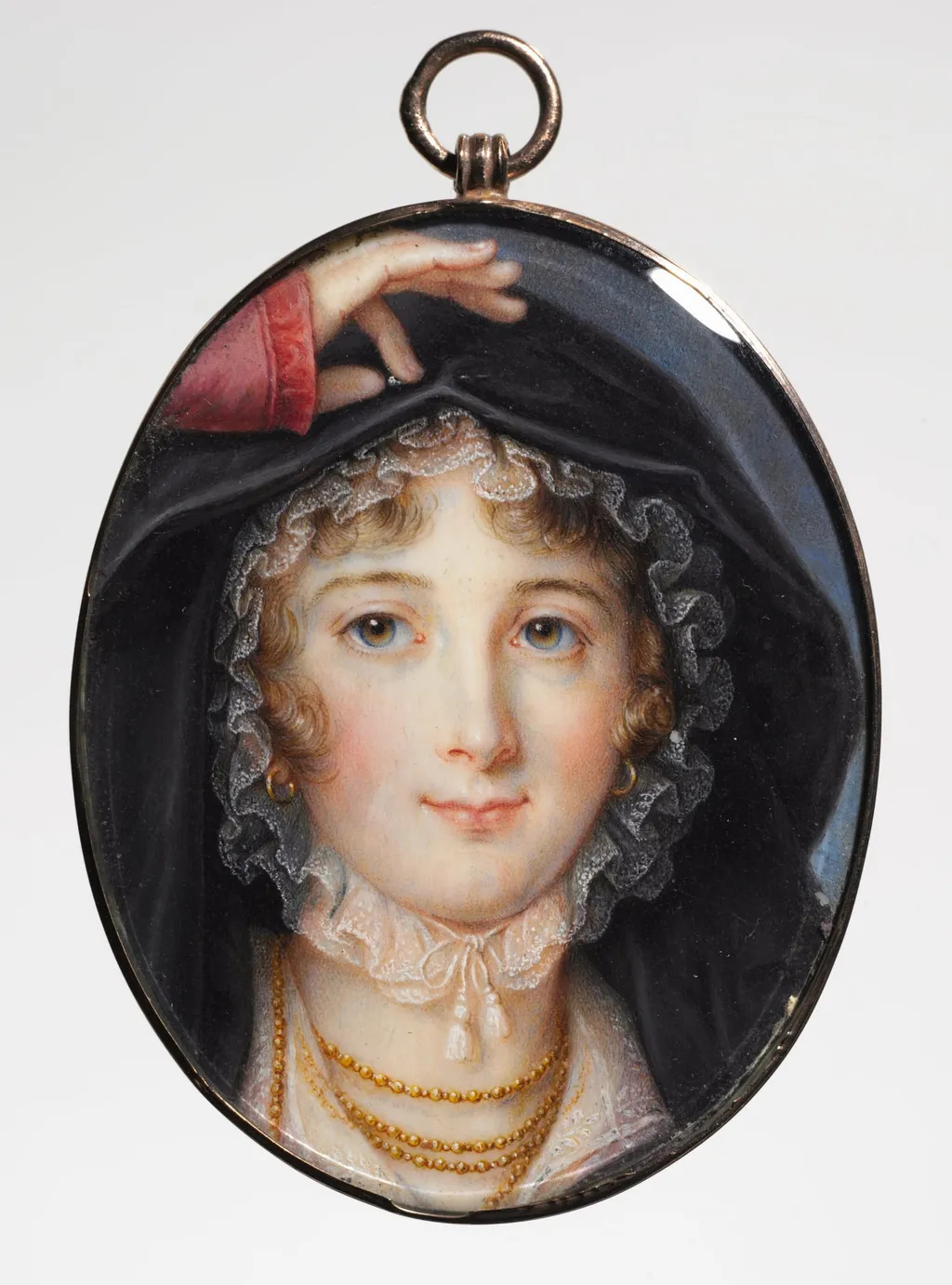
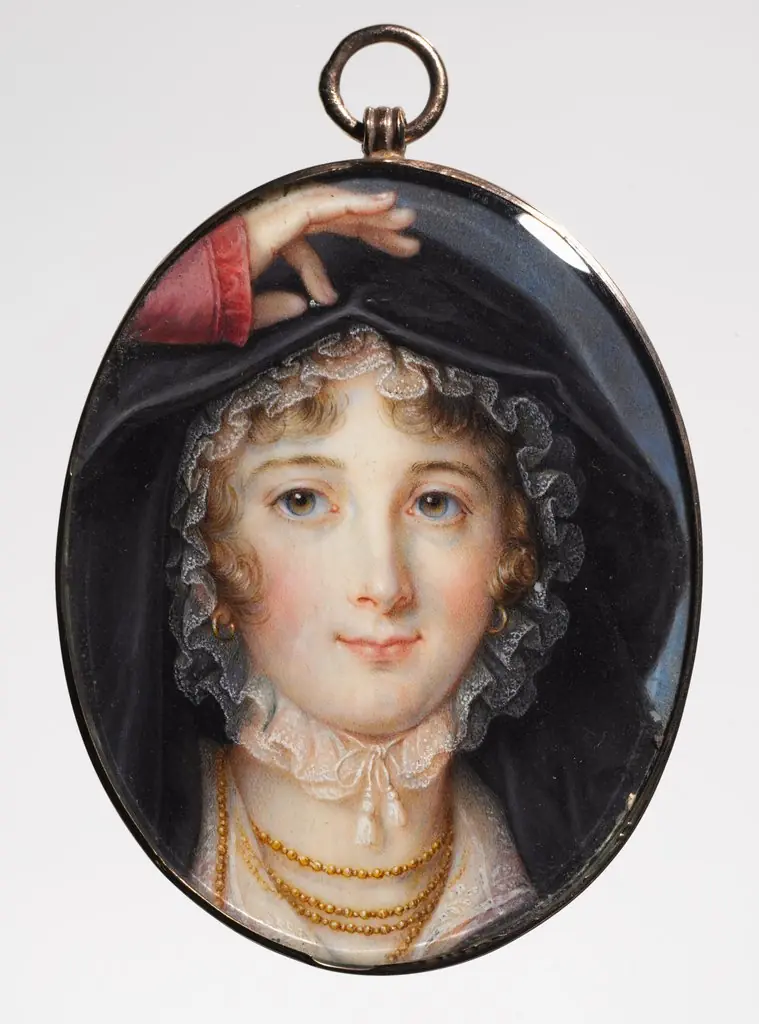
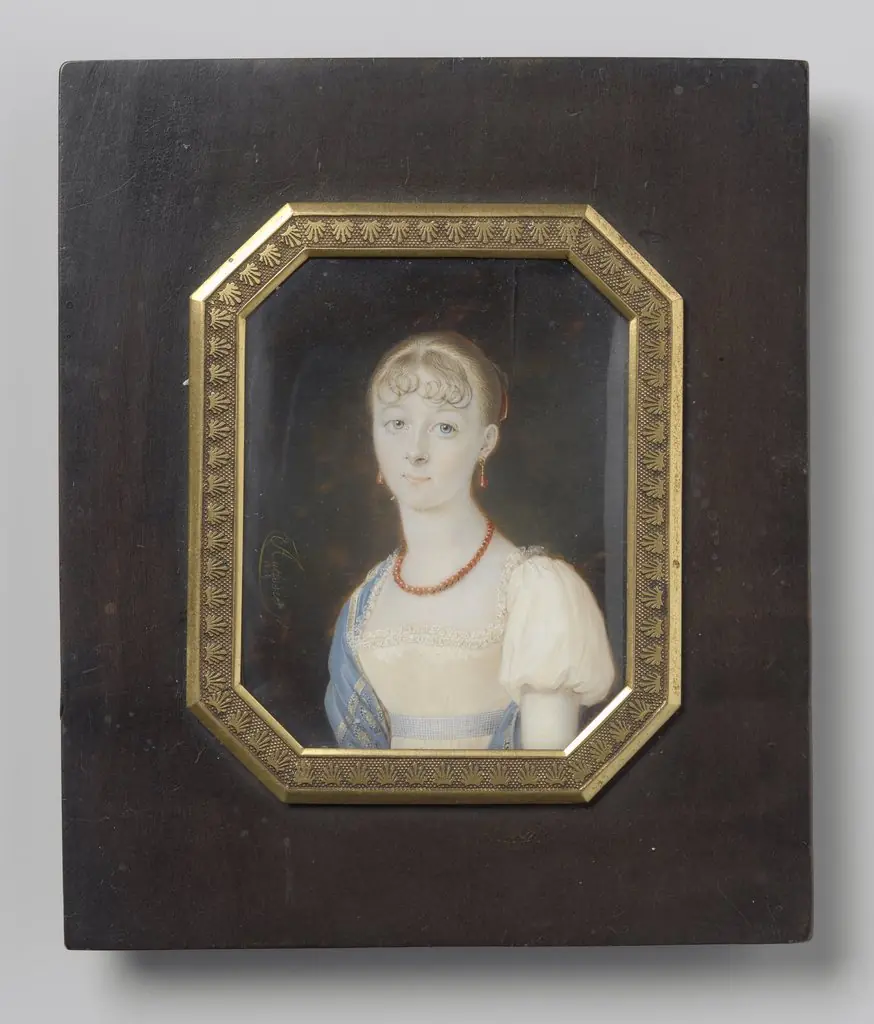
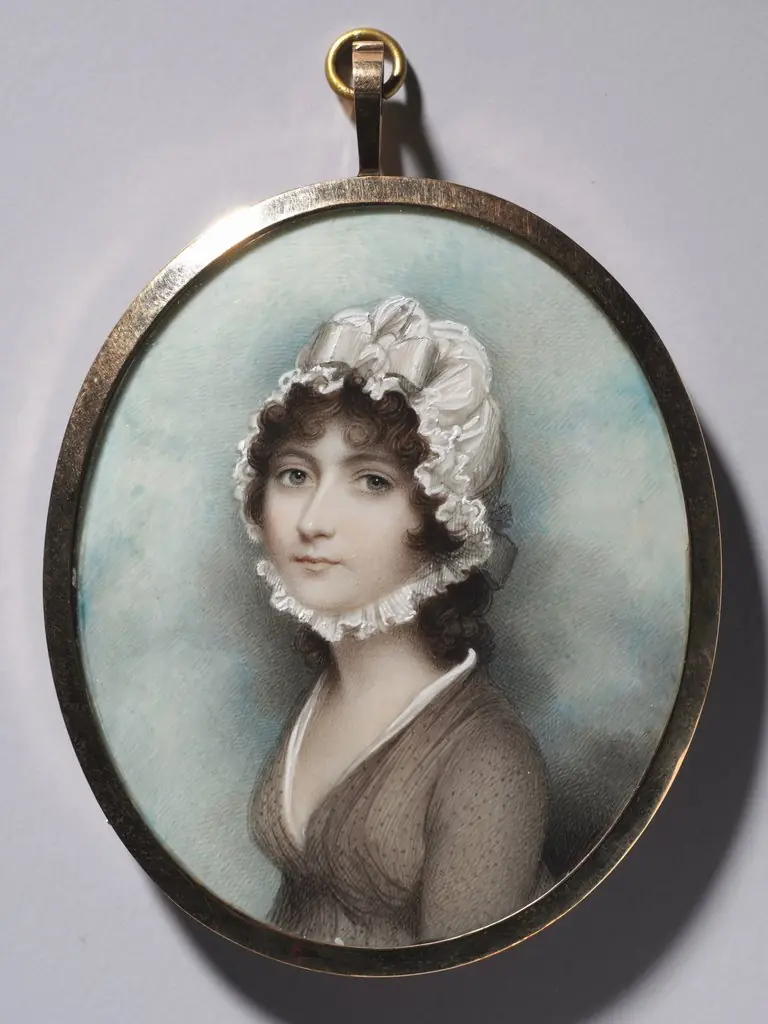
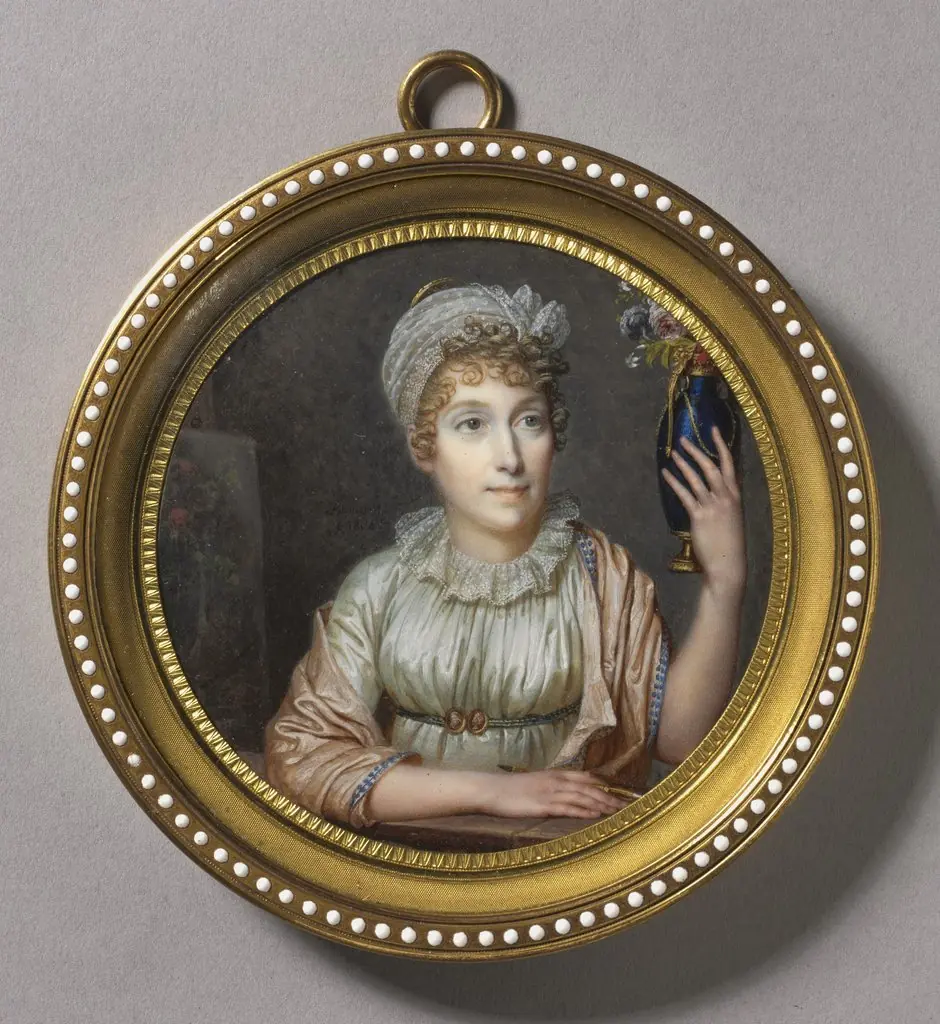
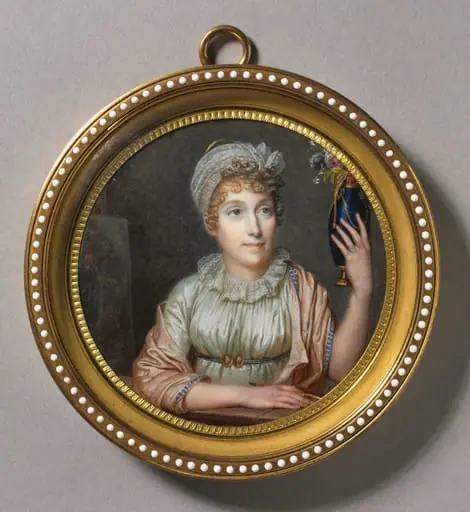
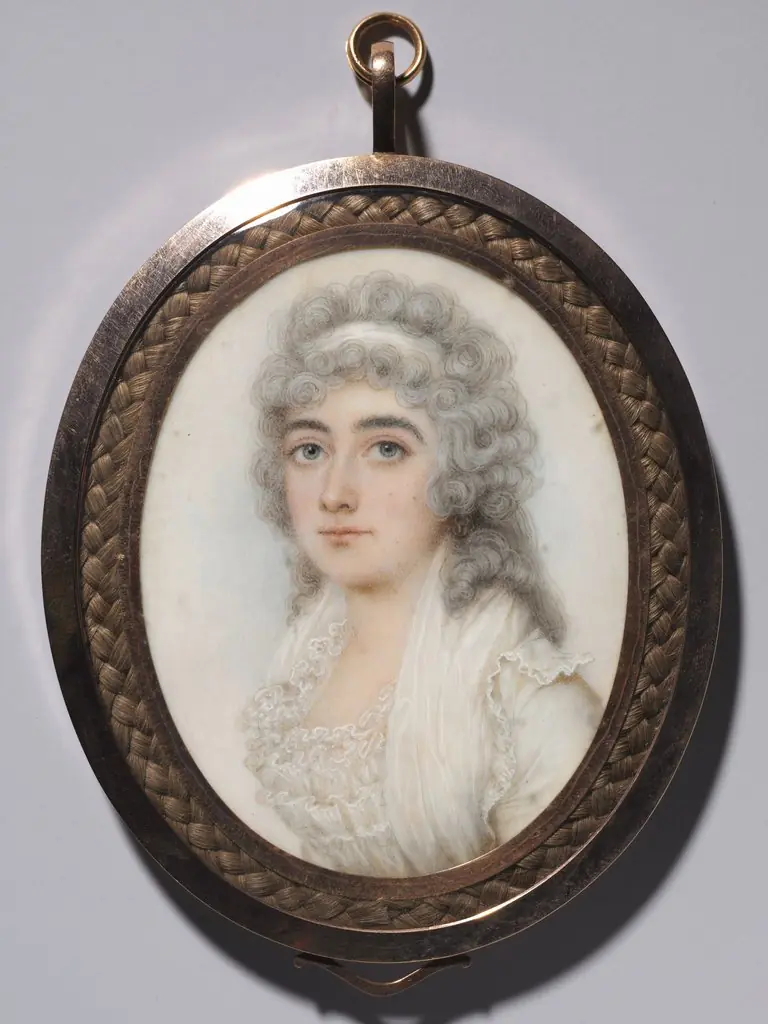
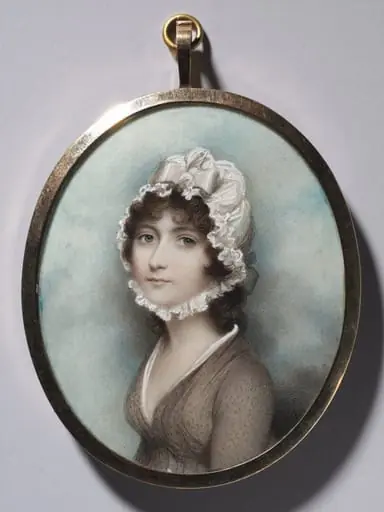
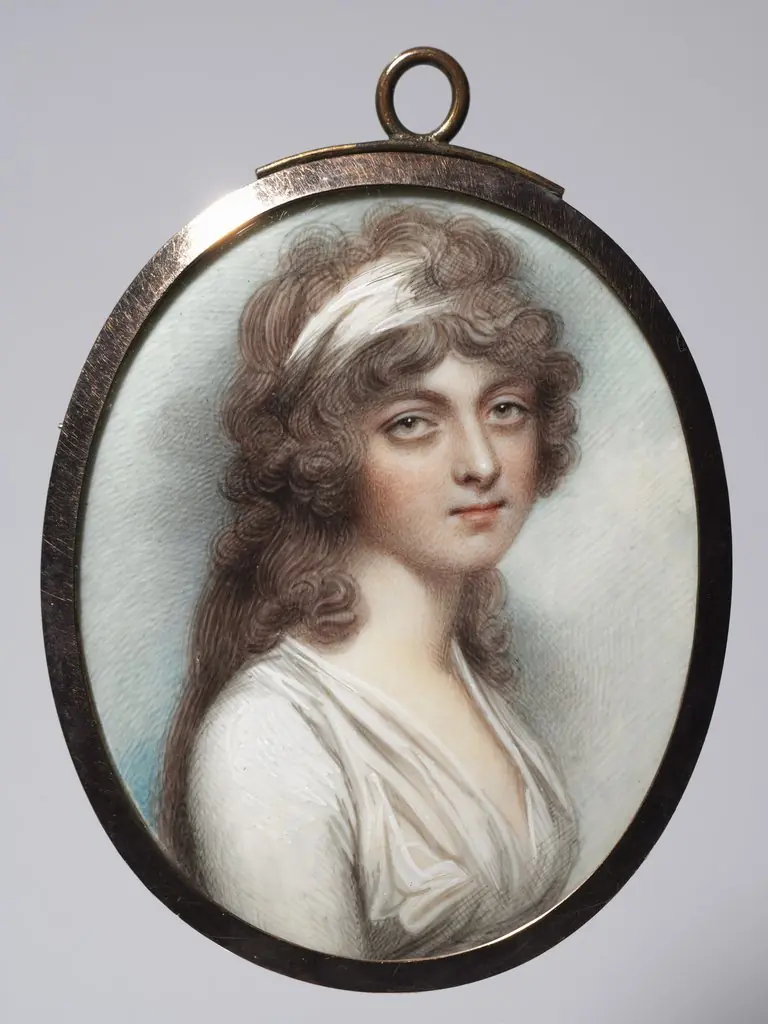
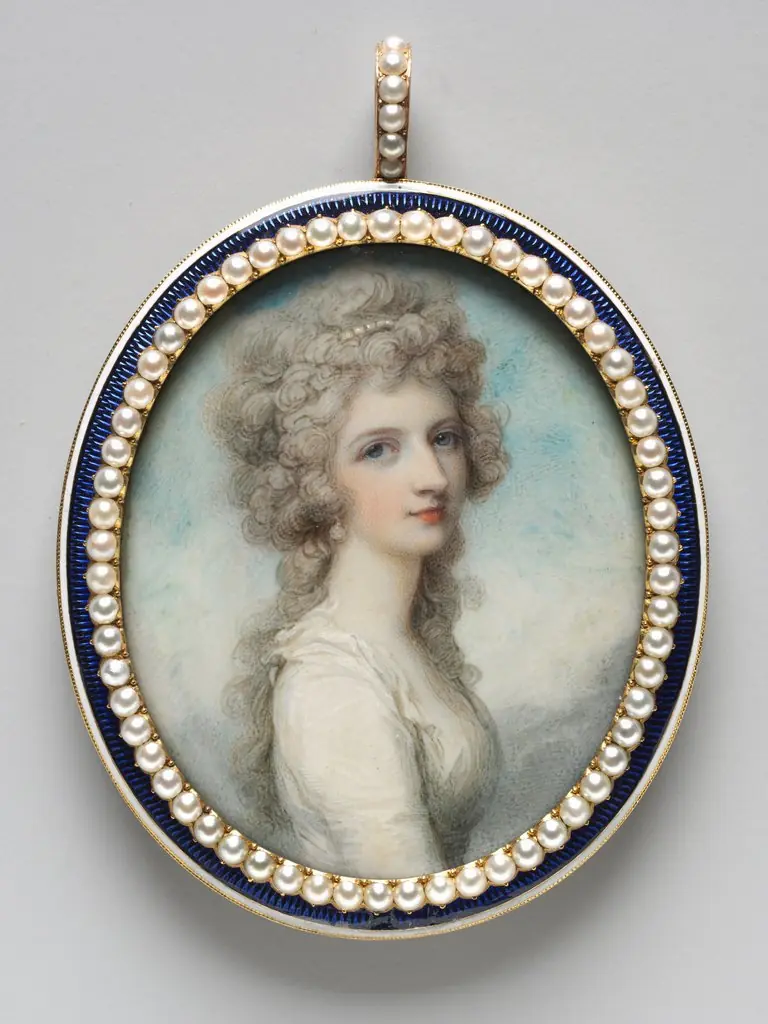
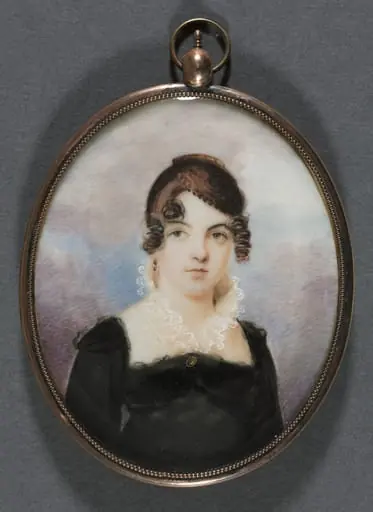
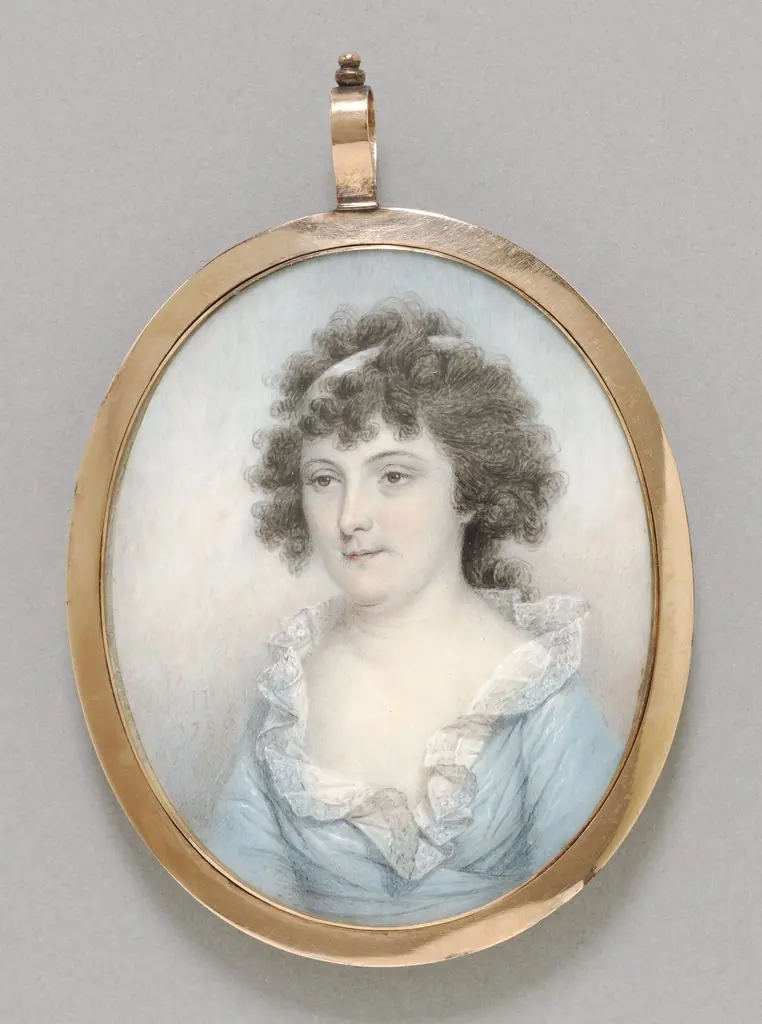
Portrait of a Woman is an unspecified portrait miniature by the Biedermeier artist Louis-Marie Autissier. It dates from 1814 and is held in the collection of the Cleveland Museum of Art.
About this work
Overview
Executed in watercolor on ivory, the work reflects Autissier’s technical precision and sensitivity to texture.
Painted circa 1814 by Louis-Marie Autissier, this miniature portrait depicts a woman with quiet composure. Executed in watercolor on ivory, the work reflects Autissier’s technical precision and sensitivity to texture. Though French by birth, he worked extensively in the Netherlands and is credited with shaping the emerging Belgian tradition of miniature portraiture in the early 1800s. The piece is part of the Cleveland Museum of Art’s collection.
Subject & Meaning
The sitter is portrayed without identification, emphasizing her presence over her identity. Her calm gaze and restrained attire suggest modesty and inner stillness, qualities valued in early 19th-century domestic portraiture. The absence of symbolic elements or context directs focus to the individual’s demeanor, aligning with the Biedermeier ideal of intimate, unadorned realism.
Technique & Style
Autissier employed fine brushwork to render delicate details: the lace collar, the three gold bead necklaces, and the soft fall of light across the woman’s cheek and neck. The use of chiaroscuro creates subtle volume, while the black background isolates the figure, enhancing its three-dimensionality. The miniature’s small scale demands close viewing, inviting contemplation of the sitter’s quiet humanity.
History & Provenance
The portrait entered the Cleveland Museum of Art’s collection as part of its broader acquisition of 19th-century European miniatures. While its specific ownership history before museum acquisition remains undocumented, its preservation in good condition reflects its value as a refined example of Autissier’s mature style during his time in the Low Countries.
Context
Created during the Biedermeier era, the portrait reflects a cultural shift toward domestic intimacy and restrained elegance following the Napoleonic Wars. In contrast to grand historical painting, miniatures like this served as personal mementos, often carried or displayed privately. Autissier’s work contributed to a regional style that prioritized meticulous detail over theatricality.
Legacy
Autissier’s influence extended through his students and the formalization of miniature painting as a distinct discipline in Belgium. His attention to naturalistic lighting and textile detail set a standard for subsequent artists. This portrait remains a representative example of how small-scale works captured personal presence with remarkable nuance during a period of social and artistic transition.
Artist & collection
Artist
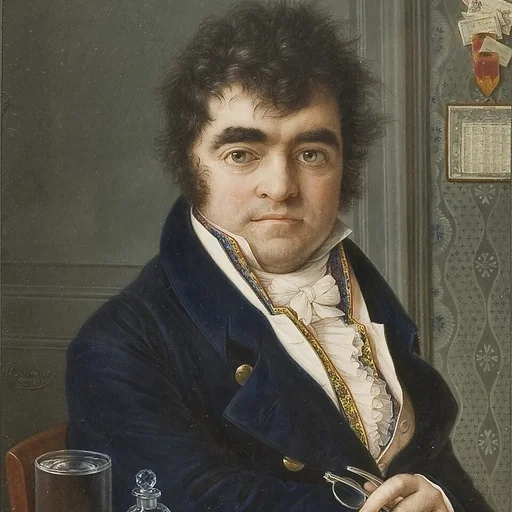
Louis-Marie Autissier (8 February 1772 – 21 September 1830) was a French-born portrait miniature painter in the Netherlands.