Artwork
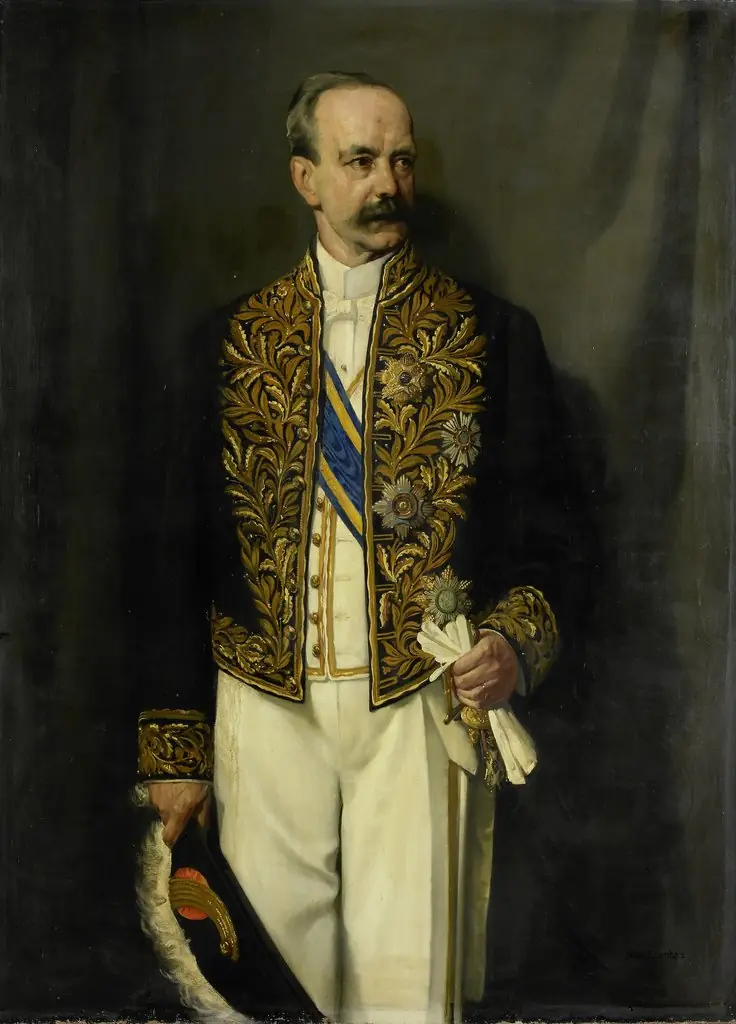
Carel Herman Aart van der Wijck (1840-1914). Gouverneur-generaal (1893-99)
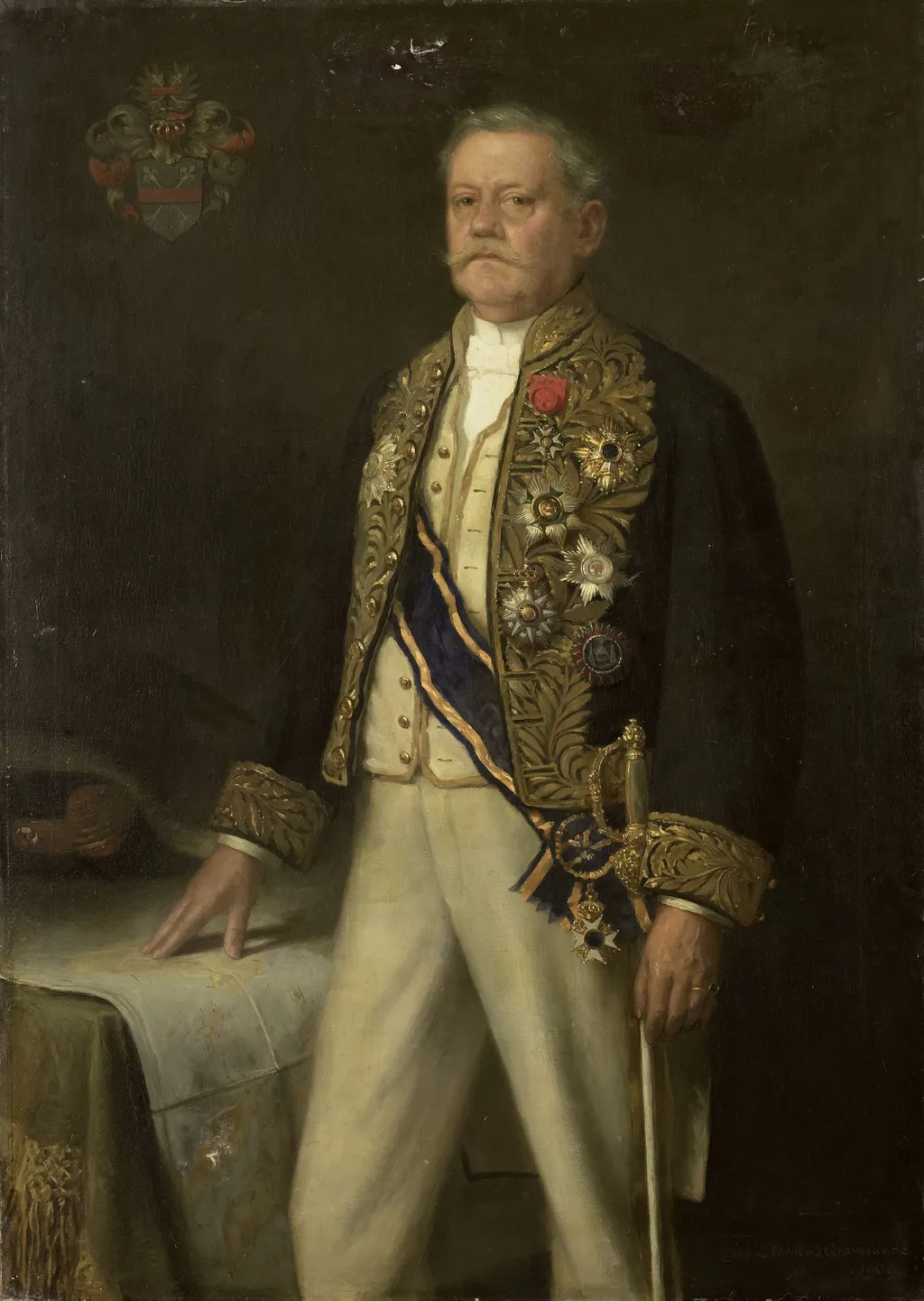
Carel Herman Aart van der Wijck (1840-1914). Gouverneur-generaal (1893-99) is an oil painting by the Post-Impressionist artist Louis Storm van 's-Gravensande. It dates from 1900 and is held in the collection of the Rijksmuseum.
About this work
Overview
Louis Storm van ’s‑Gravensande’s oil portrait, executed in 1900, presents Carel Herman Aart van der Wijck, who served as Governor‑General of the Dutch East Indies from 1893 to 1899. The work is part of the Rijksmuseum’s collection and measures the stature of a senior colonial administrator through formal attire and a composed stance.
Subject & Meaning
The sitter is shown in a richly decorated military uniform, its gold embroidery and numerous medals signalling official rank and honors. A blue sash encircles his waist, while a white trouser and dark jacket frame his figure. His solemn expression and the presence of a small coat of arms in the background underscore his authority and the ceremonial nature of his office.
Technique & Style
Rendered in oil on canvas, the portrait employs a restrained palette of deep blues, muted reds and metallic highlights that emphasize the texture of the fabric and the gleam of the decorations. Van ’s‑Gravensande’s brushwork balances fine detail in the medals with broader, smoother passages in the background, creating a clear focus on the subject’s visage and regalia.
History & Provenance
Created shortly after van der Wijck’s term ended, the painting entered the Rijksmuseum’s holdings as part of its collection of Dutch colonial officials. Its acquisition reflects the museum’s broader effort to document the individuals who shaped the Netherlands’ overseas administration during the late nineteenth century.
Context
The portrait belongs to a tradition of official state portraiture that sought to legitimize colonial governance through visual representation. By depicting the Governor‑General in full dress, the work aligns with contemporary European practices of portraying military and administrative leaders as embodiments of state power and imperial prestige.
Own this work as a print
Artist & collection
Artist
Louis Storm van 's-Gravensande
Louis Storm van 's-Gravensande (1861–1930) was an artist, born in Vorden.

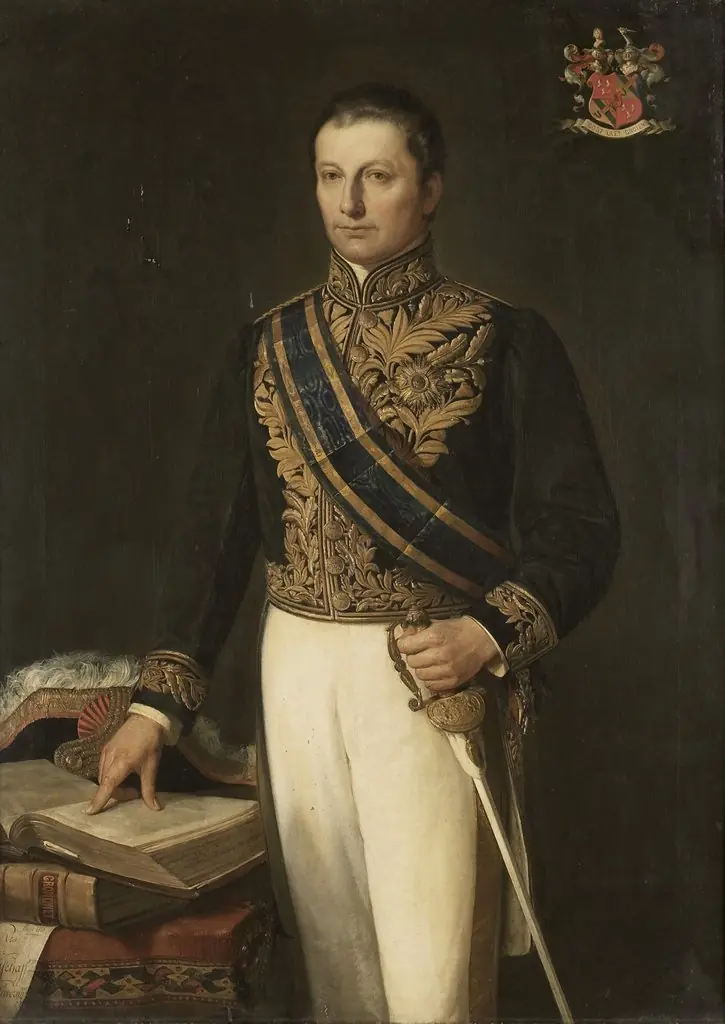
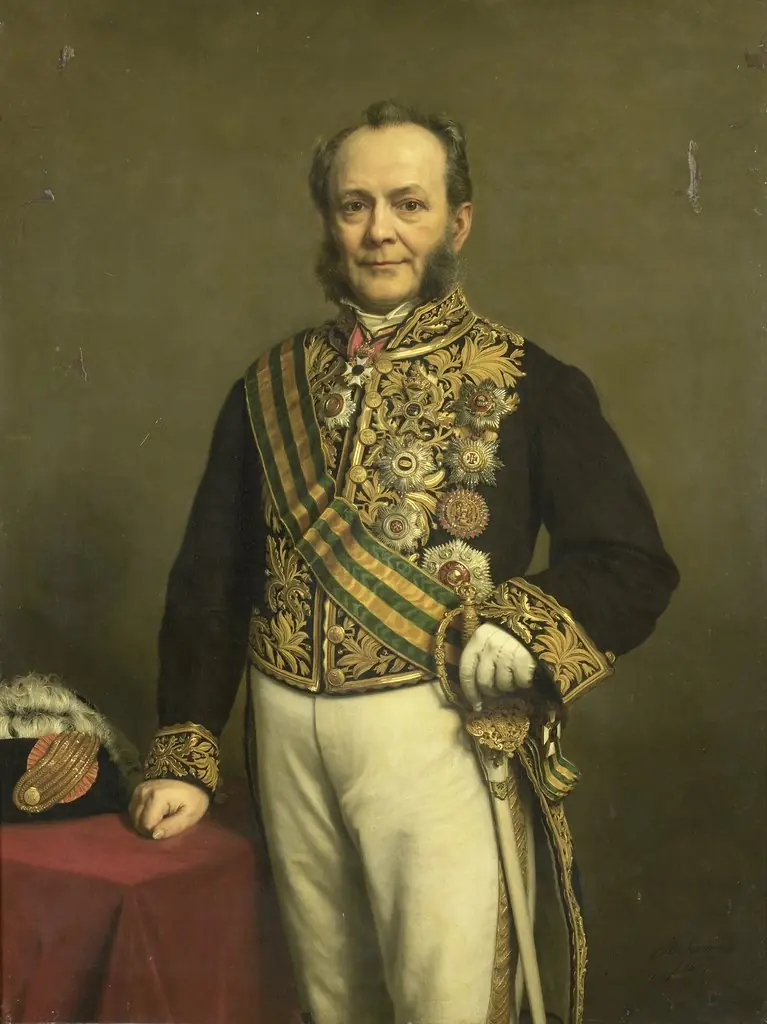 Pieter Mijer (1812-81). Gouverneur-generaal (1866-71)
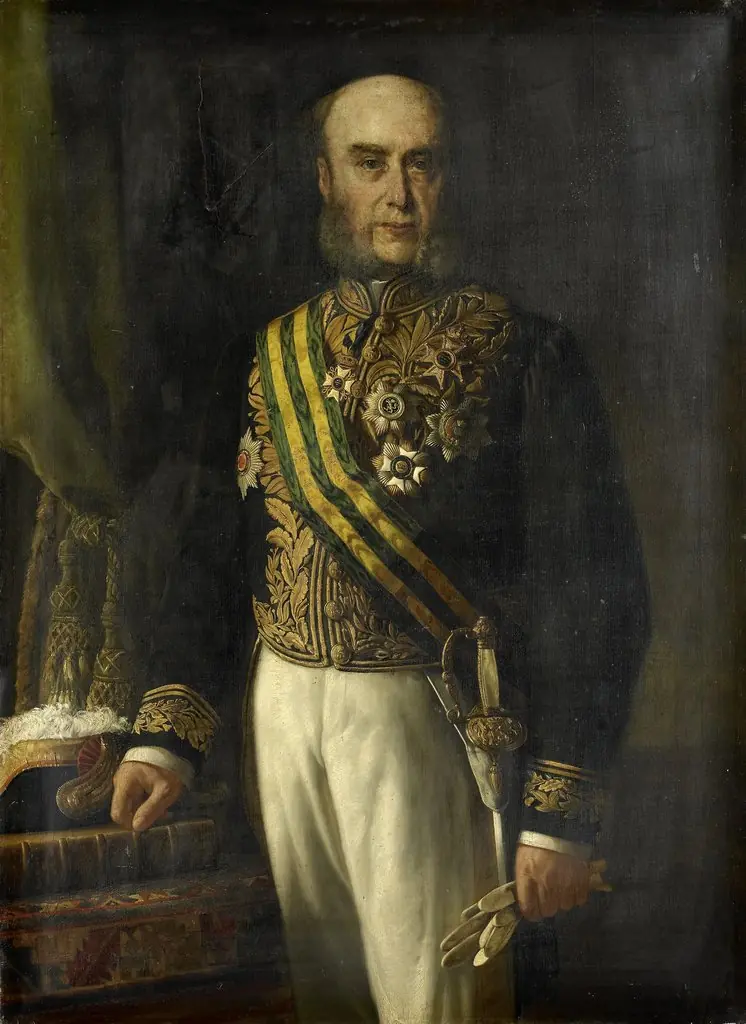
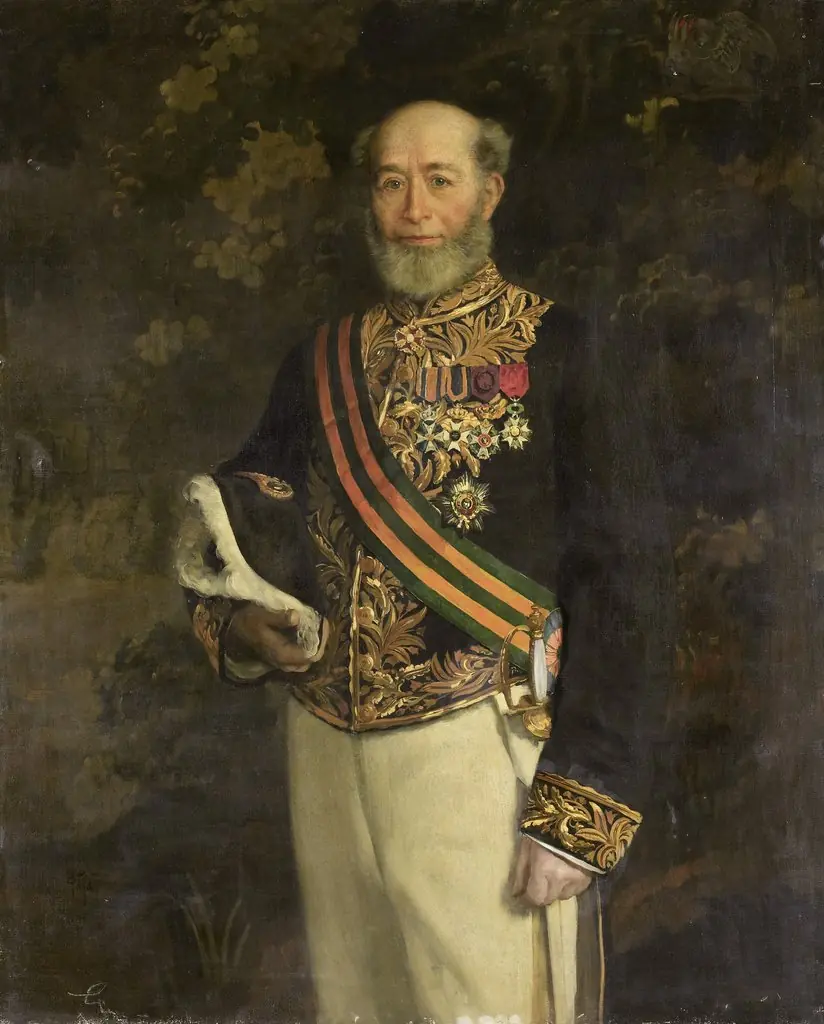 Frederik s'Jacob (1822-1901). Gouverneur-generaal (1880-84)
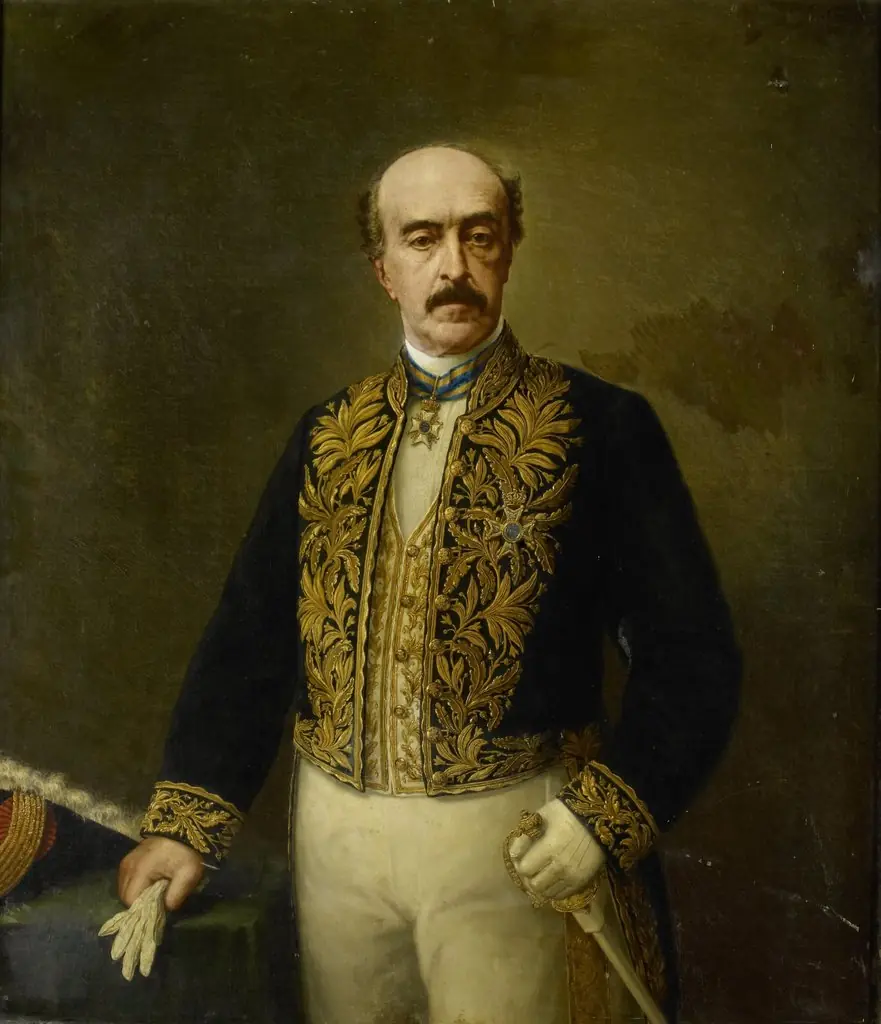 Otto van Rees (1823-92). Gouverneur-generaal (1884-88)
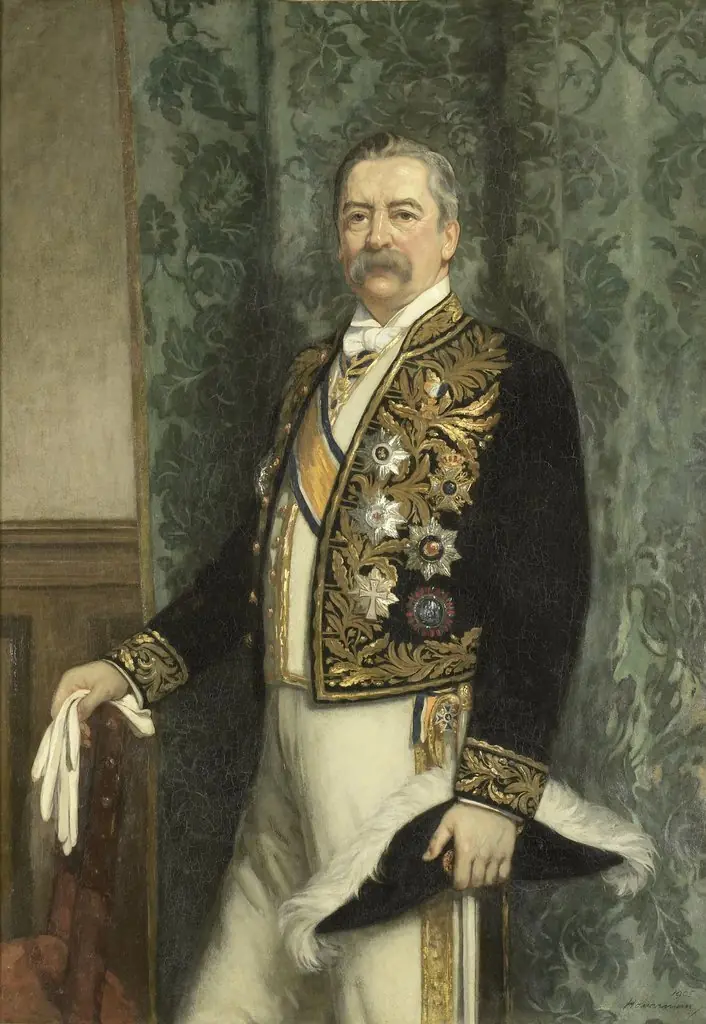
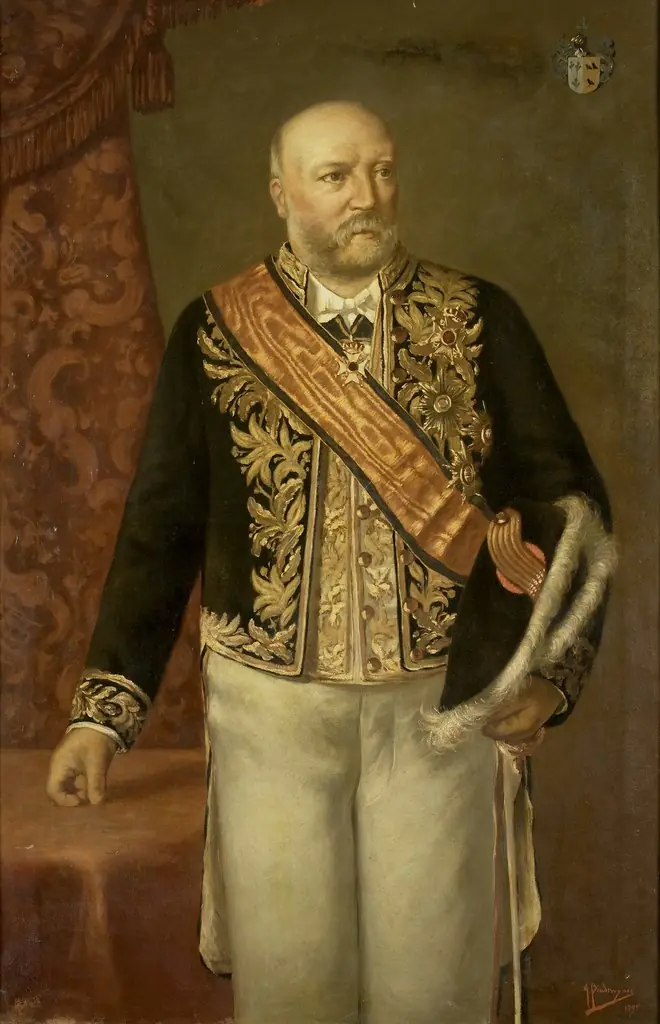 Cornelis Pijnacker Hordijk (1847-1908). Gouverneur-generaal (1888-93)
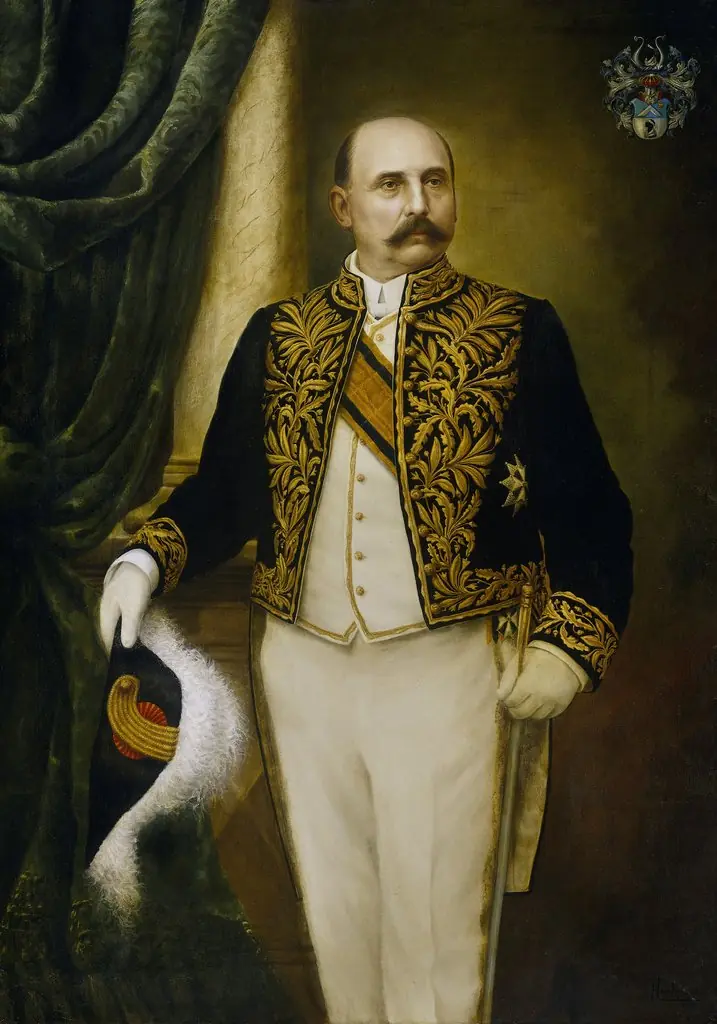 Johannes Benedictus van Heutsz (1851-1924). Gouverneur-generaal (1904-09)