Artwork
Study of a flower
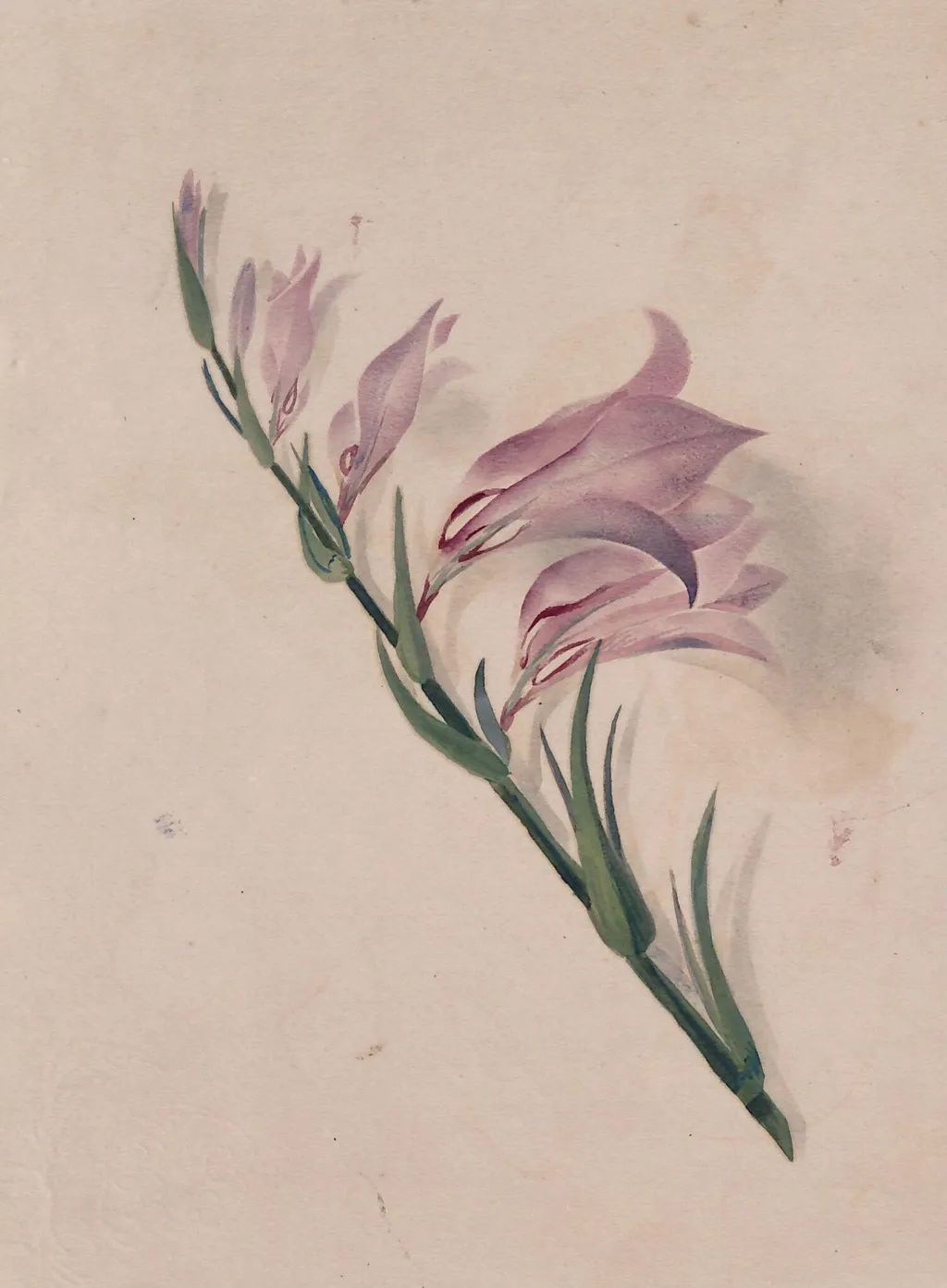
Study of a flower is a watercolor work on paper by Marchioness of Waterford Louisa Anne. It dates from 1864 and is held in the collection of the Victoria and Albert Museum. Created around 1864, this watercolour study depicts a single flower with quiet precision.
About this work
Overview
It resides in the Victoria and Albert Museum’s collection, where it is valued for its technical restraint and sensitivity to natural form.
Created around 1864, this watercolour study depicts a single flower with quiet precision. Executed by Louisa Anne, Marchioness of Waterford, the work exemplifies the intimate, observational approach common among British watercolourists of the mid-nineteenth century. It resides in the Victoria and Albert Museum’s collection, where it is valued for its technical restraint and sensitivity to natural form.
Subject & Meaning
The subject is a solitary bloom, rendered without context or symbolism. Its soft pink petals and delicate green leaves suggest a moment of quiet observation rather than allegory. The absence of background or accompanying elements directs attention solely to the plant’s structure, reflecting a broader interest in natural detail characteristic of Pre-Raphaelite-inspired studies.
Technique & Style
The artist employed transparent watercolour washes to build subtle gradations of tone and hue. Fine, fluid brushwork captures the curvature of petals and the taper of leaves, suggesting movement without artificial motion. The lack of outline and reliance on layered pigment create a sense of lightness, while the plain background isolates the form, enhancing its presence through simplicity.
History & Provenance
The work was produced during a period when the Marchioness of Waterford was actively engaged in watercolour painting, often as part of her personal artistic practice. It entered the Victoria and Albert Museum’s collection through documented acquisition, likely as part of a broader donation or bequest tied to her artistic legacy, though specific provenance details beyond the museum’s records remain limited.
Context
In the 1860s, British watercolourists increasingly turned to botanical subjects as a means of scientific and aesthetic inquiry. The Marchioness’s work aligns with this trend, influenced by the Pre-Raphaelite emphasis on truth to nature. Unlike grand historical paintings, such studies valued close observation and technical control, reflecting a shift toward private, contemplative art-making among amateur and professional artists alike.
Legacy
Though not widely exhibited during her lifetime, the Marchioness’s botanical watercolours, including this study, are now recognized for their quiet discipline and attention to detail. They contribute to the understanding of women’s roles in Victorian art, where domestic and amateur practices often held significant aesthetic value despite limited public recognition.
Artist & collection
Artist
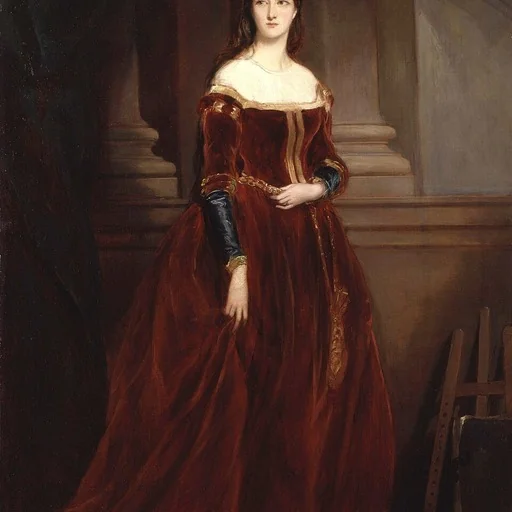
Marchioness of Waterford Louisa Anne
Louisa Anne Beresford, Marchioness of Waterford (née Stuart; 14 April 1818 – 12 May 1891) was a British Pre-Raphaelite watercolourist and philanthropist.

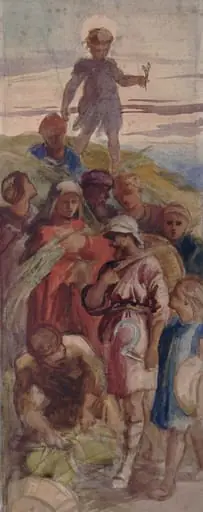
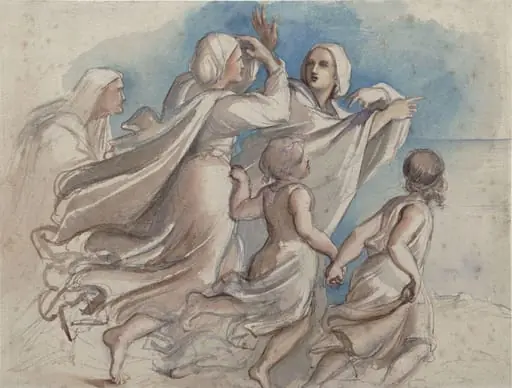
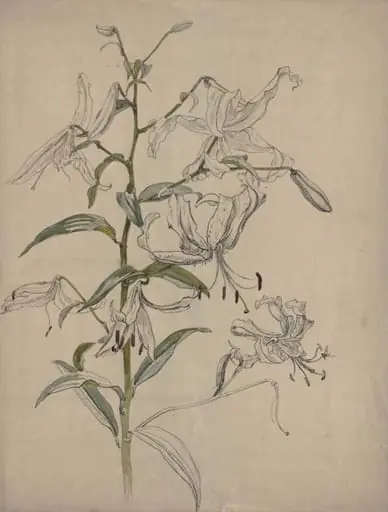 Untitled
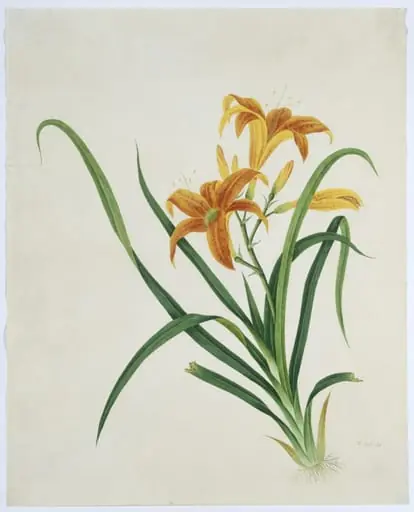 Orange Day Lily
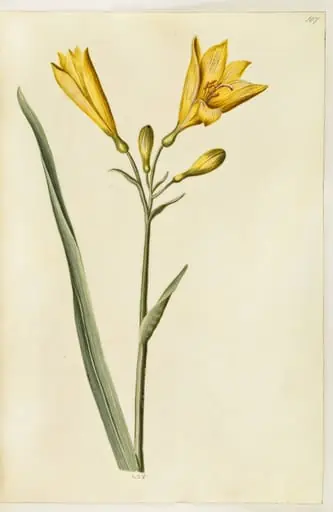 Hemerocallis lilioasphodelus (gul daglilje)
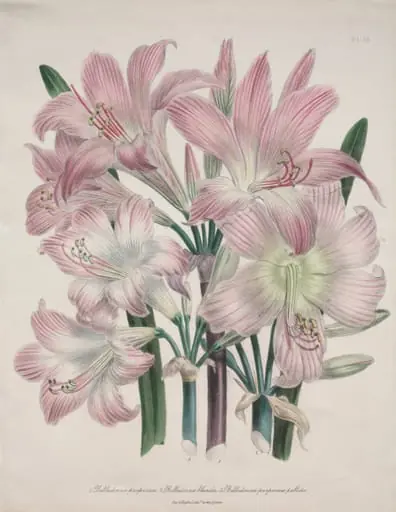 Belladonna Lily: Amaryllis belladonna
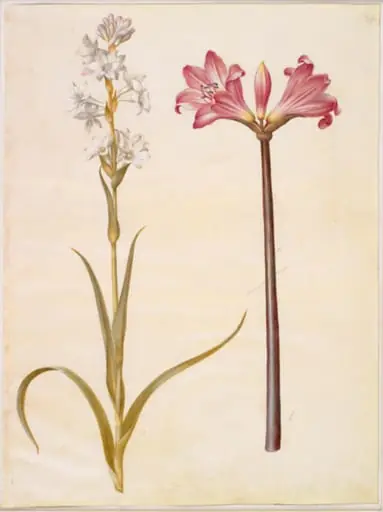 Polianthes tuberosa (tuberose); Amaryllis belladonna (belladonnalilje)
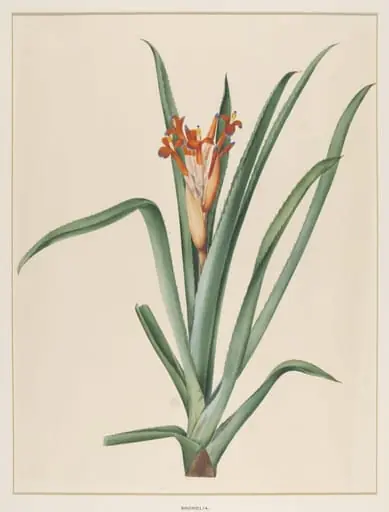 Bromelia
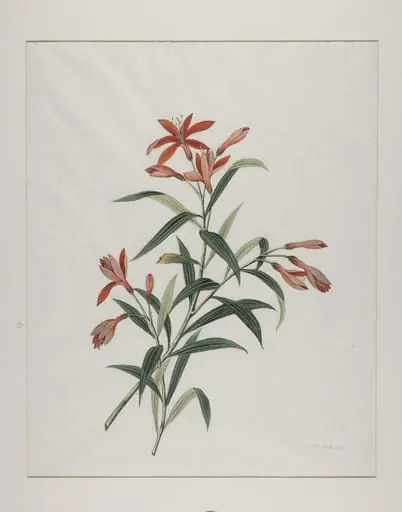 Common orange day lily (hemerocallis fulva), xuan cao
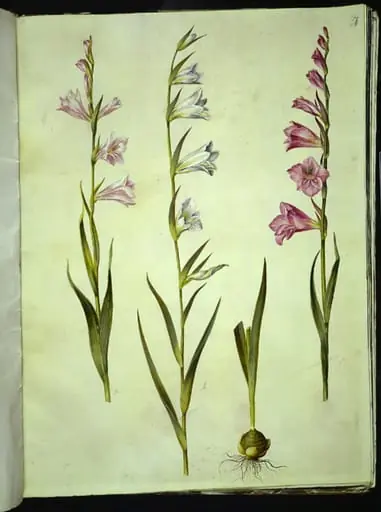 Gladiolus communis (almindelig gladiolus)
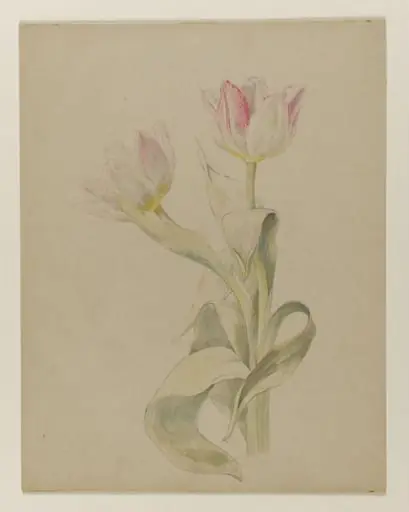 Pink and white tulips
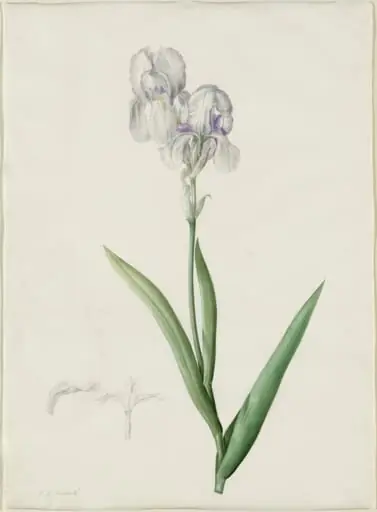 Iris Swertii
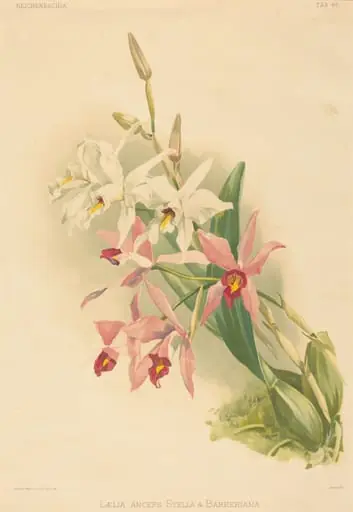 Laelia Anceps Stella & Barkeriana
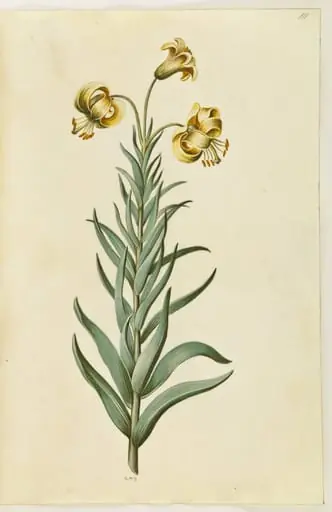 Lilium pyrenaicum (pyrenæisk lilje)