Artwork
View looking up the Wensum at Norwich
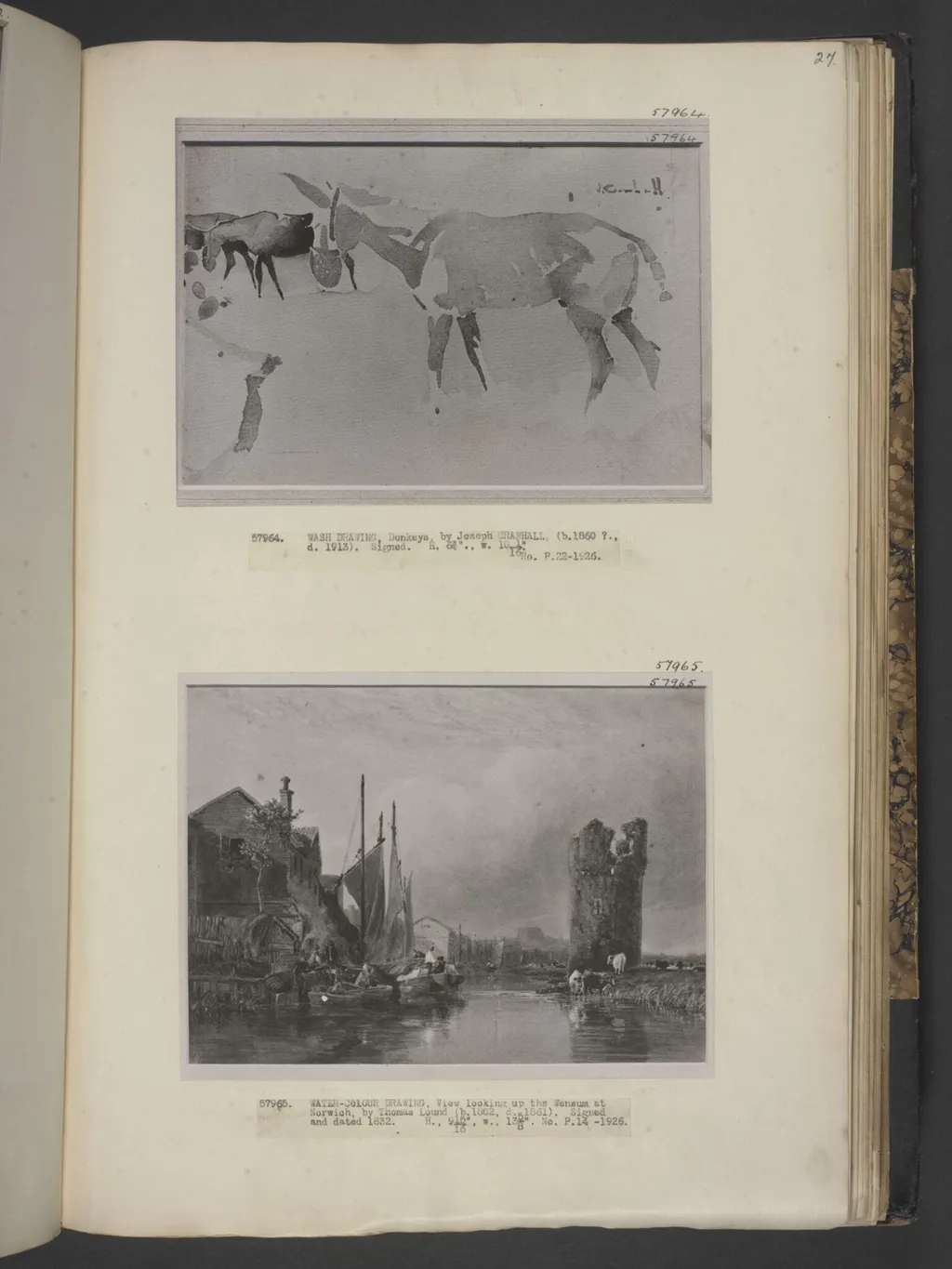
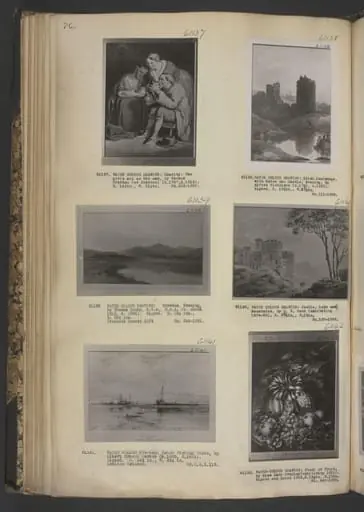
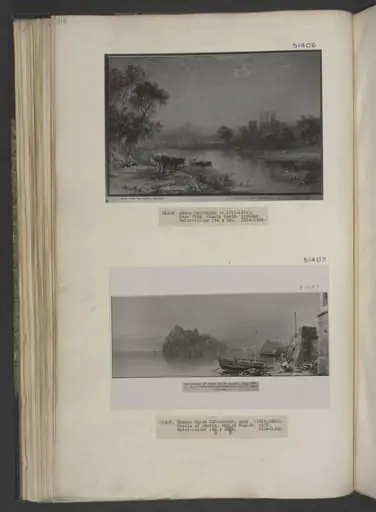
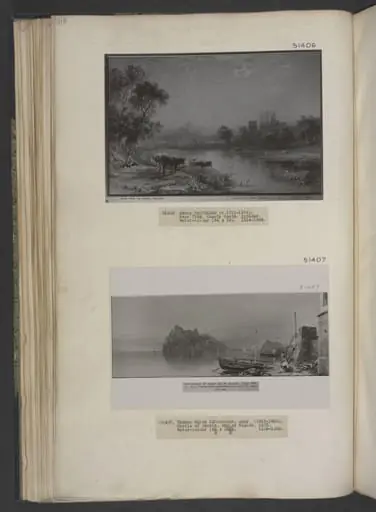
View looking up the Wensum at Norwich is a watercolor work on paper by the British Romanticist artist Lound. It dates from 1832 and is held in the collection of the Victoria and Albert Museum. This watercolour, signed and dated 1832, captures a tranquil stretch of the River Wensum in Norwich.
About this work
Overview
A modest boat near the bank suggests human presence without intrusion, while distant vessels hint at gentle river activity.
This watercolour, signed and dated 1832, captures a tranquil stretch of the River Wensum in Norwich. The scene is rendered with muted tones and delicate brushwork, emphasizing stillness and quiet observation. A modest boat near the bank suggests human presence without intrusion, while distant vessels hint at gentle river activity. The composition balances natural and built elements, framing the river as a quiet artery through the city.
Subject & Meaning
The painting presents a modest, unidealized view of Norwich’s riverside, avoiding grandeur in favor of everyday observation. The crumbling tower on the right introduces a sense of time’s passage, its decay contrasting with the enduring flow of water. The calmness of the scene invites contemplation rather than narrative, reflecting a quiet appreciation for the ordinary rhythms of urban life in the early 19th century.
Technique & Style
The artist employed transparent watercolour washes to achieve a soft, atmospheric effect. Delicate layering suggests light filtering through a hazy sky, while minimal detail in the buildings and water conveys texture without precision. The brushwork is restrained, favoring tone and mood over definition. This approach aligns with the tradition of topographical watercolour, where accuracy is tempered by poetic restraint.
History & Provenance
The work was created in 1832, during a period when watercolour was increasingly valued as a medium for personal and documentary expression in Britain. Though the artist’s identity is not specified in the provided details, the piece likely originated from a local practitioner or visitor documenting Norwich’s landscape. Its survival suggests it was preserved within private or institutional collections, possibly linked to regional artistic circles.
Context
In the 1830s, Norwich was one of England’s most active centres for watercolour painting, with a local school known for its quiet, observational style. Artists often depicted the city’s rivers, churches, and outskirts as sites of subtle beauty. This work fits within that tradition, reflecting a cultural interest in recording the changing urban and natural environment without overt romanticism or dramatic emphasis.
Legacy
The painting contributes to a broader archive of 19th-century British watercolours that document provincial life with restraint and sensitivity. While not widely exhibited, such works inform historical understanding of how ordinary landscapes were perceived and recorded. Its preservation in institutions like the Victoria and Albert Museum ensures its role as a quiet witness to Norwich’s past.
Artist & collection
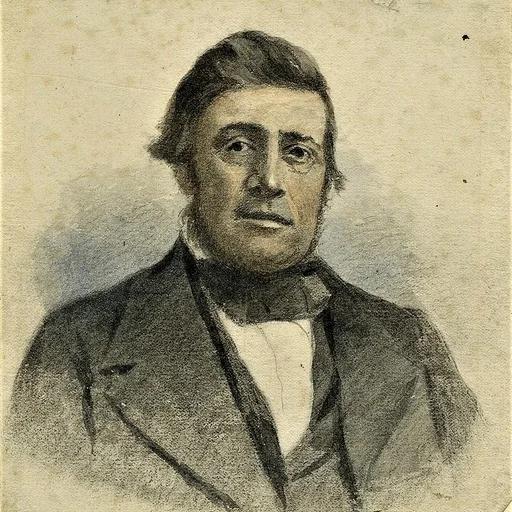
Artist
Thomas Lound (13 July 1801 – 18 January 1861) was an amateur English painter and etcher of landscapes, who specialised in depictions of his home county of Norfolk.