Artwork
Near Trim, County Meath
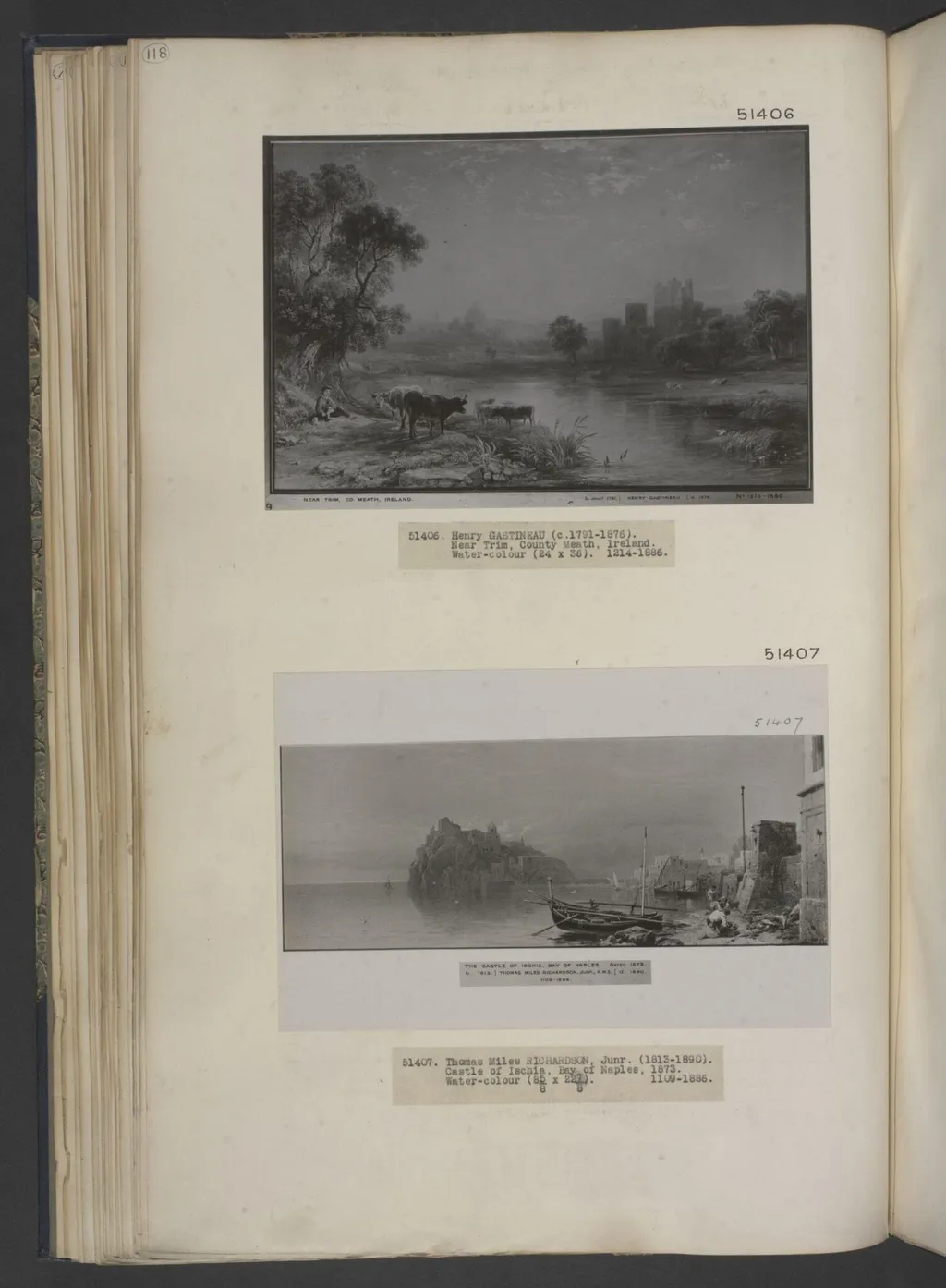
Near Trim, County Meath is a watercolor work on paper by the Romanticist artist Gastineau. It dates from 1810 and is held in the collection of the Victoria and Albert Museum. This watercolour captures a tranquil stretch of countryside near Trim in County Meath, Ireland.
About this work
Overview
The palette is restrained, dominated by soft greens and earthy browns, with a gentle haze softening the forms and suggesting atmospheric depth.
This watercolour captures a tranquil stretch of countryside near Trim in County Meath, Ireland. The composition centers on a quiet riverbank where livestock graze peacefully, framed by dense trees on the left and a distant rise of land bearing a modest cluster of buildings. The palette is restrained, dominated by soft greens and earthy browns, with a gentle haze softening the forms and suggesting atmospheric depth.
Subject & Meaning
The scene presents rural life without theatricality—cows are neither idealized nor anthropomorphized, but simply present, absorbed in their routine. The castle, though visible on the right, is not the focus; instead, the emphasis lies in the quiet rhythm of the landscape. This quietude reflects an interest in the ordinary, valuing stillness over spectacle and the subtle beauty of unremarkable places.
Technique & Style
Executed in watercolour, the work employs diluted washes to create a hazy, diffused effect. Brushwork is loose yet deliberate, with minimal detail in the distance to enhance depth. The muted tones and soft edges avoid sharp contrasts, reinforcing the calm mood. The technique aligns with a contemplative approach to landscape, prioritizing atmosphere over precision.
History & Provenance
The work originates from the early 19th century, likely produced during a period when Irish landscapes were increasingly documented by amateur and professional artists. Its survival suggests it was kept within a private collection, possibly by someone connected to the region. No documented exhibition or public record exists prior to its modern cataloguing.
Context
Created during the Romantic era, the piece aligns with a broader trend of valuing nature as a source of quiet reflection rather than sublime awe. Unlike grander Romantic landscapes, this work avoids dramatic lighting or monumental forms, instead embracing the modesty of rural Ireland. It reflects a local, intimate engagement with the land, distinct from the more theatrical traditions of the period.
Legacy
The painting contributes to a quiet archive of Irish topographical watercolours that document everyday rural life before industrialization transformed the landscape. Its significance lies not in fame or influence, but in its unassuming testimony to a specific place and time, offering a restrained counterpoint to more celebrated Romantic visions.
Artist & collection
Artist
Gastineau painted quiet, delicate watercolors of British landmarks in the 19th century.

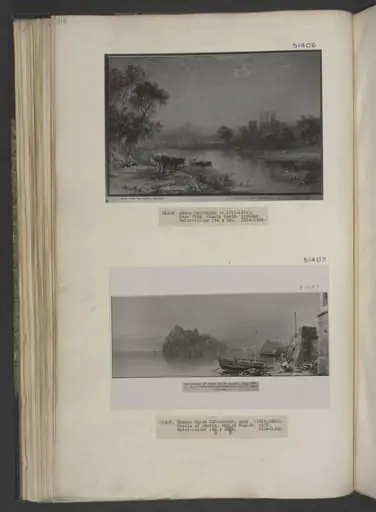 Castle of Ischia, Bay of Naples
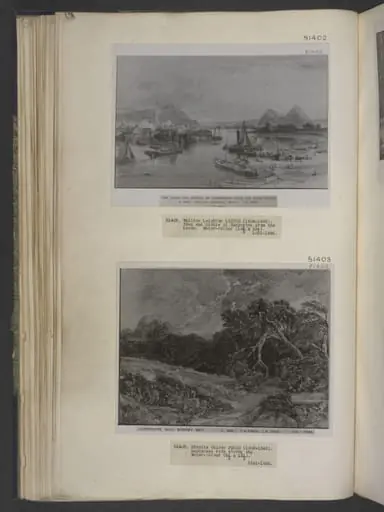
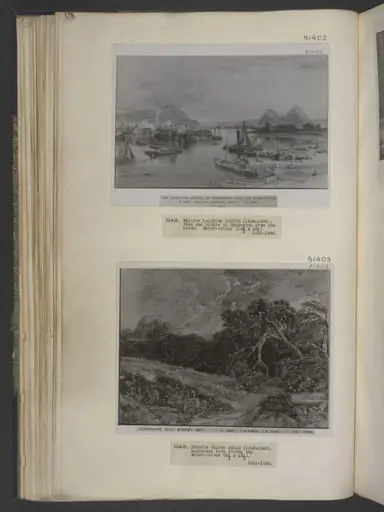 Mountain landscape, stormy sky, tree riven by lightning
 Town and castle of Dumbarton from the Leven
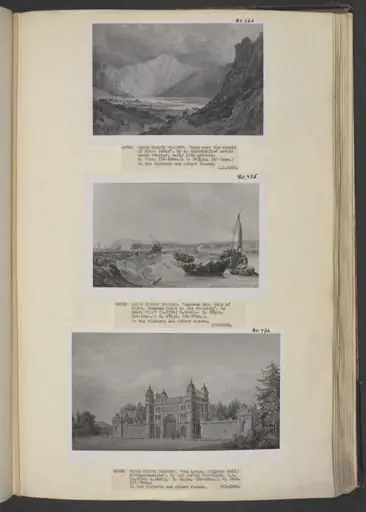 Llyn-y- Cau, the tarn near the summit of Cader Idris, Merionethshire, North Wales
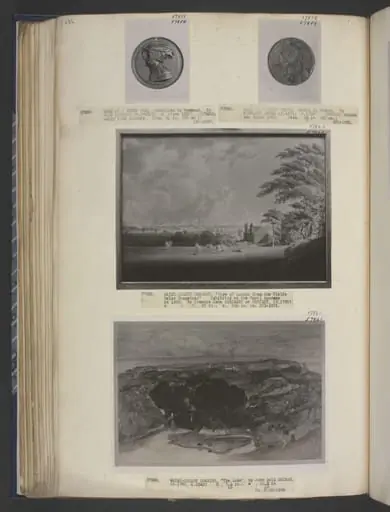 View of London from the fields below Hampstead
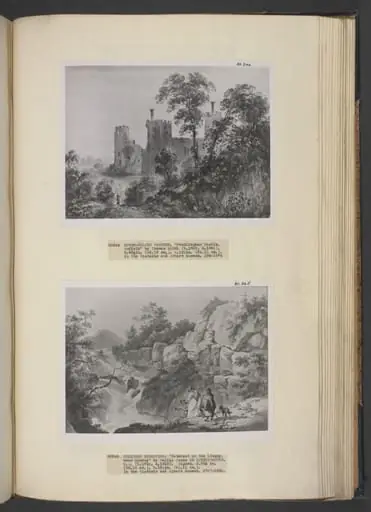 Framlingham Castle
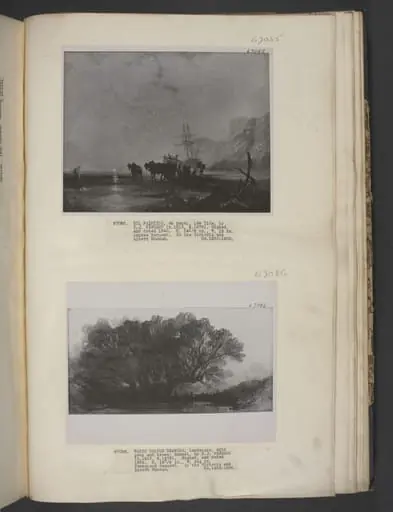 Landscape with pool and trees: Sunset