Artwork
The Cynical Philosopher
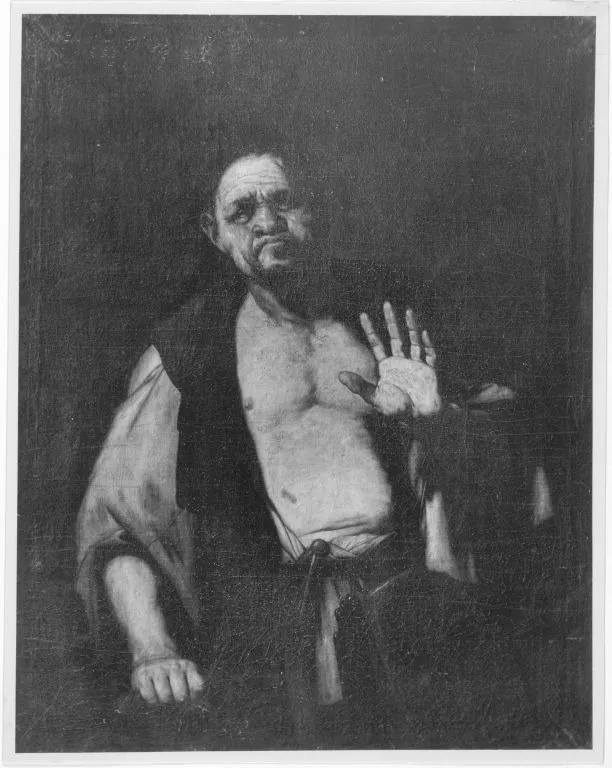
The Cynical Philosopher is an unspecified painting by the Early Baroque Italian artist Luca Giordano. It dates from 1669 and is held in the collection of the Bavarian State Painting Collections.
About this work
Overview
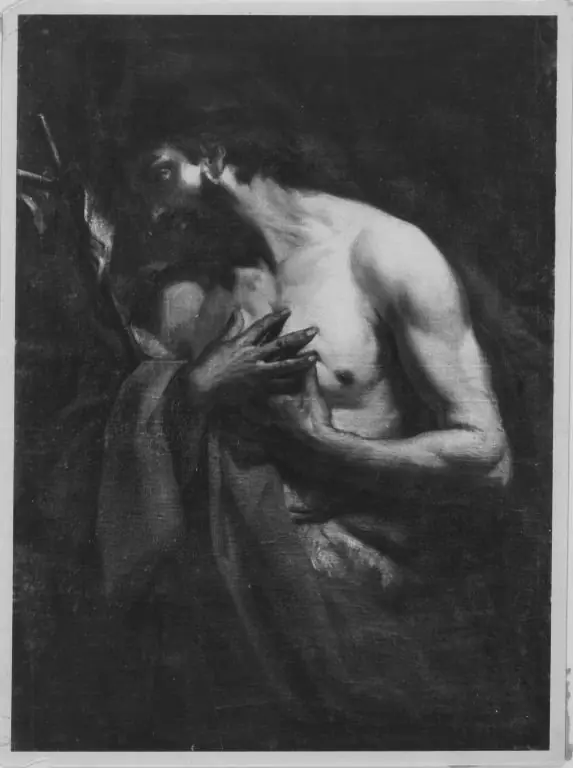
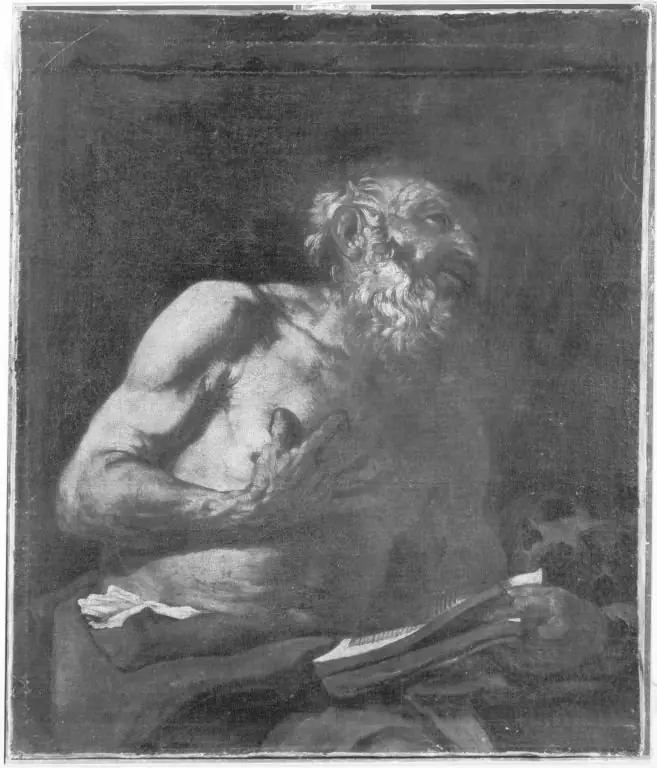
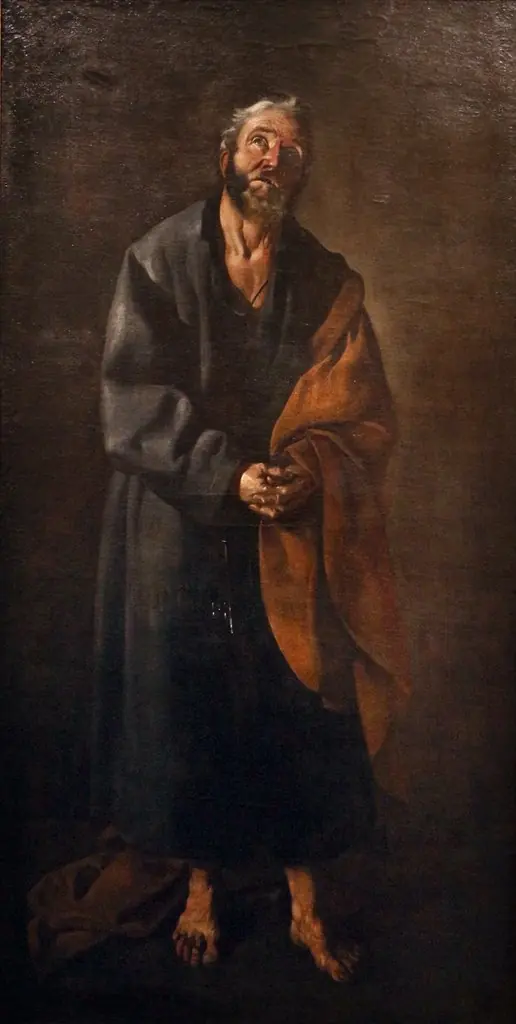
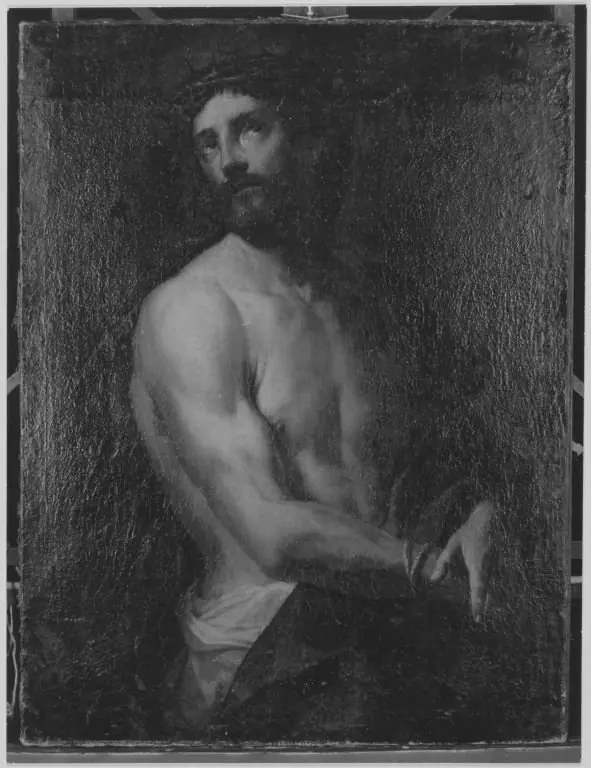
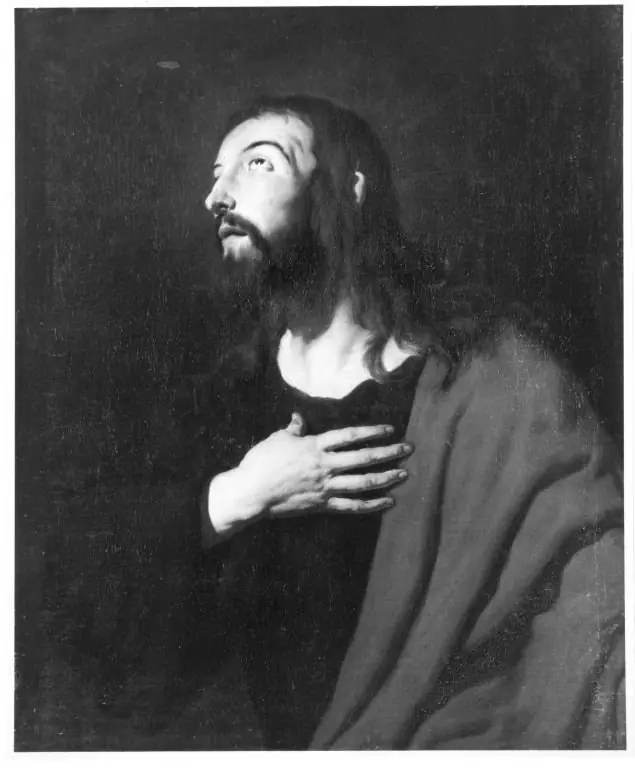
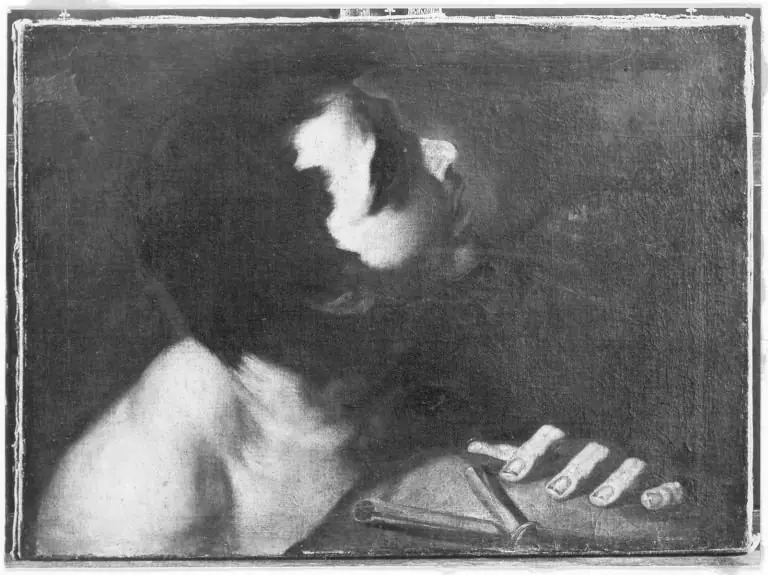
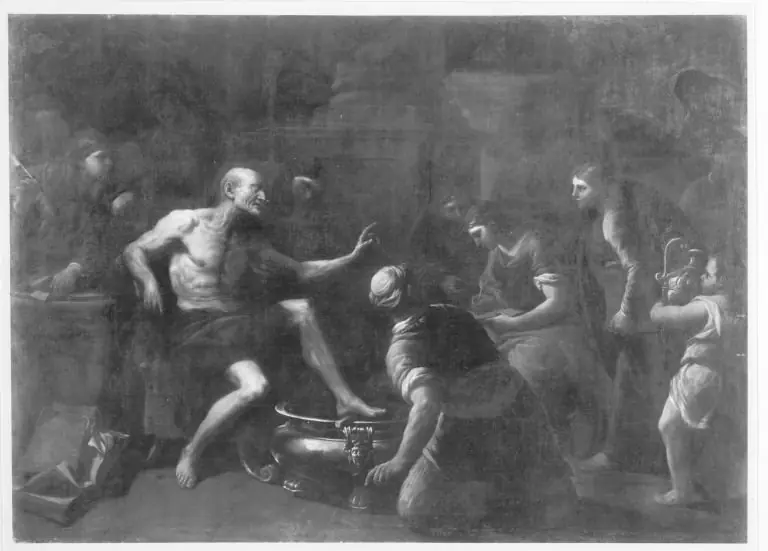
Painted in 1669 by Luca Giordano, this work depicts a solitary male figure in a contemplative pose. Executed in oil on canvas, it is part of the collection at the Alte Pinakothek in Munich. The composition emphasizes the subject’s physicality and emotional intensity, set against a muted, non-descript background that isolates the figure and heightens psychological focus.
Subject & Meaning
The figure is interpreted as a Cynic philosopher, a school known for rejecting social conventions in favor of virtue through simplicity. His bare torso and loosely draped robe suggest asceticism, while the raised palm conveys a gesture of refusal or questioning. The expression is not one of anger but of detached skepticism, evoking a moment of internal challenge to accepted norms or beliefs.
Technique & Style
Giordano employs loose, fluid brushwork to render the figure’s skin and fabric, creating a sense of immediacy. The dark background enhances the three-dimensionality of the form through chiaroscuro, drawing attention to the torso and face. The palette is restrained—ochres, browns, and deep shadows—emphasizing mood over ornamentation, consistent with Caravaggesque influences in his early work.
History & Provenance
The painting entered the Alte Pinakothek’s collection in the 19th century, likely acquired during a period of increased interest in Italian Baroque art.
The painting entered the Alte Pinakothek’s collection in the 19th century, likely acquired during a period of increased interest in Italian Baroque art. Its attribution to Giordano has been consistently supported by stylistic analysis and documentary records from his Neapolitan period. No significant alterations or restorations are documented, preserving its original tonal balance and composition.
Context
Created during Giordano’s formative years in Naples, the painting reflects the city’s vibrant artistic environment, where Caravaggio’s legacy influenced a generation of painters. Philosophical themes, particularly those tied to Stoicism and Cynicism, were popular in intellectual circles. This work aligns with contemporary trends in genre painting that elevated solitary thinkers as subjects of moral and psychological depth.
Legacy
Though not among Giordano’s most widely reproduced works, this painting exemplifies his early ability to convey complex inner states through minimal means. It remains a quiet reference point in studies of Baroque portraiture and the representation of philosophical ideals in visual art, appreciated for its restraint and psychological nuance rather than dramatic flair.
Artist & collection

Artist
Luca Giordano was an Italian late-Baroque painter and printmaker in etching. Giordano was one of the most celebrated artists of the Neapolitan Baroque, whose vast output included altarpieces, mythological paintings and…