Artwork
Hunting near Hartenfels Castle
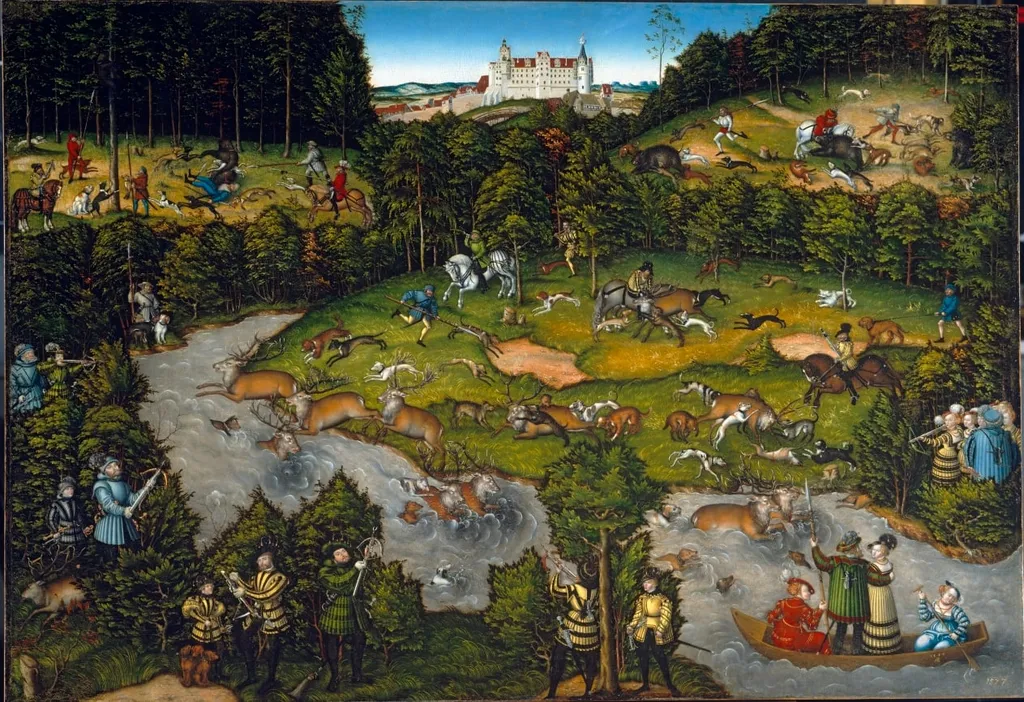
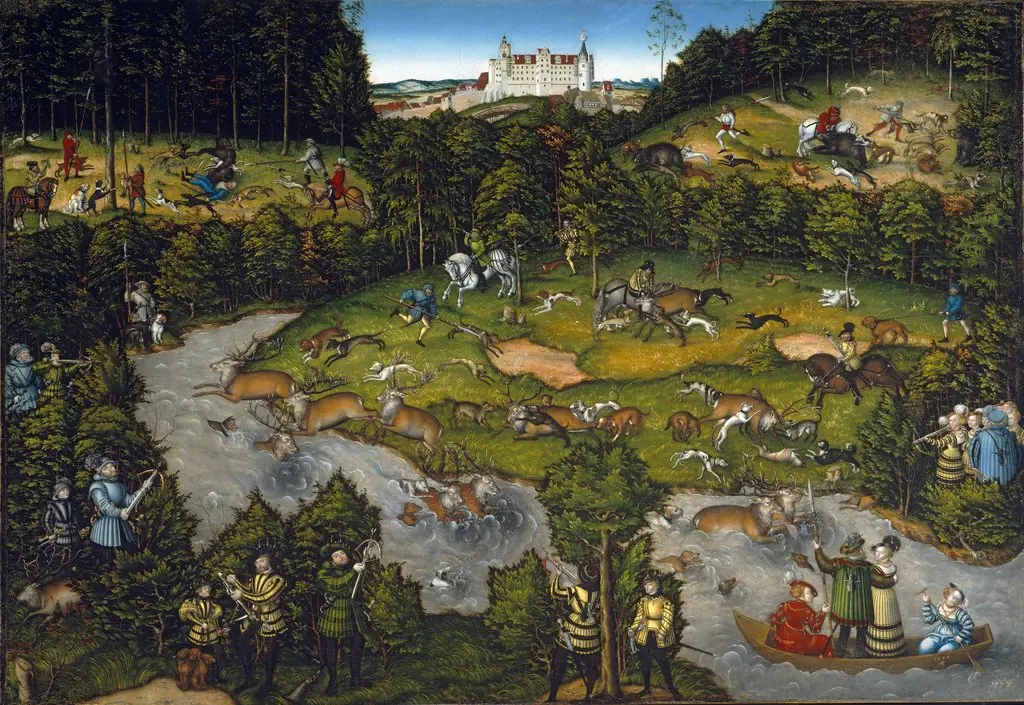
Hunting near Hartenfels Castle is an unspecified painting by the Northern Renaissance artist Lucas Cranach the Elder. It dates from 1540 and is held in the collection of the Cleveland Museum of Art. This painting depicts a formal hunt near Hartenfels Castle in Saxony, commissioned by the ruling Protestant family.
About this work
John Frederick the Magnanimous, a German prince, stands in the left corner with a crossbow.
This painting shows a busy hunt scene in Renaissance Germany. John Frederick the Magnanimous, a German prince, stands in the left corner with a crossbow. His wife, Electress Sibylle, waits to shoot first. They’re near Hartenfels Castle, which you can see in the background.
The hunt looks staged more than real. The hunters and dogs pose like actors, not wild chasers. The artist adds bright greens and soft blues to make the scene feel alive.
If you like this, look up Lucas Cranach (German, 1472–1553) next.
Overview
This painting depicts a formal hunt near Hartenfels Castle in Saxony, commissioned by the ruling Protestant family. It captures a ceremonial moment during a staged deer pursuit, with the Elector John Frederick the Magnanimous and his wife Sibylle prominently featured. The scene is set against the castle’s silhouette, blending leisure with political symbolism. The artist, Lucas Cranach the Younger, signed the work with his emblem and dated it 1577, aligning it with the family’s documented patronage.
Subject & Meaning
The hunt serves as a display of noble authority and control, not merely recreation. John Frederick, armed with a crossbow, and Electress Sibylle, poised to fire the ceremonial first shot, embody the structured hierarchy of court life. The choreographed movement of dogs and hunters reflects the ritualized nature of aristocratic hunting, reinforcing social order. The inclusion of the castle underscores the connection between land, power, and lineage.
Technique & Style
Cranach employs a flattened perspective and stylized figures, typical of late Renaissance German painting. The figures are arranged with deliberate symmetry, their poses resembling theatrical tableaux rather than spontaneous action. Bright greens and muted blues create a harmonious landscape, while fine detailing in clothing and animal fur adds texture without naturalism. The composition prioritizes clarity and symbolic presence over dynamic realism.
History & Provenance
Commissioned by the Saxon electors, the painting was likely displayed in their residence as a statement of dynastic identity. The 1577 inventory number in the corner confirms its inclusion in the court’s recorded holdings. Though Lucas Cranach the Elder died in 1553, his workshop, led by his son, continued producing works for the family. This piece reflects the enduring influence of the Cranach studio in Saxon court culture well into the late 16th century.
Context
Hunting was a highly codified activity among German nobility, governed by strict protocols and signaled by horns. These events reinforced social bonds among courtiers and demonstrated the ruler’s mastery over nature and his domain. The Protestant Reformation did not diminish such traditions; instead, they were adapted to affirm the legitimacy of new ruling families. Hartenfels Castle, a key Saxon seat, became a backdrop for these performances of power.
Legacy
The painting remains a record of how Renaissance courts used visual art to encode political and social values. While not innovative in technique, its preservation offers insight into the daily rituals of Saxon nobility. It exemplifies the role of the Cranach workshop in sustaining a visual language of authority across generations, bridging the Reformation era and the late Renaissance in northern Germany.
Artist & collection
Artist
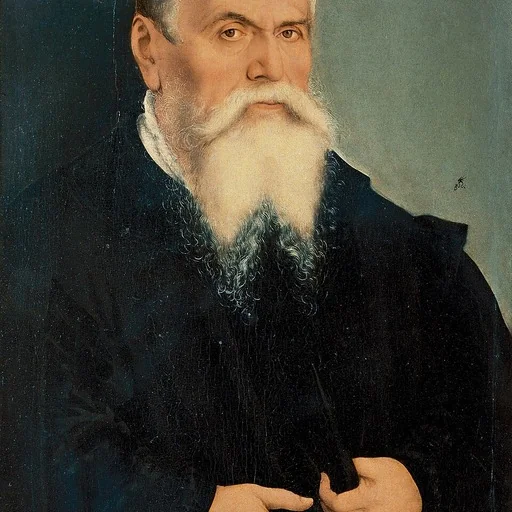
Lucas Cranach the Elder was a German Renaissance painter and printmaker in woodcut and engraving.

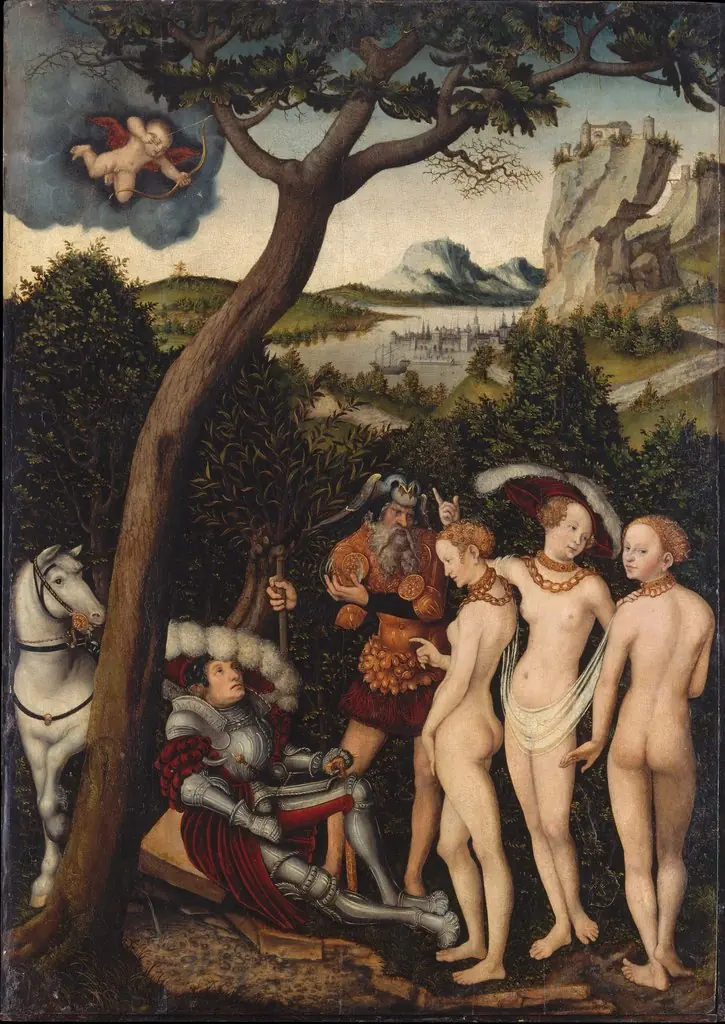
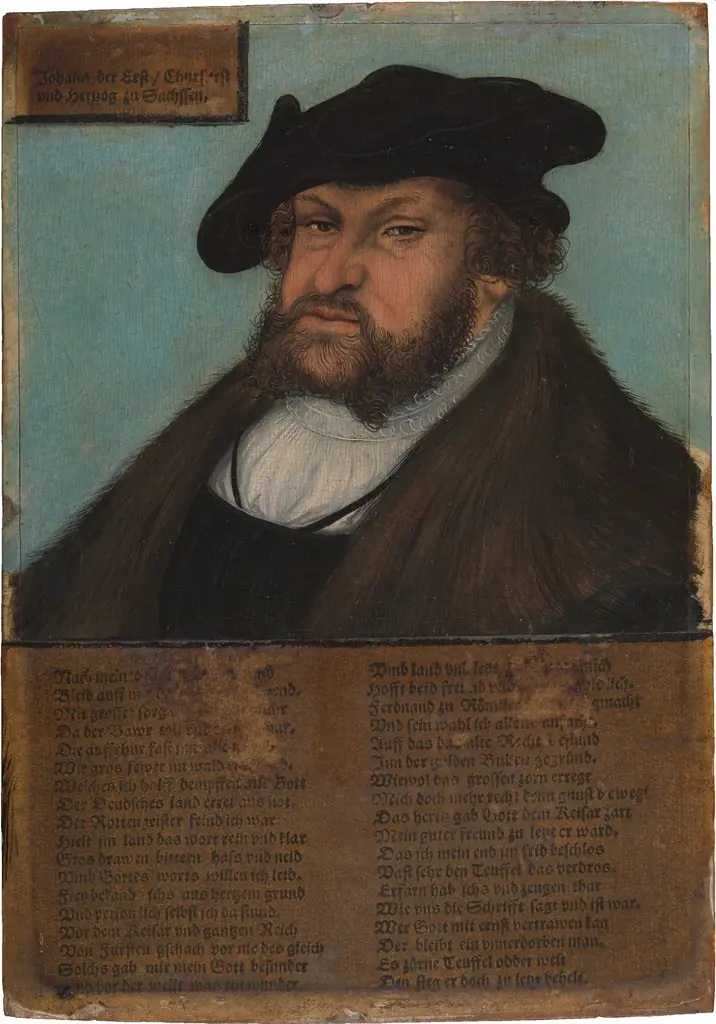
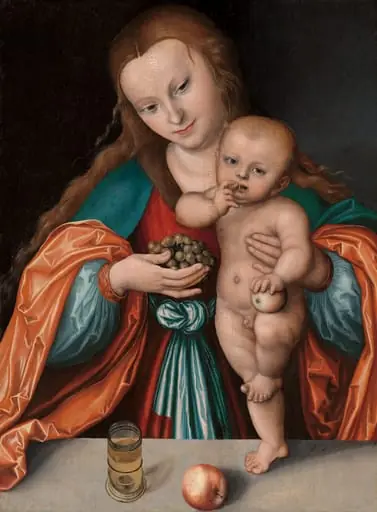
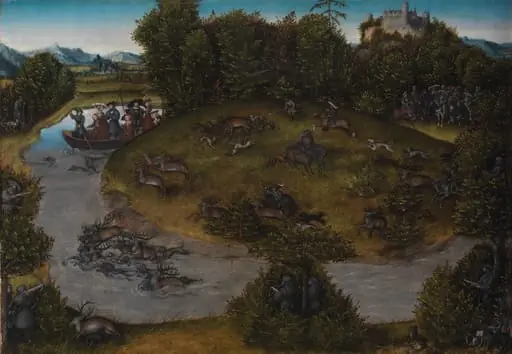 The Stag Hunt of the Elector Frederic the Wise (1463-1525) of Saxony
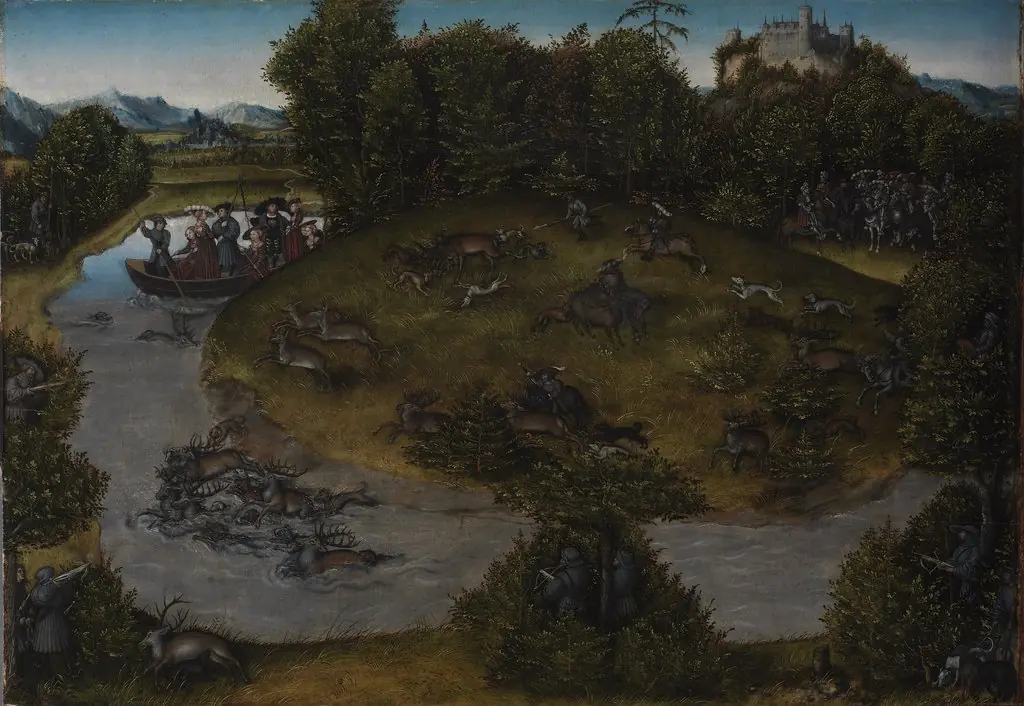 The Stag Hunt of the Elector Frederic the Wise (1463-1525) of Saxony
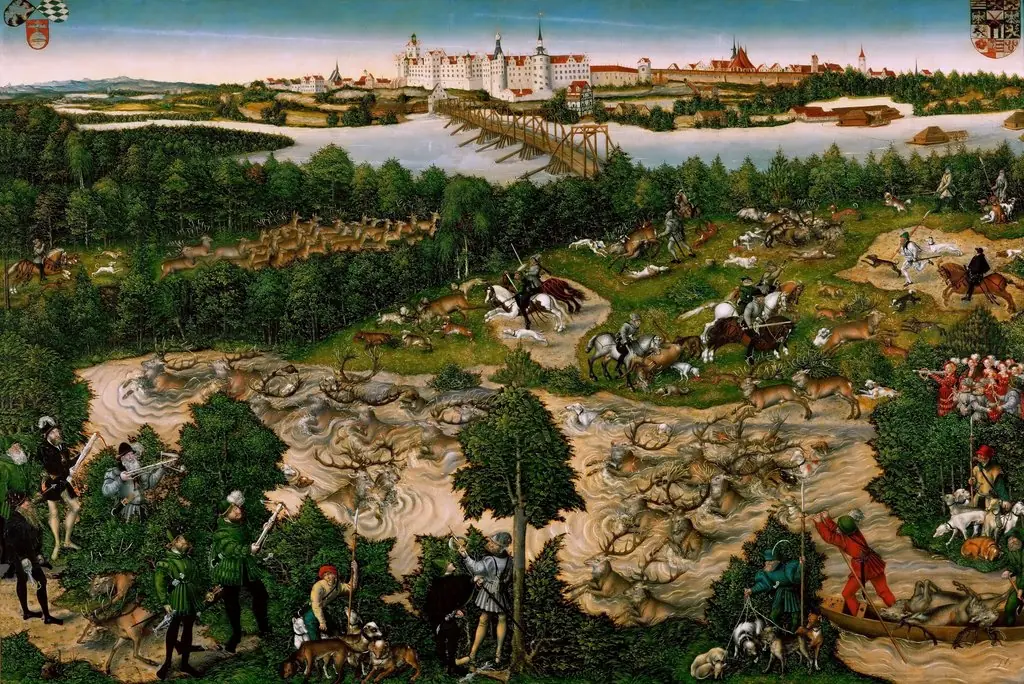 The Stag Hunt of the Elector Johann Friedrich of Saxony, or Frederic the Wise
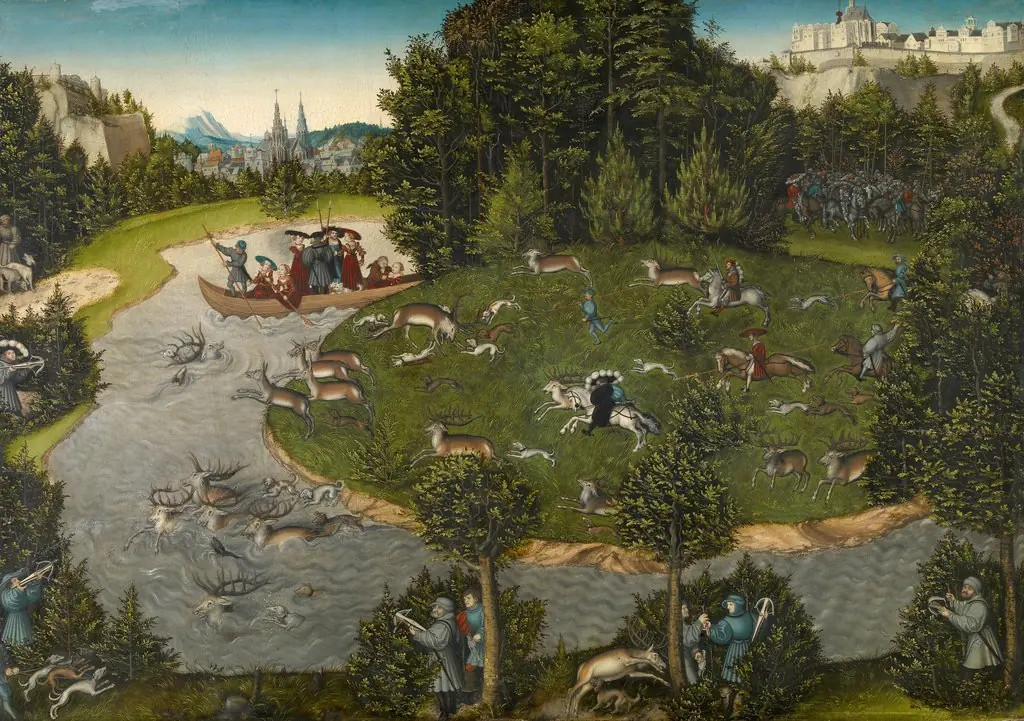 A Stag Hunt with the Elector Friedrich the Wise of Saxony
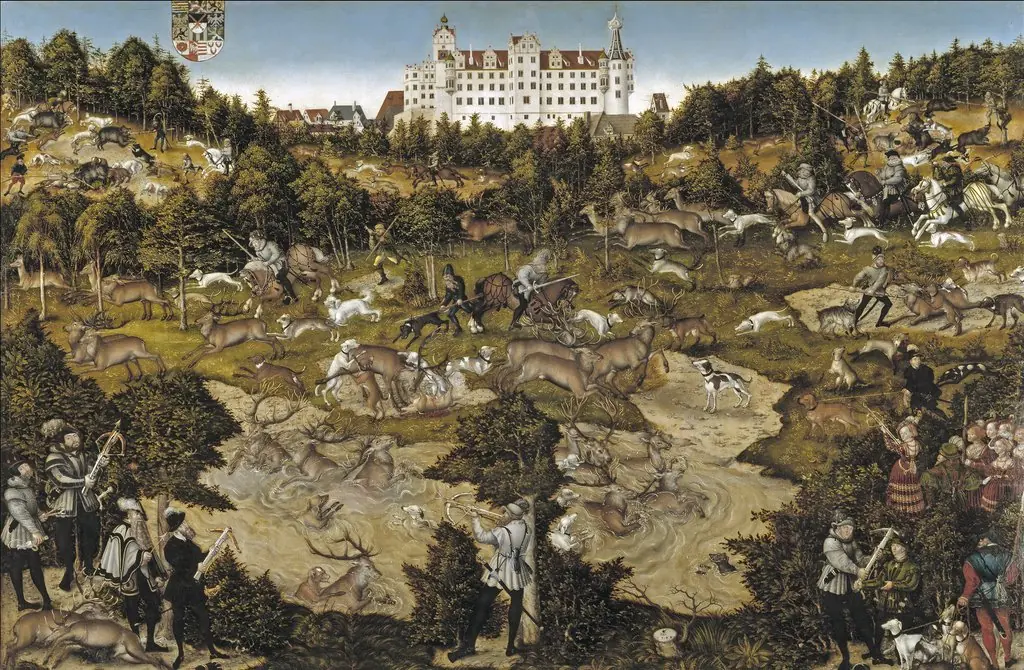 Hunt at the Castle of Torgau in honour of Charles V
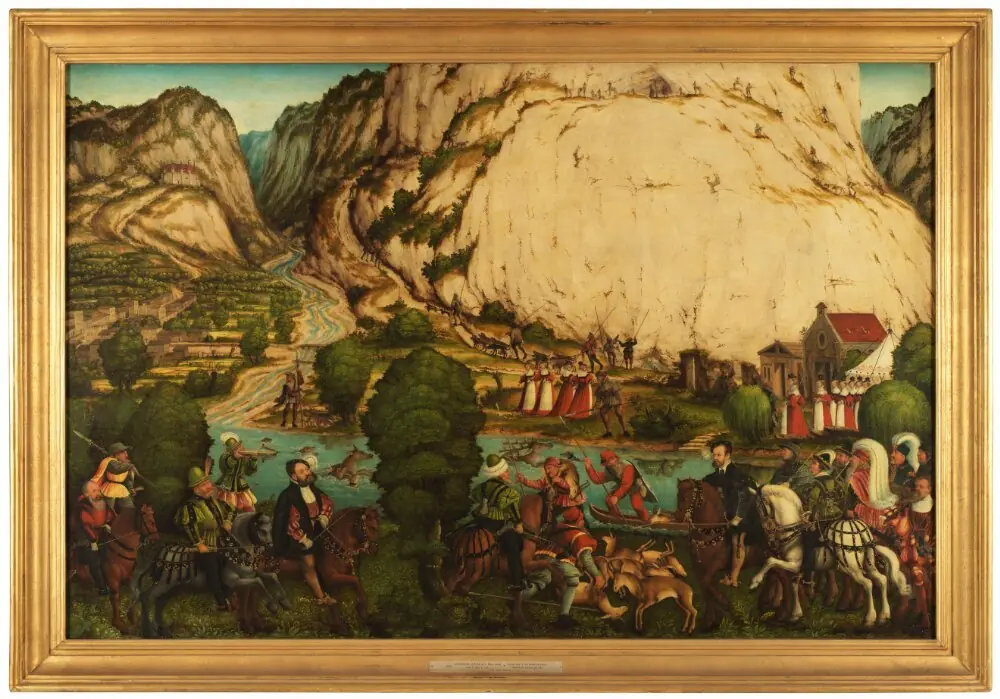 Emperor Charles V and the Elector John-Frederick of Saxony hunting