Artwork
Agony in the Garden
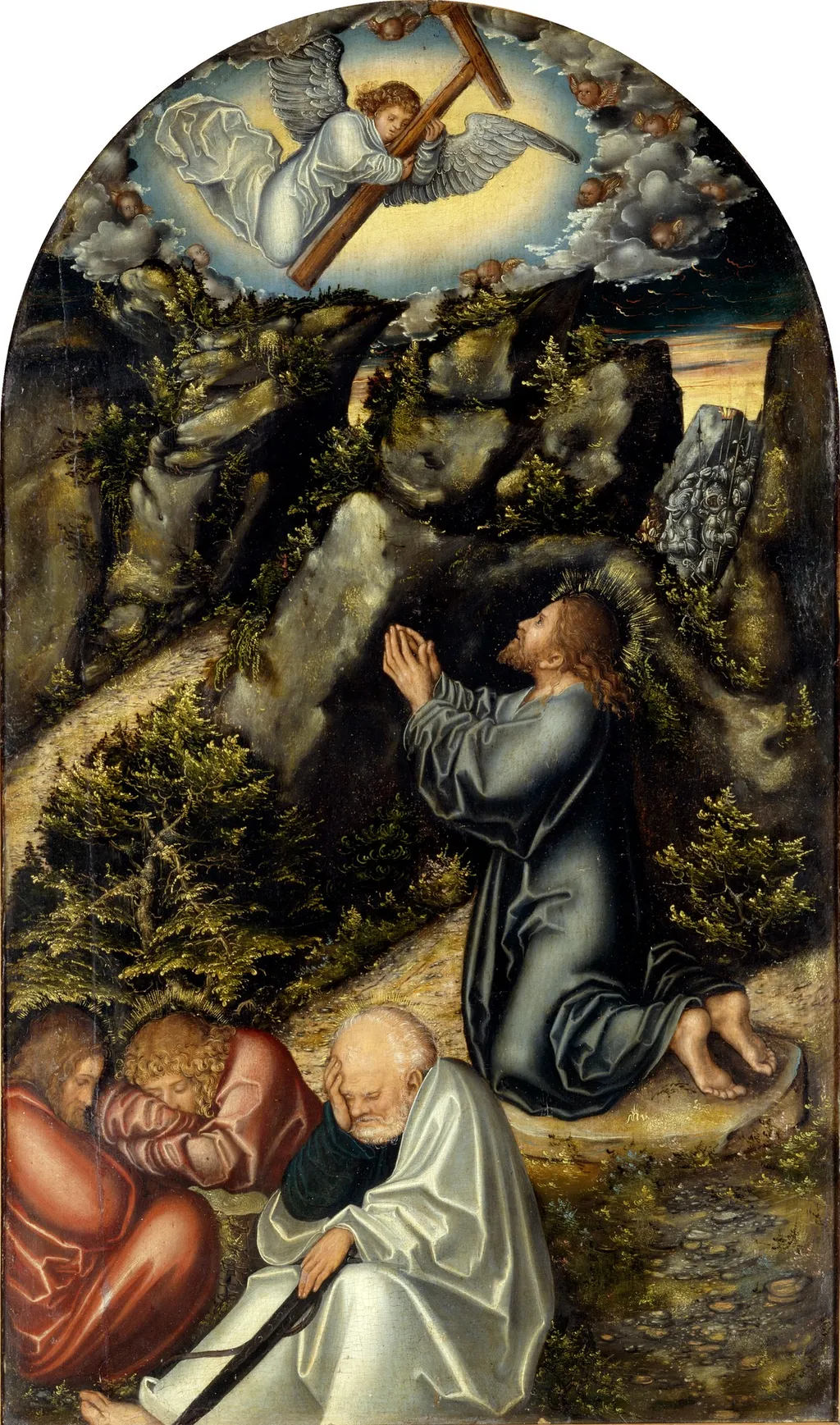
Agony in the Garden is an oil painting by the Northern Renaissance artist Lucas Cranach the Elder. It dates from 1520 and is held in the collection of the Staatliche Kunstsammlungen Dresden.
About this work
Overview
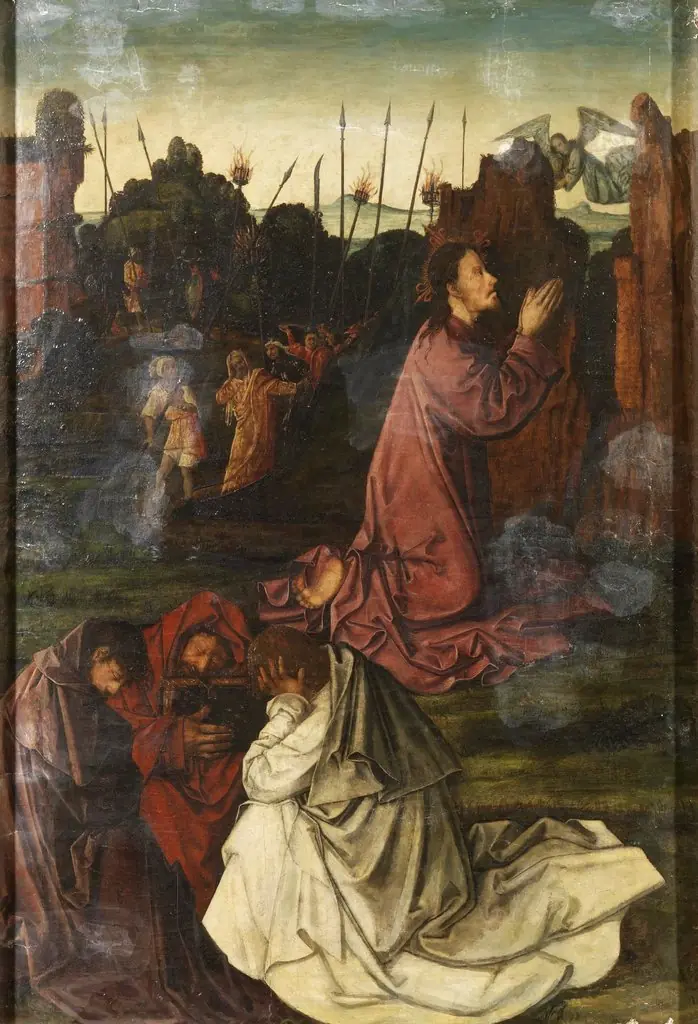
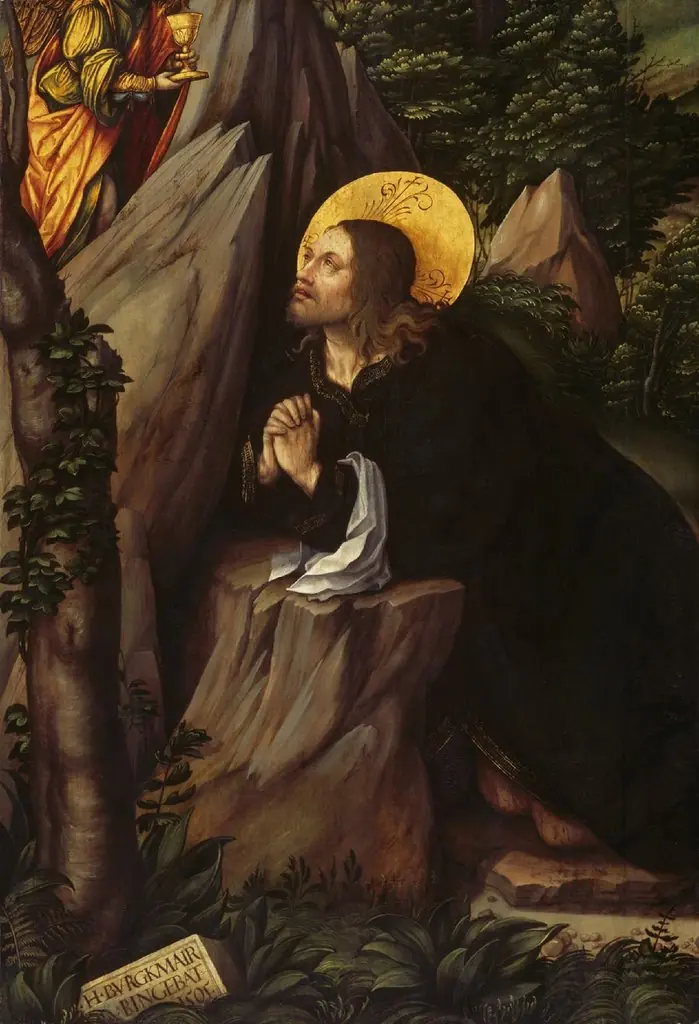
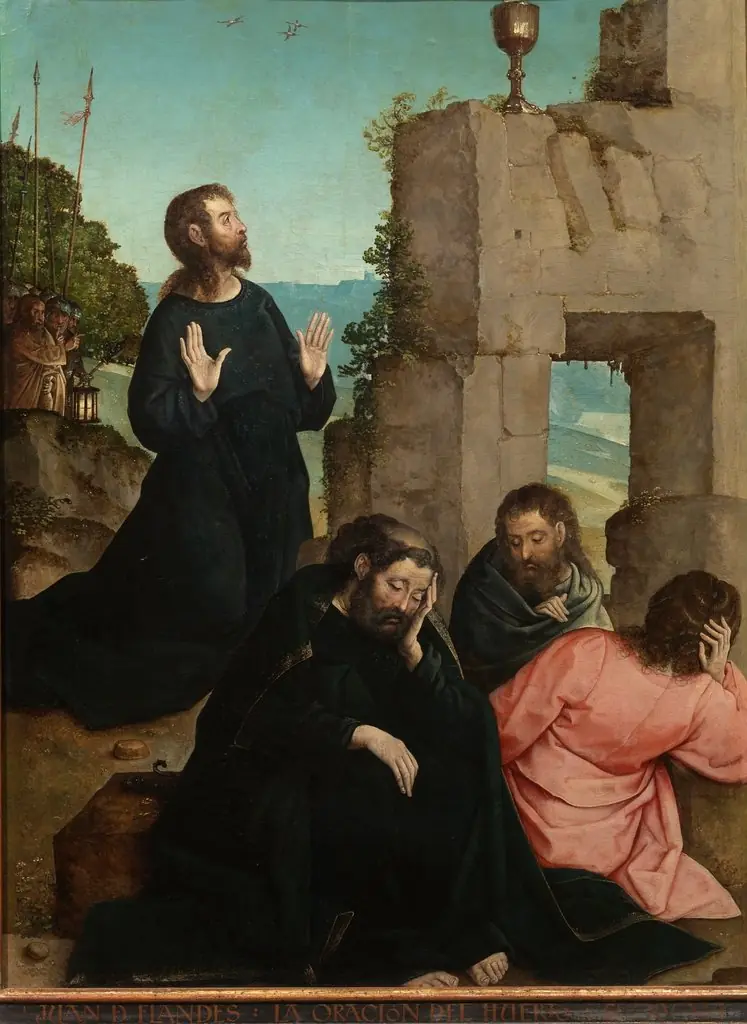
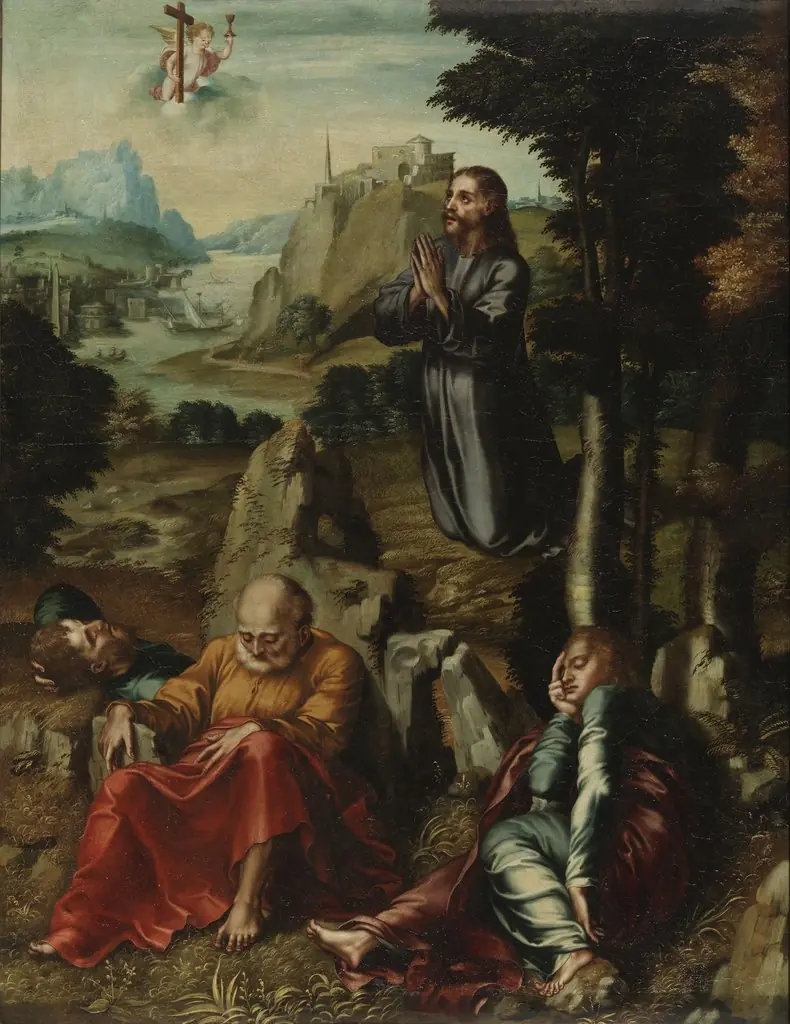
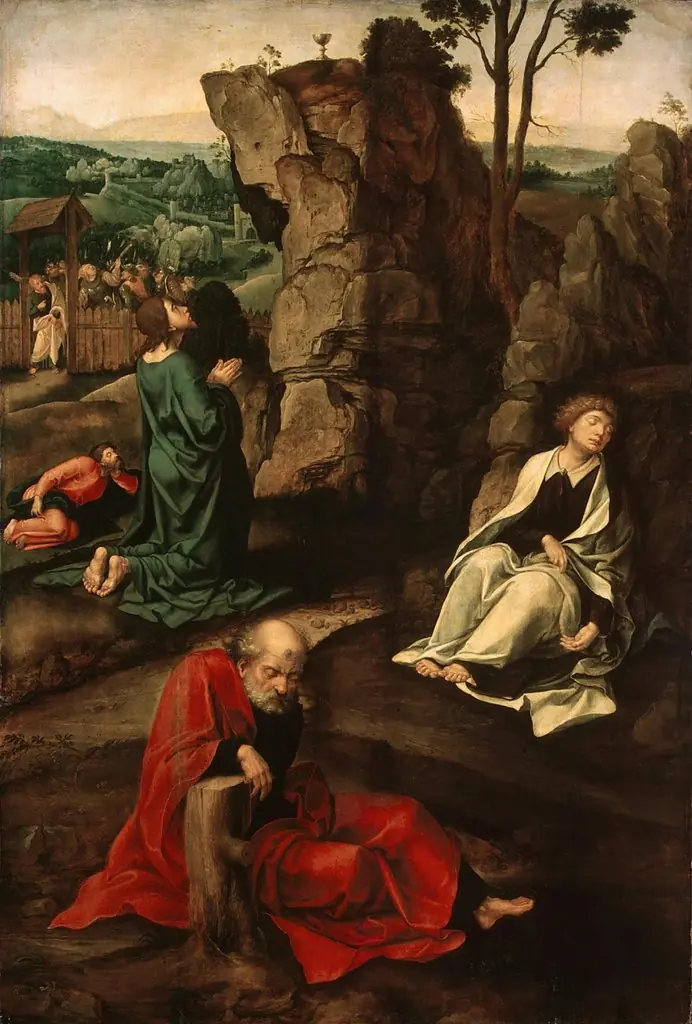
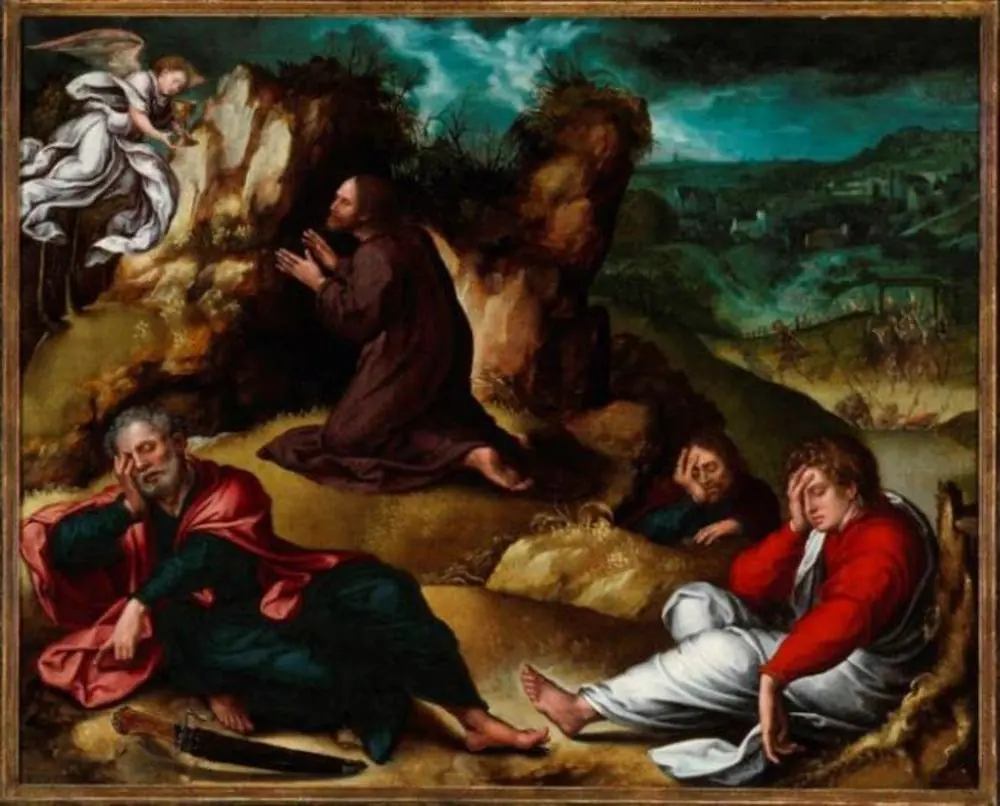
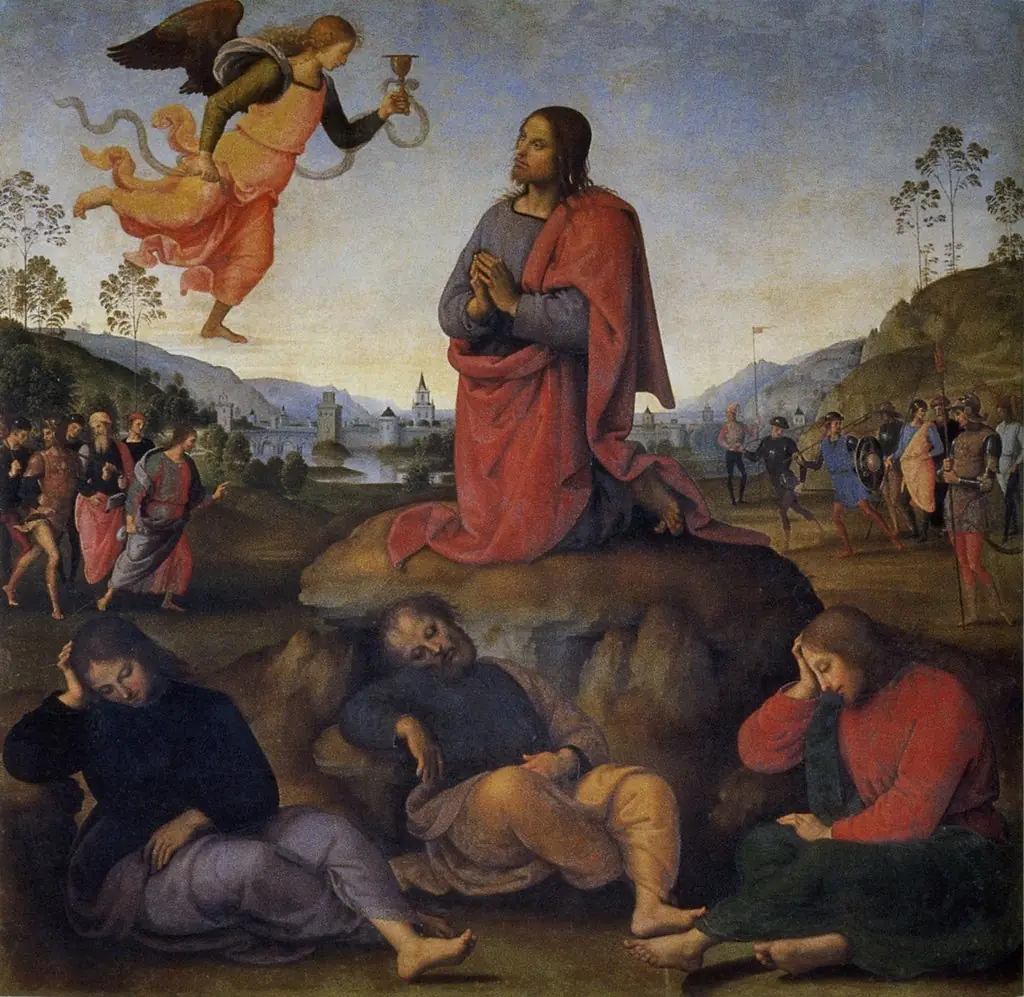
Painted in 1520 by Lucas Cranach the Elder, this oil-on-panel work illustrates the moment Christ prays in Gethsemane before his arrest. The scene is rendered with quiet intensity, focusing on spiritual tension rather than overt drama. It resides today in the Gemäldegalerie Alte Meister in Dresden, part of a broader tradition of Protestant devotional imagery emerging in early 16th-century Germany.
Subject & Meaning
The contrast between Christ’s vigilance and the disciples’ unconsciousness underscores themes of sacrifice, duty, and human failure in the face of divine will.
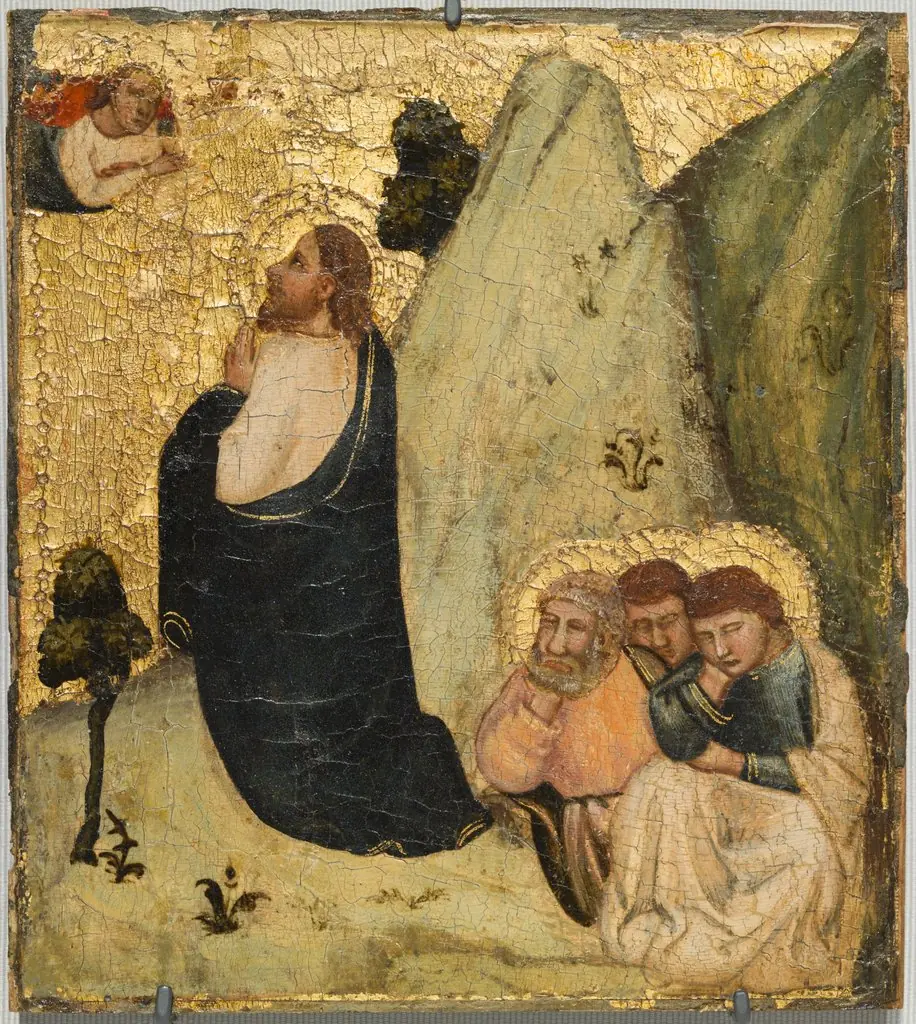
The painting captures Christ in solitary prayer, his hands clasped as he confronts divine fate. Above, an angel presents a cross, a silent harbinger of the crucifixion. The three apostles, sprawled in sleep at his feet, embody human frailty and spiritual neglect. The contrast between Christ’s vigilance and the disciples’ unconsciousness underscores themes of sacrifice, duty, and human failure in the face of divine will.
Technique & Style
Cranach employs chiaroscuro to model form and heighten emotional gravity, using sharp contrasts between shadow and the faint glow around Christ’s head. The figures are rendered with crisp, linear precision, typical of his Northern Renaissance style. The landscape behind is densely detailed yet restrained, with gnarled trees and rocky outcrops framing the scene without overwhelming its spiritual focus.
History & Provenance
Created during Cranach’s tenure as court painter to the Electors of Saxony, the work reflects the religious climate of the Reformation. It likely served private devotion rather than public worship. The painting entered the Dresden collection in the 18th century, where it has remained, preserved as part of the Electors’ growing assemblage of German and Netherlandish art.
Context
In the wake of Luther’s reforms, religious imagery shifted from ornate altarpieces to intimate, narrative scenes for personal meditation. Cranach, a close ally of Luther, produced numerous such works that emphasized scriptural immediacy. This painting aligns with that trend, omitting saints and elaborate symbolism in favor of psychological realism and moral clarity.
Legacy
Though less widely known than Italian Renaissance treatments of the same subject, Cranach’s version influenced later Protestant artists seeking to convey biblical emotion without Catholic iconography. Its restrained composition and psychological depth became a model for devotional art in Lutheran territories, shaping how spiritual struggle was visually articulated in Northern Europe for generations.
Artist & collection
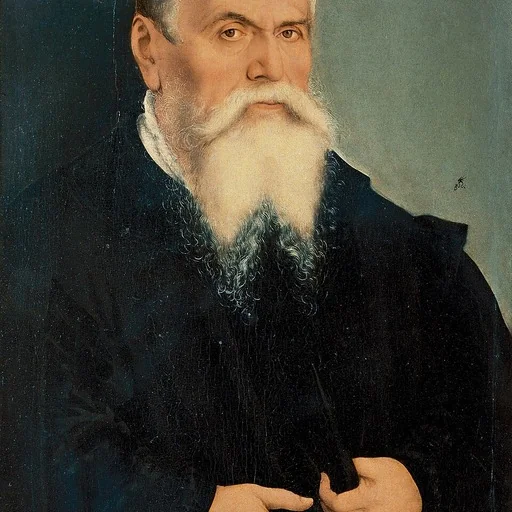
Artist
Lucas Cranach the Elder was a German Renaissance painter and printmaker in woodcut and engraving.