Artwork
Agony in the Garden
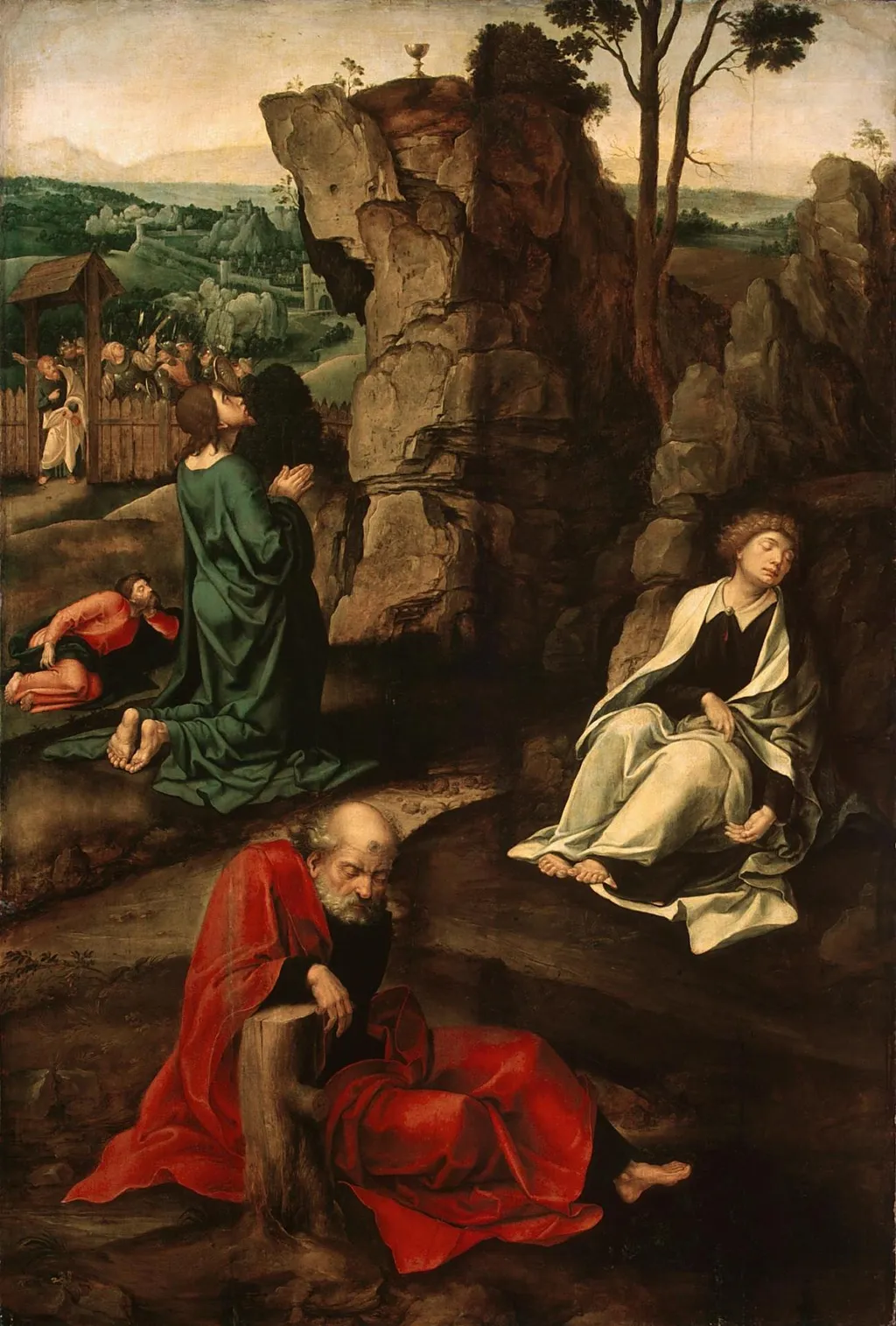
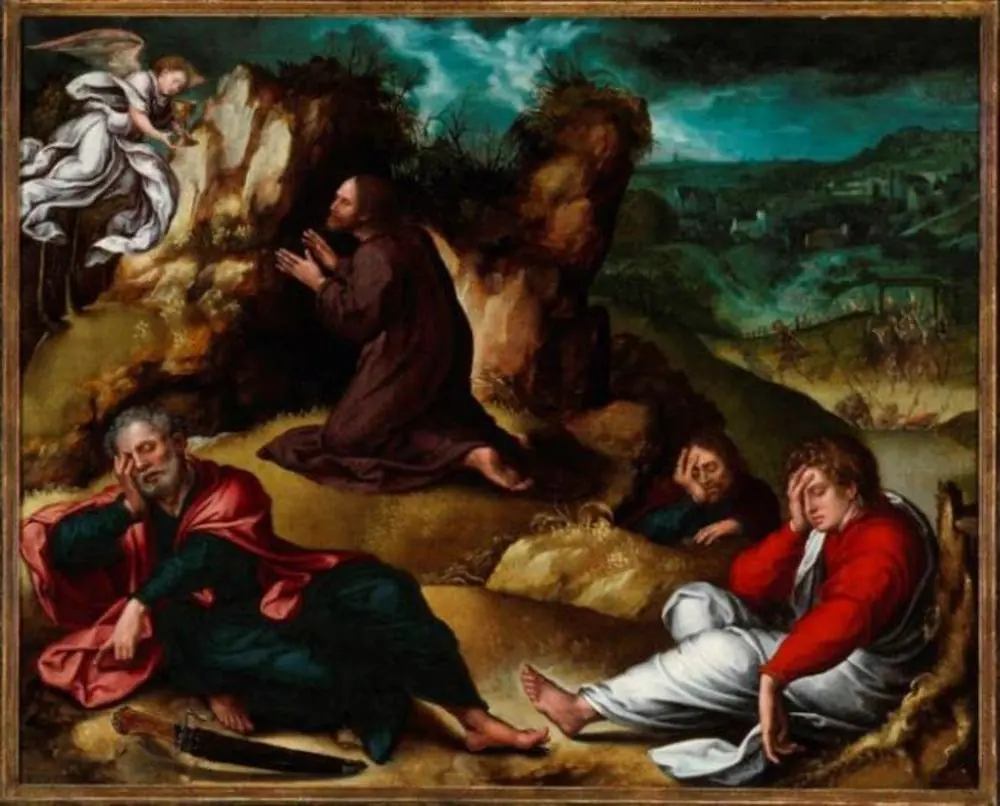
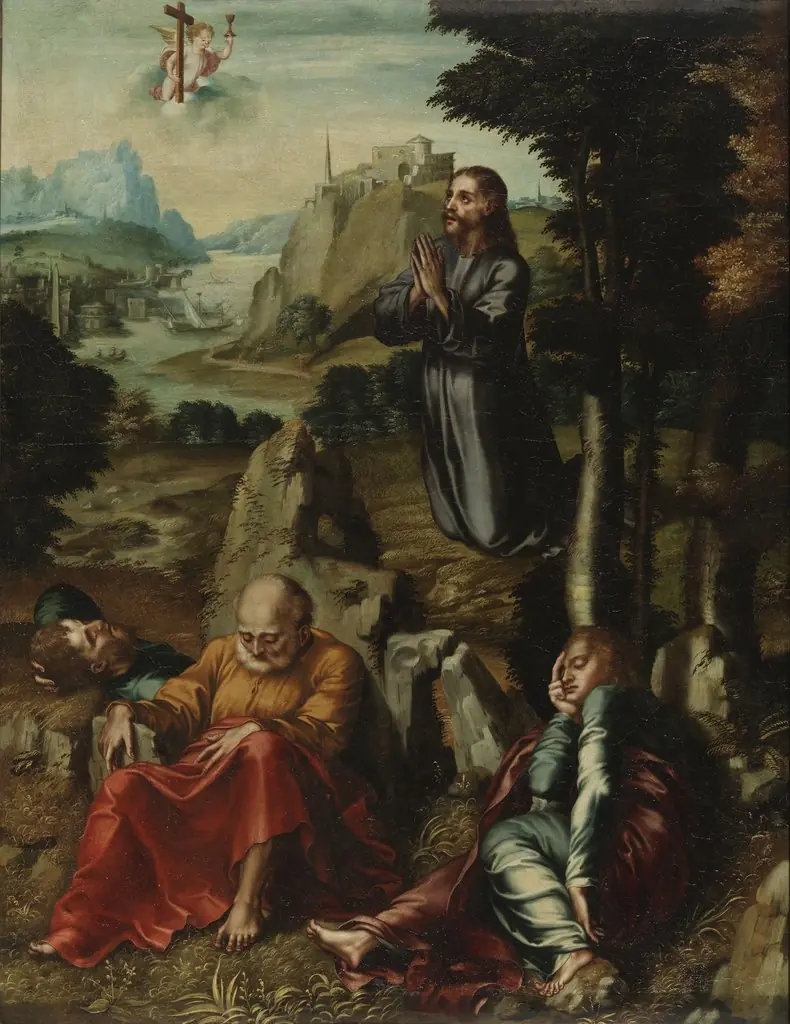
Agony in the Garden is an oil painting by the Northern Renaissance artist Pieter Coecke van Aelst. It dates from 1528 and is held in the collection of the Hermitage Museum.
About this work
Overview
The work presents a muted, rocky setting where several figures are gathered in prayerful poses, while a solitary figure lies prone in the distance.
Pieter Coecke van Aelst’s oil painting Agony in the Garden, executed in 1528, is part of the State Hermitage Museum’s collection. The work presents a muted, rocky setting where several figures are gathered in prayerful poses, while a solitary figure lies prone in the distance. A low fence separates the central group from a crowd beyond, and the horizon opens to gentle hills beneath a cloud‑filled sky, creating a contemplative atmosphere.
Subject & Meaning
The composition illustrates the biblical episode of Christ’s prayer in the Garden of Gethsemane, emphasizing human frailty and spiritual resolve. The three kneeling figures, dressed in vivid red and green robes, suggest disciples or witnesses, while the recumbent figure may represent Christ himself, awaiting his impending sacrifice. The distant crowd behind the fence hints at the approaching soldiers, reinforcing the narrative tension between solitude and looming danger.
Technique & Style
Coecke van Aelst employs chiaroscuro, contrasting illuminated foregrounds with deep shadows to model the figures and give the barren landscape a three‑dimensional presence. The oil medium allows for subtle gradations of tone, especially in the cloudy sky and rolling hills, while the crisp rendering of fabrics and rock surfaces reflects the Northern Renaissance attention to detail and texture.
History & Provenance
Created in the early sixteenth century, the painting entered the Russian imperial collection before being transferred to the State Hermitage Museum, where it remains on display. Documentation traces its ownership through several European collections, illustrating the work’s appeal to connoisseurs of religious art across borders.
Context
The work belongs to a period when Flemish artists frequently depicted New Testament scenes for devotional purposes. Coecke van Aelst, a prolific painter and designer, integrated architectural elements and dramatic lighting typical of the era, aligning his interpretation of the Gethsemane episode with contemporary theological emphasis on personal piety and contemplation.
Own this work as a print
Artist & collection
Artist
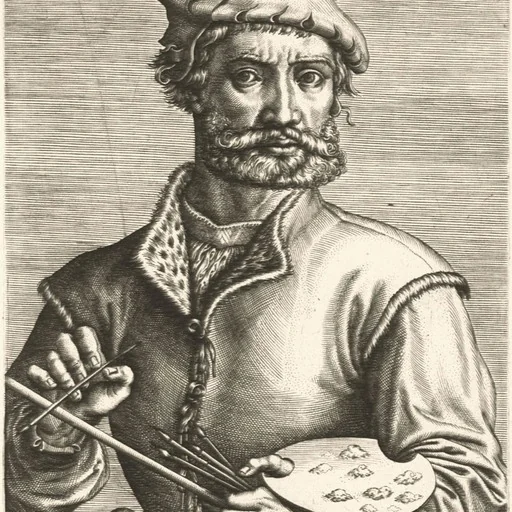
Pieter Coecke van Aelst or Pieter Coecke van Aelst the Elder was a Flemish painter, sculptor, architect, author and designer of woodcuts, goldsmith's work, stained glass and tapestries.

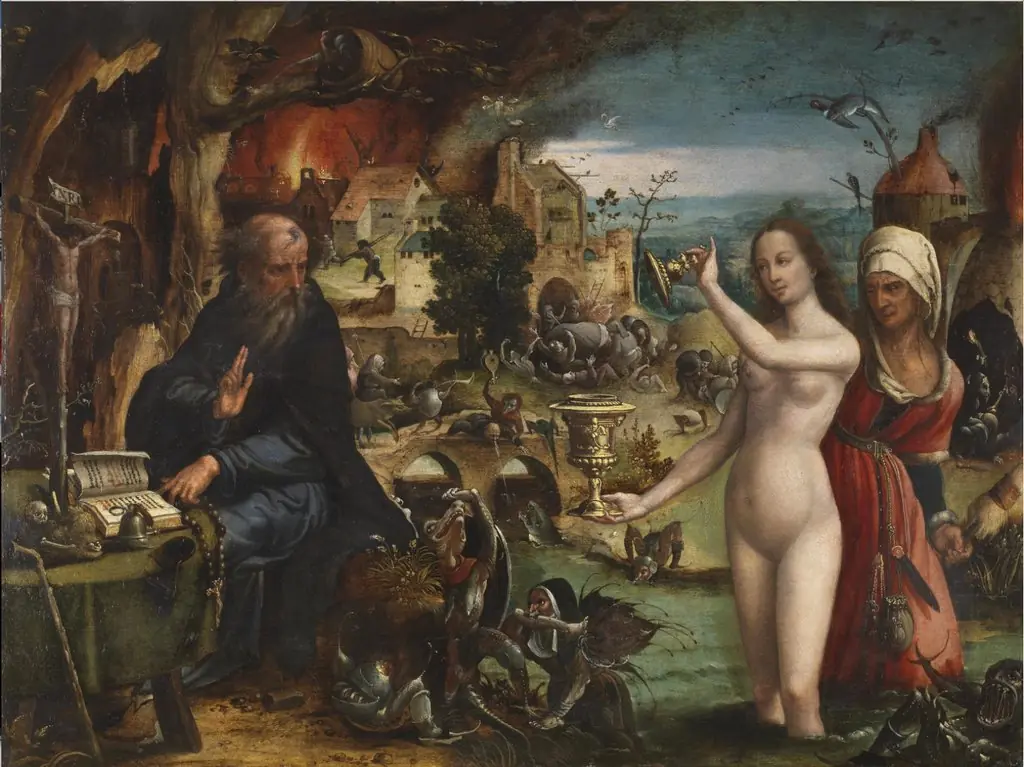 The Temptations of Saint Anthony Abbot
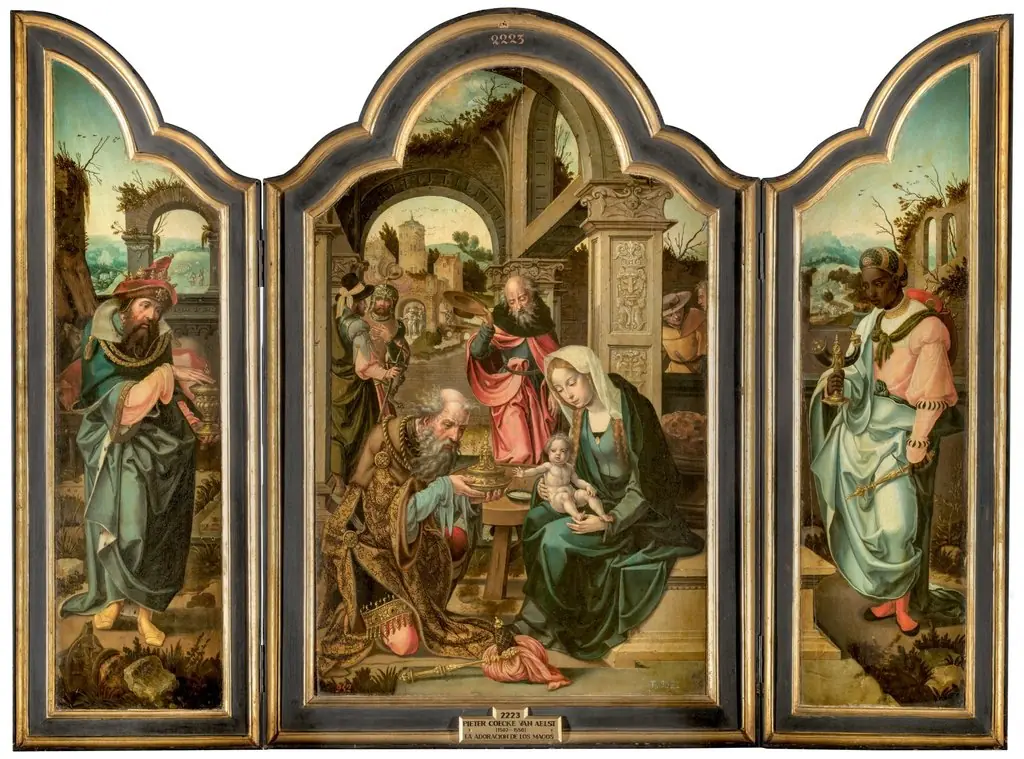 The Adoration of the Magi
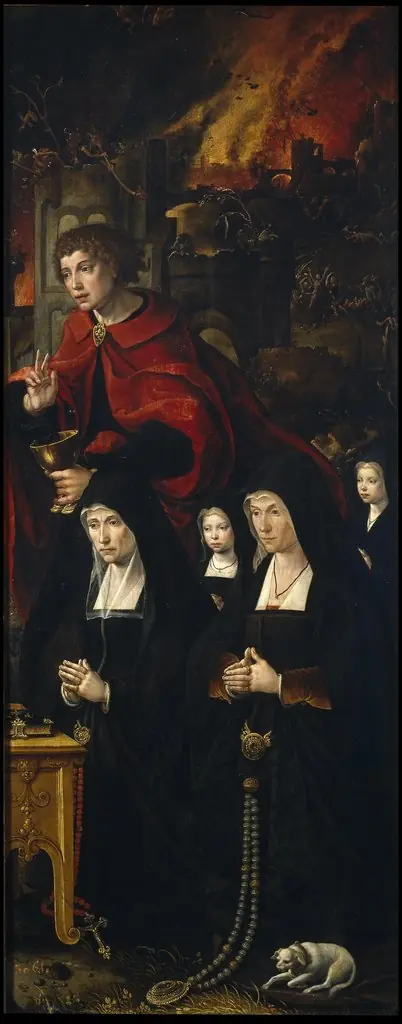 Saint John the Evangelist with Two Ladies and Two Girls (front). Saint Hadrian (reverse)
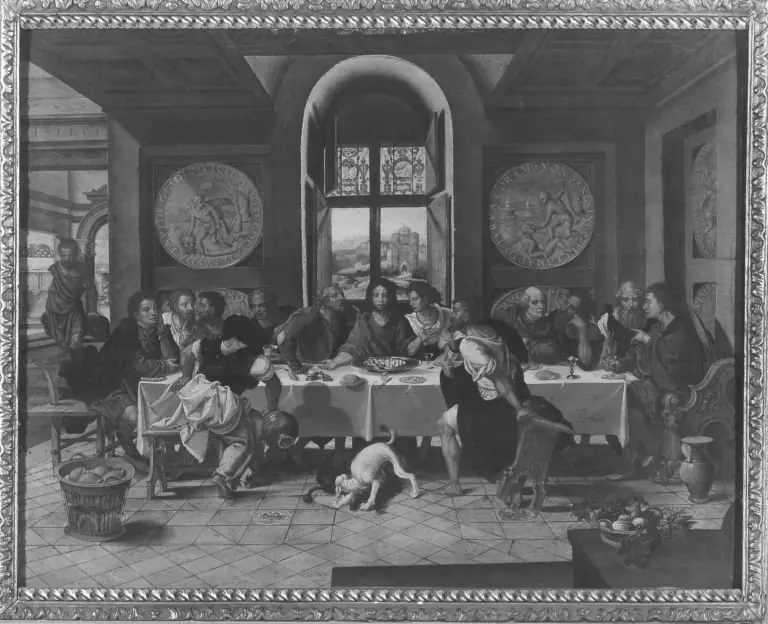 The Last Supper
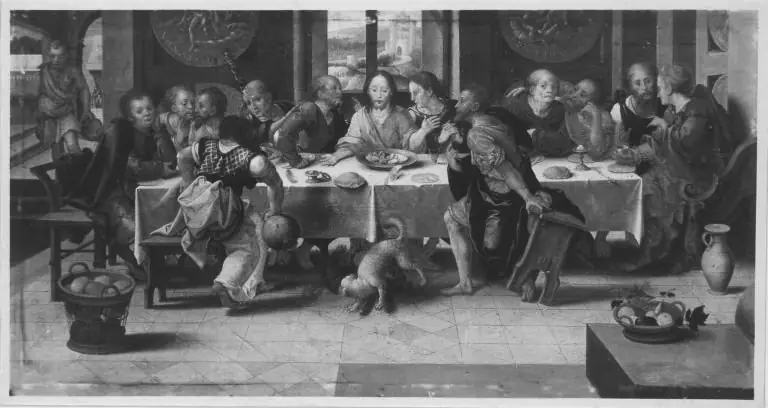 Last Supper
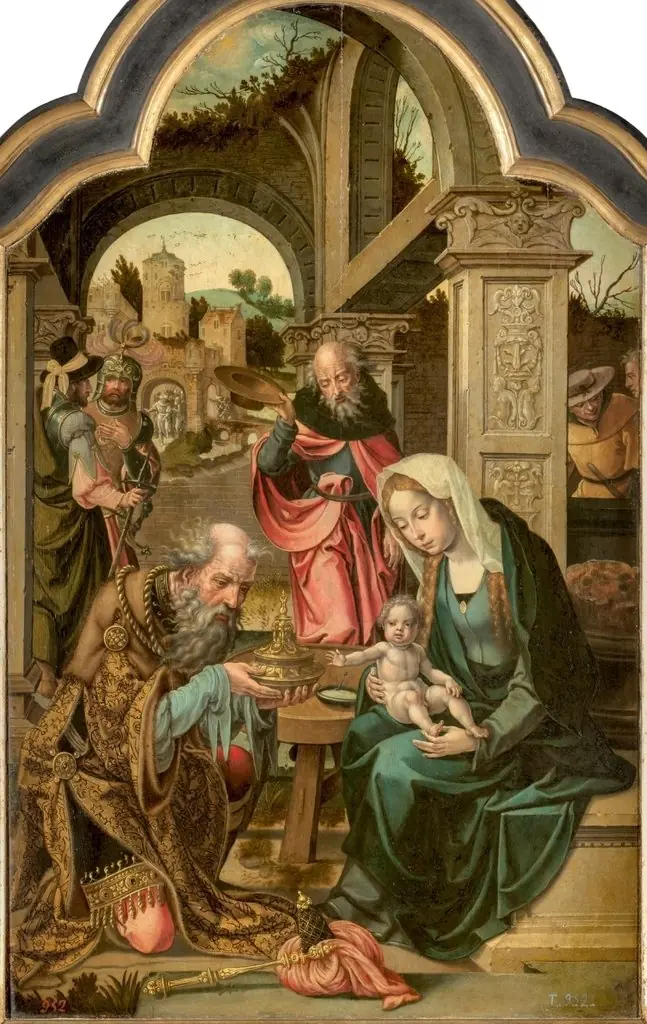 Adoration of the Magi
 Lamentation of Christ (after Raphael)
 Triptych with the Annunciation, the Adoration of the Magi and the Nativity with Angels and Shepherds