Artwork
Flagellation of Christ
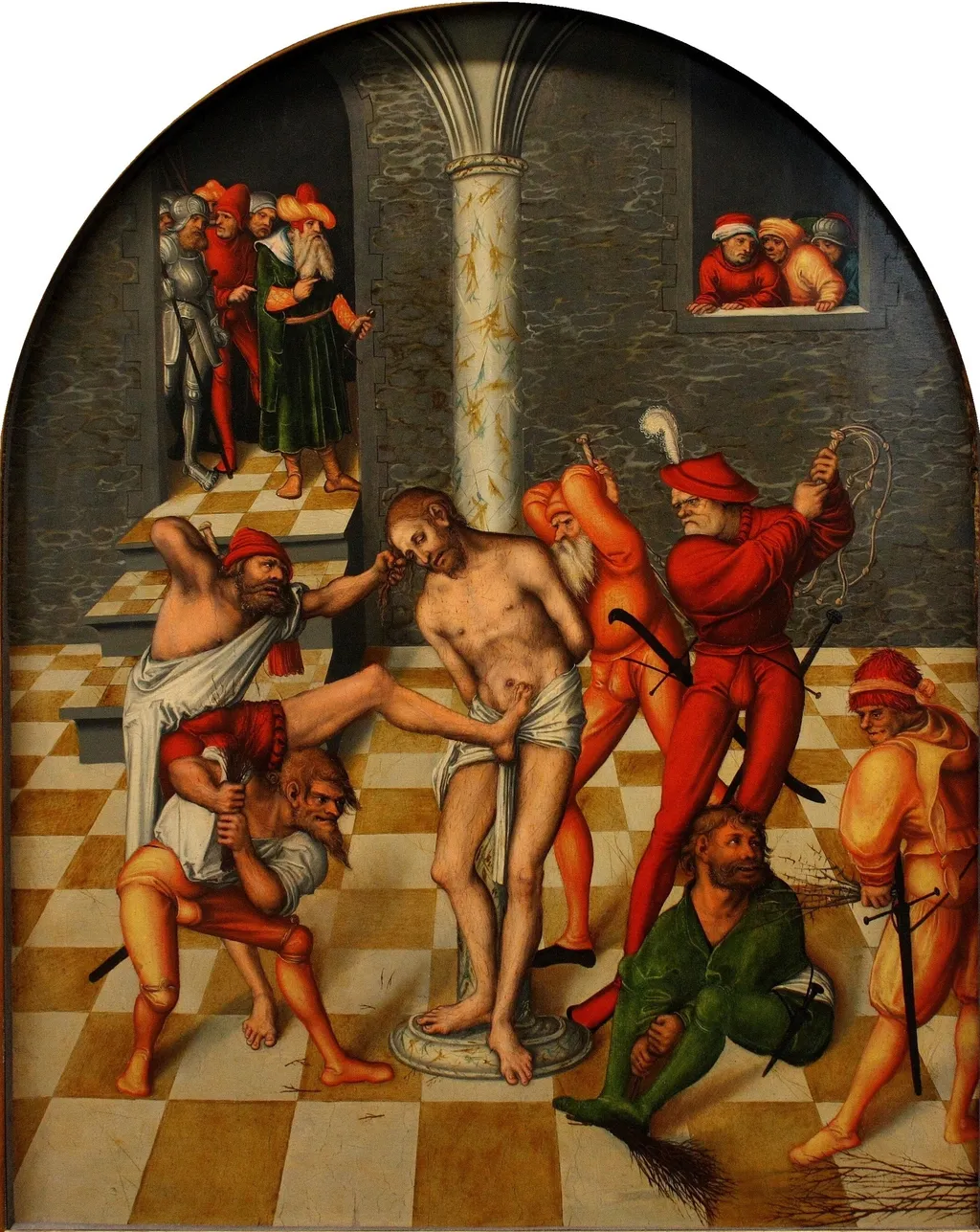
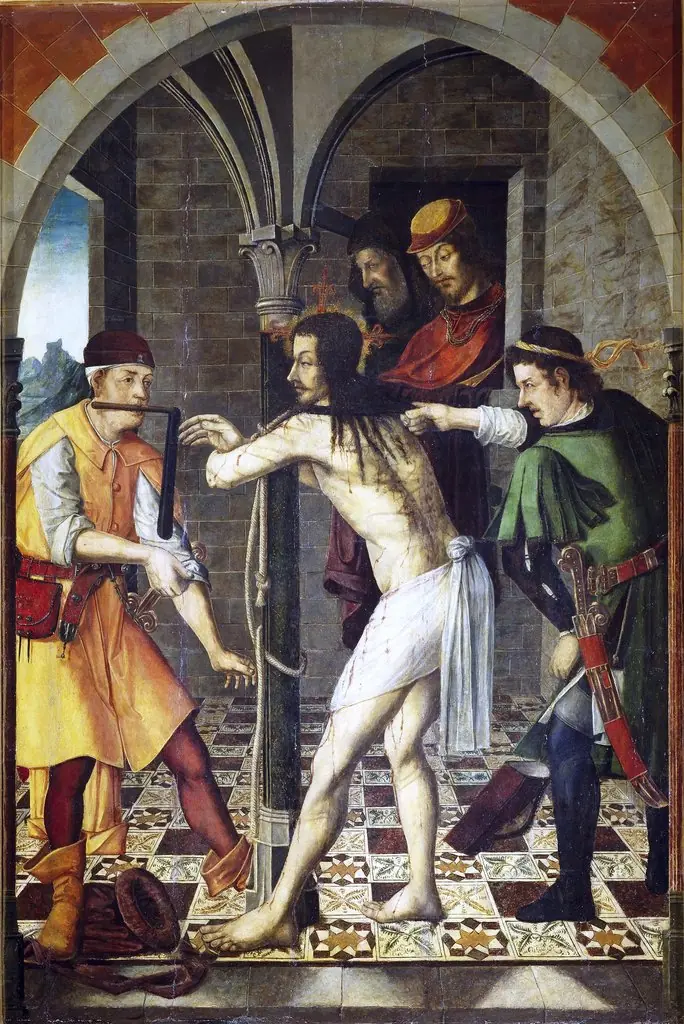
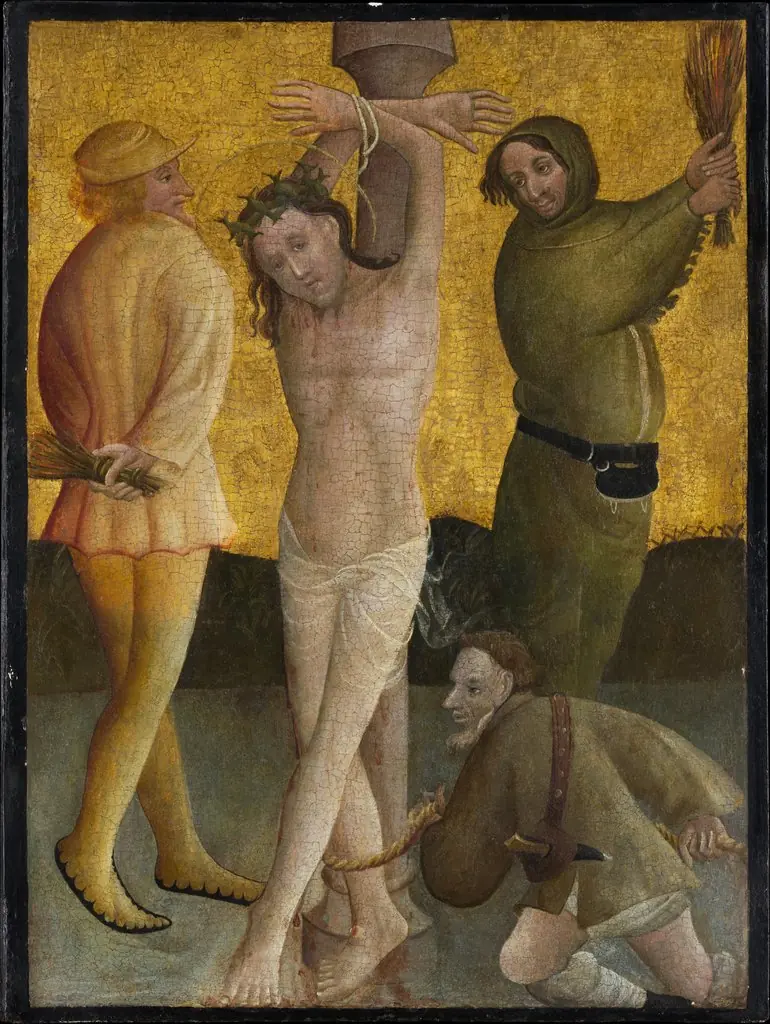
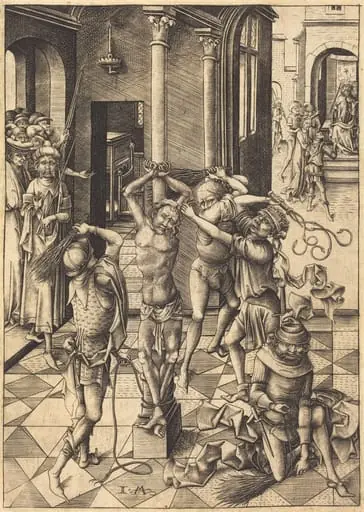
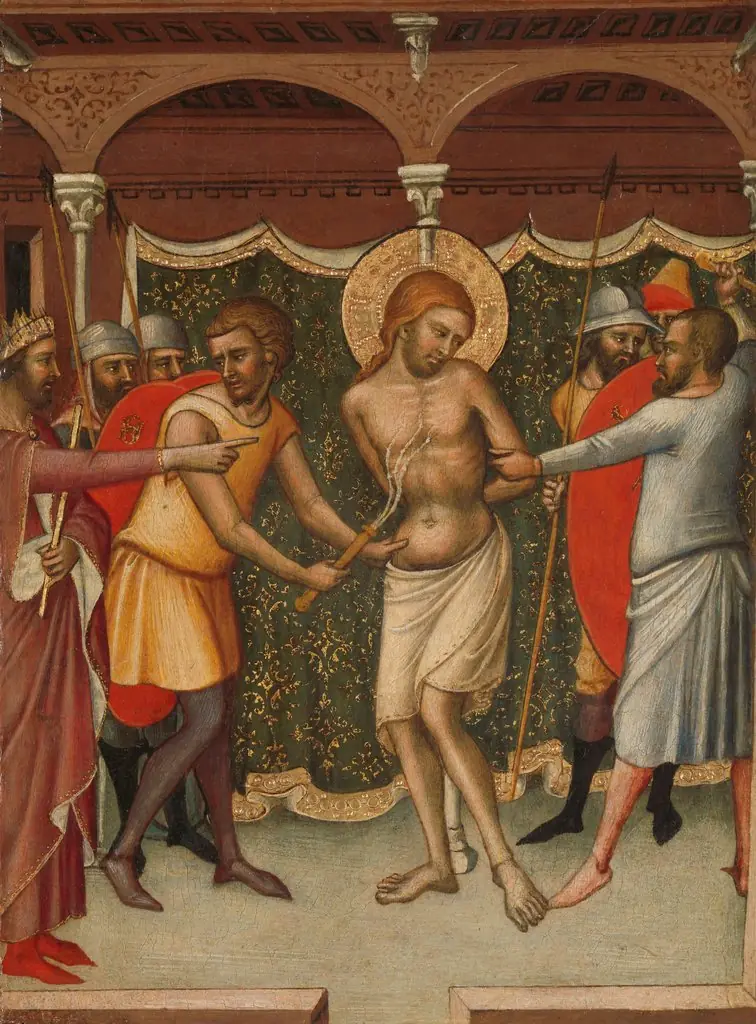
Flagellation of Christ is an unspecified painting by the Northern Renaissance artist Lucas Cranach the Elder. It dates from 1538 and is held in the collection of the Kunsthistorisches Museum.
About this work
Overview
Flagellation of Christ, painted in 1538 by Lucas Cranach the Elder on spruce, is a religious artwork depicting a pivotal moment in Christian narrative. Now housed at the Kunsthistorisches Museum, it showcases the artist's interpretation of a dramatic biblical scene.
Subject & Meaning
The painting illustrates the Flagellation of Jesus Christ, a pre-Crucifixion event where Jesus is whipped. This scene symbolizes the suffering and humiliation of Christ, central to Christian theology. The composition emphasizes the brutality and helplessness of the moment.
Technique & Style
Executed on spruce, the painting features earthy tones juxtaposed with vibrant reds and whites, characteristic of Cranach's use of contrast. The detailed rendering of textures, from stone walls to clothing, highlights the artist's skill in capturing realism within a religious framework.
History & Provenance
Created in 1538, the work is part of Lucas Cranach the Elder's oeuvre, reflecting the religious themes prevalent during his time. It is currently part of the collection at the Kunsthistorisches Museum, though its history prior to acquisition is not detailed here.
Context
Painted during a time of religious upheaval in Europe, the Flagellation of Christ reflects the continued importance of traditional Christian imagery in the early 16th century, despite the onset of the Reformation.
Artist & collection
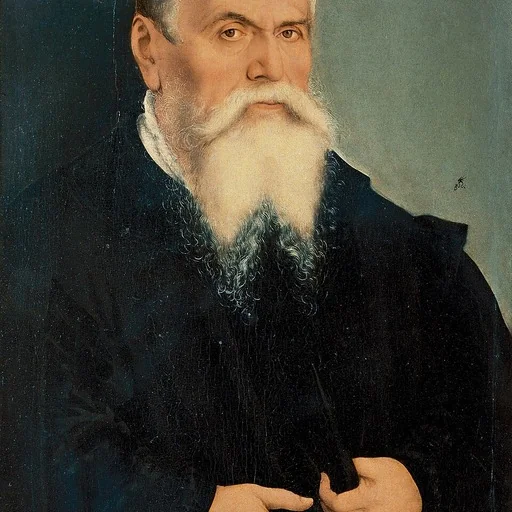
Artist
Lucas Cranach the Elder was a German Renaissance painter and printmaker in woodcut and engraving.