Artwork
Die Geißelung und Dornenkrönung Christi
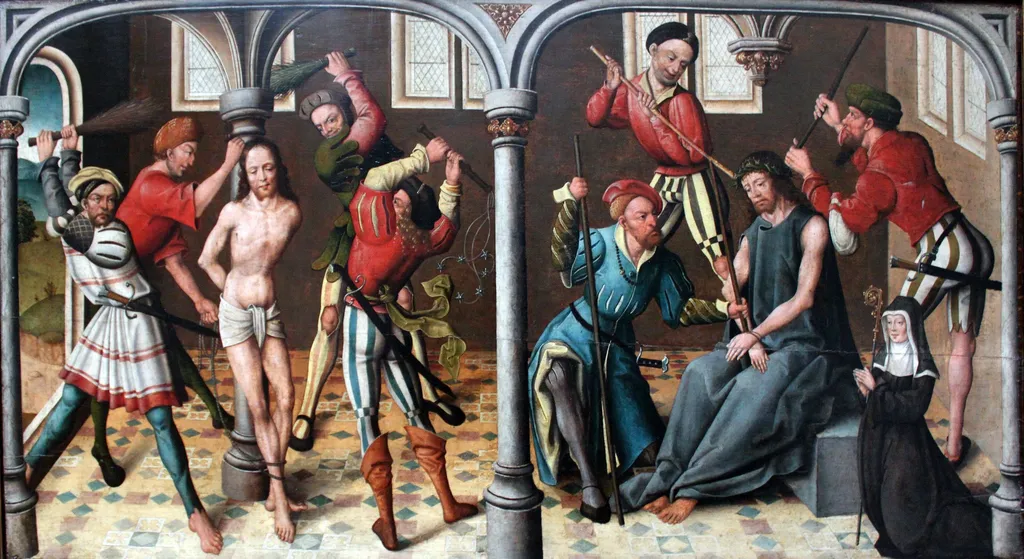
Die Geißelung und Dornenkrönung Christi is a paint painting by the Northern Renaissance artist Jan Baegert. It dates from 1527 and is held in the collection of the Gemäldegalerie Berlin.
About this work
Overview
Painted in 1527 by Jan Baegert, this work depicts the scourging and crowning with thorns of Christ, a moment from the Passion narrative. Executed in oil on panel, it is part of the collection at the Gemäldegalerie in Berlin. The composition centers on physical suffering, rendered with precise detail and restrained color, characteristic of early 16th-century Northern European religious painting.
Subject & Meaning
The scene illustrates two episodes from the trial of Christ: his whipping and the mocking placement of a thorn crown.
The scene illustrates two episodes from the trial of Christ: his whipping and the mocking placement of a thorn crown. Figures surround the bound victim, their gestures conveying brutality and indifference. A nun seated in the background observes silently, perhaps symbolizing the Church’s passive witness. The image serves as a devotional prompt, urging contemplation of Christ’s sacrifice through visceral human suffering.
Technique & Style
Baegert employs fine brushwork to render textures—fabric, skin, stone tiles—with clinical precision. The palette is muted, dominated by earth tones and subdued reds, enhancing the somber mood. Spatial depth is suggested through arched windows and receding architecture, while the figures are arranged in a tight, theatrical grouping that directs focus to the central torment. The style reflects Northern Renaissance attention to detail and emotional gravity.
History & Provenance
The painting was completed in 1527, during Baegert’s active period in the Lower Rhine region. It entered the Gemäldegalerie Berlin’s collection in the 19th century, likely through the acquisition of private ecclesiastical or noble holdings. No significant alterations or restorations are documented, preserving its original condition and surface integrity.
Context
Created during the early Reformation, the painting reflects a devotional tradition still strong in Catholic regions despite rising Protestant critiques of religious imagery. Its focus on Christ’s physical pain aligns with contemporary piety that emphasized empathy through bodily suffering. Comparable works by artists like Matthias Grünewald or the Master of the Life of the Virgin share this intense, narrative-driven approach.
Legacy
Though not widely known outside specialized circles, the painting exemplifies the quiet intensity of regional Northern Renaissance art. It contributes to understanding how religious themes were rendered with psychological realism and restrained drama, distinct from Italianate grandeur. Its preservation allows ongoing study of devotional practices and artistic responses to suffering in early modern Europe.
Artist & collection

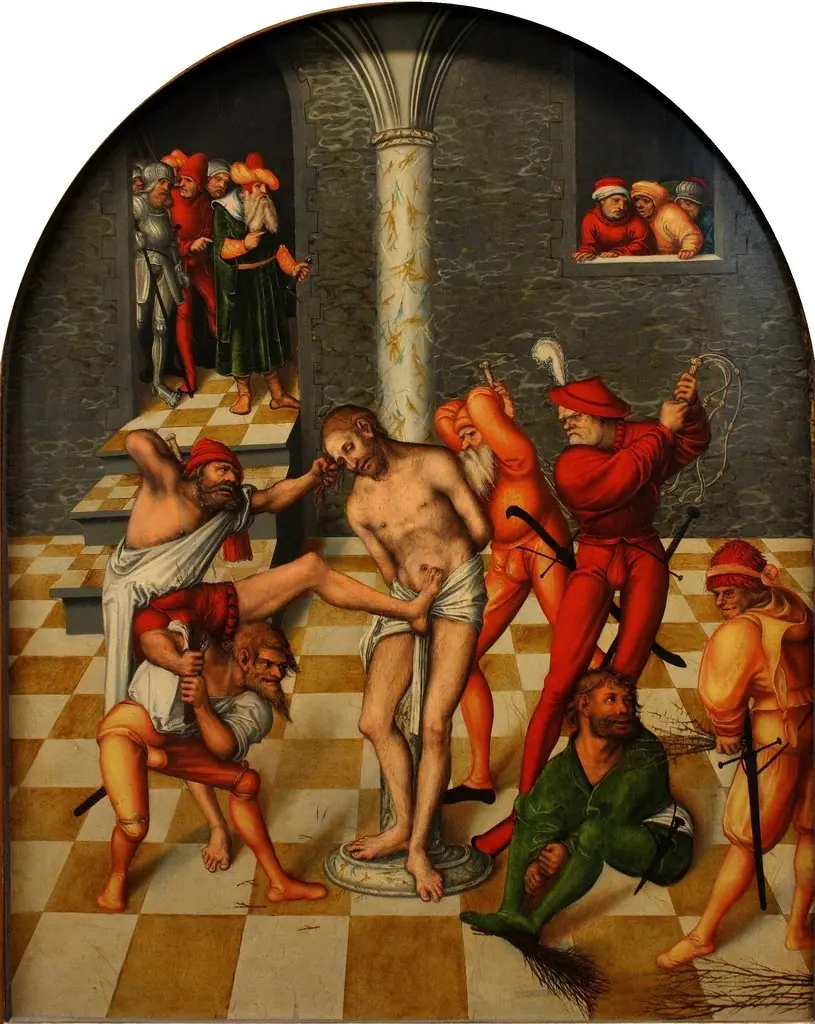 Flagellation of Christ
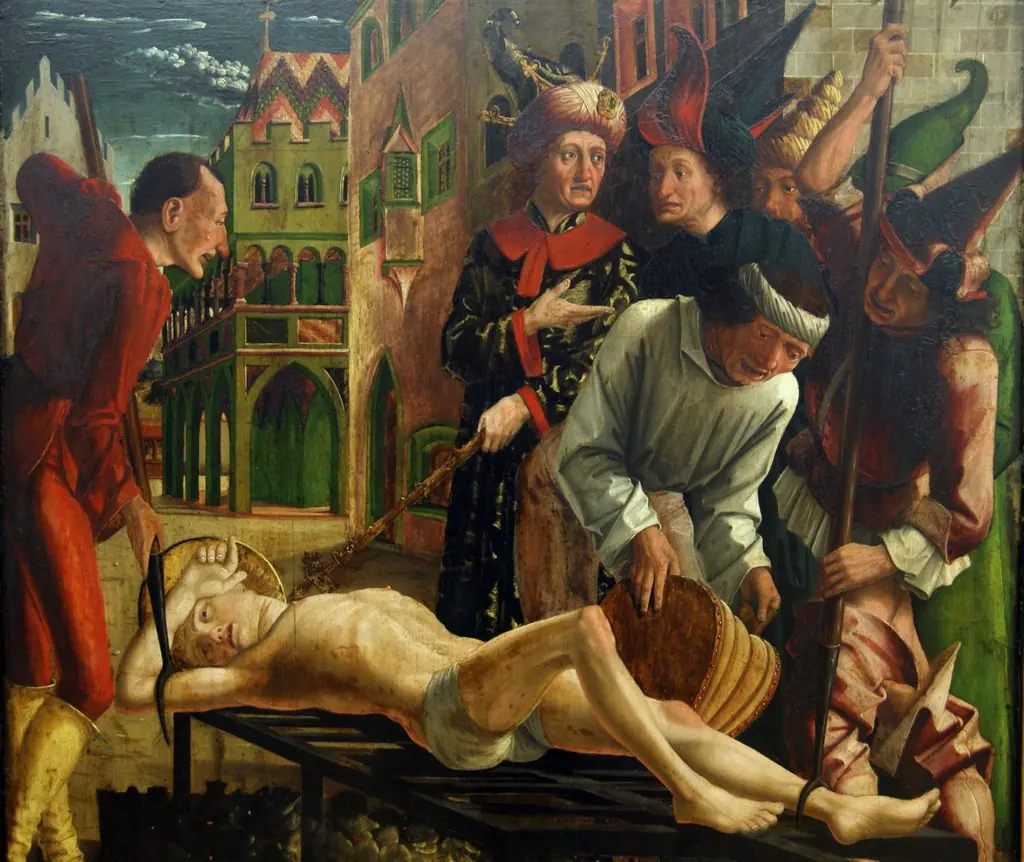 The Martyrdom of St. Lawrence
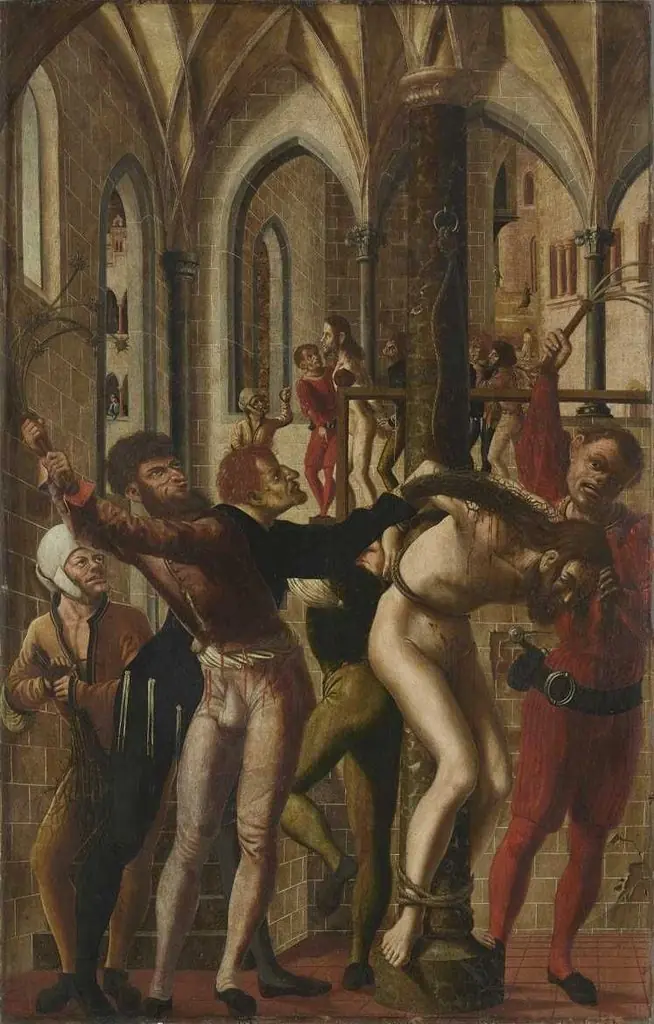 Jakobus-Stephanus-Altar: Geißelung Christi
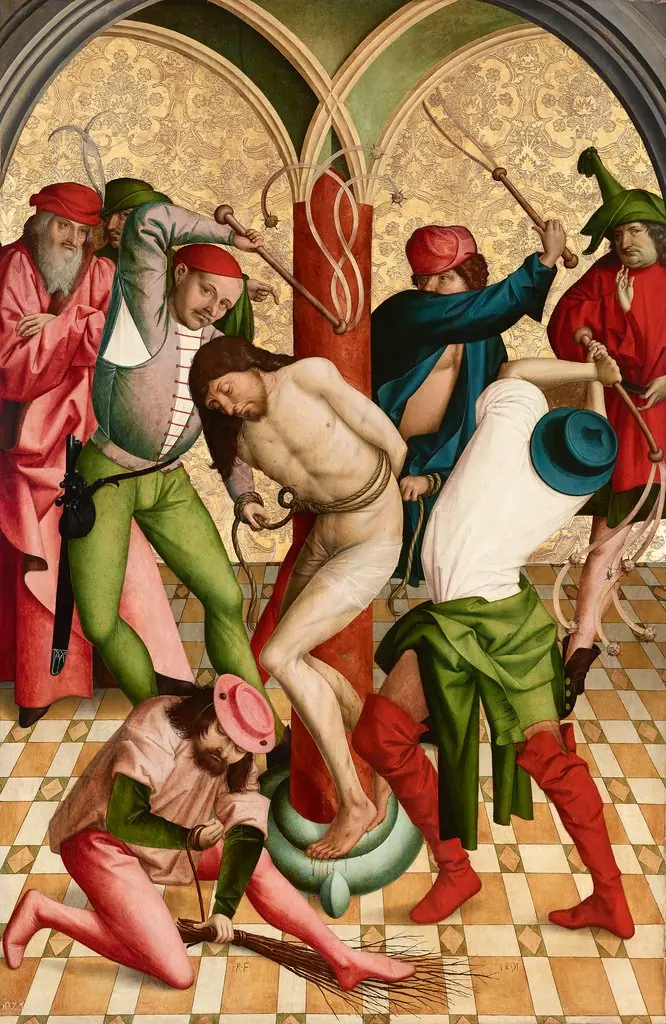 Geißelung Christi
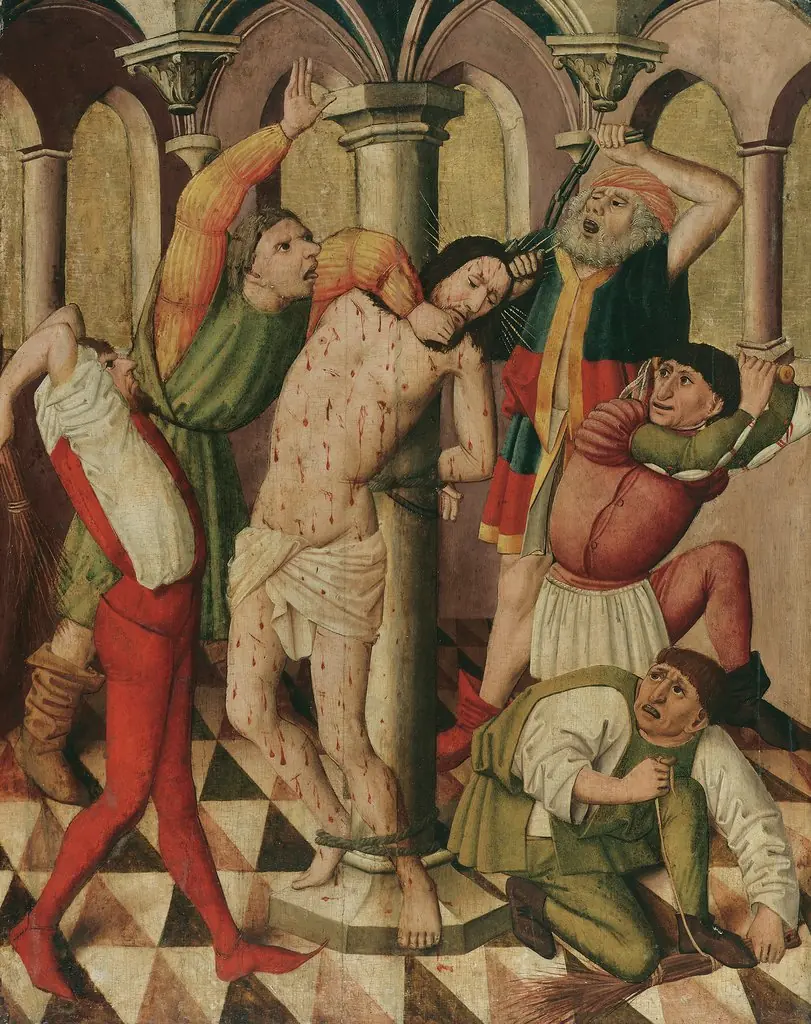 Geißelung Christi
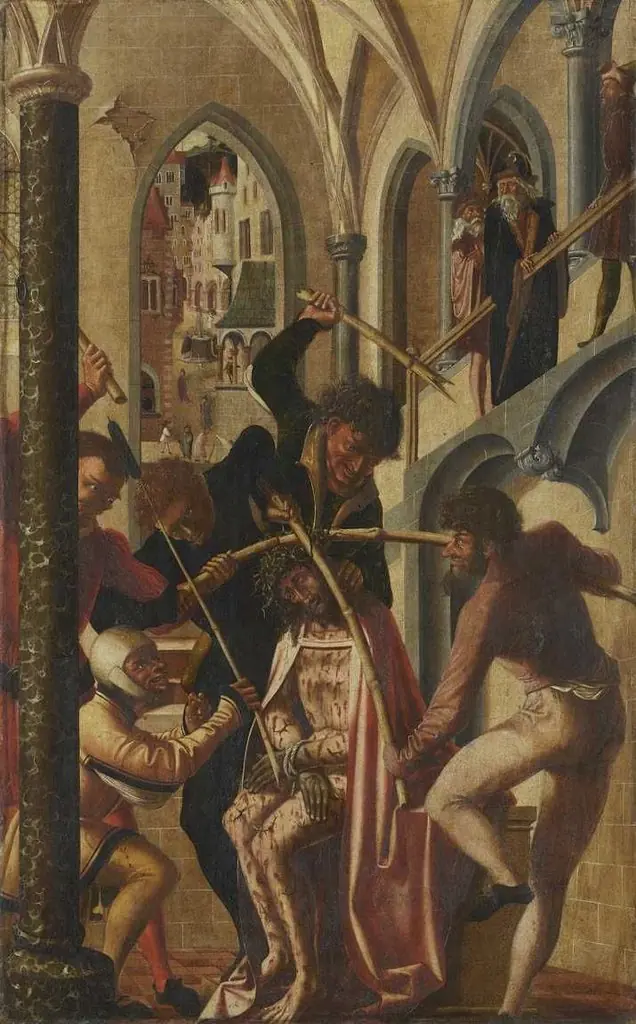 Jakobus-Stephanus-Altar: Dornenkrönung Christi
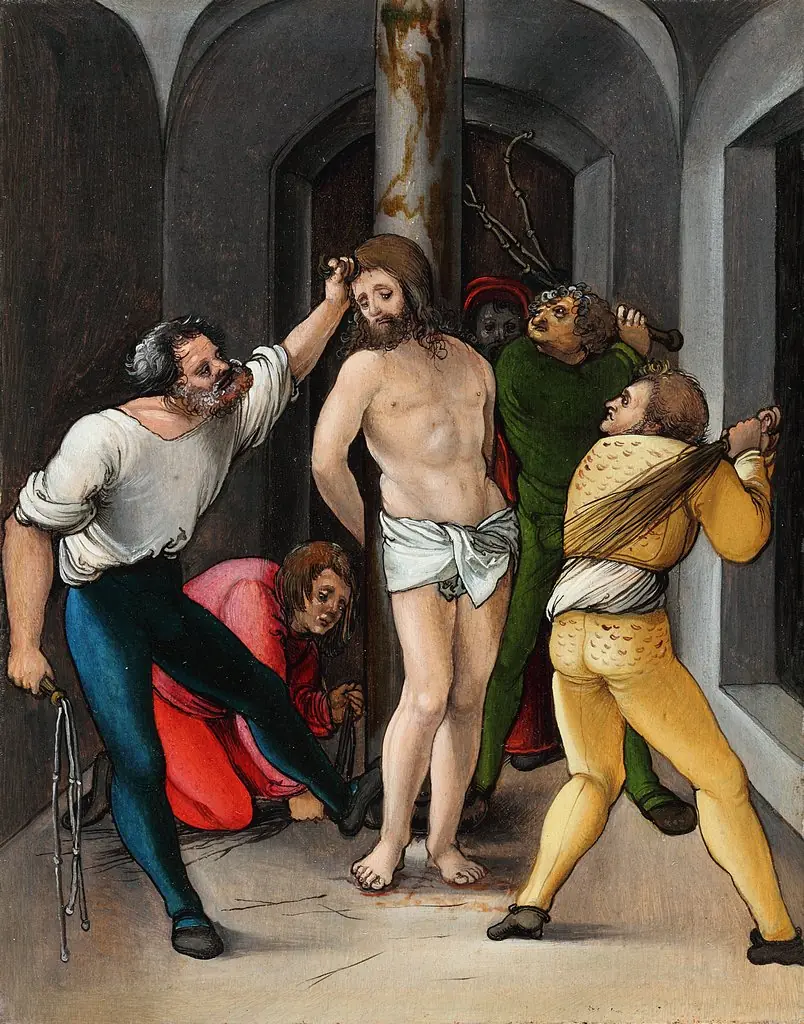 The Flagellation of Christ
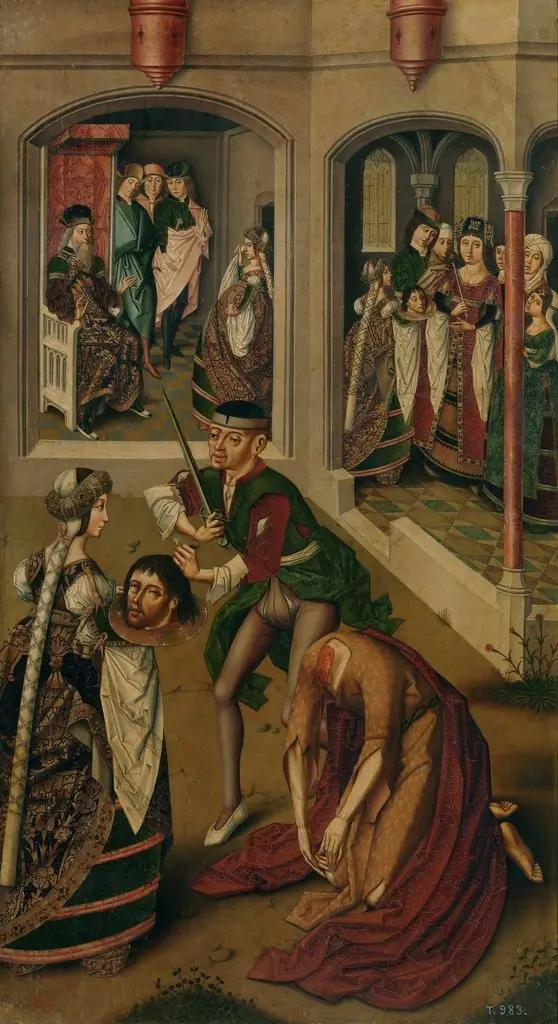 The Beheading of Saint John the Baptist
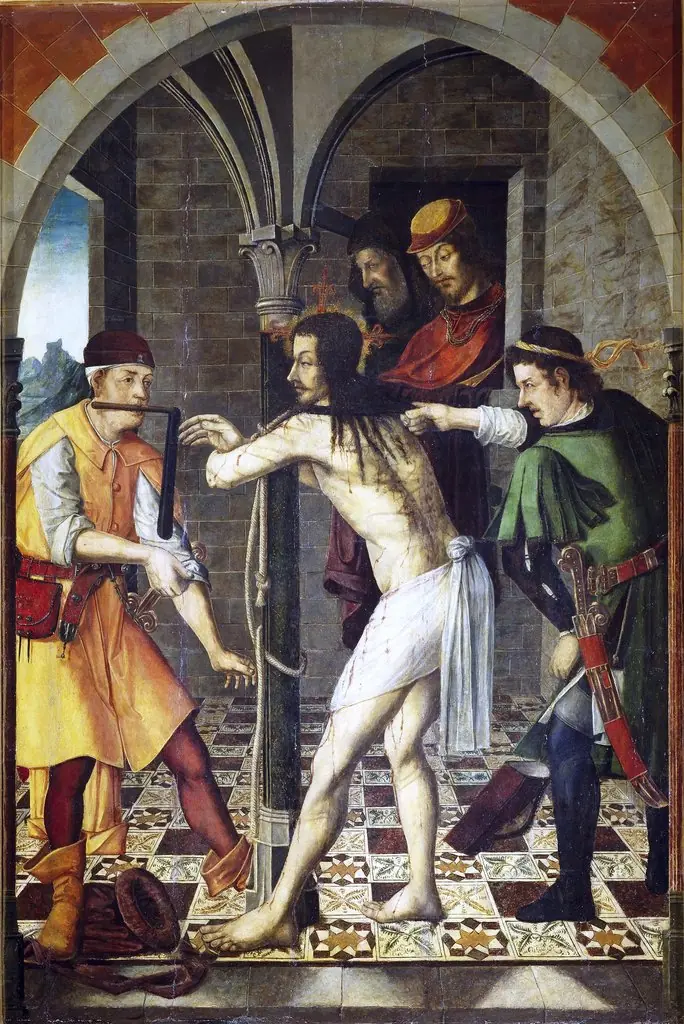 The Flagellation
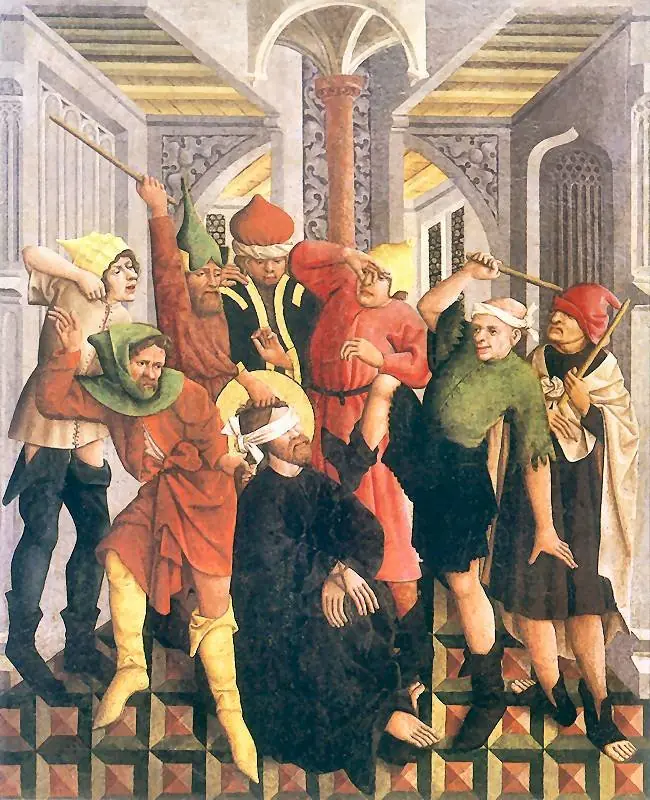 Mocking of Christ (Quarter from Augustinian polyptych)
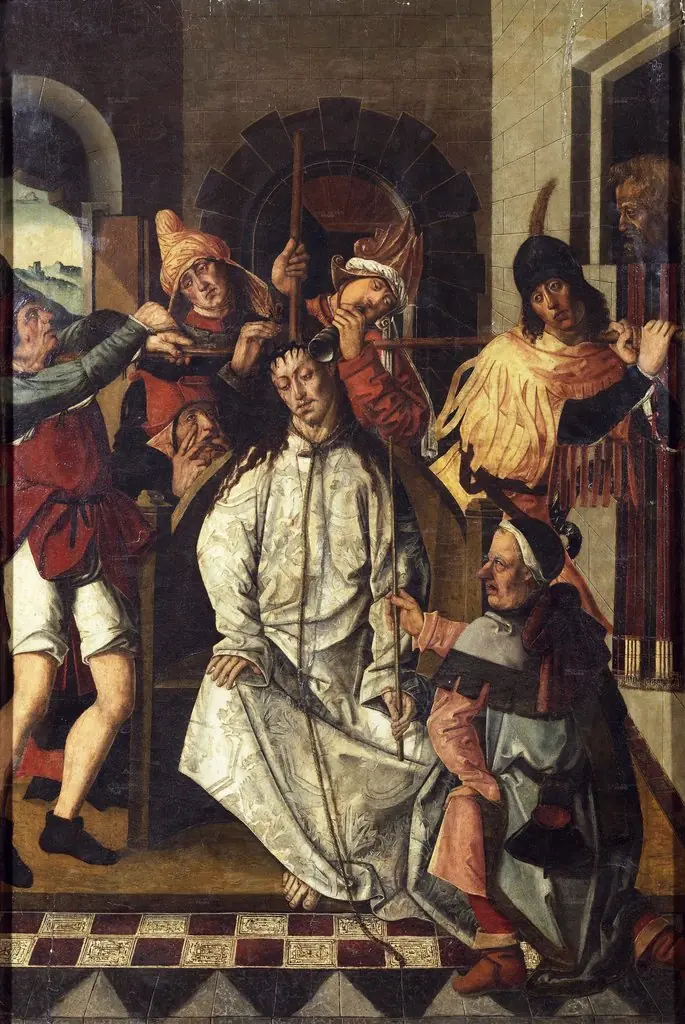 The Crown of Thorns
 The Martyrdom of Saint Sebastian