Artwork
Paradise
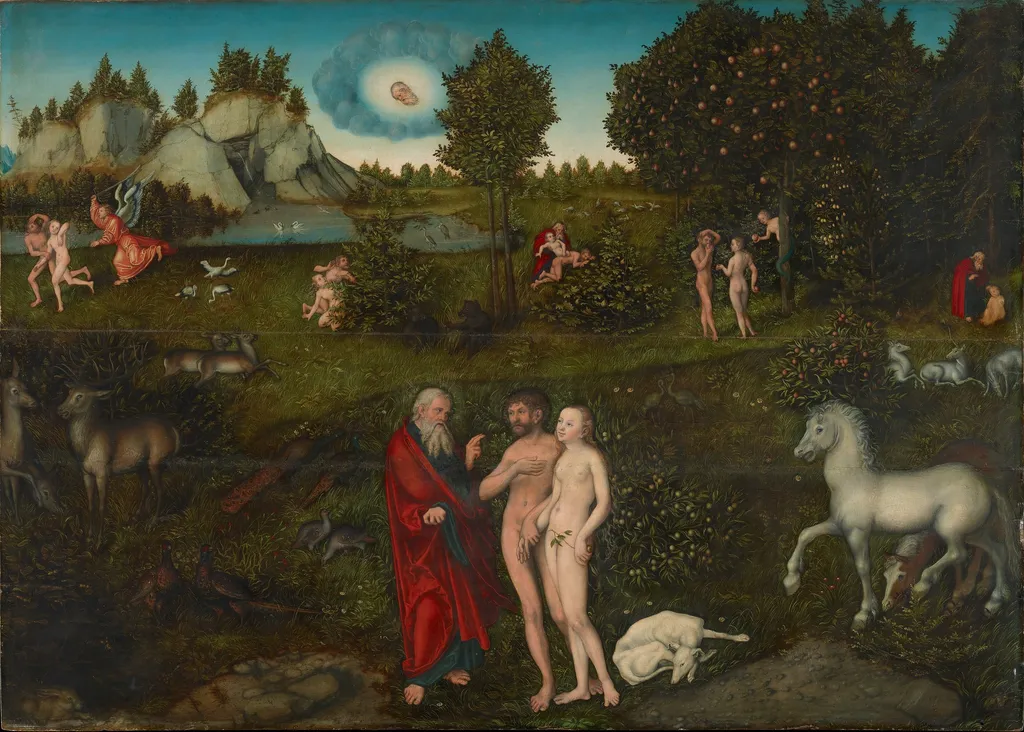
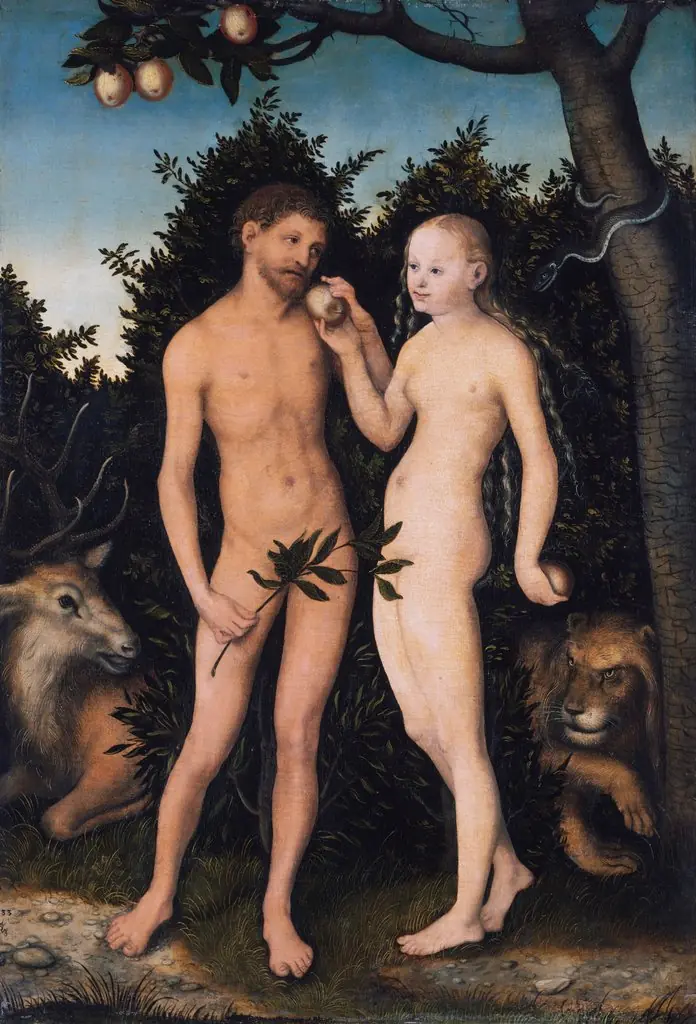
Paradise is an oil painting by the Northern Renaissance artist Lucas Cranach the Elder. It dates from 1530 and is held in the collection of the Kunsthistorisches Museum.
About this work
Overview
Paradise is a 1530 religious oil painting by Lucas Cranach the Elder, currently housed at the Kunsthistorisches Museum.
Subject & Meaning
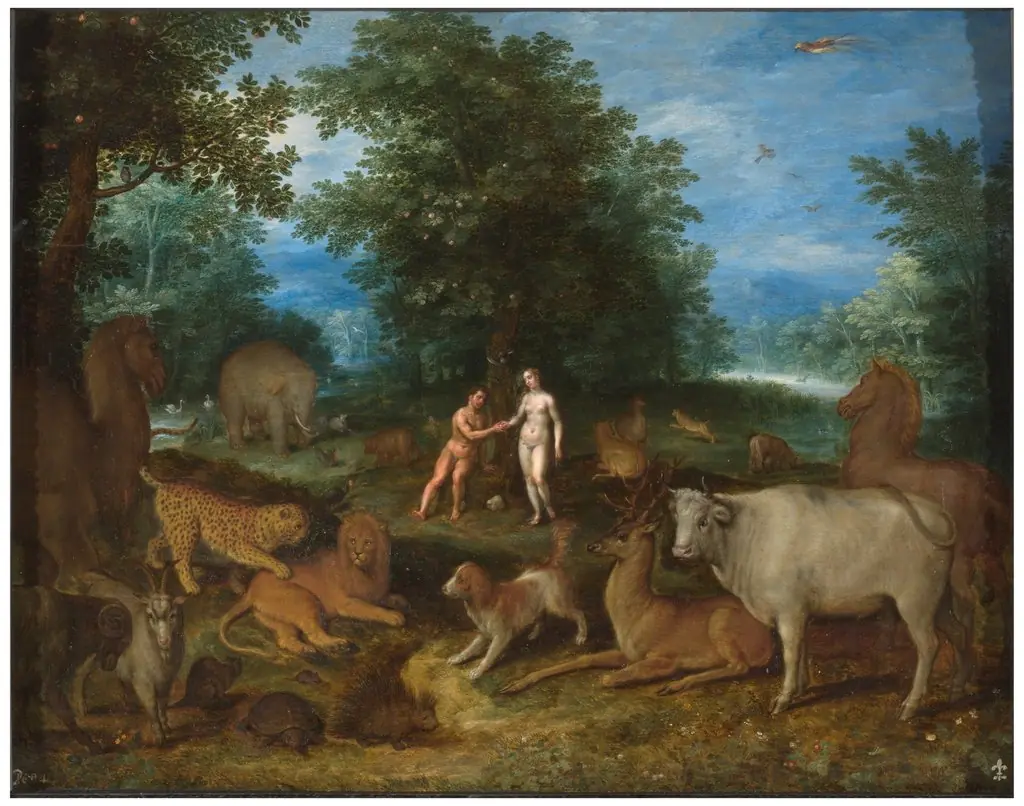
The painting portrays a serene, lush landscape symbolizing paradise, featuring a nude male and female (with the male draped in a red robe) in the foreground, alongside various animals. The scene conveys harmony and serenity, with the female figure holding a branch, and background elements including a fruit-bearing tree and leisurely figures.
Technique & Style
Cranach the Elder employed vibrant colors to create a sense of tranquility. While specific techniques used in 'Paradise' are not detailed here, the artist was known for utilizing chiaroscuro, impasto, and glazing in his works to achieve depth and texture.
History & Provenance
Created in 1530, 'Paradise' is part of the collection at the Kunsthistorisches Museum, though the full provenance history prior to its current location is not provided in the available information.
Context
As a religious work from 1530, 'Paradise' reflects the artistic and theological themes of its time, possibly influenced by the early stages of the Protestant Reformation, given Cranach's associations.
Legacy
While the direct legacy of 'Paradise' in the broader art historical canon is not specified, Lucas Cranach the Elder's overall body of work significantly influenced Northern European Renaissance art.
Own this work as a print
Artist & collection
Artist
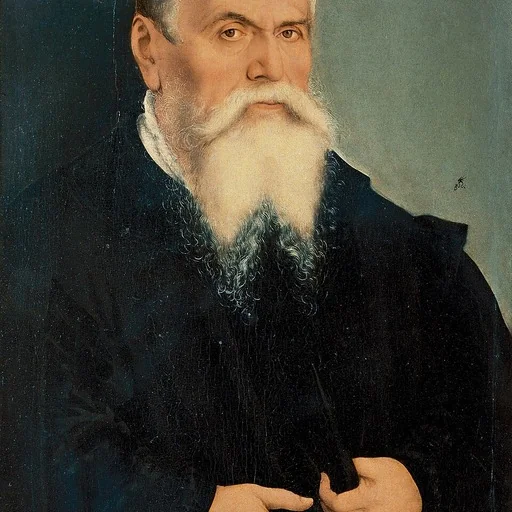
Lucas Cranach the Elder was a German Renaissance painter and printmaker in woodcut and engraving.