Artwork
The Last Judgement
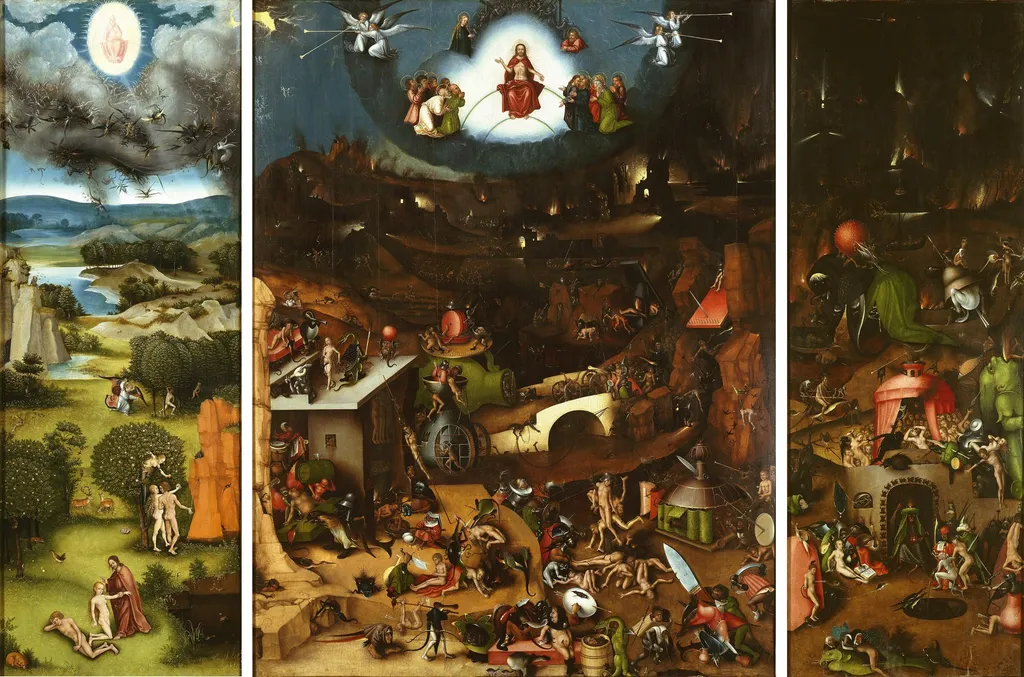
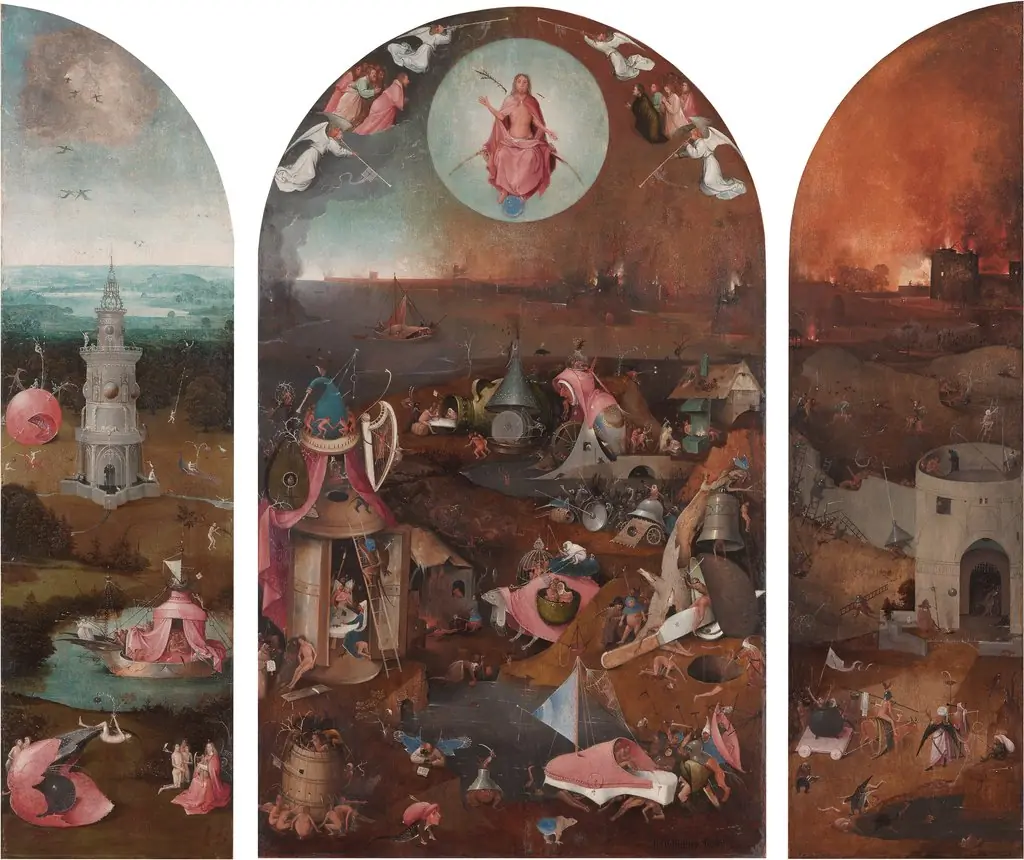
The Last Judgement is a wood painting by the Northern Renaissance artist Lucas Cranach the Elder. It dates from 1524 and is held in the collection of the Gemäldegalerie Berlin.
About this work
Overview
Created in 1524 by Lucas Cranach the Elder, The Last Judgement is a limewood triptych currently held in the Gemäldegalerie, Berlin.
Created in 1524 by Lucas Cranach the Elder, The Last Judgement is a limewood triptych currently held in the Gemäldegalerie, Berlin. The work is structured in three distinct panels, each contributing to a unified narrative of divine judgment. The left and right wings contrast earthly paradise with infernal chaos, while the central panel presents the moment of reckoning, populated by a multitude of figures in varied states of ascent or descent.
Subject & Meaning
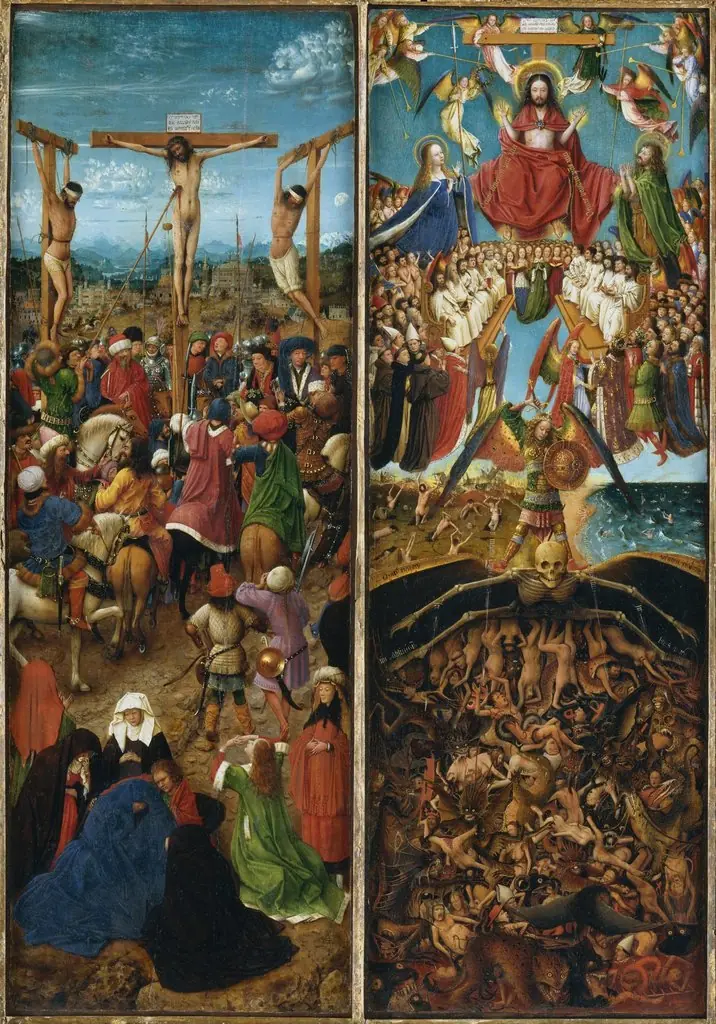
The painting illustrates the Christian doctrine of the Final Judgment, as described in the Book of Revelation. Christ, seated in judgment, separates the saved from the damned. The left panel evokes redemption through calm light and orderly nature; the right, damnation through fire, distortion, and monstrous forms. The central scene captures the emotional rupture of souls facing their eternal fate, reflecting Reformation-era anxieties about salvation and divine justice.
Technique & Style
Cranach employs chiaroscuro to heighten emotional contrast, using sharp transitions between light and shadow to define form and movement. The figures are rendered with elongated proportions and expressive gestures, typical of Northern Renaissance stylization. Limewood’s fine grain allowed for intricate carving and detailed painting, enabling the artist to render textures—from skin to flame—with precision, enhancing the narrative’s visceral impact.
History & Provenance
Commissioned during the early years of the Protestant Reformation, the triptych likely served a devotional or didactic purpose in a Lutheran context. It entered the collection of the Gemäldegalerie Berlin in the 19th century, having passed through private and ecclesiastical hands. Its survival through periods of religious upheaval underscores its significance as both theological statement and artistic artifact of its time.
Context
Painted shortly after Luther’s break with Rome, the work reflects the theological tensions of the Reformation. While retaining traditional iconography, Cranach subtly aligns the imagery with Protestant ideals—emphasizing individual accountability before God rather than intercession by saints. The absence of papal figures and the focus on personal judgment mirror reformist critiques of Catholic ritual and authority.
Legacy
The Last Judgement stands as one of Cranach’s most ambitious religious works, influencing later Northern artists in their treatment of apocalyptic themes. Its synthesis of Lutheran theology with expressive visual language helped shape Protestant visual culture. Though not widely copied, its compositional structure and emotional intensity remained a reference point for religious art in German-speaking regions throughout the 16th century.
Own this work as a print
Artist & collection
Artist
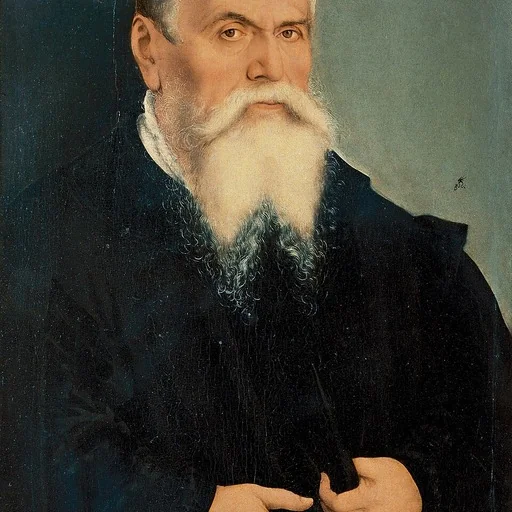
Lucas Cranach the Elder was a German Renaissance painter and printmaker in woodcut and engraving.


![The Raising of the Cross [center, left, and right panels], by Master of the Starck Triptych](https://artifactworldgallery.com/img/master-of-the-starck-triptych--the-raising-of-the-cross-center-left-and-right-panels--5f0053e23b45aff7-w320.webp)