Artwork
The Temptations of St. Anthony
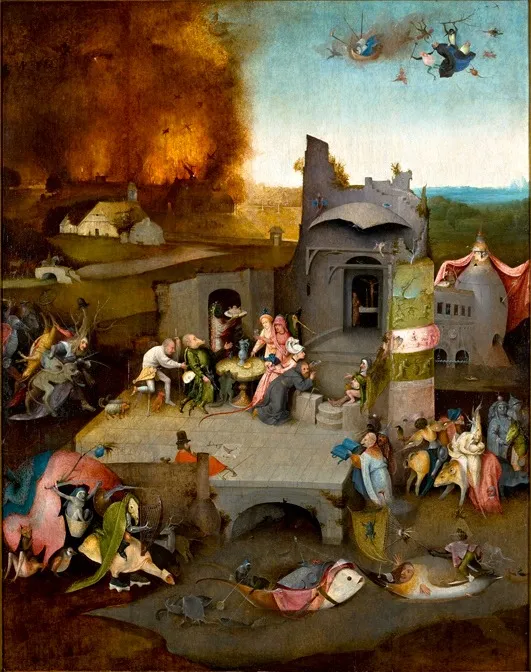
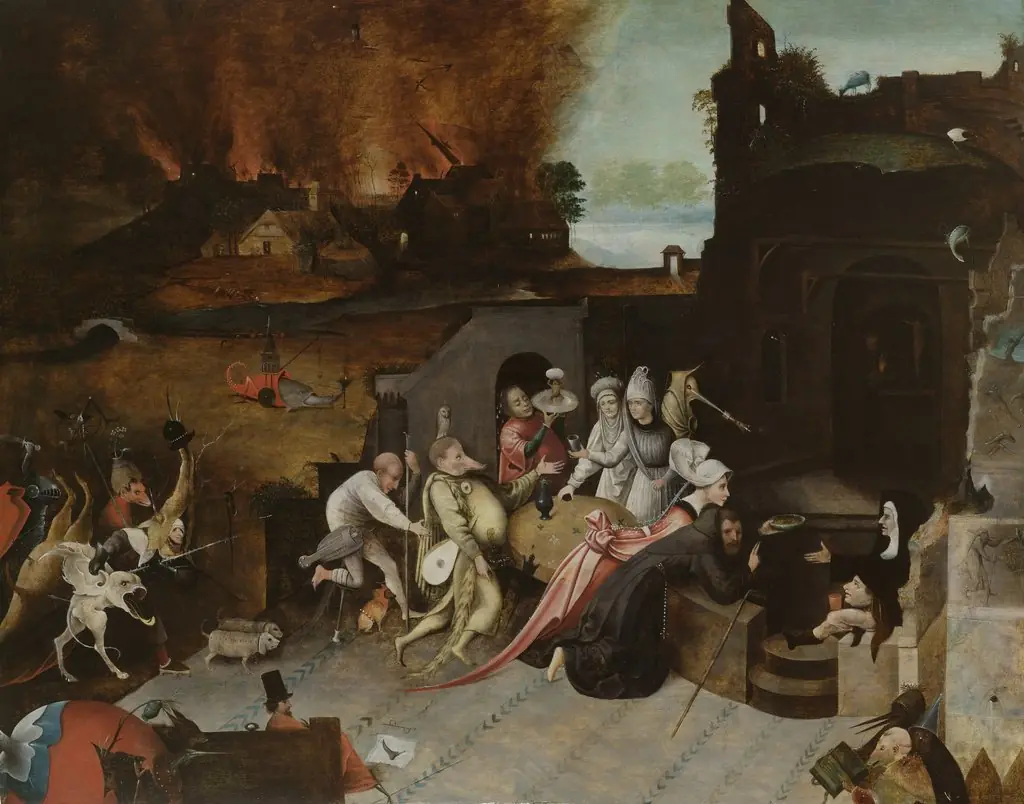
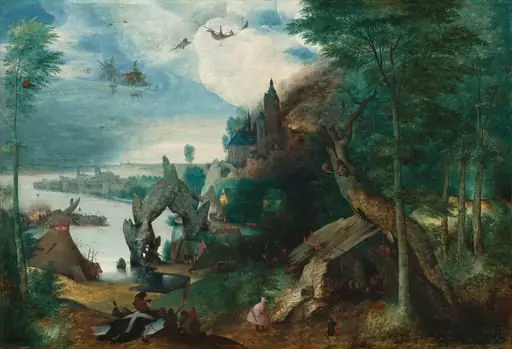
The Temptations of St. Anthony is an oil painting by the High Renaissance artist Hieronymus Bosch. It dates from 1500 and is held in the collection of the São Paulo Museum of Art.
About this work
Overview
Bosch, active in the Dutch region of Brabant, was known for intricate, symbolic compositions that blended religious themes with surreal imagery.
Painted around 1500 by Hieronymus Bosch, this oil-on-oak panel depicts the spiritual trials of Saint Anthony the Great. Bosch, active in the Dutch region of Brabant, was known for intricate, symbolic compositions that blended religious themes with surreal imagery. The work reflects the visual language of Early Netherlandish painting, though its imaginative scope transcends regional conventions of the time.
Subject & Meaning
The painting illustrates the hermit saint’s confrontation with demonic temptations, drawn from medieval hagiography. Figures—hybrid creatures, distorted humans, and surreal objects—surround Anthony, representing moral and spiritual trials. The central structure may symbolize a monastery or a fortress of faith under siege. Bosch’s intent was not mere horror, but a meditation on human vulnerability to vice and the endurance of piety.
Technique & Style
Bosch employed oil paint to build layered textures and luminous detail across the oak panel. His brushwork captures both delicate surfaces—like fabric and skin—and grotesque, otherworldly forms with equal precision. The vivid palette enhances the unsettling atmosphere, while the dense composition fills every space, guiding the viewer’s eye through a labyrinth of symbolic vignettes without a clear focal point.
History & Provenance
The painting entered the collection of the São Paulo Museum of Art in the 20th century, having passed through private hands in Europe. Earlier records suggest it was owned by Spanish and Austrian collectors, reflecting Bosch’s international reputation during the 16th century. Its survival through centuries of religious upheaval underscores its enduring, if enigmatic, appeal among patrons of sacred and fantastical art.
Context
Created during the transition from Late Medieval to Renaissance Europe, the work resists classical ideals of harmony, instead embracing the moral anxieties of its time. Bosch’s imagery aligns with popular sermons on sin and salvation, yet his inventions far exceed conventional iconography. His vision resonated with audiences familiar with allegorical literature and the growing fascination with the occult and the supernatural.
Legacy
Bosch’s depiction of spiritual torment influenced later artists exploring psychological and surreal themes. Though his style was considered eccentric in his own era, it gained renewed attention in the 19th and 20th centuries as modernism reevaluated symbolic and irrational imagery. The painting remains a key example of how Northern Renaissance art could convey complex inner states through visual metaphor.
Artist & collection
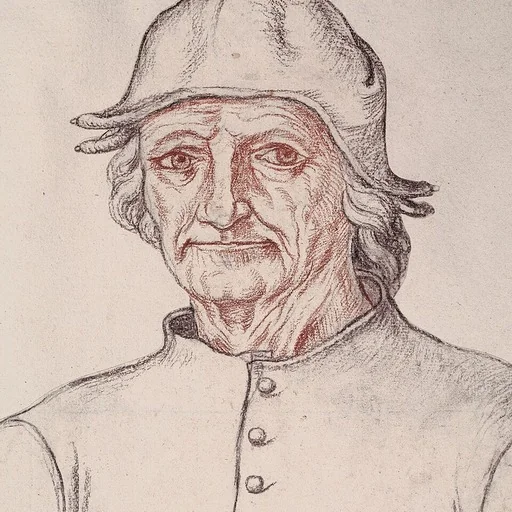
Artist
Hieronymus Bosch (; Dutch: ; born Jheronimus van Aken ; c. 1450 – 9 August 1516) was a Dutch painter from Brabant. He is one of the most notable representatives of the Early Netherlandish painting school. His work,…

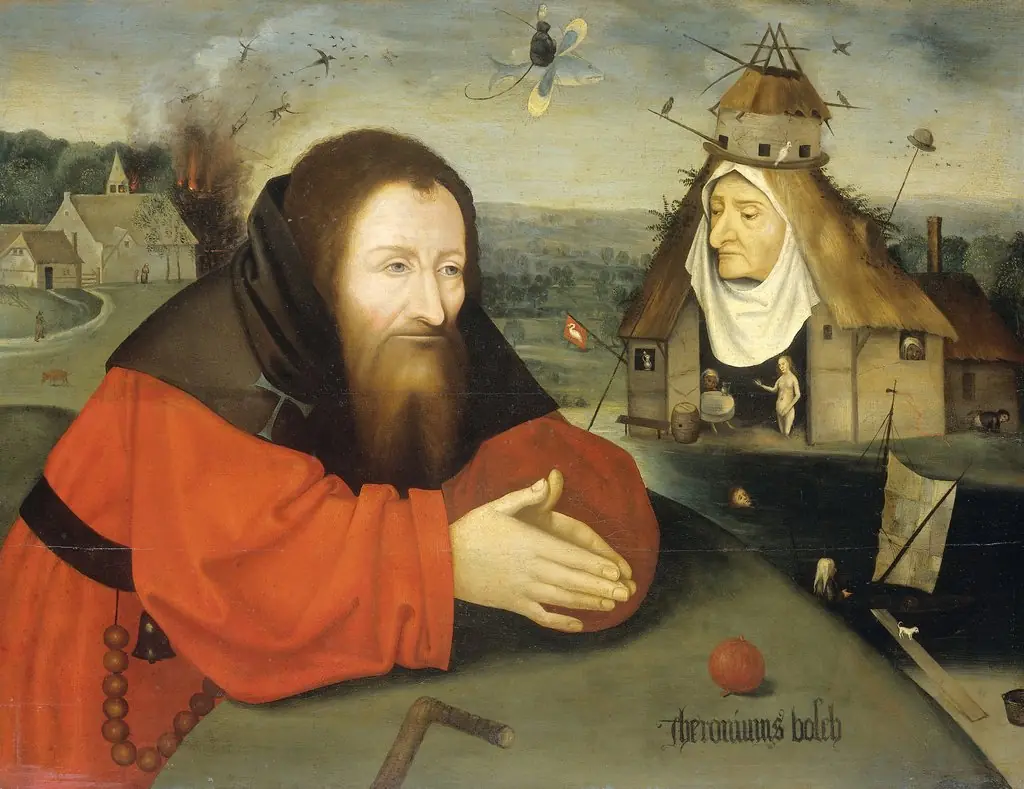
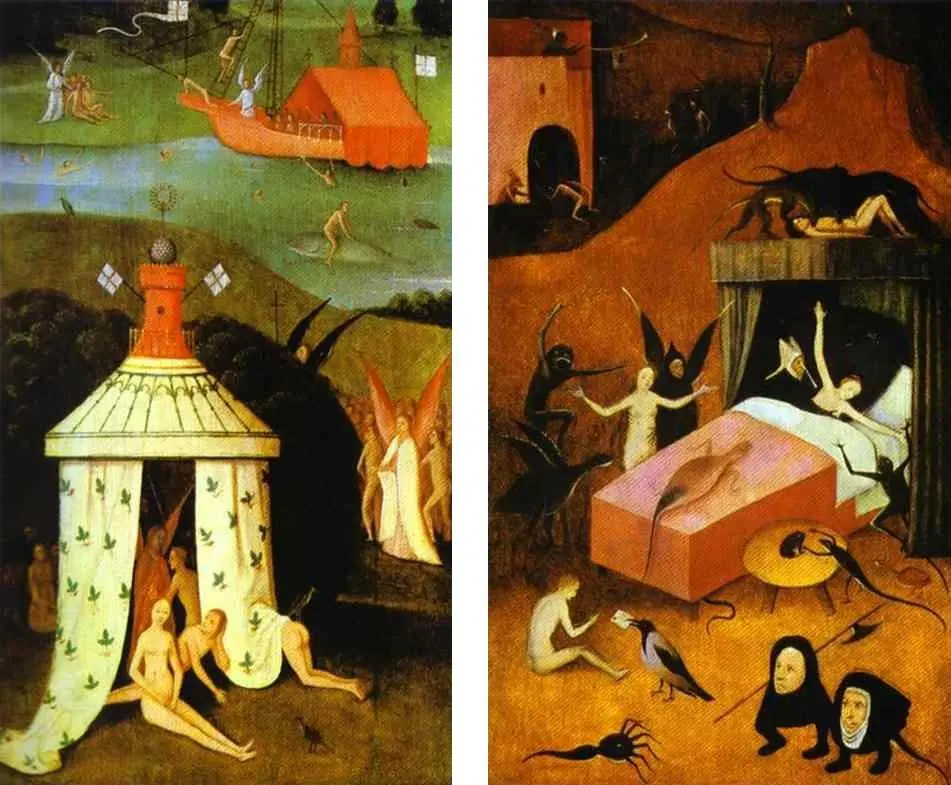
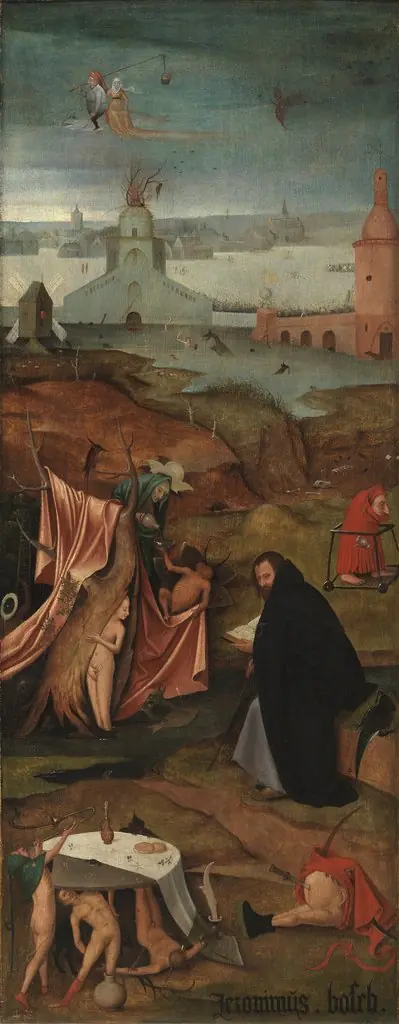 The Temptations of Saint Anthony
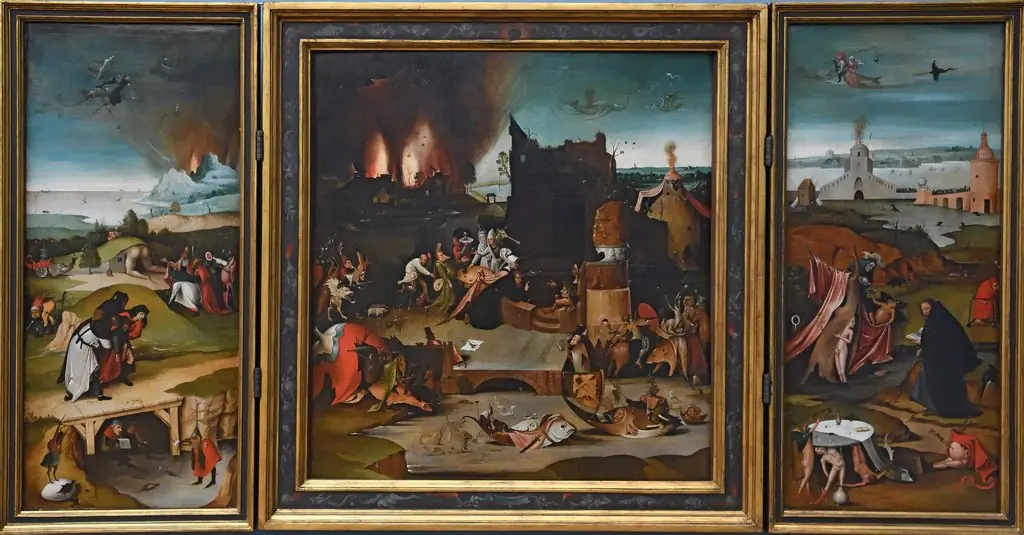 The Temptation of St. Anthony
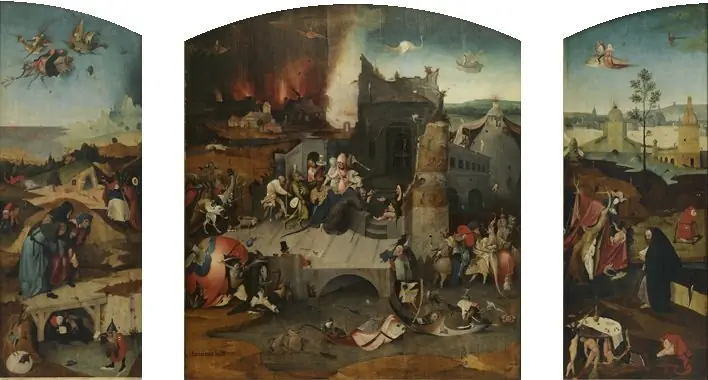 The Temptation of St Anthony
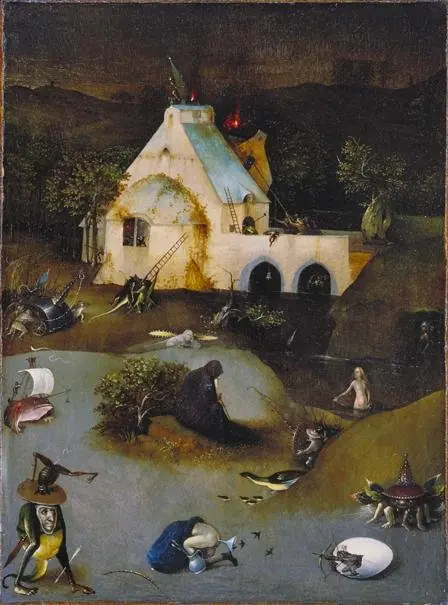 The Temptation of Saint Anthony
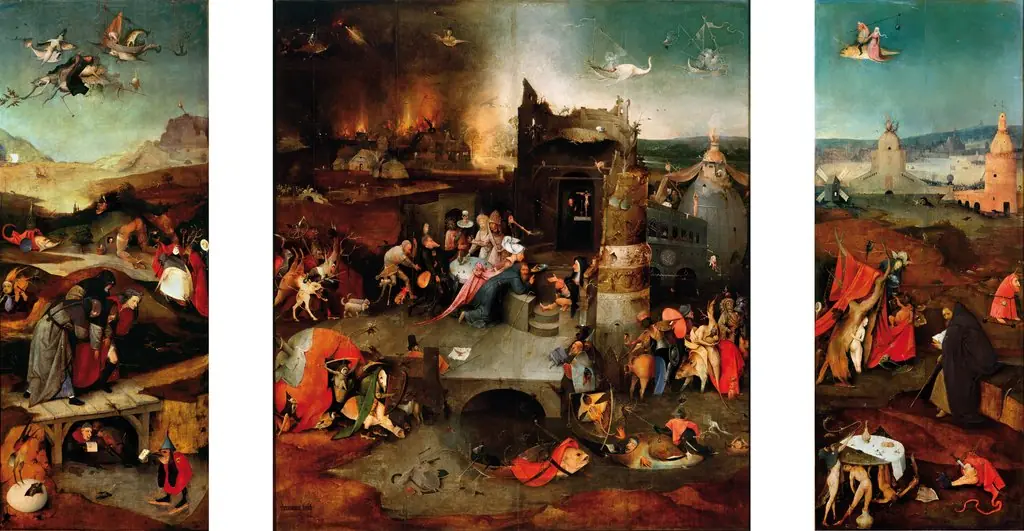 Temptation of Saint Anthony
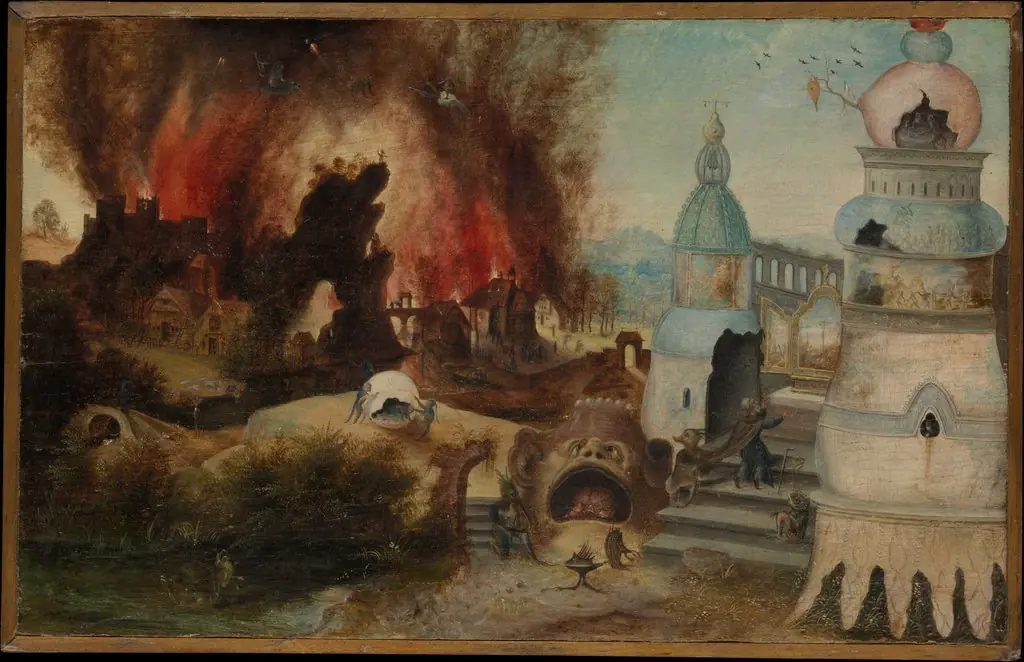 The Temptation of Saint Anthony
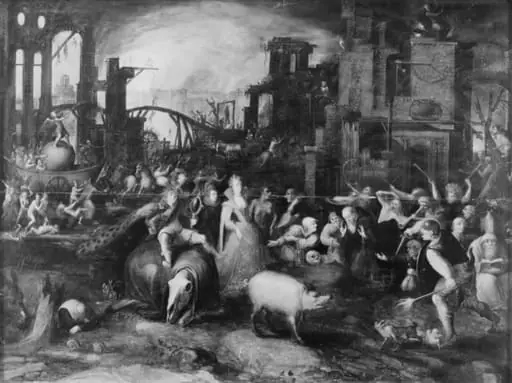 The Temptation of St Anthony
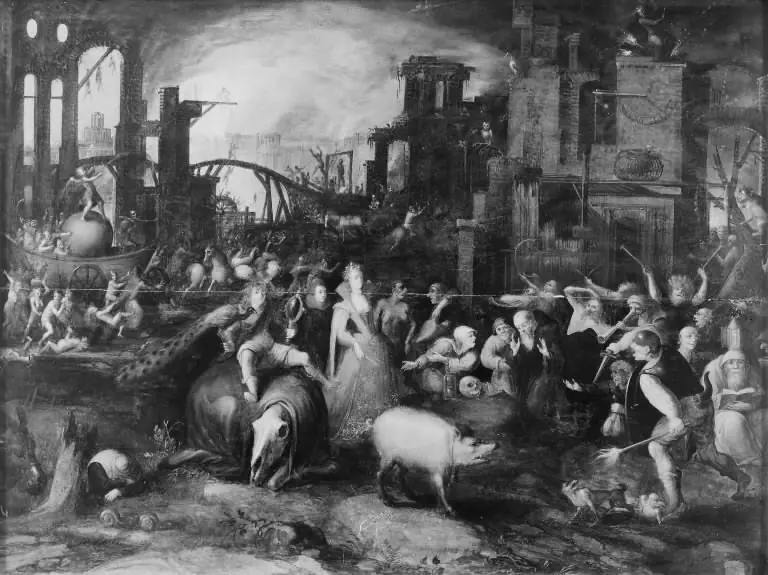 The Temptation of St Anthony
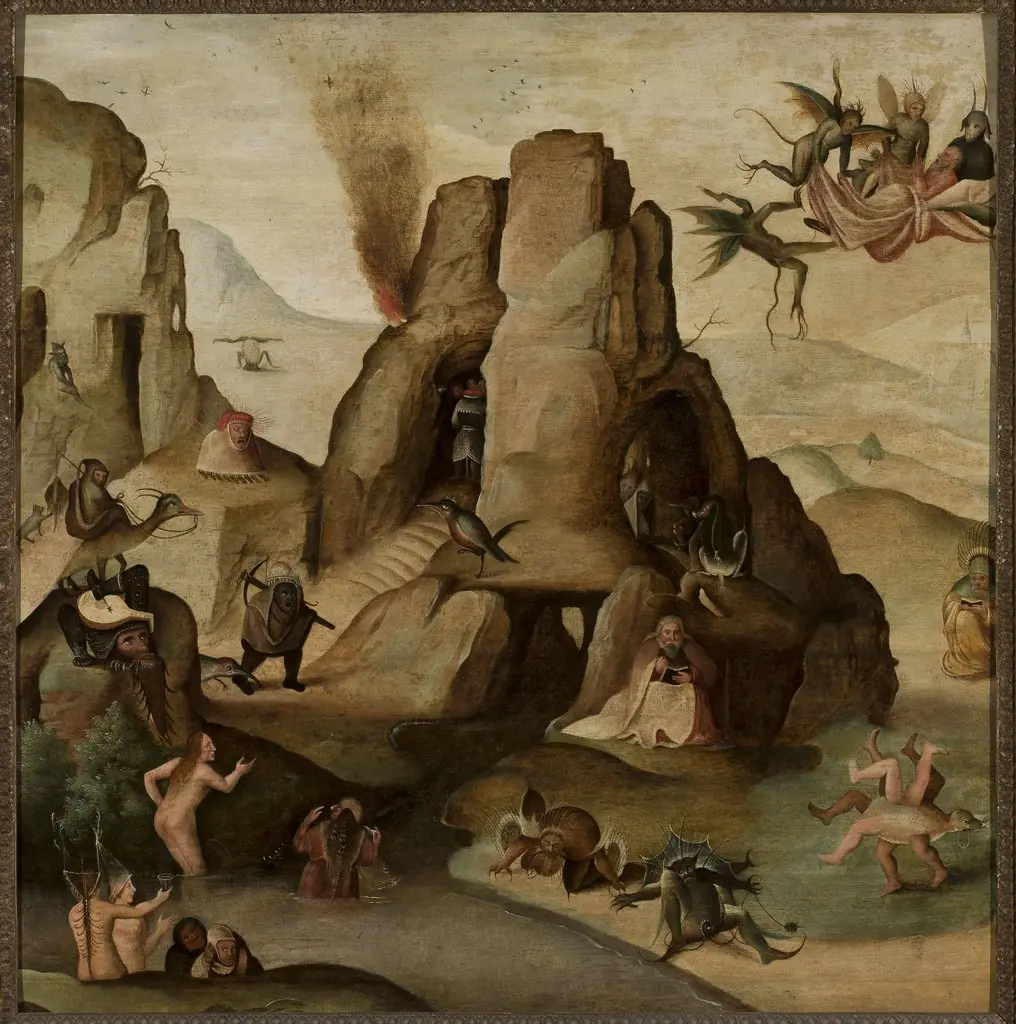 Temptation of St. Anthony
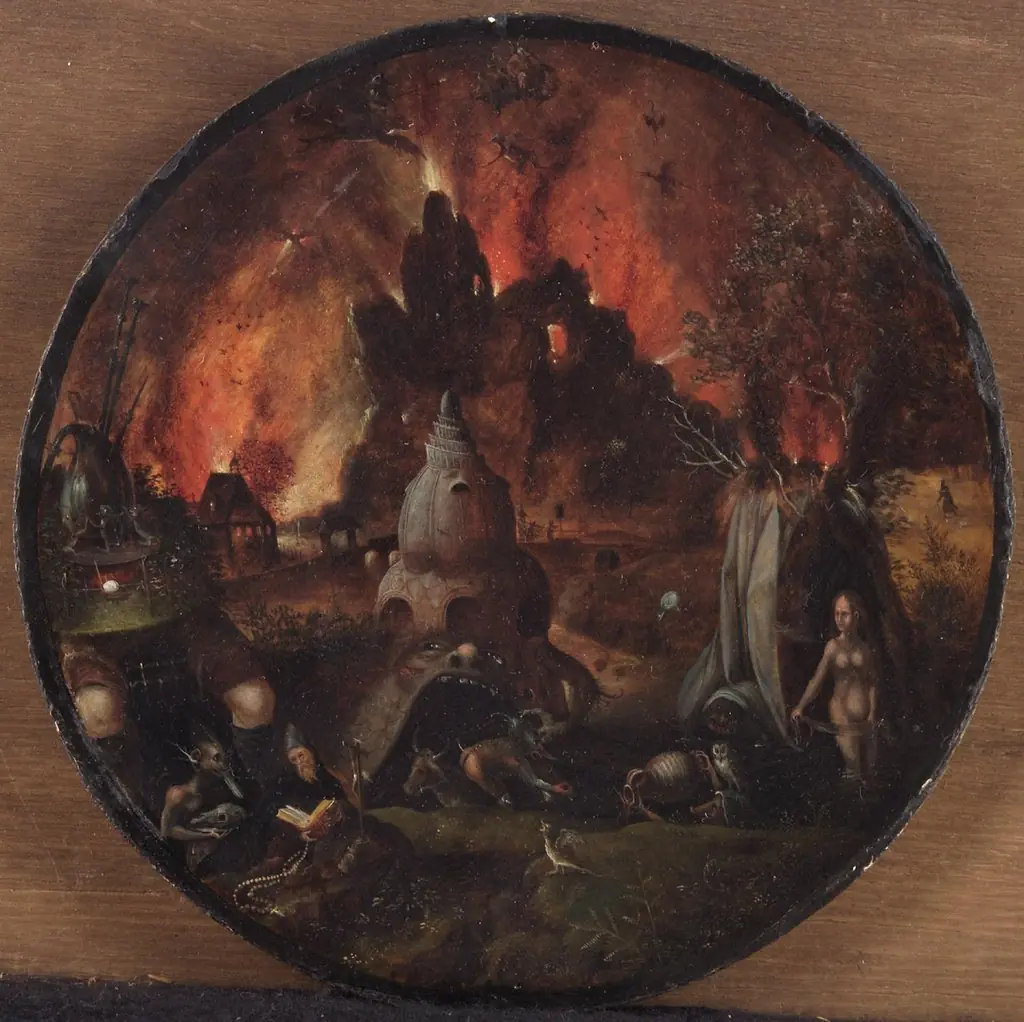 Temptation of Saint Anthony
 The Temptation of Saint Anthony