Artwork
Ernst, Archbishop of Magdeburg and Administrator in Halberstadt, son of Duke Ernst, died 1513
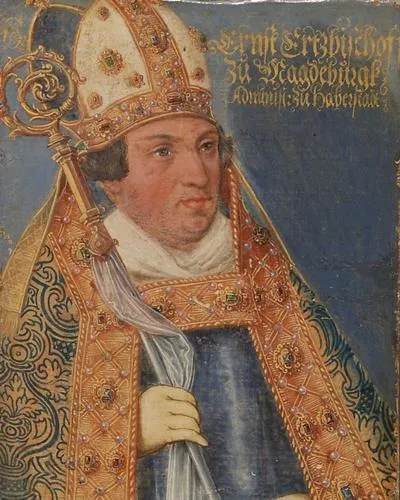
Ernst, Archbishop of Magdeburg and Administrator in Halberstadt, son of Duke Ernst, died 1513 is an unspecified painting by the Northern Renaissance artist Lucas Cranach the Younger. It is held in the collection of the Kunsthistorisches Museum.
About this work
This portrait of Ernst, Archbishop of Magdeburg and Administrator in Halberstadt, is a detailed representation of a religious leader from the 16th century.
This painting depicts a man dressed in ornate religious attire, including a tall, white hat adorned with gold and jewels. He wears a blue robe underneath a gold and blue cloak, which is decorated with intricate patterns and gems. The man holds a staff in his right hand, and his left hand grasps the cloak.
The man's face is serious, with a subtle expression. His dark hair is visible under the hat, and he has a short beard. The background of the painting is a solid blue color, which helps to emphasize the subject's elaborate clothing.
This portrait of Ernst, Archbishop of Magdeburg and Administrator in Halberstadt, is a detailed representation of a religious leader from the 16th century. To learn more about the artist behind this work, look up Lucas Cranach the Younger.
Overview
Lucas Cranach the Younger painted a portrait of Ernst, who held the offices of Archbishop of Magdeburg and Administrator of Halberstadt, in 1590. The work belongs to the Northern Renaissance and is now part of the Kunsthistorisches Museum’s collection.
Subject & Meaning
Ernst, a clerical prince who died in 1513, is shown in full ecclesiastical regalia, underscoring his dual role as both spiritual leader and territorial administrator. The solemn expression and dignified pose convey the authority and piety expected of a high‑ranking church official in early‑modern Germany.
Technique & Style
Cranach the Younger employs the precise, linear drawing characteristic of his workshop, inherited from his father. The figure is rendered against a flat blue background, allowing the richly patterned gold‑blue cloak, jeweled hat, and staff to dominate the composition. Fine brushwork captures the texture of fabrics and the subtle modeling of the face.
History & Provenance
Created in the late 16th century, the portrait reflects the continued demand for commemorative images of deceased ecclesiastical patrons. It entered the Kunsthistorisches Museum’s holdings at an unspecified date, where it remains catalogued as part of the museum’s German Renaissance collection.
Context
The painting illustrates the practice of posthumous portraiture among German princes and bishops, a genre that reinforced dynastic and institutional memory. Cranach the Younger’s workshop supplied many such images for noble and clerical clients, integrating portraiture into the visual culture of the Holy Roman Empire.
Artist & collection
Artist
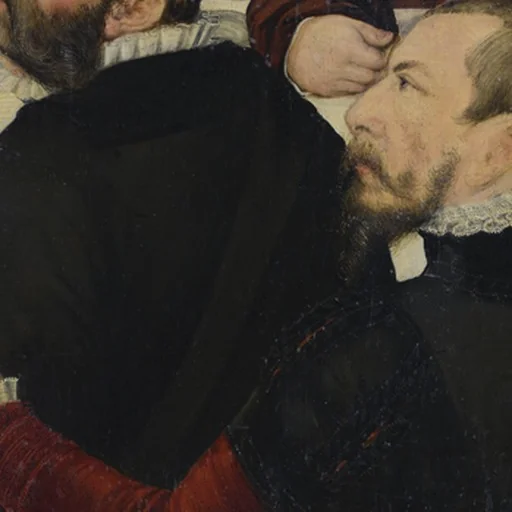
Lucas Cranach the Younger (German: Lucas Cranach der Jüngere, IPA: ; 4 October 1515 – 25 January 1586) was a German Renaissance painter and portraitist, the son of Lucas Cranach the Elder and brother of Hans Cranach.

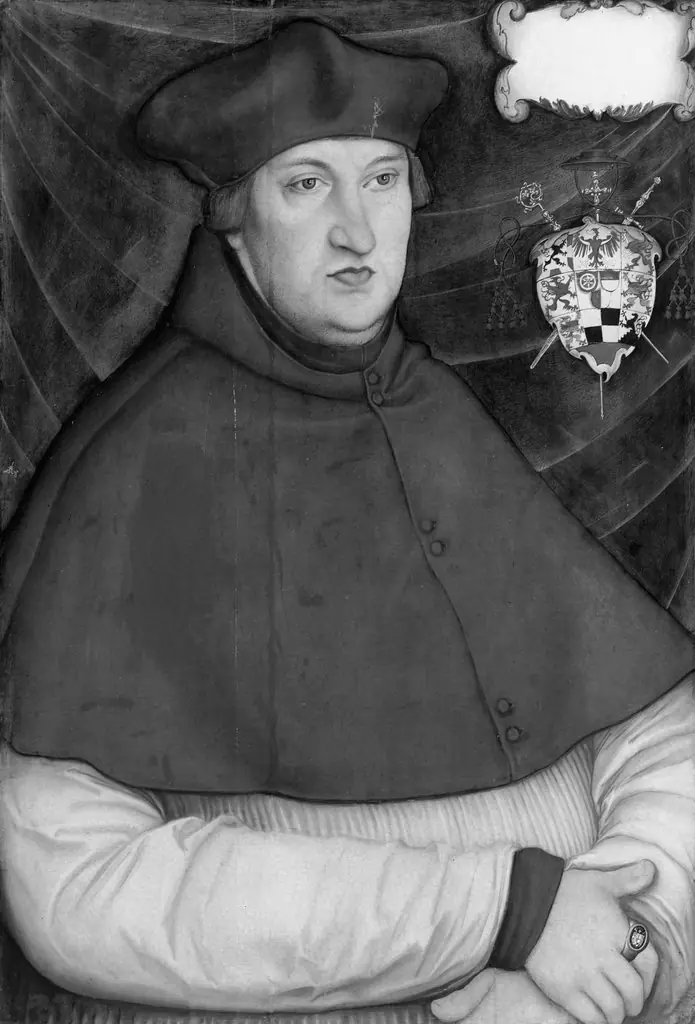 Portrait of Cardinal Albrecht of Brandenburg
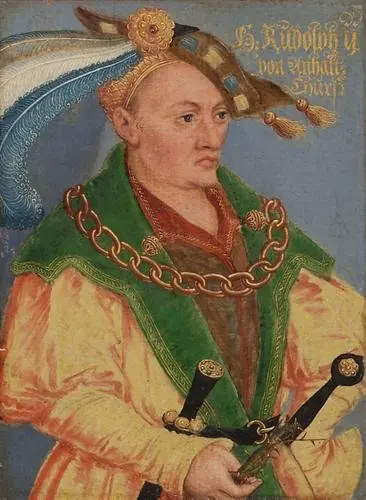 Rudolf II., Duke, son of Rudolf I., died 1370
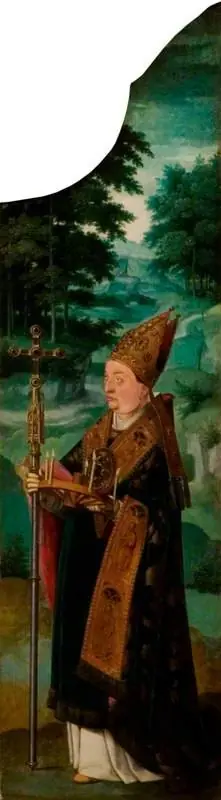 Saint Donatien (triptych, right wing)
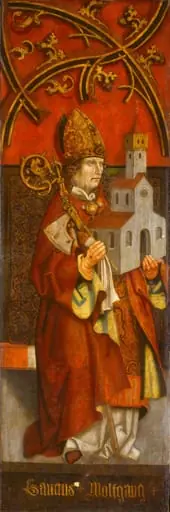 Saint Wolfgang
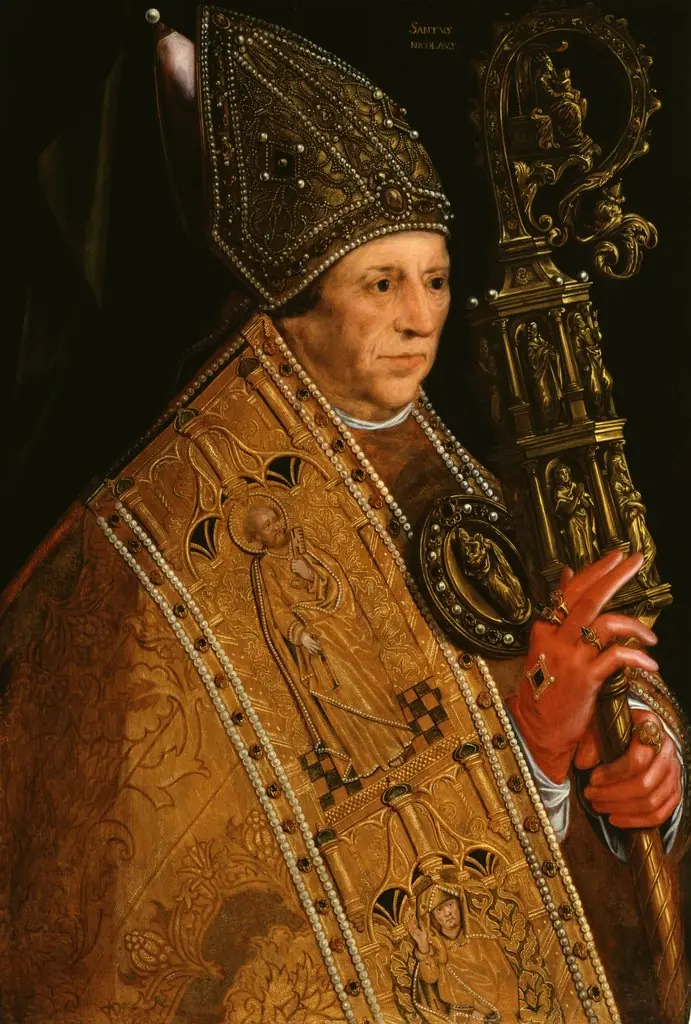 Portrait of St Nicholas
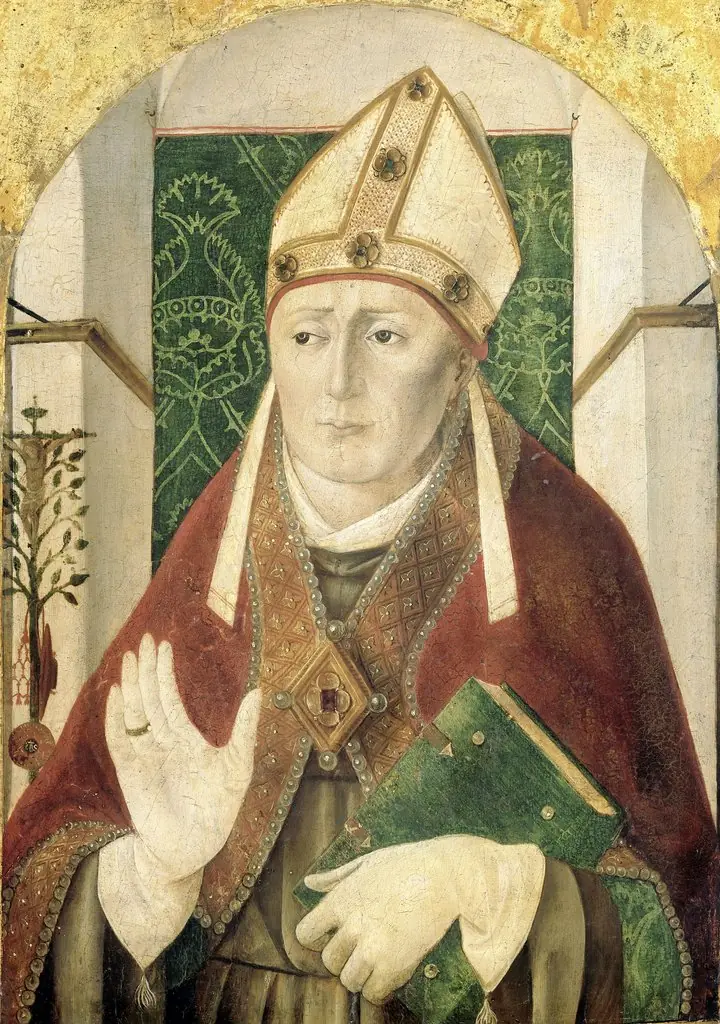 St Bonaventure
 Saint Gregory
 Bartholomew Fabro y Palacios, Bishop of Huamanga
 Thomas Wolsey, Cardinal
 Duke Heinrich the Proud (son of Duke Heinrich the black of Bavaria), died 1139