Artwork
Portrait of Lucas Cranach the Elder
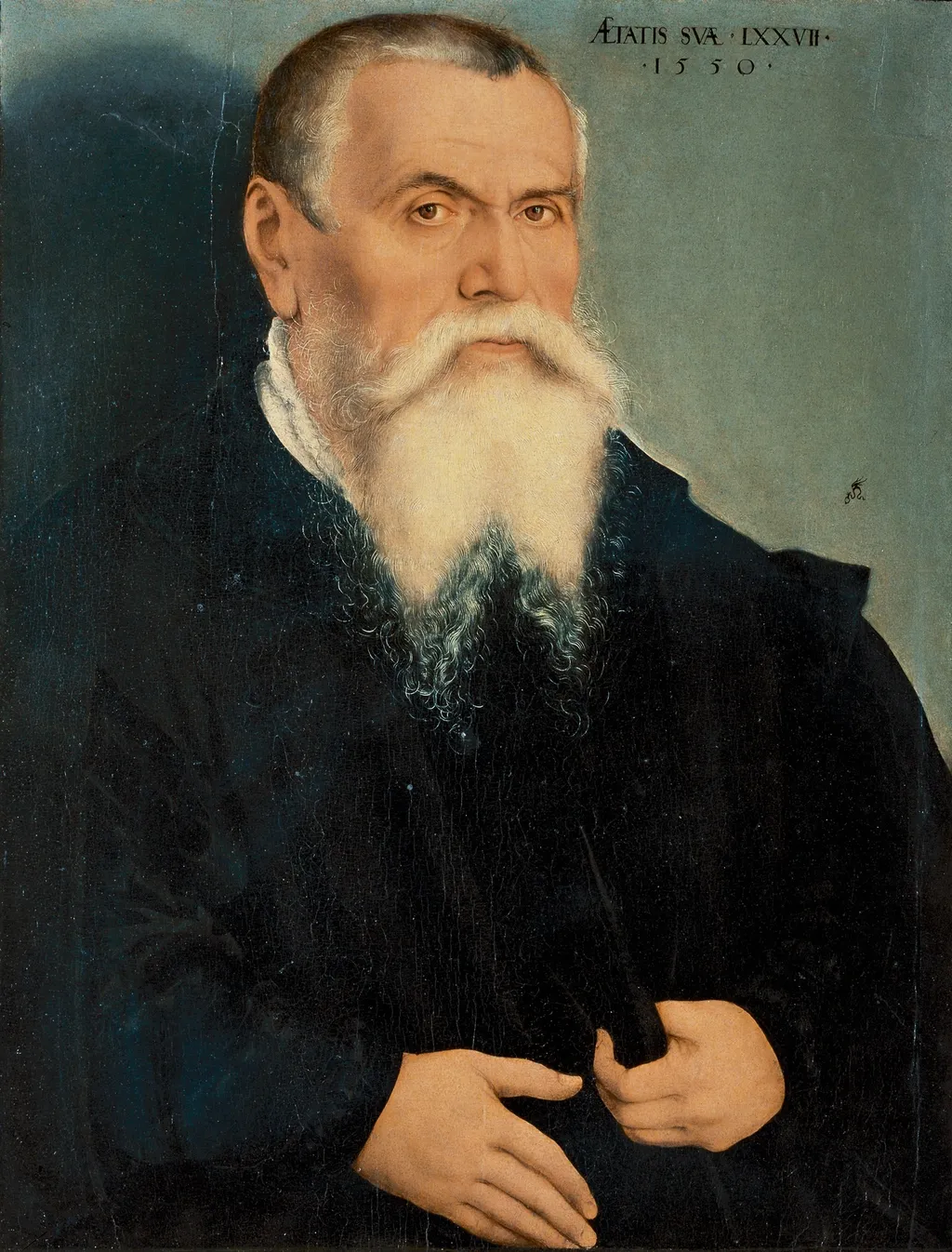
Portrait of Lucas Cranach the Elder is an oil painting by the Northern Renaissance artist Lucas Cranach the Younger. It dates from 1550 and is held in the collection of the Uffizi Gallery.
About this work
Overview
Painted in 1550, this oil-on-panel portrait depicts Lucas Cranach the Elder at age seventy-seven, as noted by the inscription 'Aetatis Suae LXXVII'. Long held in the Uffizi Gallery as a self-portrait, it was later reattributed to his son, Lucas Cranach the Younger, based on stylistic analysis. The work remains in Florence, while a variant version resides in the Staatkirche in Weimar.
Subject & Meaning
His aged appearance—white beard, thick eyebrows, and lined face—conveys the dignity of experience and scholarly authority.
The subject is Lucas Cranach the Elder, a leading German Renaissance painter and printmaker. His aged appearance—white beard, thick eyebrows, and lined face—conveys the dignity of experience and scholarly authority. The black hat held in his left hand suggests a moment of pause, perhaps in contemplation or formal address, reinforcing his status as a respected figure in the Protestant cultural sphere.
Technique & Style
The painting exhibits meticulous attention to texture, particularly in the rendering of hair and beard, rendered with fine, deliberate brushwork. The dark robe contrasts with the muted blue-gray background, focusing attention on the face. The lighting is even and naturalistic, avoiding dramatic chiaroscuro, consistent with the Northern Renaissance tradition of restrained realism favored by the Cranach workshop.
History & Provenance
The portrait entered the Uffizi’s collection under the assumption it was a self-portrait by Lucas Cranach the Elder. Later scholarship, examining compositional habits and brush handling, identified the hand of his son, Lucas Cranach the Younger, who often continued his father’s studio practices. A closely related version, with minor differences, was produced for the Staatkirche in Weimar, likely as a devotional or commemorative piece.
Context
Created in the final years of the Reformation, the portrait reflects the growing importance of individual identity among Protestant leaders. As a court painter to the Electors of Saxony, the elder Cranach was both artist and influential figure in Lutheran circles. His son’s depiction of him underscores familial legacy and the transmission of artistic and religious authority within the Cranach dynasty.
Legacy
The portrait stands as a testament to the Cranach workshop’s enduring influence in German portraiture. Its reattribution highlights the complexity of artistic authorship in Renaissance family studios. Though not signed by the elder Cranach, the image became a widely recognized likeness, shaping how later generations visualized one of the Reformation’s key cultural figures.
Own this work as a print
Artist & collection
Artist
Lucas Cranach the Younger (German: Lucas Cranach der Jüngere, IPA: ; 4 October 1515 – 25 January 1586) was a German Renaissance painter and portraitist, the son of Lucas Cranach the Elder and brother of Hans Cranach.

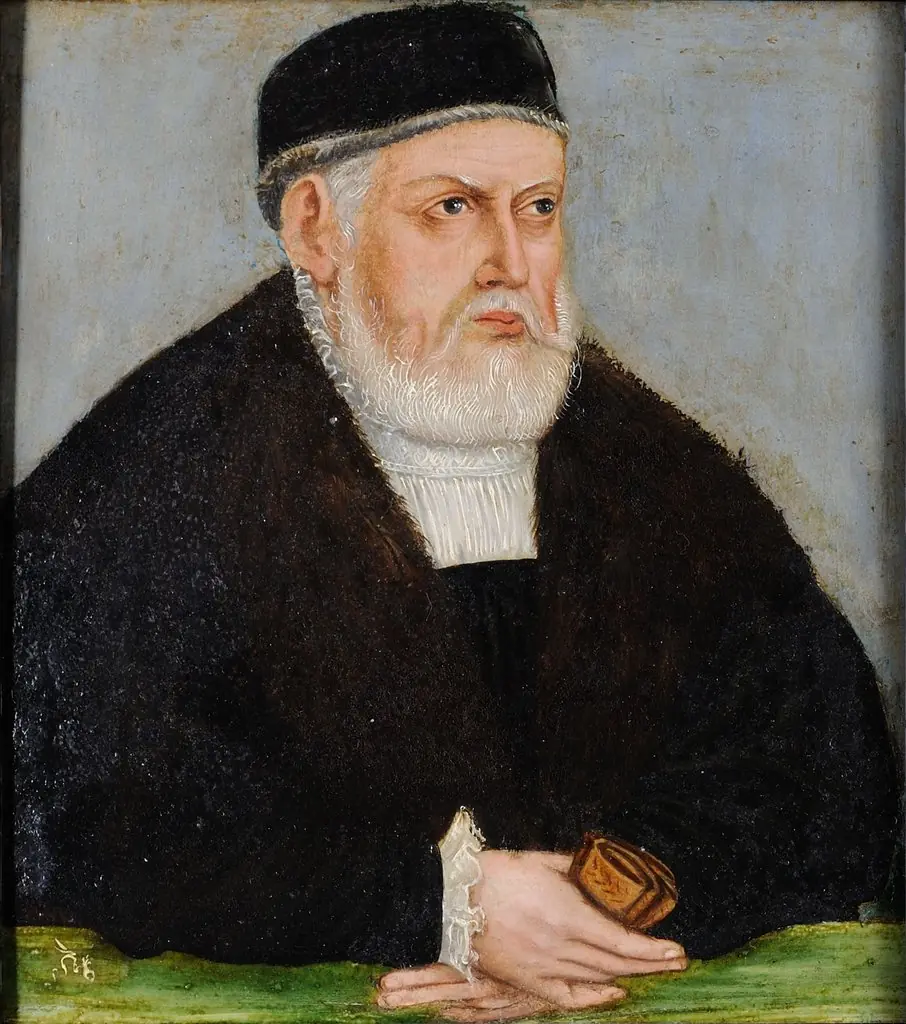 Portrait of Sigismund I the Old
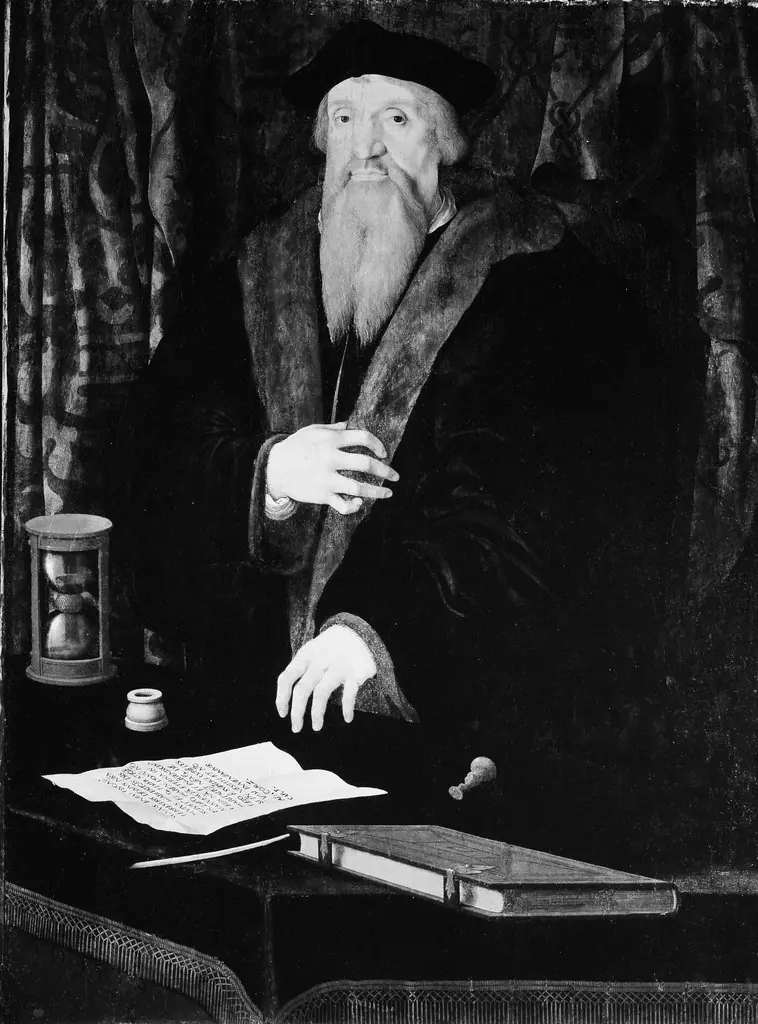 Portrait of a Man, Possibly Jean de Langeac (died 1541), Bishop of Limoges
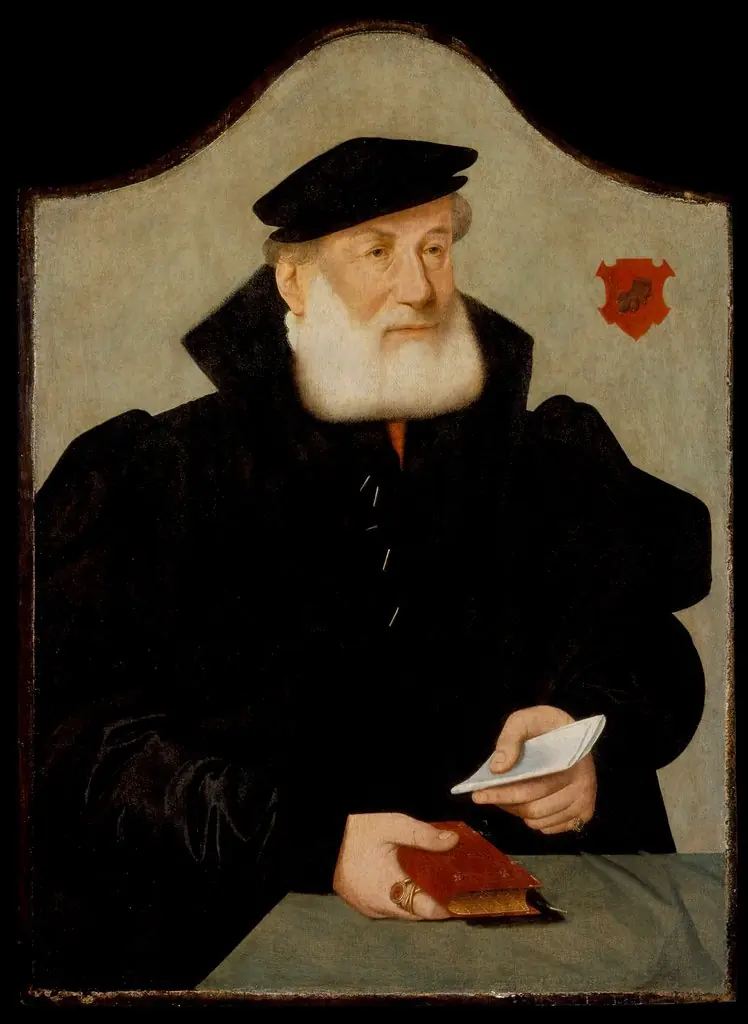 Portrait of Wilhelm Kannengiesser
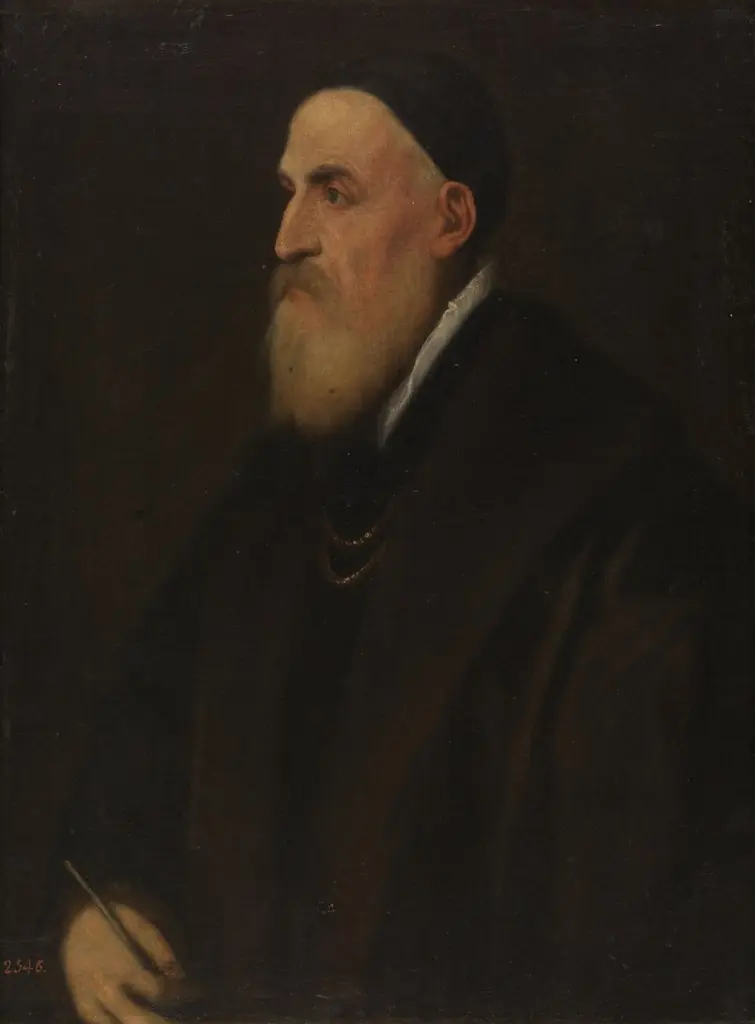 Self-portrait of Titian
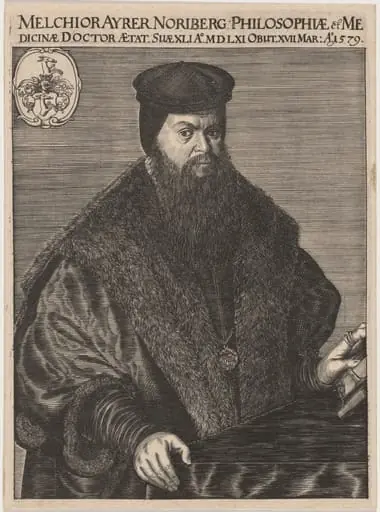 Melchior Ayrer, Philosopher and Doctor
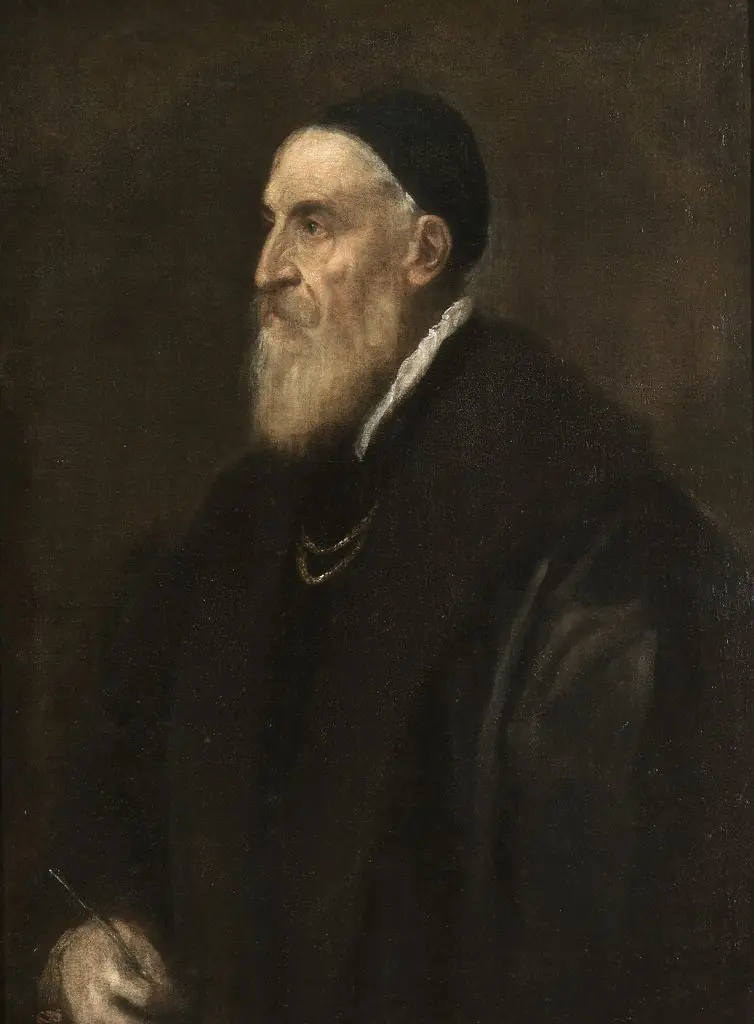 Self-Portrait
 Portrait of a Man
 Portrait of a Man
 Portrait of a man with a gray beard
 Portrait of an Architect
 Bildnis eines Musikers
 Portrait of a Man