Artwork
Abigail and David
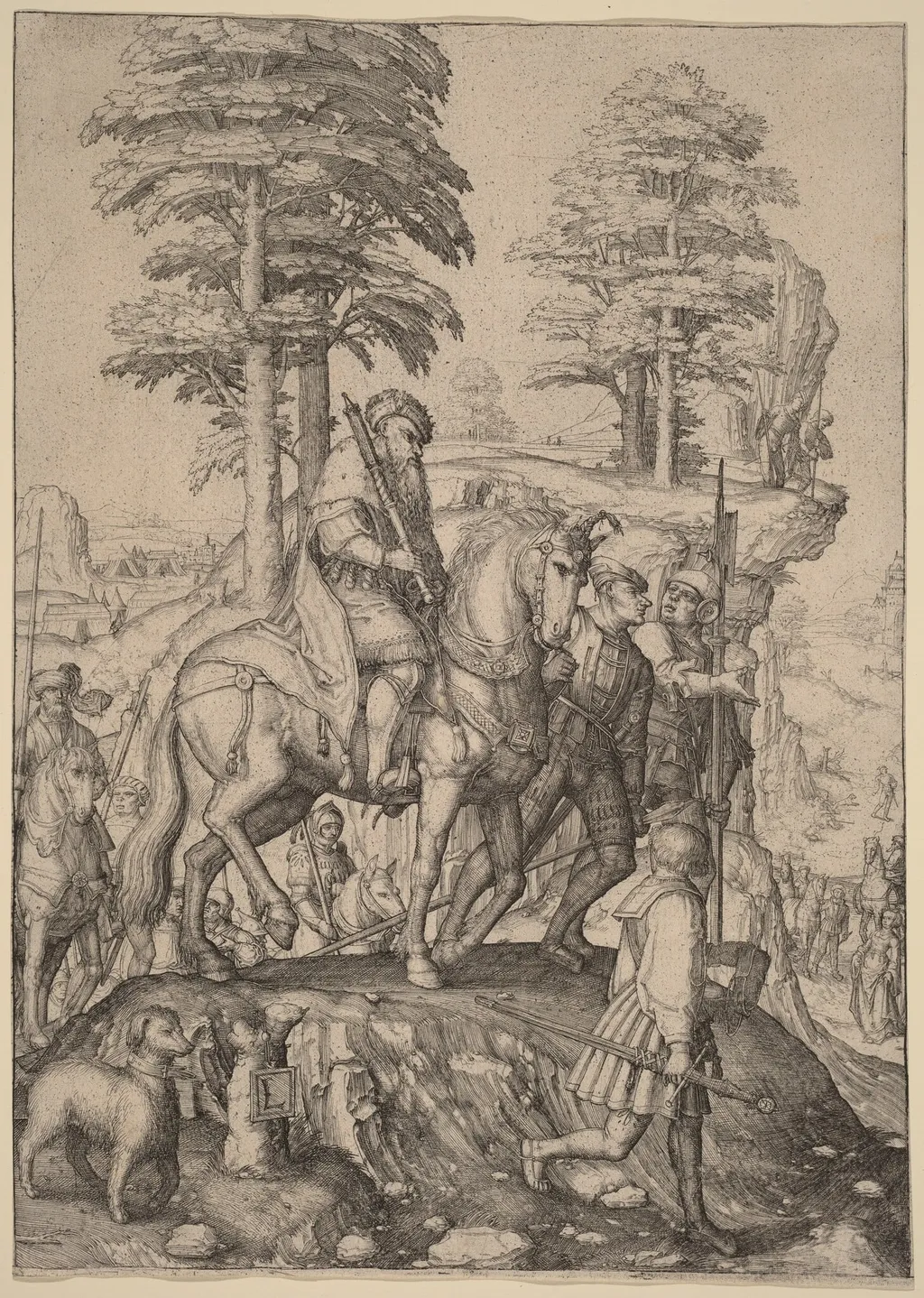
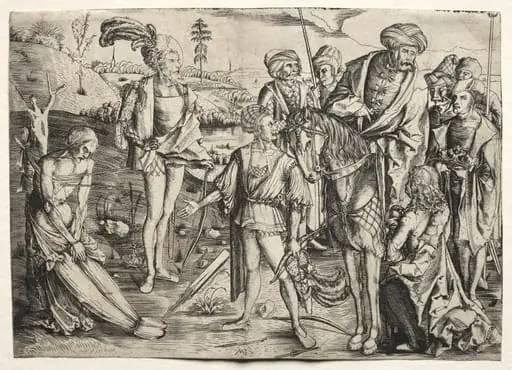
Abigail and David is an ink print by the Renaissance artist Lucas van Leyden. It dates from 1508 and is held in the collection of the National Gallery of Art.
About this work
Overview
Though the scene is often associated with peace, this print instead portrays a dynamic, armed encounter.
Created in 1508 by the Dutch artist Lucas van Leyden, *Abigail and David* is an engraving that captures a moment from the biblical narrative of Abigail’s intervention with David. Though the scene is often associated with peace, this print instead portrays a dynamic, armed encounter. Van Leyden’s mastery of the engraving technique allowed him to render complex compositions with fine, precise lines, establishing him as a leading figure in early Northern printmaking.
Subject & Meaning
The image depicts a moment from 1 Samuel 25, where Abigail, seeking to prevent bloodshed, meets David and his armed men. Rather than showing her peaceful plea, van Leyden chose to illustrate the tense standoff amid a skirmish. The fallen figure and surrounding combat suggest impending violence, while Abigail’s presence—though not clearly identified—anchors the moral tension. The scene functions as a visual allegory of restraint versus retribution.
Technique & Style
Van Leyden employed fine, controlled lines and dense cross-hatching to build depth and texture in this small-scale engraving. The armor, weapons, and horse trappings are rendered with meticulous detail, while the background recedes through layered shading. Despite the crowded composition, spatial relationships remain clear. The contrast between sharp, angular forms and soft, shadowed areas gives the scene both energy and structure, reflecting his technical precision.
History & Provenance
Produced during van Leyden’s early career, the print was part of a series of biblical engravings that circulated widely across Europe. Its survival in multiple impressions suggests it was commercially successful and widely distributed. No specific early ownership records are documented, but its presence in major print collections from the 16th century onward confirms its influence among collectors and artists of the period.
Context
In early 16th-century Netherlands, religious subjects dominated printmaking, often serving devotional or didactic purposes. Van Leyden’s work stood out for its narrative complexity and attention to human action within sacred stories. His engravings responded to growing demand for portable, reproducible images, bridging the gap between manuscript illumination and the emerging print culture of the Reformation era.
Legacy
Van Leyden’s *Abigail and David* contributed to the elevation of engraving as a serious artistic medium in Northern Europe. His ability to compress intricate narratives into small formats influenced later printmakers, including Dürer and his followers. The work remains a key example of how early modern artists used technical skill to convey moral and theological themes with visual immediacy.
Artist & collection

Artist
Lucas van Leyden (1494 – 8 August 1533), was a Dutch painter and printmaker in engraving and woodcut. Lucas van Leyden was among the first Dutch exponents of genre painting and was a very accomplished engraver.

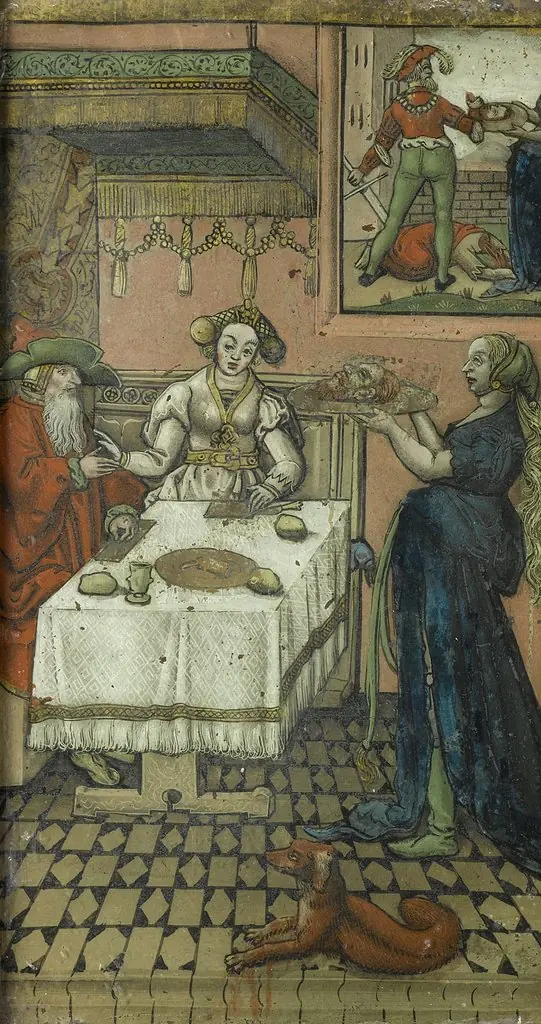 Salome with the head of St John the Baptist
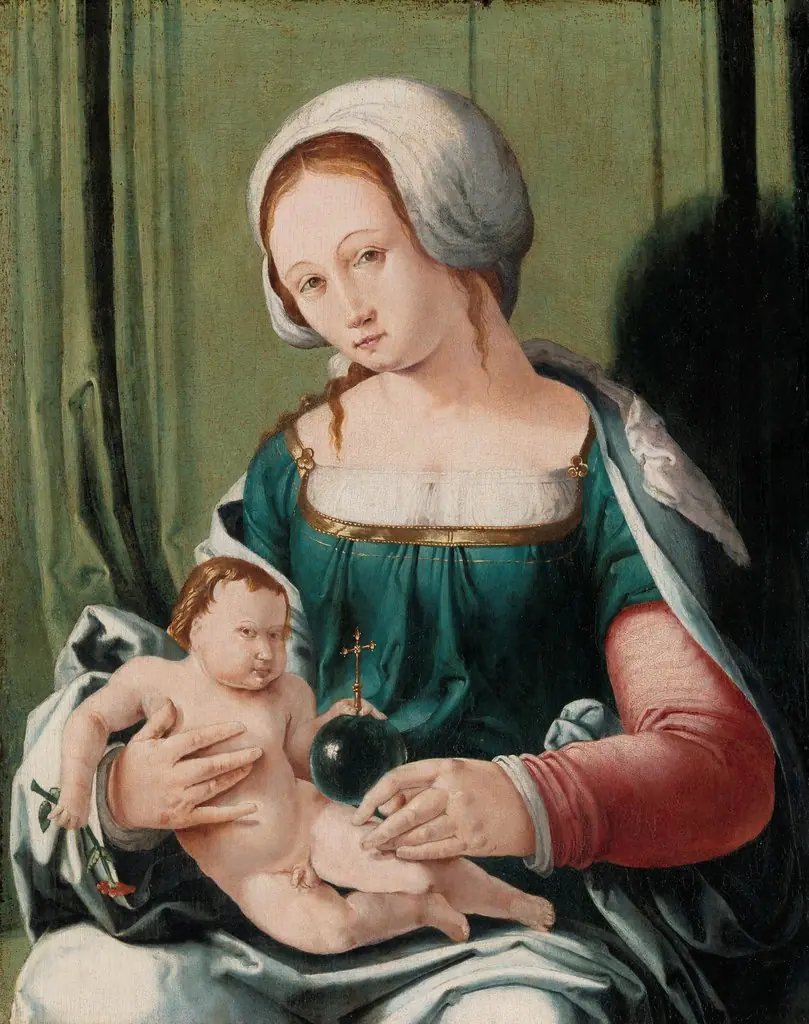 The Virgin and Child
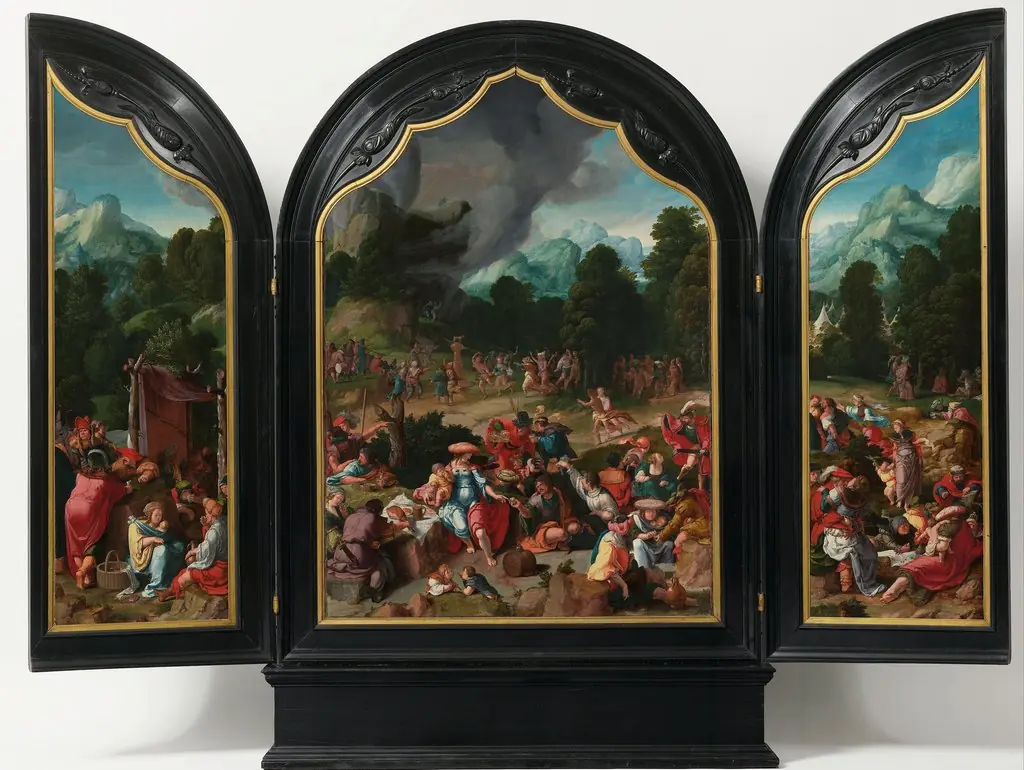 Worship of the Golden Calf
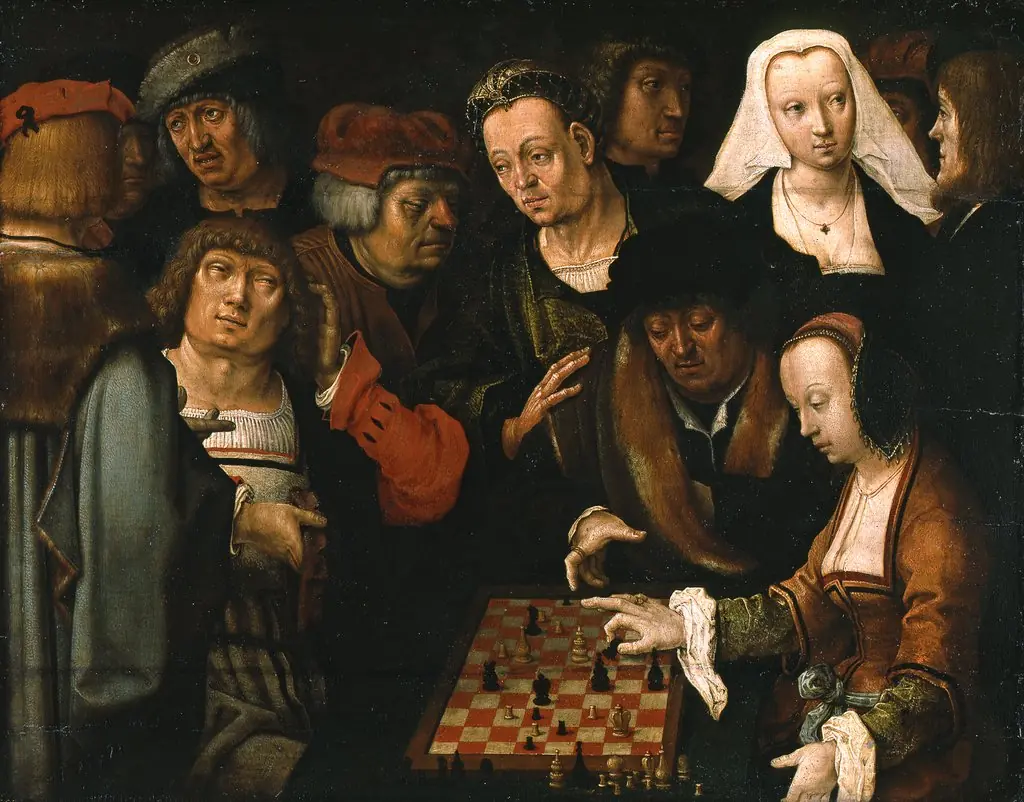 A Game of Chess
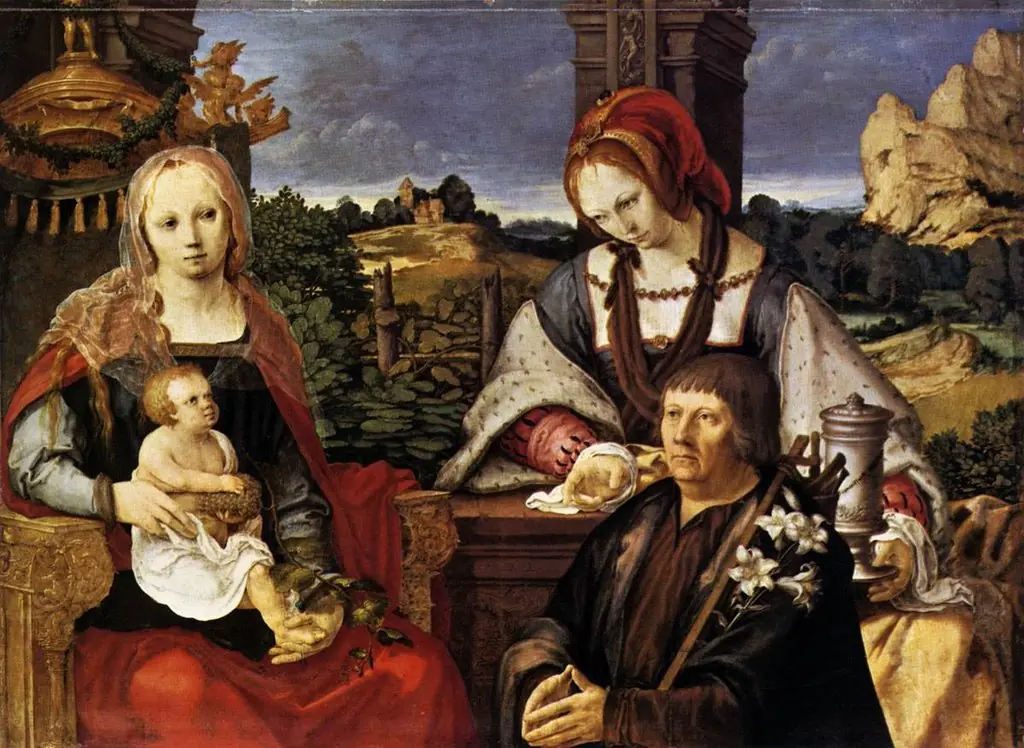 Mary with Child, St. Maria Magdalena and founder (separate outside, Inv. No. 7713)
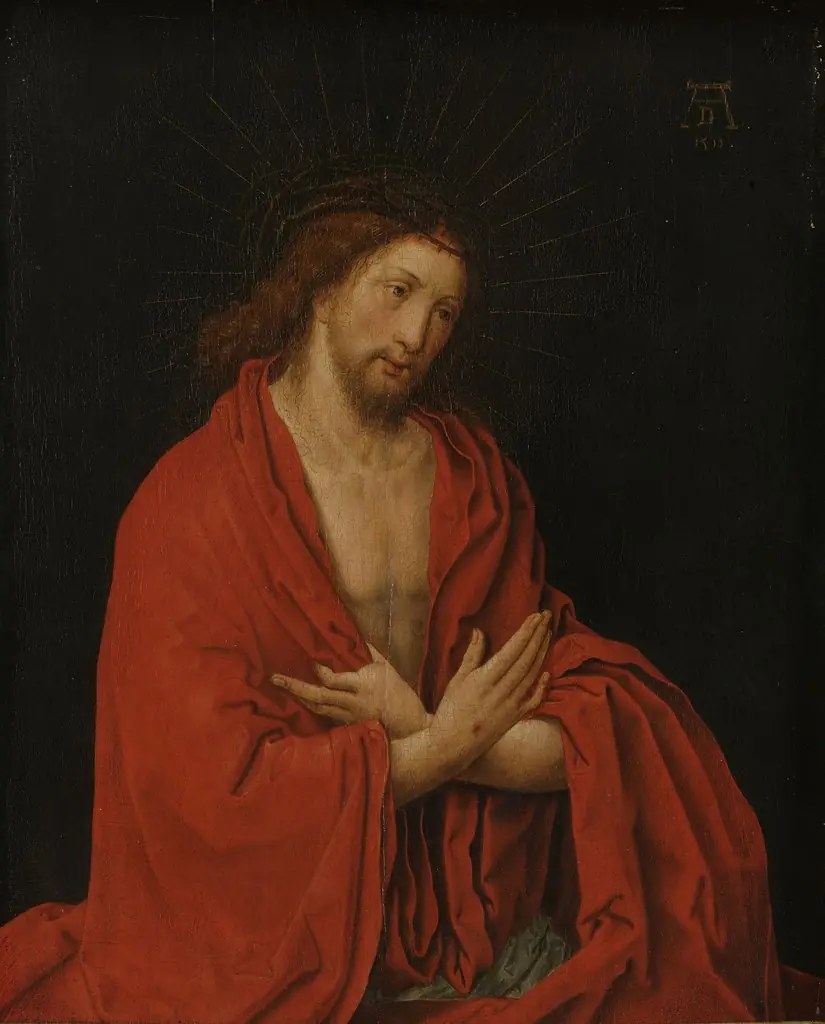 Inner left wing of a diptych with Christ as the Man of Sorrows
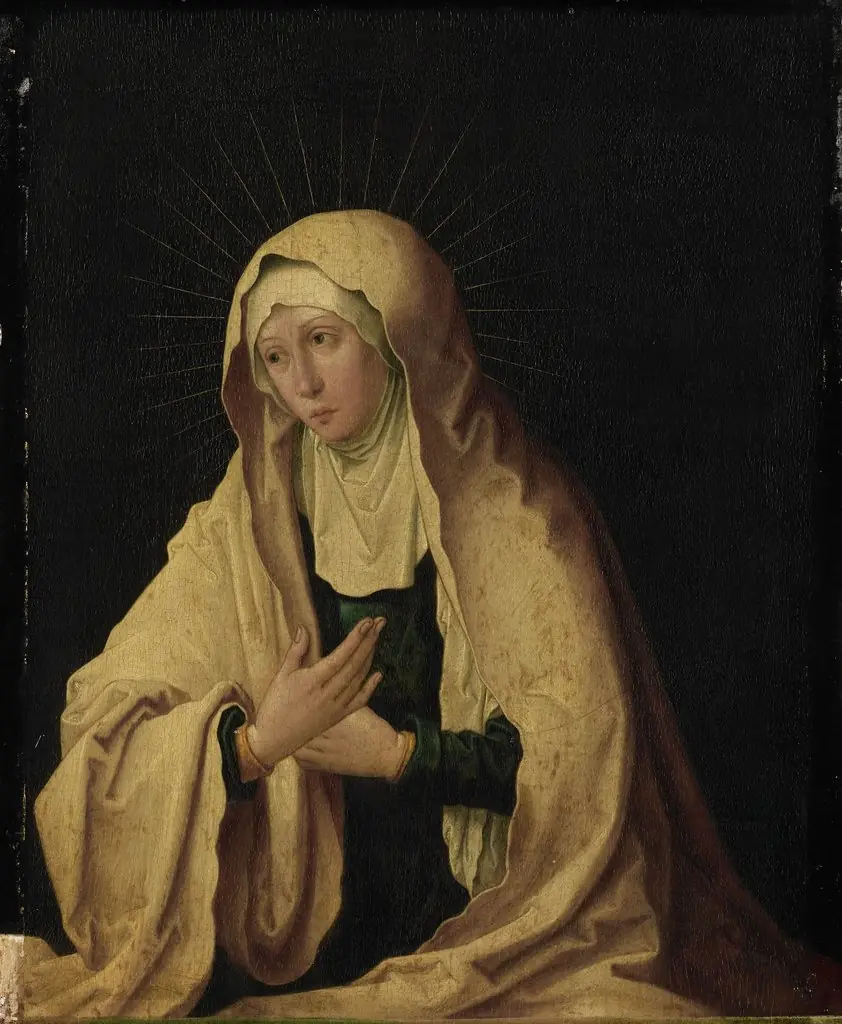 Inner right wing of a diptych with the Virgin as Mater Dolorosa
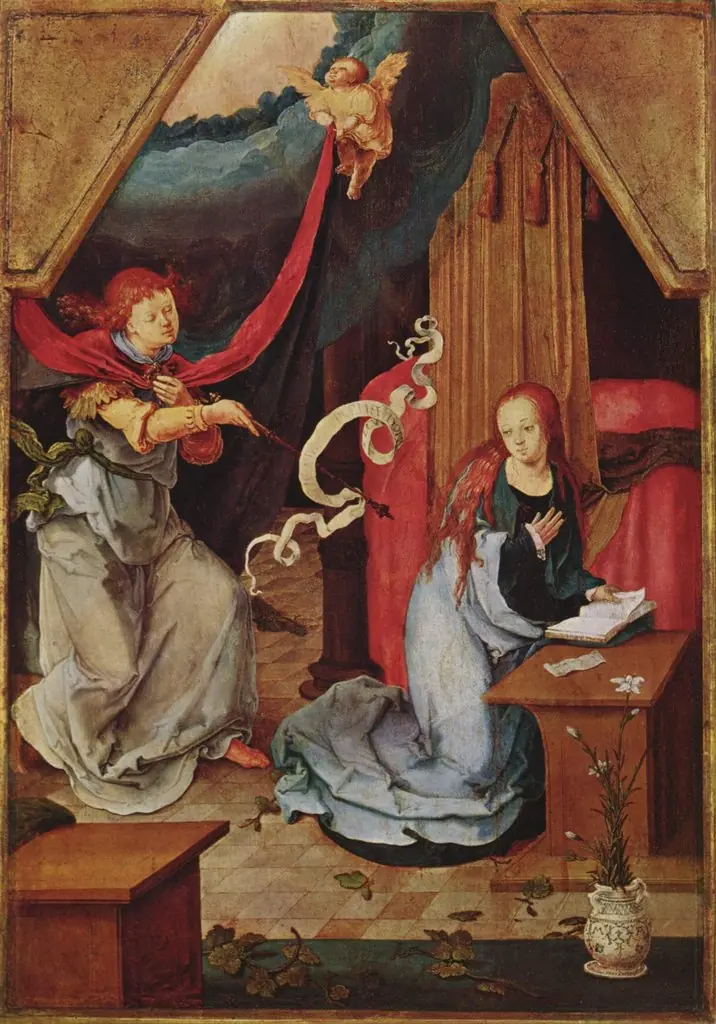 Annunciation
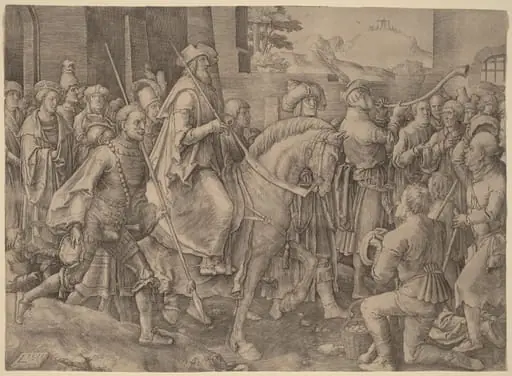 The Triumph of Mordecai
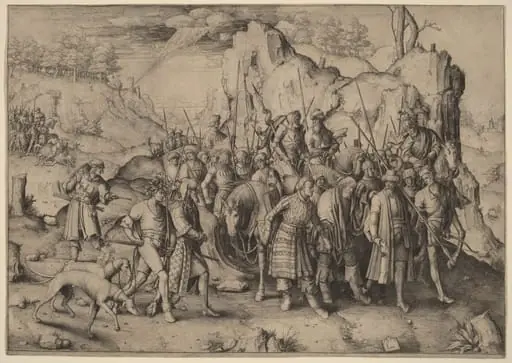 The Conversion of Saint Paul
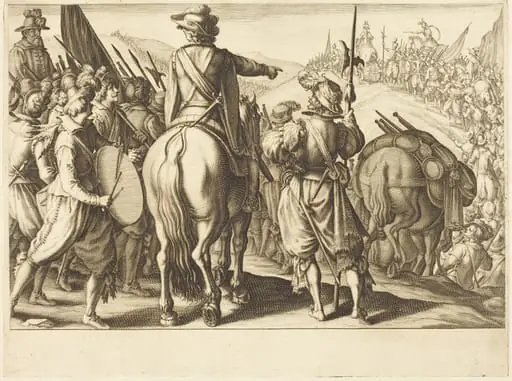 The Troops on the March
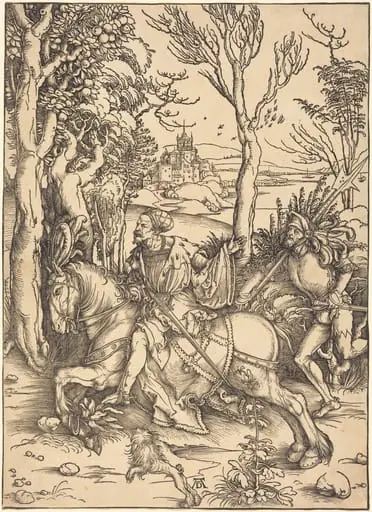 The Knight on Horseback and the Lansquenet
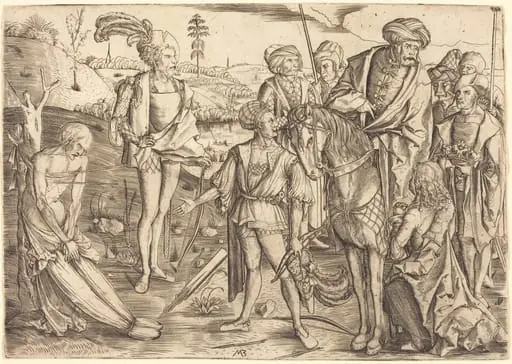 The Testing of the King's Sons
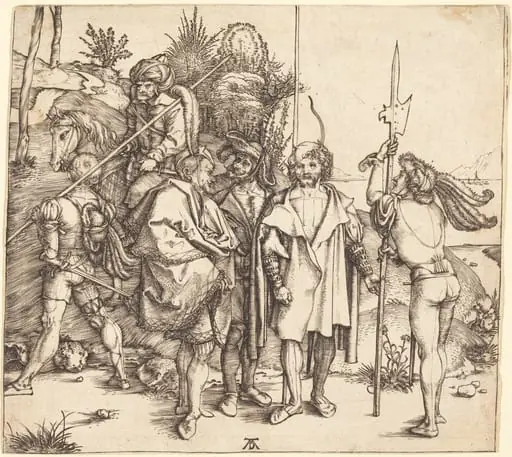 Five Soldiers and a Turk on Horseback
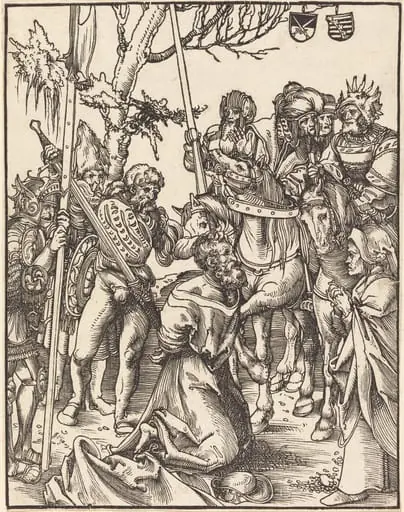 Saint James the Greater
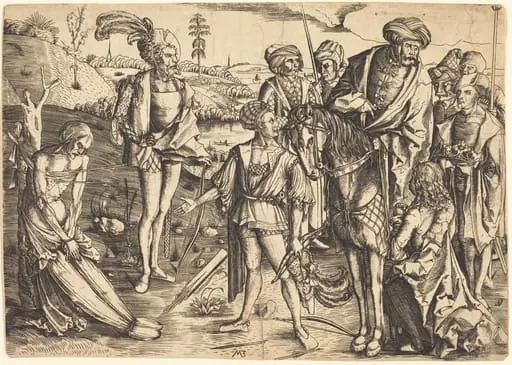 The Testing of the King's Sons
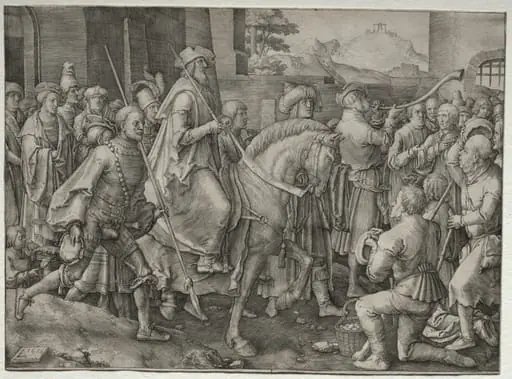 The Triumph of Mordecai
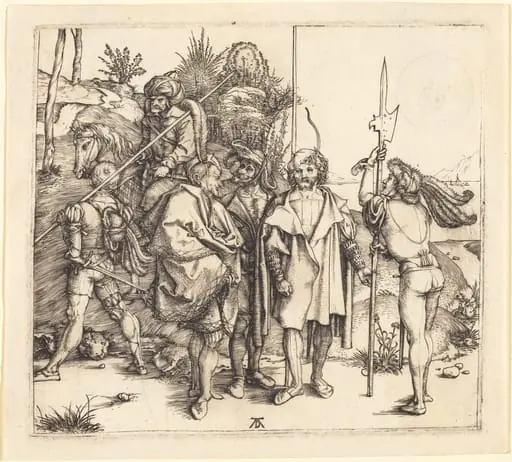 Five Soldiers and a Turk on Horseback
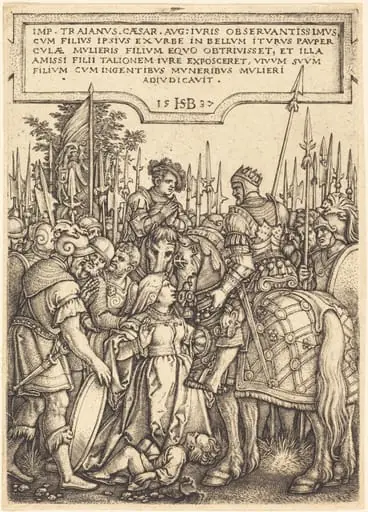 The Justice of Trajan
 The Story of the Dead King and his Three Sons