Artwork
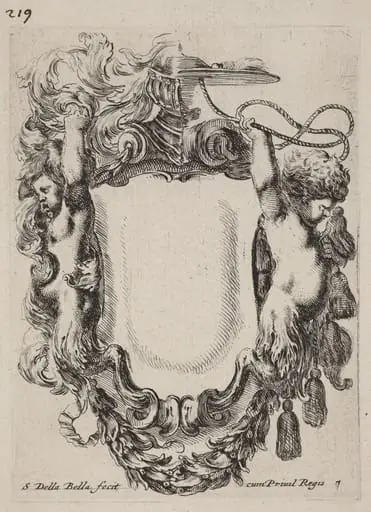
A Shield Bearing a Mask Supported by Two Genii
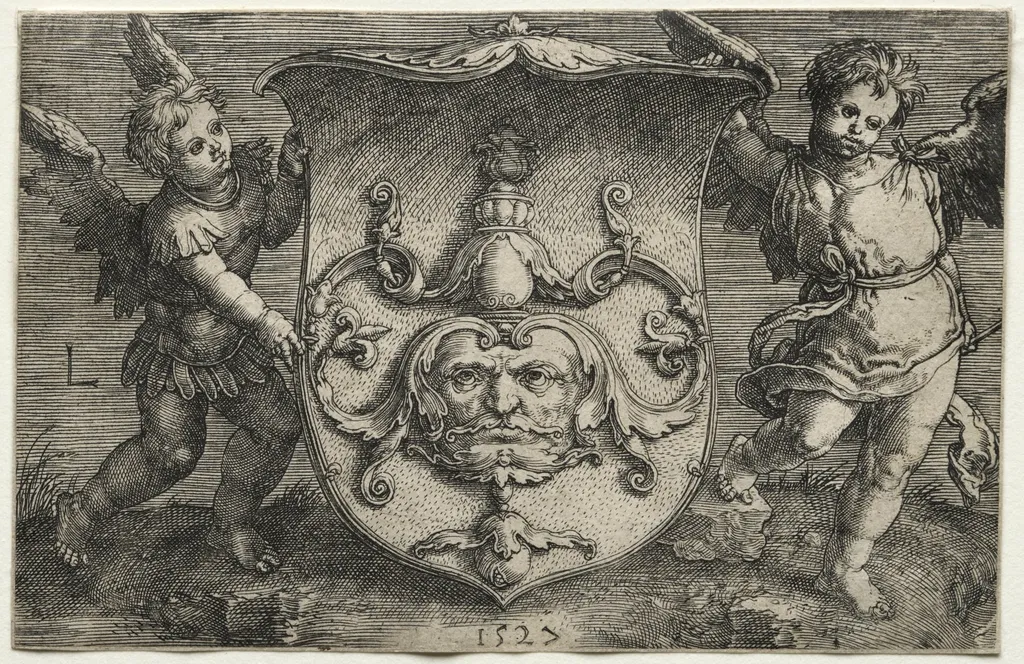
A Shield Bearing a Mask Supported by Two Genii is a print by the Renaissance artist Lucas van Leyden. It dates from 1527 and is held in the collection of the Cleveland Museum of Art.
About this work
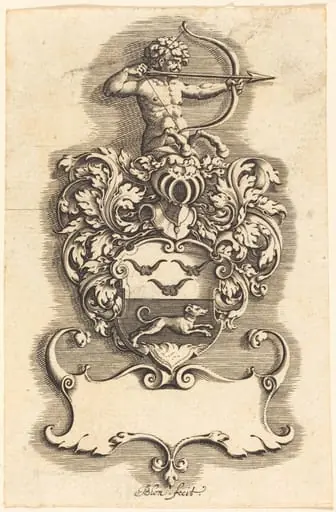
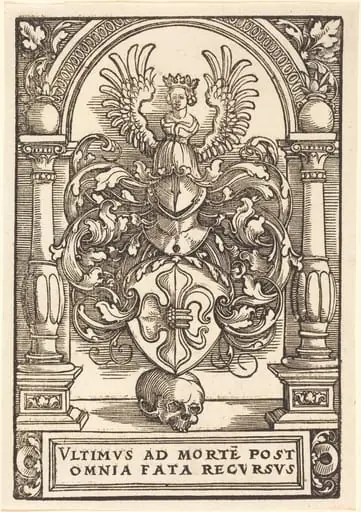
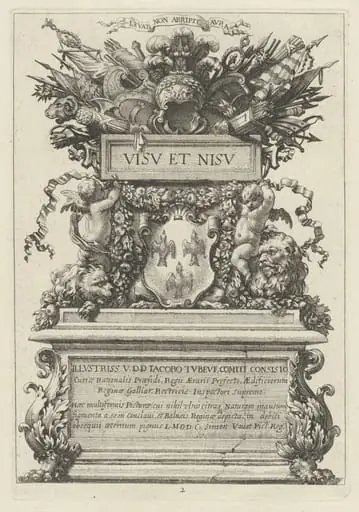
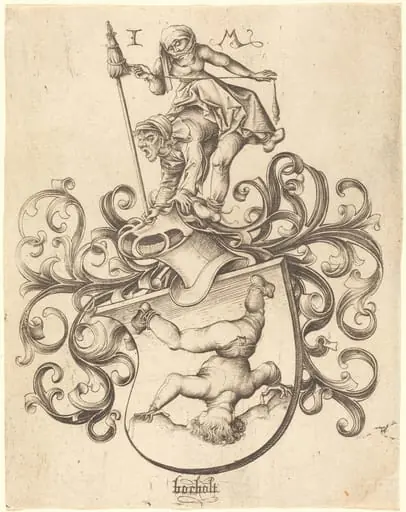
This painting shows a shield with a mask, supported by two genii.
The genii are mythical creatures, often used in art to symbolize protection. They're depicted in a very detailed way, which was typical of Dutch art in the 16th century.
You can learn more about this style by looking at the work of artist: Lucas van Leyden (Dutch, 1494–1533)
Overview
Created in 1527 by Lucas van Leyden, this engraving is one of several works that demonstrate his mastery of fine-line technique and narrative detail.
Created in 1527 by Lucas van Leyden, this engraving is one of several works that demonstrate his mastery of fine-line technique and narrative detail. Unlike his larger religious or genre scenes, this piece focuses on a symbolic emblem, blending classical motifs with Northern European precision. It reflects van Leyden’s engagement with humanist imagery and his ability to convey complex ideas through intricate printmaking.
Subject & Meaning
The central shield bears a mask, likely referencing theatrical or allegorical themes common in Renaissance iconography. Flanking it are two genii—mythical, winged figures traditionally associated with guardianship or divine presence. Their presence suggests protection or the unseen forces guiding human affairs. The composition invites interpretation as a meditation on appearance versus reality, a theme resonant in early 16th-century intellectual circles.
Technique & Style
Van Leyden employed fine, controlled engraving lines to render texture and form with exceptional clarity. The genii’s drapery, musculature, and feathered wings are meticulously detailed, showcasing his command of the burin. Background elements are minimized, directing focus to the central emblem. This restrained yet richly worked style aligns with the Northern European tradition of printmaking, where detail served both aesthetic and symbolic ends.
History & Provenance
The print was produced during the height of van Leyden’s career, when his engravings circulated widely across Europe. While no early ownership records are definitively linked to this specific impression, similar works from his workshop were collected by humanists and nobility. Its survival in multiple institutional collections suggests it was valued for its craftsmanship and intellectual depth rather than as a standalone image.
Context
In the 1520s, Dutch artists increasingly turned to emblematic and allegorical subjects influenced by classical texts and humanist thought. Van Leyden’s engagement with such themes placed him alongside contemporaries like Dürer, who similarly fused mythological symbolism with technical innovation. This print reflects a broader trend in Northern art: using myth to explore moral or philosophical ideas in a visually refined manner.
Legacy
Though less celebrated than his narrative engravings, this work exemplifies van Leyden’s versatility and his role in expanding the expressive potential of printmaking. Later artists studied his handling of mythological figures and compositional balance. The print remains a reference point for understanding how Northern Renaissance artists adapted classical motifs into intimate, technically sophisticated formats.
Artist & collection

Artist
Lucas van Leyden (1494 – 8 August 1533), was a Dutch painter and printmaker in engraving and woodcut. Lucas van Leyden was among the first Dutch exponents of genre painting and was a very accomplished engraver.

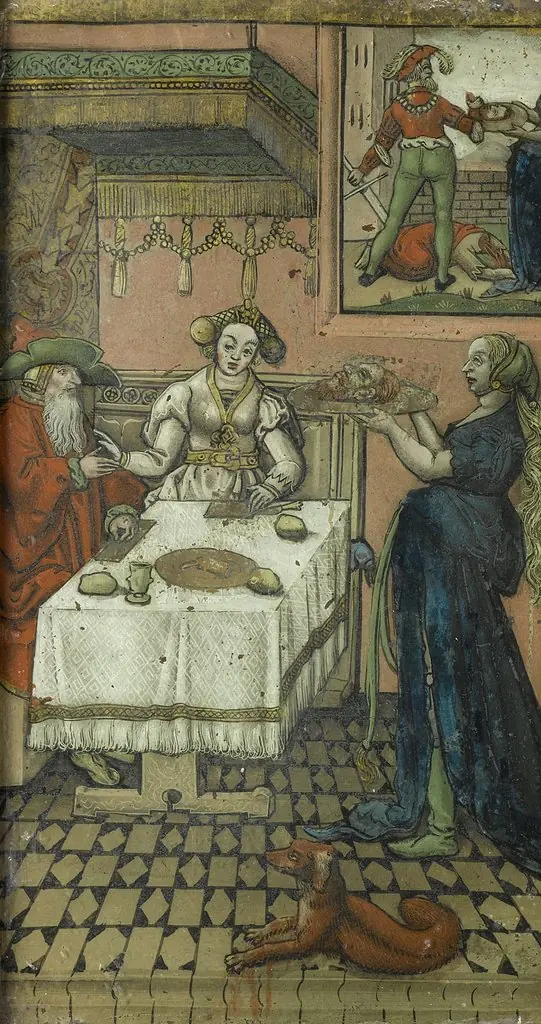 Salome with the head of St John the Baptist
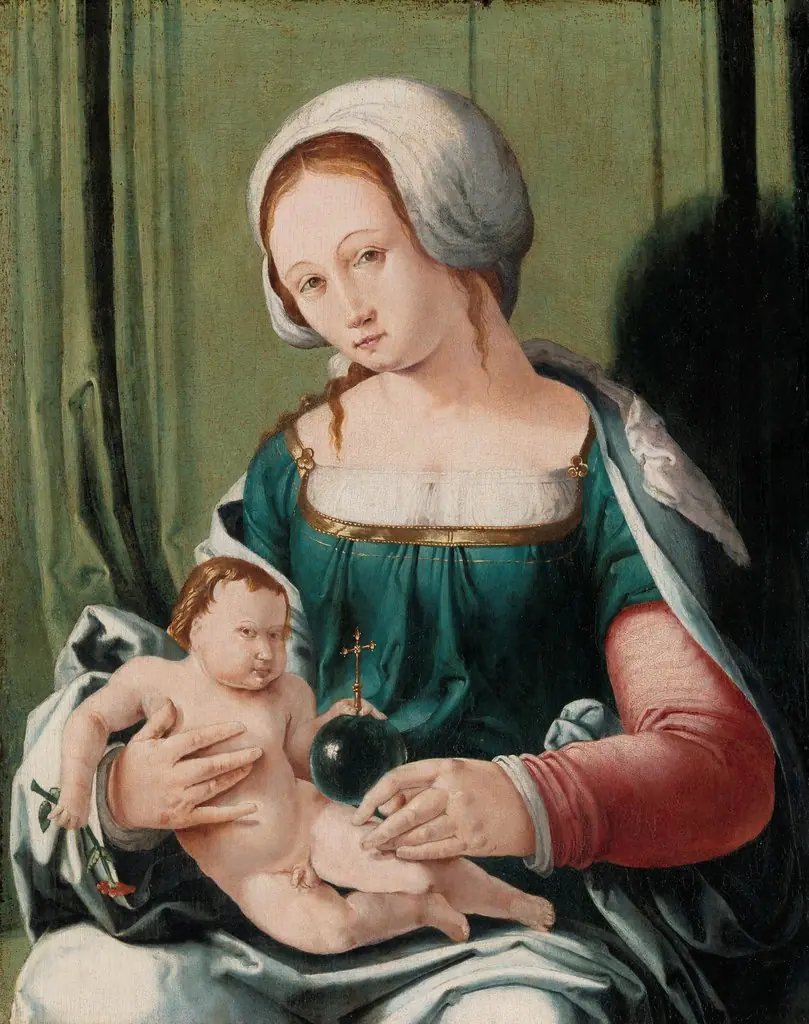 The Virgin and Child
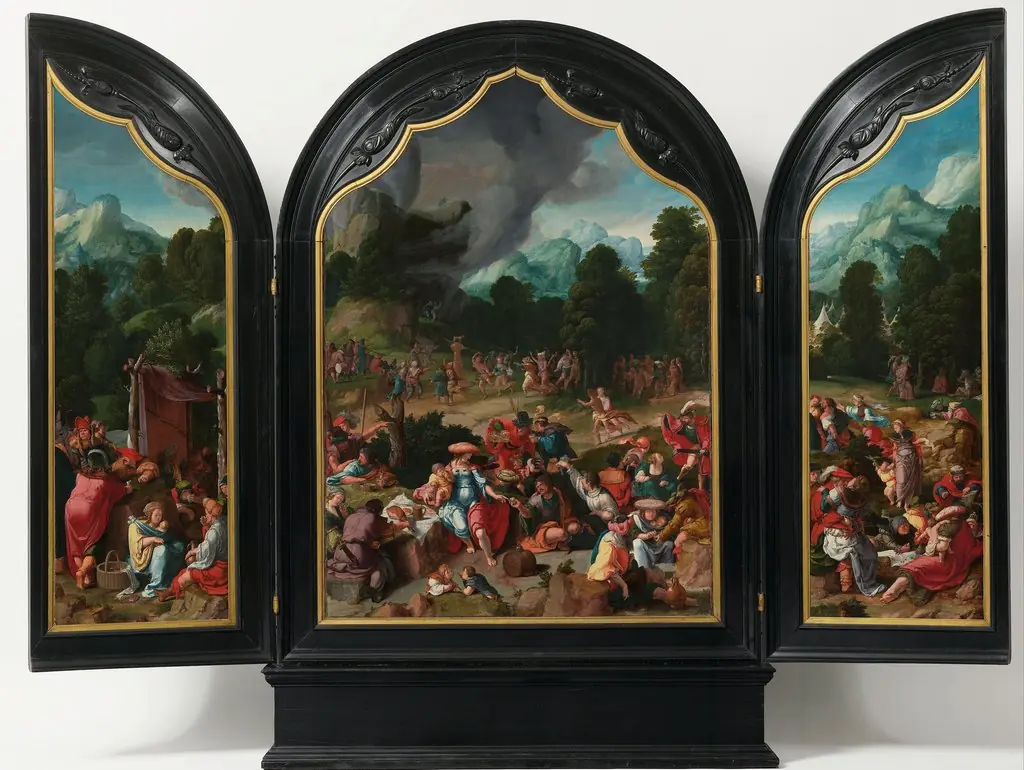 Worship of the Golden Calf
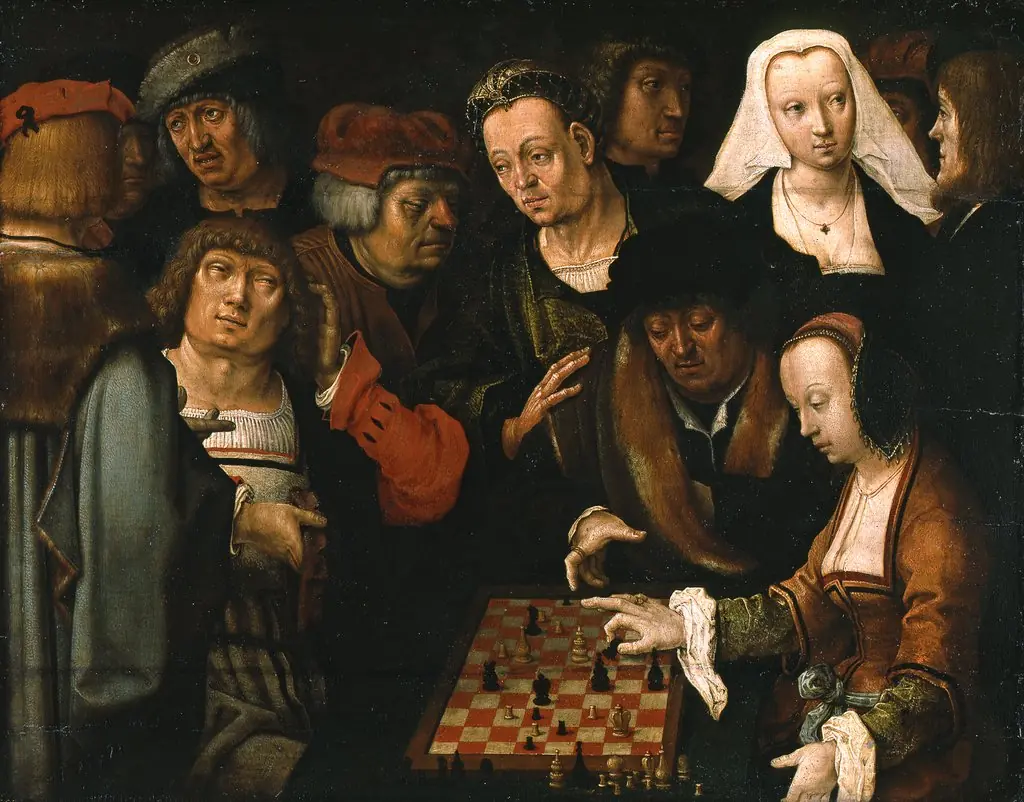 A Game of Chess
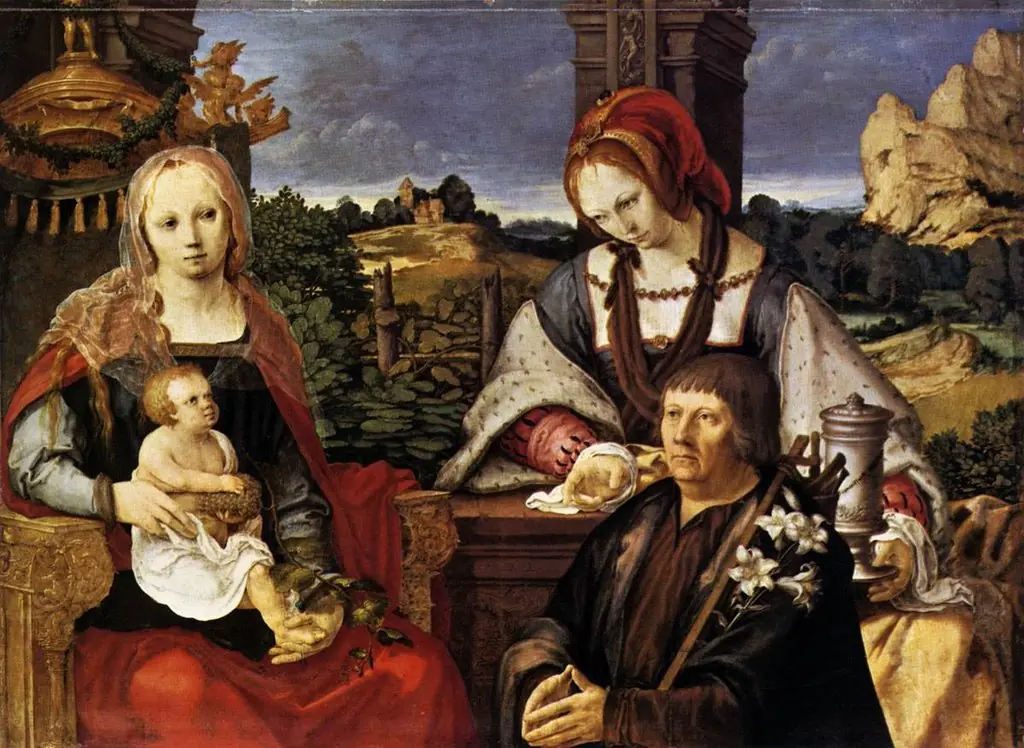 Mary with Child, St. Maria Magdalena and founder (separate outside, Inv. No. 7713)
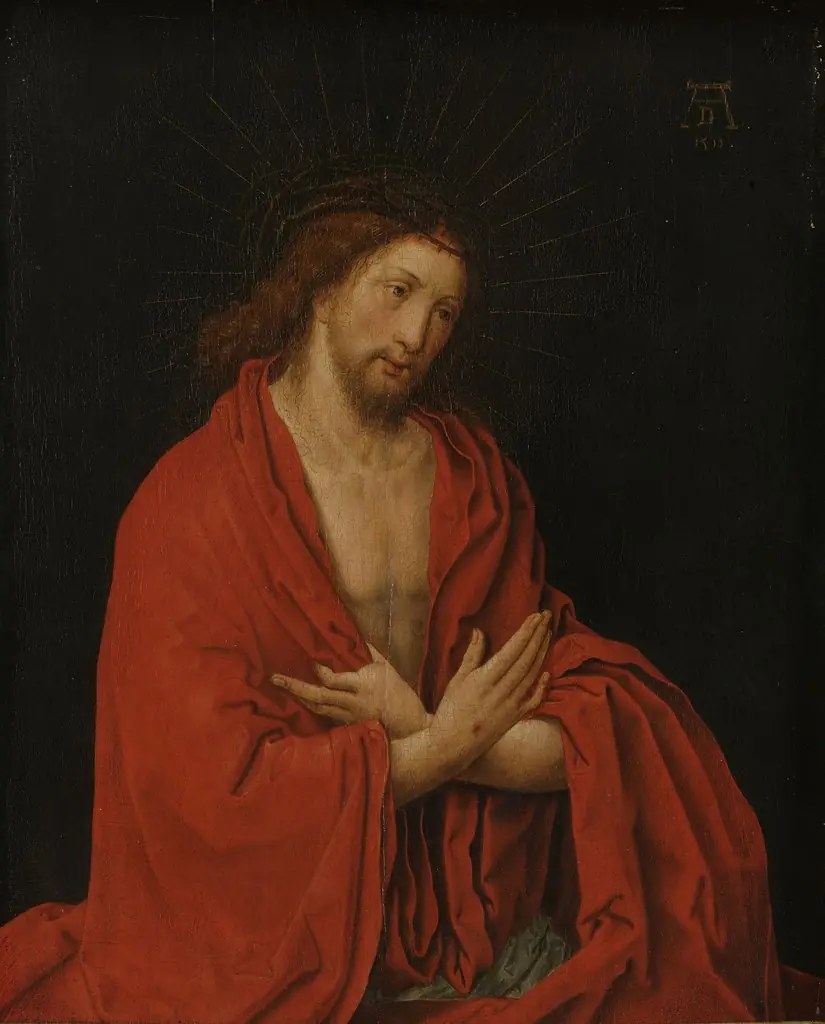 Inner left wing of a diptych with Christ as the Man of Sorrows
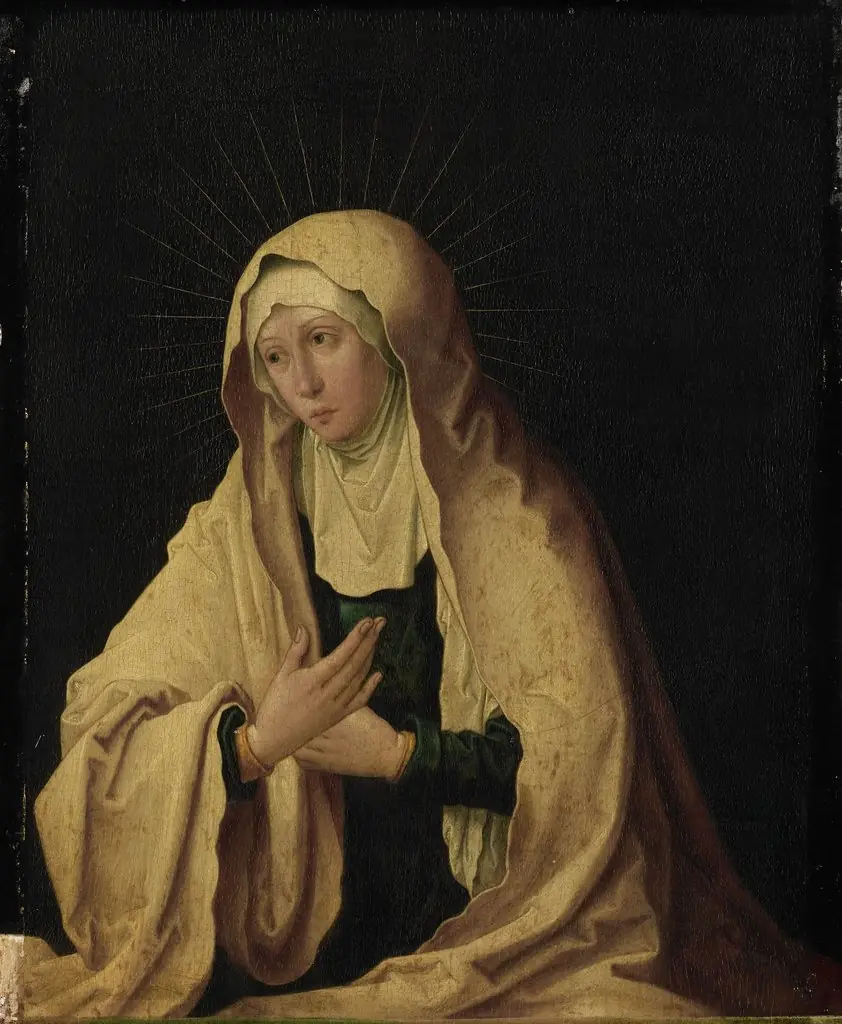 Inner right wing of a diptych with the Virgin as Mater Dolorosa
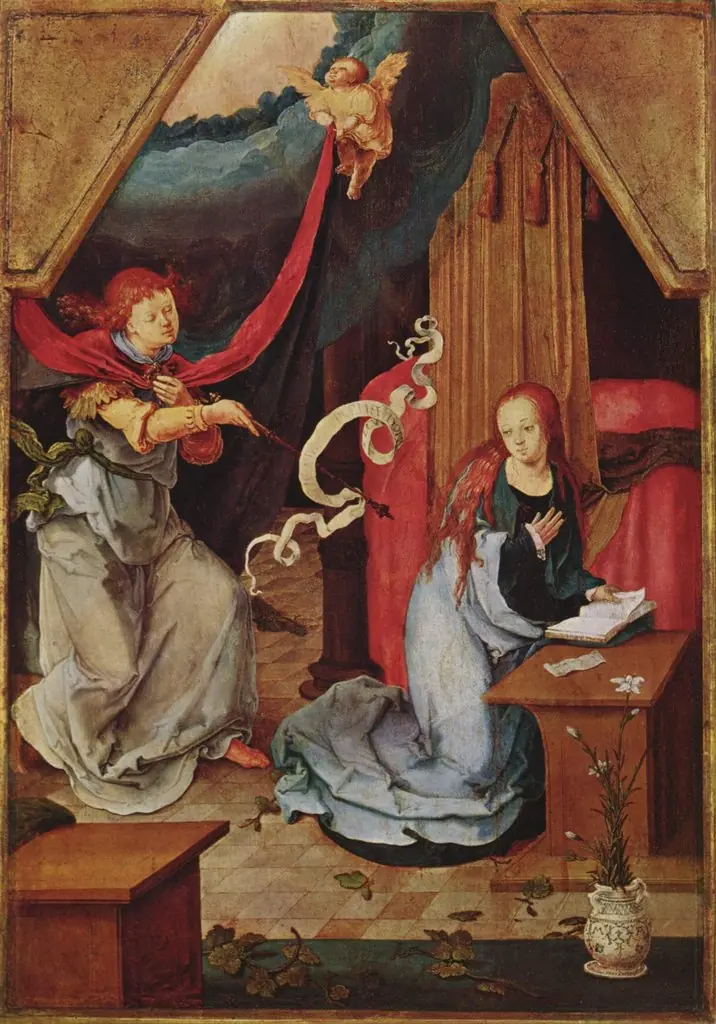 Annunciation