Artwork
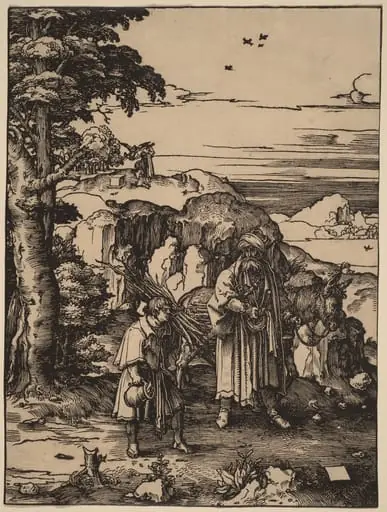
Abraham Going to Sacrifice Isaac
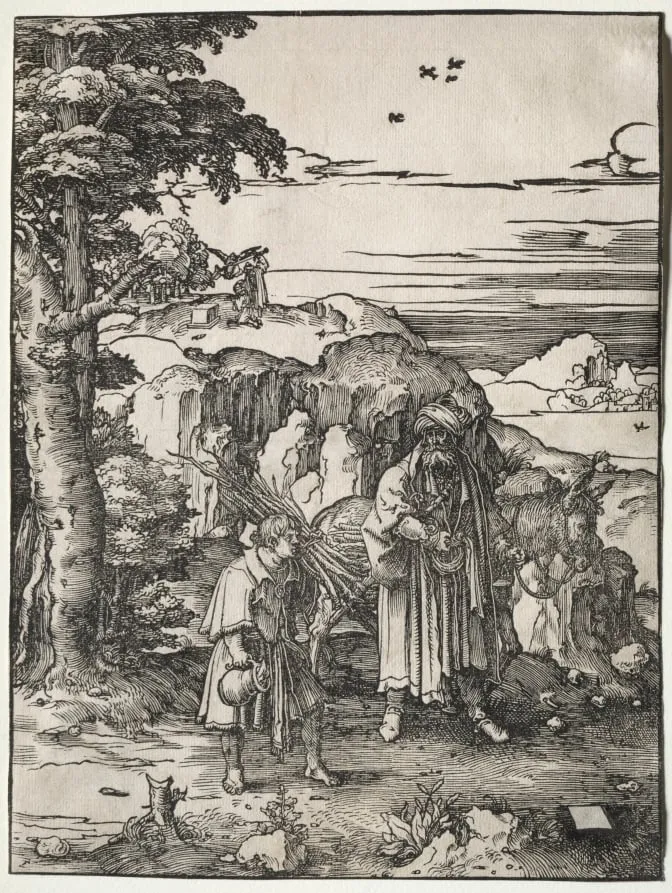
Abraham Going to Sacrifice Isaac is a print by the Renaissance artist Lucas van Leyden. It dates from 1518 and is held in the collection of the Cleveland Museum of Art.
About this work
This print is one of the first times an artist used short, even lines—called hatching—to create shadows and depth in a woodcut.
You see a woodcut of Abraham leading his son Isaac up a rocky hill, knife in hand, while an angel swoops in to stop him.
This print is one of the first times an artist used short, even lines—called hatching—to create shadows and depth in a woodcut. The technique makes the scene feel alive, almost like a drawing. It’s quiet but dramatic, with every rock and fold of cloth carefully shown.
To see how other artists handled the same story, look up more works in the subject *netherlands, 16th century*.
Overview
The woodcut titled Abraham Going to Sacrifice Isaac depicts the biblical patriarch leading his son up a craggy slope, knife in hand, as an angel intervenes. Rendered in black-and-white relief, the image captures a moment of tension and divine interruption, emphasizing the narrative’s moral and theological weight within a compact, highly detailed composition.
Technique & Style
The print exemplifies an early use of uniform, short hatching strokes to model shadow and volume, a departure from the broader, irregular lines typical of earlier woodcuts. These parallel lines create tonal gradations, while the contour lines remain crisp yet restrained, giving the scene a drawing‑like immediacy and a clear spatial organization that enhances its visual depth.
Subject & Meaning
Beyond the dramatic pause before the sacrifice, the work invites contemplation of typological parallels; Isaac’s burden of wood is often read as a prefiguration of Christ’s cross. By focusing on the journey rather than the act itself, the artist underscores themes of obedience, faith, and divine mercy, inviting viewers to reflect on the moral implications of the narrative.
History & Provenance
Created by the Dutch printmaker Hendrick Goltzius in the late 16th century, the piece represents the apex of his woodcut practice. It circulated widely in print collections of the period, influencing contemporaneous depictions of the Abraham‑Isaac story across the Netherlands and contributing to the broader diffusion of advanced engraving techniques.
Artist & collection

Artist
Lucas van Leyden (1494 – 8 August 1533), was a Dutch painter and printmaker in engraving and woodcut. Lucas van Leyden was among the first Dutch exponents of genre painting and was a very accomplished engraver.

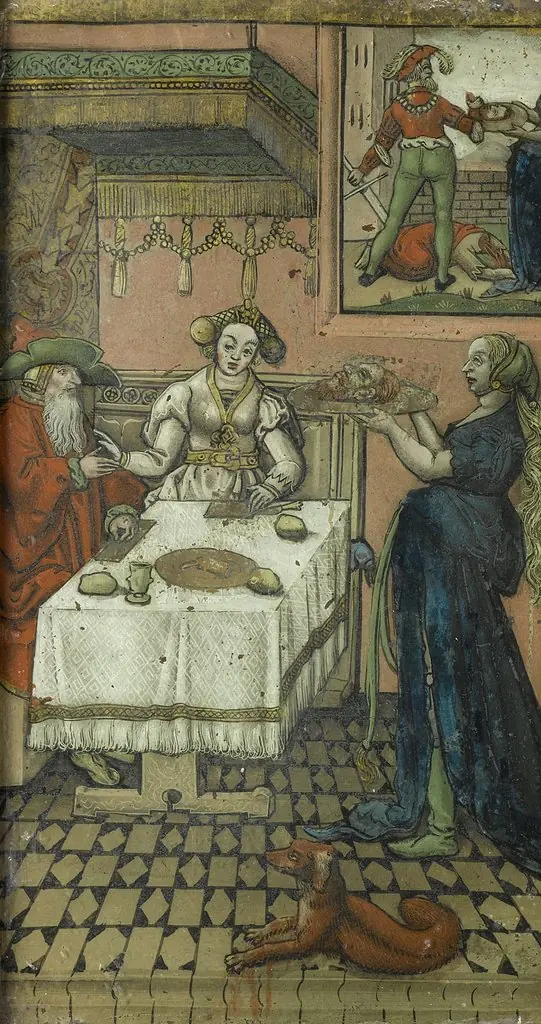 Salome with the head of St John the Baptist
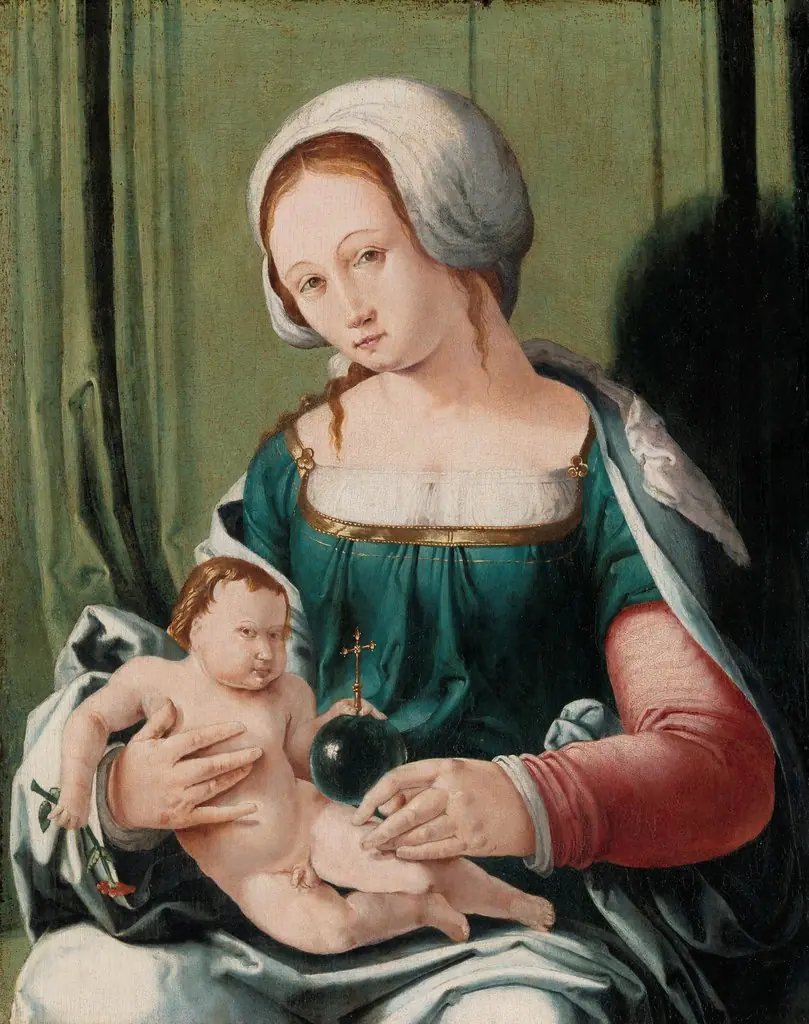 The Virgin and Child
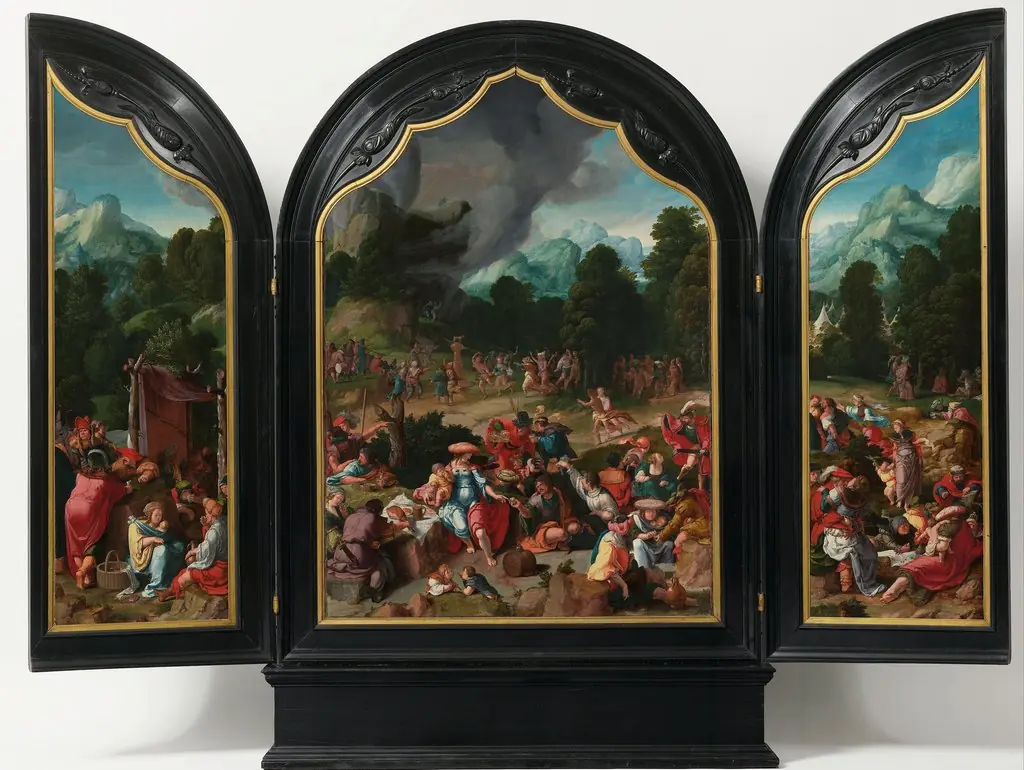 Worship of the Golden Calf
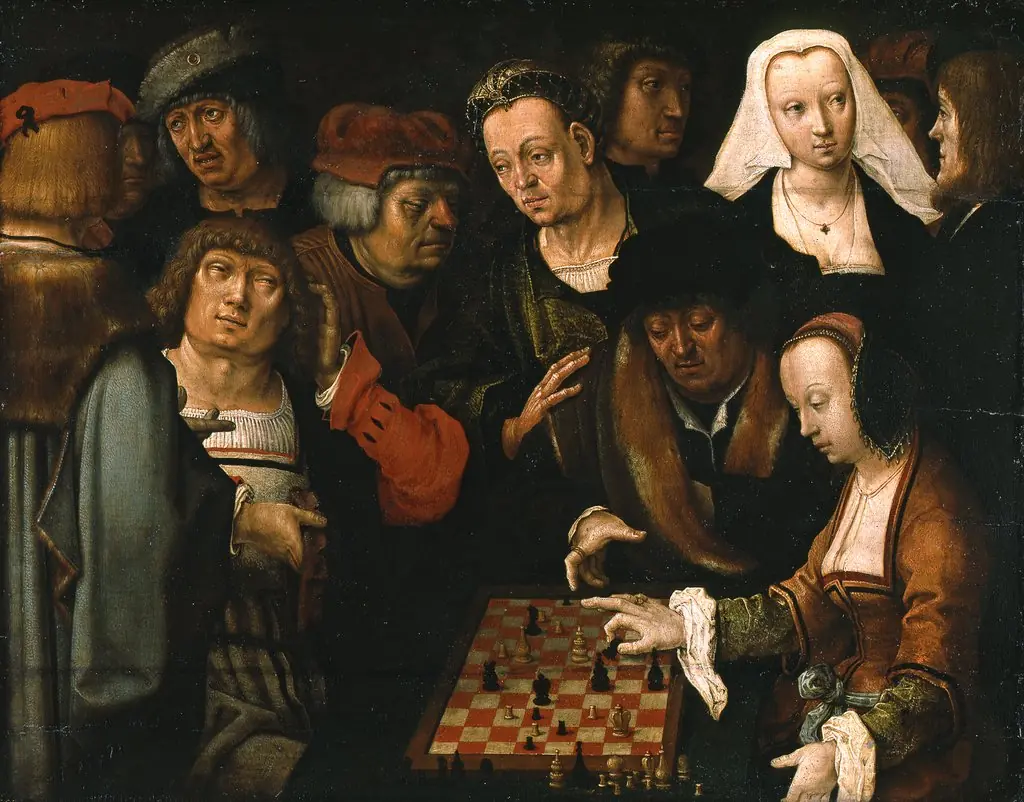 A Game of Chess
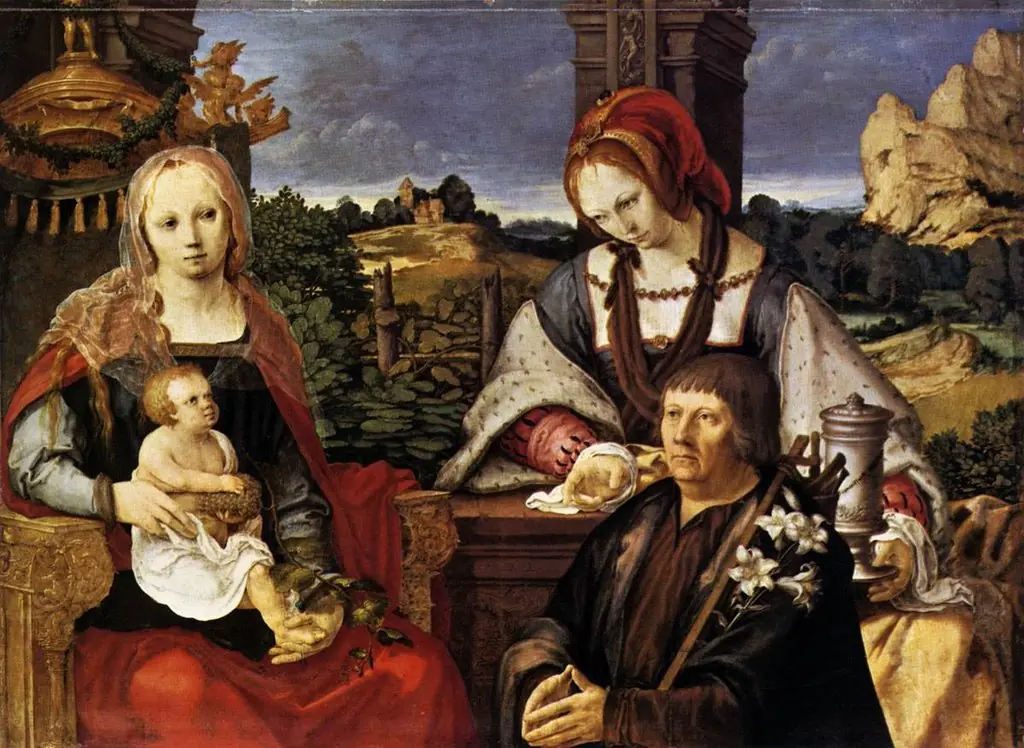 Mary with Child, St. Maria Magdalena and founder (separate outside, Inv. No. 7713)
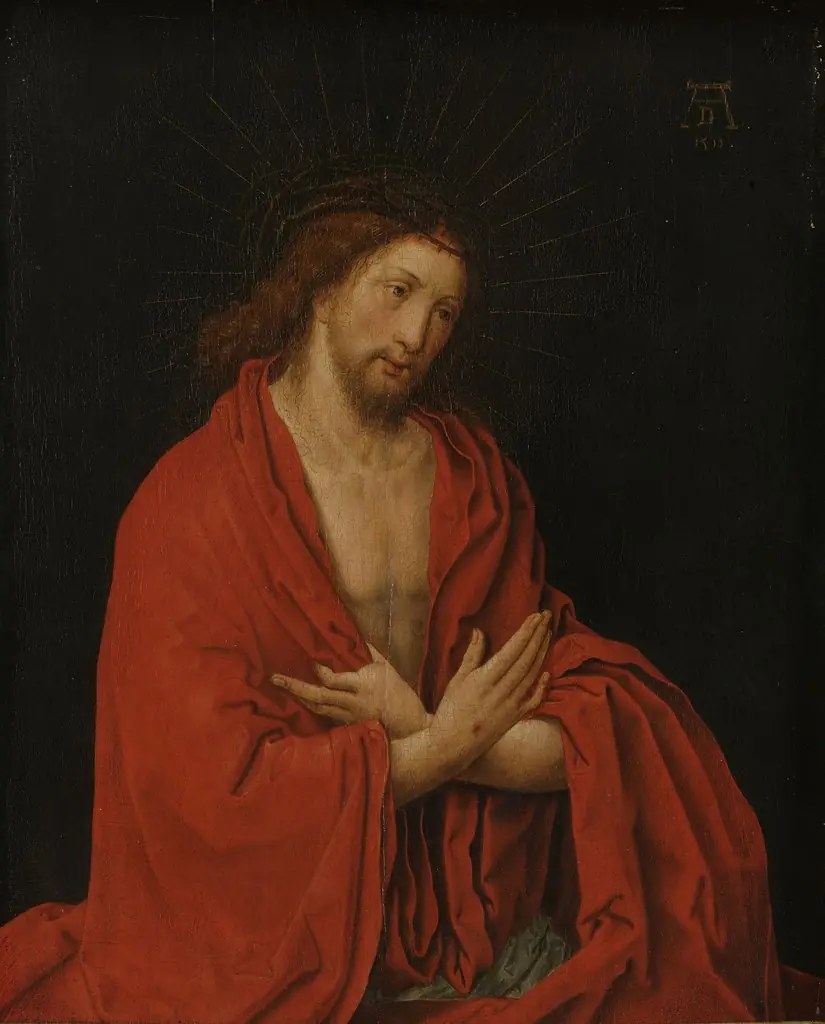 Inner left wing of a diptych with Christ as the Man of Sorrows
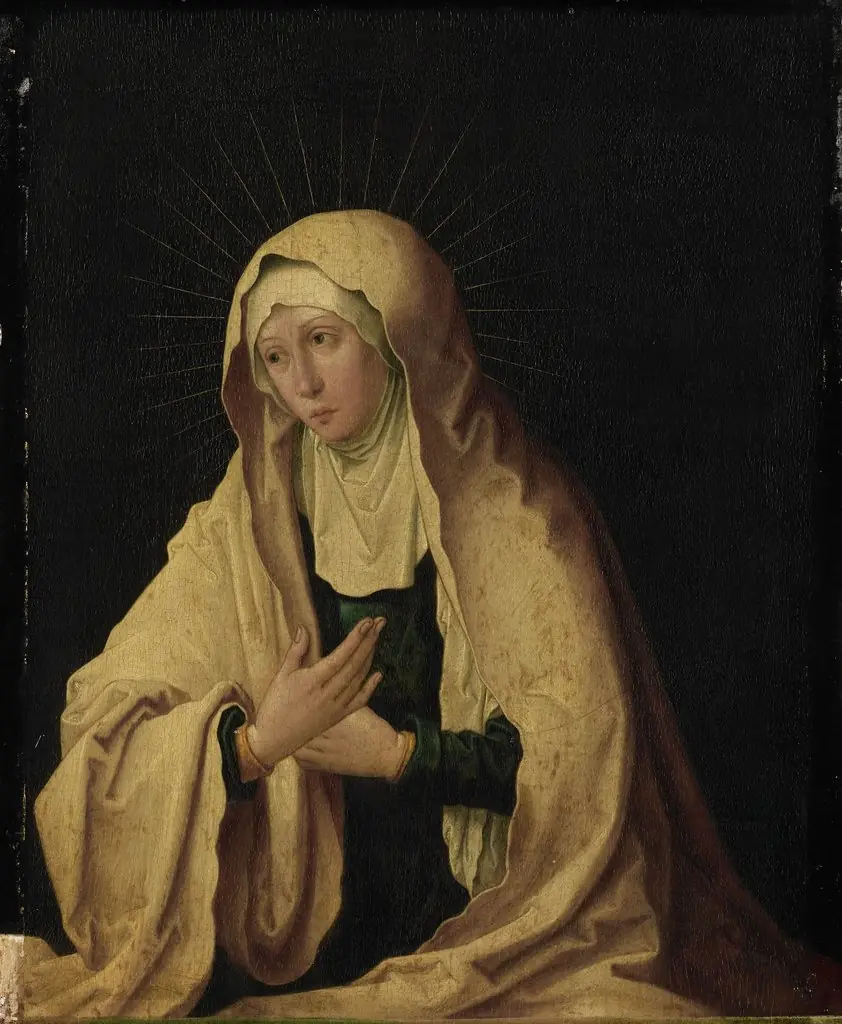 Inner right wing of a diptych with the Virgin as Mater Dolorosa
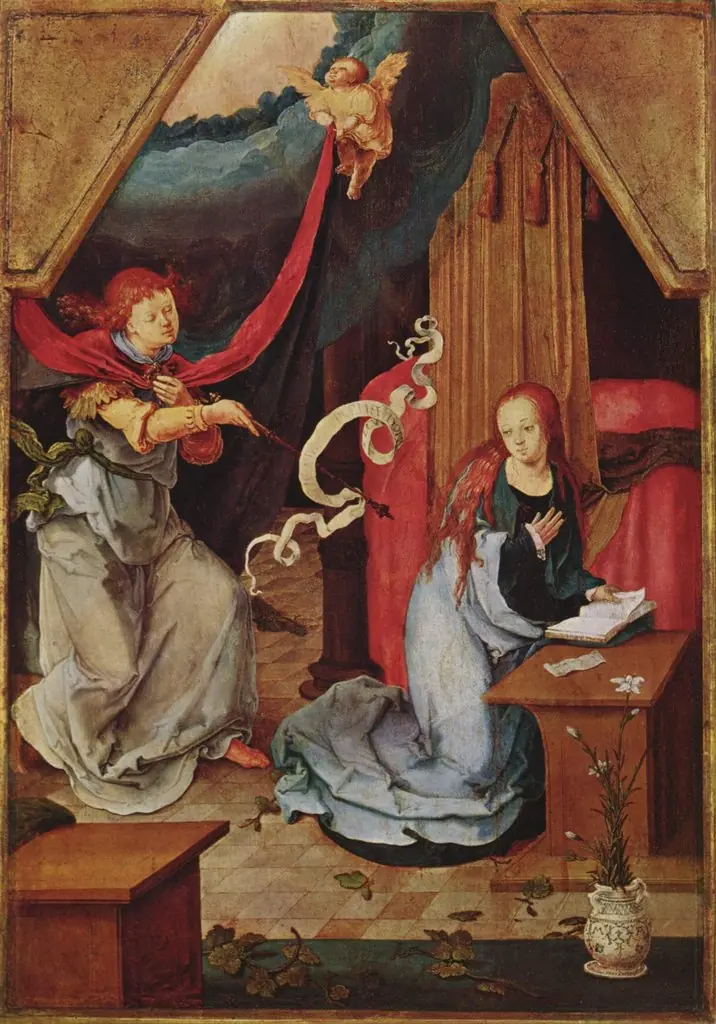 Annunciation
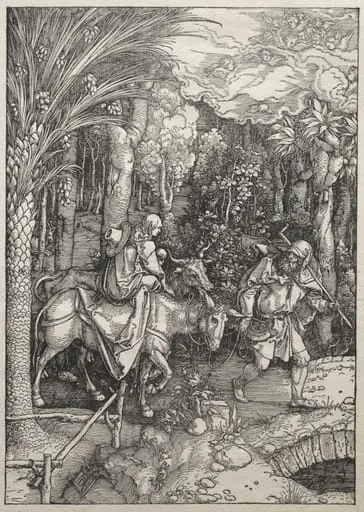 Life of the Virgin: Flight into Egypt
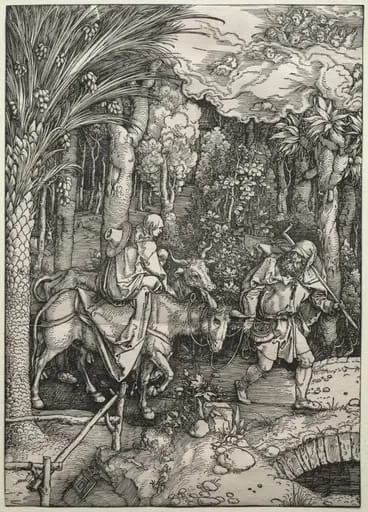 The Flight into Egypt
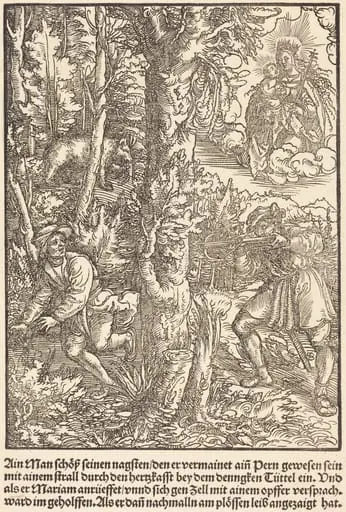 Ain Man Schoss seinen nagsten ...
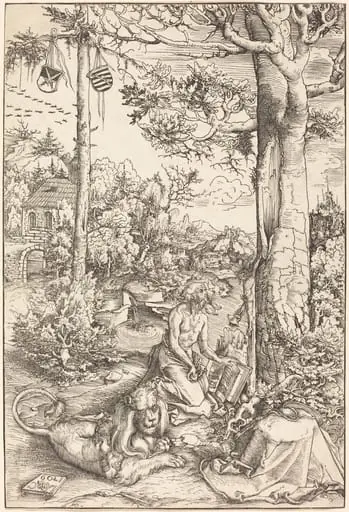 The Penitence of Saint Jerome
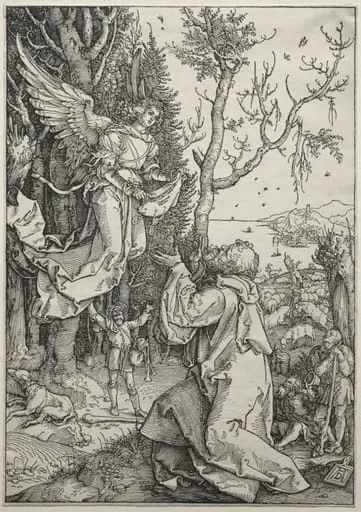 The Life of the Virgin: Joachim and the Angel
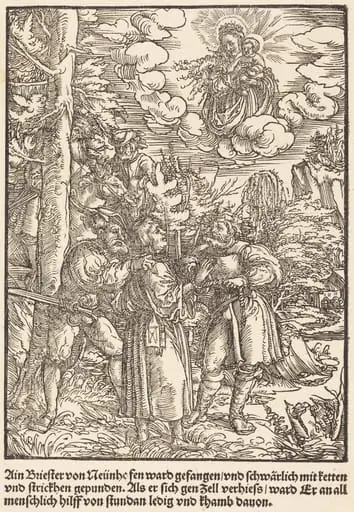 Ain Briester von Neunhe ...
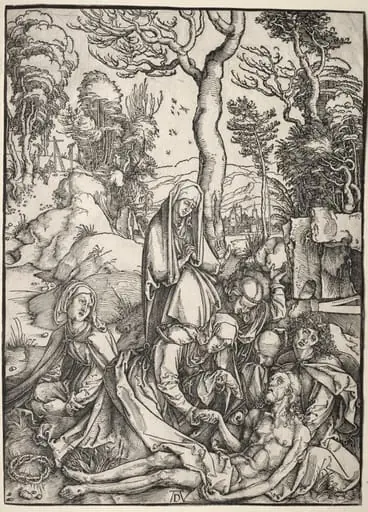 The Great Passion: The Lamentation of Christ
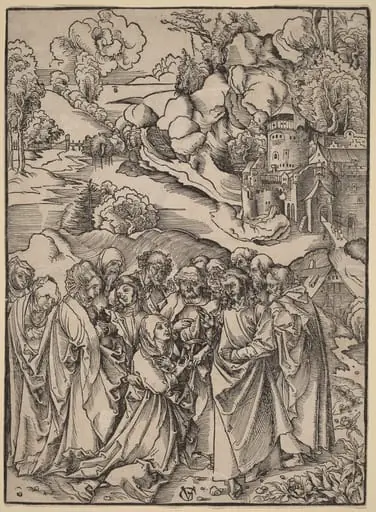 Christ and the Apostles and the Holy Women
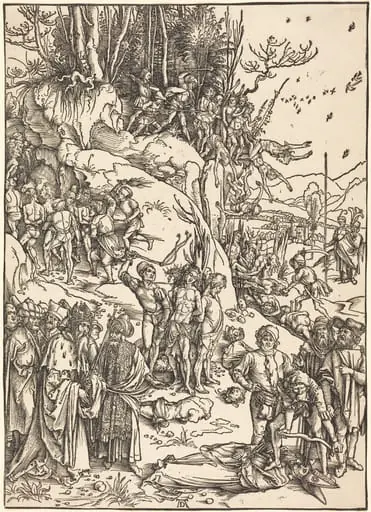 The Martyrdom of the Ten Thousand
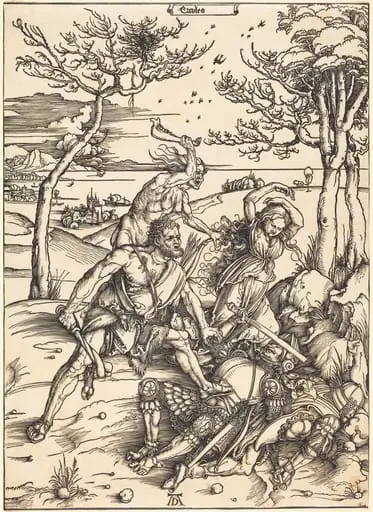 Hercules Conquering Cacus ("Ercules")
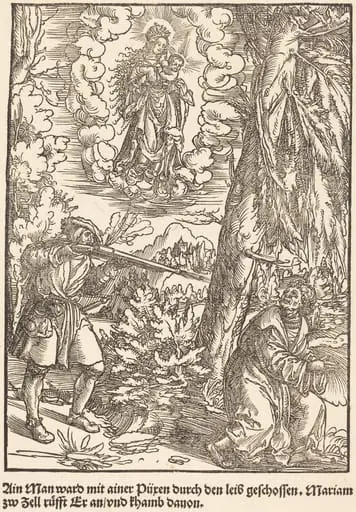 Ain Man ward mit ainer Puren ...
 Abraham Going to Sacrifice Isaac