Artwork
The Passion: The Agony in the Garden
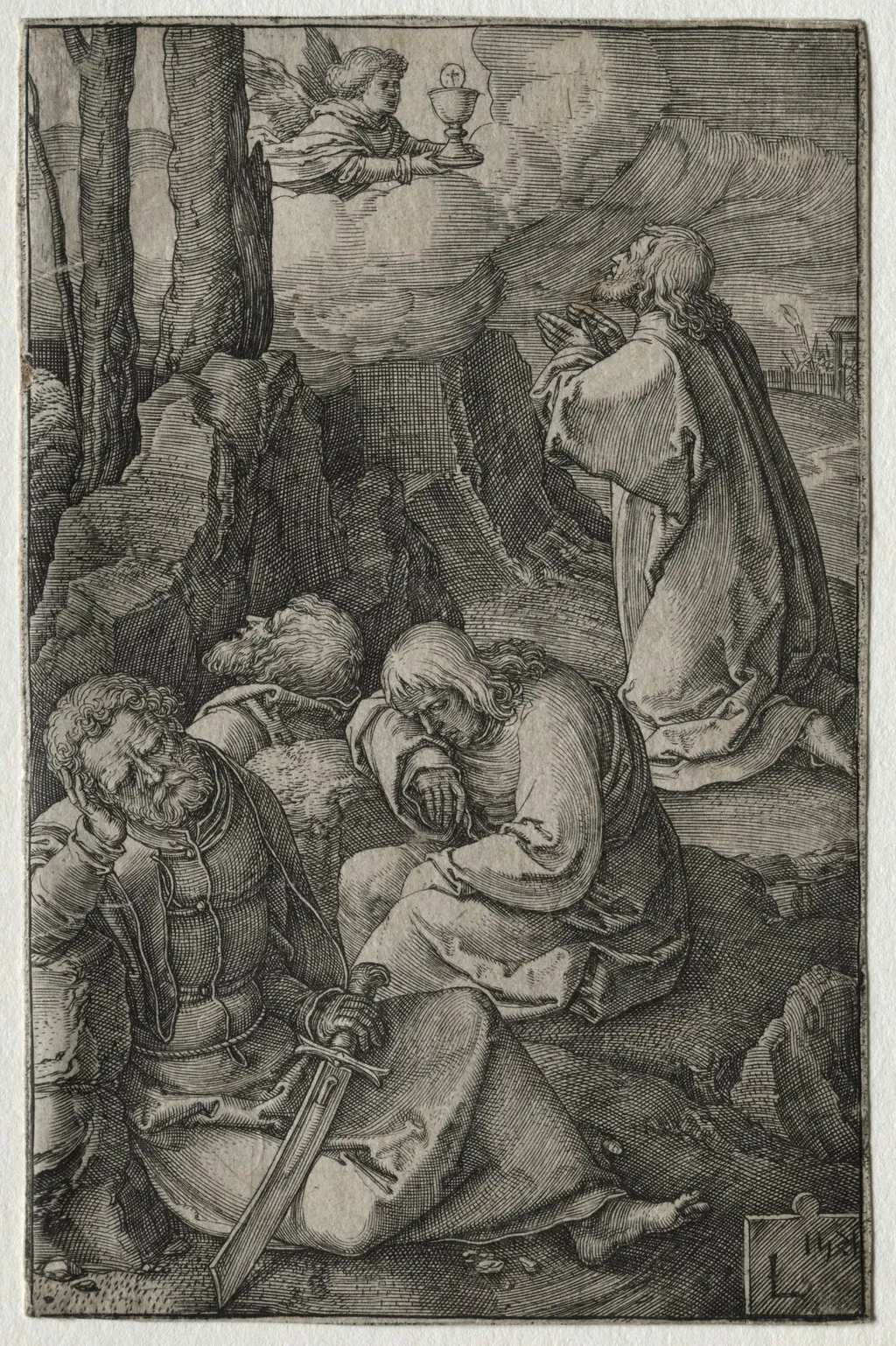
The Passion: The Agony in the Garden is a print by the Renaissance artist Lucas van Leyden. It dates from 1521 and is held in the collection of the Cleveland Museum of Art.
About this work
Overview
Created in 1521 by the Dutch artist Lucas van Leyden, this print is one of a series illustrating the Passion of Christ. Executed in engraving, it captures a moment of quiet tension before Christ’s arrest. Van Leyden, known for his precision in printmaking, rendered the scene with fine lines and layered textures, reflecting his technical sophistication and deep engagement with religious narrative.
Subject & Meaning
The scene portrays Christ in prayer at Gethsemane, his disciples asleep nearby, as he prepares for his impending suffering. The stillness of the figures contrasts with the gravity of the moment, emphasizing inner turmoil amid external calm. Van Leyden avoids dramatic gestures, instead inviting contemplation through restrained composition and the solitude of Christ’s posture.
Technique & Style
Van Leyden employed fine-line engraving to achieve intricate detail in the landscape and figures. The rocks, foliage, and distant hills are rendered with meticulous hatching, creating depth and atmosphere. Subtle contrasts in tone, though not full chiaroscuro, guide the viewer’s eye toward Christ, while the calm expressions of the disciples reinforce the scene’s meditative quality.
History & Provenance
The print entered the Cleveland Museum of Art’s collection as part of its broader holdings in Northern Renaissance prints. It was likely produced for private devotion or scholarly audiences, given van Leyden’s reputation among collectors. The work survives in a limited number of early impressions, reflecting its circulation among educated patrons in the early 16th century.
Context
His ability to convey narrative nuance in small-scale engravings positioned him as a key figure in the transition from medieval to Renaissance visual culture.
In early 16th-century Netherlands, religious imagery remained central despite growing Reformation tensions. Van Leyden’s prints offered accessible, intimate interpretations of biblical scenes, blending devotional purpose with artistic innovation. His ability to convey narrative nuance in small-scale engravings positioned him as a key figure in the transition from medieval to Renaissance visual culture.
Legacy
Van Leyden’s technical command influenced later Northern engravers and helped elevate printmaking to a respected art form. His restrained emotional tone and attention to naturalistic detail set a precedent for narrative prints that prioritized psychological depth over spectacle. This work remains a reference for understanding how religious themes were rendered with quiet intensity in the early Reformation era.
Artist & collection

Artist
Lucas van Leyden (1494 – 8 August 1533), was a Dutch painter and printmaker in engraving and woodcut. Lucas van Leyden was among the first Dutch exponents of genre painting and was a very accomplished engraver.

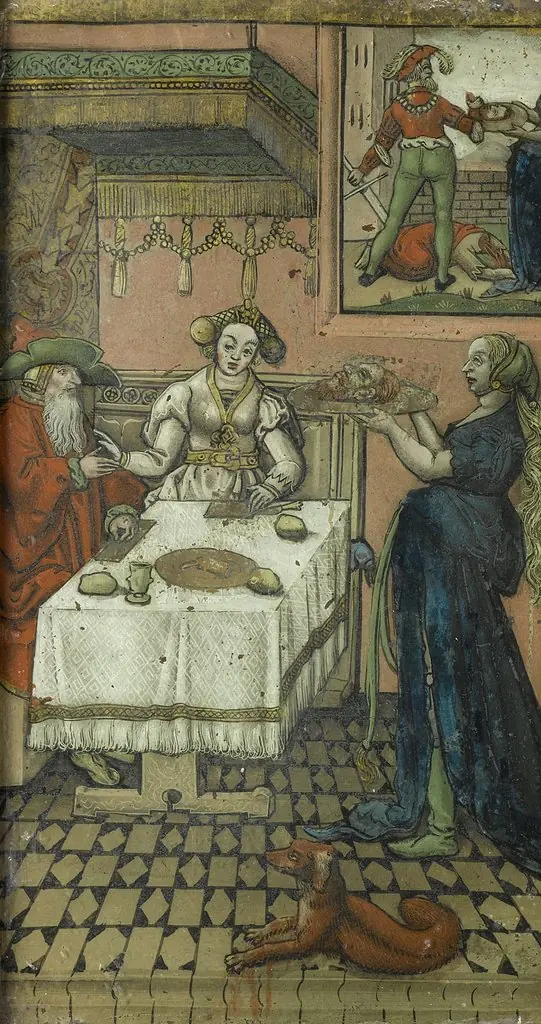 Salome with the head of St John the Baptist
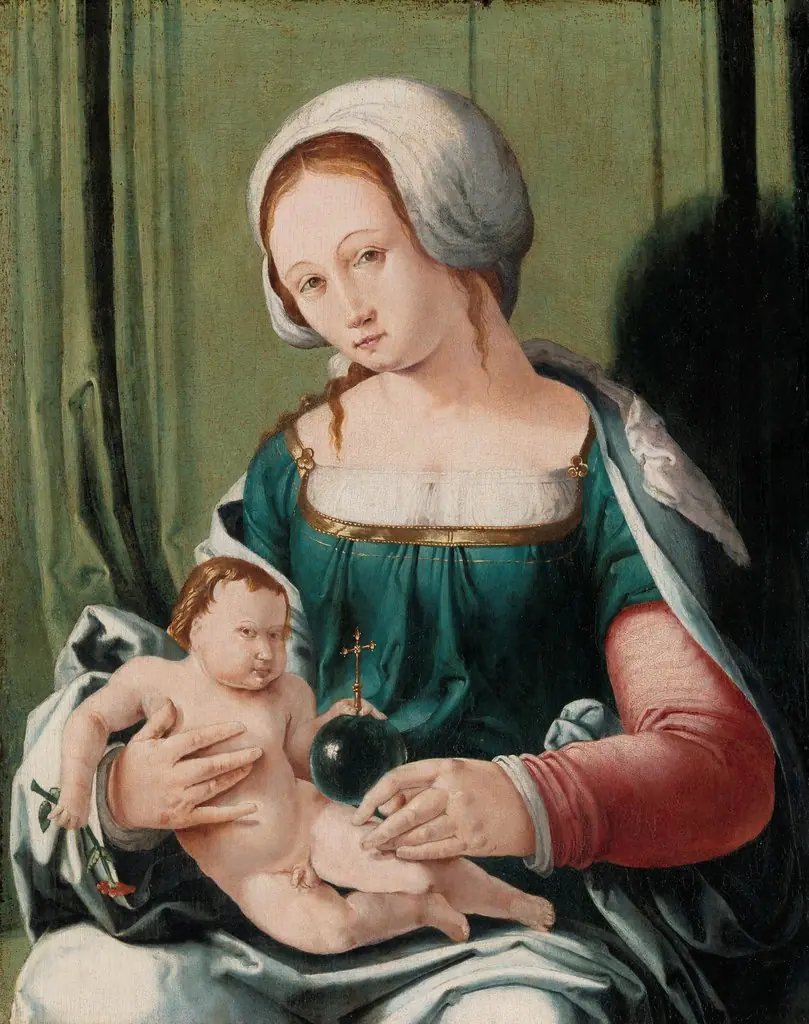 The Virgin and Child
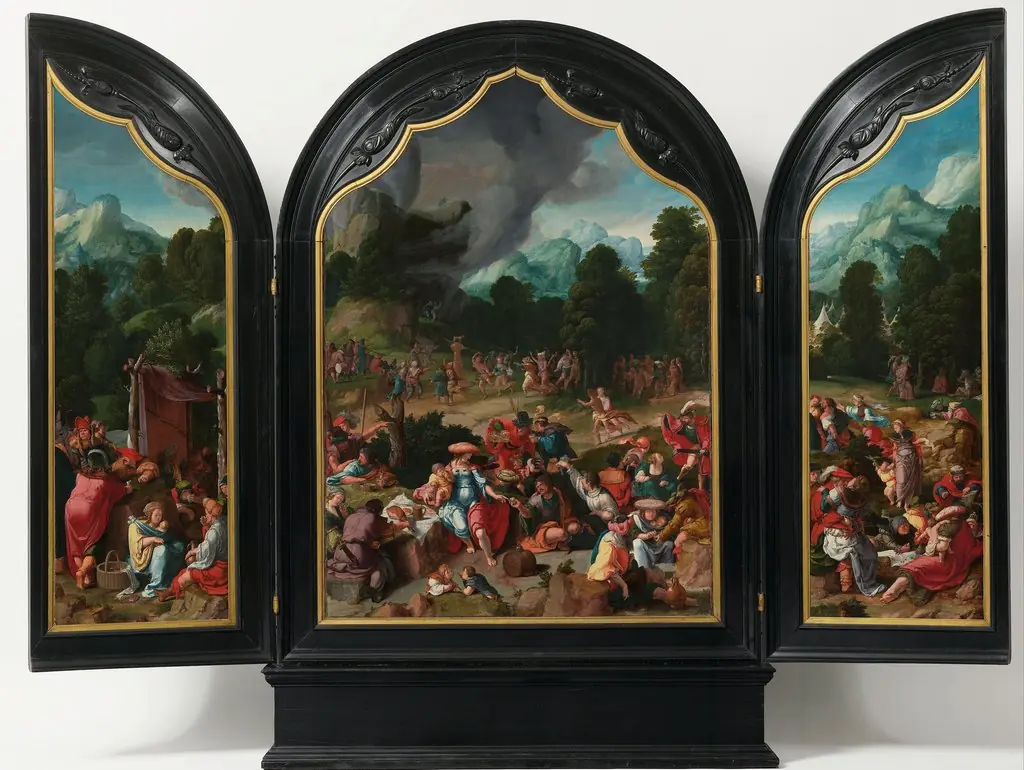 Worship of the Golden Calf
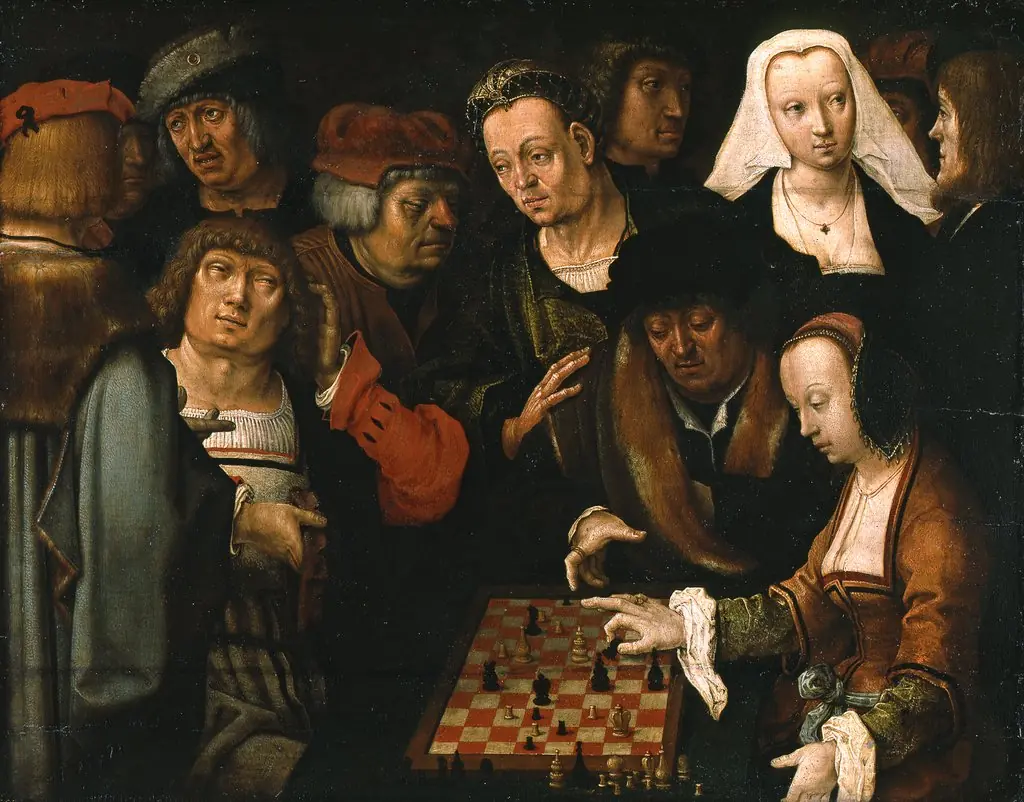 A Game of Chess
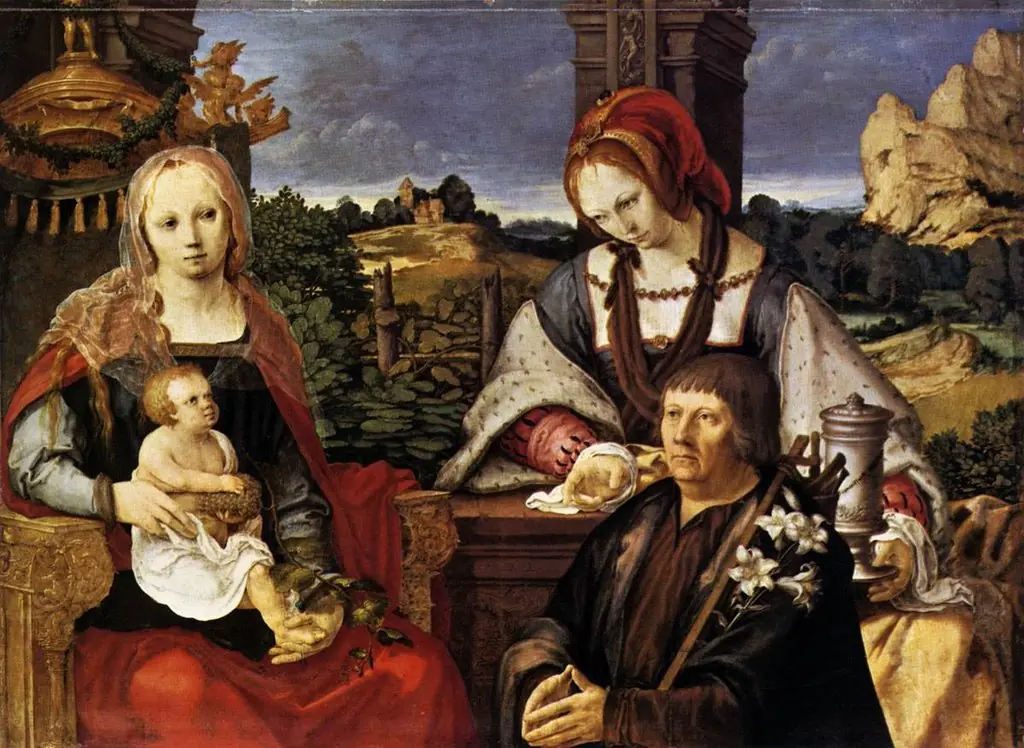 Mary with Child, St. Maria Magdalena and founder (separate outside, Inv. No. 7713)
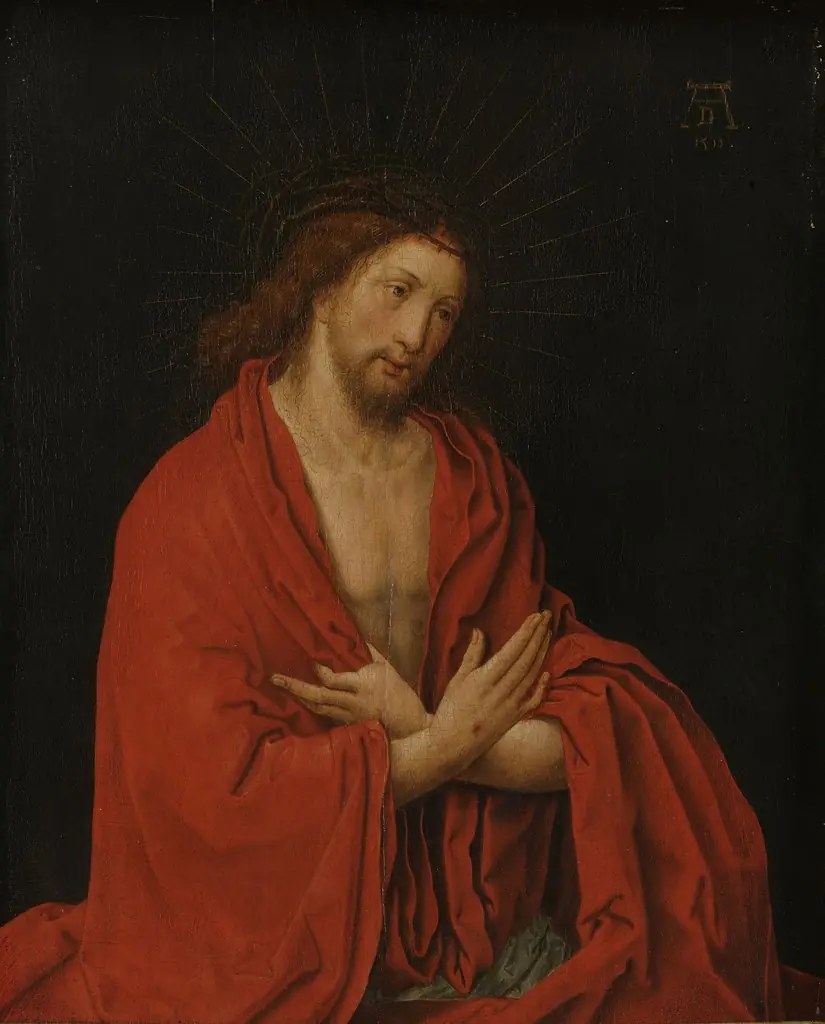 Inner left wing of a diptych with Christ as the Man of Sorrows
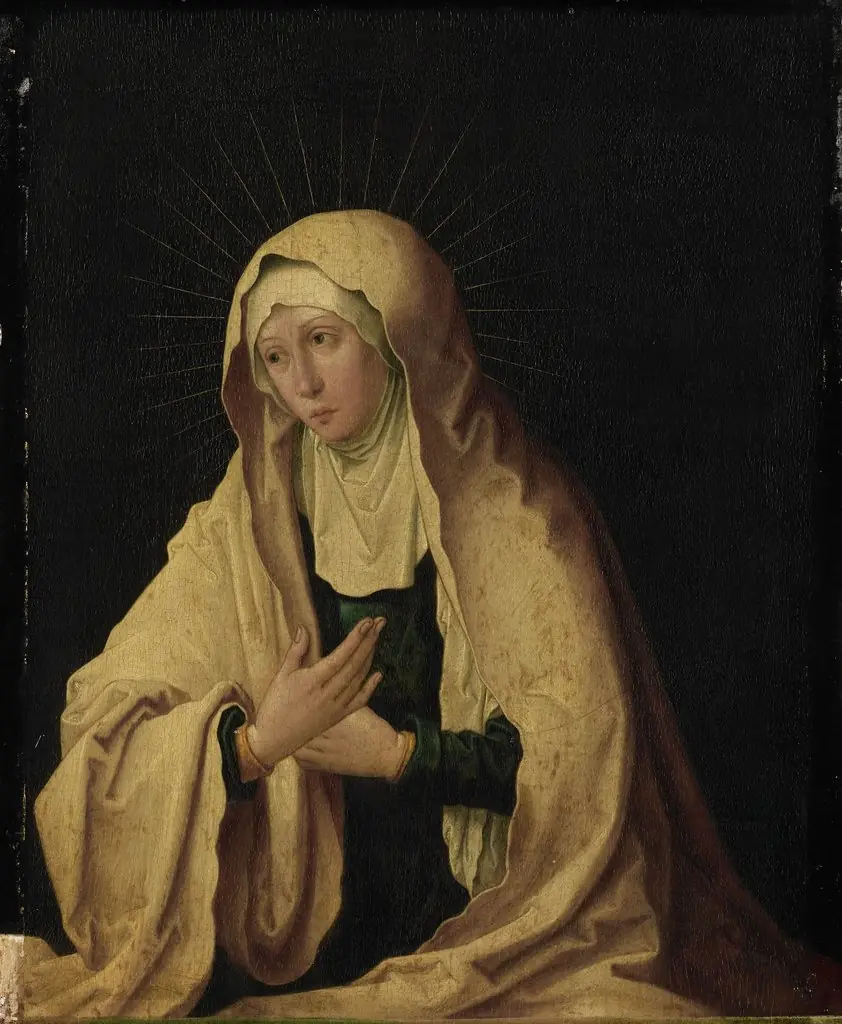 Inner right wing of a diptych with the Virgin as Mater Dolorosa
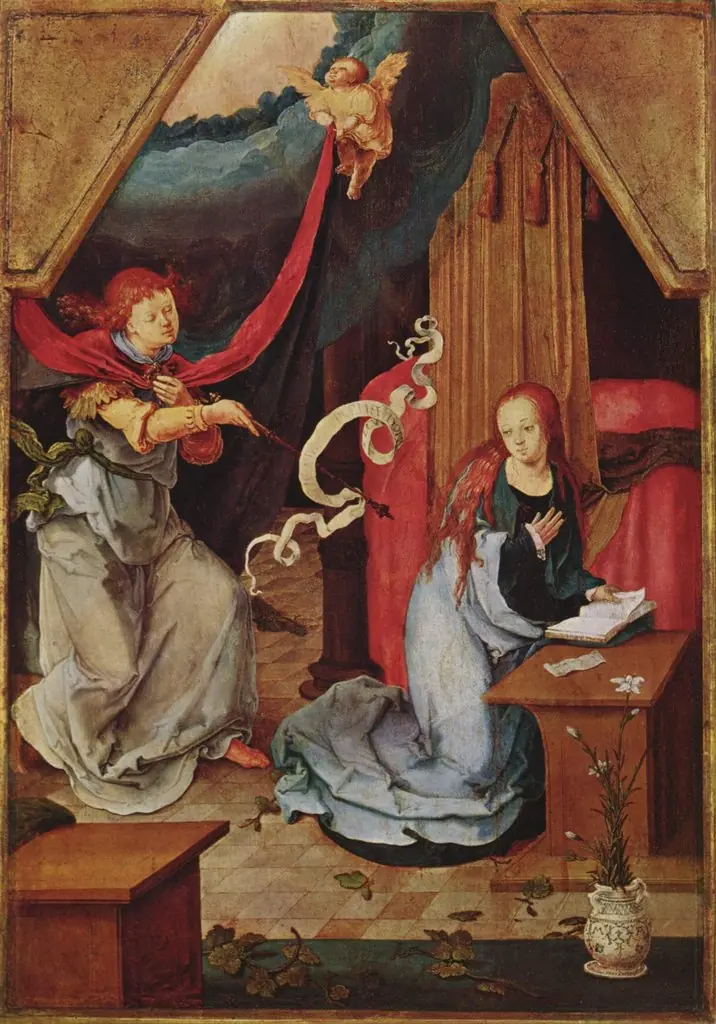 Annunciation