Artwork
The Round Passion
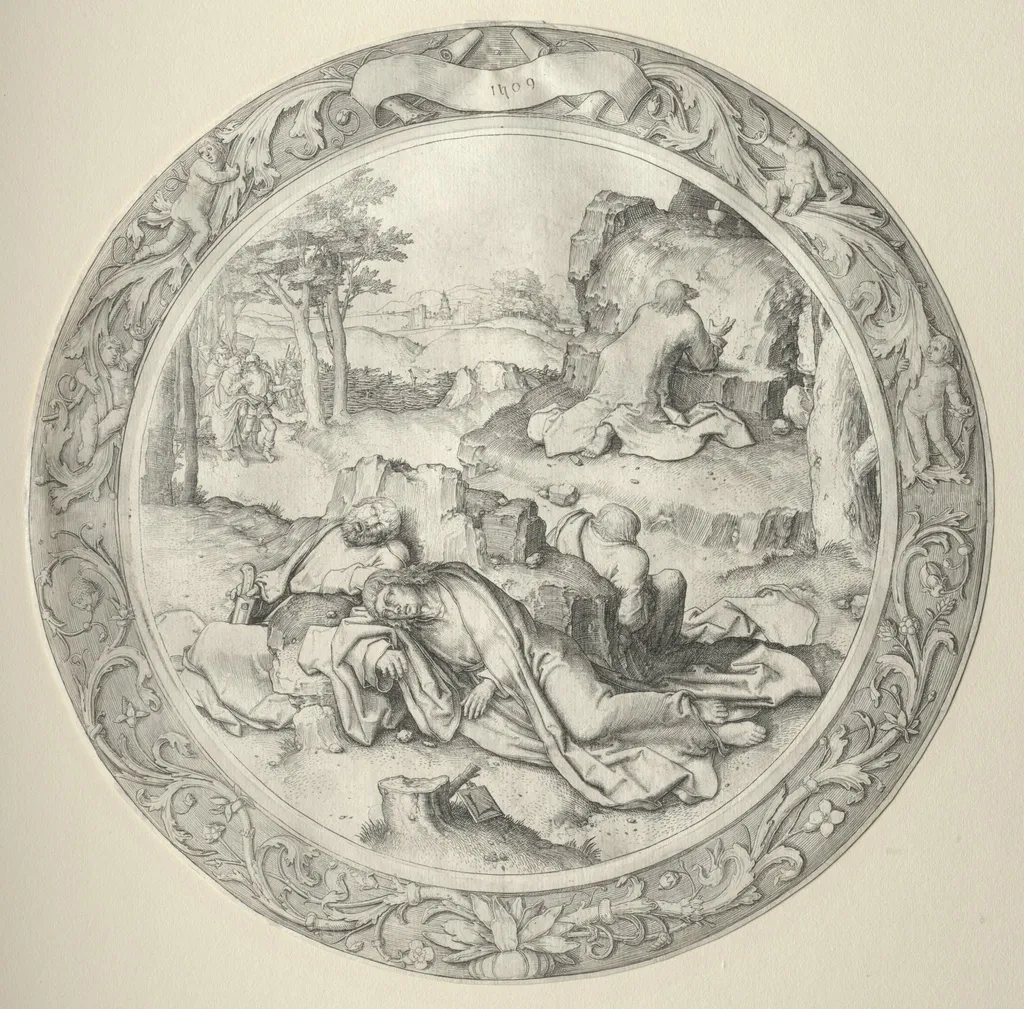
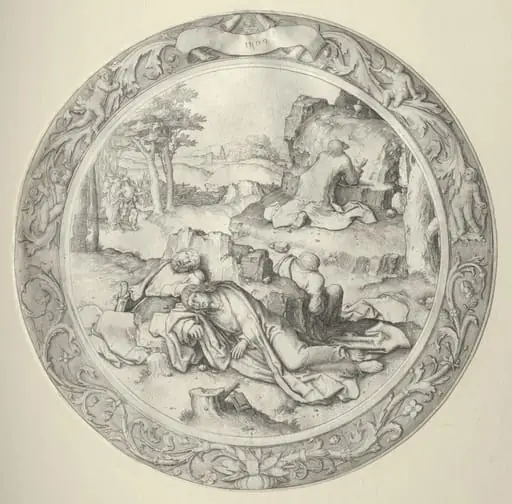
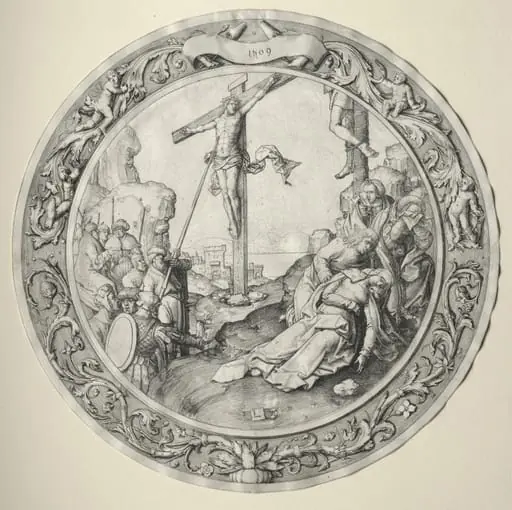
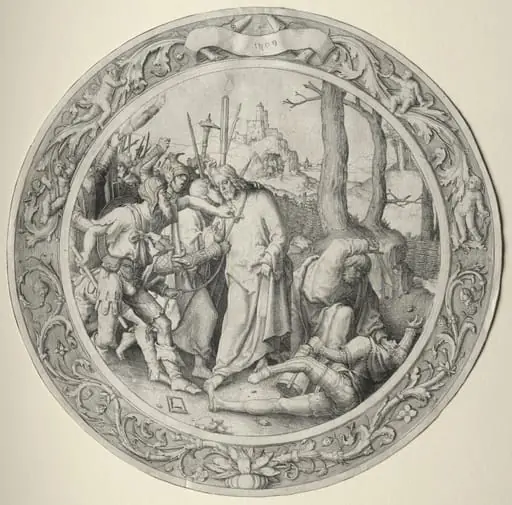
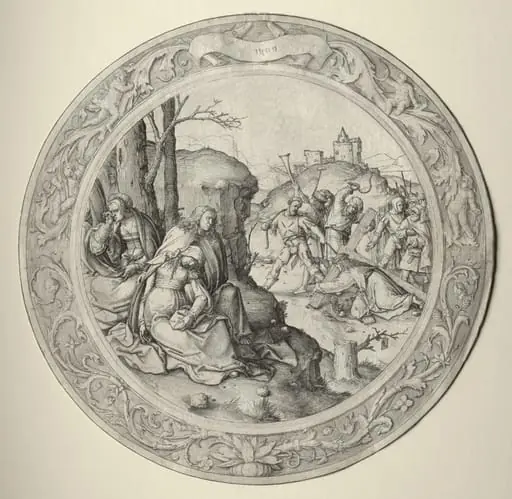
The Round Passion is a print by the Renaissance artist Lucas van Leyden. It dates from 1509 and is held in the collection of the Cleveland Museum of Art.
About this work
Overview
As one of the earliest Dutch artists to explore narrative detail in printmaking, van Leyden used the medium to convey complex religious stories with precision.
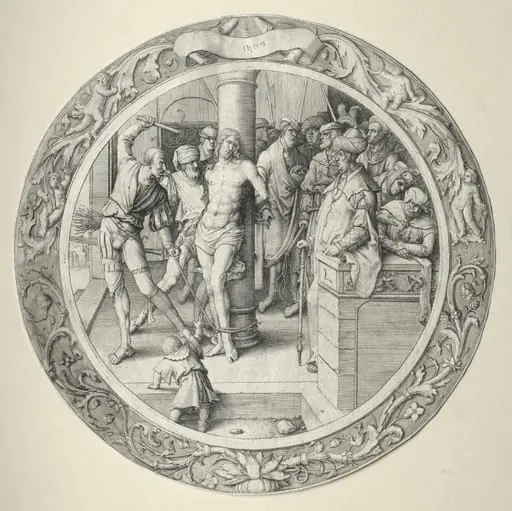
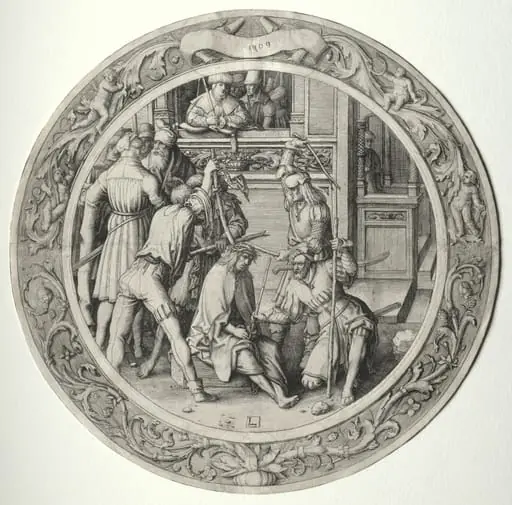
Created in 1509 by Lucas van Leyden, *The Round Passion* is a circular engraving that captures a sequence of events from the Passion of Christ within a single, densely composed scene. As one of the earliest Dutch artists to explore narrative detail in printmaking, van Leyden used the medium to convey complex religious stories with precision. The work is part of the Cleveland Museum of Art’s collection and exemplifies the technical ambition of early 16th-century Northern European engraving.
Subject & Meaning
The scene illustrates moments from Christ’s suffering, including his arrest, trial, and crucifixion, rendered as interconnected episodes rather than isolated events. Figures are arranged around a central group resting on the ground, some near animals, suggesting fatigue or repose after hardship. A solitary figure holding a staff on the right may represent a sentinel or disciple. The inclusion of bystanders, buildings, and distant activity underscores the public nature of Christ’s ordeal, grounding sacred narrative in a tangible, human world.
Technique & Style
Van Leyden employed fine, controlled lines typical of Renaissance engraving to render texture, depth, and movement within a confined circular format. The rocky terrain, foliage, and architectural elements are rendered with meticulous detail, while small figures in the background add spatial complexity. Swirling decorative borders frame the scene, integrating ornamental motifs with the narrative. The interplay of light and shadow on stone surfaces demonstrates an awareness of naturalistic modeling, characteristic of Northern Renaissance printmaking.
History & Provenance
Produced in the Netherlands during the height of printmaking innovation, *The Round Passion* reflects van Leyden’s reputation as a leading engraver of his time. The work entered the Cleveland Museum of Art’s collection in the 20th century, following earlier ownership by European collectors. Its survival in good condition is notable, given the fragility of early prints and the high demand for such works among private collectors during the Renaissance.
Context
In early 16th-century Northern Europe, religious imagery was increasingly disseminated through prints, making sacred stories accessible beyond church walls. Van Leyden’s circular format, unusual for the time, may have been inspired by medallions or devotional objects. His integration of everyday details—animals, clothing, terrain—aligns with broader trends in Dutch art that sought to humanize biblical events, bridging the divine with the familiar world of the viewer.
Legacy
Van Leyden’s *The Round Passion* influenced later Northern artists in their use of narrative compression and intricate detail in small-scale prints. Its formal innovation—packing multiple episodes into a single, harmonious circle—demonstrated the potential of engraving as a vehicle for complex storytelling. Though not widely reproduced in later centuries, it remains a key example of how religious themes were reimagined through technical mastery and observational precision in the Renaissance.
Artist & collection

Artist
Lucas van Leyden (1494 – 8 August 1533), was a Dutch painter and printmaker in engraving and woodcut. Lucas van Leyden was among the first Dutch exponents of genre painting and was a very accomplished engraver.

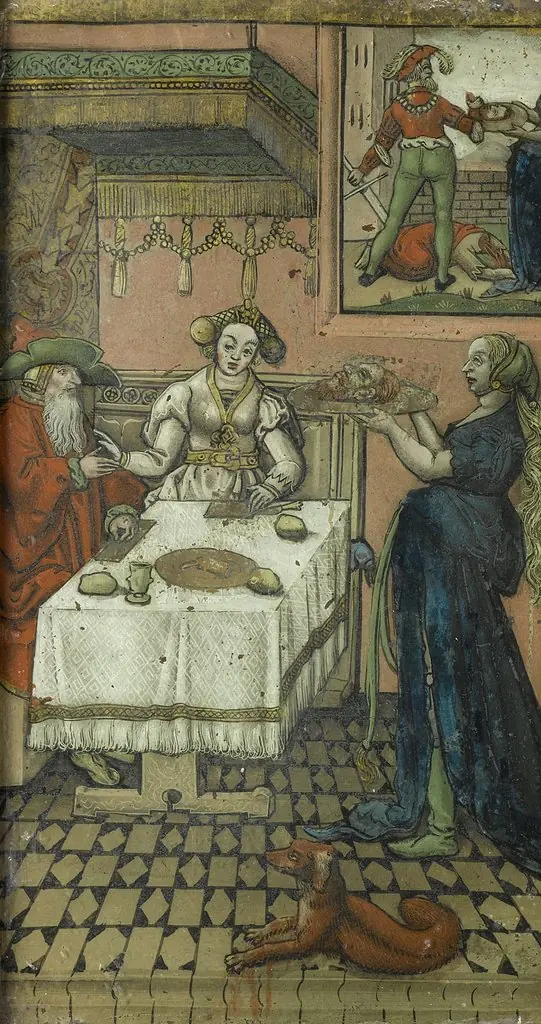 Salome with the head of St John the Baptist
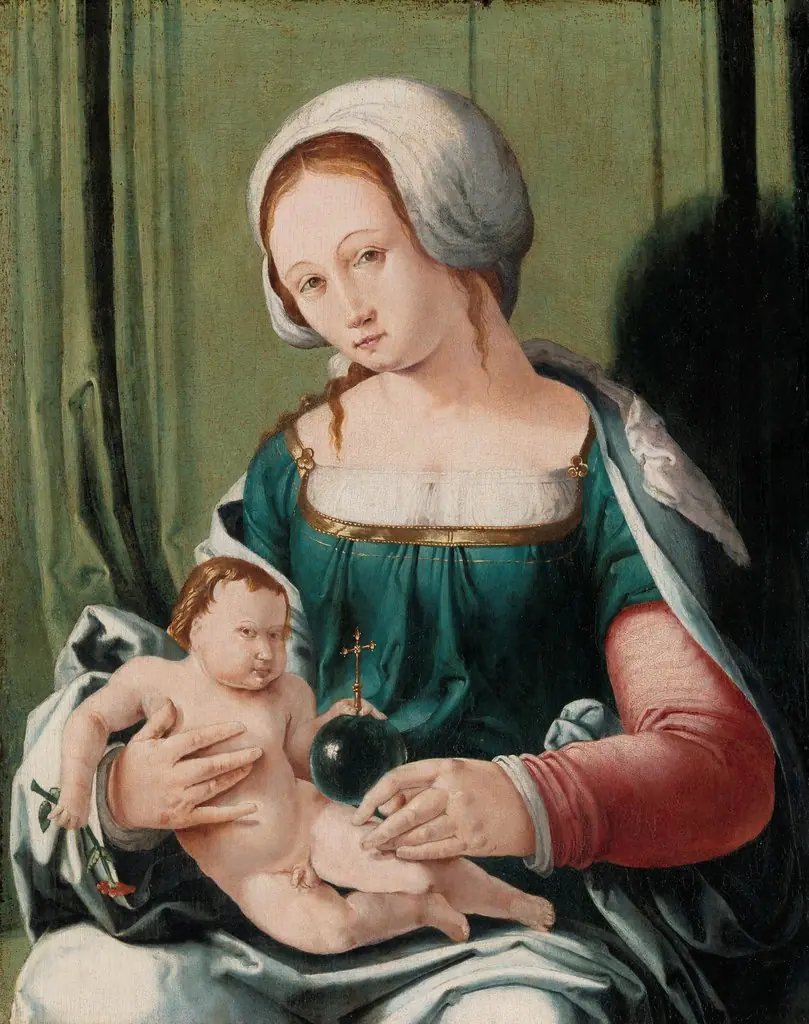 The Virgin and Child
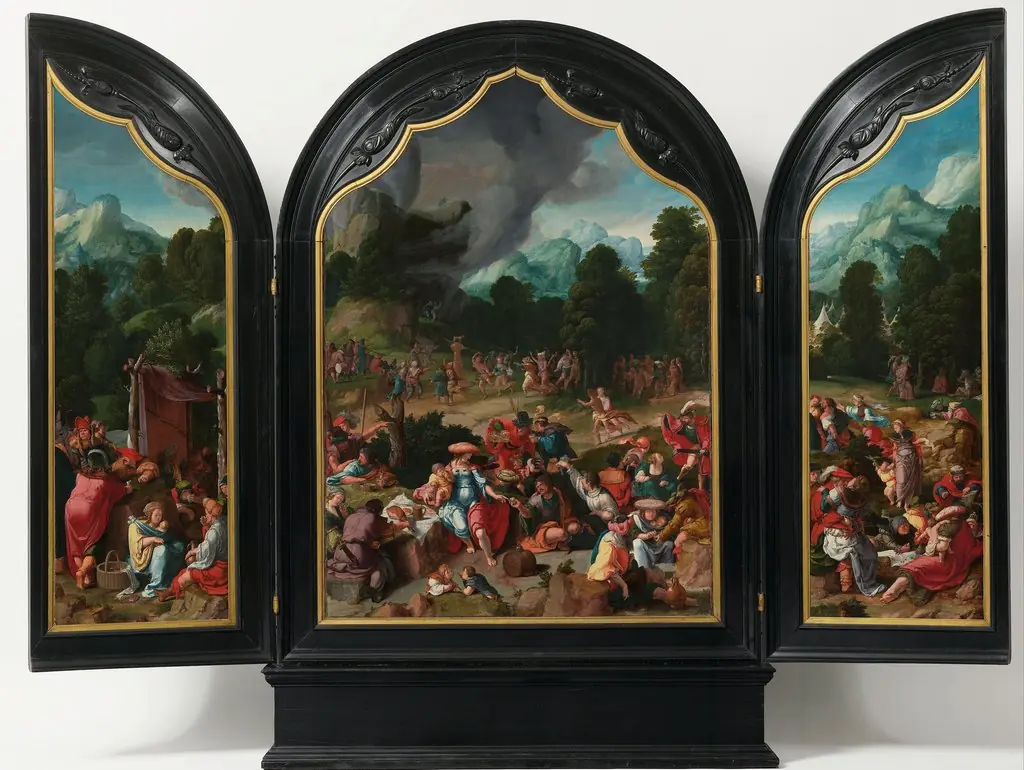 Worship of the Golden Calf
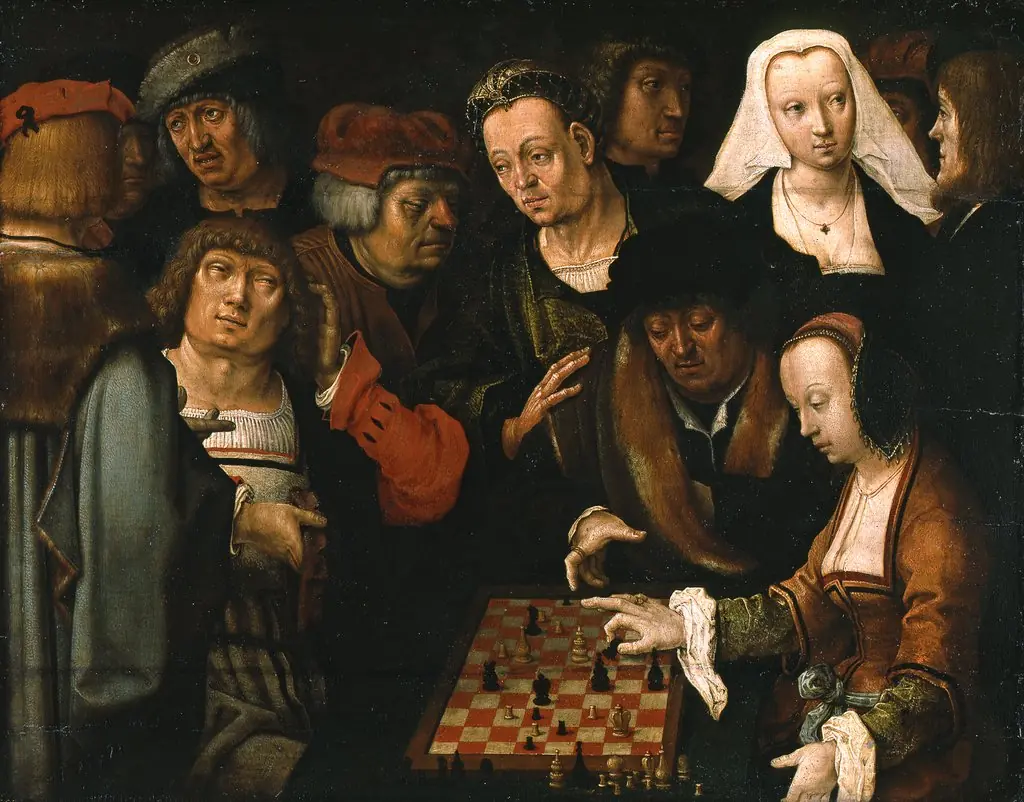 A Game of Chess
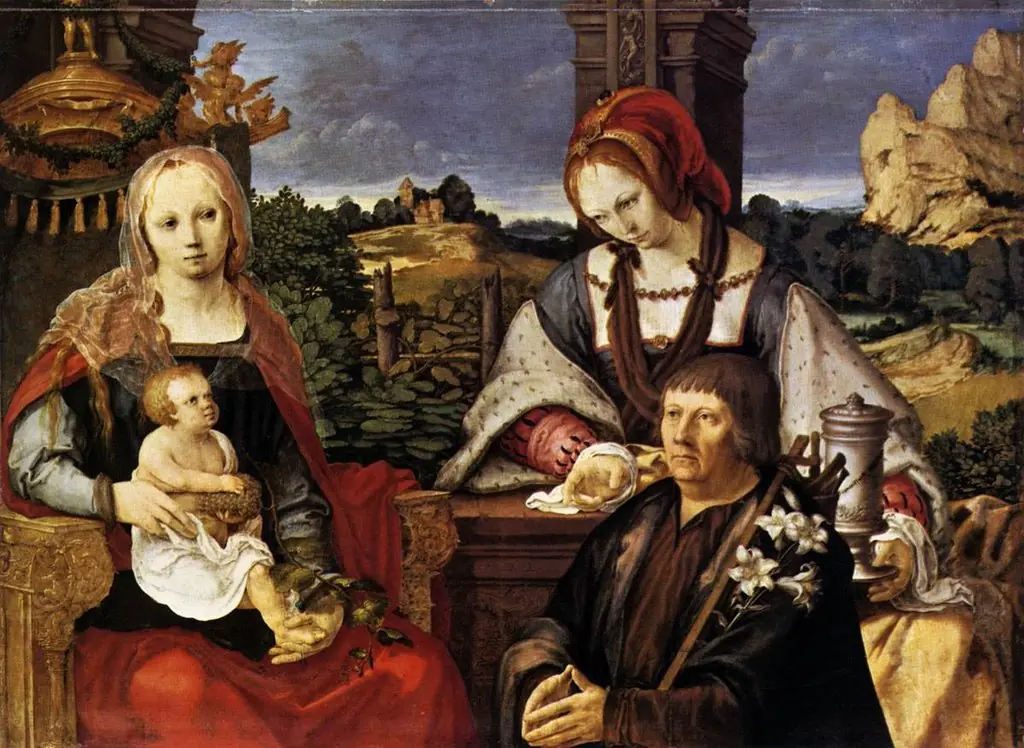 Mary with Child, St. Maria Magdalena and founder (separate outside, Inv. No. 7713)
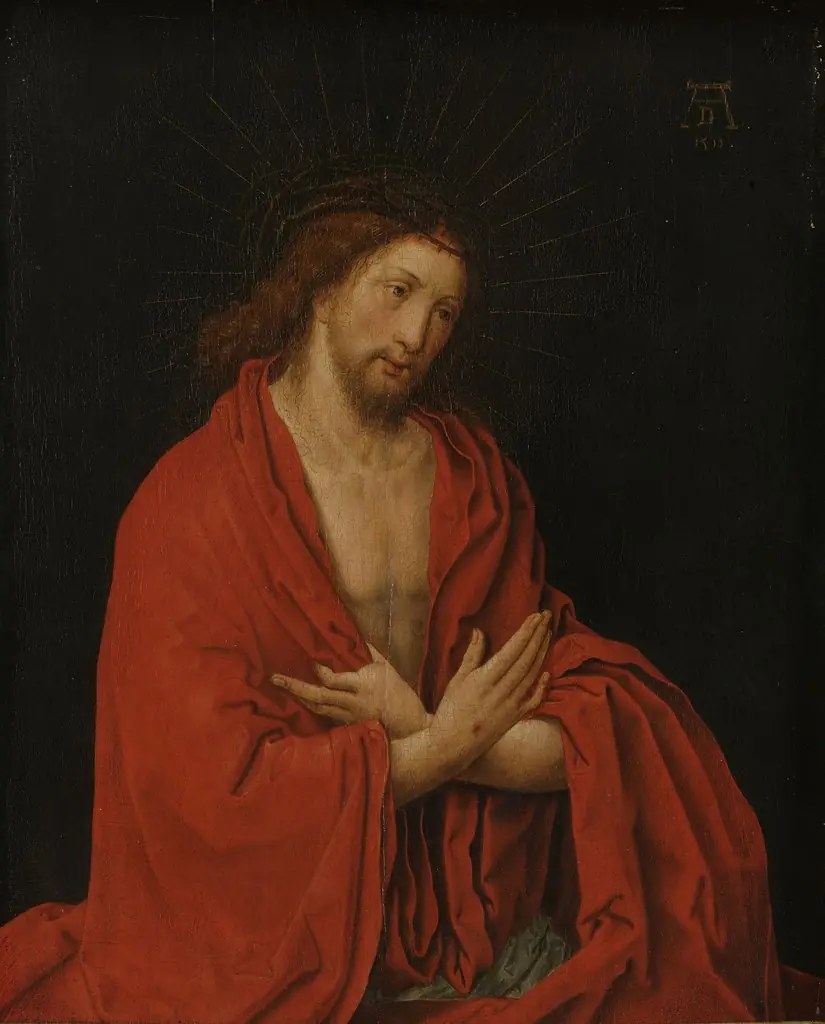 Inner left wing of a diptych with Christ as the Man of Sorrows
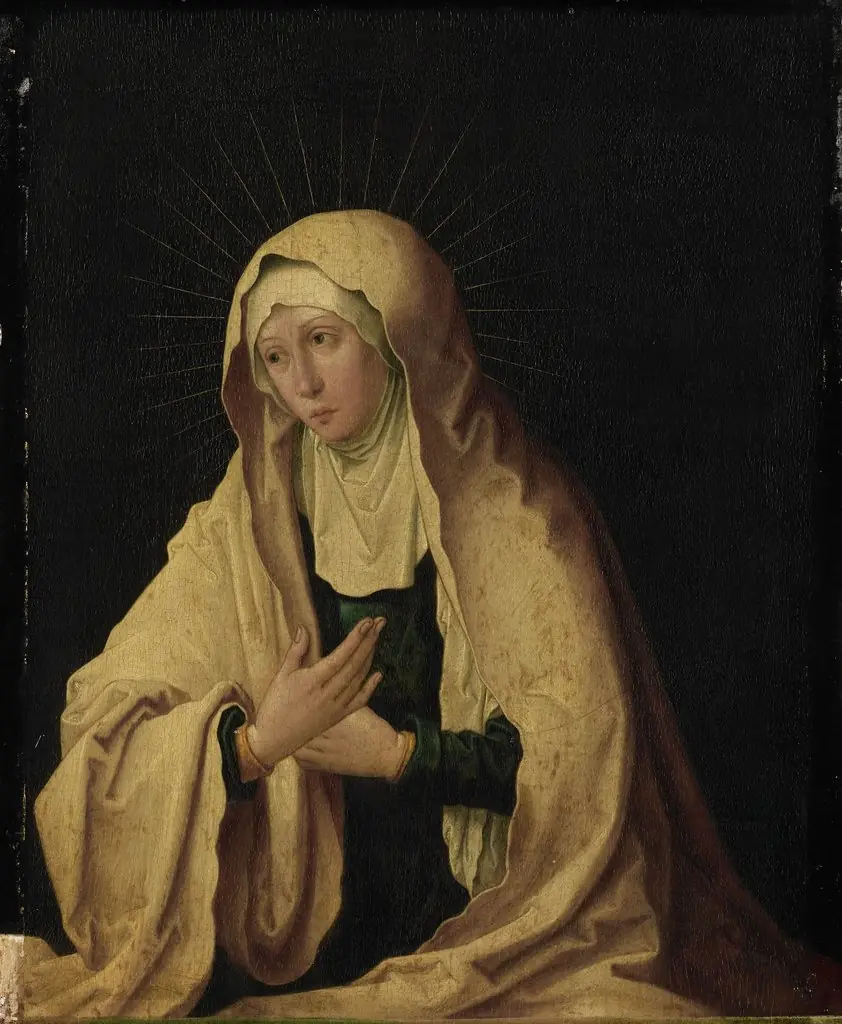 Inner right wing of a diptych with the Virgin as Mater Dolorosa
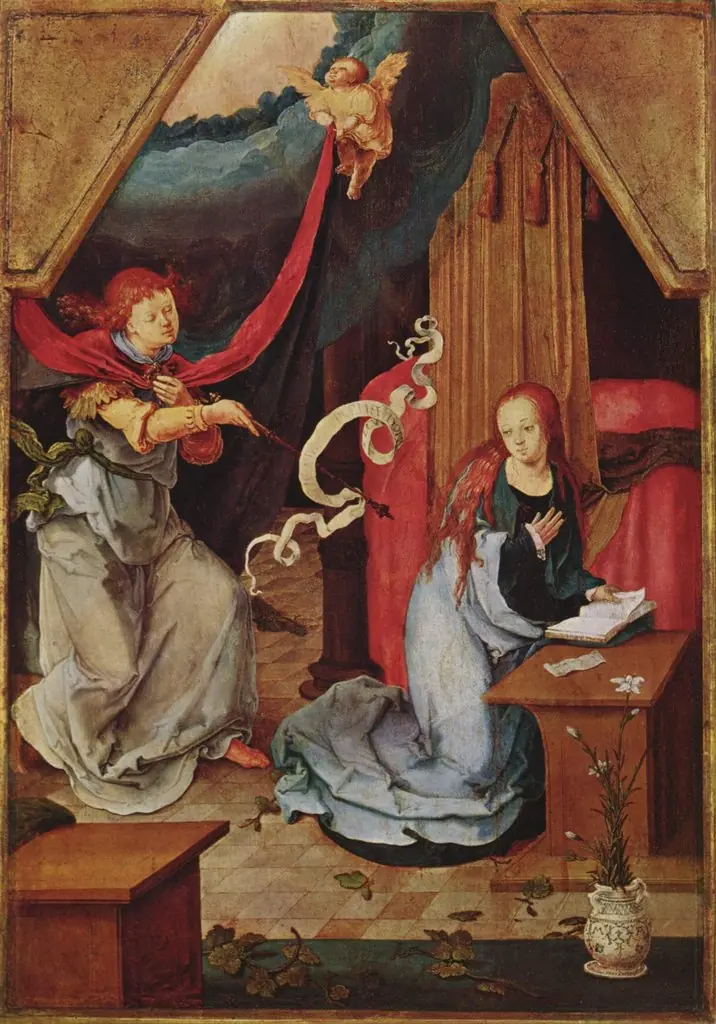 Annunciation