Artwork
The Round Passion: Christ Crowned with Thorns
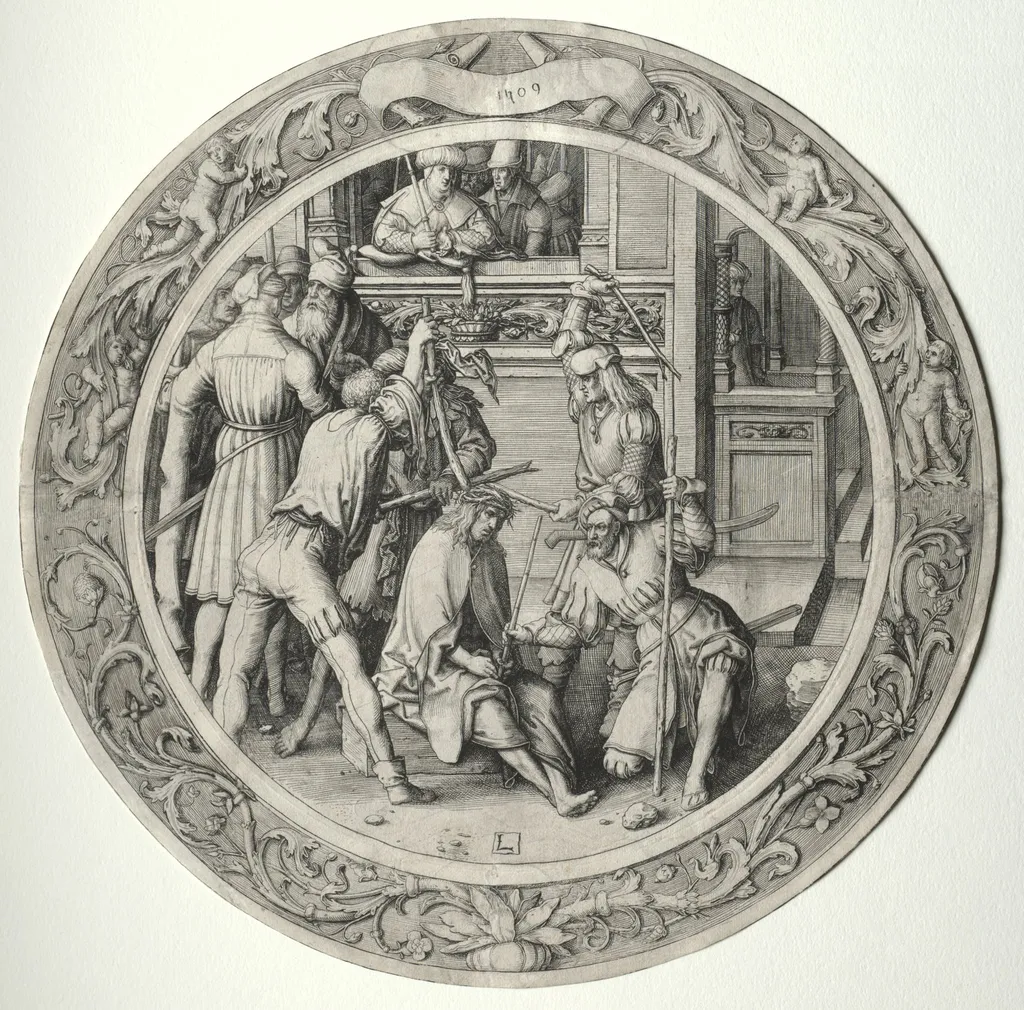
The Round Passion: Christ Crowned with Thorns is a print by the Renaissance artist Lucas van Leyden. It dates from 1509 and is held in the collection of the Cleveland Museum of Art.
About this work
The lines are sharp and precise, each scratch in the metal catching light differently.
This small engraving shows Christ kneeling, his head bowed under a crown of thorns. The lines are sharp and precise, each scratch in the metal catching light differently. His face is tired but calm, hands clasped in prayer.
Lucas van Leyden made this when he was just 15. Back then, engraving was new and tricky—tiny tools had to carve metal just right. The scene feels close up, like you’re standing right there.
Look up Lucas van Leyden (Dutch, 1494–1533) if you like this tight, detailed style.
Overview
The Round Passion: Christ Crowned with Thorns is a small engraving created by Lucas van Leyden in 1509, when the artist was 15 years old. It is a print that showcases the artist's skill in engraving.
Subject & Meaning
The engraving depicts Christ kneeling with his head bowed under a crown of thorns, his face calm and hands clasped in prayer. The scene is a representation of a moment in the Passion of Christ, conveying a sense of intimacy and contemplation.
Technique & Style
The engraving is characterized by sharp, precise lines that catch the light differently, demonstrating Lucas van Leyden's technical skill. The level of detail achieved in the work is notable, given the artist's young age and the technical challenges of engraving at the time.
Artist & collection

Artist
Lucas van Leyden (1494 – 8 August 1533), was a Dutch painter and printmaker in engraving and woodcut. Lucas van Leyden was among the first Dutch exponents of genre painting and was a very accomplished engraver.

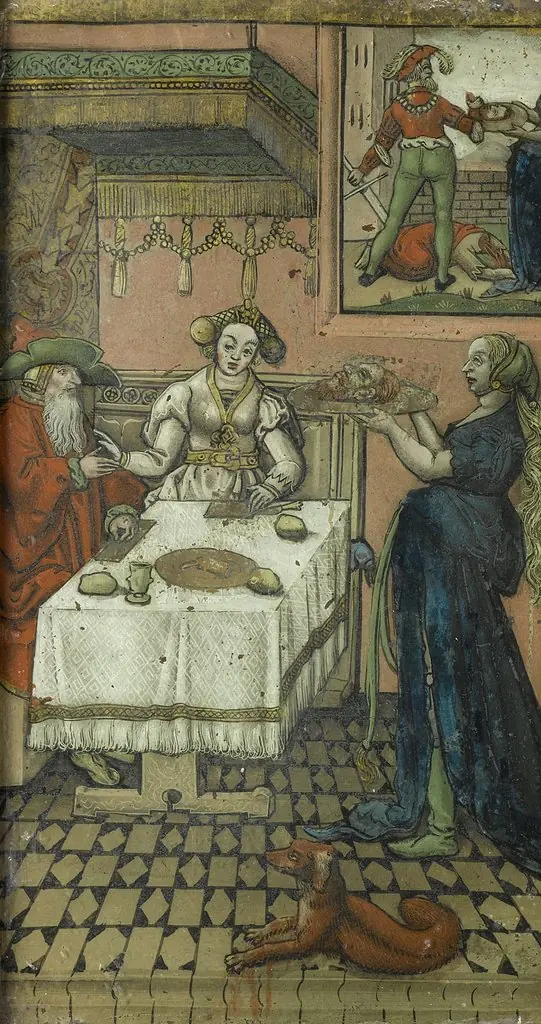 Salome with the head of St John the Baptist
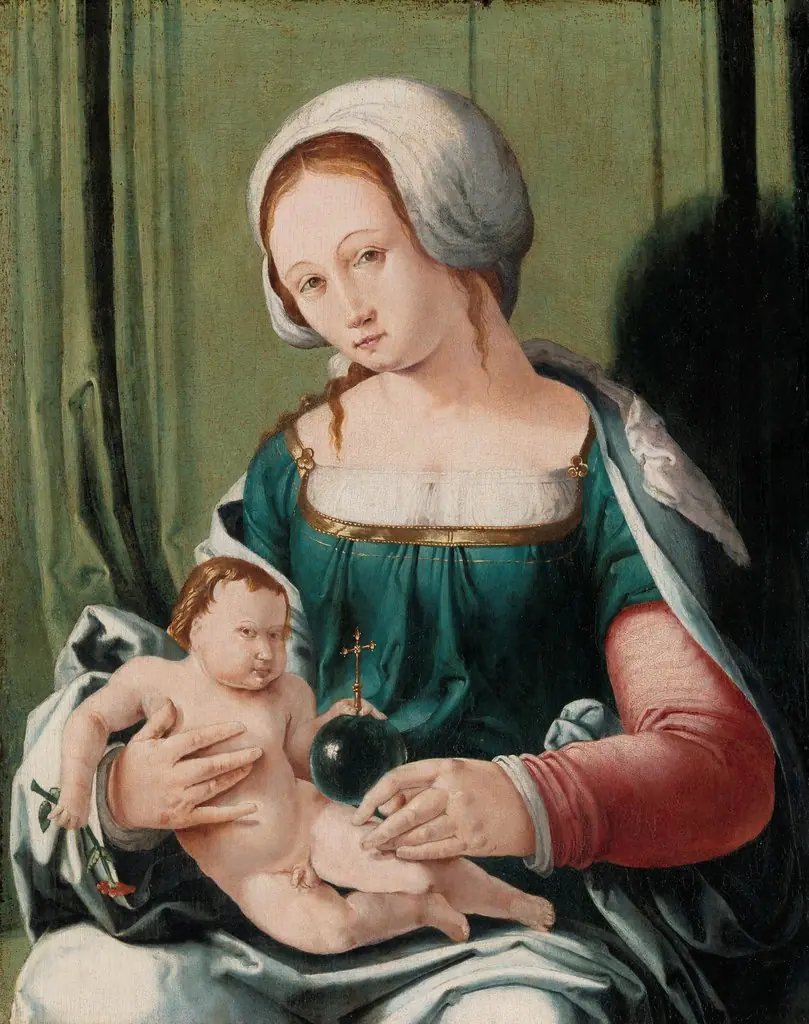 The Virgin and Child
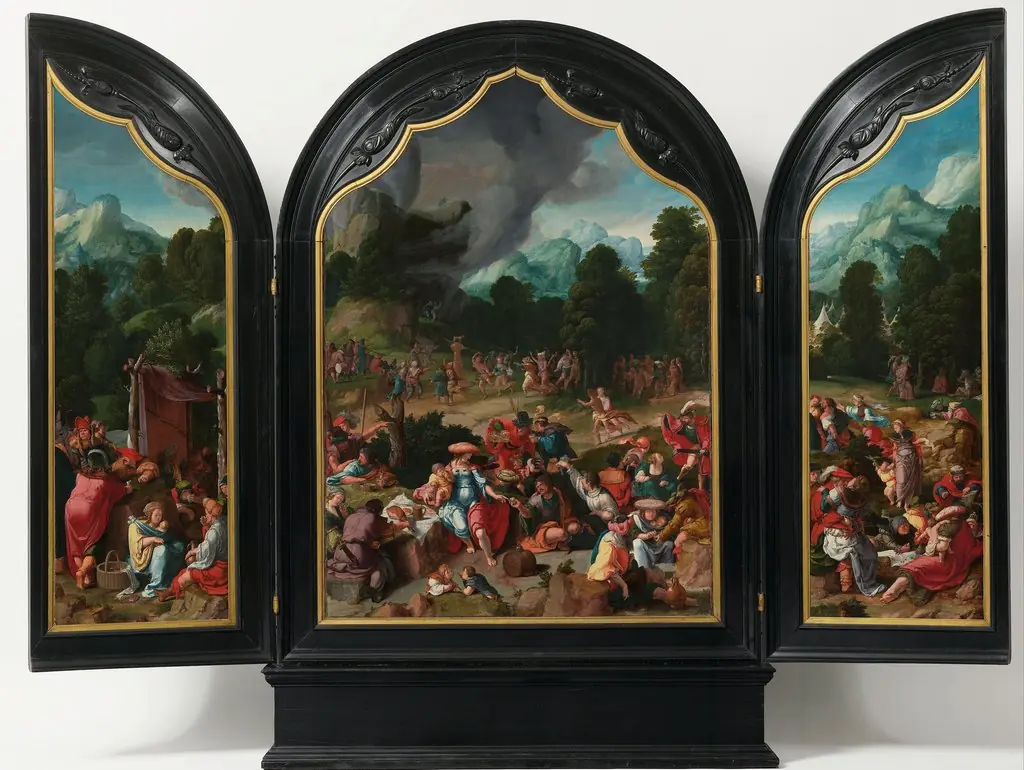 Worship of the Golden Calf
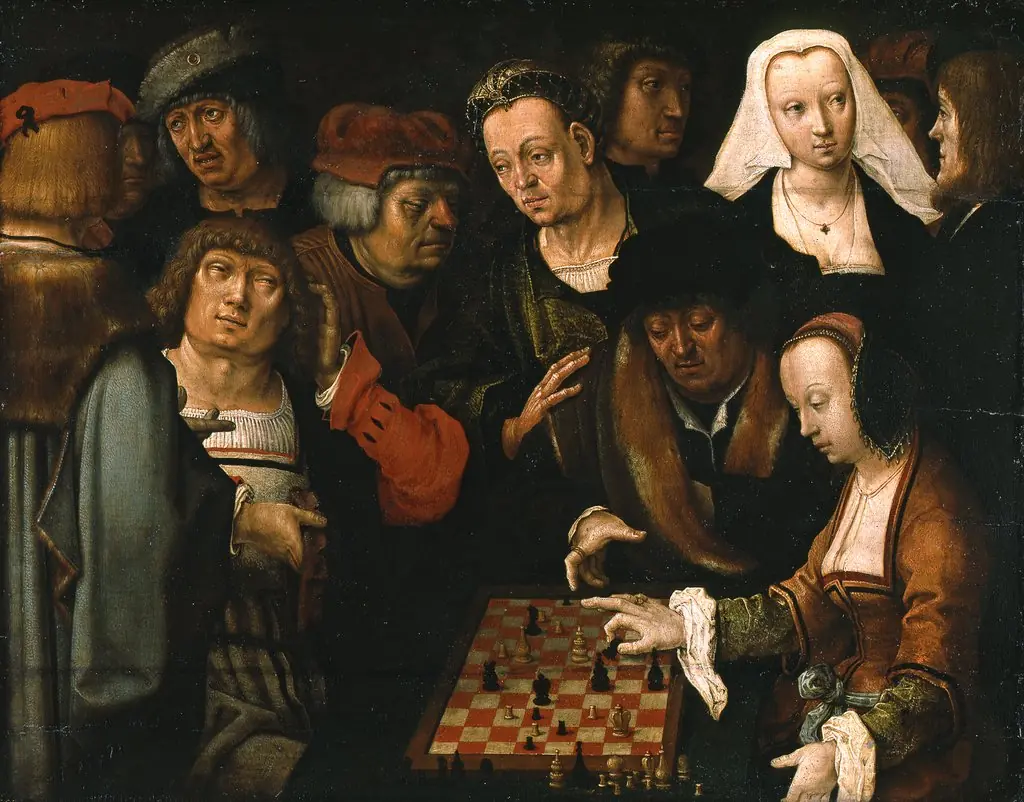 A Game of Chess
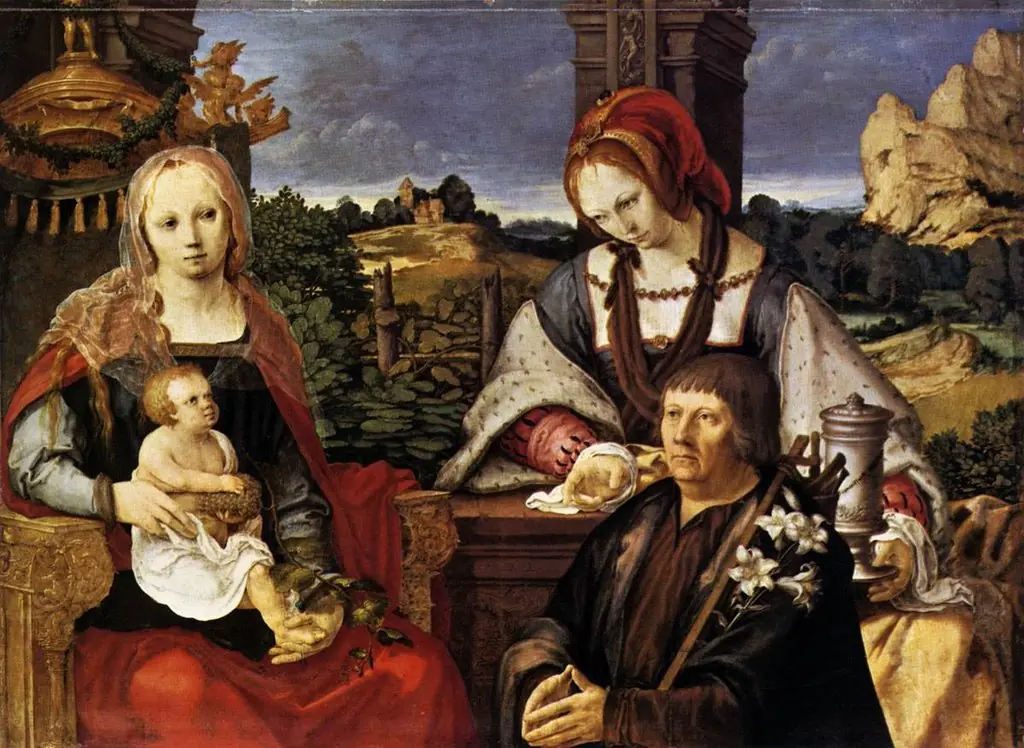 Mary with Child, St. Maria Magdalena and founder (separate outside, Inv. No. 7713)
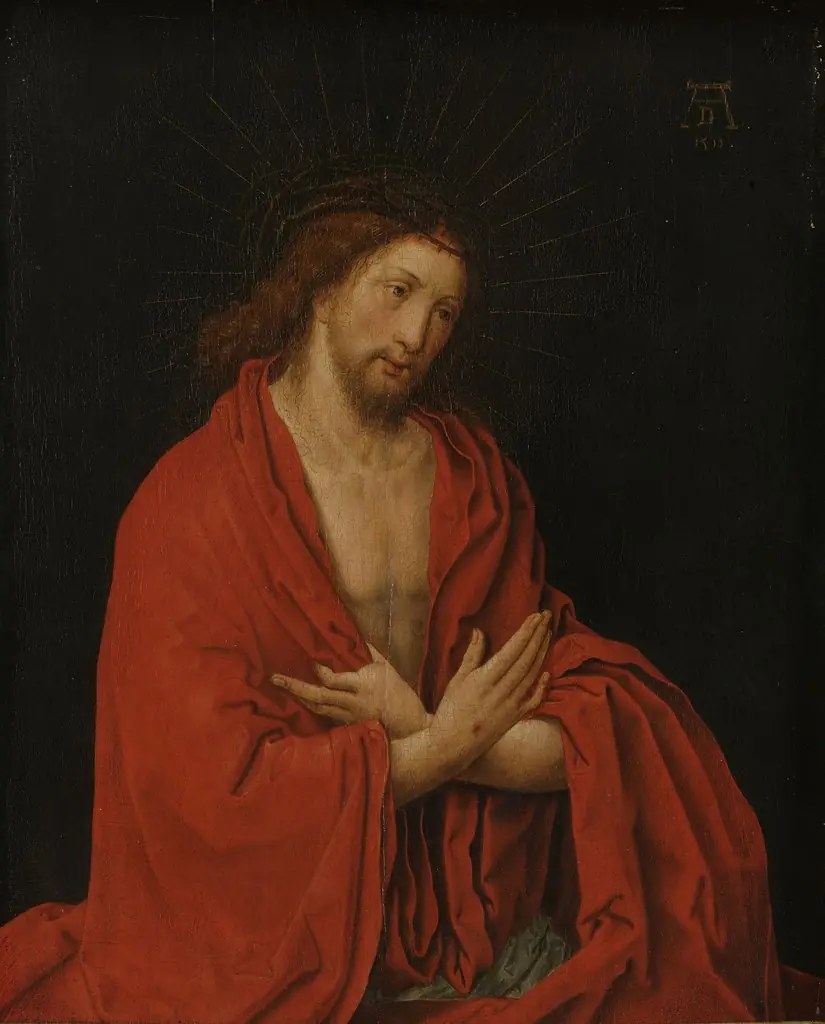 Inner left wing of a diptych with Christ as the Man of Sorrows
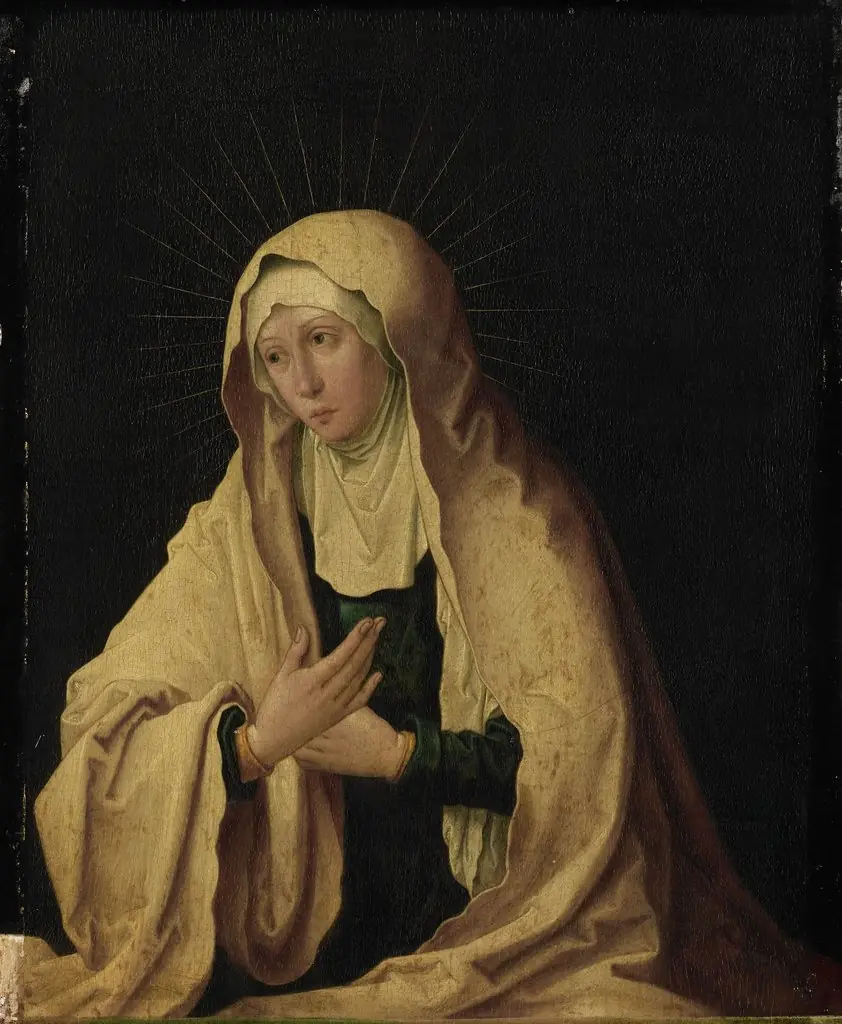 Inner right wing of a diptych with the Virgin as Mater Dolorosa
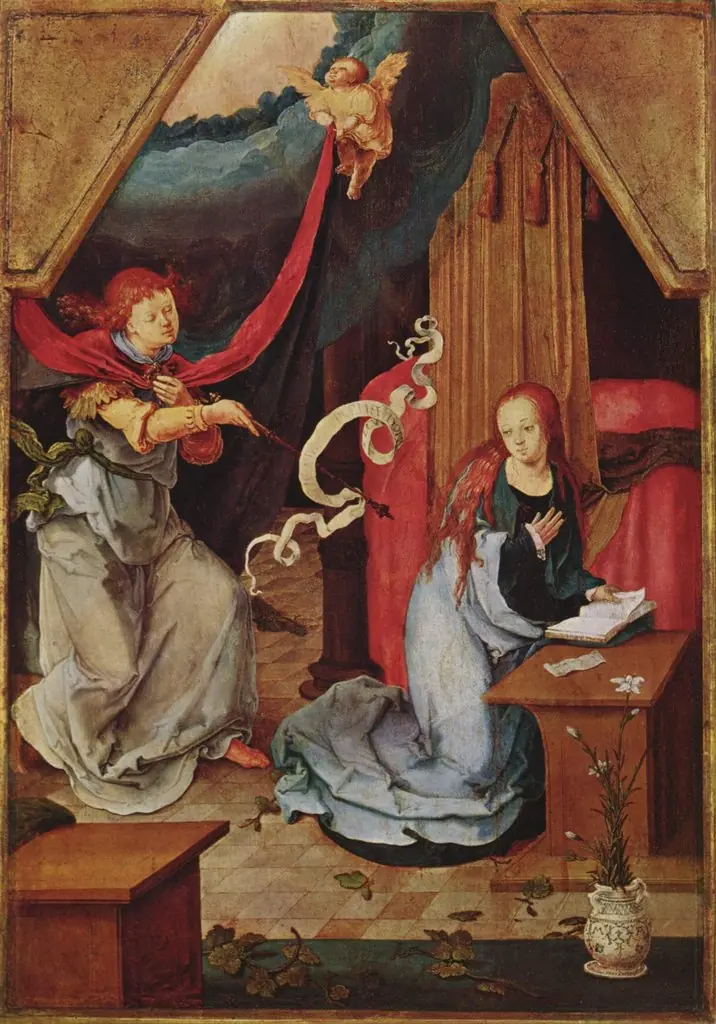 Annunciation
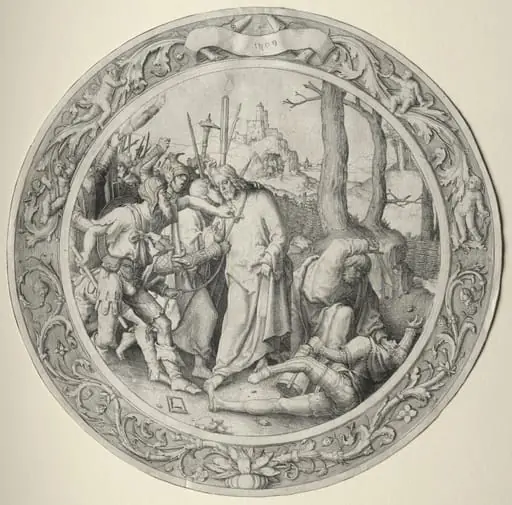 The Round Passion: The Betrayal of Christ
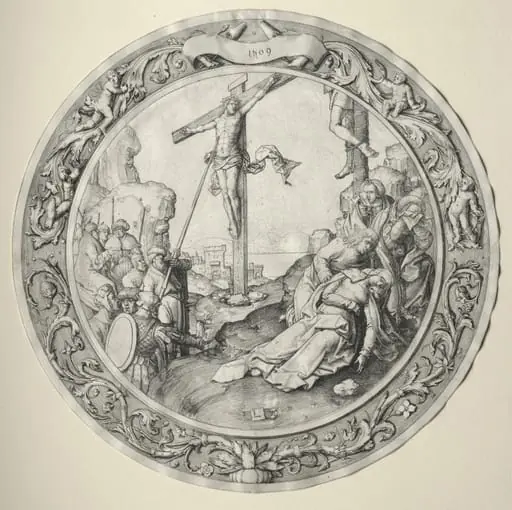 The Round Passion: The Crucifixion
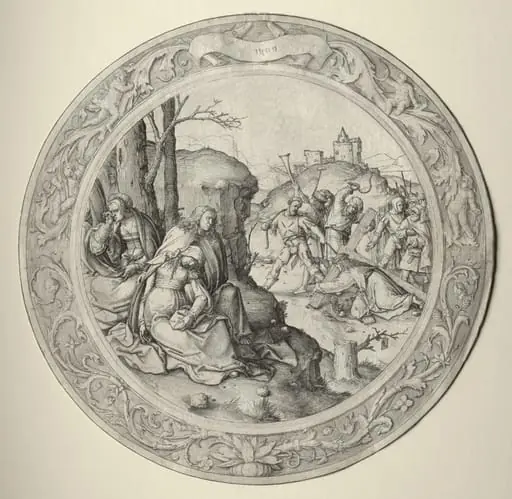 The Round Passion: Christ Carrying the Cross
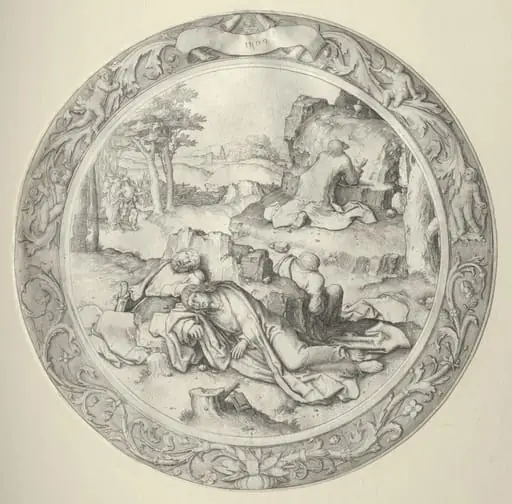 The Round Passion: Christ in Gethsemane (Agony in the Garden)
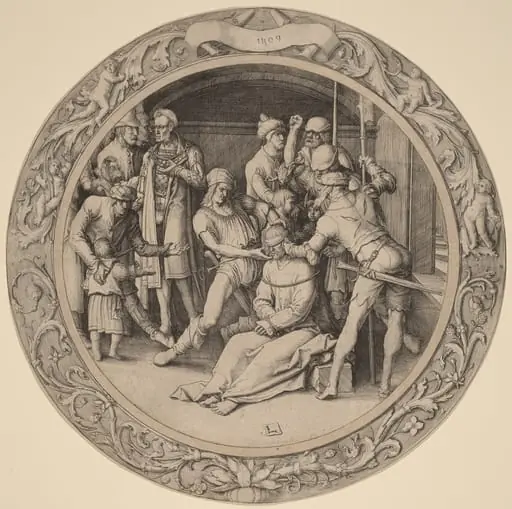 The Scoffing of Christ
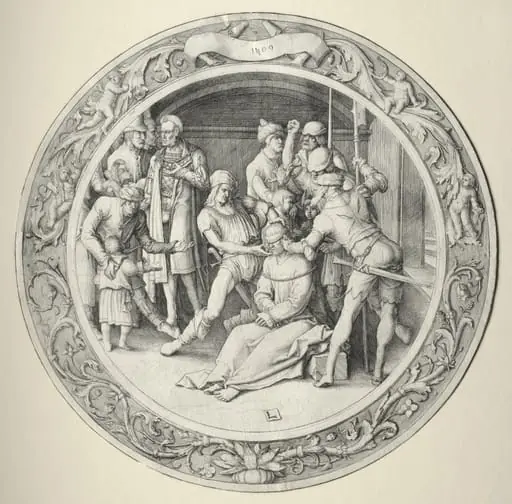 The Round Passion: Ecce Homo
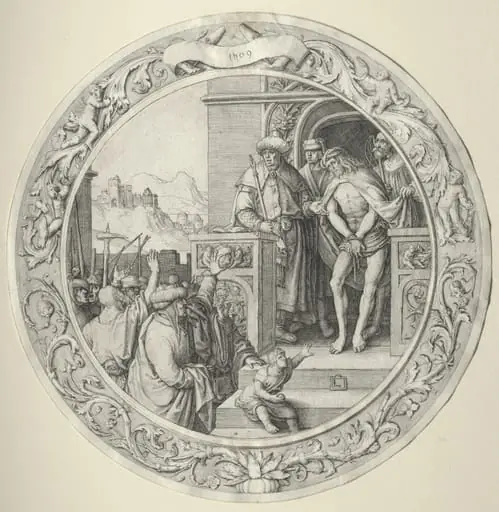 The Round Passion: Christ Presented to the People
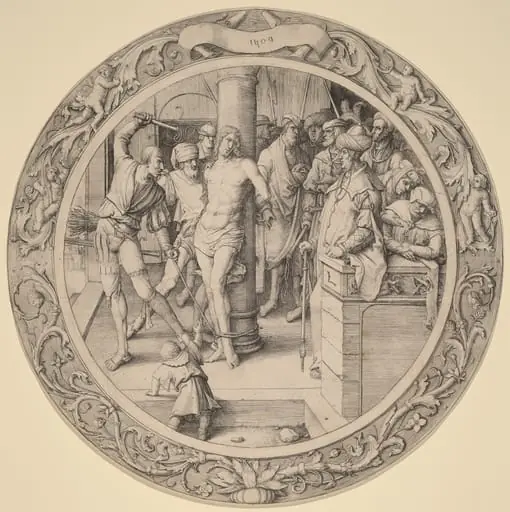 The Flagellation
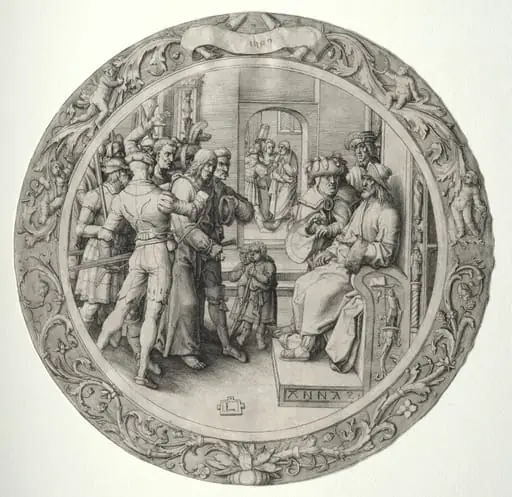 The Round Passion: Christ before the High Priest