Artwork
Moara
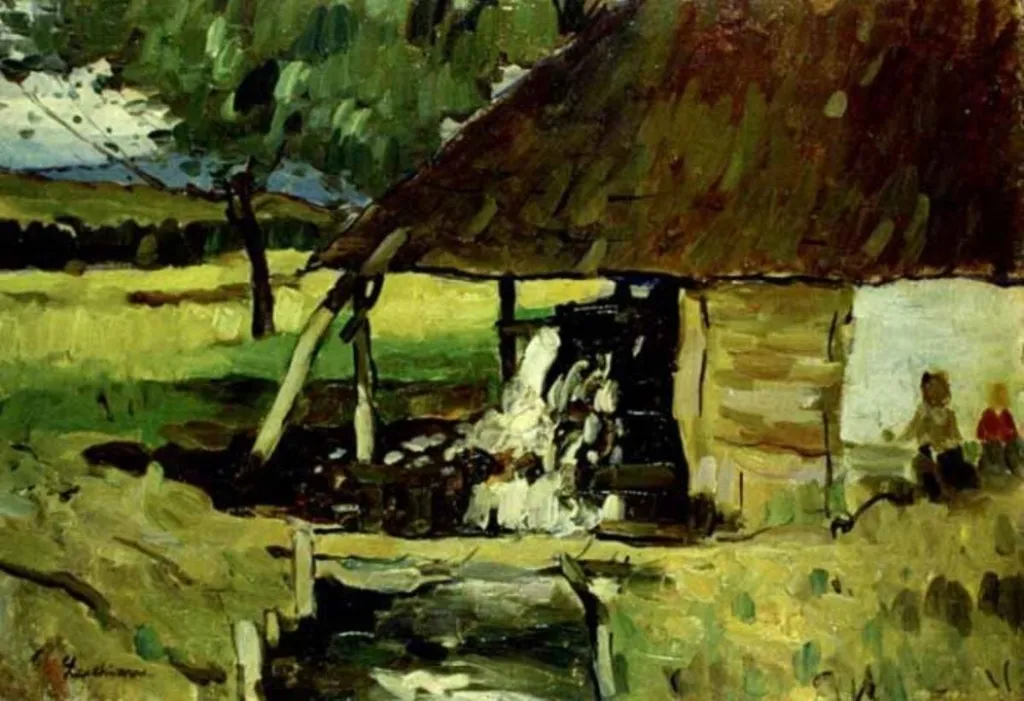
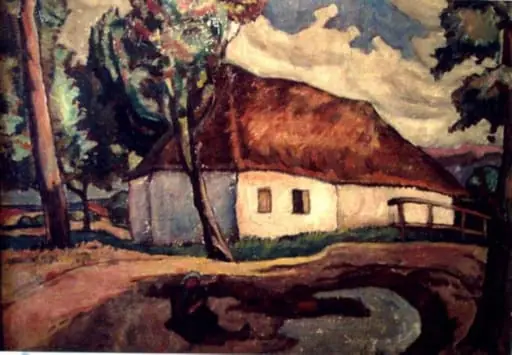
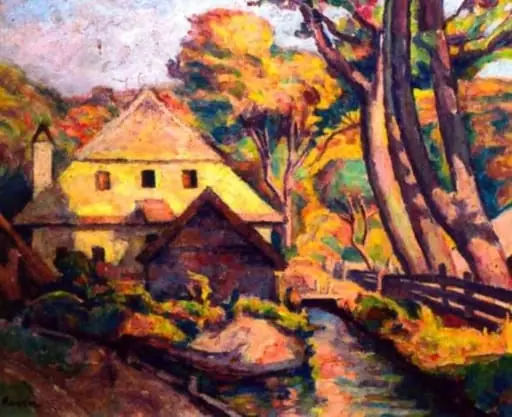
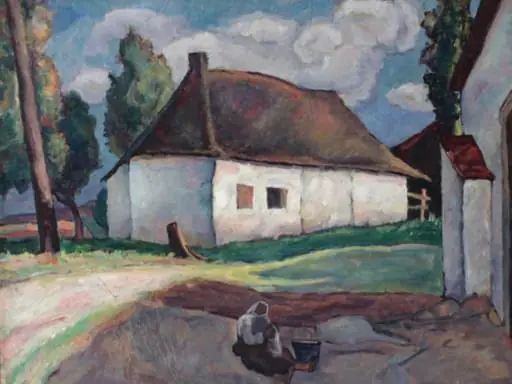
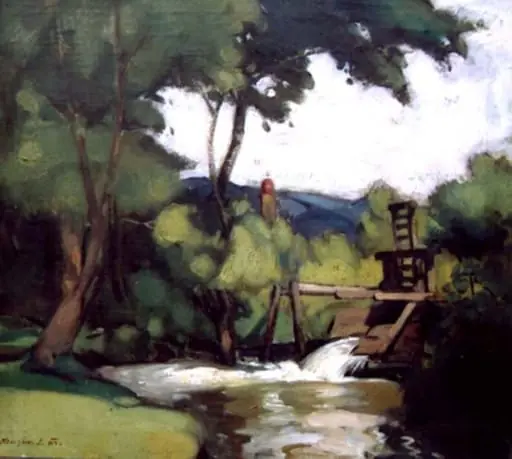
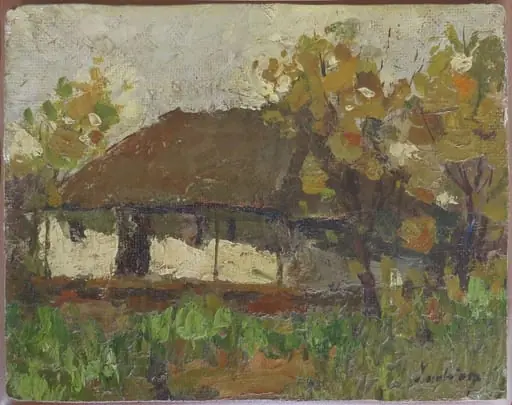
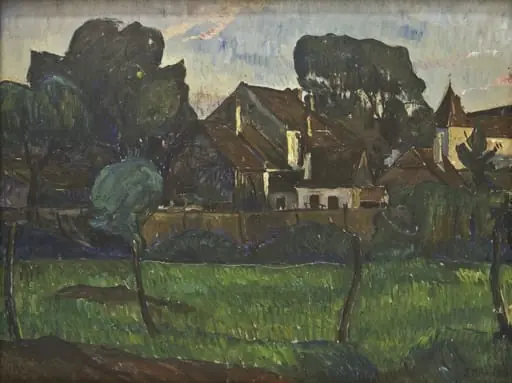
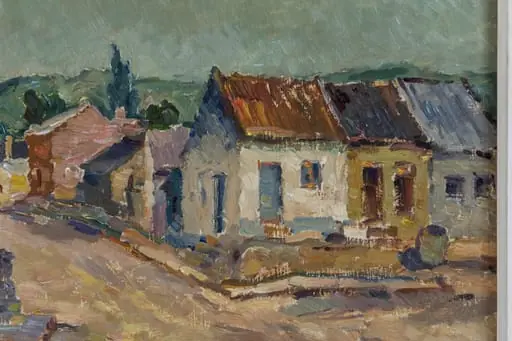
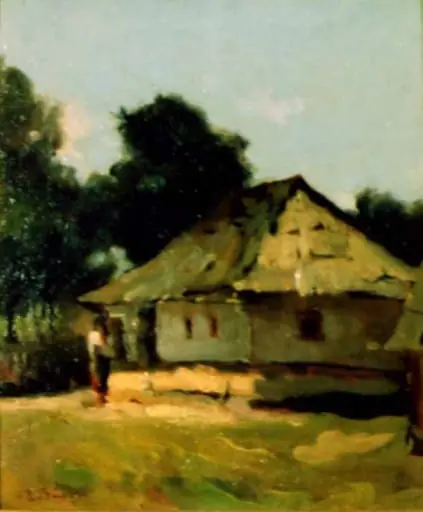
Moara is an unspecified painting by the Art Nouveau artist Ștefan Luchian. It dates from 1902 and is held in the collection of the National Museum of Art of Romania.
About this work
Overview
The painting captures a subdued, almost silent atmosphere, emphasizing the stillness of the season and the modesty of everyday life in the Romanian countryside.
Painted around 1902 by Ștefan Luchian, Moara is a winter landscape depicting a quiet, rural moment on a frozen river. The composition centers on a weathered wooden boat half-buried in snow, surrounded by sparse vegetation and distant human activity. The painting captures a subdued, almost silent atmosphere, emphasizing the stillness of the season and the modesty of everyday life in the Romanian countryside.
Subject & Meaning
The scene portrays a humble, unremarkable moment—two figures near a cabin and a snow-laden boat suggest daily labor in harsh conditions. There is no narrative drama, only the quiet endurance of rural existence. The isolation of the figures and the frozen environment imply resilience against nature’s indifference, reflecting a broader cultural observation of peasant life without romanticization.
Technique & Style
Luchian employed thick, expressive brushwork, applying paint with visible, uneven strokes that build texture rather than smooth detail. The impasto technique gives the snow and bark a physical presence, while the palette—dominated by muted grays, browns, and dark blues—enhances the cold, muted tone. The rapid, almost sketch-like handling suggests direct observation and an emphasis on sensory impression over precision.
History & Provenance
Created during Luchian’s mature period, Moara emerged from his deep engagement with Romanian rural life and his experimentation with post-impressionist methods. It was likely painted during one of his extended stays in the countryside, where he sought authenticity beyond academic conventions. The work remained within Romanian collections, eventually entering a public museum’s holdings, where it continues to represent his distinctive approach to landscape.
Context
In early 20th-century Romania, artists like Luchian moved away from idealized historical themes toward depictions of ordinary life. Moara aligns with a broader regional trend of naturalism and emotional realism, influenced by French Impressionism but grounded in local conditions. The painting reflects a shift in artistic priorities—from grand narratives to intimate, unembellished observations of the land and its people.
Legacy
Moara stands as a quiet but significant example of Luchian’s contribution to Romanian modernism. Its unadorned subject matter and tactile brushwork influenced later generations of artists seeking to express national identity through everyday scenes. Though not widely exhibited internationally, it remains a touchstone in Romanian art history for its sincerity and technical innovation in capturing seasonal atmosphere.
Artist & collection

Artist
Ștefan Luchian was a Romanian painter, famous for his landscapes and still life works.