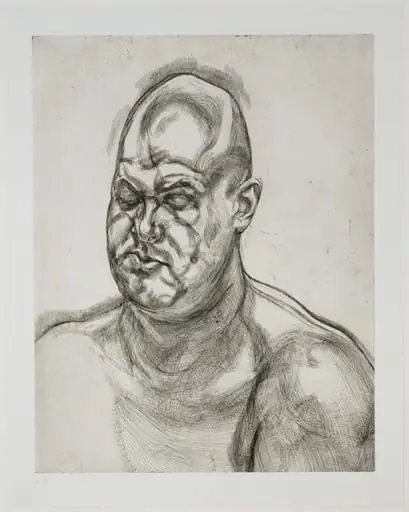
Artwork
Untitled
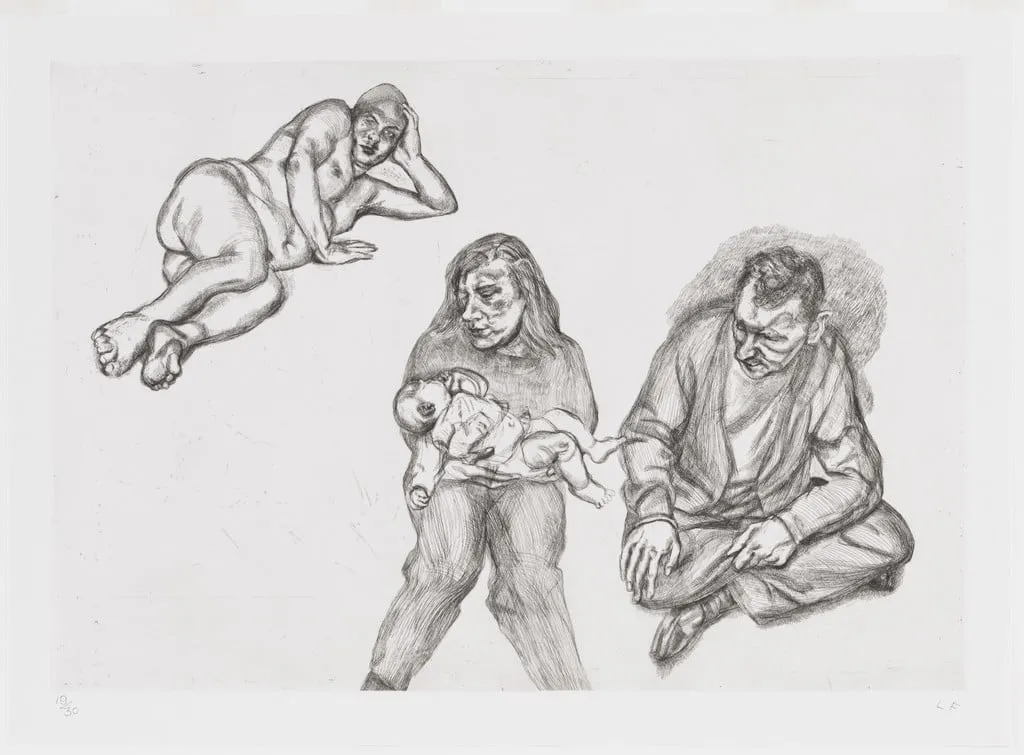
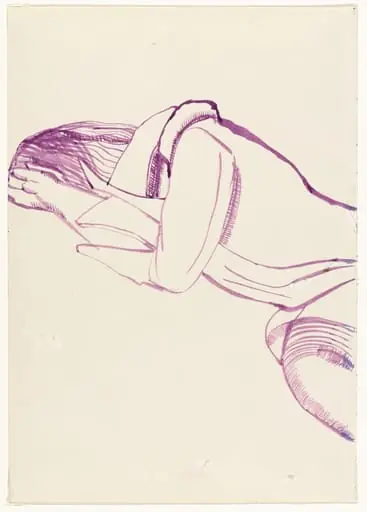
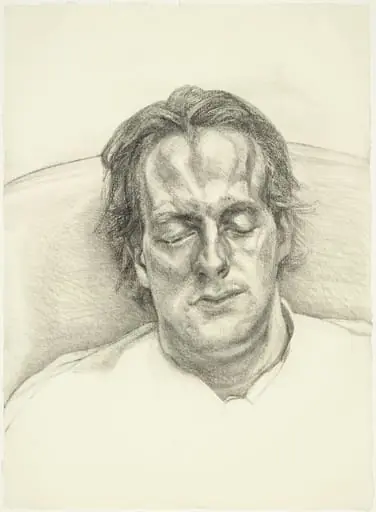
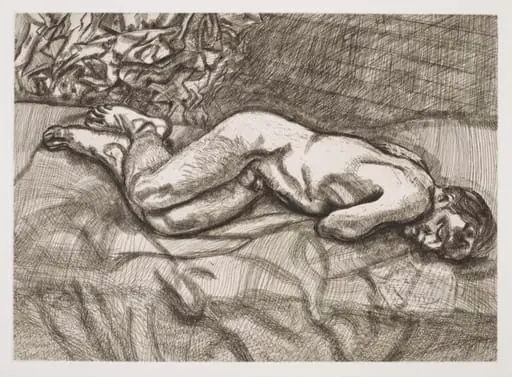
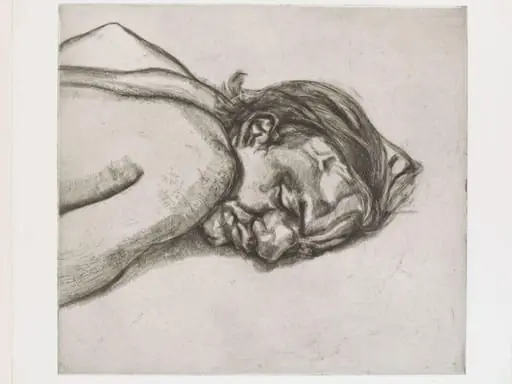
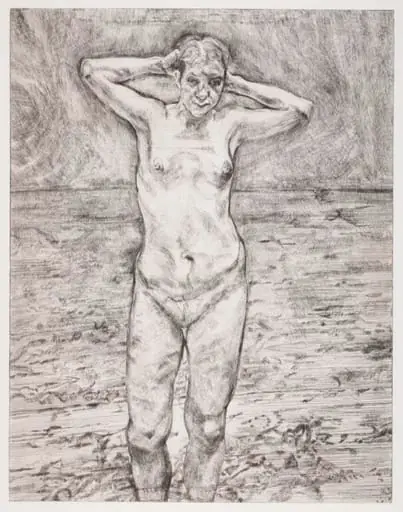
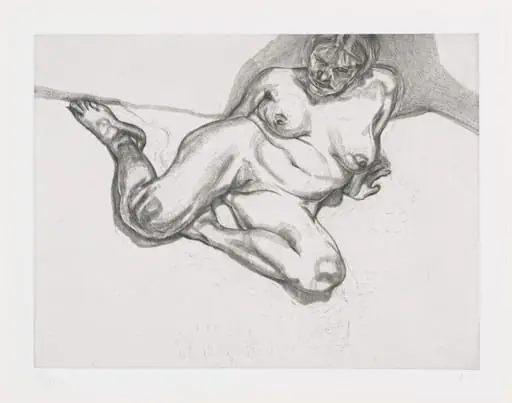
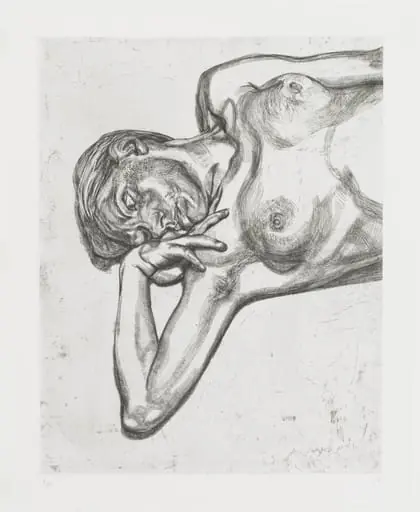
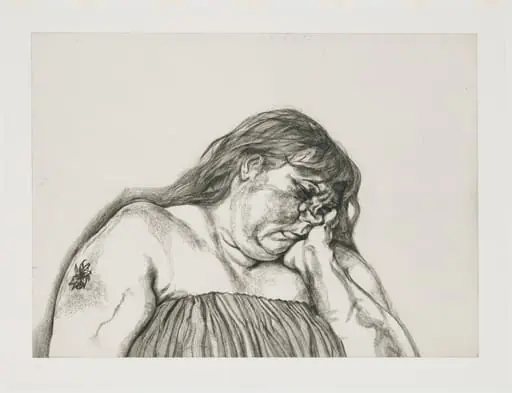
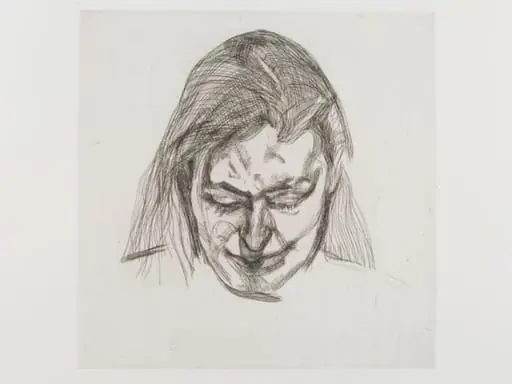
Untitled is an ink print by Lucian Freud. It dates from 1991 and is held in the collection of the Museum of Modern Art.
About this work
Overview
The medium allowed Freud to explore form and texture with precision, maintaining the psychological gravity present in his broader oeuvre.
This untitled etching from 1991 is one of many prints produced by Lucian Freud during his six-decade career. Unlike his large-scale oil paintings, this work is a delicate, intimate rendering in black ink on paper. It reflects his sustained focus on the human figure, capturing three individuals in private, unposed postures. The medium allowed Freud to explore form and texture with precision, maintaining the psychological gravity present in his broader oeuvre.
Subject & Meaning
The composition depicts three figures in a domestic setting: one reclining, one standing with a child, and another seated with crossed legs. No narrative is explicitly stated, but the arrangement suggests quiet intimacy or shared stillness. Freud avoided symbolism, instead emphasizing physical presence and emotional distance. The figures appear absorbed in their own states, reinforcing his interest in solitude within proximity.
Technique & Style
Freud employed fine, controlled lines to build form and texture, using the etching needle to create subtle gradations of tone. The rendering is meticulously detailed, particularly in the rendering of skin, fabric, and hair, yet avoids sentimentality. His approach is observational rather than expressive, with no dramatic lighting or exaggerated gesture. The result is a quiet realism that prioritizes physical truth over emotional commentary.
History & Provenance
Created in 1991, this etching belongs to Freud’s later period, when he increasingly turned to printmaking as a complement to his painting practice. It was likely produced in his London studio, where he often worked from live models—friends, family, or studio assistants. The work entered private collections shortly after its creation, and its circulation remains limited, consistent with Freud’s preference for controlled dissemination of his prints.
Context
By the 1990s, Freud had long moved beyond his early surrealist influences and established himself as a leading figure in British figurative art. While contemporaries explored abstraction or conceptualism, he remained committed to direct observation of the body. This etching aligns with his lifelong project: to render human presence with unflinching honesty, resisting idealization or narrative embellishment.
Legacy
Freud’s etchings, though less widely exhibited than his paintings, are recognized for their technical rigor and psychological depth. This work contributes to a body of graphic art that expanded the possibilities of the medium in late 20th-century British art. His commitment to the unadorned human form influenced a generation of figurative artists who sought to reclaim realism with intellectual and emotional seriousness.
Artist & collection
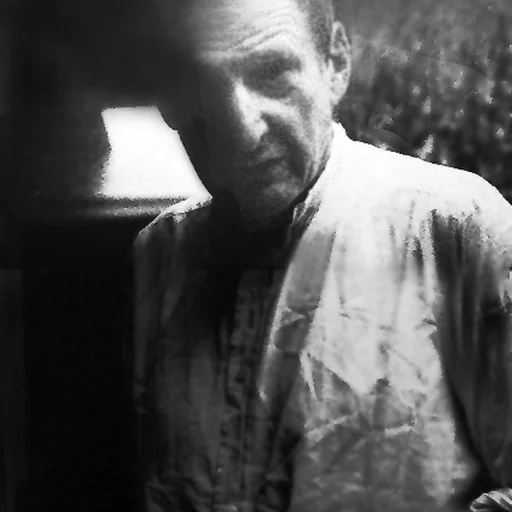
Artist
Lucian Michael Freud (; 8 December 1922 – 20 July 2011) was a British painter and draughtsman, specialising in figurative art, who is known as one of the foremost 20th-century English portraitists.