Artwork
Portrait of Hermann Huddaeus in front of a view of the city of Minden
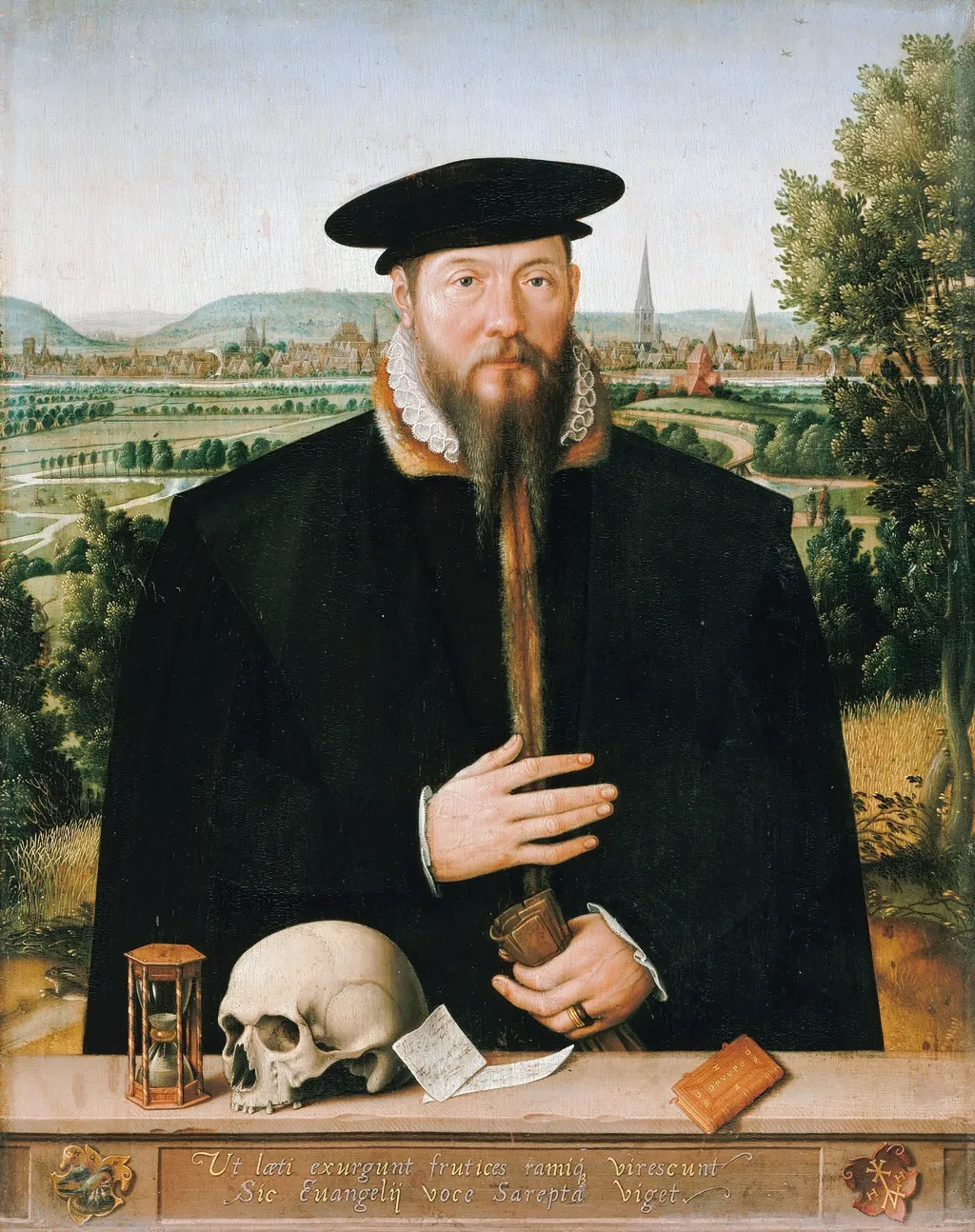
Portrait of Hermann Huddaeus in front of a view of the city of Minden is a paint painting by the Northern Renaissance artist Ludger Tom Ring the Younger. It dates from 1568 and is held in the collection of the Gemäldegalerie Berlin.
About this work
Overview
Painted in 1568 by Ludger Tom Ring the Younger, this oil portrait captures Hermann Huddaeus standing before a meticulously rendered view of Minden.
Painted in 1568 by Ludger Tom Ring the Younger, this oil portrait captures Hermann Huddaeus standing before a meticulously rendered view of Minden. Ring, part of a multi-generational family of German artists, specialized in precise portraiture and still-life elements. The composition blends a formal likeness with symbolic objects and a topographically accurate cityscape, reflecting the intellectual and devotional concerns of its time.
Subject & Meaning
Hermann Huddaeus, likely a civic or ecclesiastical figure, is depicted with quiet solemnity, one hand resting on his chest and the other holding a slender object, possibly a writing tool or scepter. The presence of a skull and hourglass beside him evokes themes of mortality and time’s passage, while the book and paper suggest learning and record-keeping. Together, these elements frame the sitter as a thoughtful, morally aware individual.
Technique & Style
Ring employed fine brushwork to render textures with precision: the fur trim of the coat, the sheen of the hat, and the distant architecture of Minden all exhibit meticulous detail. The background cityscape is rendered with atmospheric perspective, while the foreground objects are sharply defined, creating a layered spatial effect. The palette is restrained, dominated by blacks and grays, reinforcing the painting’s introspective tone.
History & Provenance
The painting has remained within institutional collections since at least the 19th century and is now held by the Gemäldegalerie in Berlin. Its early ownership is undocumented, but its survival in good condition suggests it was valued by collectors who appreciated Northern Renaissance portraiture. The work’s inclusion in the museum’s collection reflects its significance as an example of 16th-century German civic portraiture.
Context
In mid-16th-century northern Germany, portraits often incorporated moral or intellectual symbols to convey the sitter’s character beyond physical likeness. Minden, a prosperous ecclesiastical center, was a fitting backdrop for a figure of standing. The inclusion of vanitas elements aligns with broader Reformation-era themes emphasizing humility and the transience of earthly life.
Legacy
This portrait exemplifies the Northern Renaissance tradition of combining personal identity with symbolic narrative. While Ludger Tom Ring the Younger is less widely known than contemporaries like Holbein, his work contributes to the understanding of regional portraiture practices. The painting remains a key reference for studying how German artists integrated moral allegory into secular portraiture during the Reformation.
Own this work as a print
Artist & collection
Artist
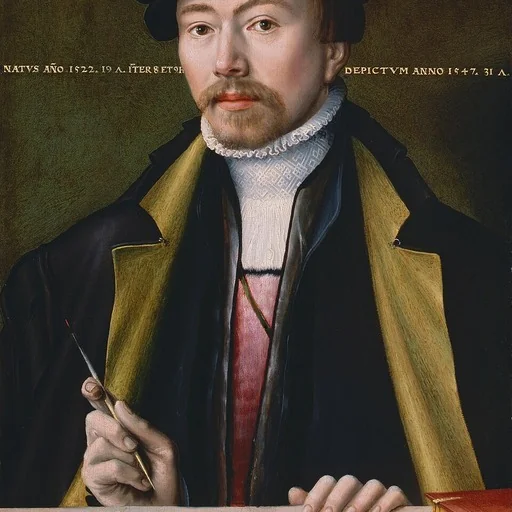
Ludger tom Ring the Younger (19 July or November 1522 – 22 May 1584) was a German painter and draughtsman. His father and brothers were also painters. He primarily painted portraits and still lifes.

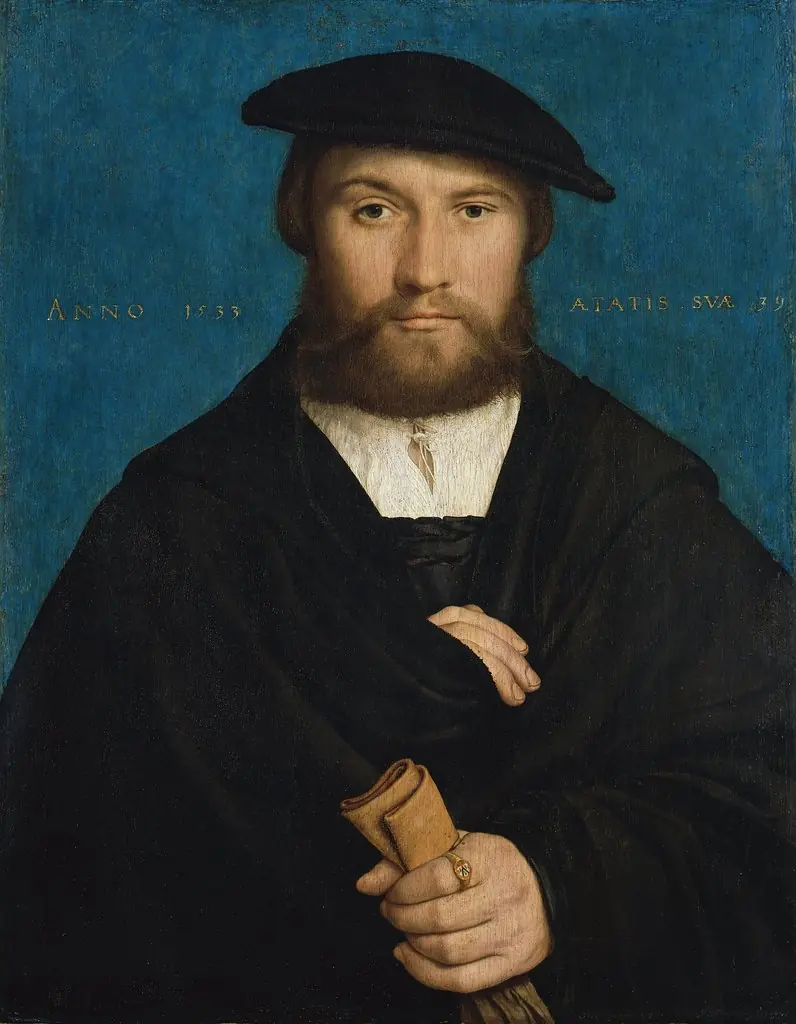 Hermann Hillebrandt de Wedigh
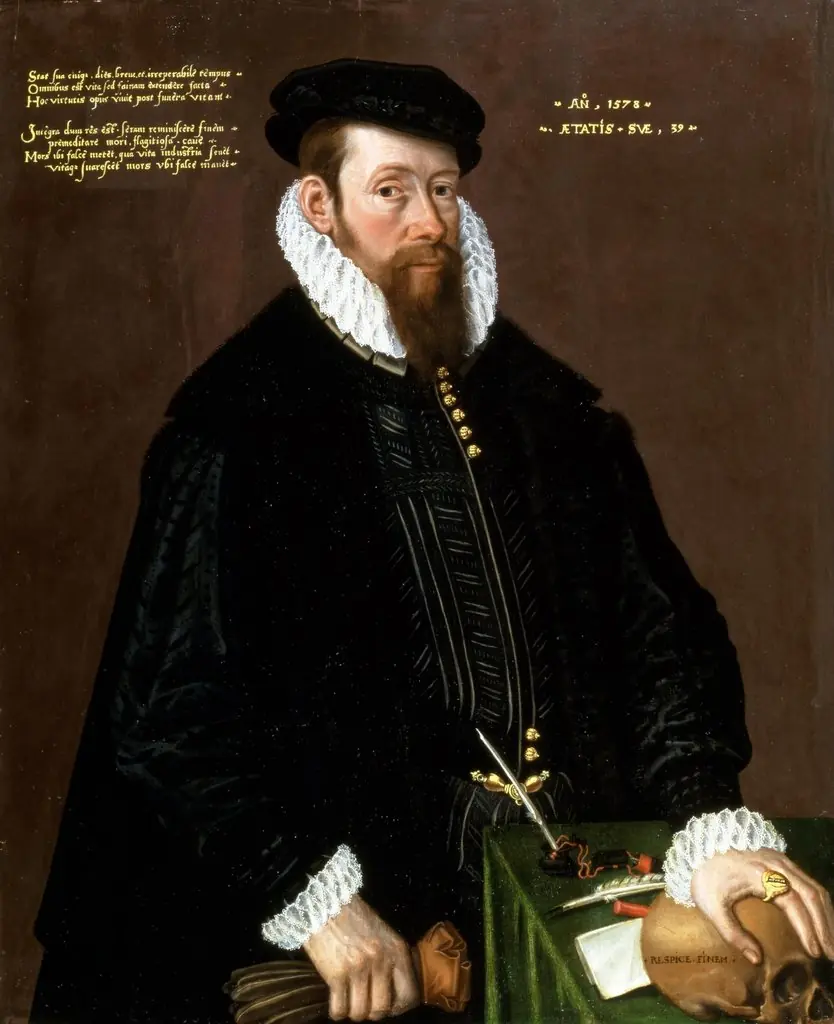 Portrait of Thomas Pead (1539-1614)
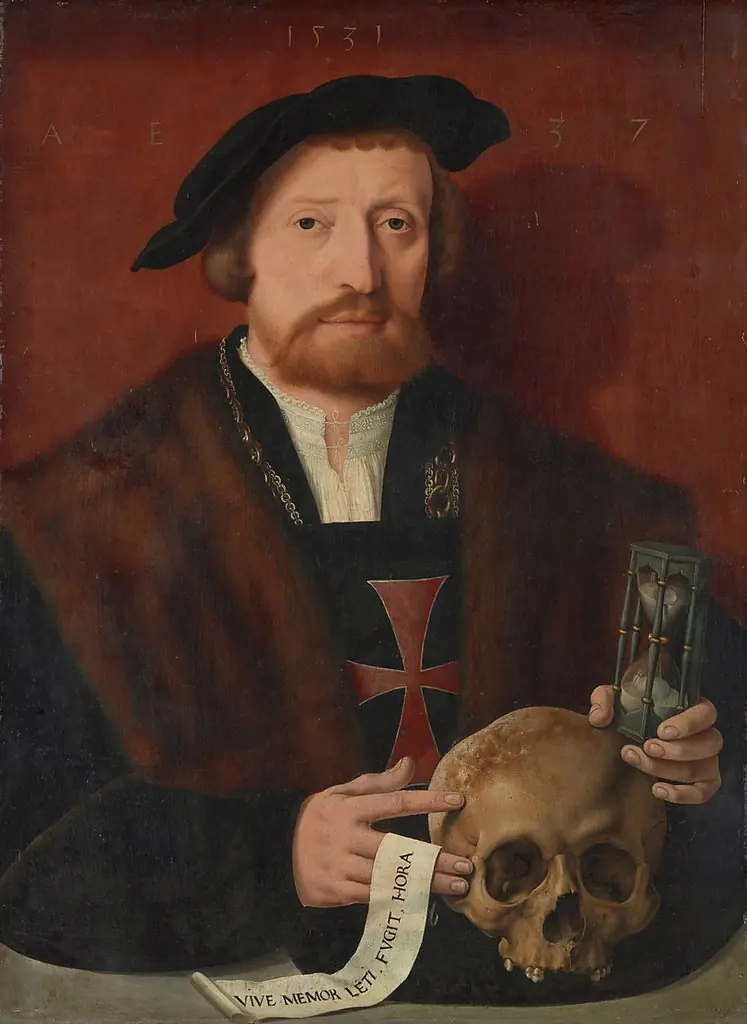 Portrait of a knight
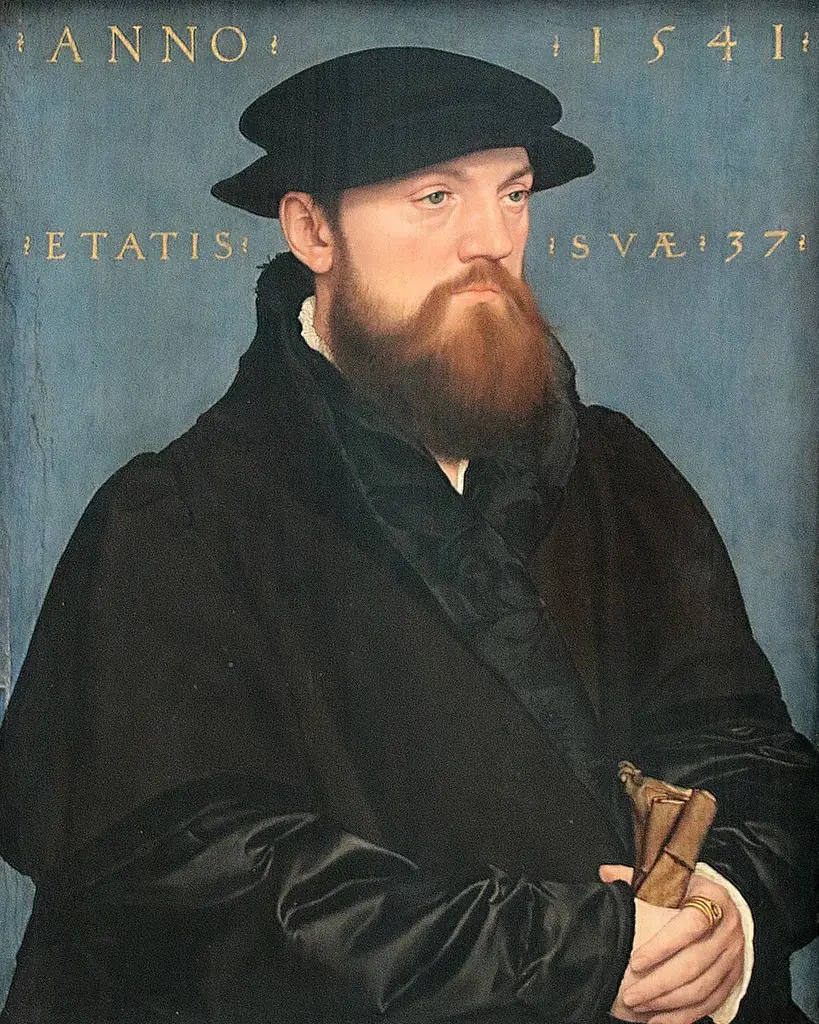 Roelof de Vos van Steenwijk
 Self Portrait as a Wax-Modeller
 Heinrich(?) vom Rhein zum Mohren (1477–1536)
 Portrait of a man
 Derick Berck of Cologne
 A Man in a Black Cap
 Portrait of a Protestant minister of religion
 Portrait of Lienhard Hirschvogel
 A Member of the Fröschl Family