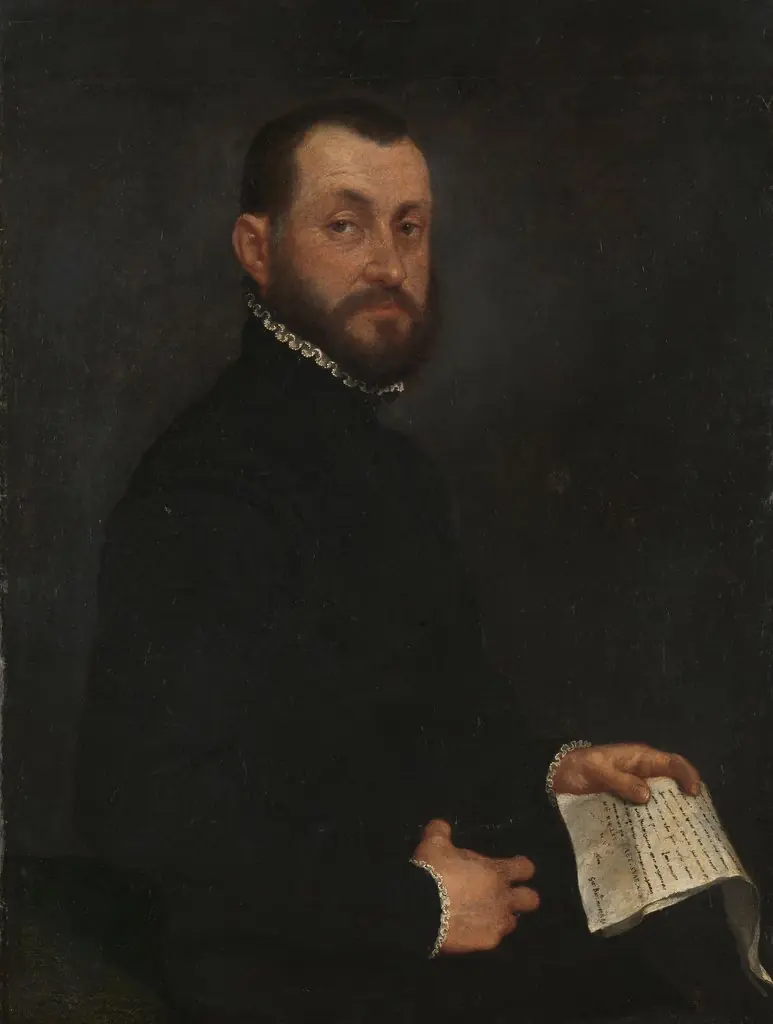
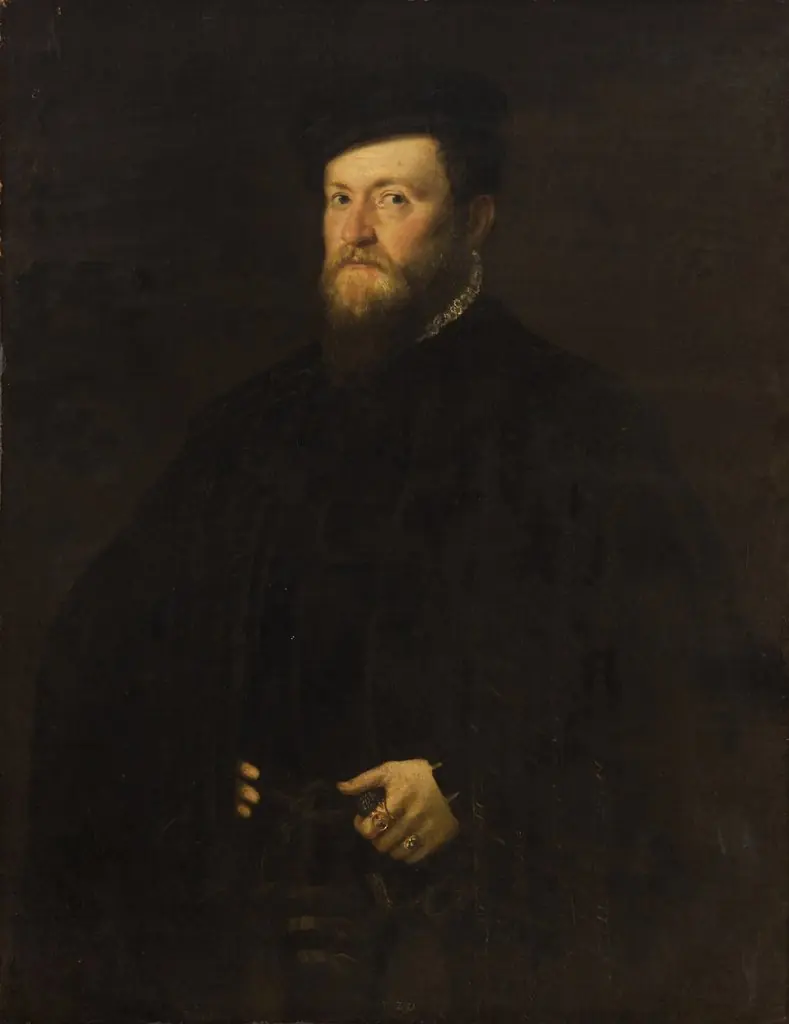
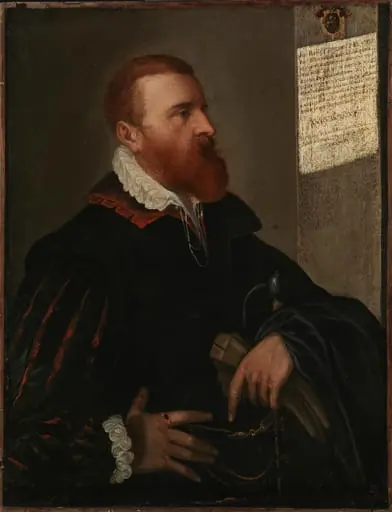
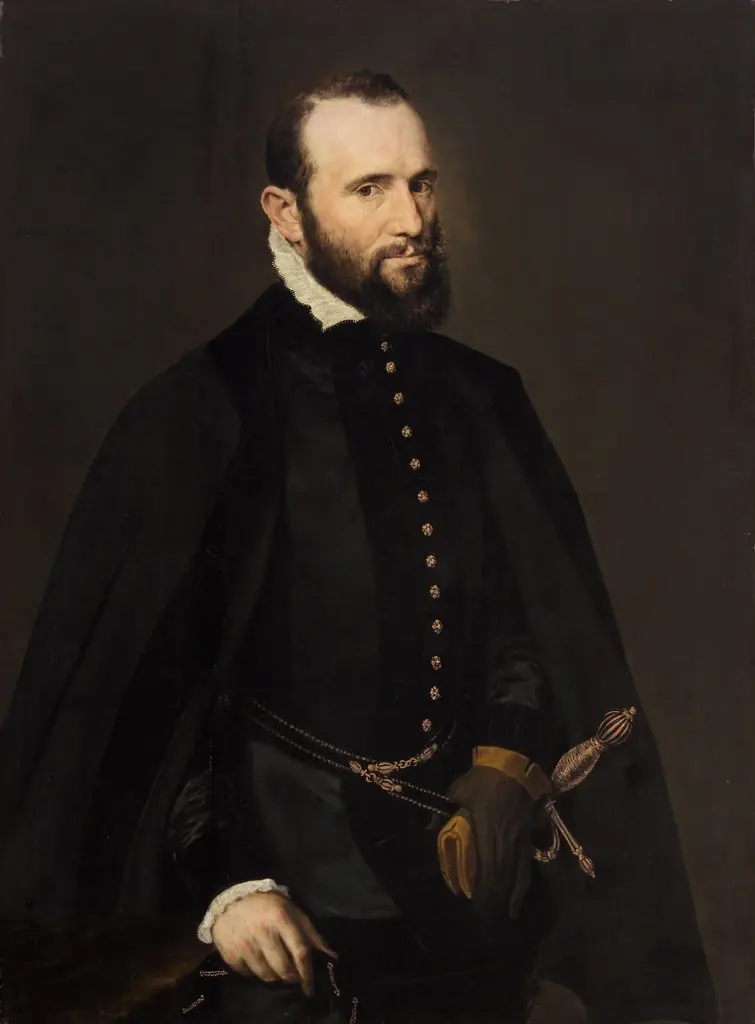
Artwork
Self Portrait as a Wax-Modeller
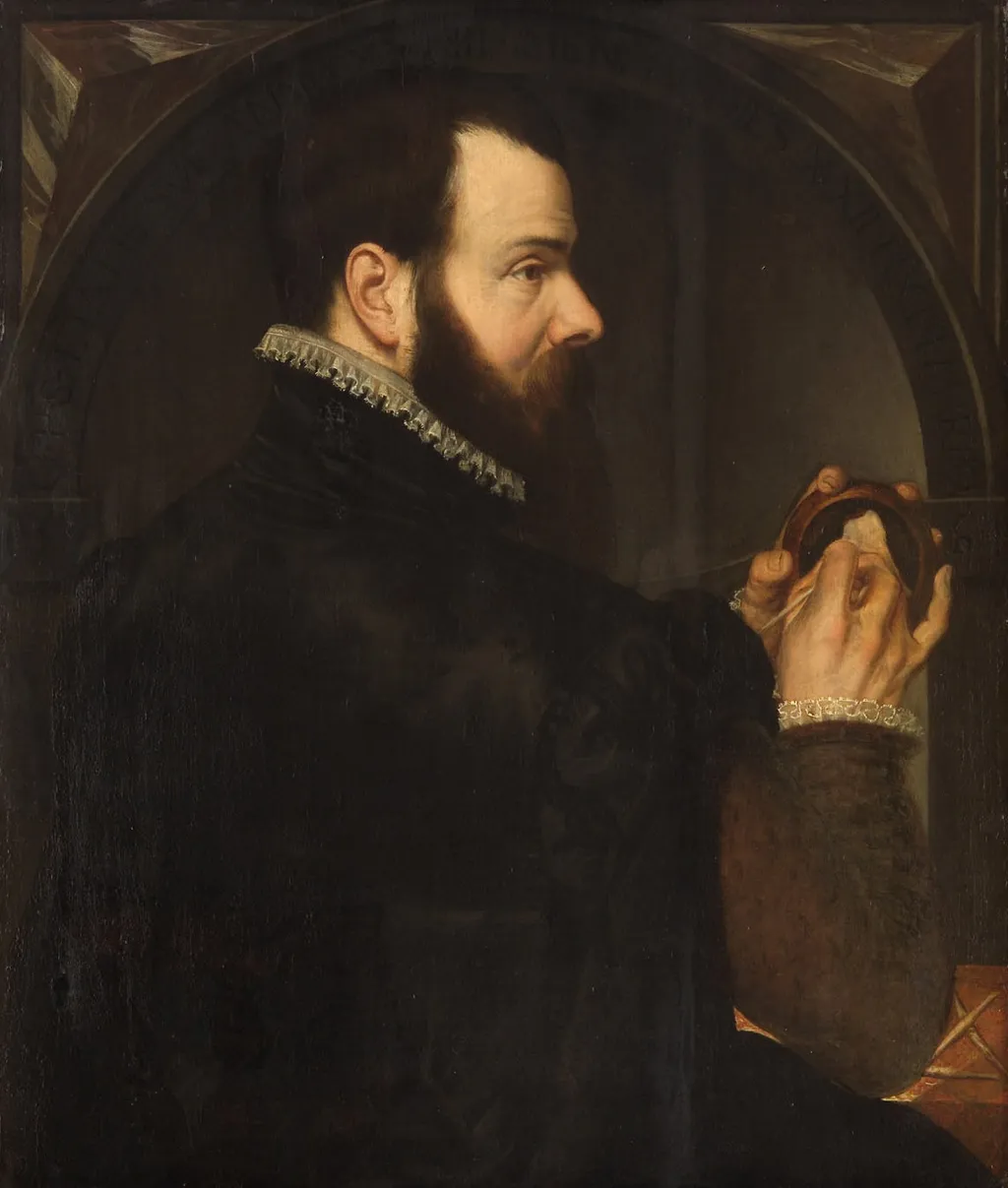
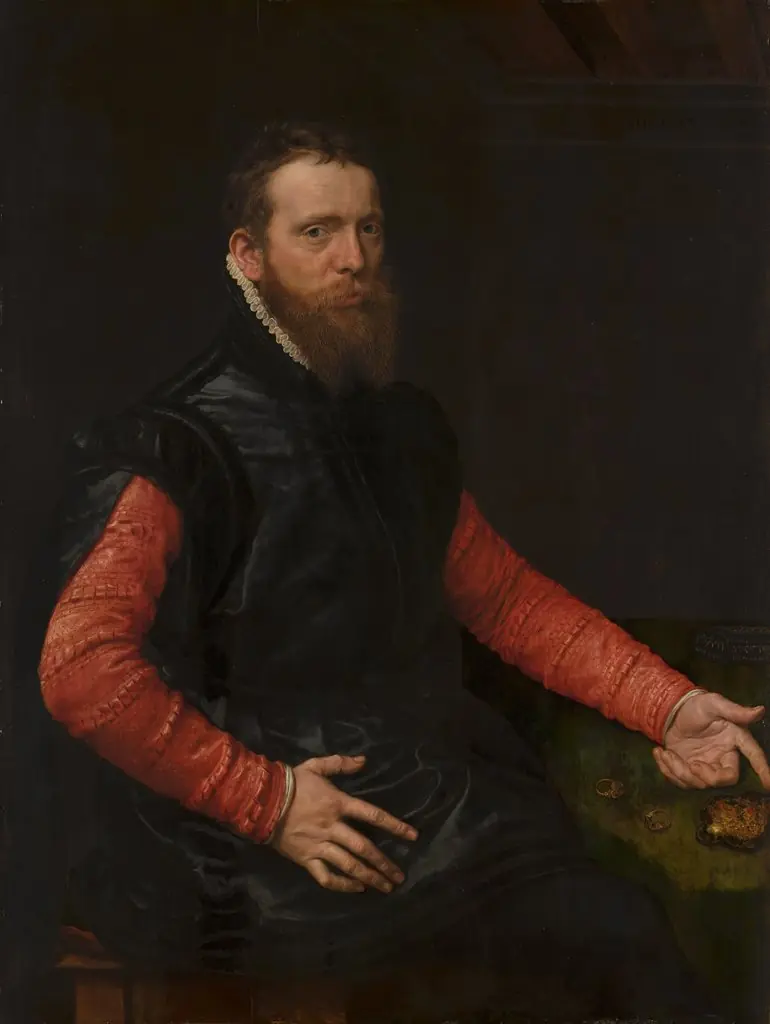
Self Portrait as a Wax-Modeller is an oil painting by the Northern Renaissance artist Willem van den Broecke. It dates from 1564 and is held in the collection of the Kunsthistorisches Museum.
About this work
Overview
Self Portrait as a Wax-Modeller is a 1564 oil painting by Willem van den Broecke, a versatile Flemish artist known for his work in sculpture, painting, draughtsmanship, and architecture. The portrait belongs to the Northern Renaissance movement.
Subject & Meaning
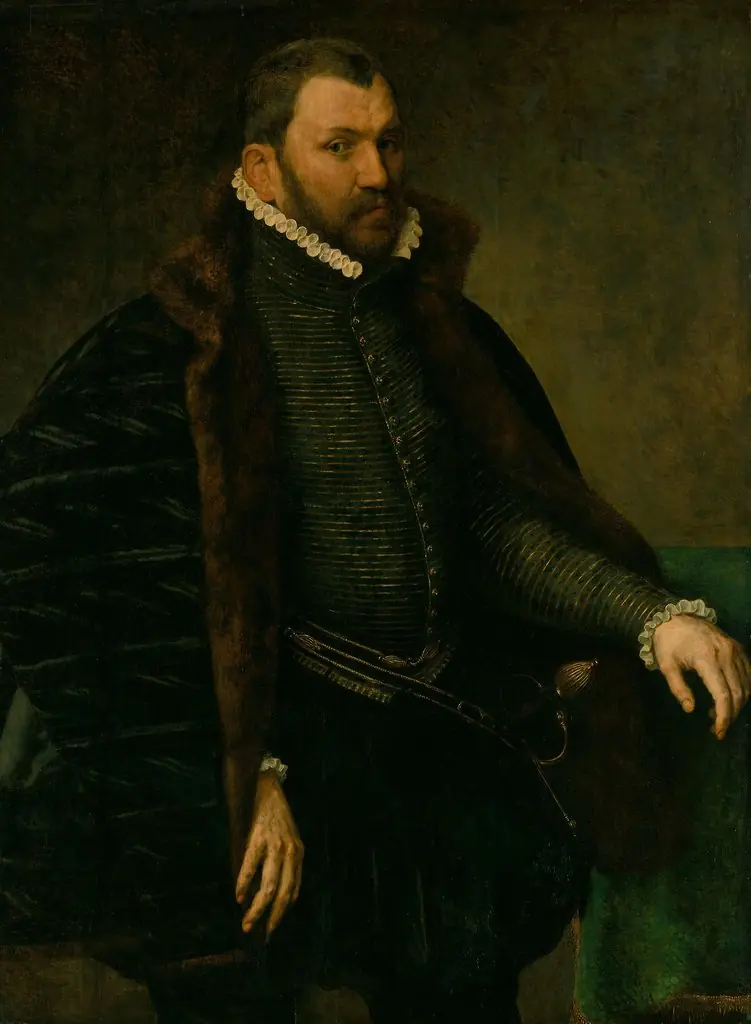
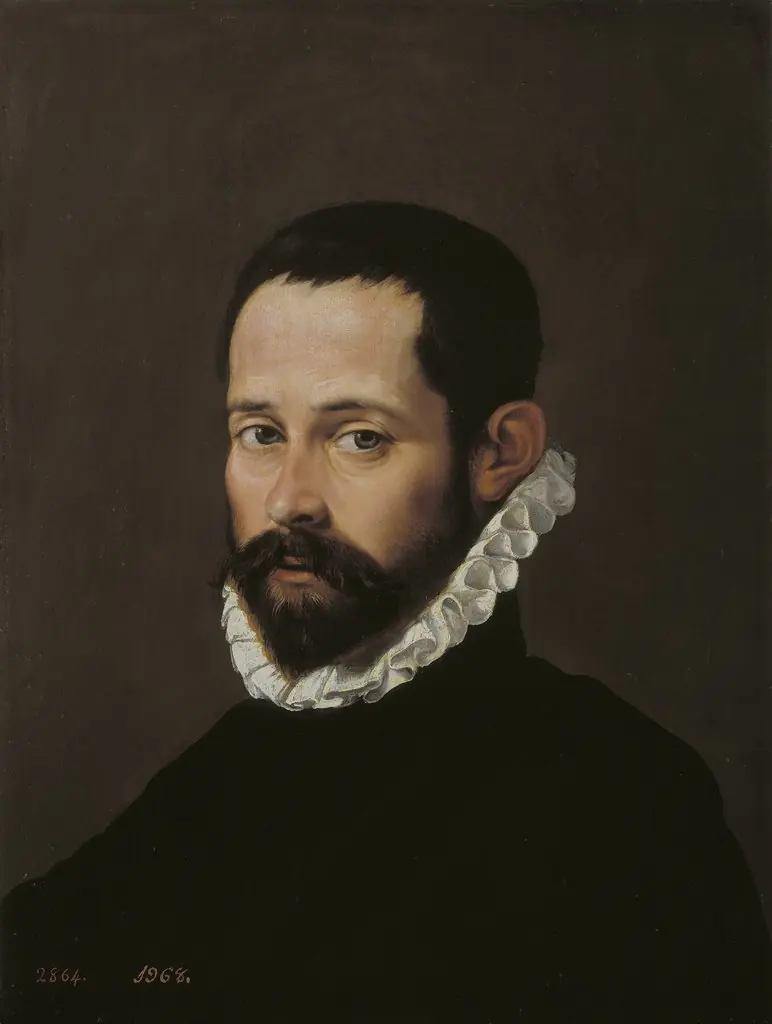
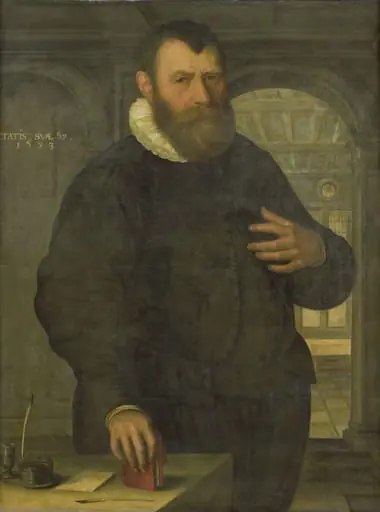
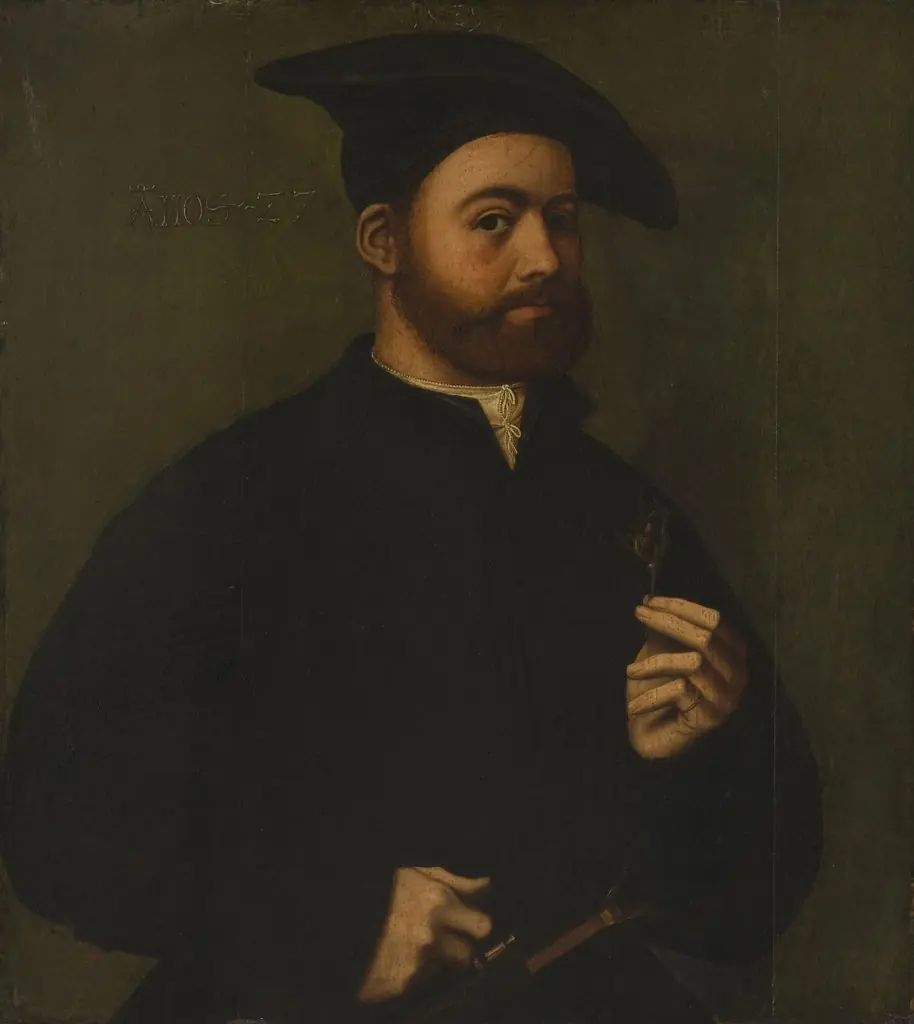
The painting depicts the artist himself holding a small wax figure, highlighting his lesser-known skill as a wax-modeller. This rare craft involved creating highly detailed, lifelike figures from wax, showcasing van den Broecke's versatility beyond his prominent sculpting career.
Technique & Style
The work employs chiaroscuro, characterized by a strong contrast between light and dark. A plain, dark background focuses attention on van den Broecke, dressed in a black outfit with a ruff collar, as he intently examines his wax creation.
History & Provenance
Created in 1564 by Willem van den Broecke, who was active in Antwerp after training in Italy, the painting is now part of the collection at the Kunsthistorisches Museum.
Context
As a leading Antwerp sculptor of the 16th century's second half, van den Broecke's self-portrait as a wax-modeller provides insight into the broader artistic practices of the time, where artists often mastered multiple mediums.
Legacy
While specific lasting impacts of *Self Portrait as a Wax-Modeller* on subsequent art movements are not prominently documented, it remains a unique example of Northern Renaissance self-portraiture highlighting an artist's multifaceted talents.
Artist & collection
Artist
Willem van den Broecke, Willem van den Broeck or Guillelmus Paludanus (1530 – 1579) was a Flemish sculptor, painter, draughtsman and architect.