Artwork
The Presentation of the Christ Child in the Temple
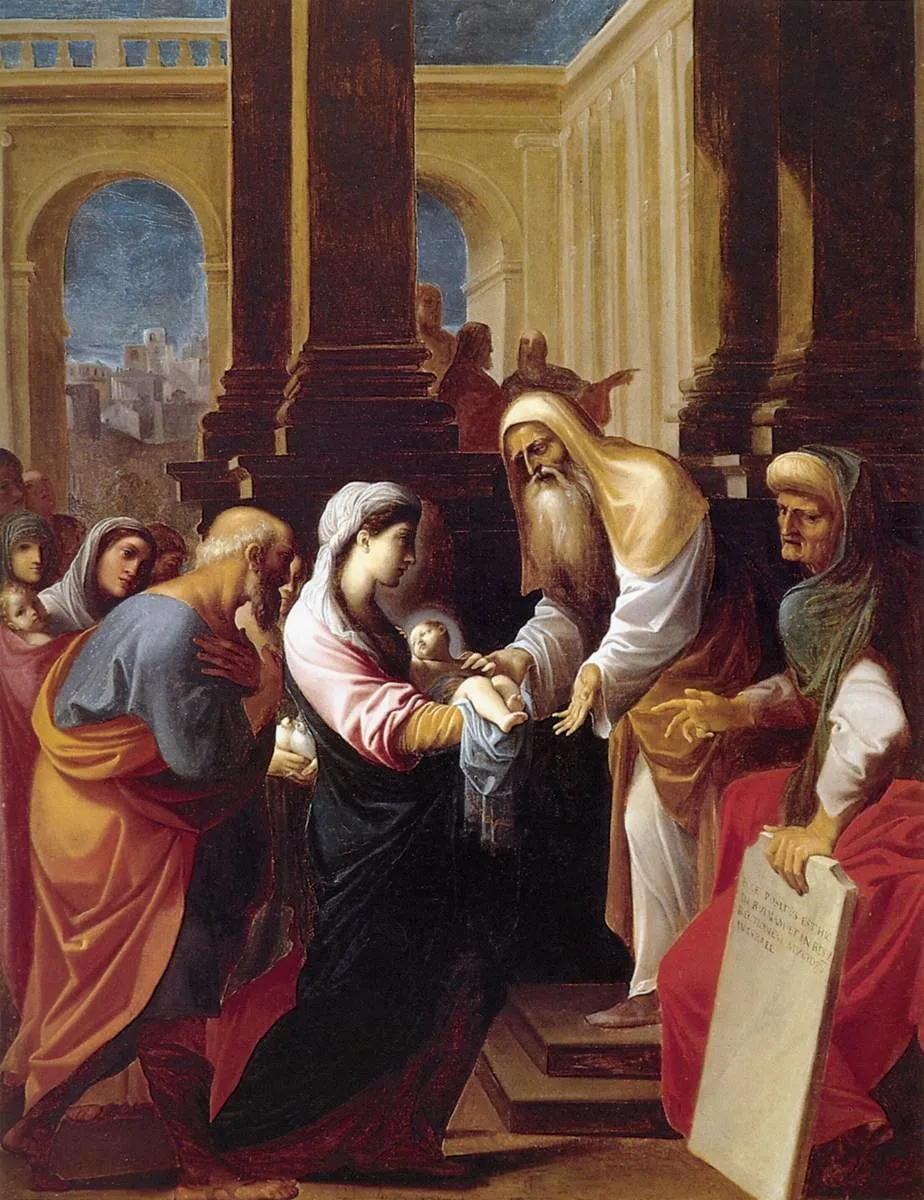
The Presentation of the Christ Child in the Temple is an oil painting by the Early Baroque Italian artist Ludovico Carracci. It dates from 1605 and is held in the collection of the Carmen Thyssen Collection.
About this work
Overview
It illustrates the artist’s shift toward dynamic composition and emotive lighting, hallmarks of his contribution to post‑Mannerist Italian painting.
Ludovico Carracci’s *The Presentation of the Christ Child in the Temple* (1605) is an oil painting that depicts the biblical moment when the infant Jesus is brought to the Temple. Executed in Bologna during the early Baroque, the work now resides in the Museu Nacional d'Art de Catalunya. It illustrates the artist’s shift toward dynamic composition and emotive lighting, hallmarks of his contribution to post‑Mannerist Italian painting.
Subject & Meaning
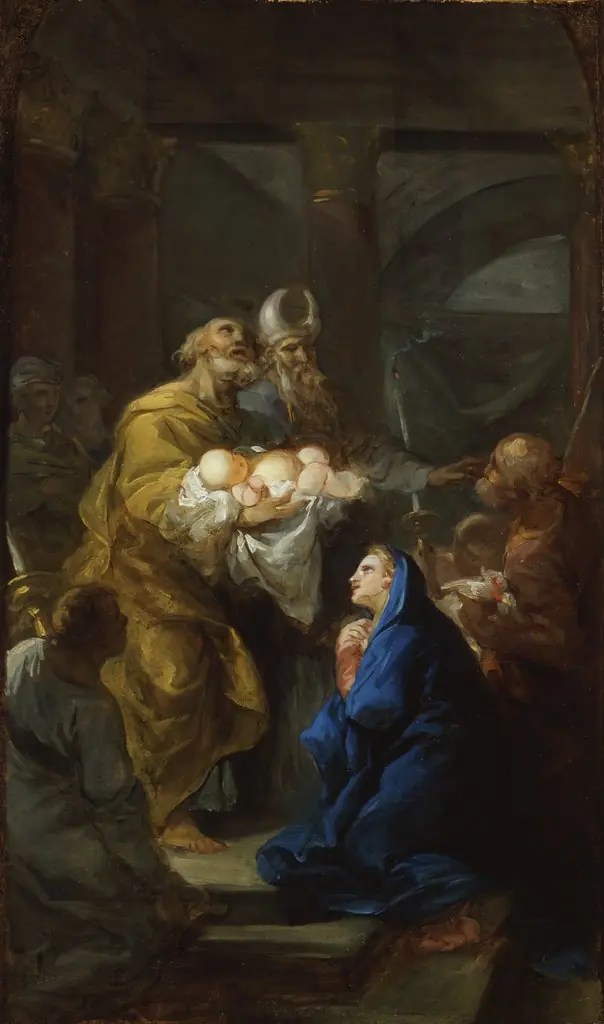
The scene gathers a group of figures around the newborn Christ, who is being handed to a bearded priest‑like figure by a woman in a dark dress and white headscarf. The elder’s outstretched hand touches the child’s palm, while the woman gazes tenderly at the infant, conveying reverence for the sacred rite of presentation and emphasizing themes of devotion and divine promise.
Technique & Style
Carracci employs chiaroscuro, contrasting deep shadows with illuminated forms to model the figures and suggest a luminous interior space. Broad, expressive gestures and a subtle play of light across the faces create a sense of movement and spiritual intensity, distinguishing the work from the more stylized, artificial compositions of late Mannerism.
History & Provenance
Painted in 1605, the canvas entered the collection of the Museu Nacional d'Art de Catalunya, where it remains on display. Its acquisition reflects the museum’s focus on early Baroque masterpieces and the broader appreciation of Carracci’s role in revitalizing Italian painting during the turn of the 17th century.
Context
The early Baroque period in Italy saw a reaction against the elegance and artificiality of Mannerism, favoring naturalism and emotional engagement. Carracci, together with his cousins Annibale and Agostino, founded the Accademia degli Incamminati, promoting a return to observational drawing and dramatic lighting—principles evident in this temple scene.
Legacy
By integrating dynamic composition with a clear narrative and heightened chiaroscuro, Carracci’s *Presentation* influenced subsequent Baroque artists who sought to fuse devotional content with theatrical visual effects. The painting stands as a reference point for the transition toward the more dramatic, emotionally charged style that defined 17th‑century European art.
Artist & collection
Artist
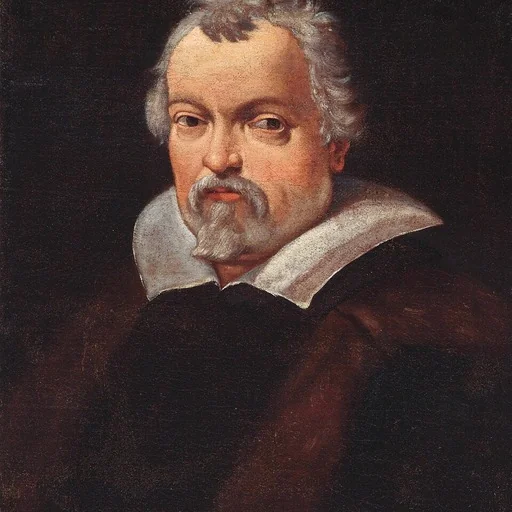
Ludovico (or Lodovico) Carracci ( kə-RAH-chee, UK also kə-RATCH-ee, Italian: ; 21 April 1555 – 13 November 1619) was an Italian early-Baroque painter, etcher, and printmaker from Bologna.

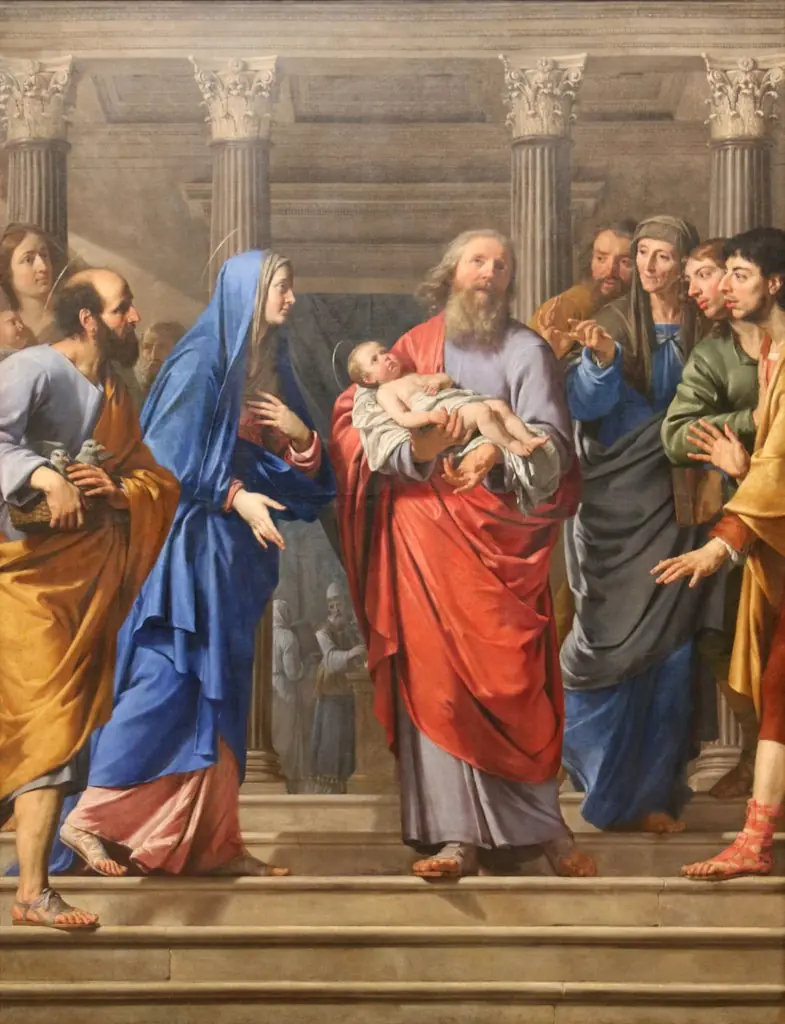 Presentation in the Temple
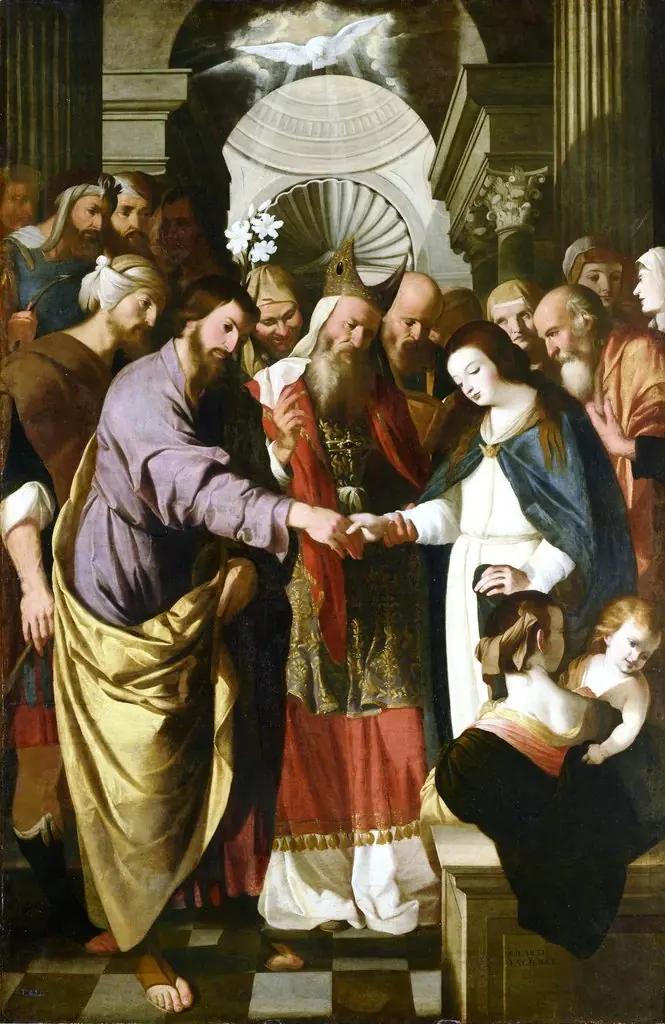 The Marriage of the Virgin
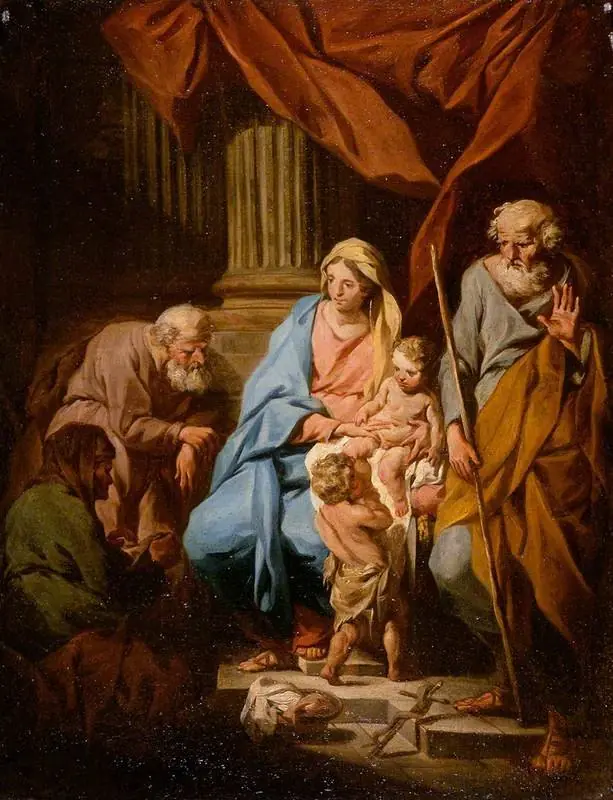 The Holy Family with Saints Elisabeth and Zaccharias and the Infant Saint John
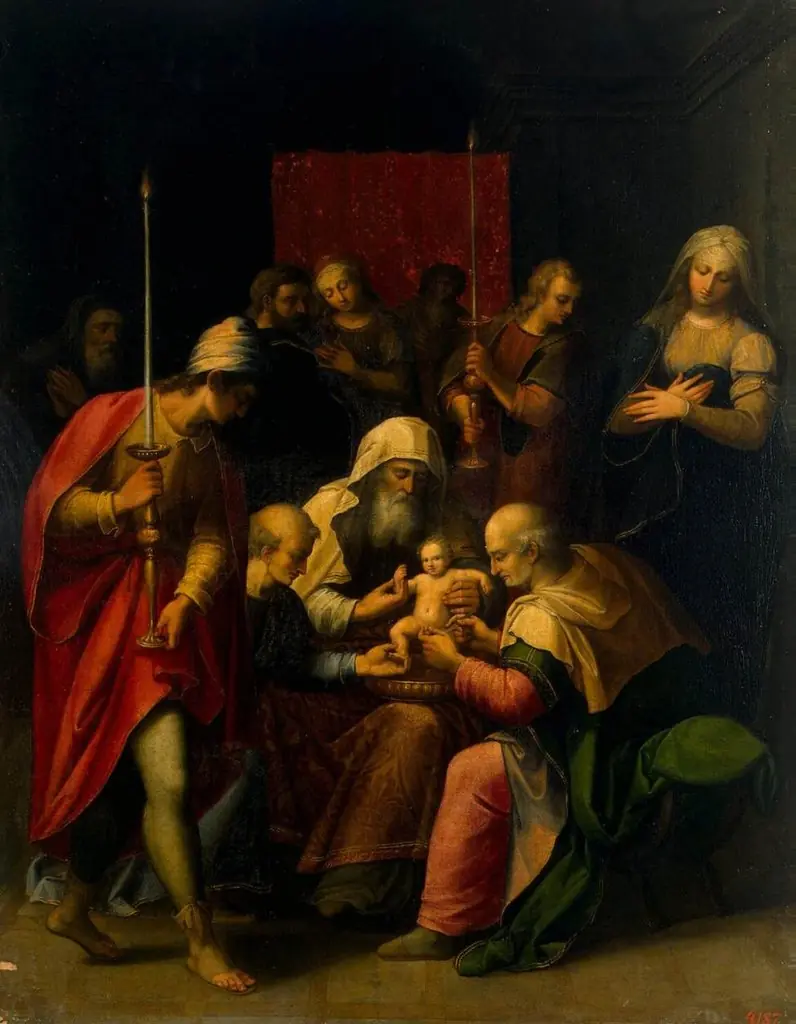 The Circumcision
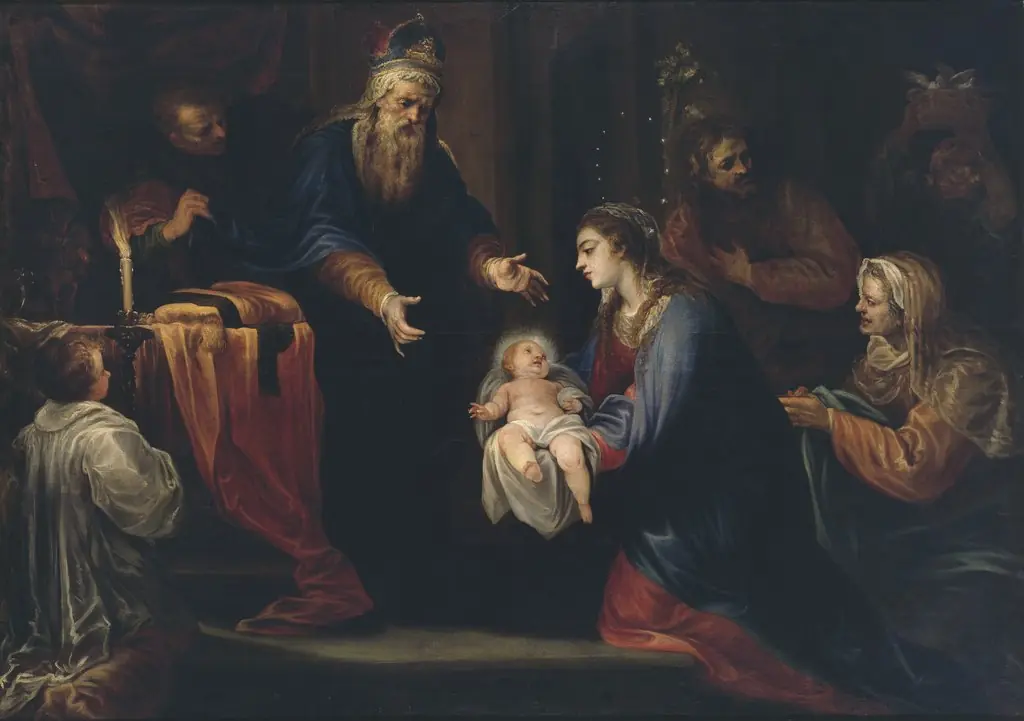 La Presentacion de Jesús en el Templo
 Circumciziunea
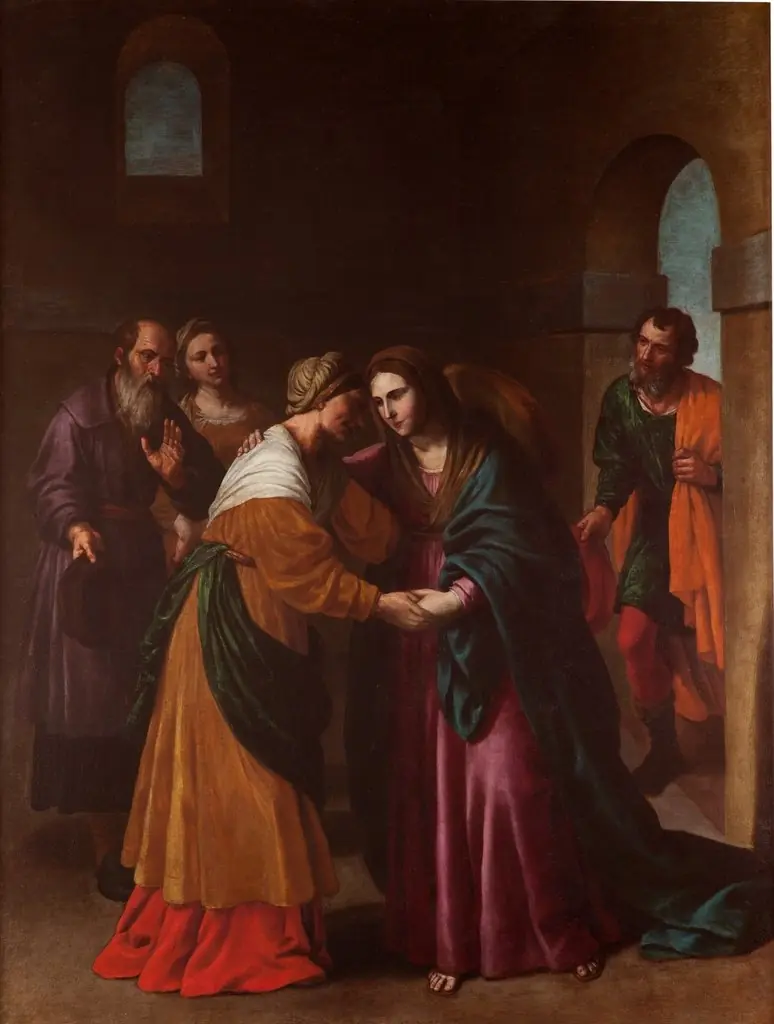 The visitation
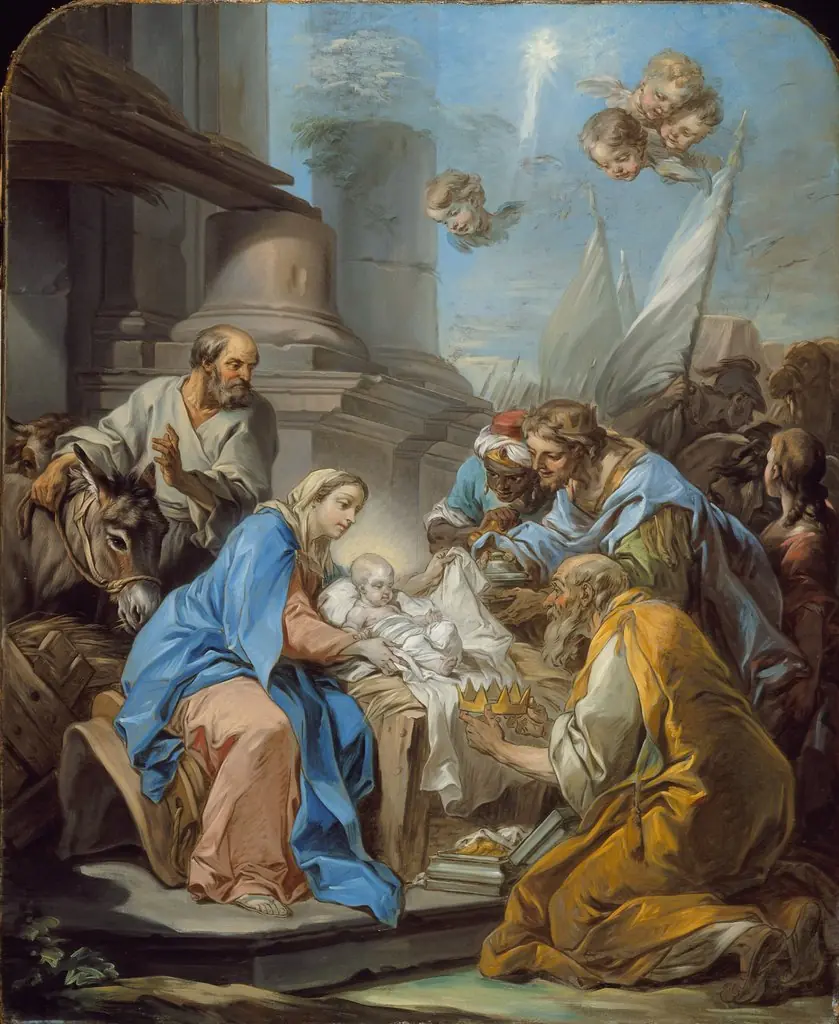 The Adoration of the Magi
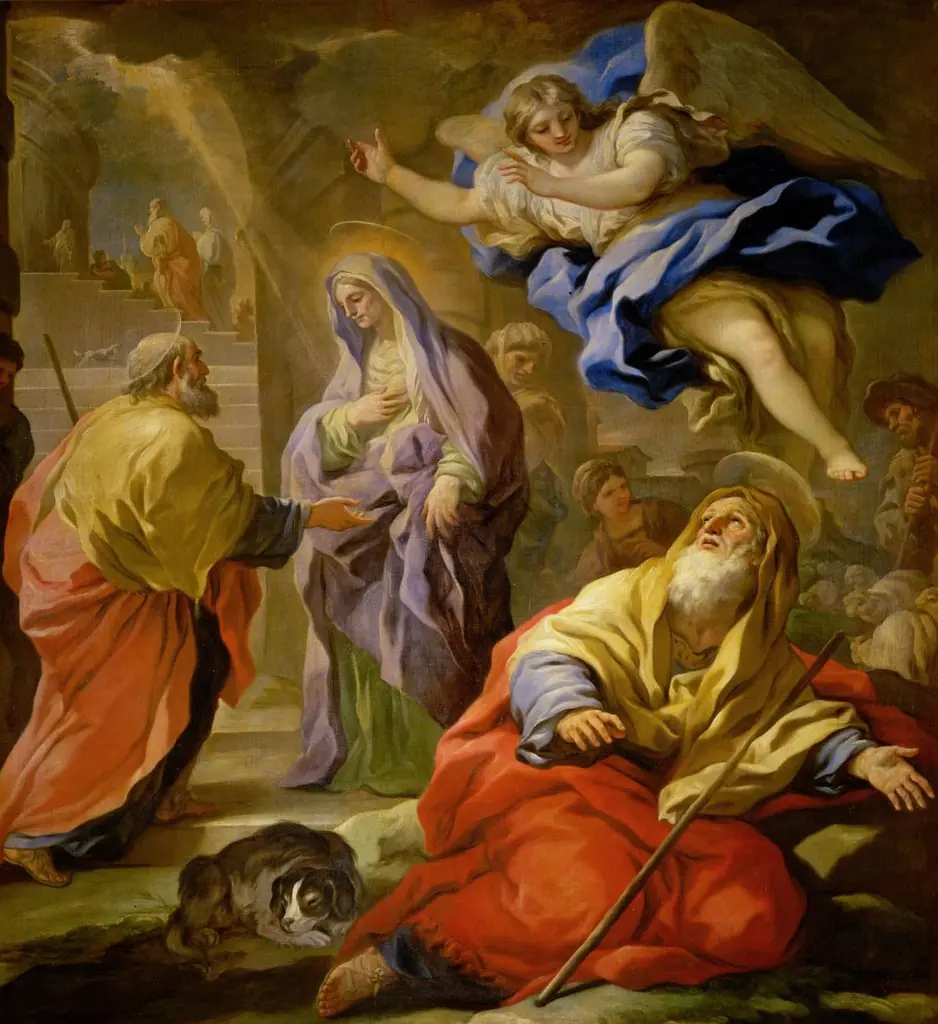 Verheißung an Joachim und Begegnung von Joachim und Anna an der Goldenen Pforte
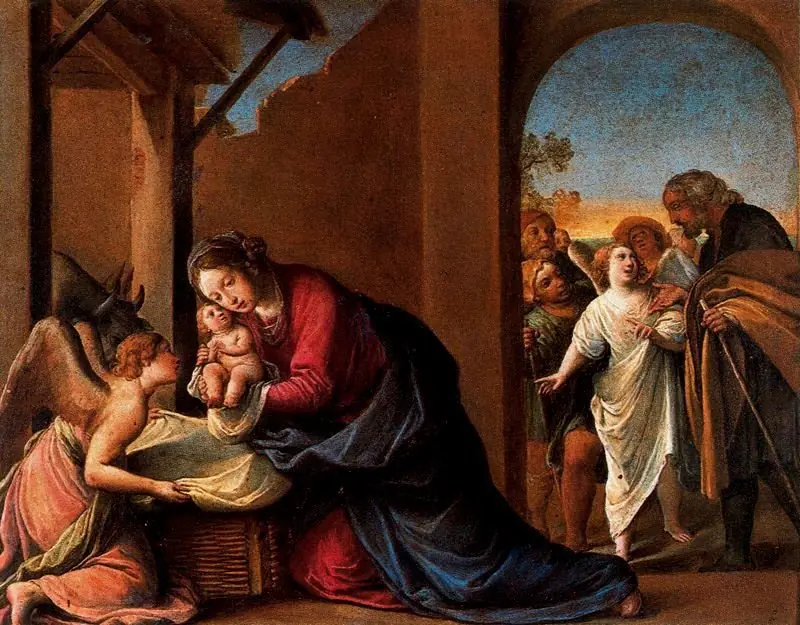 Nativity
 The Mystic Marriage of Saint Catherine
 Presentation of Christ in the Temple