Artwork
Circumciziunea
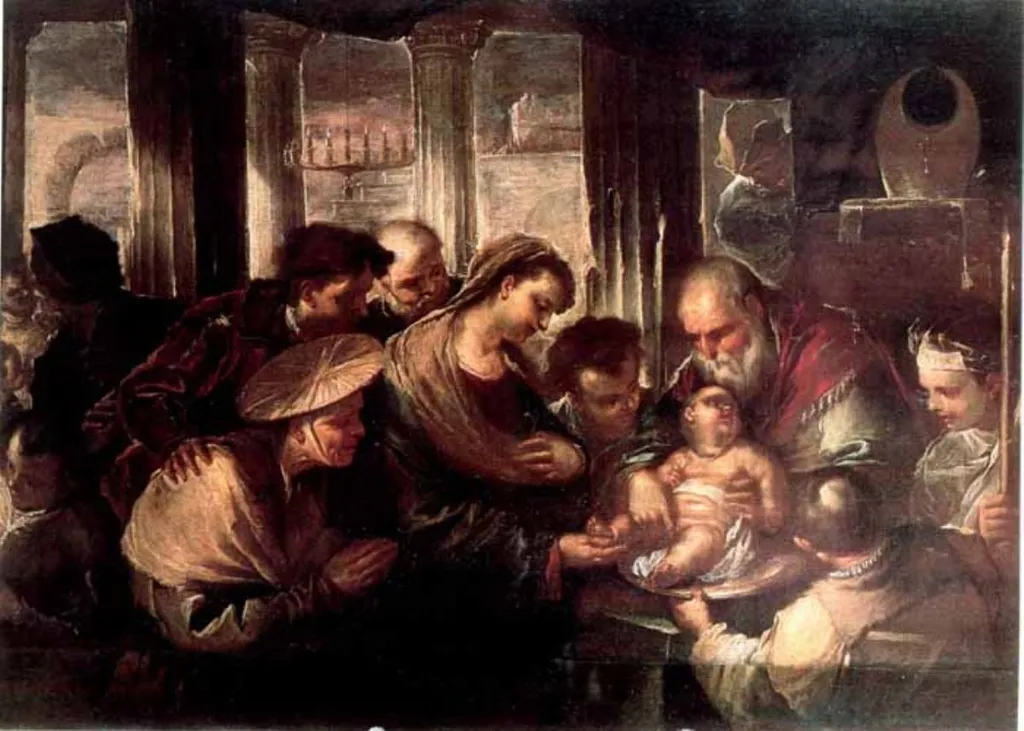
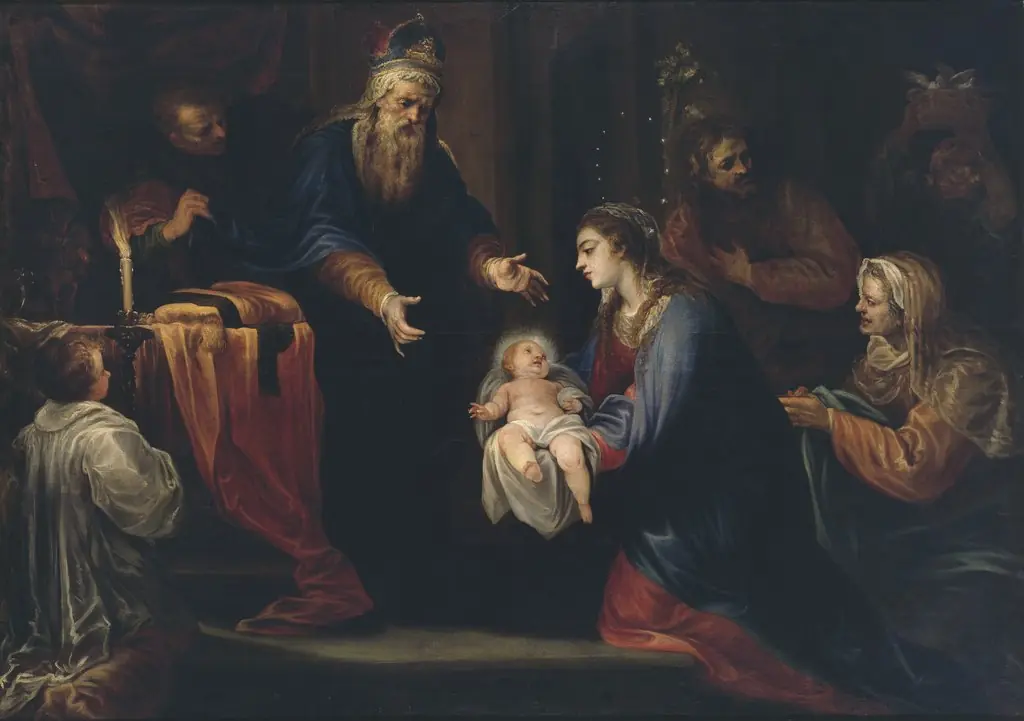
Circumciziunea is an unspecified painting by the Barbizon school artist Luca Giordano. It dates from 1679 and is held in the collection of the National Museum of Art of Romania.
About this work
Overview
Giordano, a prolific Neapolitan artist of the late Baroque period, produced this work during a phase marked by luminous color and fluid brushwork.
Painted around 1679 by Luca Giordano, *Circumciziunea* is a religious scene executed in oil on canvas. Giordano, a prolific Neapolitan artist of the late Baroque period, produced this work during a phase marked by luminous color and fluid brushwork. Though often linked to the broader Italian Baroque tradition, the painting diverges from the stark contrasts of Caravaggisti, embracing instead a more open, atmospheric lighting influenced by Venetian painting.
Subject & Meaning
The painting illustrates the circumcision of Jesus, a moment described in the Gospel of Luke when the infant is formally named and initiated into the covenant. The scene centers on the baby, wrapped in cloth and illuminated by a soft, directional light, while surrounding figures—men in traditional garments and a calm woman—observe in quiet solemnity. The tension in the men’s postures contrasts with the mother’s stillness, underscoring the ritual’s gravity without overt drama.
Technique & Style
Giordano employs a refined chiaroscuro to draw attention to the infant, whose face catches the light amid dim, textured surroundings. The brushwork is swift yet controlled, with loose strokes defining fabric and architecture while preserving clarity in facial expressions. The palette is warm but restrained, avoiding the deep shadows of earlier Neapolitan tenebrism in favor of a more diffused, atmospheric glow reminiscent of Venetian luminism.
History & Provenance
Created during Giordano’s mature period in Naples, the painting likely originated as a private devotional work or commission for a local church. Its early history is undocumented, but it entered public collections in the 19th century. Unlike many of his large-scale frescoes, this intimate panel suggests a more personal religious context, possibly intended for contemplation rather than public display.
Context
In late 17th-century southern Italy, religious imagery remained central to artistic production, even as stylistic trends shifted toward lighter, more decorative modes. Giordano’s work reflects this transition, blending Counter-Reformation piety with the emerging preference for luminous, emotionally tempered scenes. The painting’s quiet intensity contrasts with the theatricality of contemporaneous Roman Baroque, offering a more introspective vision of sacred ritual.
Legacy
While not among Giordano’s most widely exhibited works, *Circumciziunea* exemplifies his ability to reconcile narrative clarity with atmospheric subtlety. It stands as a quiet testament to his evolution beyond Caravaggisti extremes, influencing later Neapolitan painters who sought emotional resonance through light and composition rather than dramatic tension. The painting remains a modest but significant example of Baroque devotional art in southern Italy.
Artist & collection

Artist
Luca Giordano was an Italian late-Baroque painter and printmaker in etching. Giordano was one of the most celebrated artists of the Neapolitan Baroque, whose vast output included altarpieces, mythological paintings and…

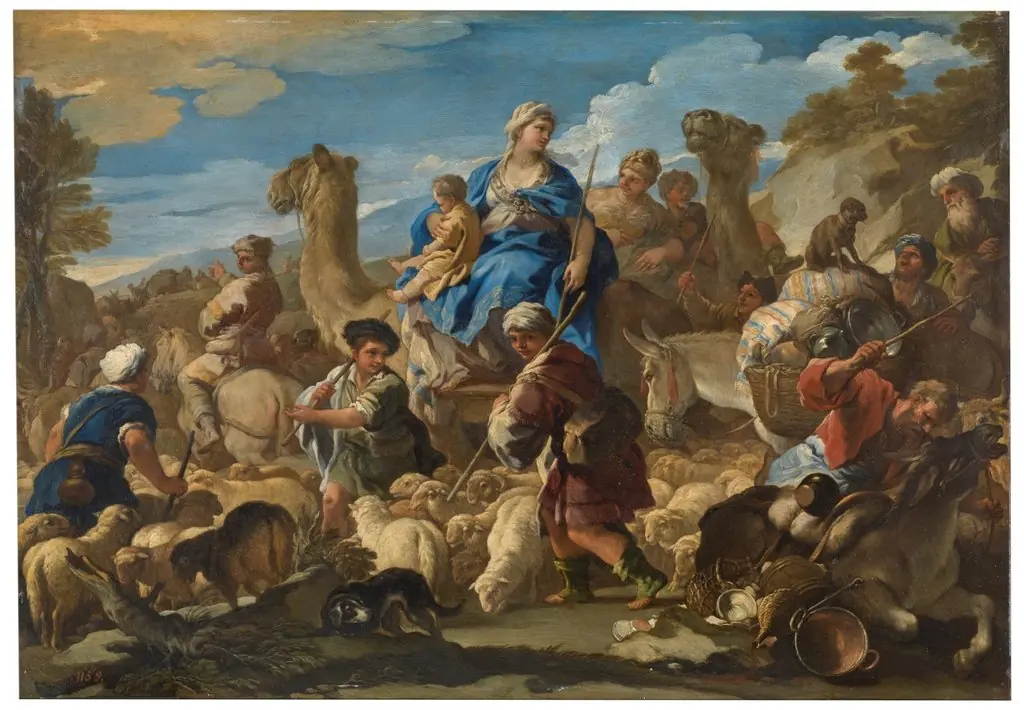
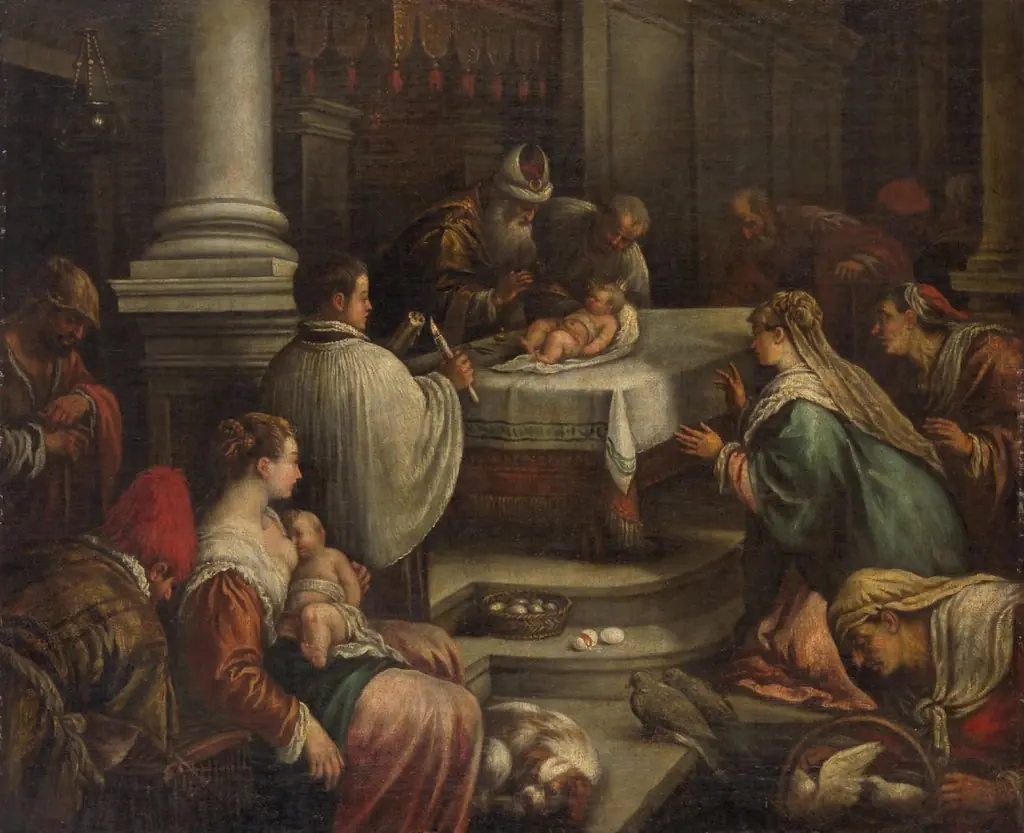 Darbringung Christi im Tempel
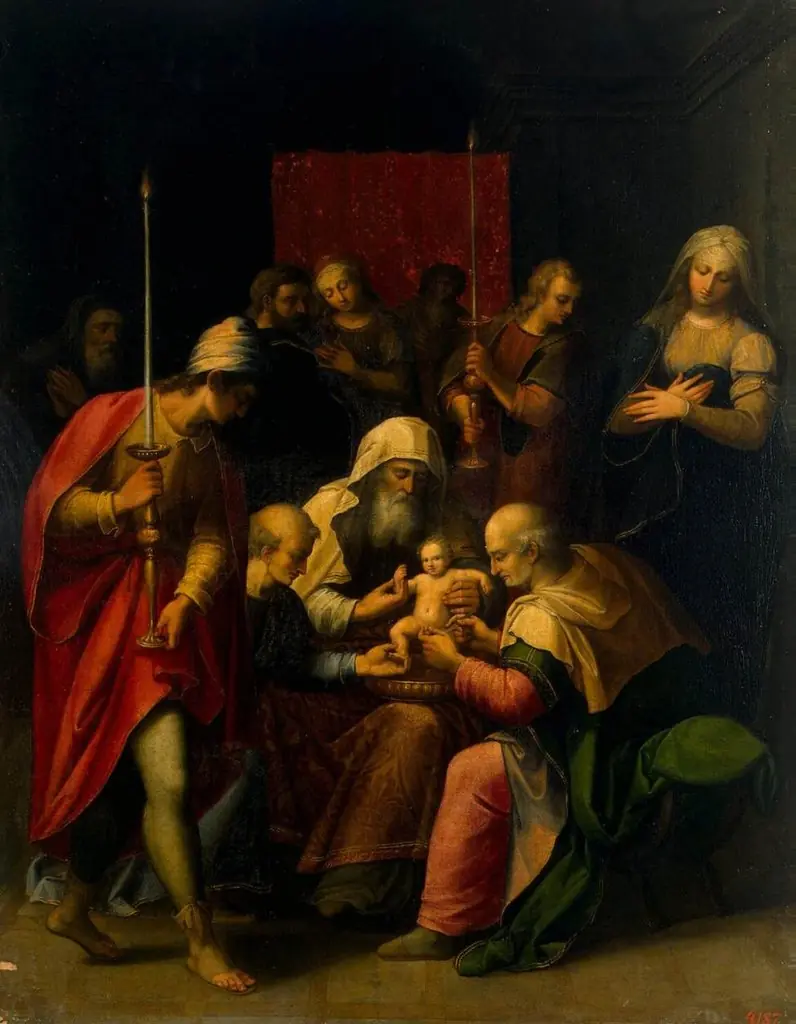 The Circumcision
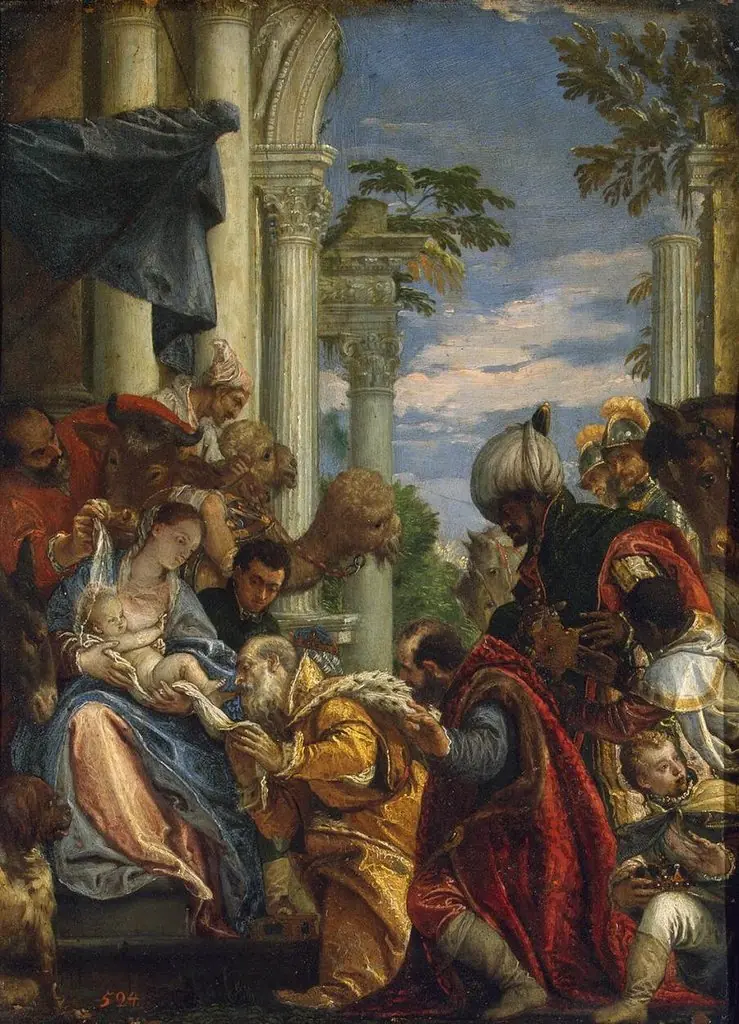 Adoration of the Magi
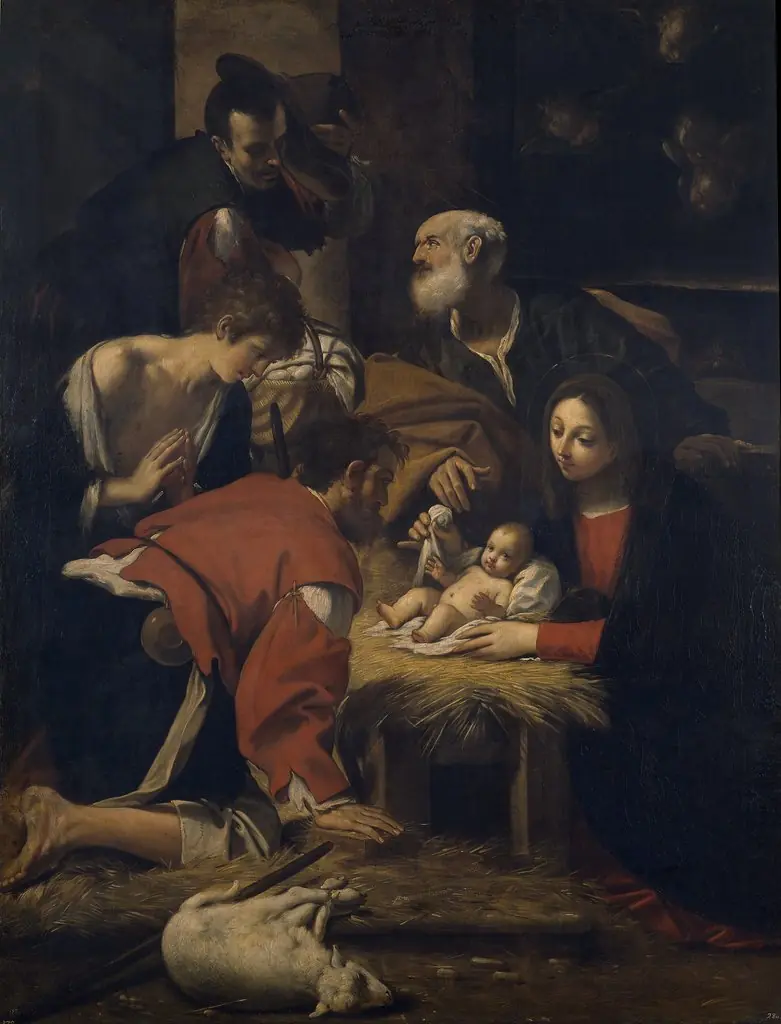 The Adoration of the Shepherds
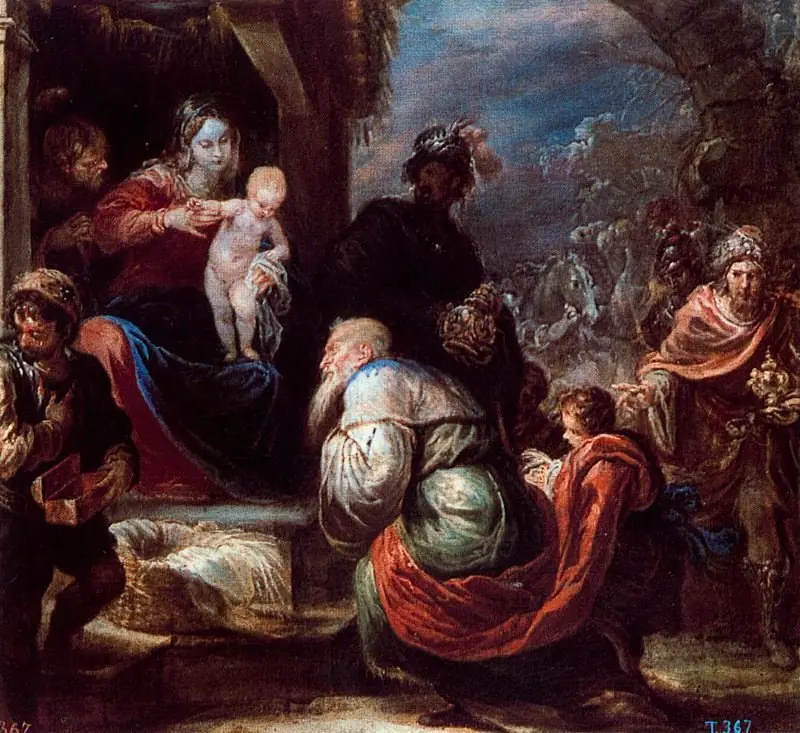 The Adoration of the Magi
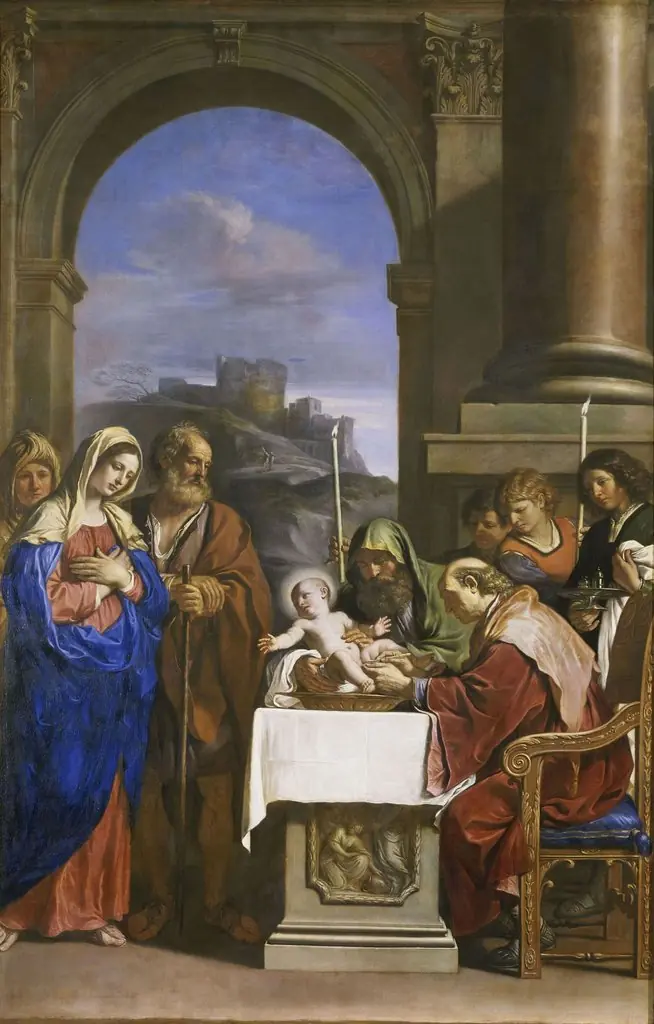 Circumcision of Christ
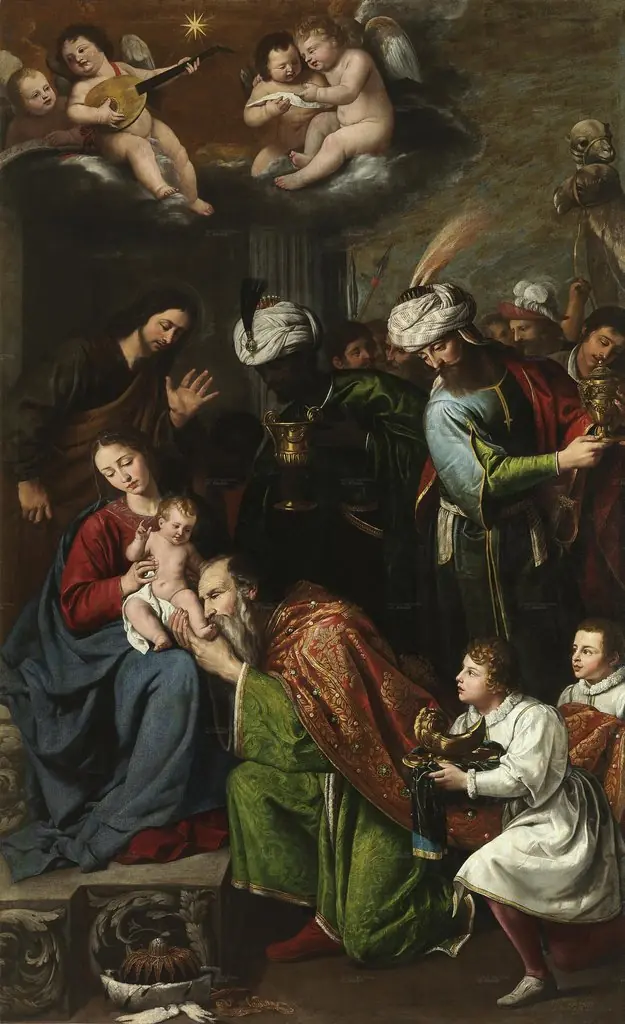 The Adoration of the Magi
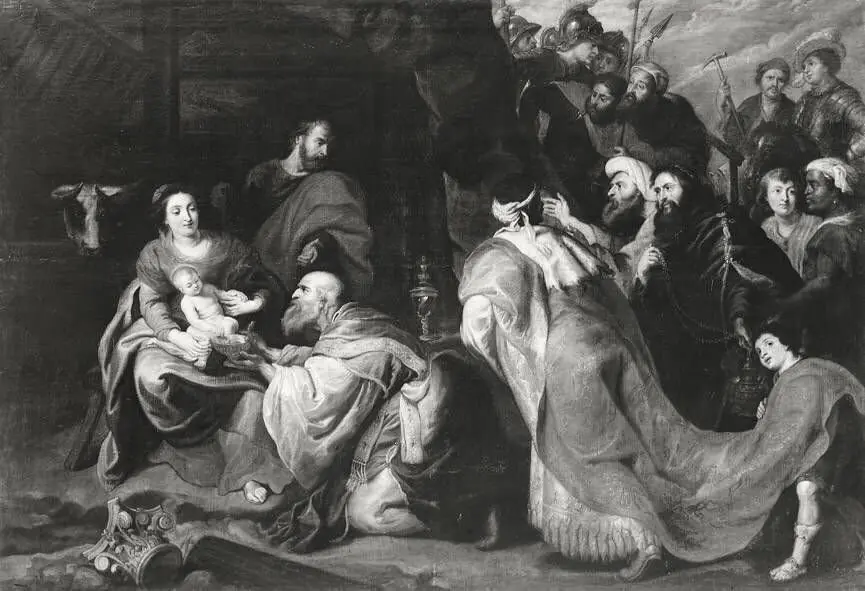 Anbetung der Könige (Kopie nach)
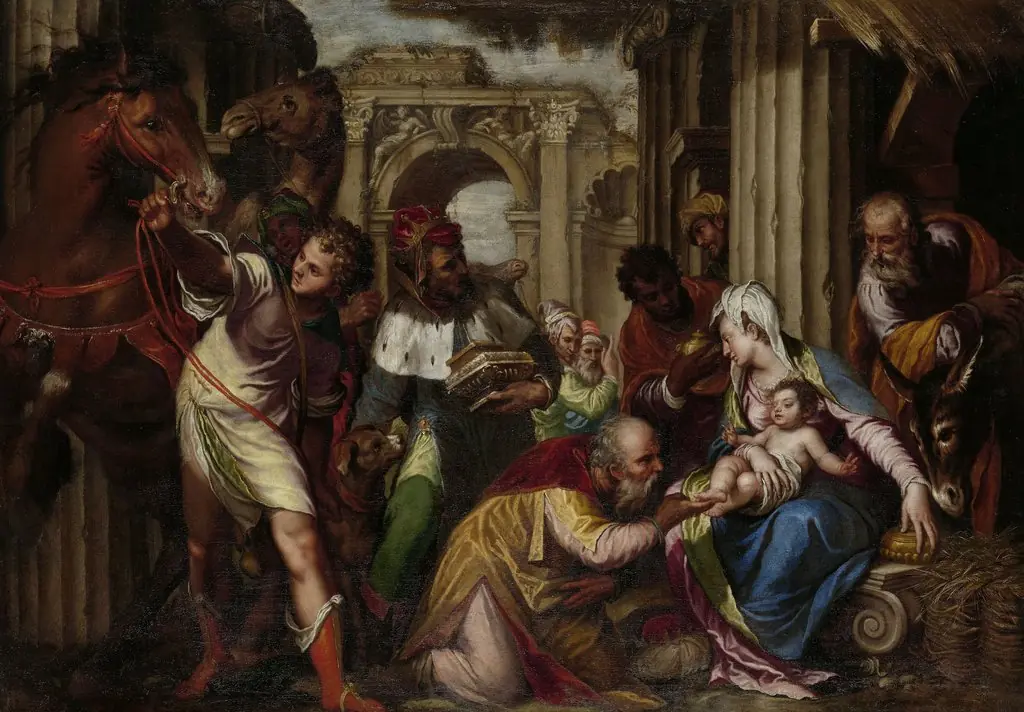 The Adoration of the Magi
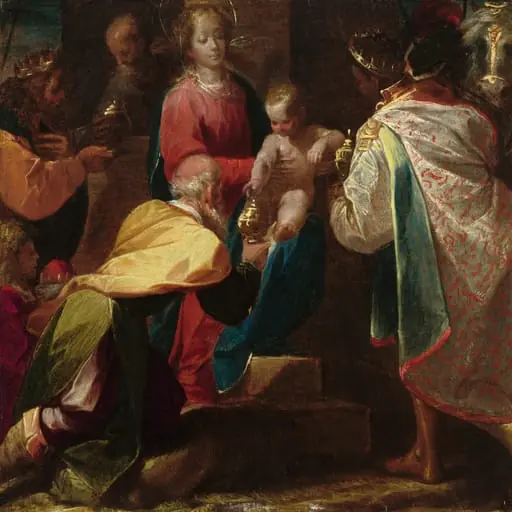 The Adoration of the Magi
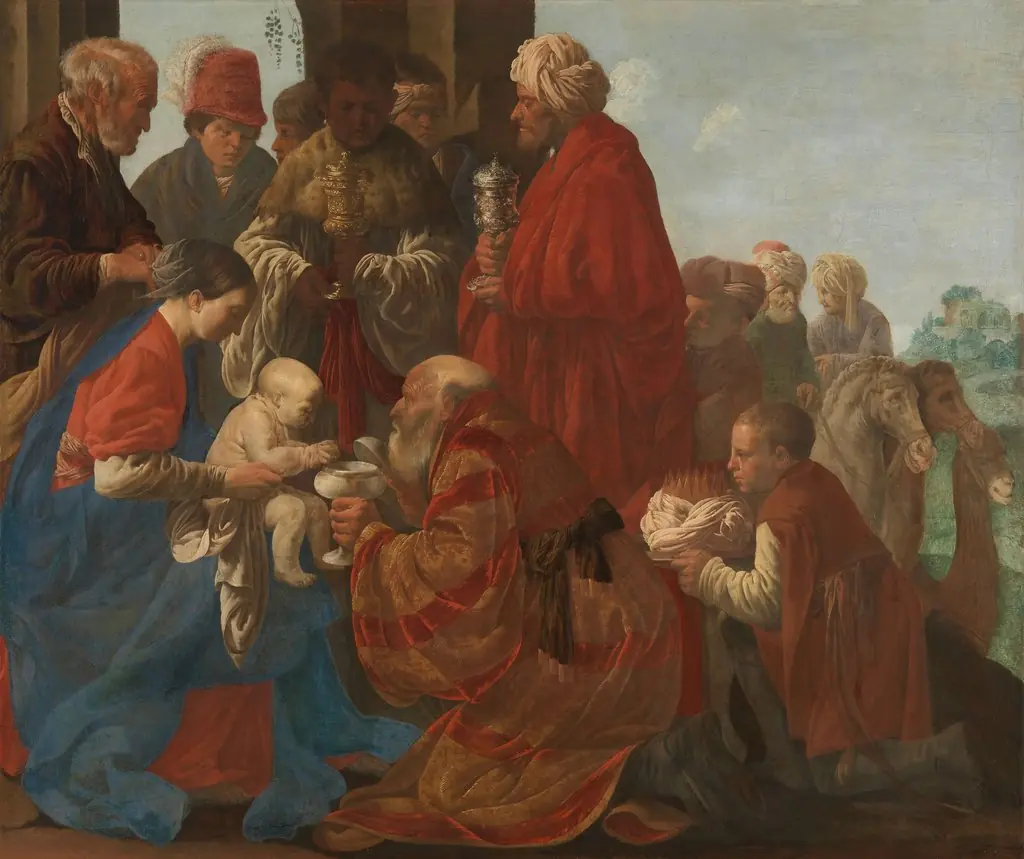 The adoration of the magi
 La Presentacion de Jesús en el Templo