Artwork
Historienzyklus: Marcus Curtius opfert sich für das römische Volk
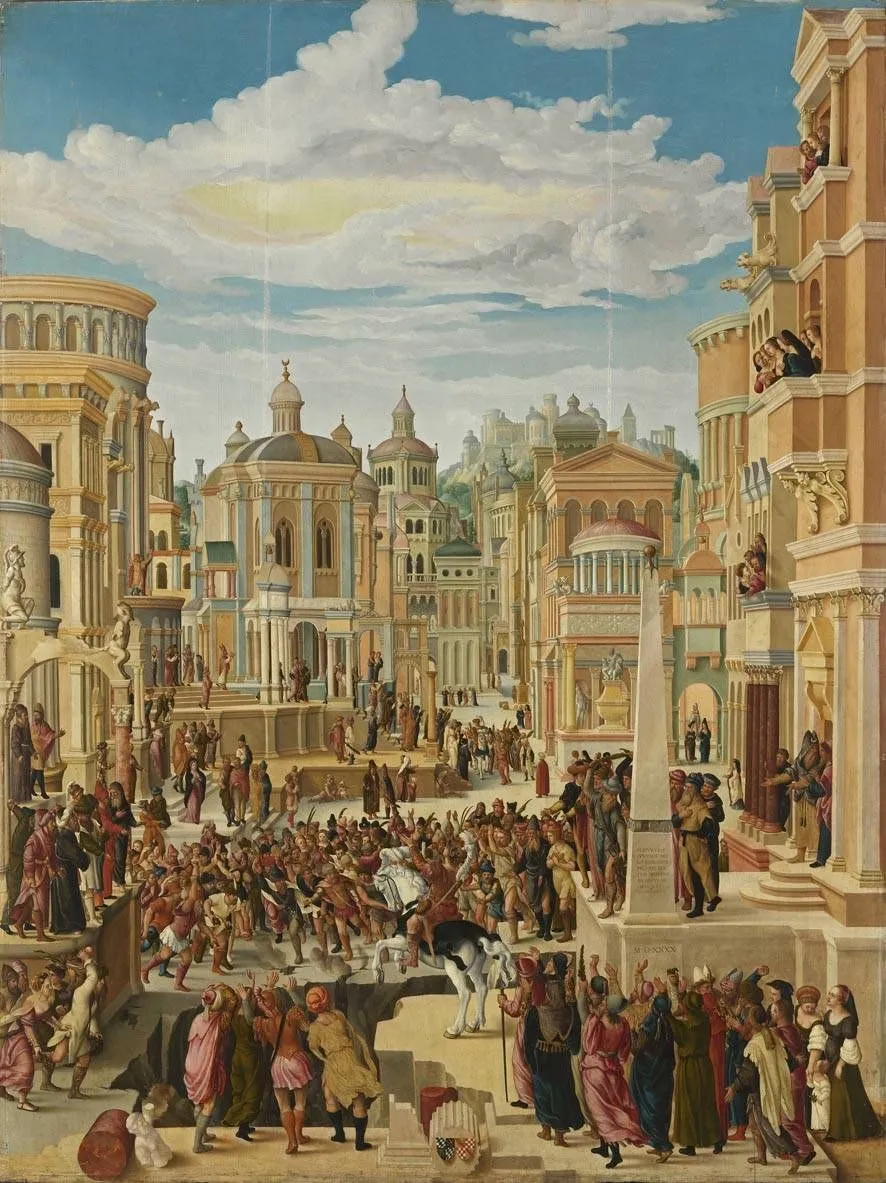
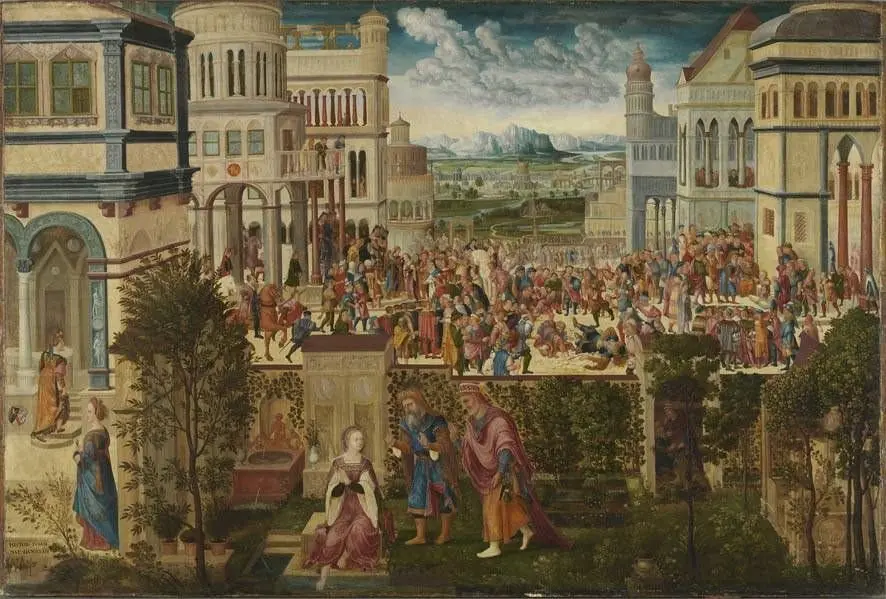
Historienzyklus: Marcus Curtius opfert sich für das römische Volk is an unspecified painting by the Mannerist artist Ludwig Refinger. It dates from 1540 and is held in the collection of the Bavarian State Painting Collections.
About this work
The painting is titled Historienzyklus: Marcus Curtius opfert sich für das römische Volk.
It was created by Ludwig Refinger in 1540.
The artist likely chose this subject for a reason, but without more information, it's hard to say why - maybe it was a popular story at the time.
You can find this painting at the Alte Pinakothek, where you can also learn more about Ludwig Refinger.
Overview
Painted in 1540 by Ludwig Refinger, this work is part of a historical cycle depicting episodes from Roman antiquity. It portrays the legendary act of Marcus Curtius, a Roman knight who sacrificed himself by riding his horse into a chasm that had opened in the Forum. The painting resides in the Alte Pinakothek in Munich, where it remains one of the few surviving works by the artist.
Subject & Meaning
His self-sacrifice was interpreted as an act of civic devotion, embodying the ideal of placing the state above personal survival.
The scene illustrates the Roman legend of Marcus Curtius, who, following an oracle’s decree, leapt into a gaping chasm in the Forum to save Rome from divine wrath. His self-sacrifice was interpreted as an act of civic devotion, embodying the ideal of placing the state above personal survival. Refinger’s choice of subject reflects Renaissance interest in classical virtues and moral exemplars drawn from Roman history.
Technique & Style
Refinger rendered the scene with a restrained palette and clear, linear composition typical of early 16th-century German painting. Figures are arranged in a frieze-like manner, emphasizing narrative clarity over emotional intensity. The architectural backdrop suggests a stylized Roman Forum, while the horse and armor are rendered with careful attention to detail, reflecting the artist’s familiarity with contemporary heraldic and military iconography.
History & Provenance
The painting entered the collection of the Alte Pinakothek in the 19th century, likely as part of a broader acquisition of German Renaissance works. Its attribution to Refinger is based on stylistic analysis and documentary records from the period. Little is known about its early ownership, but its survival suggests it was valued by a collector or institution with interest in classical themes during the Reformation era.
Context
In the mid-16th century, stories from Roman history were frequently invoked in German-speaking regions to articulate ideals of duty, courage, and civic responsibility. Refinger’s painting aligns with a broader trend among Protestant patrons who sought moral instruction through classical narratives, even as religious imagery shifted away from traditional saints and biblical scenes.
Legacy
Though Ludwig Refinger is not widely known today, this painting stands as a rare example of his output and offers insight into how classical myths were adapted in early Reformation art. It contributes to the understanding of how German artists engaged with Roman historiography during a period of religious and cultural transformation, preserving a visual language of civic virtue for later generations.
Artist & collection

 Historienzyklus: Geschichte der Verginia
 Architectural Landscape
 Christ Presented to the People
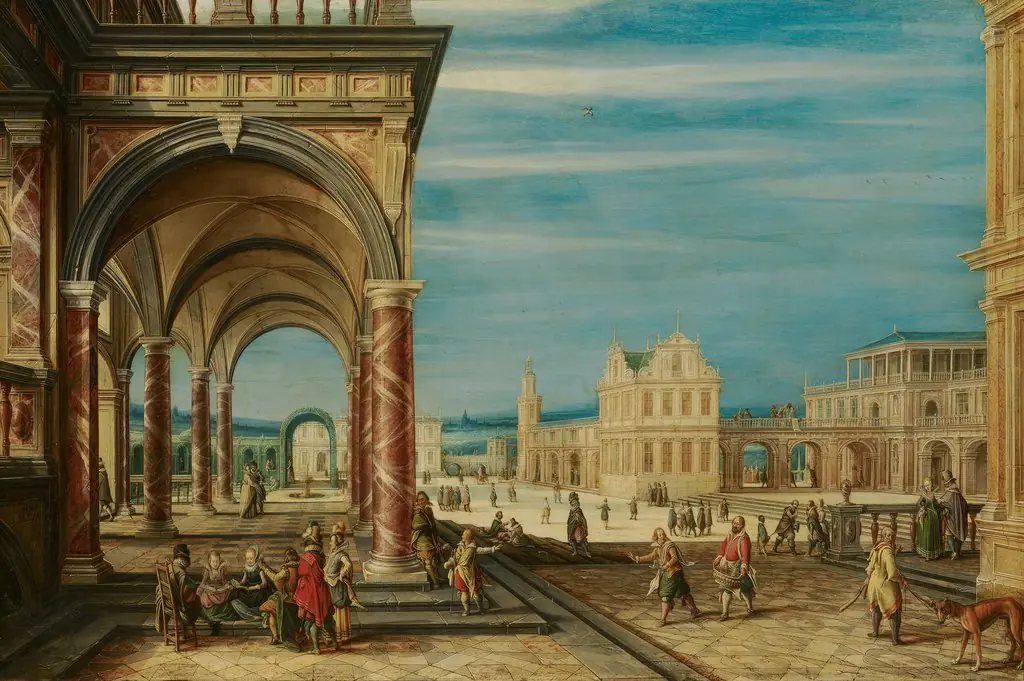 A Square with Imaginary Buildings
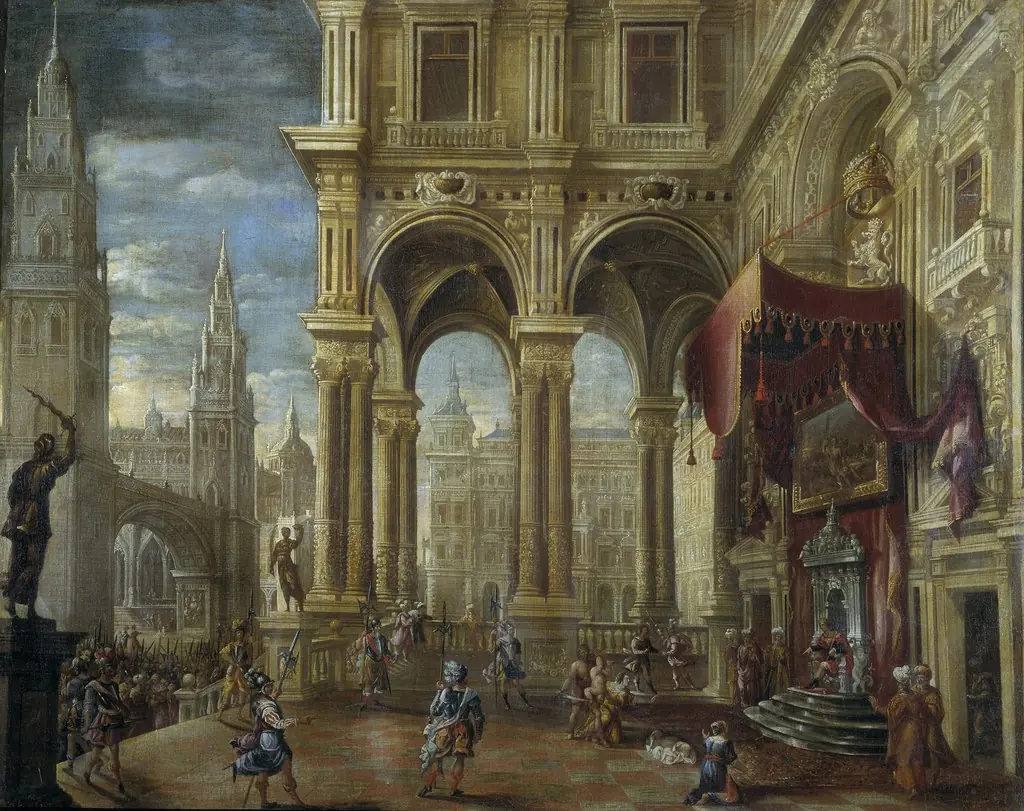 El juicio de Salomón
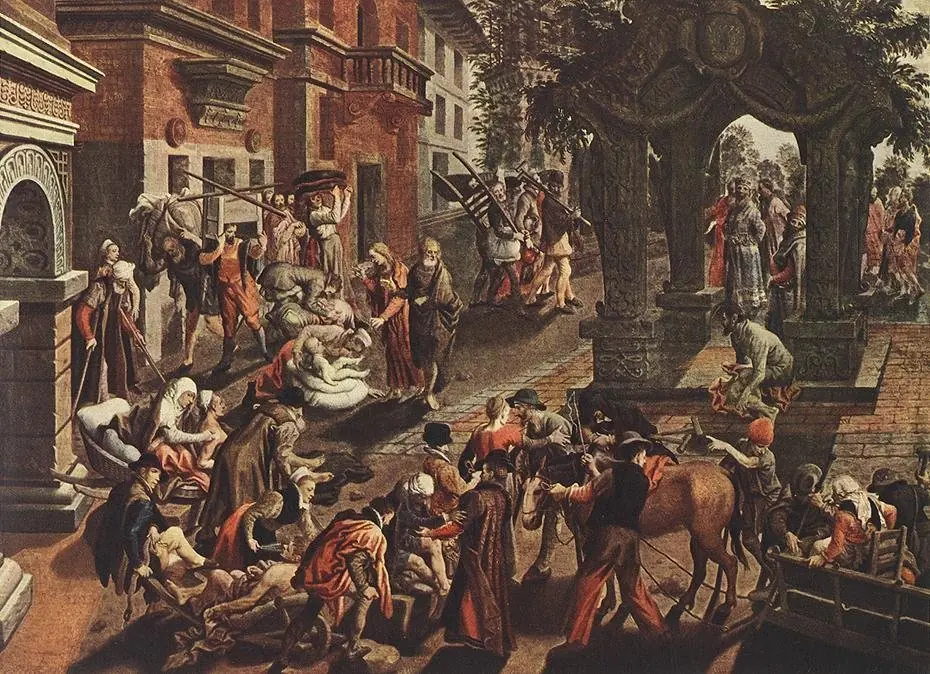 Apostles Peter and John Healing the Sick
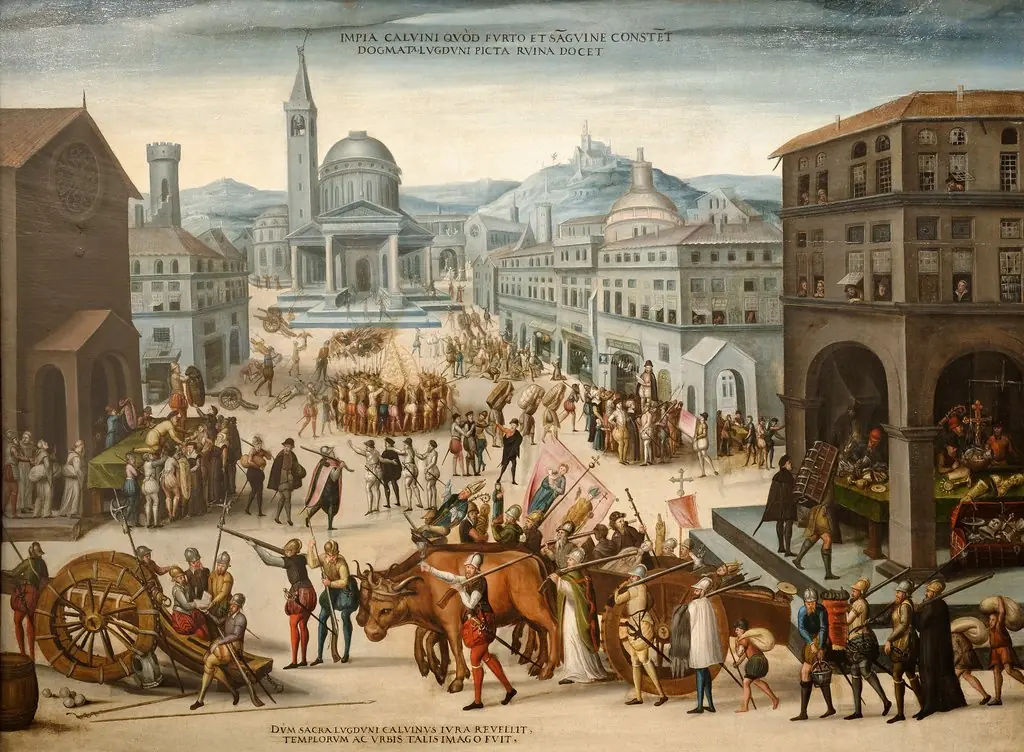 The Sack of Lyon by the Calvinists in 1562
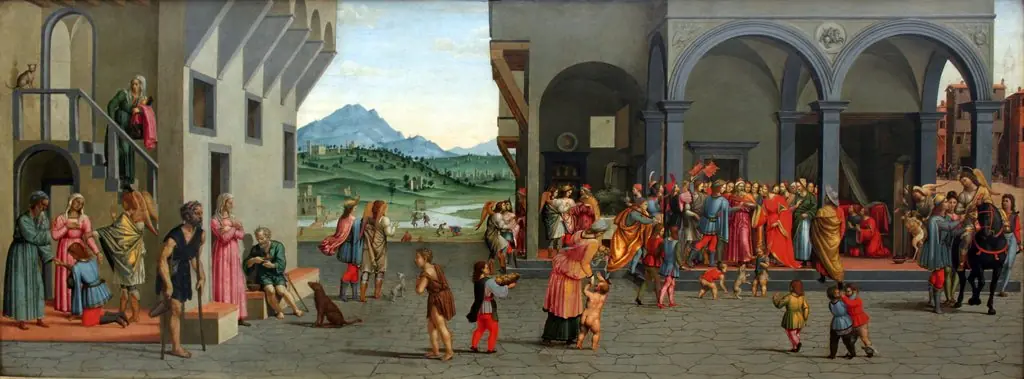 Representation from the Life of the Young Tobias I
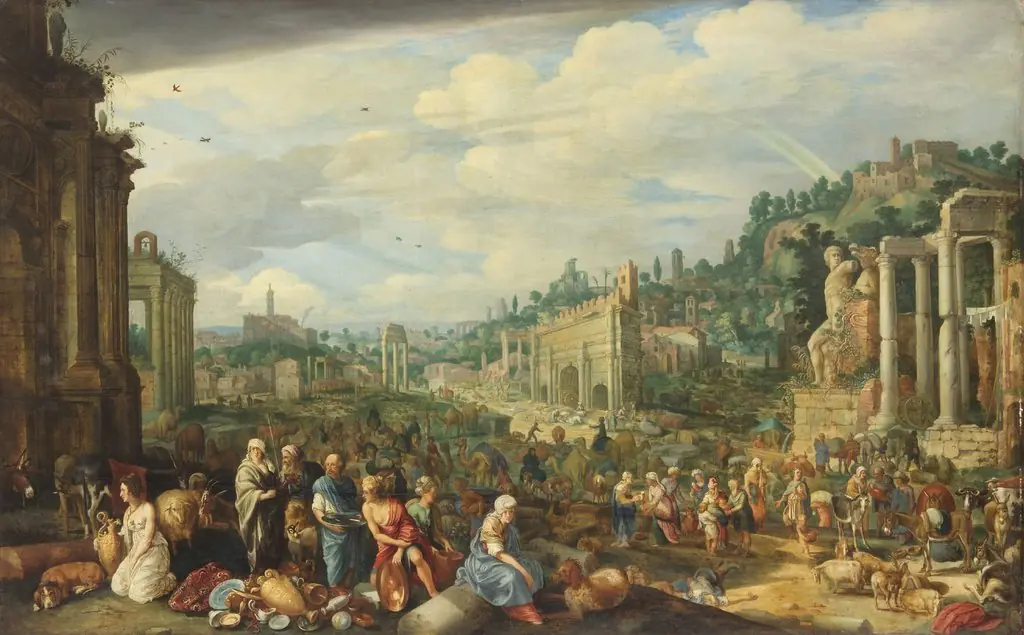 Ansicht des Campo Vaccino in Rom (Aufbruch der Israeliten aus Ägypten)
 A Papal Procession in Piazza San Pietro in Rome
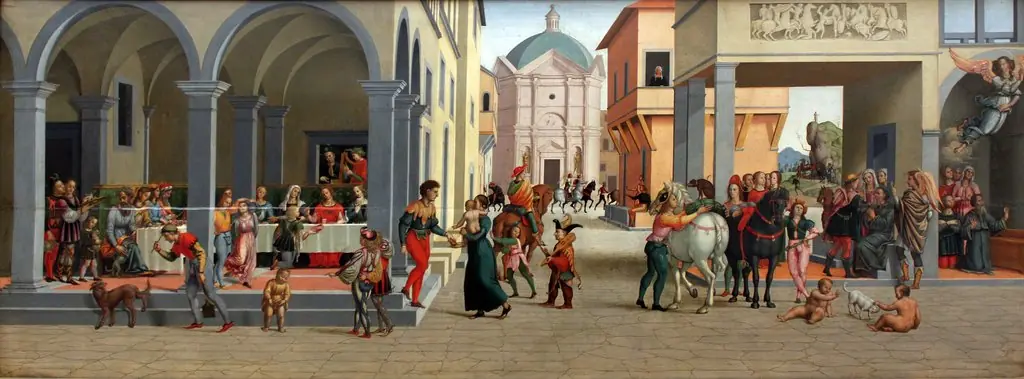 Representation from the Life of the Young Tobias II
 Historienzyklus: Geschichte der Susanna