Artwork
Withered tree on a river bank
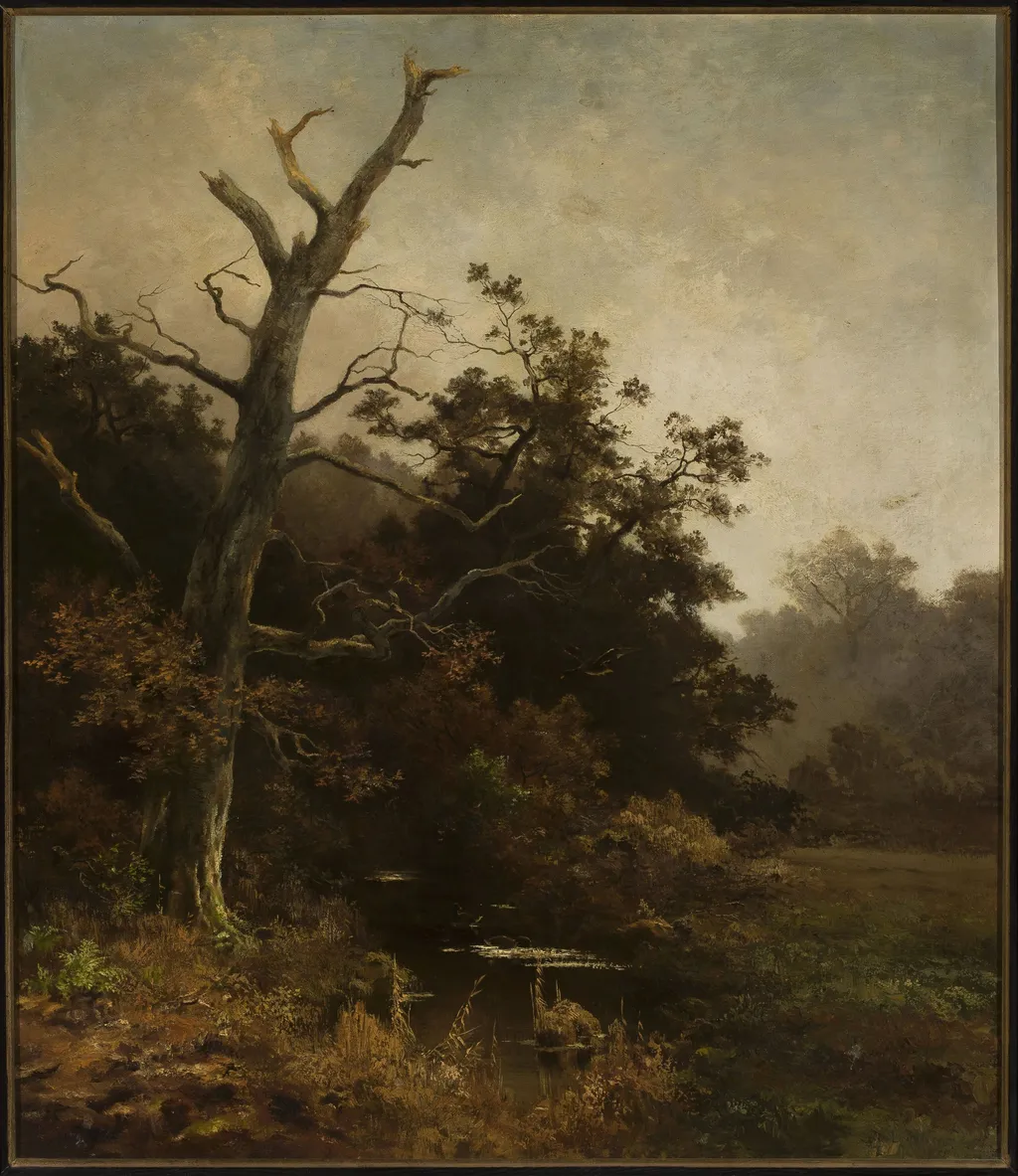
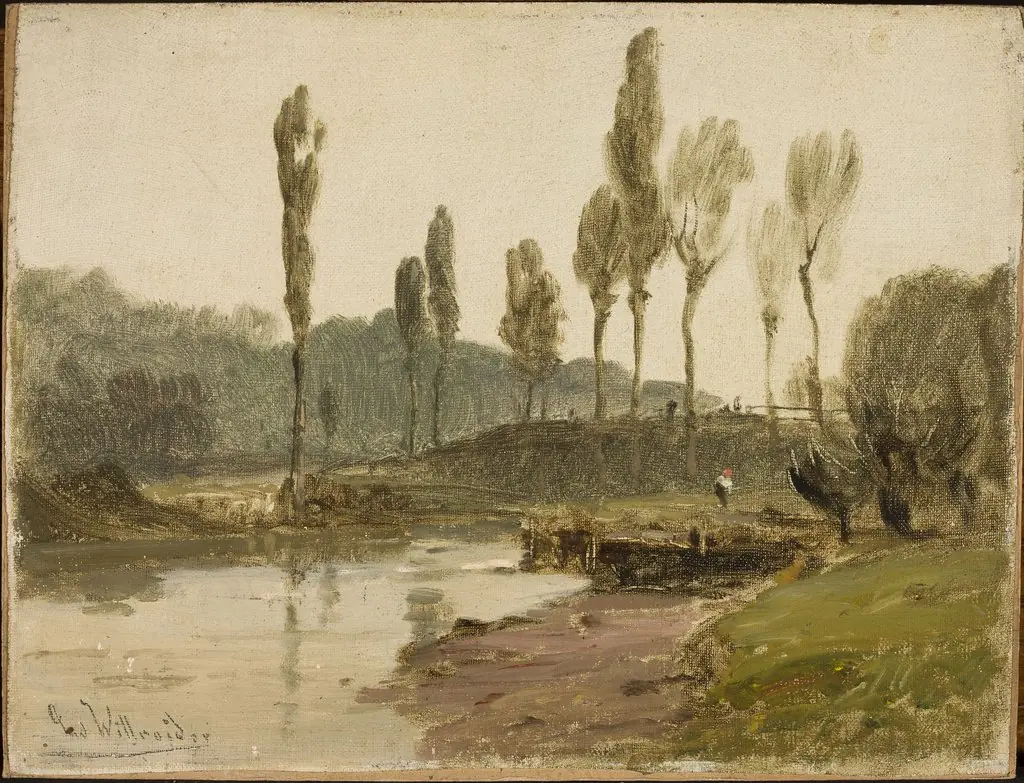
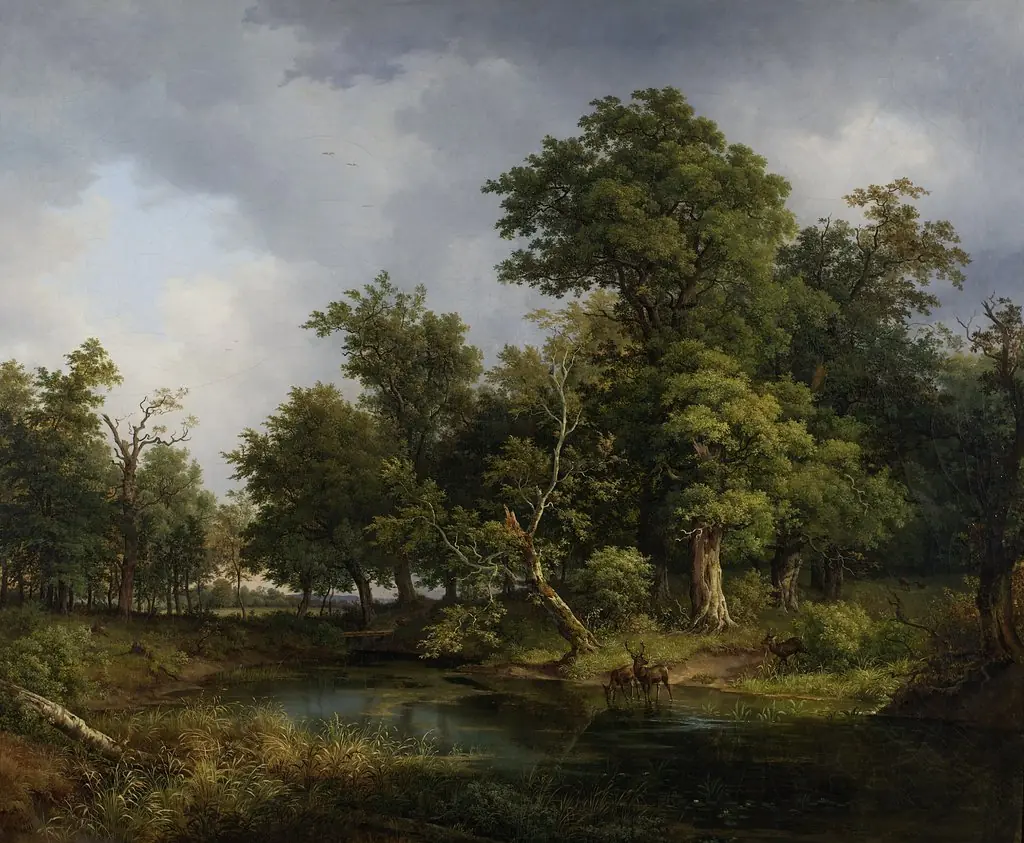
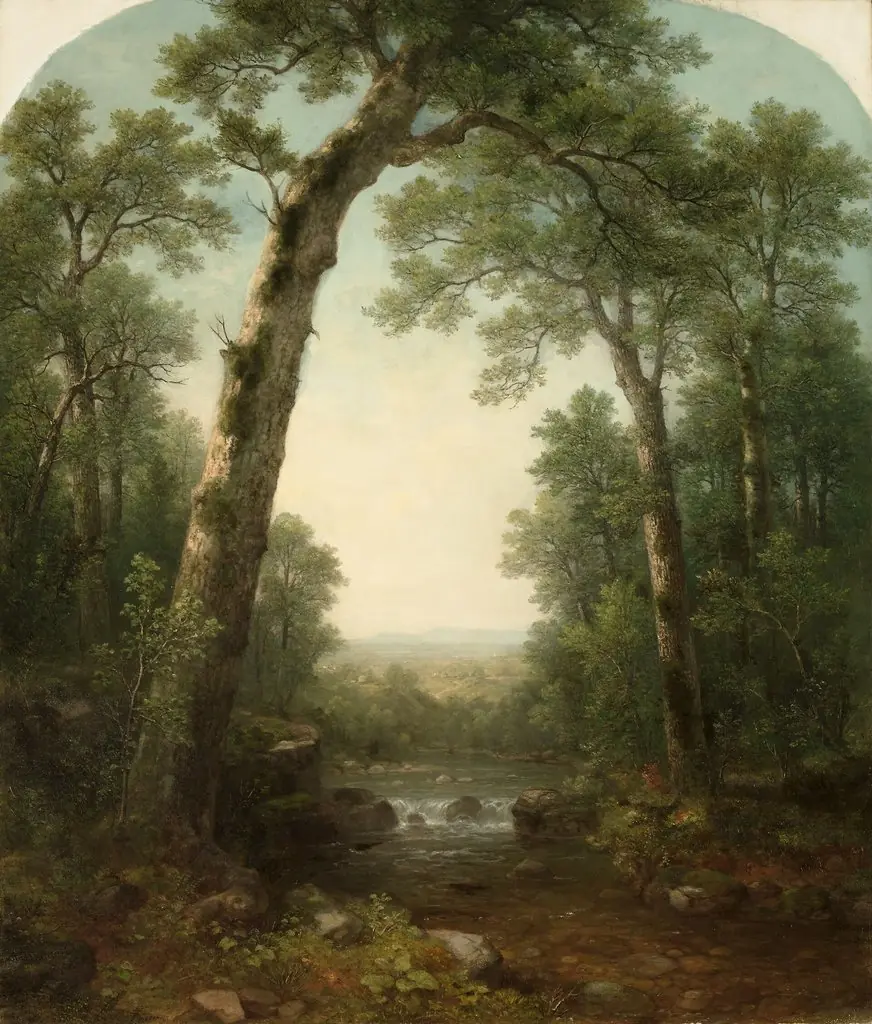
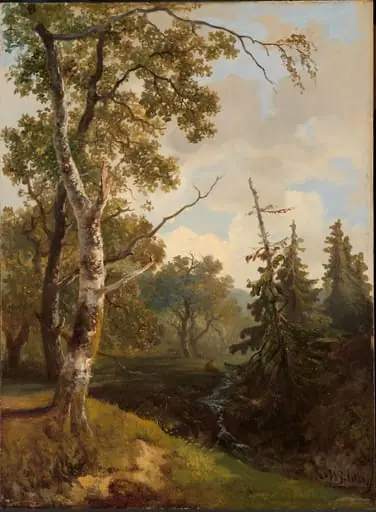
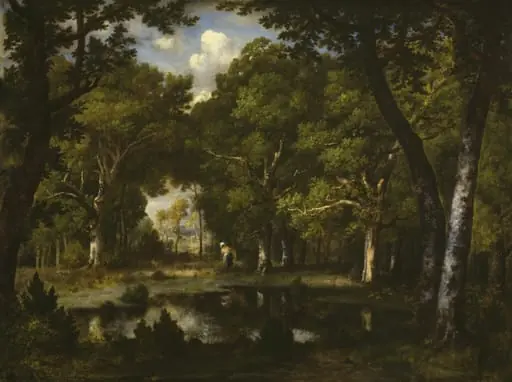
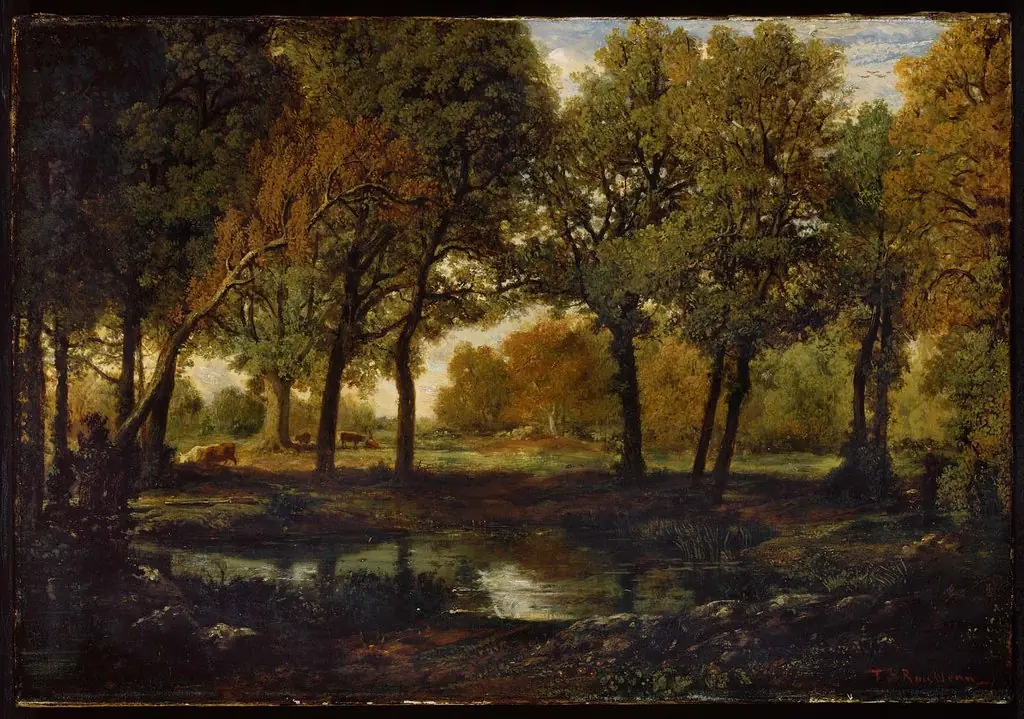
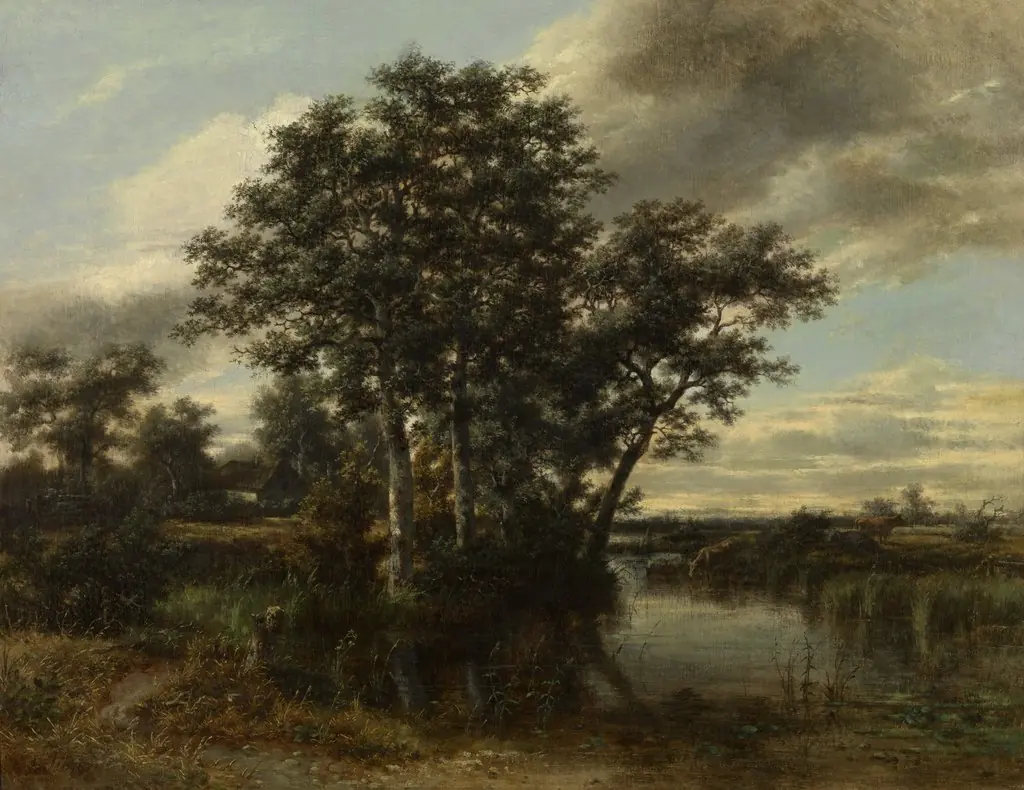
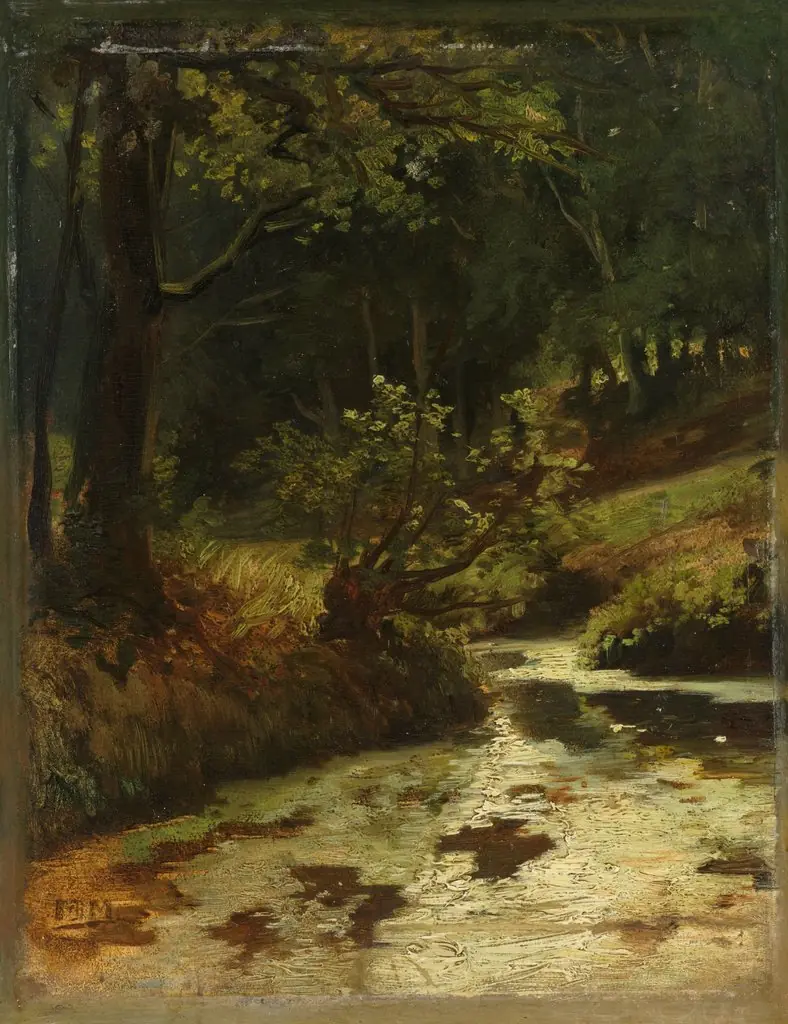
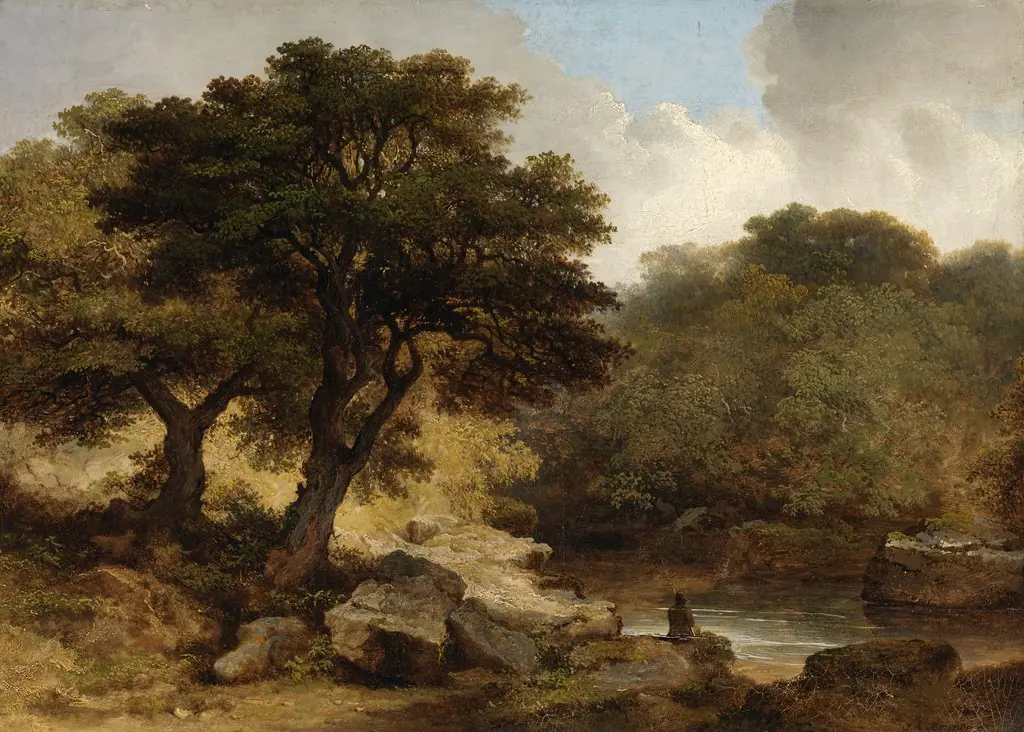
Withered tree on a river bank is an oil painting by the Impressionist artist Ludwig Willroider. It dates from 1875 and is held in the collection of the National Museum in Warsaw.
About this work
Overview
Painted in 1875 by Austrian artist Ludwig Willroider, this oil-on-canvas work captures a quiet riverside scene dominated by a solitary, leafless tree.
Painted in 1875 by Austrian artist Ludwig Willroider, this oil-on-canvas work captures a quiet riverside scene dominated by a solitary, leafless tree. The composition emphasizes stillness and decay, with muted earth tones and overcast skies creating a subdued atmosphere. It reflects Willroider’s interest in naturalistic landscapes and his engagement with the broader European trend of capturing transient light and mood.
Subject & Meaning
The lone, withered tree stands as a quiet emblem of endurance amid seasonal decline. Positioned along a quiet riverbank, it is surrounded by distant foliage and a heavy, cloud-covered sky. The absence of human presence and the muted palette suggest introspection, evoking themes of time, solitude, and the quiet cycles of nature without overt symbolism.
Technique & Style
Willroider employed oil paint to build subtle texture in the bark and foliage, using layered brushwork to suggest depth without sharp definition. The palette is restrained—browns, grays, and dull greens dominate—while the sky’s soft gradations convey atmospheric tension. The style aligns with Impressionist concerns for light and mood, though it avoids the vibrancy typical of French Impressionism, favoring a more restrained, Northern European sensibility.
History & Provenance
Created in 1875, the painting entered the collection of the National Museum in Warsaw at an unspecified date, likely through acquisition or donation in the late 19th or early 20th century. Willroider, active in Austria and known for landscapes and etchings, had limited international exposure; this work remains one of the few documented examples of his oil paintings held outside Central Europe.
Context
In the 1870s, European artists increasingly turned to natural scenes as subjects worthy of serious study, moving away from idealized narratives. Willroider’s painting reflects this shift, aligning with regional traditions of landscape painting in German-speaking areas that valued quiet observation over dramatic effect. Its somber tone resonates with contemporaneous works by artists like Arnold Böcklin or the Düsseldorf School.
Legacy
Though Willroider is not widely known today, this painting contributes to understanding the diversity of late 19th-century landscape practices beyond the French Impressionist canon. Its presence in Warsaw’s collection underscores the transnational circulation of Central European art during a period of growing national museum networks. The work remains a quiet testament to understated, observational realism.
Artist & collection
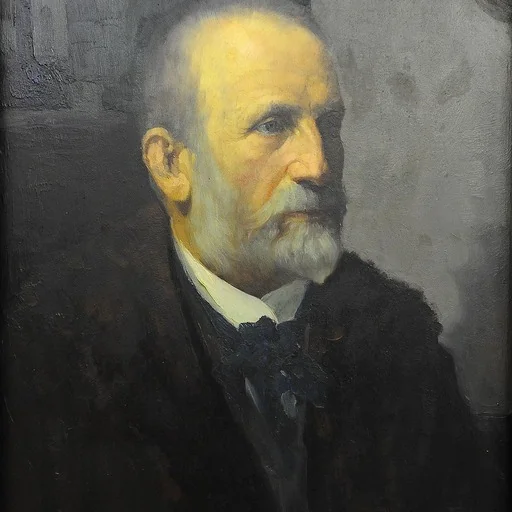
Artist
Ludwig Willroider (11 January 1845, in Villach – 22 May 1910, in Bernried am Starnberger See) was an Austrian landscape painter and etcher.