Artwork
Portrait of Balthasar van der Goes
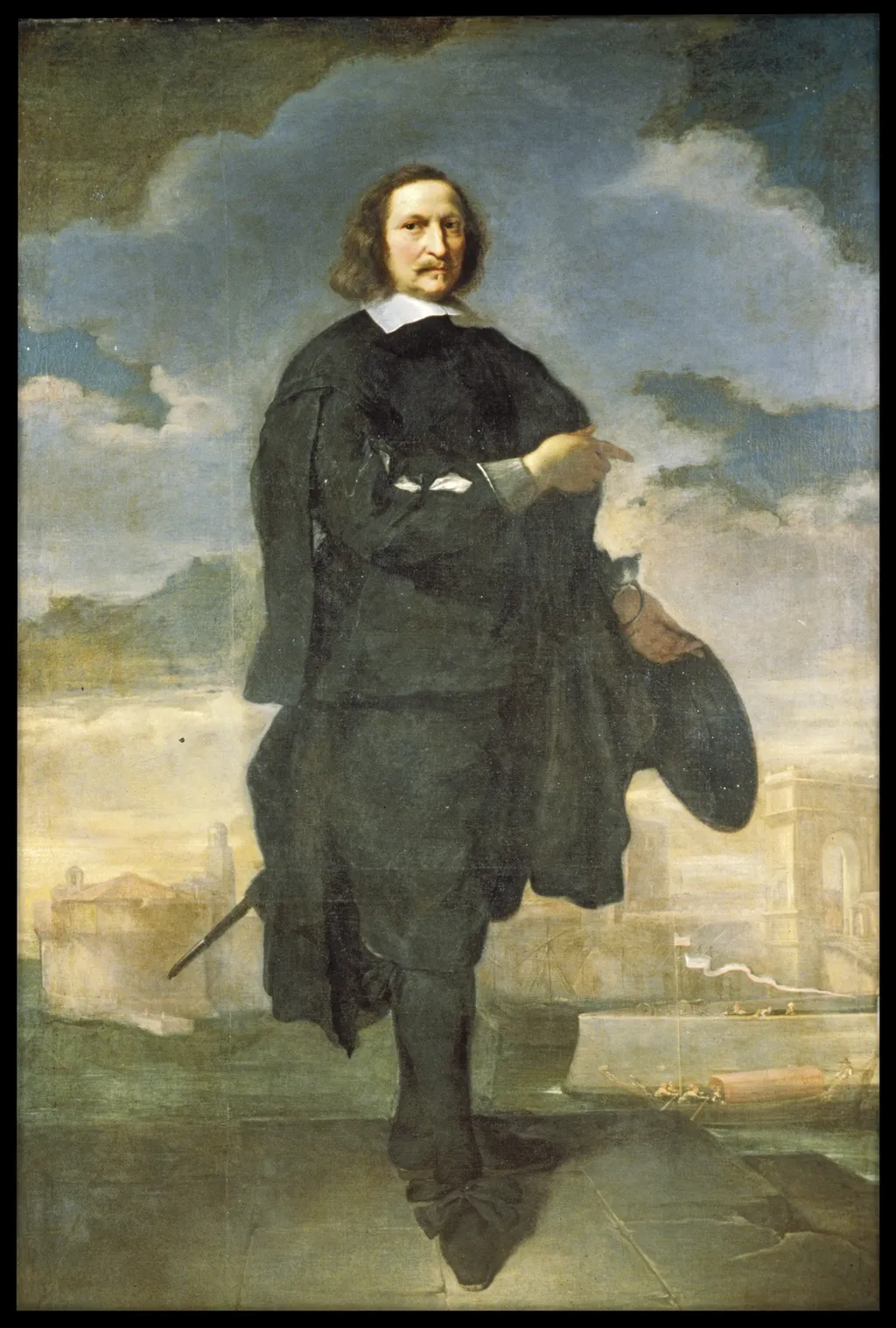
Portrait of Balthasar van der Goes is an oil painting by the Flemish Baroque painting artist Luigi Primo. It dates from 1650 and is held in the collection of the Walters Art Museum.
About this work
Overview
It resides in the Walters Art Museum, where it exemplifies the transnational character of Baroque portraiture in the mid-seventeenth century.
Painted around 1650 by Luigi Primo, a Flemish artist who spent much of his career in Italy, this oil portrait captures Balthasar van der Goes in a composed, formal stance. The work reflects Primo’s synthesis of Northern European precision and Italian atmospheric lighting. It resides in the Walters Art Museum, where it exemplifies the transnational character of Baroque portraiture in the mid-seventeenth century.
Subject & Meaning
The sitter, Balthasar van der Goes, is portrayed with quiet authority, dressed in a dark coat and crisp white collar, a sword at his hip and a hat held in his left hand. The maritime backdrop suggests a connection to naval or commercial life, possibly indicating his status as a merchant or officer. The restrained pose and setting convey dignity without overt symbolism, aligning with the understated elegance of Flemish civic portraiture.
Technique & Style
Primo employs chiaroscuro to model the figure with subtle gradations of light and shadow, lending volume and presence to the sitter against a hazy coastal scene. The brushwork is controlled yet fluid, particularly in the rendering of fabric and the soft transitions of the sky and water. The background, though loosely painted, anchors the portrait in a specific, recognizable environment, enhancing its realism.
History & Provenance
The painting’s early history is undocumented, but it entered the Walters Art Museum’s collection in the early twentieth century. Its attribution to Luigi Primo is based on stylistic comparisons with his other known portraits and his documented activity in Italy during the 1640s and 1650s. The work has remained largely unchanged since its acquisition, preserving its original composition and surface.
Context
In mid-seventeenth-century Europe, portraiture served both personal and social functions, often signaling professional identity. Flemish artists working in Italy, like Primo, adapted local conventions while retaining Northern attention to detail. The inclusion of a coastal setting in this portrait reflects a growing interest in linking individuals to their civic or economic roles, a trend visible across the Low Countries and Italian city-states.
Legacy
Though not widely exhibited, the portrait remains a representative example of cross-cultural artistic exchange in the Baroque period. It illustrates how Flemish-trained painters absorbed Italian compositional strategies without abandoning their roots in psychological realism. The work contributes to broader scholarly understanding of how regional identities shaped portraiture beyond major artistic centers.
Own this work as a print
Artist & collection
Artist
Louis Cousin, in Italy mainly known as Luigi Primo or Luigi Gentile (c. 1605–1667) was a Flemish painter of the Baroque period, who was active in Italy for a major part of his career. Working in a style, which combined…

 Portrait of Íñigo Fernández de Velasco
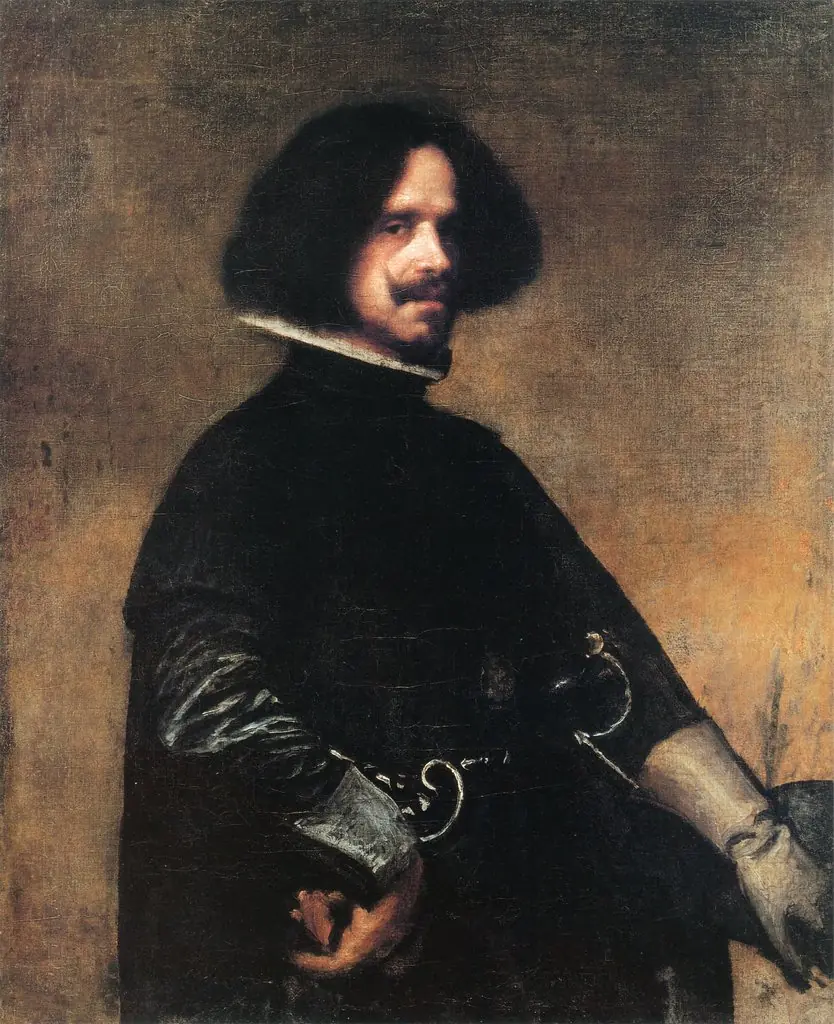 Self-portrait
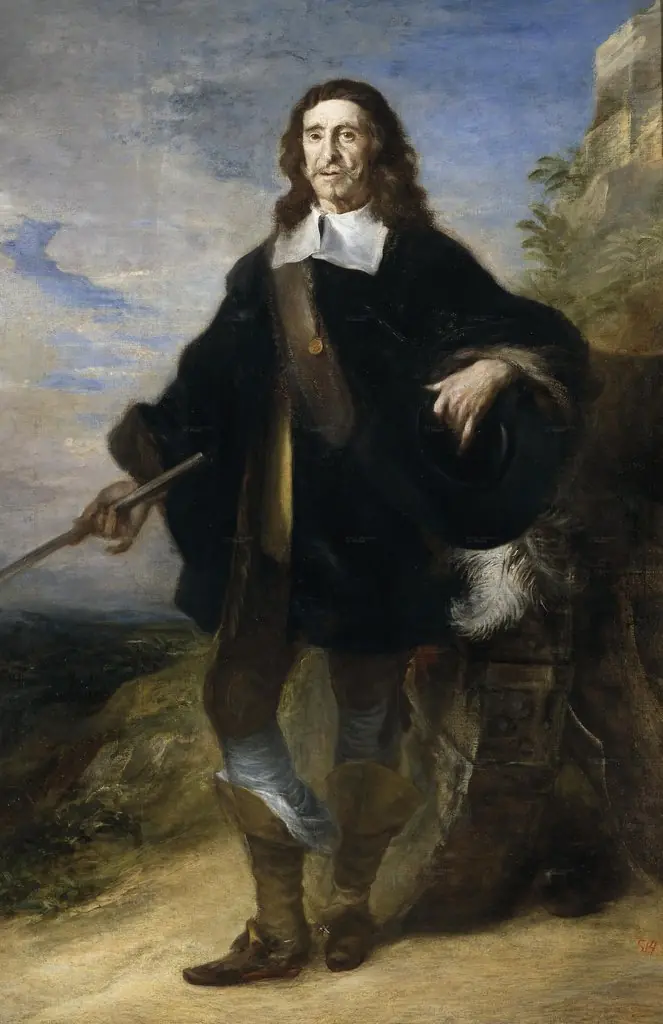 An Artillery General
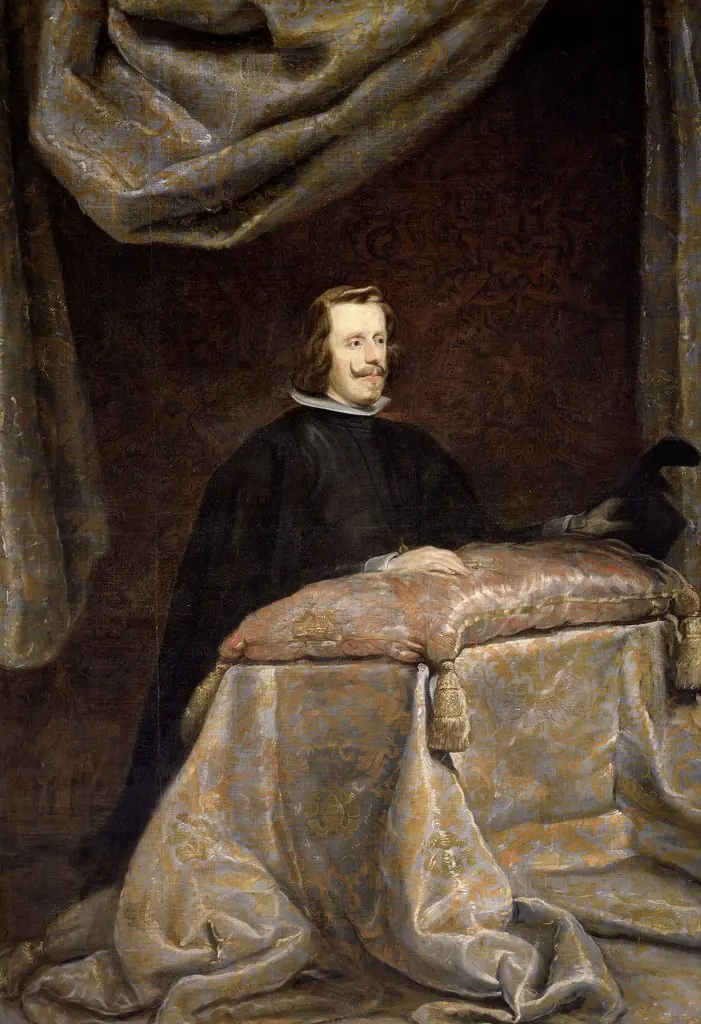 Philip IV in prayer
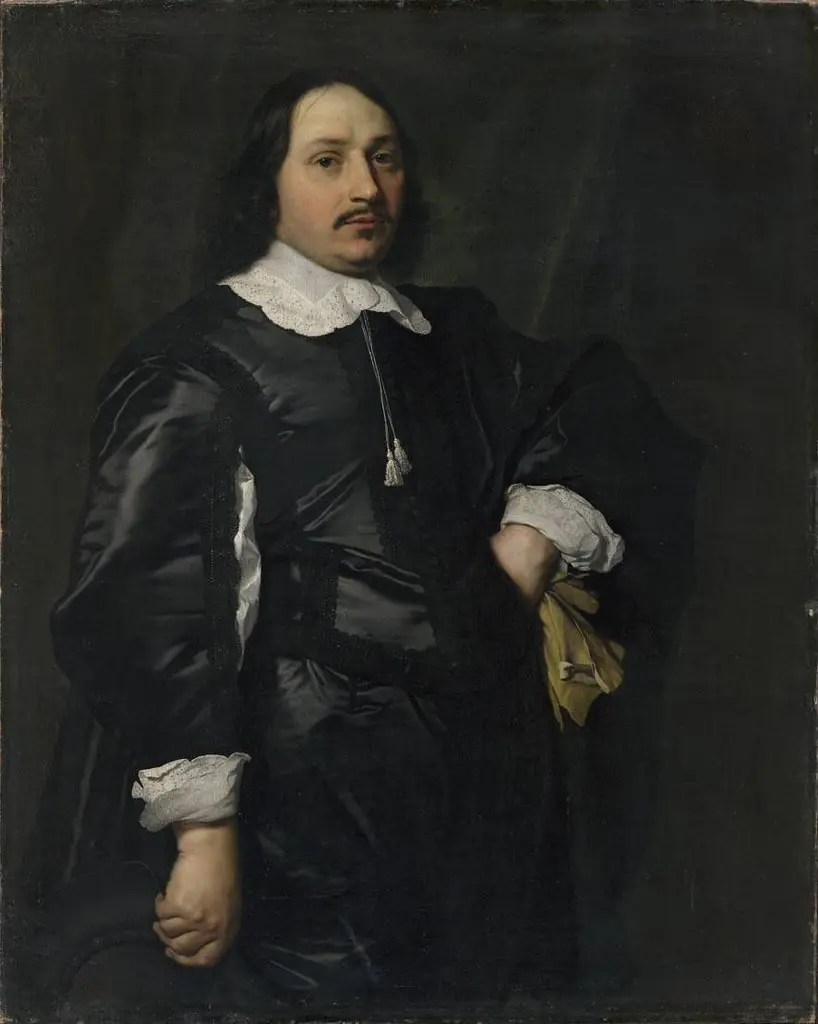 Portrait of a Man in Black
 Portrait of a Man
 Portrait of P. Lenéve, Alderman of Norwich
 Portrait of Carlo Emanuele d'Este, Marchese di Borgomanero (1622-1695)
 William Style of Langley
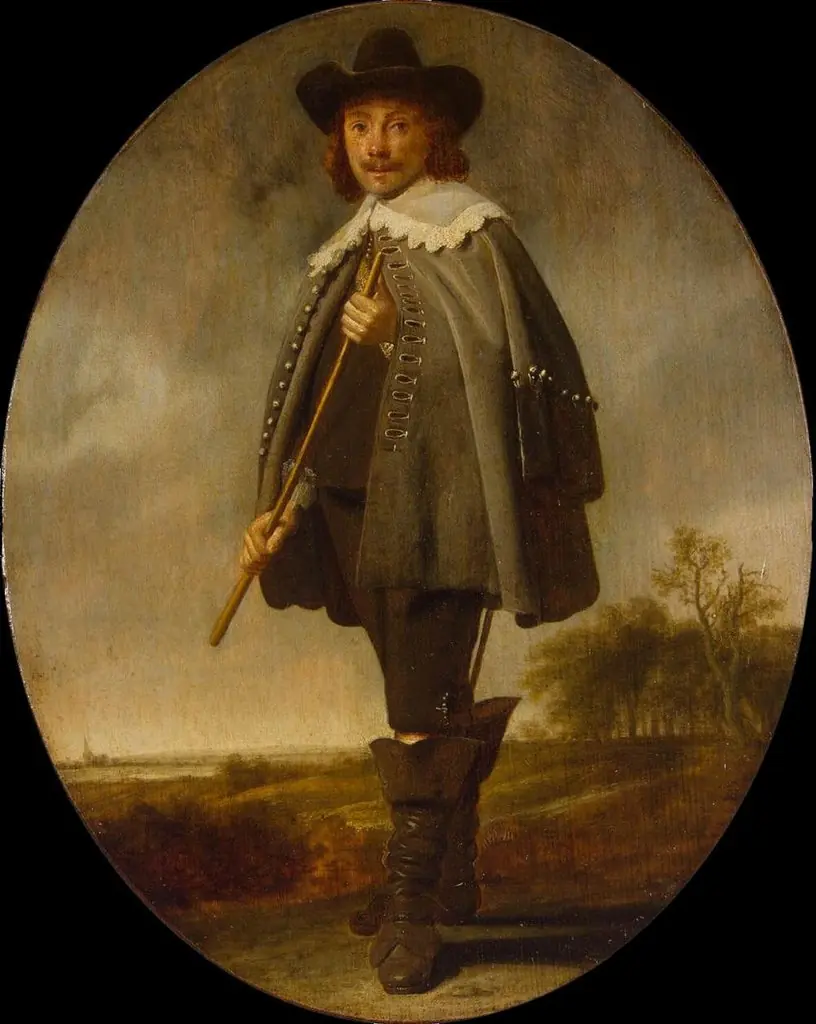 Officer in the Landscape (Portrait of a Man)
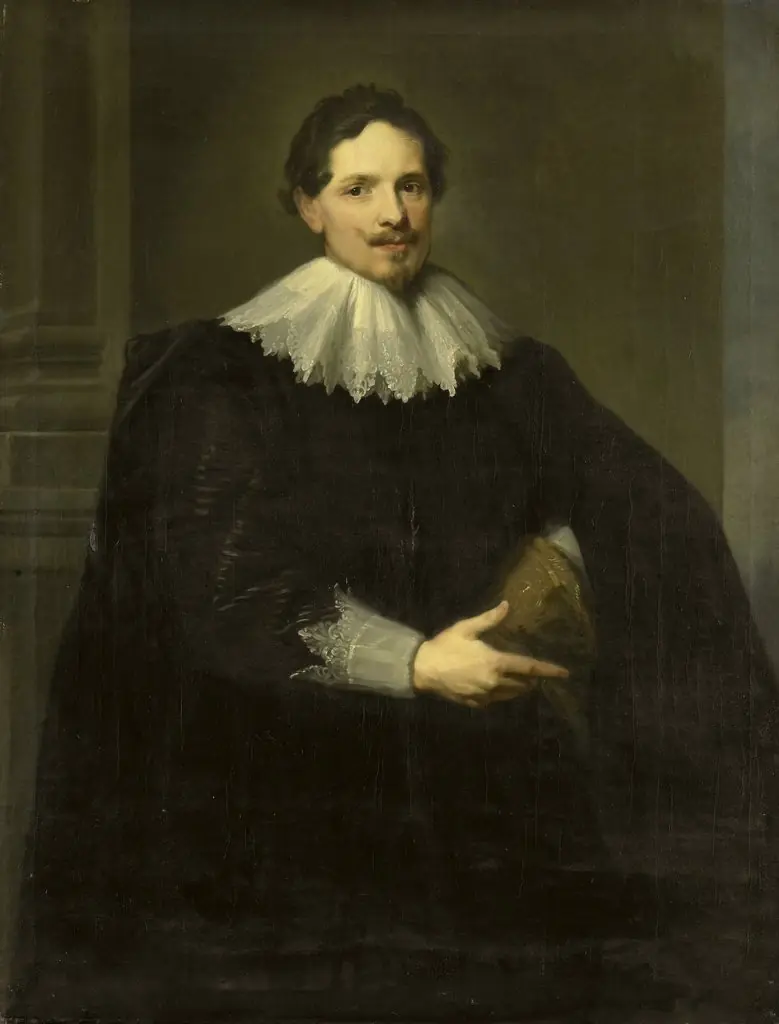 Sebastiaan Leerse, Antwerp Merchant
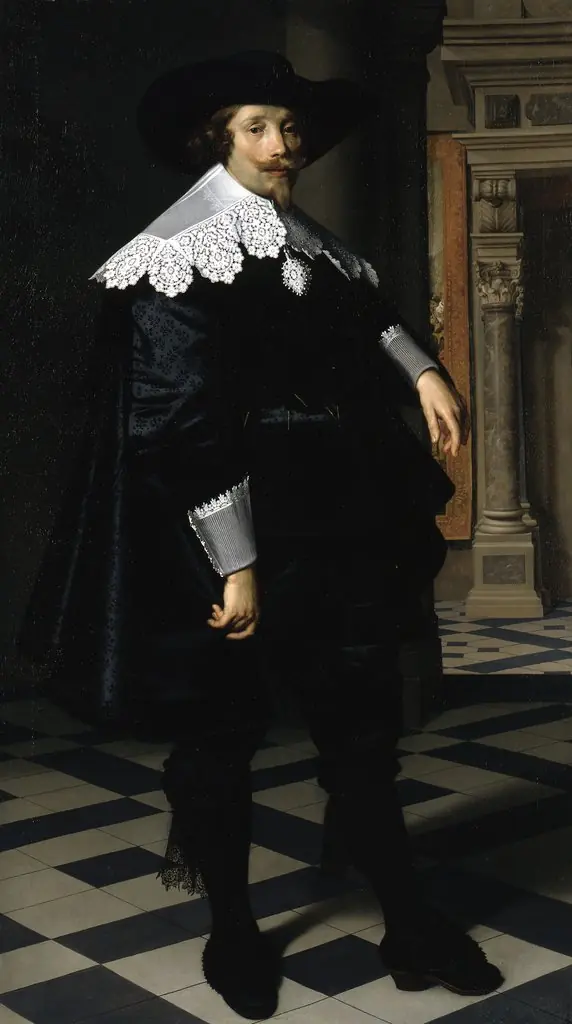 Portrait of Cornelis de Graeff