Artwork
Portrait of Margherita van der Goes
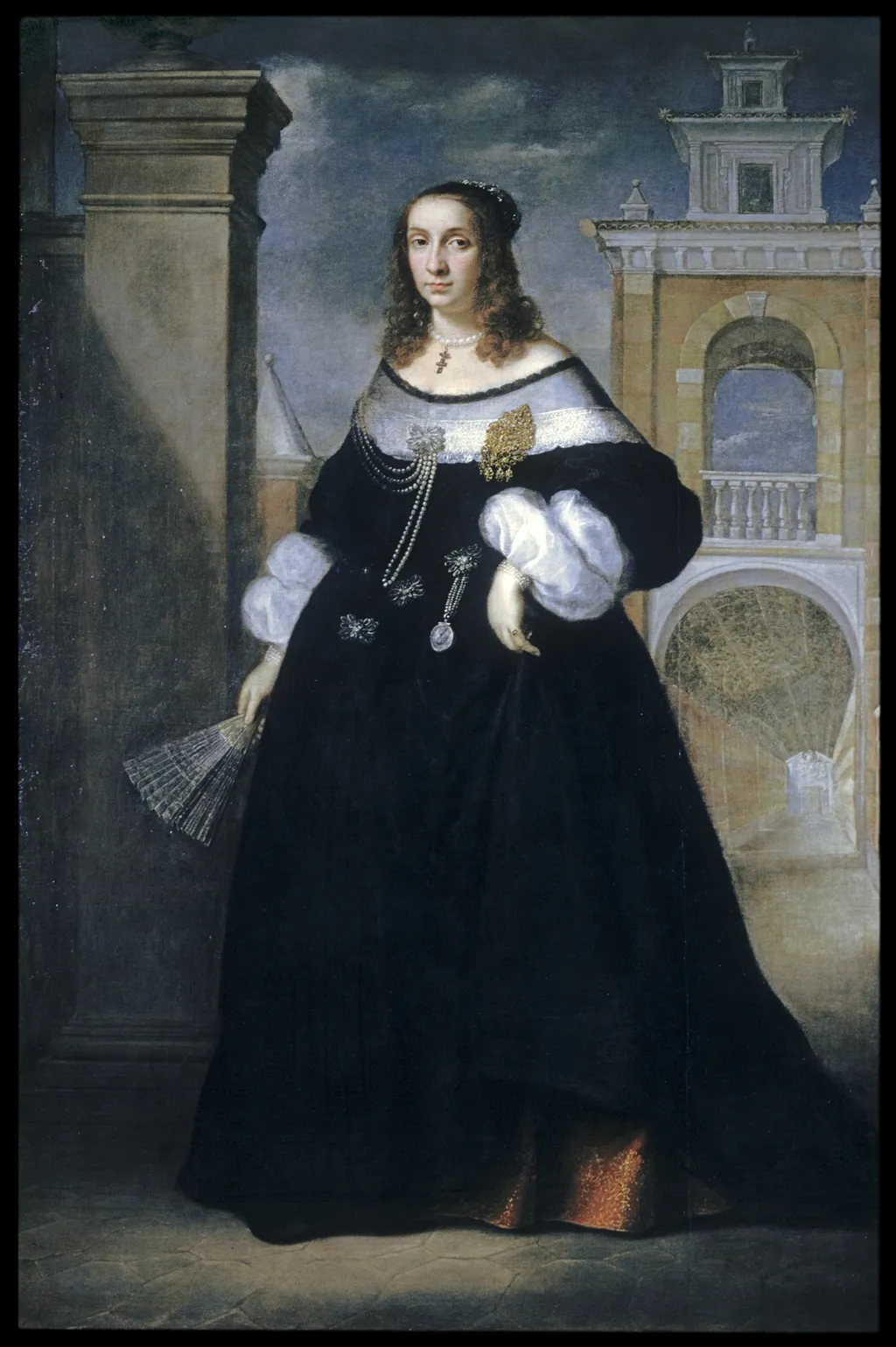
Portrait of Margherita van der Goes is an oil painting by the Early Baroque Italian artist Luigi Primo. It dates from 1650 and is held in the collection of the Walters Art Museum.
About this work
This portrait features a woman standing in front of a building, dressed in a long, dark dress with white accents and a gold brooch.
This portrait features a woman standing in front of a building, dressed in a long, dark dress with white accents and a gold brooch. She holds a fan in her right hand and wears a pearl necklace with a cross pendant.
The woman's attire and the building behind her suggest a formal setting, possibly from the 17th century. The artist's use of chiaroscuro creates a sense of depth and dimensionality in the painting.
The level of detail and realism in the portrait is impressive, making it a great example of the artist's skill. To learn more about the artist's techniques, look up the use of chiaroscuro.
Overview
Painted around 1650, this oil portrait depicts Margherita van der Goes, a woman of probable noble standing, by Luigi Primo, a Flemish artist working in Italy. The painting reflects a fusion of Northern European precision and Italian Baroque sensibility. It is part of the Walters Art Museum’s collection, where it stands as a representative example of Primo’s portraiture during his Italian period.
Subject & Meaning
Margherita van der Goes is portrayed standing formally before an architectural backdrop, her posture composed and dignified. Her attire—a dark gown with white trim, a gold brooch, and a pearl necklace bearing a cross—suggests both wealth and piety. The fan in her hand may imply social refinement, while the religious pendant reinforces moral character, common conventions in portraiture of the era to convey virtue and status.
Technique & Style
Luigi Primo employs chiaroscuro to model the figure with subtle gradations of light and shadow, lending volume and spatial presence. The rendering of textures—fabric, metal, and skin—is meticulous, reflecting his Flemish training. The background architecture is rendered with restrained detail, directing focus to the sitter while anchoring her in a tangible environment, a hallmark of early Baroque portraiture in Italy.
History & Provenance
The painting’s early ownership is undocumented, but it entered the Walters Art Museum’s collection in the early 20th century. Luigi Primo, active in Rome and Naples, was known for portraits and religious works, yet few of his secular pieces survive in public collections. This portrait remains one of the clearer examples of his independent portraiture, distinct from his ecclesiastical commissions.
Context
In mid-17th-century Italy, Flemish artists often adapted to local tastes, blending Northern attention to detail with Italian compositional grandeur. Margherita’s portrait aligns with this trend, reflecting the cosmopolitan nature of artistic production in cities like Rome. Portraits of women from elite families served as both personal mementos and public assertions of lineage and moral standing.
Legacy
Though Luigi Primo is less widely recognized than his contemporaries, this portrait illustrates his skill in synthesizing diverse traditions. It contributes to understanding how Northern European techniques influenced Italian portraiture during the Baroque period. The work endures as a quiet testament to the cross-cultural exchanges shaping art in 17th-century Europe.
Artist & collection
Artist
Louis Cousin, in Italy mainly known as Luigi Primo or Luigi Gentile (c. 1605–1667) was a Flemish painter of the Baroque period, who was active in Italy for a major part of his career. Working in a style, which combined…

 Portrait of Countess Teresa Dudley di Carpegna
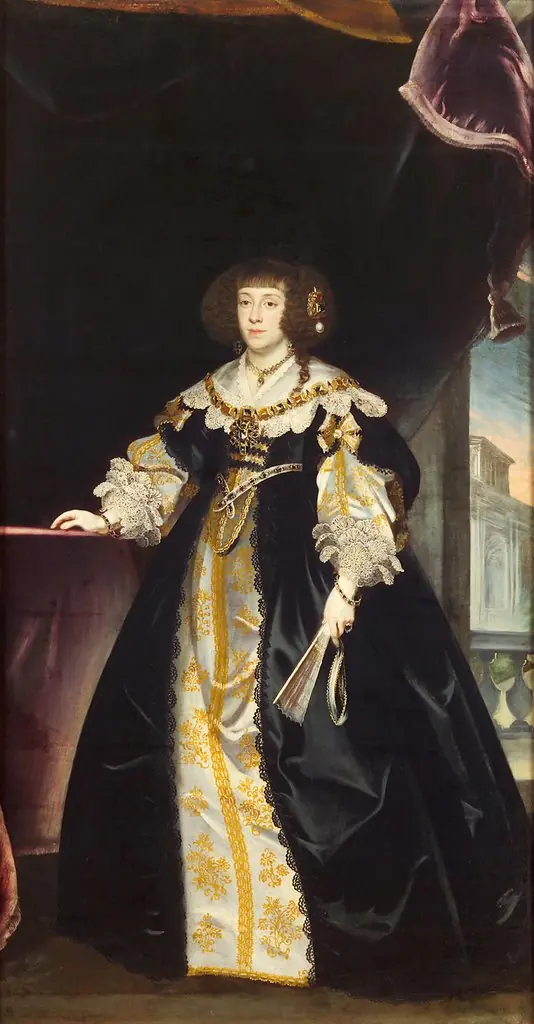 Portrait of a woman
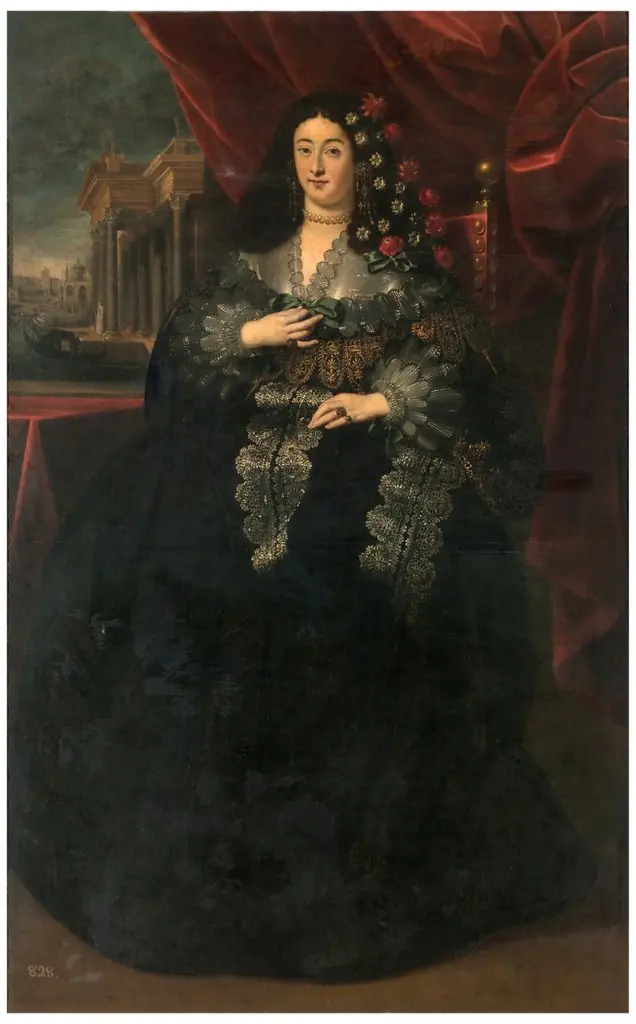 Venetian Lady
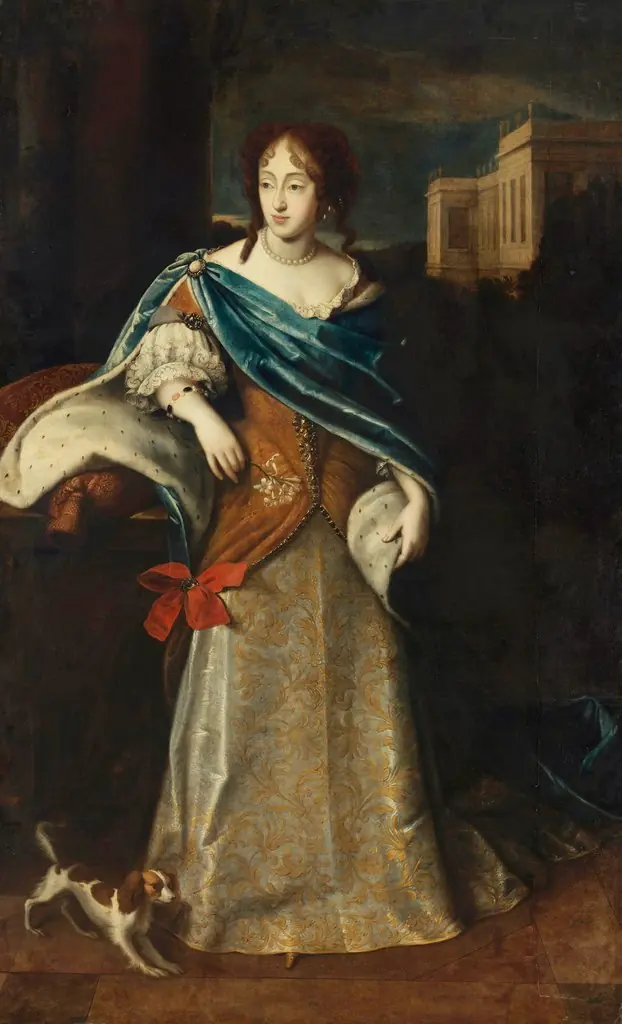 Henriette Adelaide
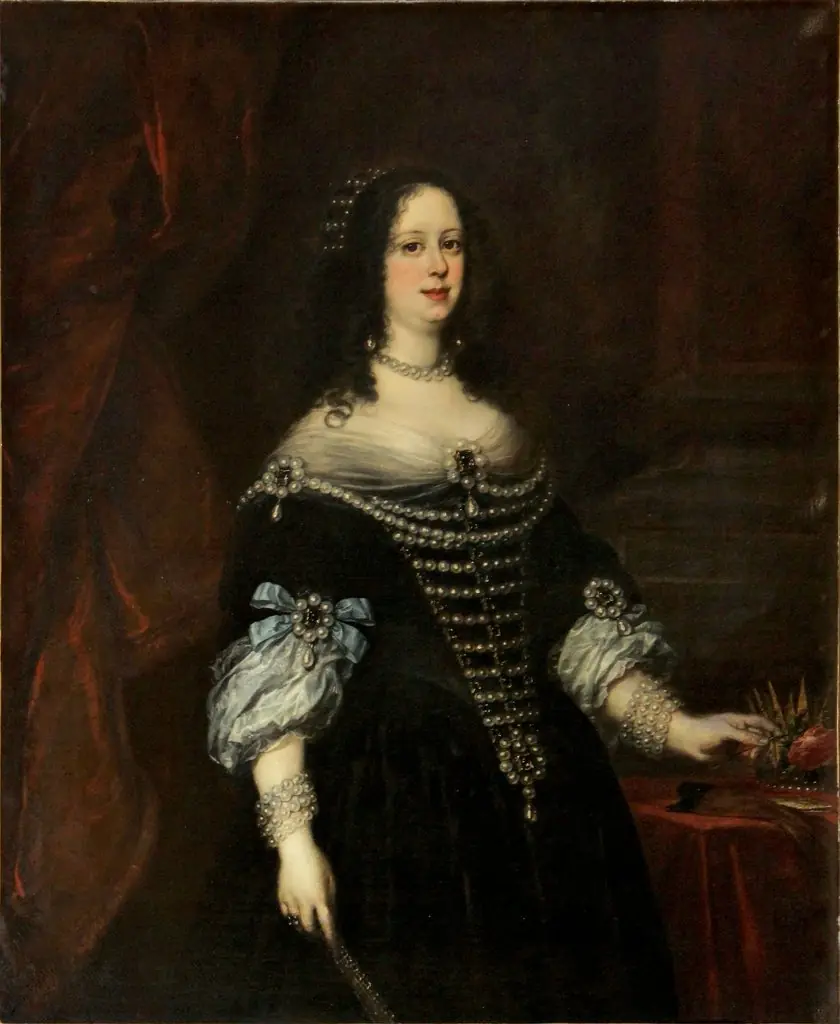 Portrait of Vittoria della Rovere
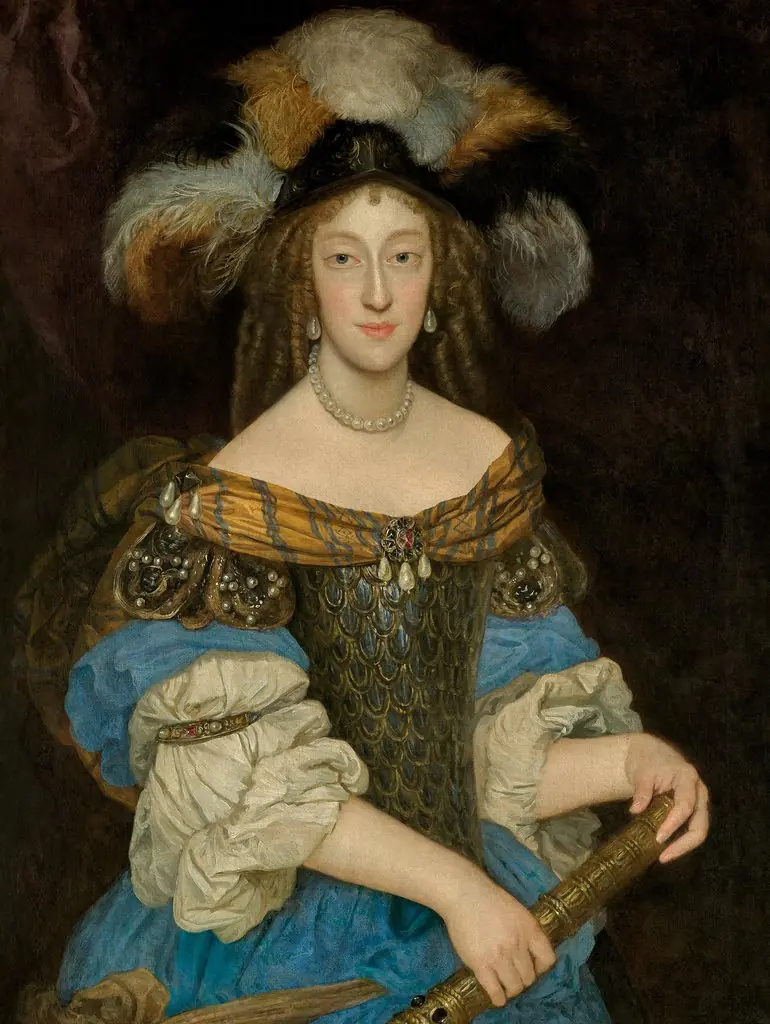 Henriette Adelaide (1636-1676)
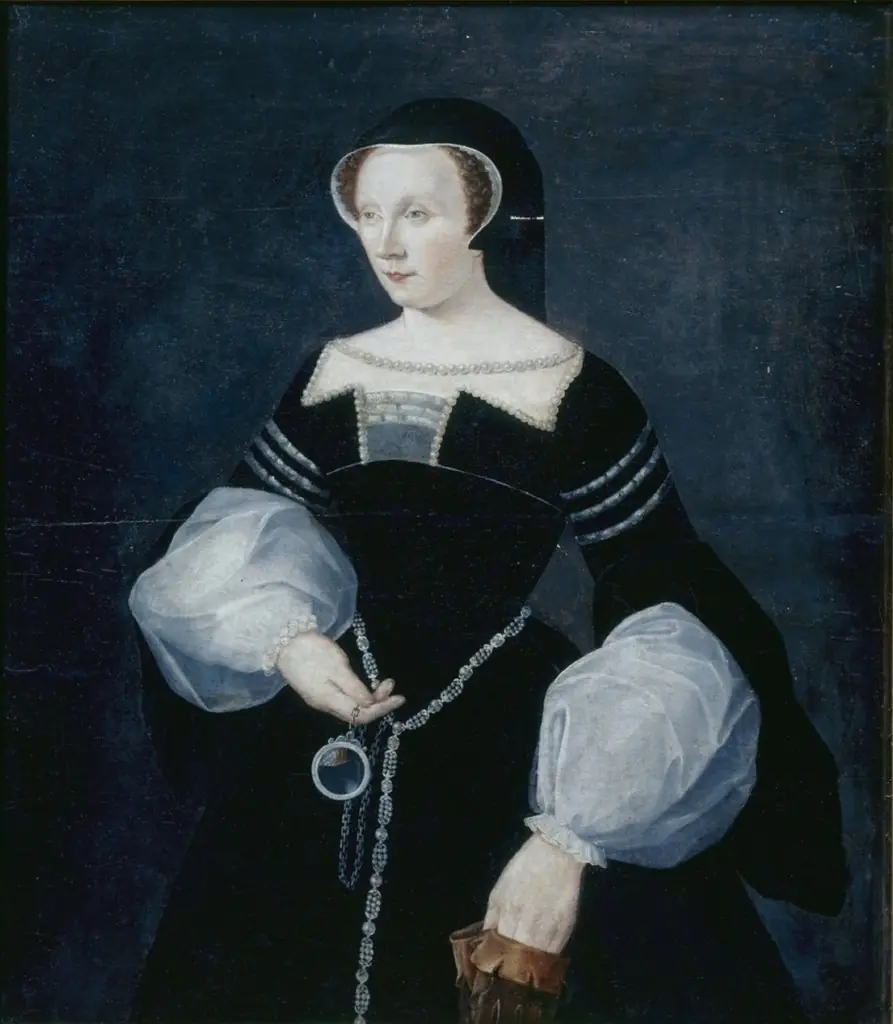 Diane de Poitiers, Lady of Brézé and Duchess of Valentinois
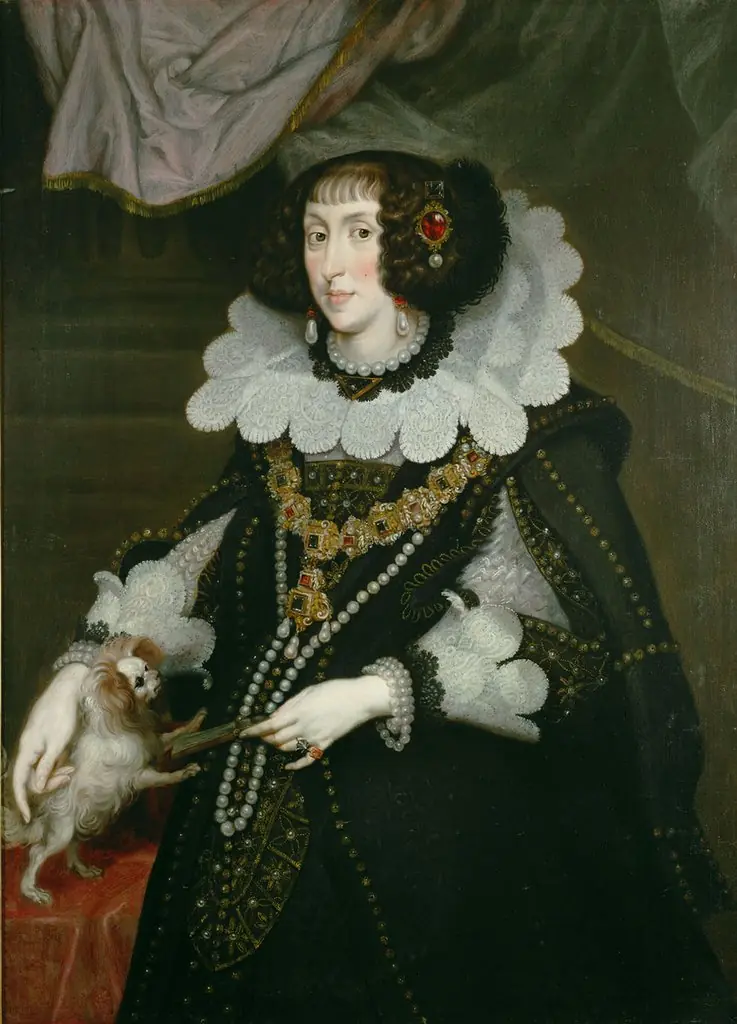 Portrait of the Archduchess Maria Anna of Austria
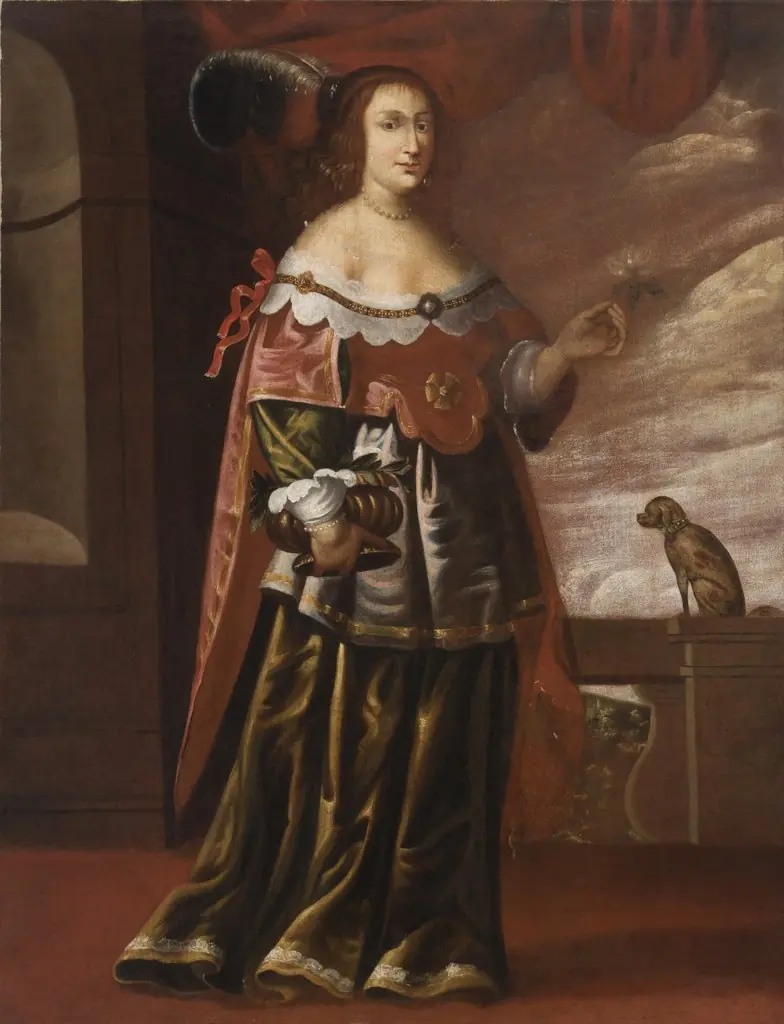 Portret kobiety (rzekomo Ostrogskiej)
 Anna de' Medici (1616-1676), Erzherzogin, Witwe nach Erzherzog Ferdinand Karl (1628-1662), Landesfürst von Tirol
 Portrait of Marie Louise d’Orléans
 Portrait of Petronella de Waert