Artwork
Portrait of Countess Teresa Dudley di Carpegna
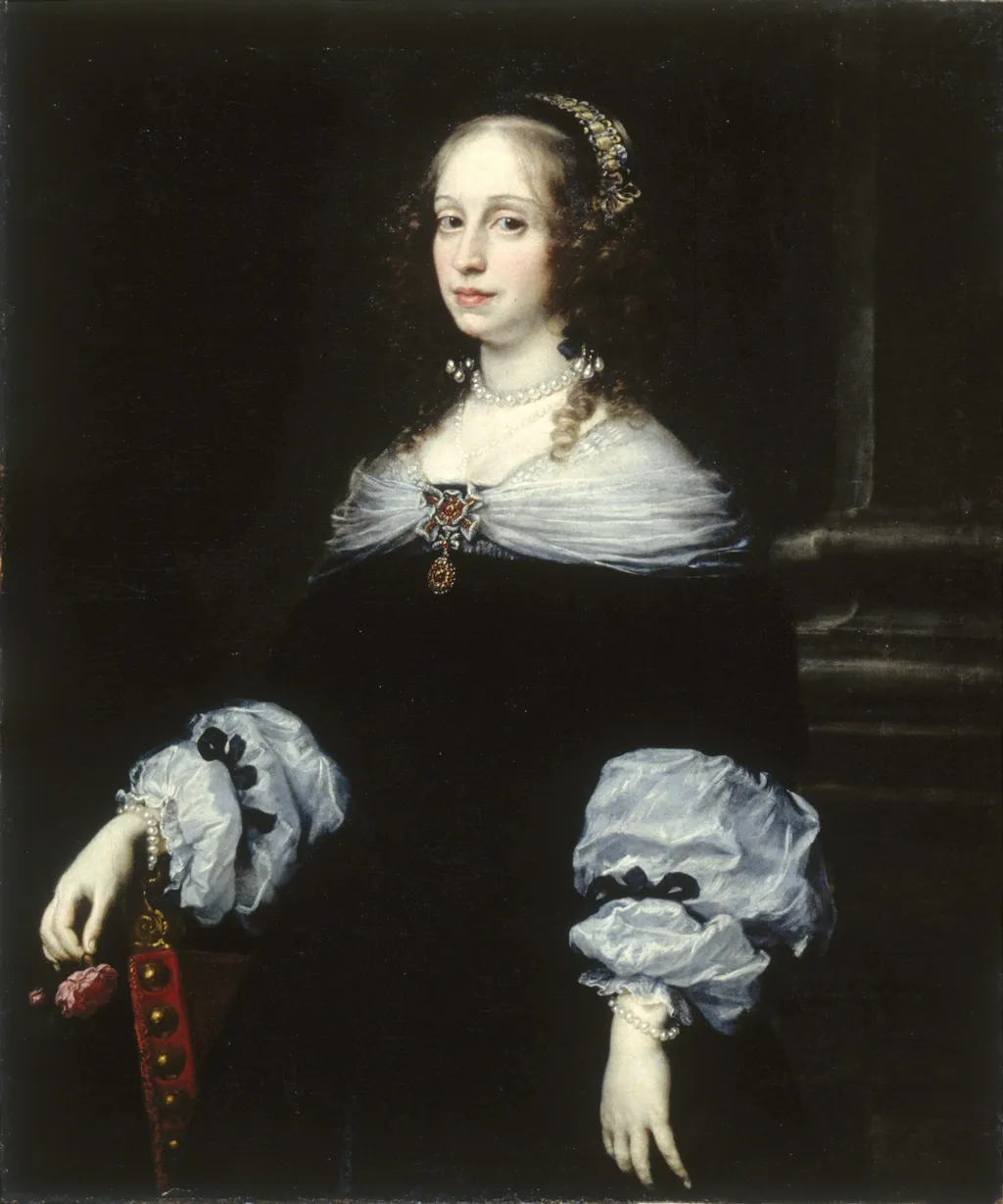
Portrait of Countess Teresa Dudley di Carpegna is an oil painting by the Flemish Baroque painting artist Justus Sustermans. It dates from 1654 and is held in the collection of the Walters Art Museum.
About this work
Overview
The painting reflects his reputation for dignified portraiture and was created during a period when he enjoyed imperial patronage from the Habsburgs.
Painted in 1654 by Justus Sustermans, this oil portrait captures Countess Teresa Dudley di Carpegna, a noblewoman of Italian and English descent. Sustermans, a Flemish artist long associated with the Medici court in Florence, was known for his precise, restrained style. The painting reflects his reputation for dignified portraiture and was created during a period when he enjoyed imperial patronage from the Habsburgs.
Subject & Meaning
The countess is depicted with quiet composure, her gaze direct and composed. Her attire—dark gown, white lace sleeves, and a draped scarf—signals aristocratic status without overt display. The red object in her hand, possibly a book or a small reliquary, suggests intellectual or spiritual refinement. The absence of elaborate symbolism points to a preference for understated nobility, characteristic of mid-17th-century elite portraiture.
Technique & Style
Sustermans employed fine brushwork to render textures: the softness of lace, the sheen of silk, and the curl of hair. The dark, neutral background isolates the figure, enhancing three-dimensionality through subtle chiaroscuro. His palette is muted, emphasizing tonal harmony over color contrast. The composition is balanced and intimate, avoiding theatricality in favor of psychological presence, a hallmark of his mature style.
History & Provenance
The portrait entered the Walters Art Museum’s collection in the early 20th century, acquired from a private European collection. Its earlier history is not fully documented, but its style and date align with Sustermans’ Florentine period, when he painted numerous members of Italian and foreign nobility residing at the Medici court. The painting’s survival in good condition reflects careful ownership over centuries.
Context
In mid-17th-century Italy, foreign aristocrats often commissioned portraits to affirm their status within cosmopolitan courts. Sustermans, though Flemish, became a key figure in this milieu, blending Northern precision with Italian elegance. His patrons included both Medici relatives and visiting dignitaries, making this portrait part of a broader network of diplomatic and social representation through art.
Legacy
Sustermans’ portraits, including this one, helped define the visual language of European nobility during the Baroque era. Though less celebrated than his contemporaries, his work influenced later court painters through its restraint and psychological depth. The portrait remains a quiet testament to the transnational nature of aristocratic identity and the role of art in sustaining social standing across borders.
Own this work as a print
Artist & collection
Artist
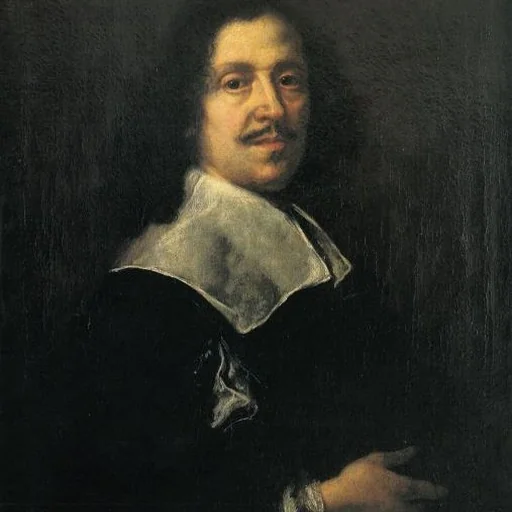
Justus Sustermans, Joost Sustermans or Suttermans, his given name Italianised to Giusto (28 September 1597 – 23 April 1681), was a Flemish painter and draughtsman who is mainly known for his portraits.

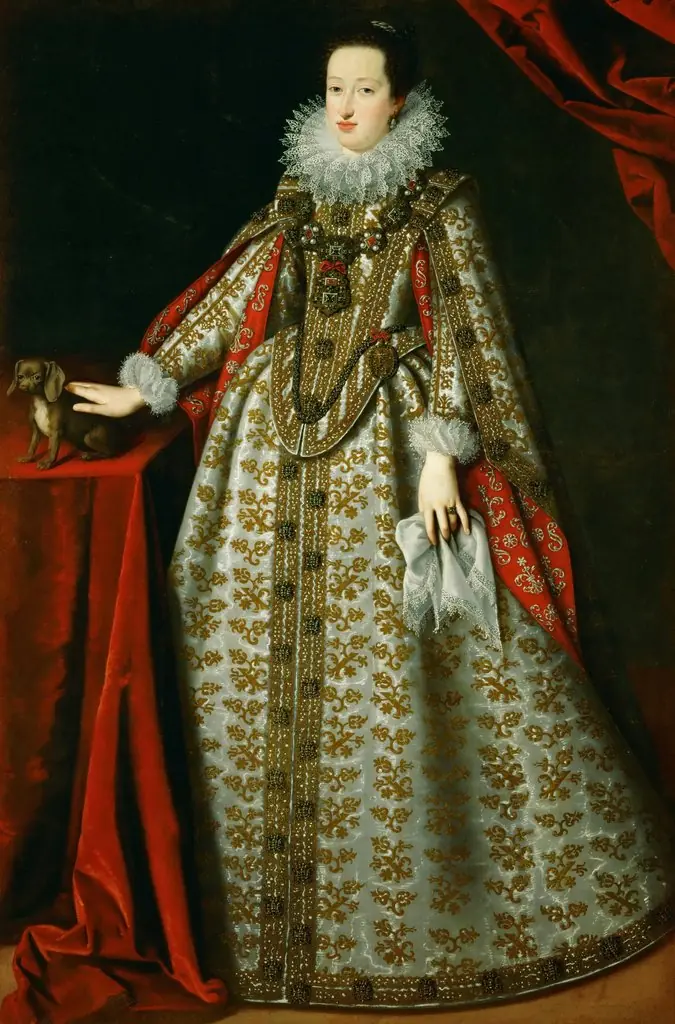 Portrait of Eleonore von Gonzaga (1598-1655), wife of Ferdinand II
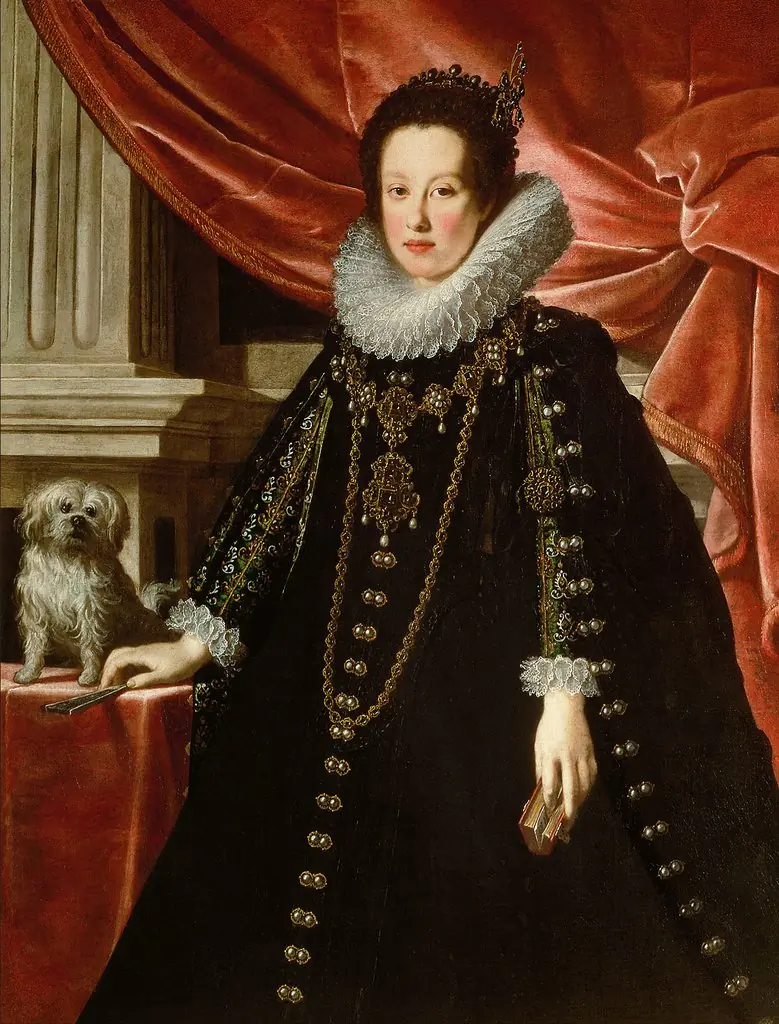 Portrait of Anna de' Medici (1616-1676), Archduchess with her Lapdog
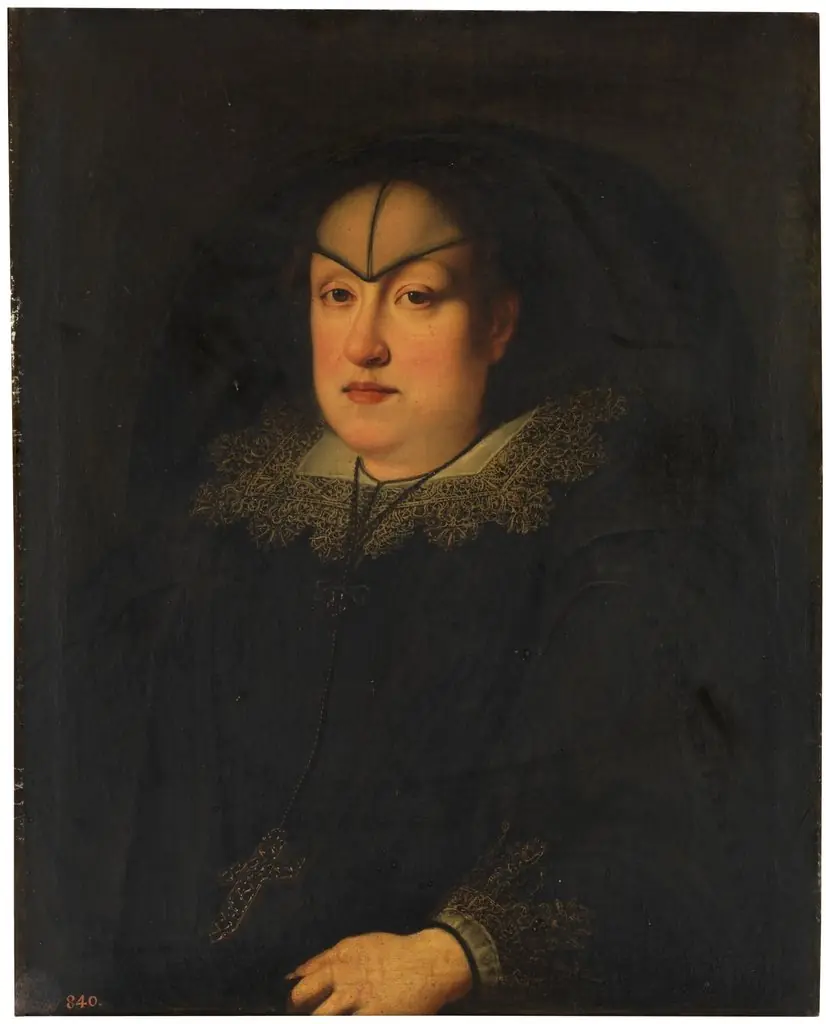 Portrait of Maria Maddalena of Austria as a widow
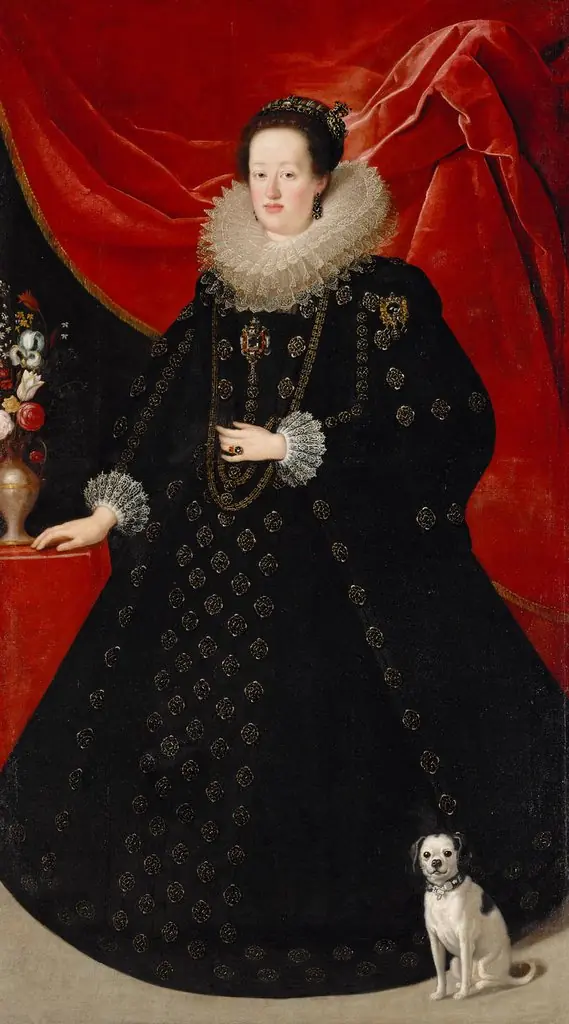 Portrait of Eleonore von Gonzaga (1598-1655), Empress in Black Dress
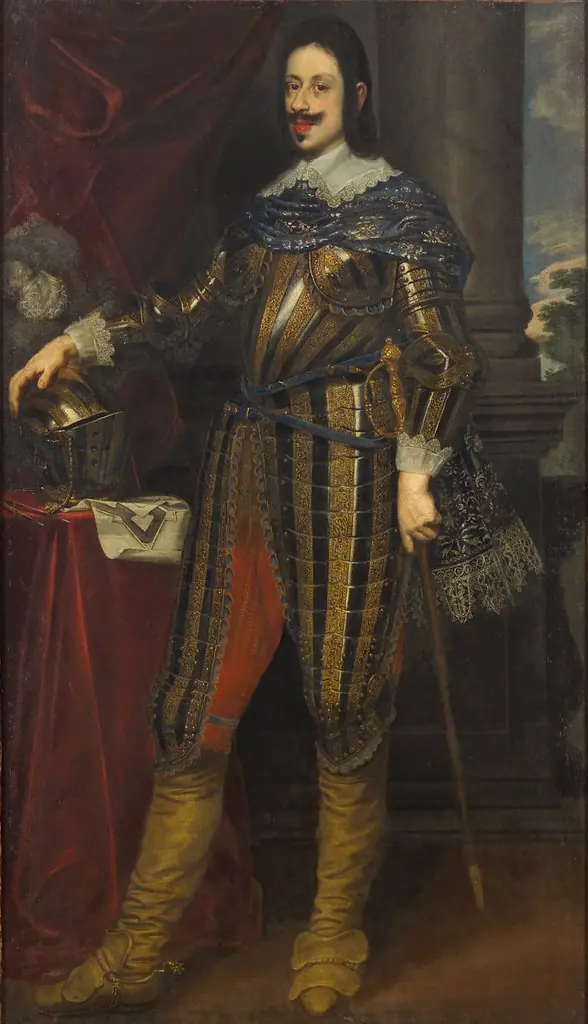 Grand-duke Ferdinand II of Tuscany (1610-1670) in Armour
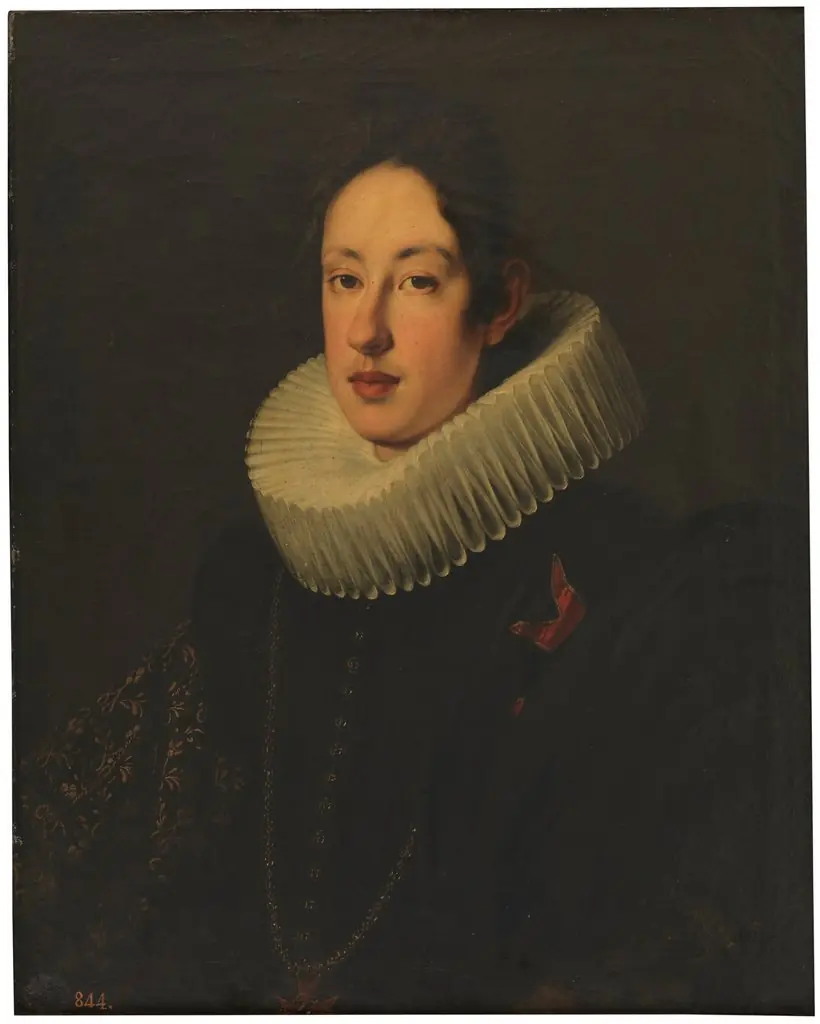 Portrait of Ferdinand II of Tuscany
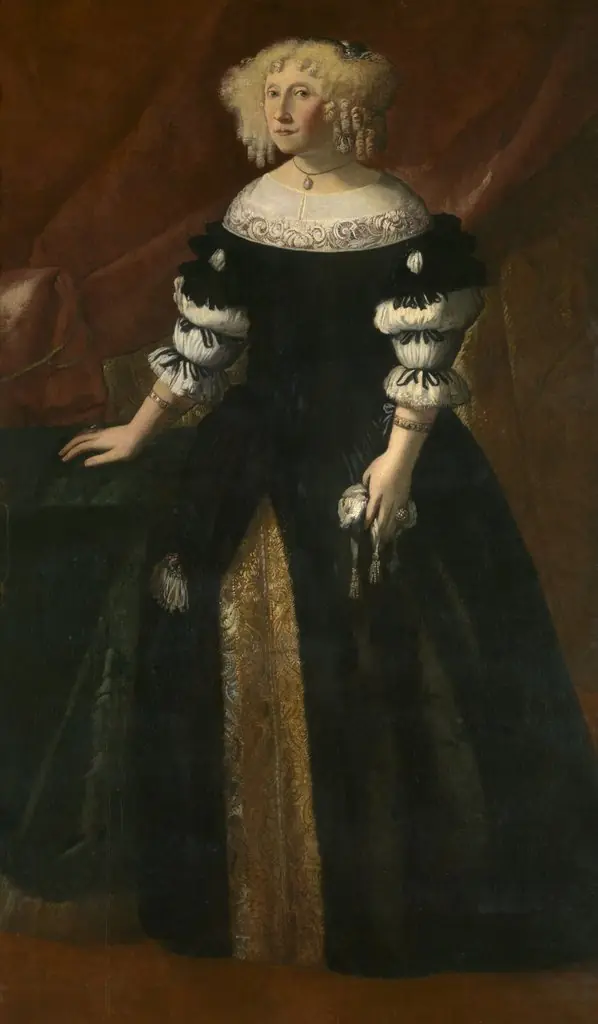 Portrait of a Woman
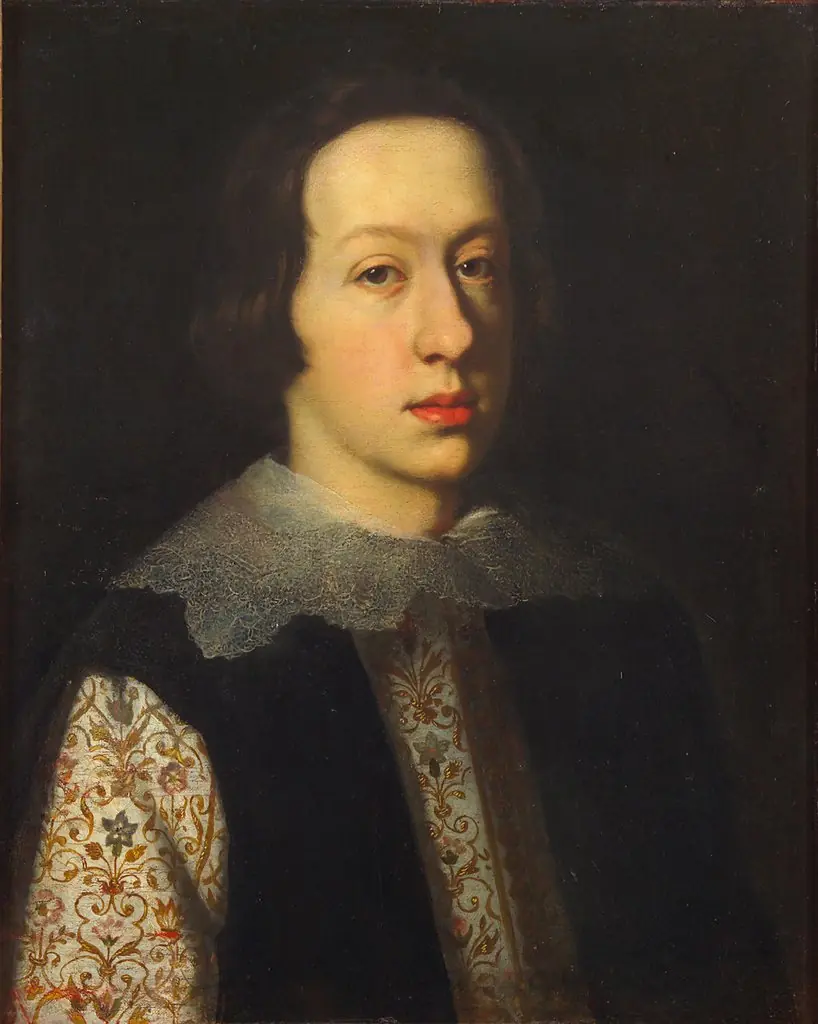 Portrait of Mattias de' Medici
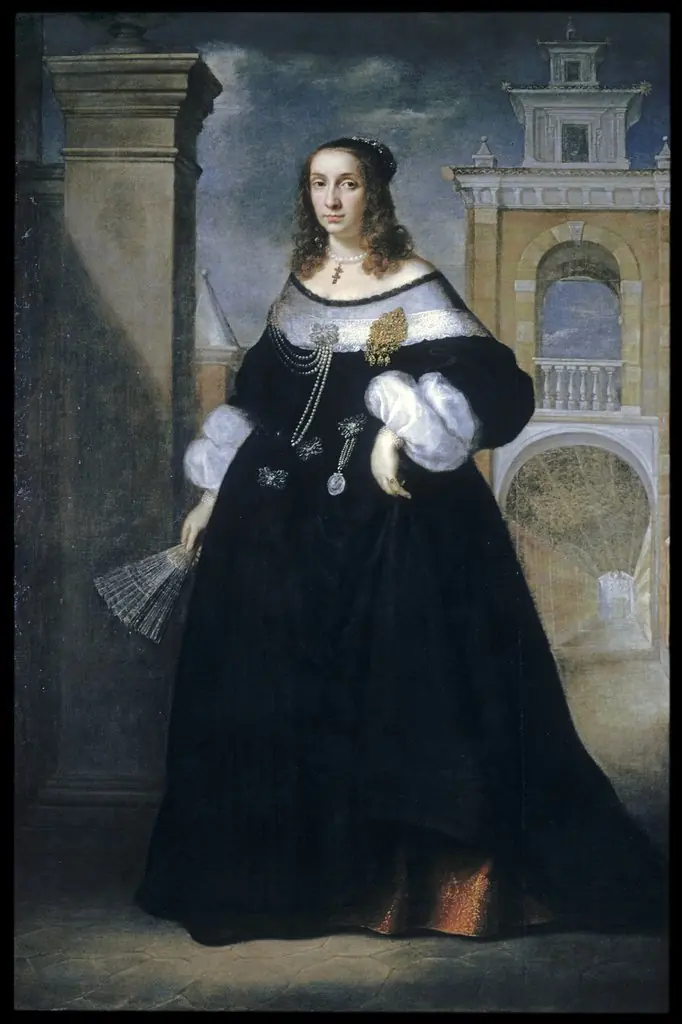 Portrait of Margherita van der Goes
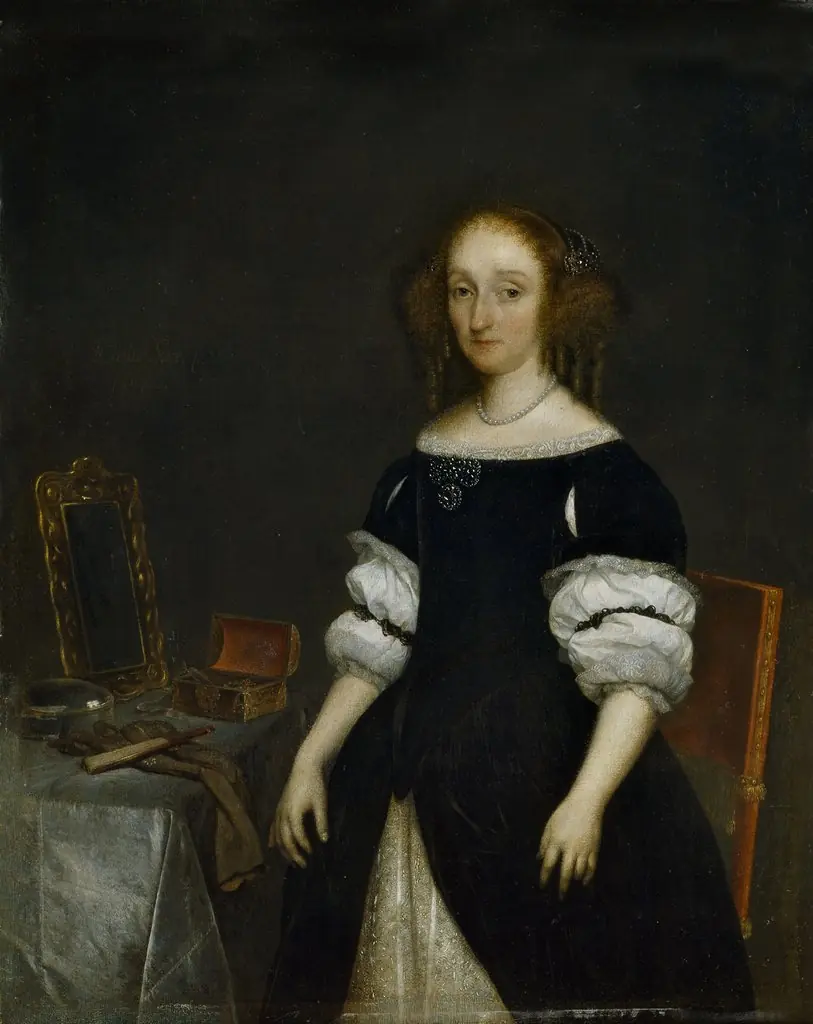 Portrait of Petronella de Waert
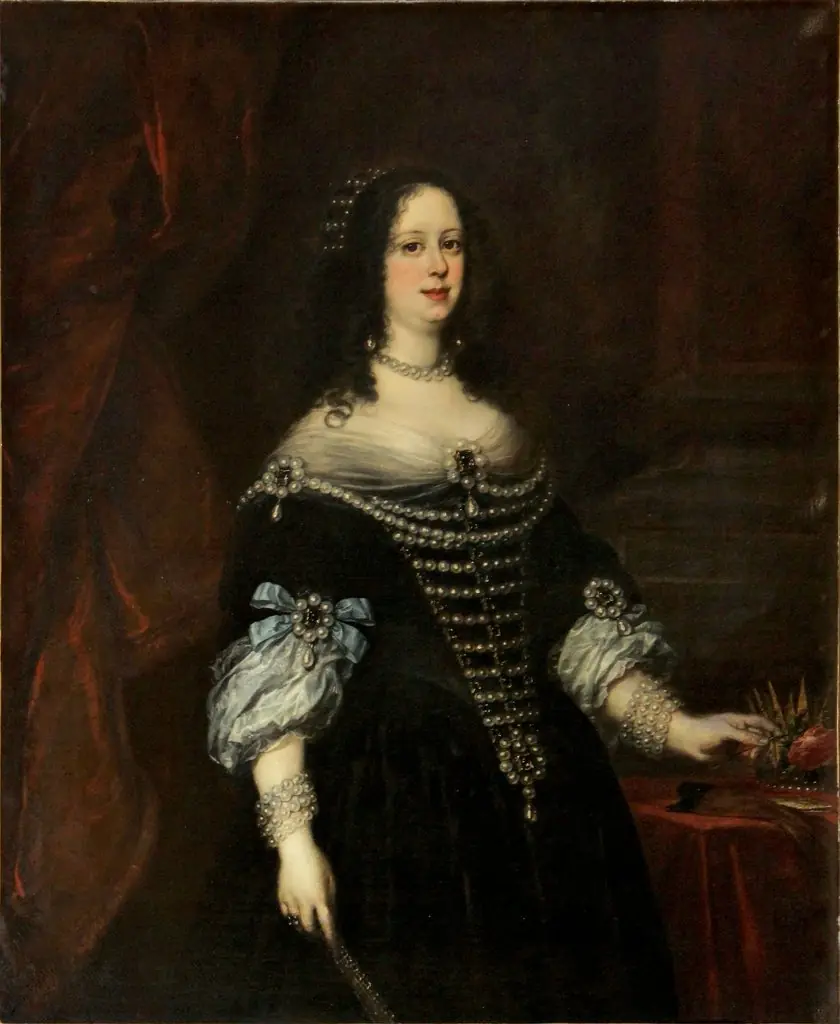 Portrait of Vittoria della Rovere
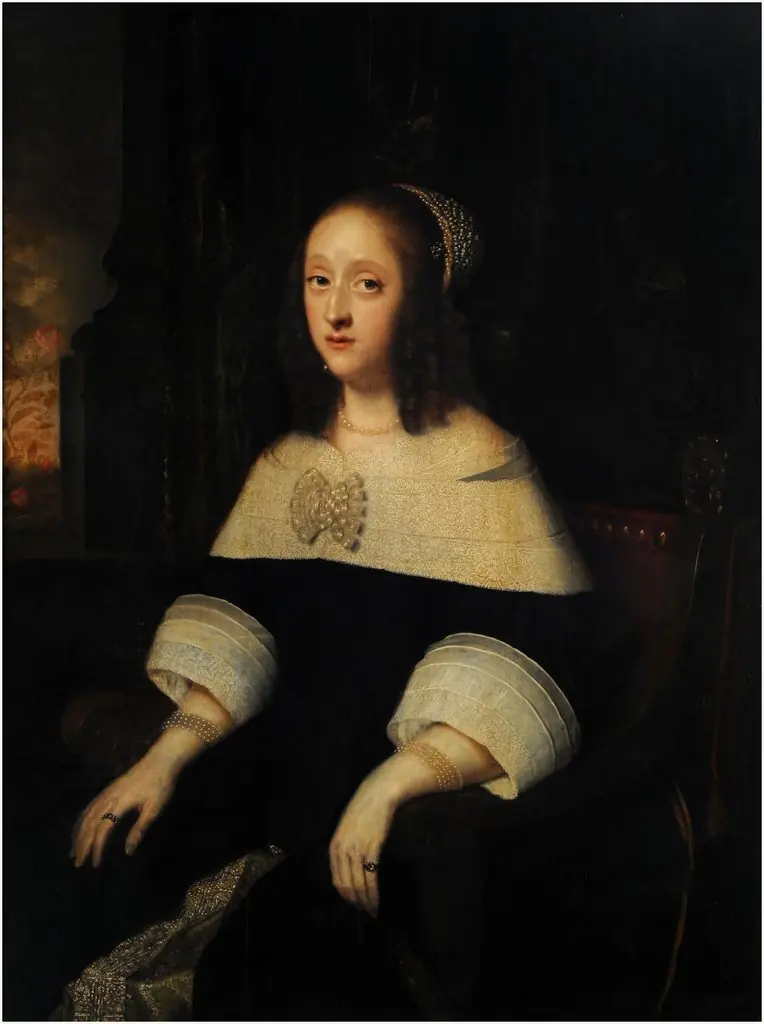 Retrato de dama
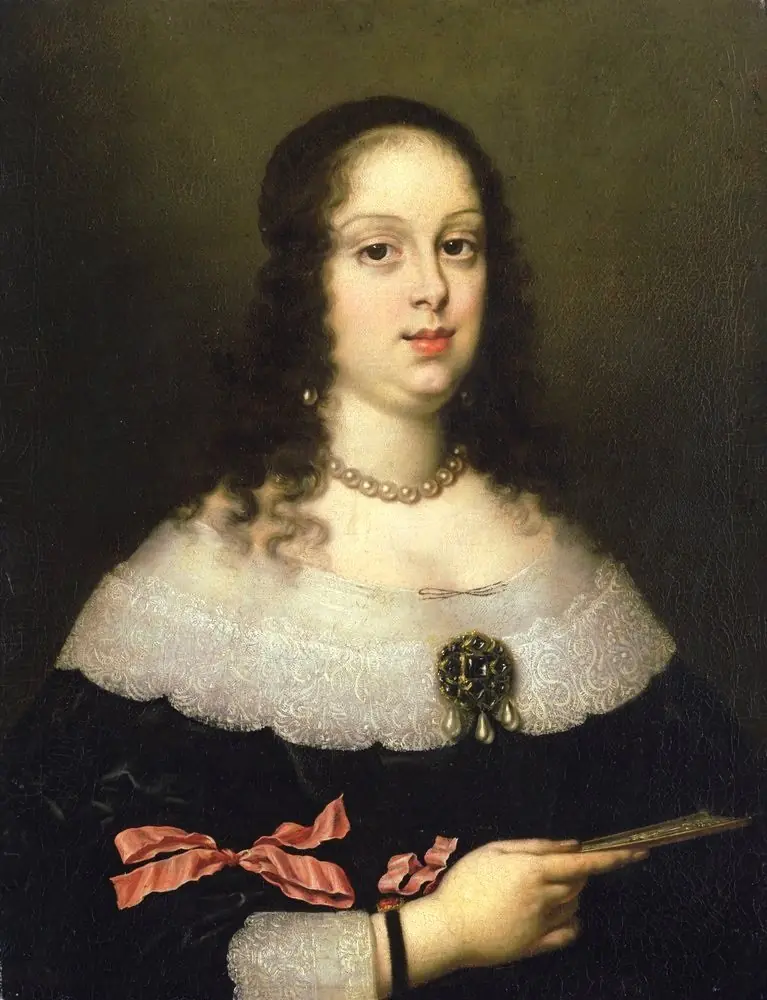 Portrait of Vittoria della Rovere, Grand Duchess of Tuscany
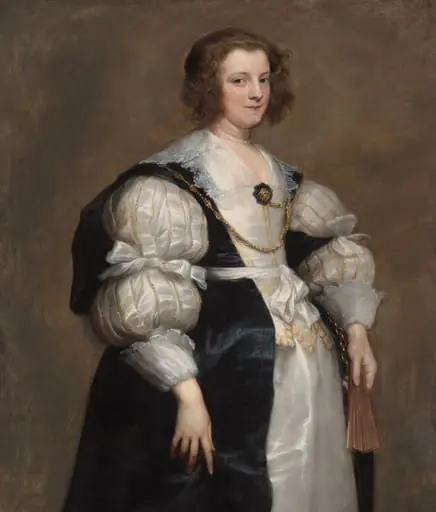 Lady with a Fan
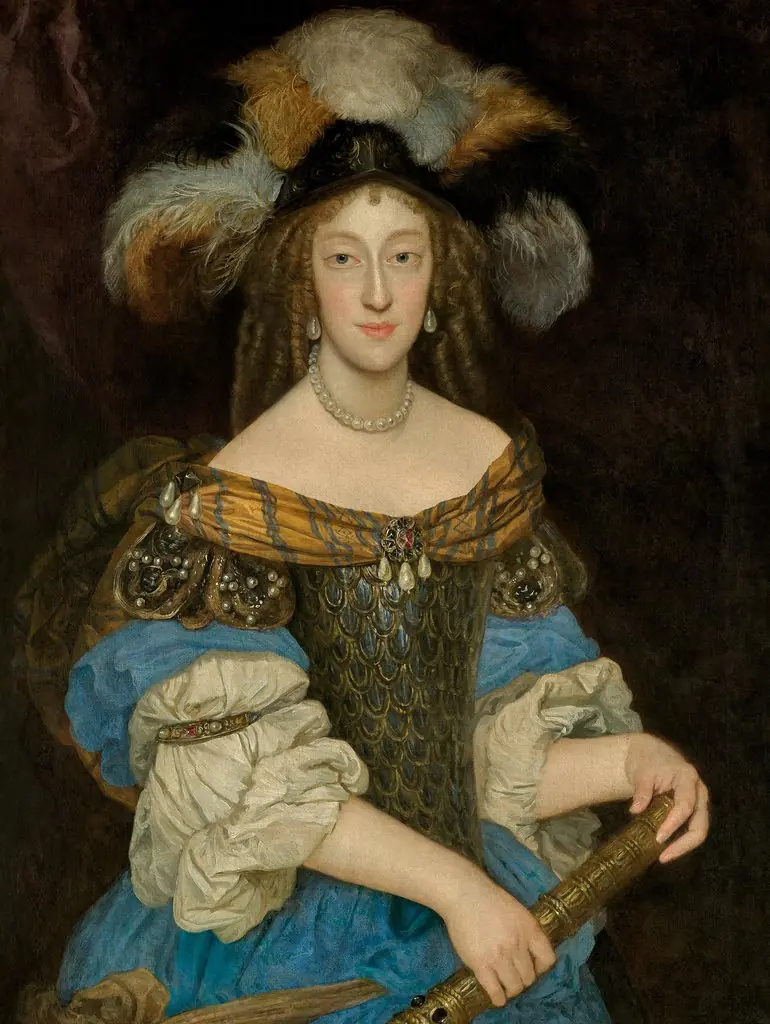 Henriette Adelaide (1636-1676)
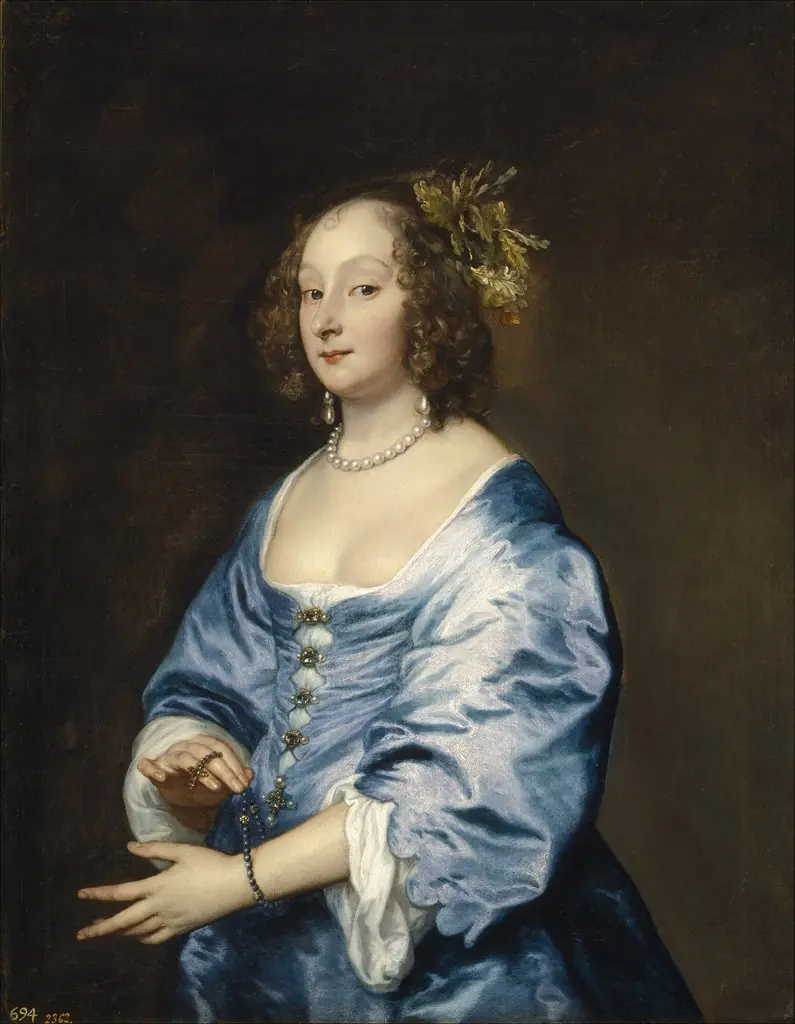 Mary, Lady Van Dyck
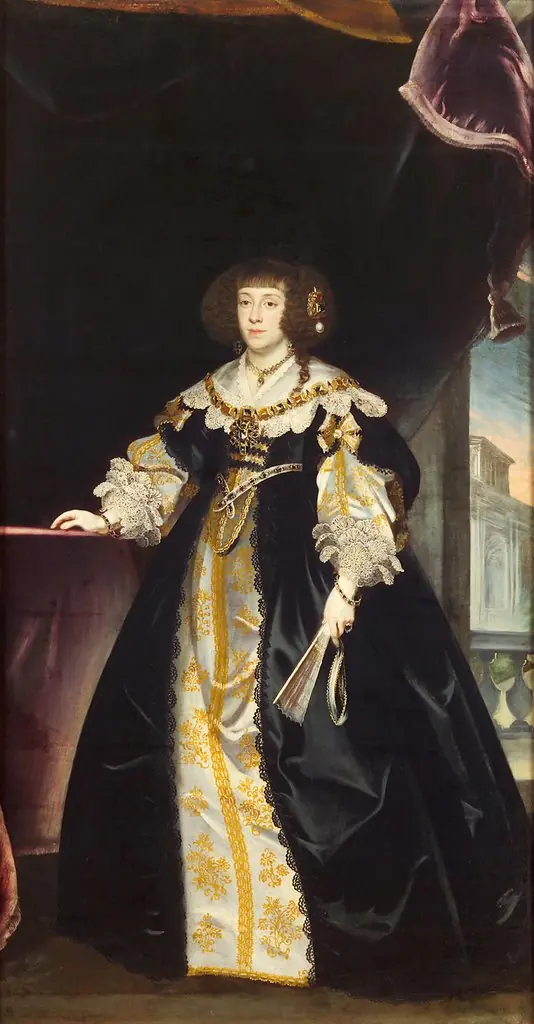 Portrait of a woman
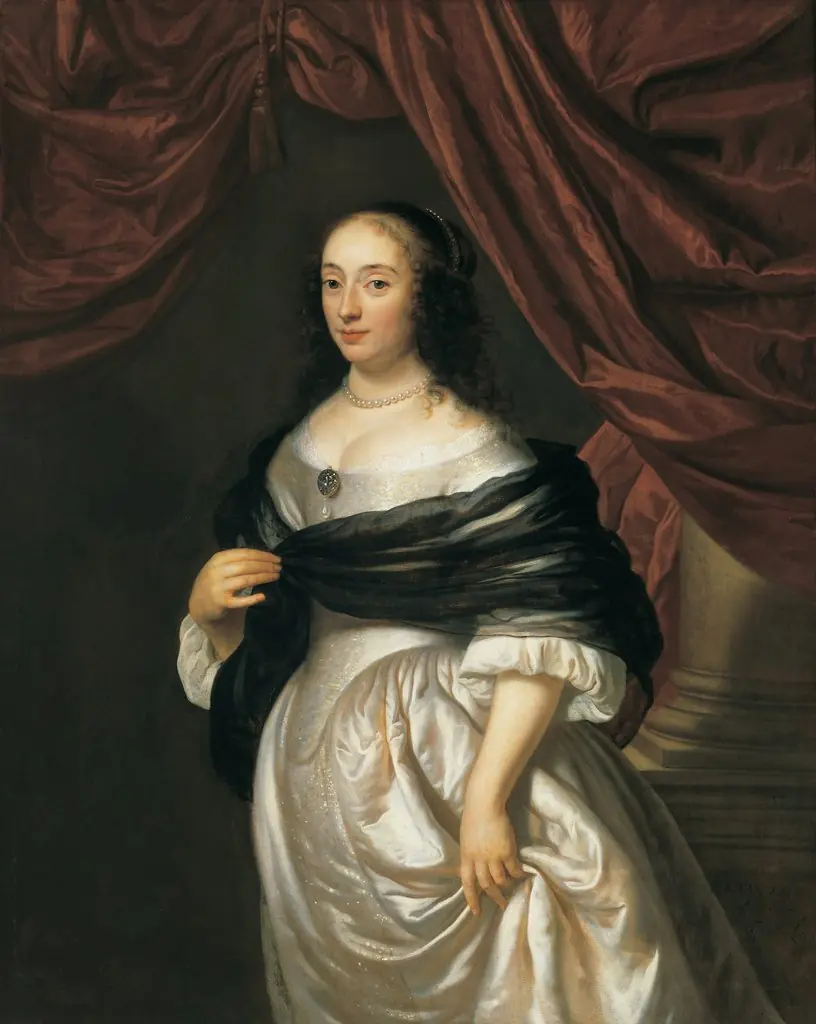 Retrato de la Condesa de Goldstein
 Isabella d'Este
 Portrait of a woman, thought to be Lucretia Boudaen