Artwork
Vista interior de Curuzú mirado de aguas arriba
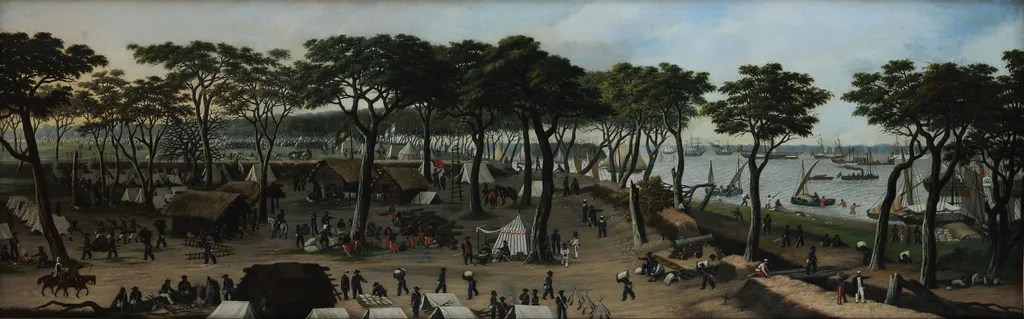
Vista interior de Curuzú mirado de aguas arriba is an oil painting by the Impressionist artist Luis Candido Lopez. It dates from 1896 and is held in the collection of the National Museum of Fine Arts, Argentina. Painted in 1896 by Argentine artist Luis Cándido López, this oil-on-canvas work captures a riverside scene near Curuzú.
About this work
Overview
Though executed in oil, the painting reflects a distinctive visual language shaped by the artist’s personal experience rather than formal academic training.
Painted in 1896 by Argentine artist Luis Cándido López, this oil-on-canvas work captures a riverside scene near Curuzú. Though executed in oil, the painting reflects a distinctive visual language shaped by the artist’s personal experience rather than formal academic training. It resides in the National Museum of Fine Arts in Buenos Aires, where it is valued for its documentary quality and unique aesthetic.
Subject & Meaning
The scene depicts daily life along the Paraná River during the aftermath of the Paraguayan War. Figures gather near the water’s edge, while others ride horses or move between makeshift structures. The composition avoids dramatic narrative, instead offering a quiet record of civilian and military presence in a region recently affected by conflict. Its significance lies in its unembellished observation of ordinary moments amid historical upheaval.
Technique & Style
López’s approach is characterized by flattened perspectives, simplified forms, and a restrained palette. He avoids traditional chiaroscuro, favoring broad areas of color to suggest spatial depth. Brushwork is deliberate but not expressive in the Impressionist sense; rather, it serves a documentary function. The result is a visual record that feels both intimate and detached, aligning more with naïve realism than stylistic movements of the time.
History & Provenance
López painted this work after serving as a soldier in the Paraguayan War, during which he made numerous sketches from life. He later translated these into oil paintings, preserving scenes he witnessed firsthand. The painting entered the collection of the National Museum of Fine Arts in Buenos Aires in the early 20th century, where it remains as part of a larger body of work documenting Argentina’s military history through personal testimony.
Context
Created decades after the Paraguayan War ended, the painting reflects a period when Argentina was consolidating national identity through historical memory. López’s depictions diverged from heroic battle imagery common in official art, instead focusing on quiet, mundane moments. His work offered an alternative narrative—one shaped by the soldier’s eye rather than the state’s propaganda.
Legacy
López’s paintings are now recognized as rare visual archives of 19th-century South American military life. His untrained style, once dismissed as crude, is now appreciated for its authenticity and emotional restraint. He influenced later generations of Argentine artists seeking to represent national history through personal, non-idealized perspectives, establishing a quiet but enduring precedent in regional art.
Artist & collection
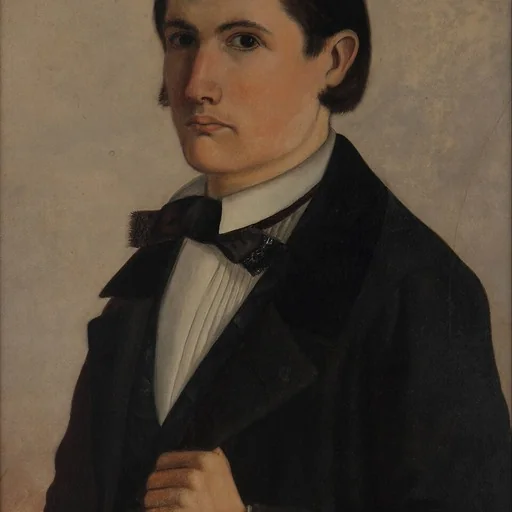
Artist
Cándido López (29 August 1840 – 31 December 1902) was an Argentine soldier and painter who worked in the Naïve style. He is best known for his historical scenes from the Paraguayan War in which he fought.

Museum
National Museum of Fine Arts, Argentina
Continue through works from the same source collection.
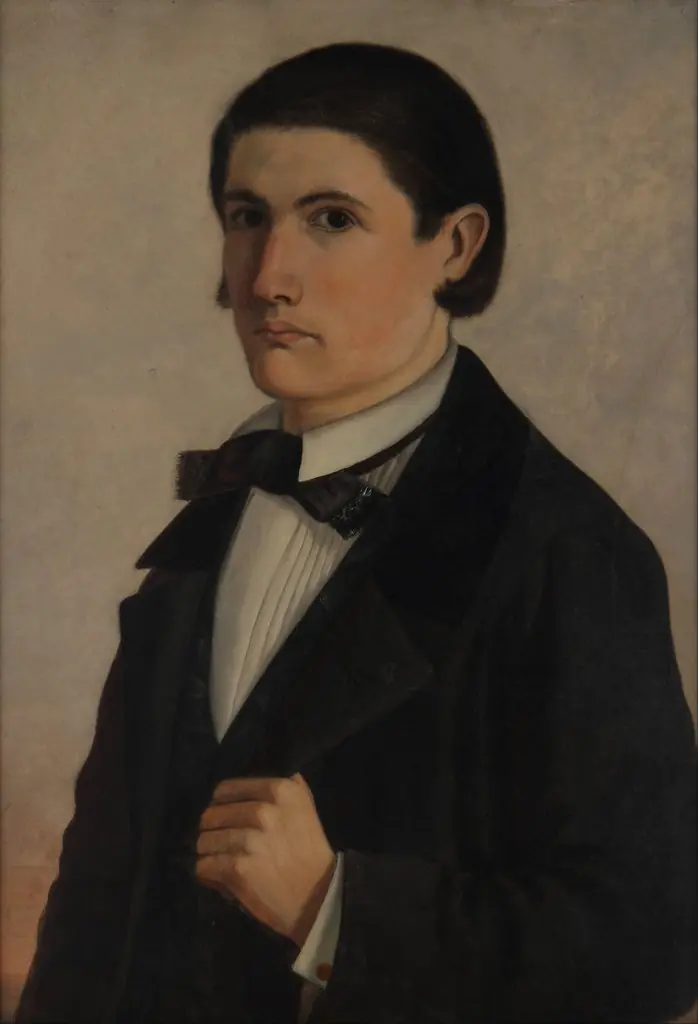 Autorretrato
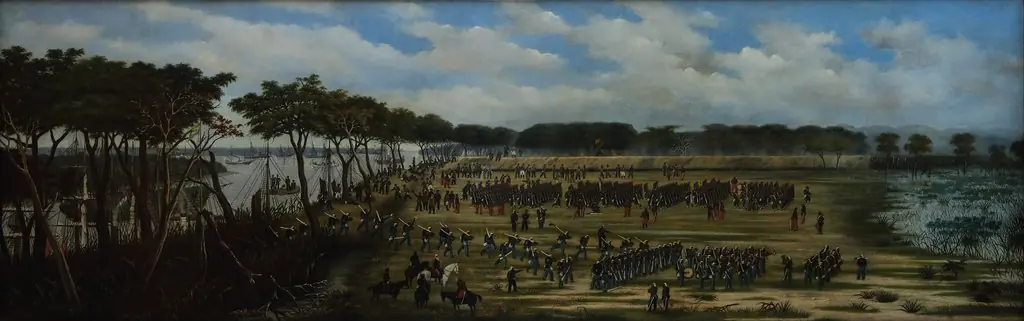 Desembarco del Ejército Argentino frente a las trincheras de Curuzú
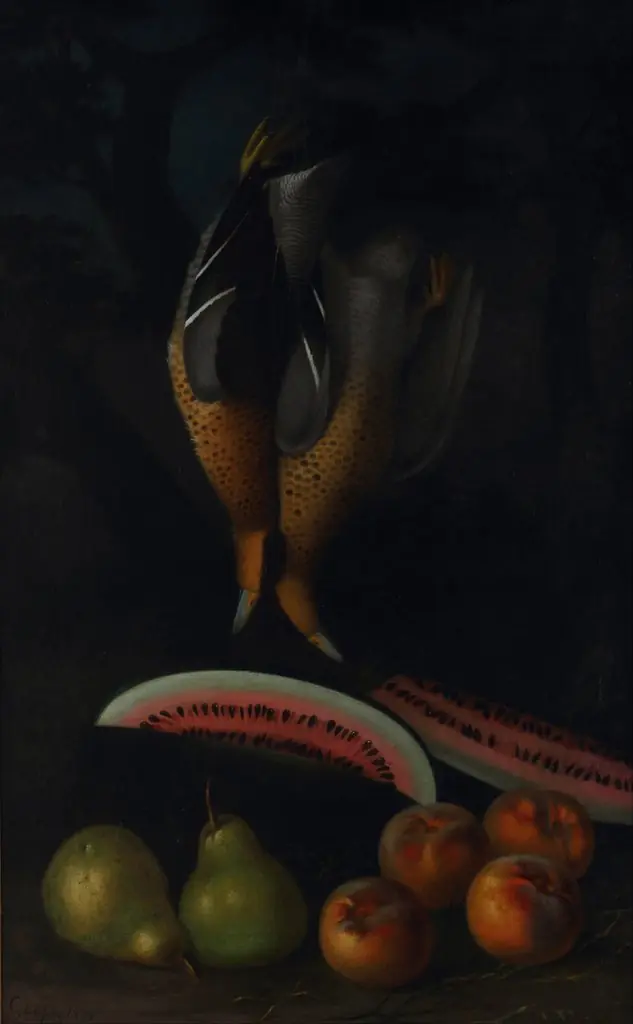 Naturaleza Muerta
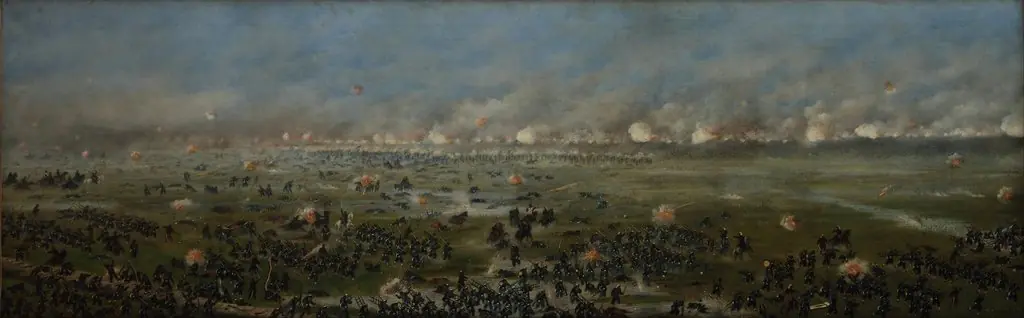 Asalto de la tercera columna argentina a Curupaytí
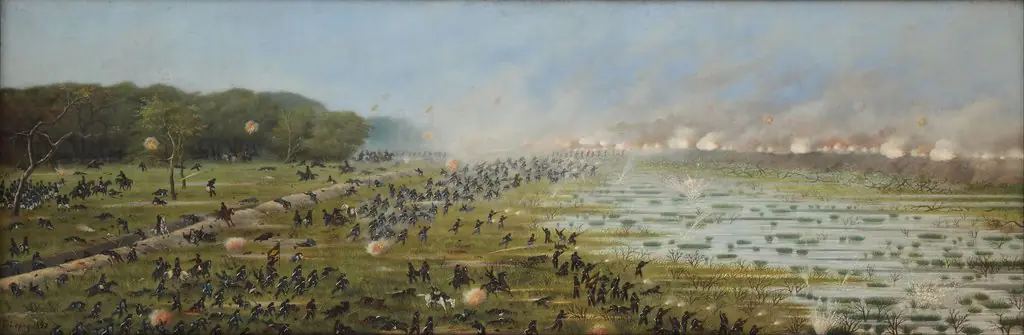 Asalto de la primera columna brasileña a Curupaytí
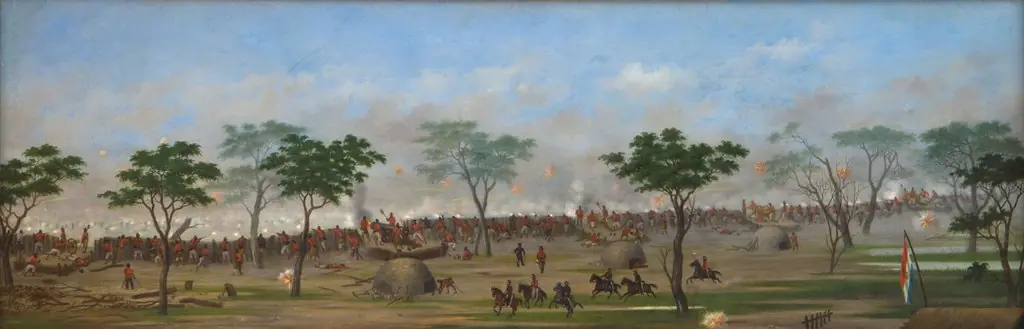 Trinchera de Curupaytí (Tít. ant.: Vista de las trincheras y parte del campo de batalla de Curupaytí)
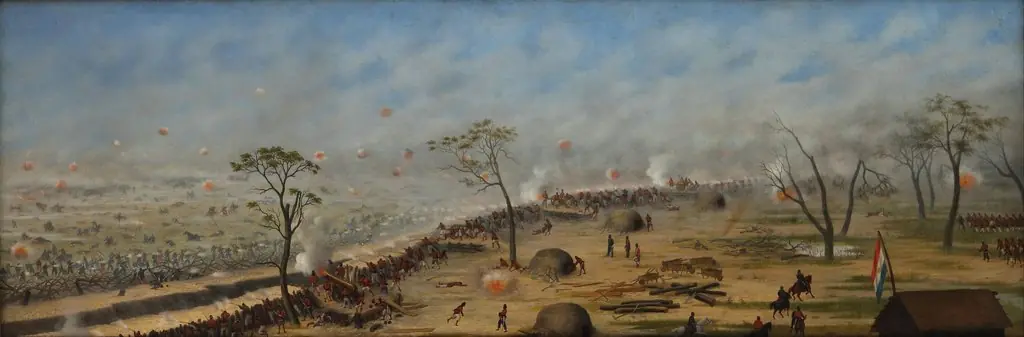 Trinchera de Curupaytí
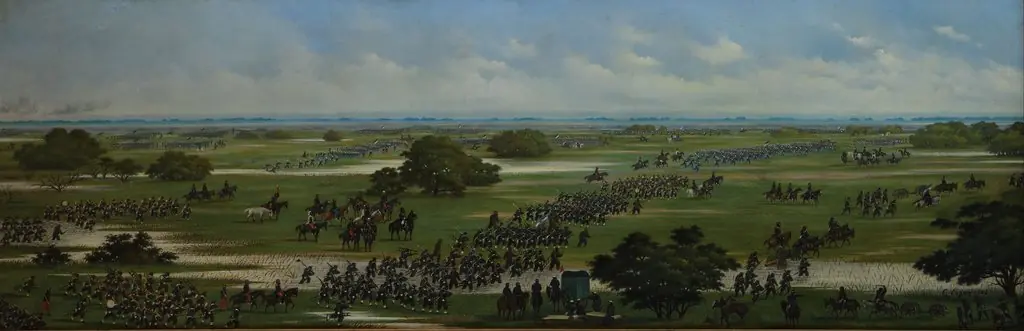 Marcha del Ejército Argentino a tomar posiciones para el ataque a Curupaytí el 22/09/1866
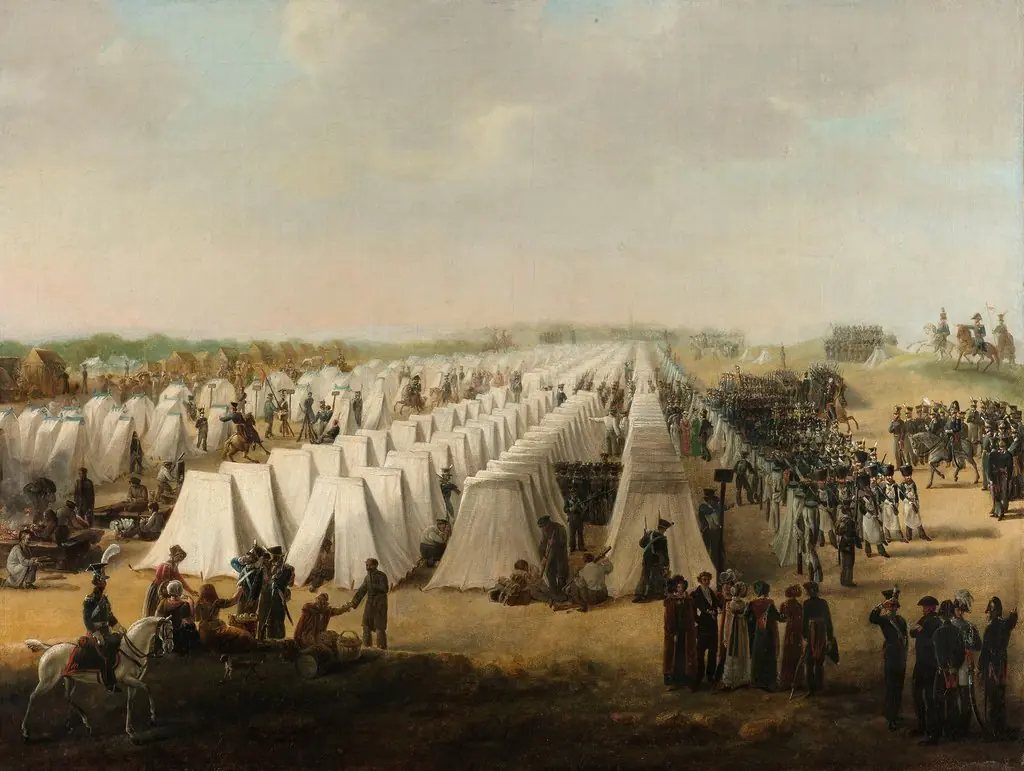 The Army Camp at Rijen
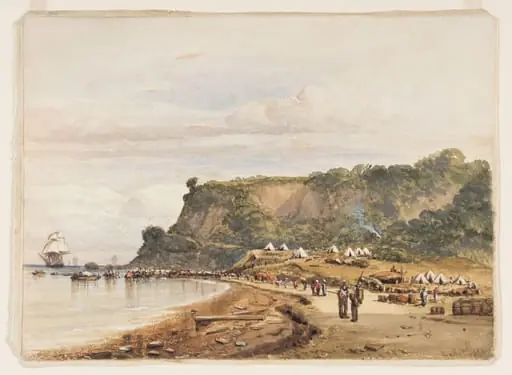 Landing of British and French Troops at Varna on the Black Sea from H.M.S Bellerophon, 17 July 1854, in the Crimean War
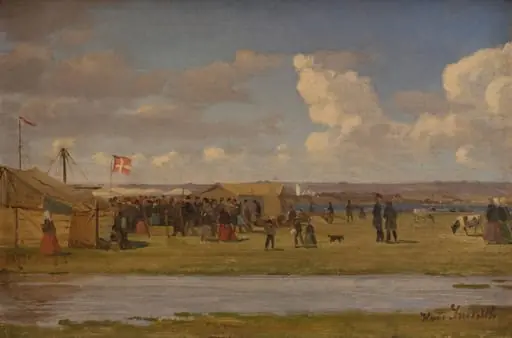 Fur marked
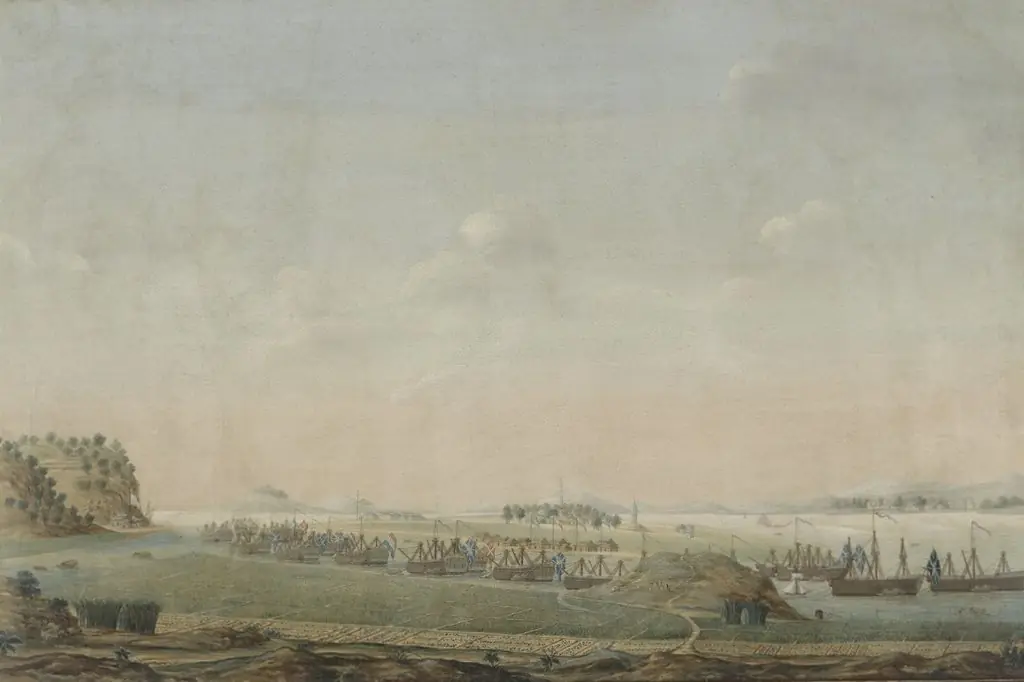 Three Views of the Pearl River: Canton, Macao, Whampoa
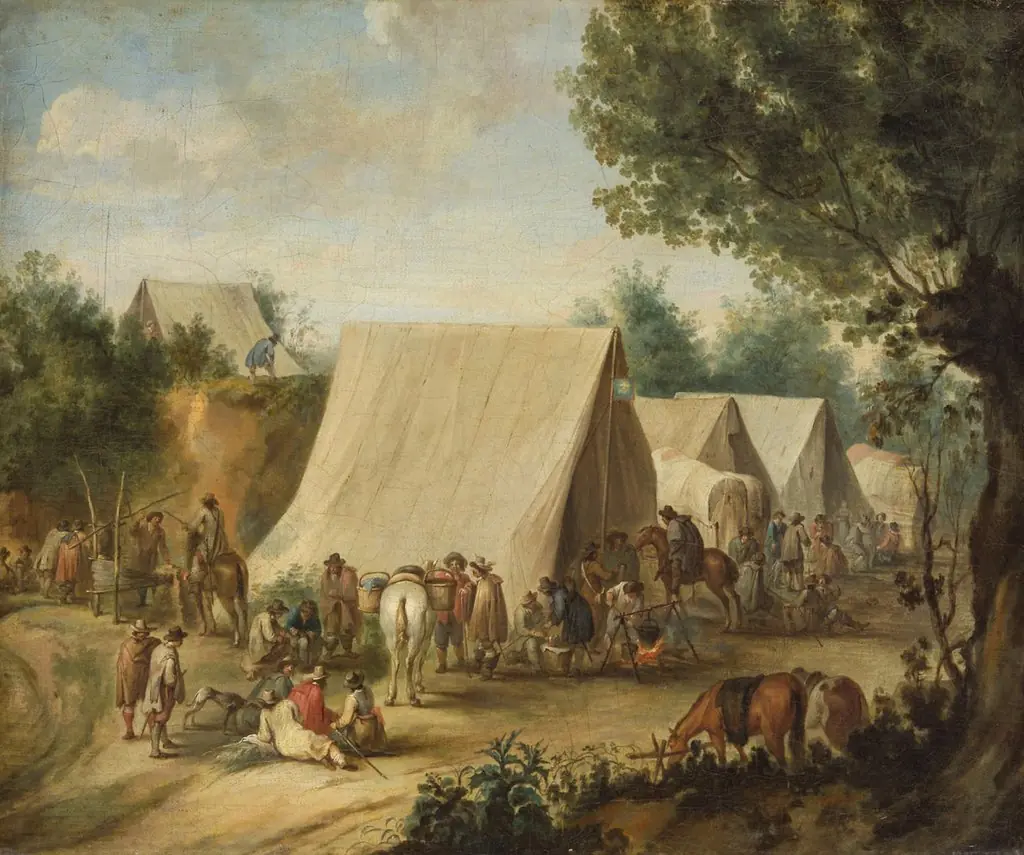 Camp
Camp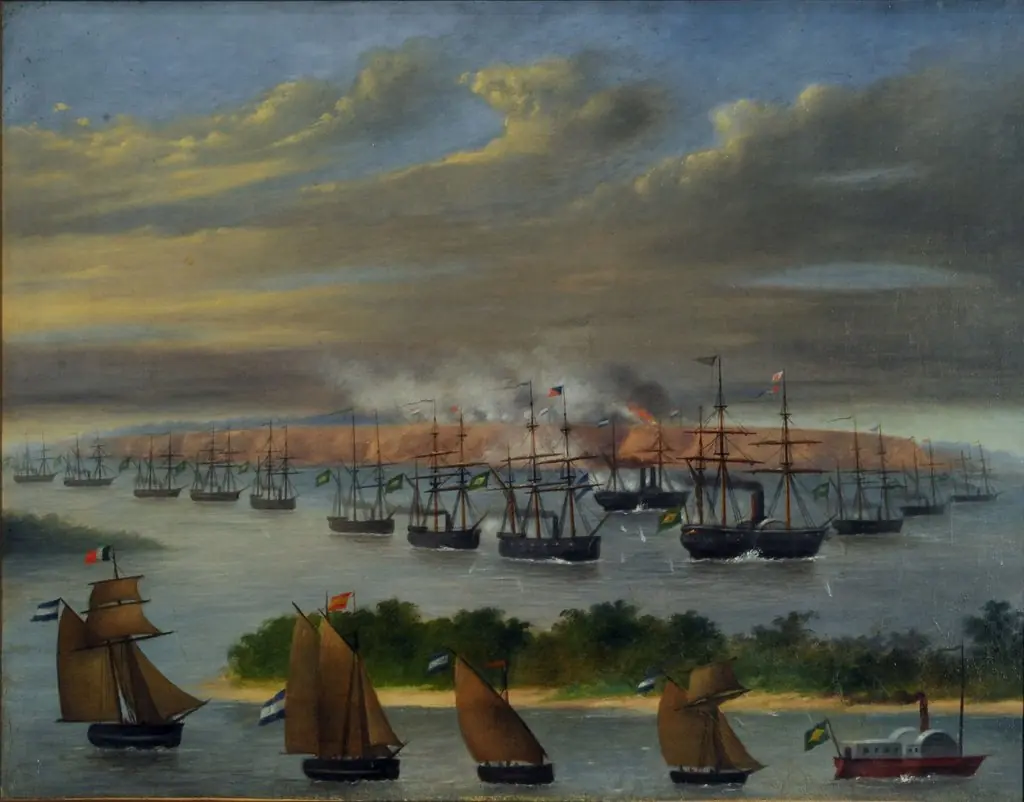 La Escuadra en el canal Privado del Paso de la Patria, 23 de abril de 1866
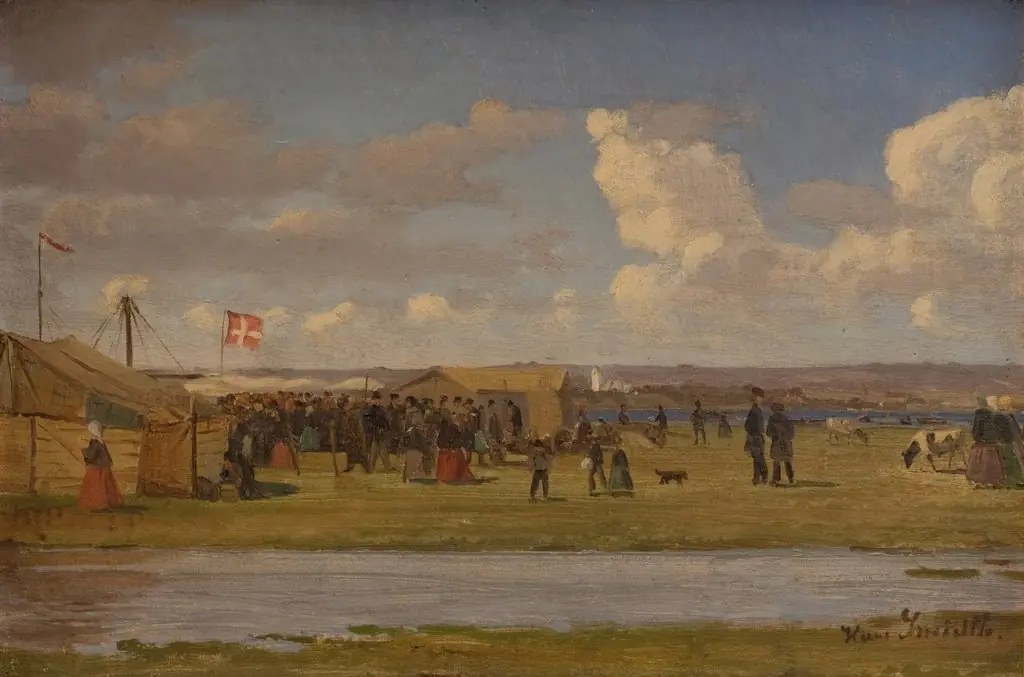 Fur marked
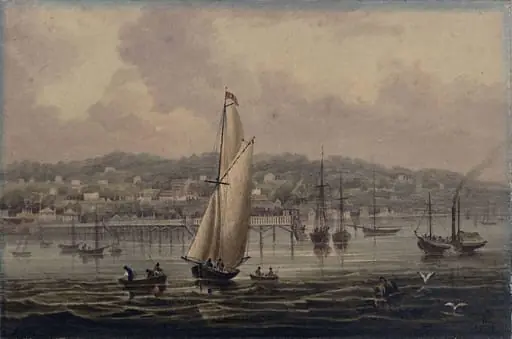 Ryde, Isle of Wight
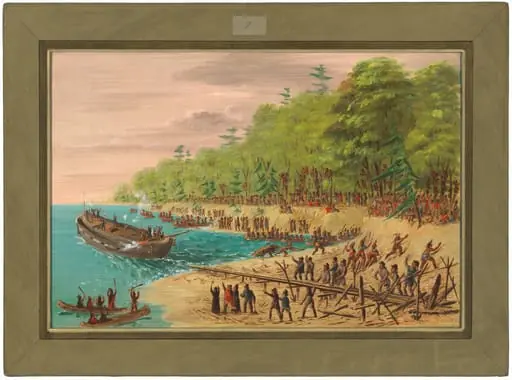 Launching of the Griffin. July 1679
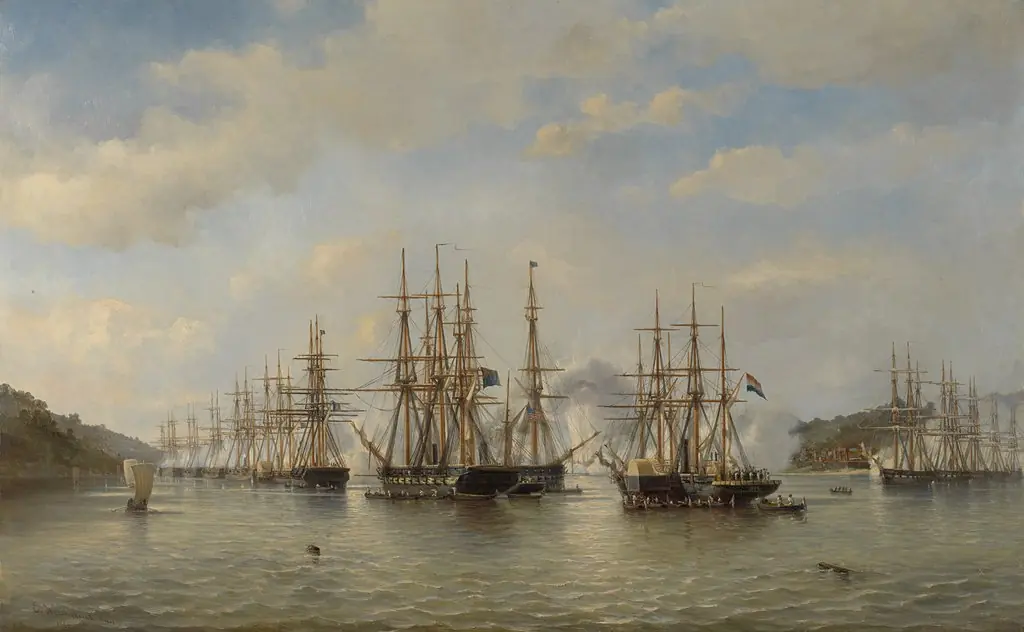 Dutch, English, French and American Squadrons in Japanese Waters during the Expedition under the Command of the French Captain Constant Jaurès, September 1864
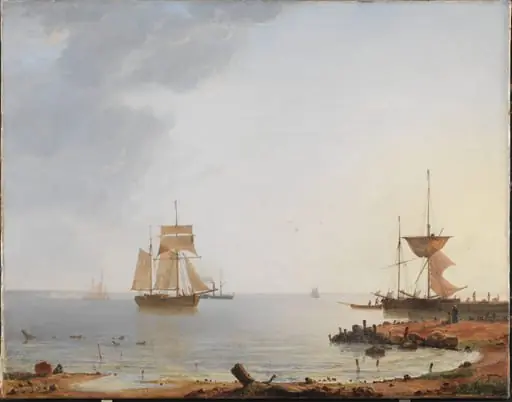 Ships Off the Coast of Zealand. Morning
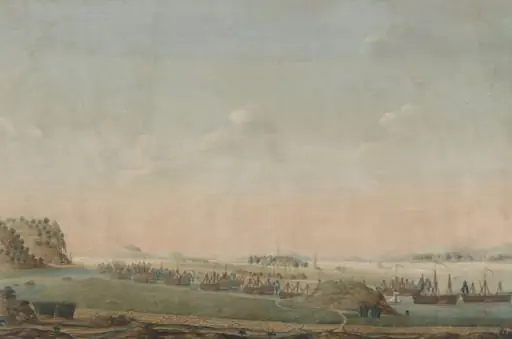 Drie gezichten op de Parelrivier: Kanton, Macao, Whampoa